You pull off a Central Texas highway expecting maybe a quick stretch of the legs and a snack from the cooler. Instead, you end up standing over real Ice Age mammoth bones, still resting in the dirt where they settled tens of thousands of years ago.
It costs about the same as a burger, it takes around an hour, and it may be the most jaw-dropping roadside stop in all of Texas. Here is why this quiet, wooded spot deserves a place on your next drive.
A National Monument Tucked Off Steinbeck Bend Drive
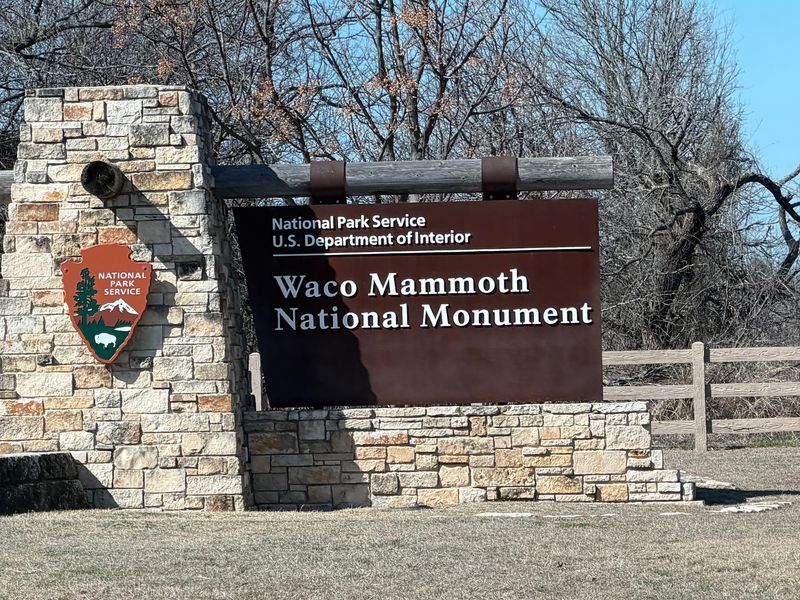
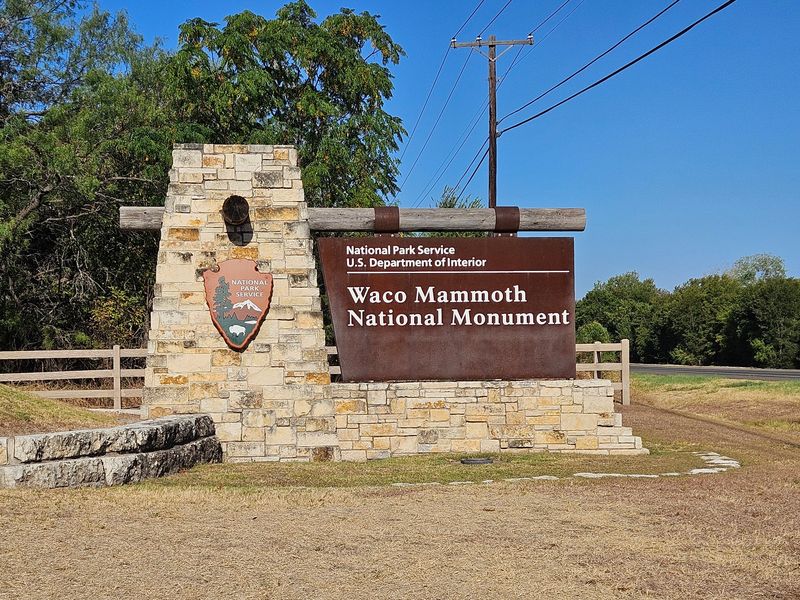
Out on the northwest edge of Waco, at 6220 Steinbeck Bend Drive, sits a place that looks more like a quiet city park than a world-class science site. Trees shade the parking lot, a modest visitor center greets you, and nothing about the front door shouts for attention.
That calm first impression is part of the charm. Waco Mammoth National Monument preserves fossils of Ice Age Columbian mammoths and other animals, and many of them remain in situ, which simply means they are still lying in their original spots in the ancient bone bed.
Plenty of museums show bones mounted on metal frames under bright lights. Here, the earth itself is the display case.
Visitors often say they expected a small museum with things on the walls and were stunned to find an active excavation site instead.
The monument is run through a partnership between the City of Waco, Baylor University, and the National Park Service. It became a national monument in 2015, which makes it a fairly young member of the park family, even though its star attractions are tens of thousands of years old.
Two Friends, One Spring Day, and a Very Big Bone
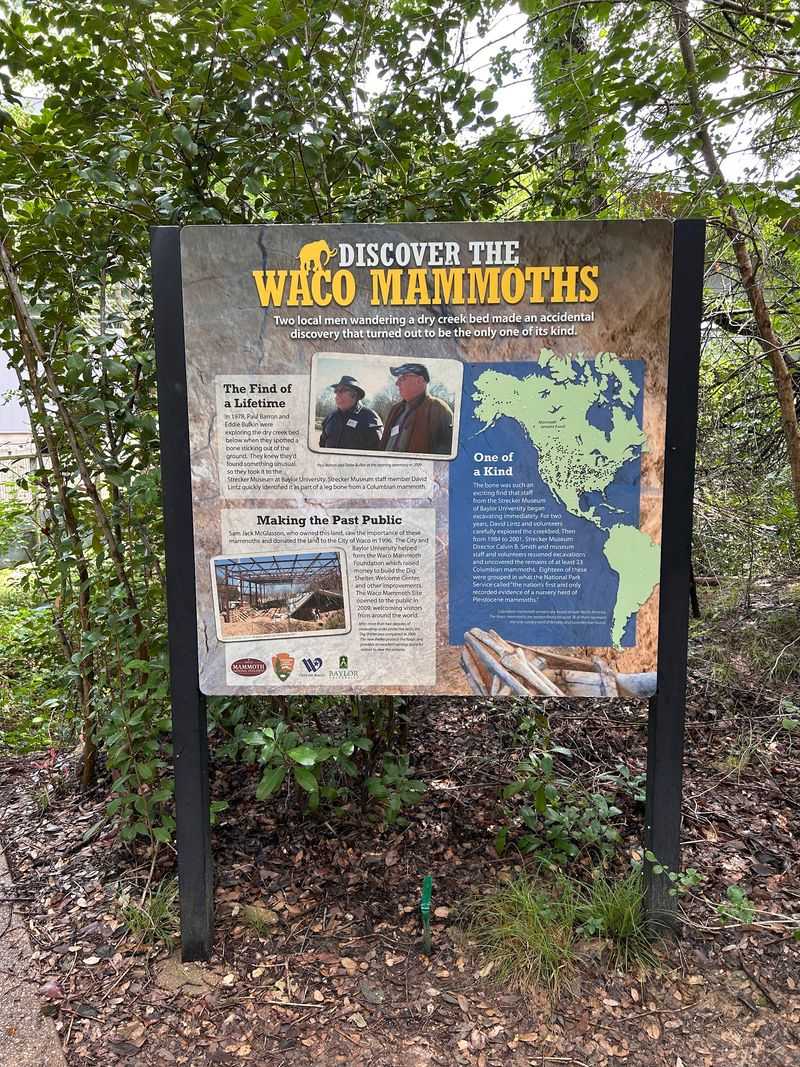
Picture 1978, a spring afternoon near the Bosque River. Two young friends were poking around looking for arrowheads and fossils, the kind of lazy exploring Texas kids have done for generations.
Then one of them spotted a bone far too large to belong to any cow or deer. It turned out to be from a mammoth, and that chance find kicked off decades of careful digging by scientists.
The story gets even better in person. One recent visitor shared that Paul Barron, one of the men who made the original discovery, happened to be on their tour that day.
Imagine hearing the tale straight from the person who found it.
Work carried on quietly for years before the site opened to the public in 2009. Every bone you see today traces back to that simple walk by the river.
The Only Nursery Herd of Its Kind
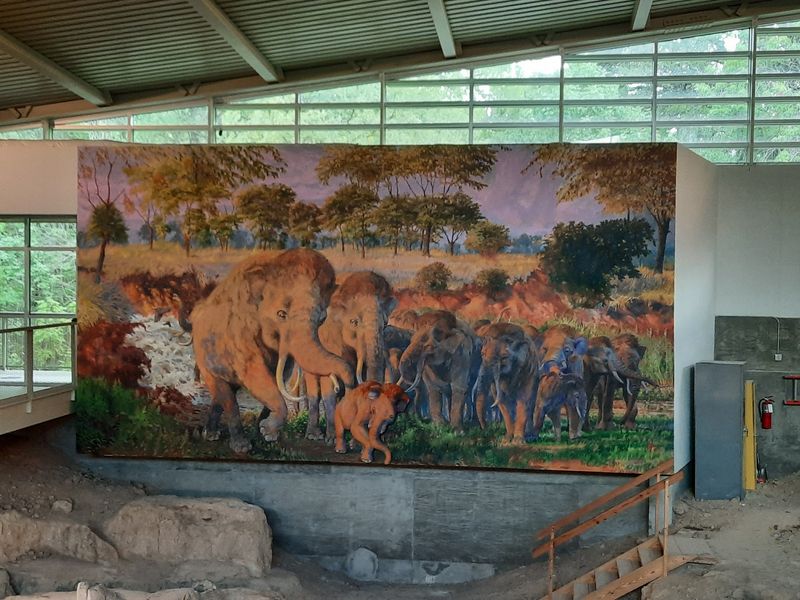
Mostly mothers and their young. That is what makes this bone bed so rare, because it holds the remains of a Columbian mammoth nursery herd, the only known discovery of its kind in North America.
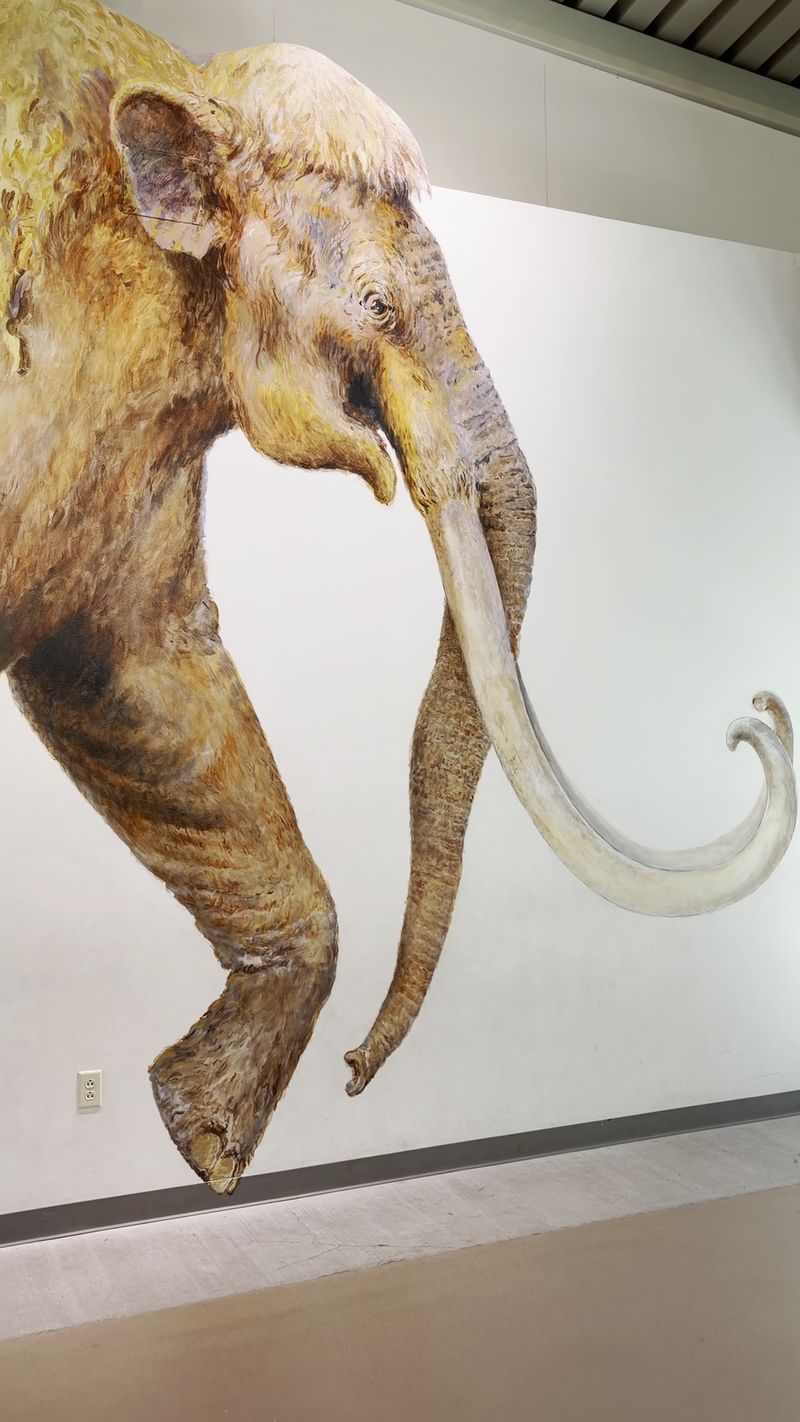
Columbian mammoths were larger than their famous woolly cousins, and they roamed what is now Texas long before any highway crossed it. Rangers explain that the herd here was made up of females and juveniles, with very few males, which is how herds of these giants seem to have traveled.
Some remains are arranged in a way that tugs at the heart. Juveniles appear to rest close beside adults, as if the older animals stayed near the little ones to the very end.
Standing above that scene is a strangely tender moment. You came for big bones, and you leave thinking about families.
Inside the Climate-Controlled Dig Shelter
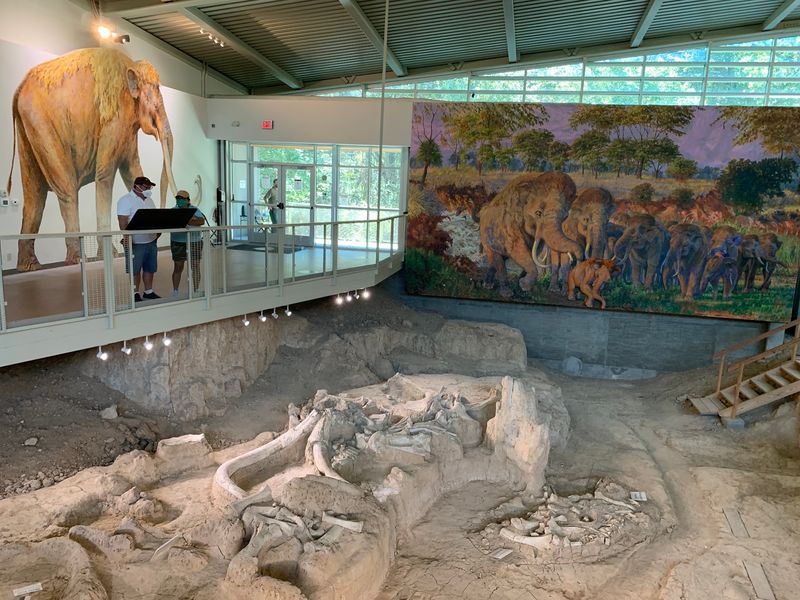
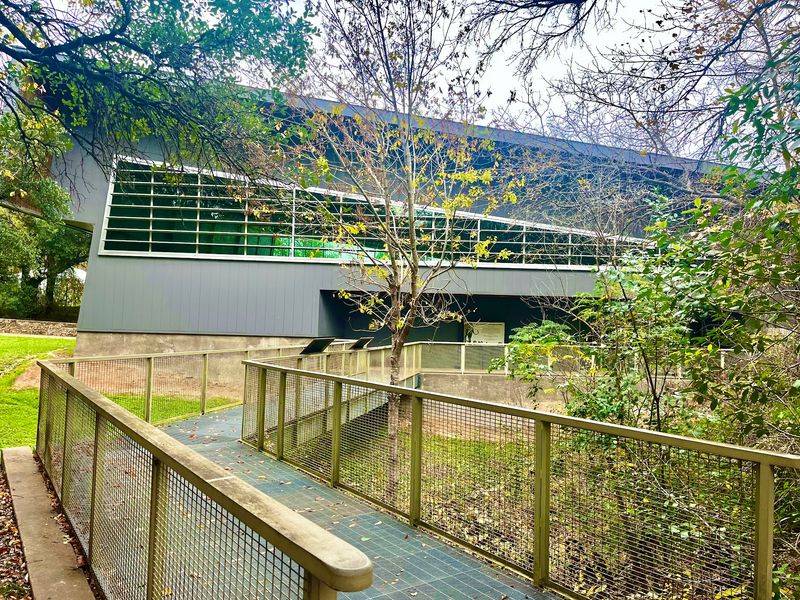
Step through the doors and the Texas heat simply melts away. The Dig Shelter is a climate-controlled building wrapped around the actual bone bed, so you can study the fossils in comfort even on a 100-degree afternoon.
Look up and you will notice something clever. The walking platforms hang from the ceiling instead of resting on the ground, keeping the fragile fossils below completely undisturbed.
From those walkways you peer down at tusks, skulls, and long leg bones half-buried in pale earth. Visitors often describe the feeling as stepping into a real discovery site rather than a museum exhibit.
Families with little ones appreciate the cool air most. One parent called it an outdoorsy feeling with air conditioning, which is about the best summer combination Texas has to offer.
Camels, Alligators, and Other Surprise Neighbors
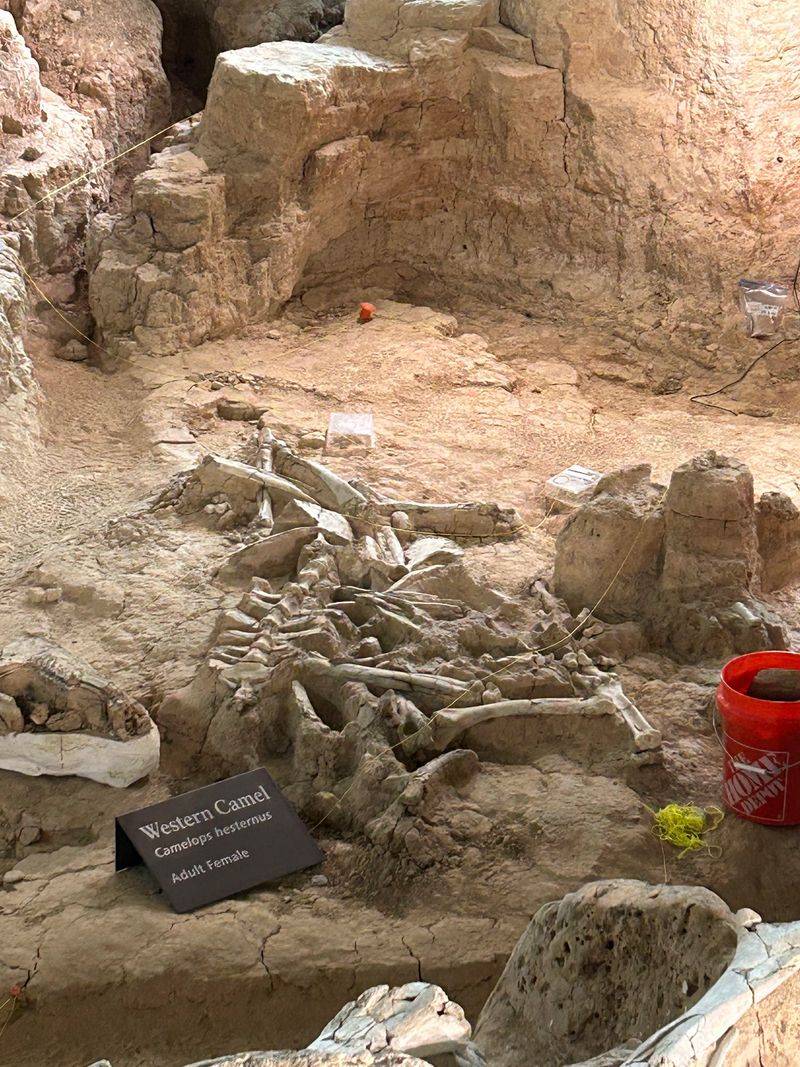
Mammoths get top billing, but the supporting cast is a real surprise. Scientists have also found a Western camel, a dwarf antelope, an American alligator, and even a giant tortoise at the site.
Yes, camels once wandered around Central Texas. Several visitors admit they will never look at a camel the same way after hearing the ranger explain that one.
The mix of animals paints a picture of a very different Texas, warm enough for gators and open enough for grazing giants. It turns a single bone bed into a snapshot of a whole lost world.
Fun fact for the car ride home: more than two dozen mammoths have been uncovered so far, and the count keeps climbing.
Flood, Drought, and an Unsolved Ice Age Puzzle
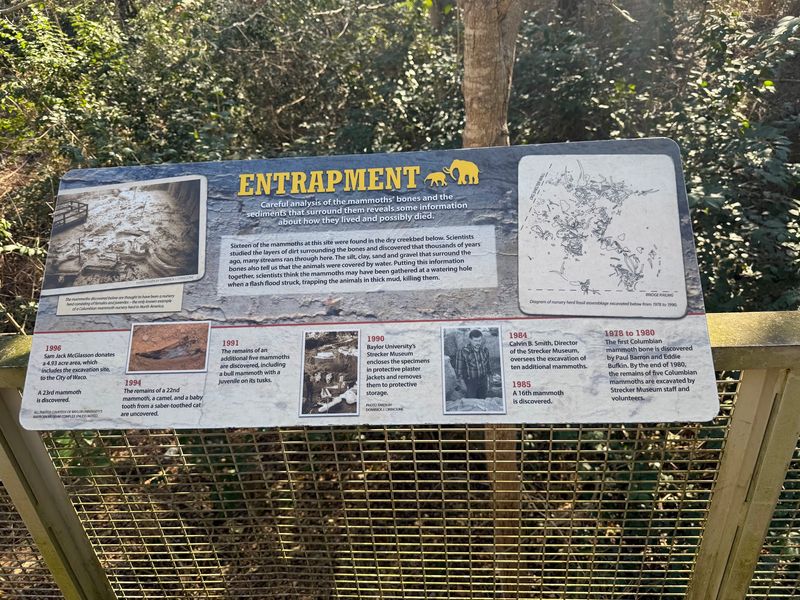
So what happened to the herd? Early researchers believed a sudden flash flood, somewhere around 65,000 to 72,000 years ago, trapped and buried the animals near the river.
Newer research has offered other ideas. One possibility is a harsh drought that may have drawn the mammoths to a shrinking water source, where they grew weak together.
Science rarely gets a neat bow on top, and that is part of the fun here. Rangers walk you through the clues and let you weigh the evidence yourself.
Kids especially love playing detective. A pile of bones becomes a mystery story, and everyone in the group seems to pick a favorite theory by the end of the tour.
Rangers Who Make Old Bones Talk
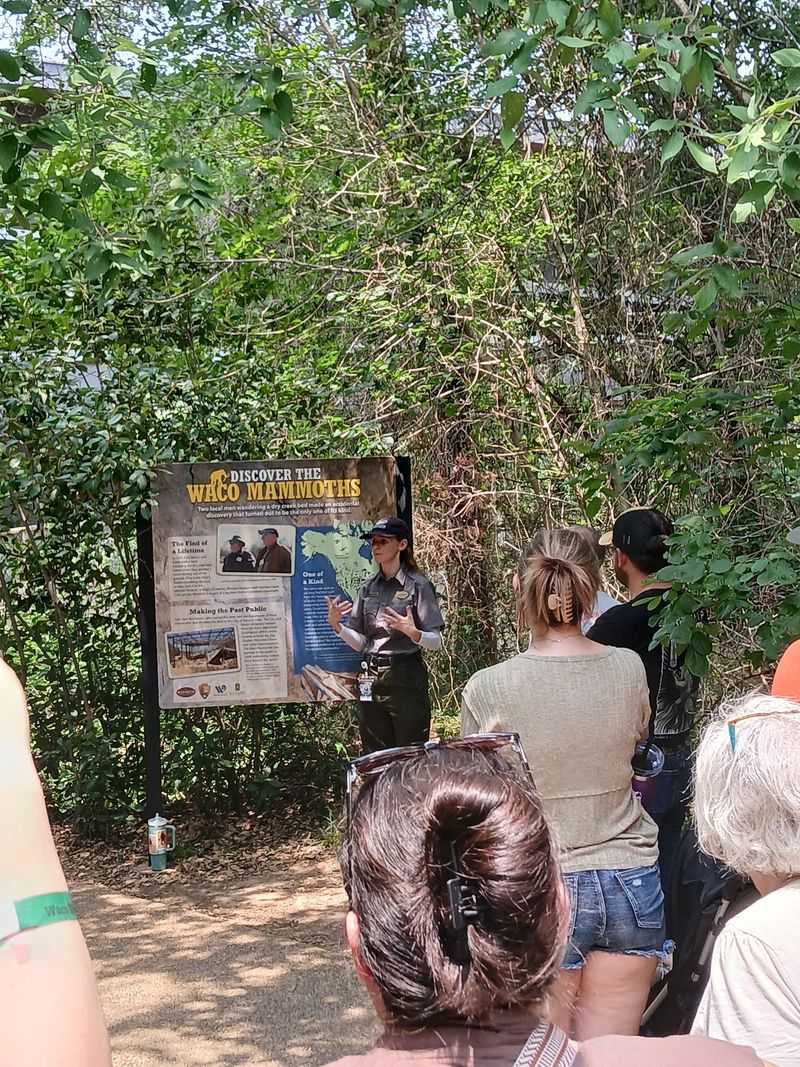
Ask any recent visitor what made the trip, and the answer usually lands on the rangers. Guided tours start every hour on the hour, and the talks are packed with facts the signs simply cannot cover.
Guests praise rangers for being friendly, patient, and clearly passionate about the mammoths. Some guides lean into geology, others into the herd itself, and they seem happy to field every question from curious kids and grown-ups alike.
One visitor pointed out that the exhibit signs are a bit older, so the live talk carries the freshest information. That advice is worth following.
Arrive a few minutes before the hour if you can. Catching the full presentation turns a quick look into a real lesson you will remember.
Still an Active Dig
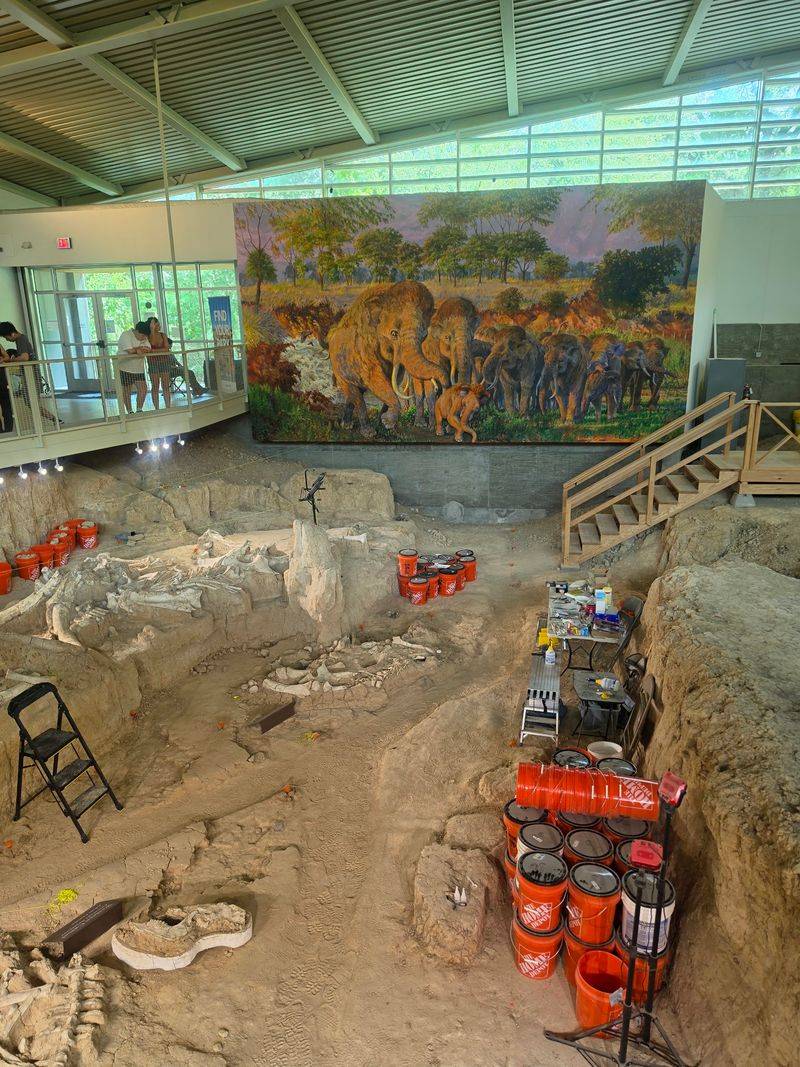
Here is a twist many people do not expect: the digging has not stopped. This is still an active excavation site, and new finds keep turning up.
One visitor shared that a new mammoth had been uncovered just a month before their trip, bringing the total to around 33 or 34 so far. That means the scene can look a little different from one year to the next.
Getting to watch real research happen is a rare treat. Families mention that seeing researchers at work and creatures still set in the rock beats a typical Junior Ranger stop.
Several guests say they already plan to come back in a few years. Few places invite you to check in on progress like an old friend.
Shady Trails, Picnic Tables, and a Short Paved Walk
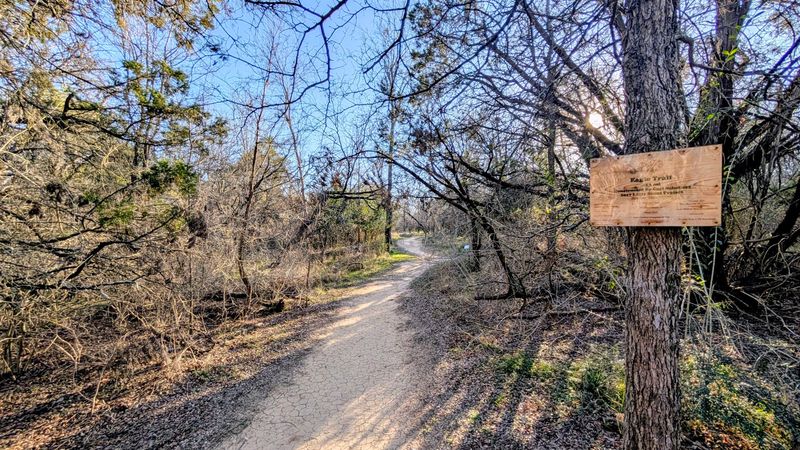
Getting to the bones takes about five minutes on foot. A pleasant paved path leads from the visitor center to the Dig Shelter, winding through trees along the way.
Beyond that, the park spreads across more than a hundred acres of wooded land with walking trails and shaded picnic spots. Visitors credit local Boy Scouts with helping build some of those trails.
Smaller kids sometimes like this part best, happily hiking, playing in the sand, and burning off energy after the tour. Pack a lunch and the outing easily stretches into a relaxed afternoon.
Summer brings real heat, so morning visits make sense if you want to explore the longer trails. Spring and fall are lovely for lingering outdoors.
Hours, Prices, and Getting There
Six dollars. That is the adult price for the Dig Shelter tour, and many visitors call it the best money they have spent in ages.
Reduced rates are available for seniors, military, and youth, and children under 3 get in free, though prices can change over time.
Walking the grounds costs nothing at all. One thing to know ahead of time: some guests note the shelter fee is separate from the national parks pass, since the site is run in partnership with the City of Waco.
The monument is open daily from 9 am to 5 pm, and it is wise to call ahead at 254-750-7946 in case hours shift around holidays. Budget roughly one to two hours, which makes it a handy break between Austin and Dallas.
Pets that are not service animals stay out of the Dig Shelter. Save a few minutes for the gift shop, which kids tend to adore.
Worth the Exit Ramp
Some stops fill a gap in the schedule. This one fills a gap in your imagination.
It is small, and nobody pretends otherwise. There are no flashy screens or theme park rides, just honest bones in honest dirt, a cool building, and rangers who love their work.
That plain, unhurried approach is exactly why it works. For Texans who like their road trip finds unfussy and real, few places deliver this much wonder for so little money.
Next time I-35 carries you through Waco, take the turn. The herd has waited a very long time, and it is still right where it was found.