Megalodon teeth have turned up on one small Potomac River beach. Legend says somebody finds one every couple of years.
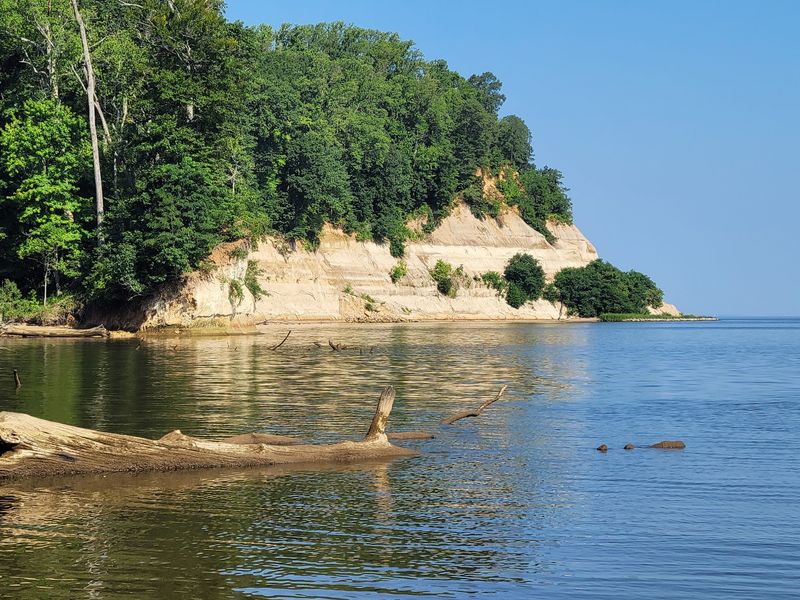
The cliffs above that beach hold fossils up to 15 million years old. As the cliffs slowly erode, shark teeth, whale bone bits, and ray jaw pieces tumble toward the waterline.
Nobody needs a permit or a lab coat to hunt for them.
I love that this treasure hunt happens in Virginia, a few hours from big cities. Families crouch at the water’s edge with colanders.
Kids compare tiny black teeth like trading cards. A few patient folks walk away with something older than the Grand Canyon’s best stories.
I can’t imagine a cheaper way to hold real prehistory in your palm. So how long would you sift before calling it quits?
A Riverside Park Built on Fossil-Packed Cliffs
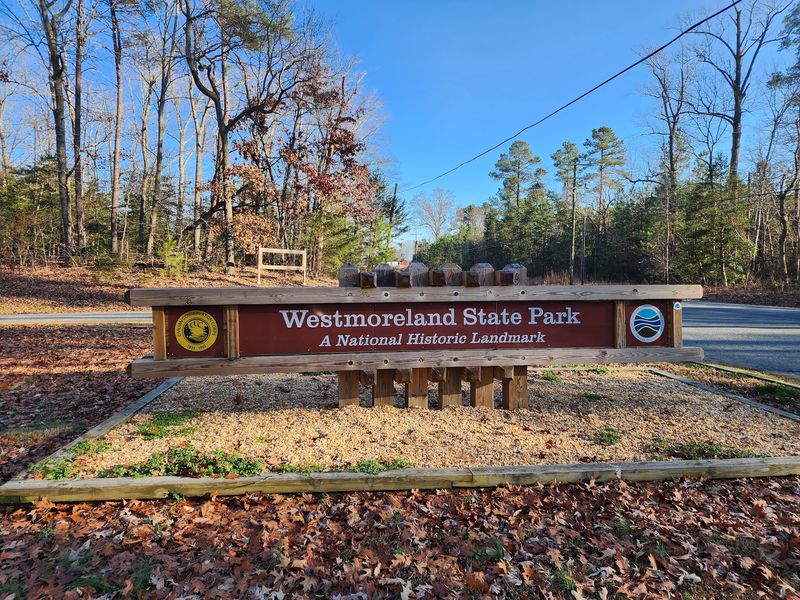
Westmoreland State Park sits on Virginia’s Northern Neck, right where tall cliffs meet the broad Potomac River. It lies about six miles northwest of Montross, just off Route 3.
Most people come for one thing, and it’s small, pointy, and very old. Fossilized shark teeth wash out of the bluffs and settle along the shoreline below.
The park mixes that fossil hunt with plenty of regular outdoor fun. You’ll find six miles of trails, camping loops, a boat ramp, a fishing pier, and two beaches.
Still, the teeth steal the show. The Google listing for Westmoreland State Park mentions shark teeth more than almost any other topic.
That tells you a lot about what draws the crowd. People aren’t just driving out for a view; they’re hoping to pocket a piece of the Miocene Epoch.
The setting helps, too. Woods roll right up to the cliff edges, and the river stretches wide enough to feel almost like a bay.
It’s a laid-back spot with a quietly spectacular secret. Few parks let you combine a picnic, a paddle, and a prehistoric scavenger hunt in one afternoon.
Ninety Years of Conservation Corps Craftsmanship
June 1936 marked the opening of something big for the Commonwealth. Westmoreland became one of Virginia’s six original state parks that year.
The Civilian Conservation Corps did much of the heavy lifting between 1933 and 1942. Those young crews built roads, trails, and many of the park’s buildings.
Their work aged well enough to earn real recognition. The park joined the National Register of Historic Places in 2005.
The land’s story goes back even further. It was once part of Clifts Plantation, patented around 1650, and later became part of the Stratford estate.
Visitor Center exhibits cover the CCC’s role in shaping the park. Other displays trace Captain John Smith’s expeditions along these waters.
So the history here stacks up in layers, much like the cliffs. You get colonial records, Depression-era labor, and then millions of years of buried marine life underneath.
I like that a simple trail walk connects all of it. Each wooden railing and winding road carries a bit of that 1930s effort forward.
Not bad for a park whose most famous residents never had legs.
The Main Event Happens on Fossil Beach
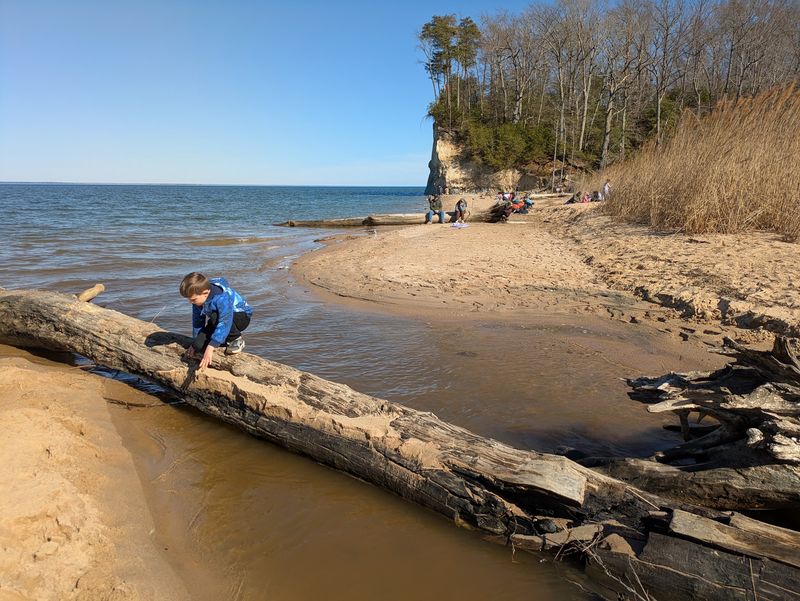
Sharks shed teeth constantly, replacing them throughout their lives. Multiply that by millions of years, and you get a beach worth crouching on.
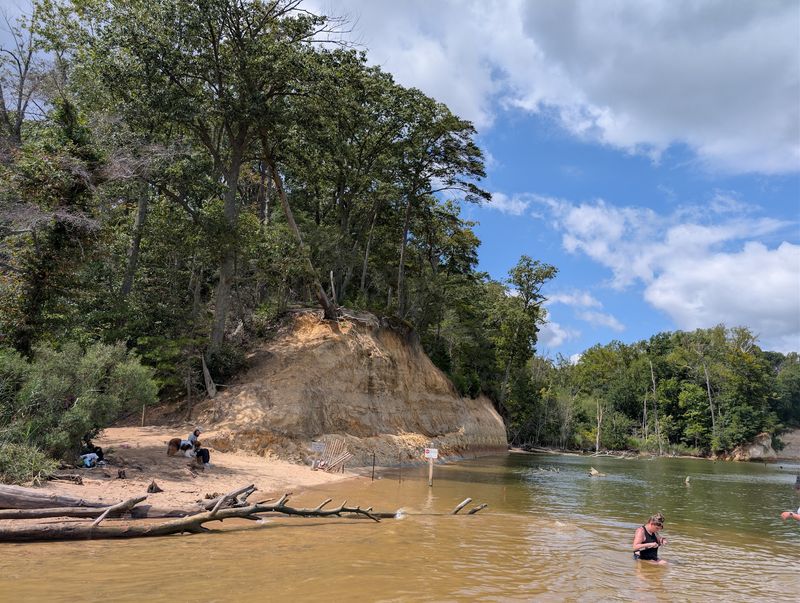
Fossil Beach is where the magic happens at Westmoreland State Park. Erosion from the Horsehead Cliffs keeps exposing fresh fossils along the shoreline.
Most finds are small, dark, and triangular. Ray jaw bones, whale bone fragments, and shell fossils also turn up regularly.
The big prize is a megalodon tooth. That giant shark lived roughly 23 to 3.6 million years ago, and a rare find still pops up now and then.
Patience matters more than gear here. Many hunters bring colanders or simple sifters and scoop along the waterline.
Timing helps, too. High tide shrinks the beach to a narrow strip, so checking the tide chart before heading down is a smart move.
The sand mixes with pebbles, so water shoes make sense. Cliffs frame both ends of the beach, which gives the whole hunt a dramatic backdrop.
It’s not a swimming beach, but nobody really comes here to swim. They come to squint.
An Easy Stroll Down Big Meadow Trail
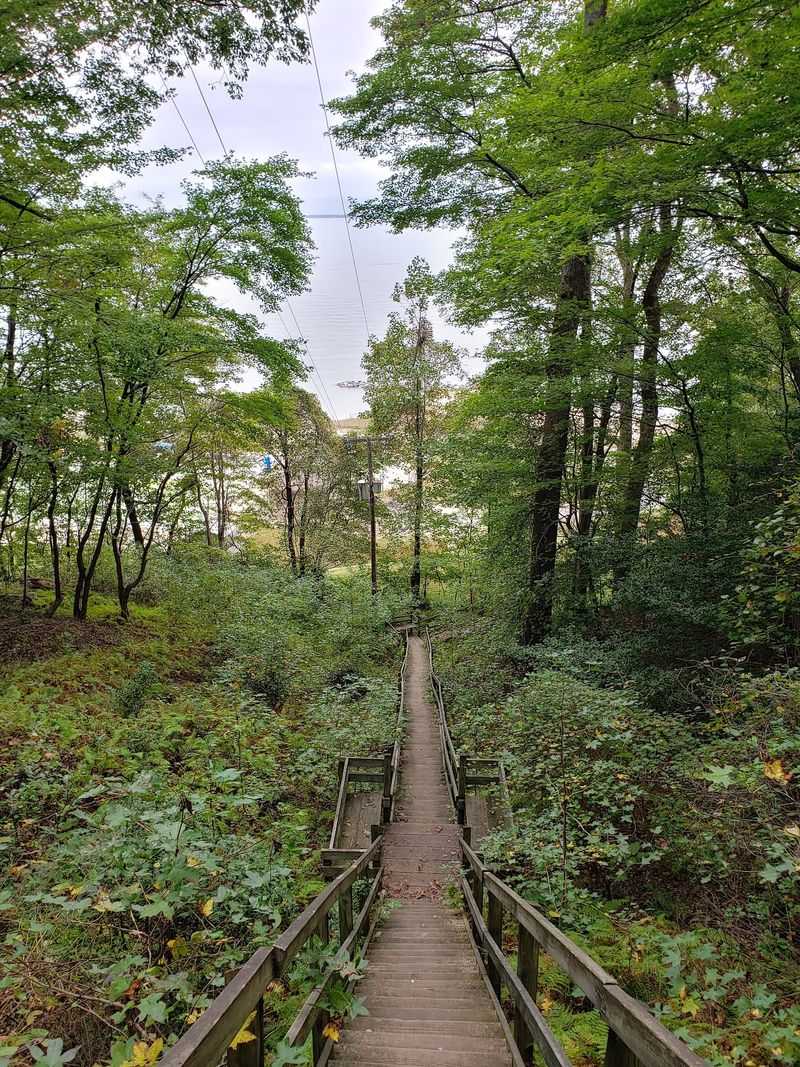
Getting to the fossils takes a short walk, and that’s part of the charm. Big Meadow Trail leads from the Visitor Center area down to Fossil Beach.
The route runs a little over half a mile. It’s designed to accommodate strollers and wheelchairs, which makes the hunt open to more families.
Going down feels breezy. Coming back means climbing uphill, so save a little energy for the return trip.
A bench sits about halfway along the path. Consider it your official snack and shark-tooth inspection stop.
Tree roots cross parts of the trail, so wheeled beach wagons may bounce more than you’d like. A backpack tends to handle the job better.
The woods along the way add their own small surprises. Lizards, tiny toads, and plenty of tree variety keep curious kids busy.
Dogs can tag along on a leash, too. Just plan for ticks in this part of Virginia and treat pets before the trip.
Short, shady, and purposeful. It’s the kind of trail that ends with a reward instead of just a view.
Cliffside Views That Earn a Long Pause
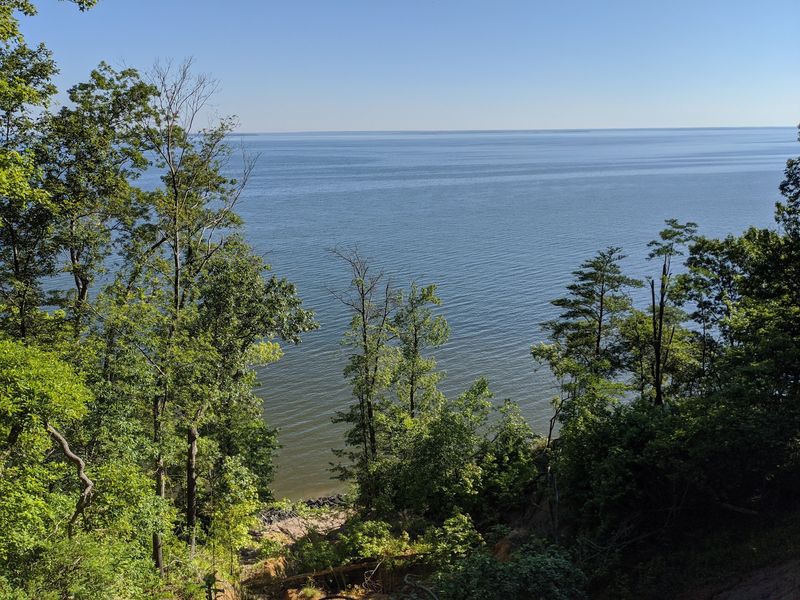
Up top, the Horsehead Cliffs deliver one of the best river views on the Northern Neck. The Potomac spreads out wide and calm below.
The Visitor Center sits right on top of Horsehead Cliff. Its LEED-compliant building frames that sweeping river scene beautifully.
Inside, you’ll find restrooms, a small gift shop, and exhibits on local fossils. Shark tooth specimens are on display, so you can preview what you’re hunting.
Live animals add a fun twist. The center houses snakes and other critters that tend to fascinate younger visitors.
Rangers here can steer kids toward the Junior Ranger program. Booklets and badges are available, which turns a beach trip into a mission.
The building usually opens from 10 a.m. to 5 p.m. That makes it a natural first stop before heading down the trail.
Snacks, drinks, and souvenirs are available, too. Vending machines with chips and ice cream can rescue a tired hunter on the way back up.
Honestly, the view alone justifies the stop. The fossils are just a very convincing bonus.
Paddles, Piers, and Plenty of River Time
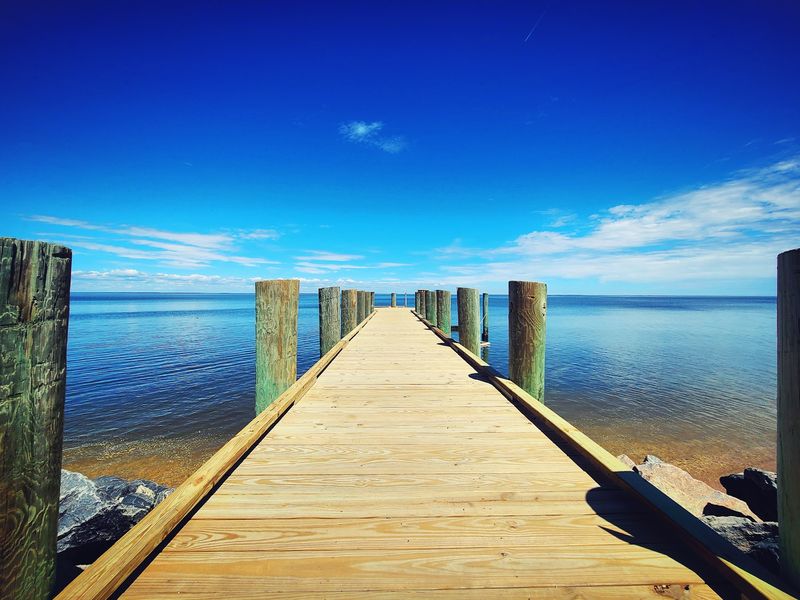
Fossils aren’t the only reason to head for the water. Westmoreland State Park gives the Potomac plenty of attention.
Anglers can cast from a fishing pier or offshore breakwaters. Boaters get a power-boat ramp, and boat rentals are available.
Kayaks and paddleboards are popular rentals, too. Guided kayak trips also run, offering a slower, closer look at the shoreline.
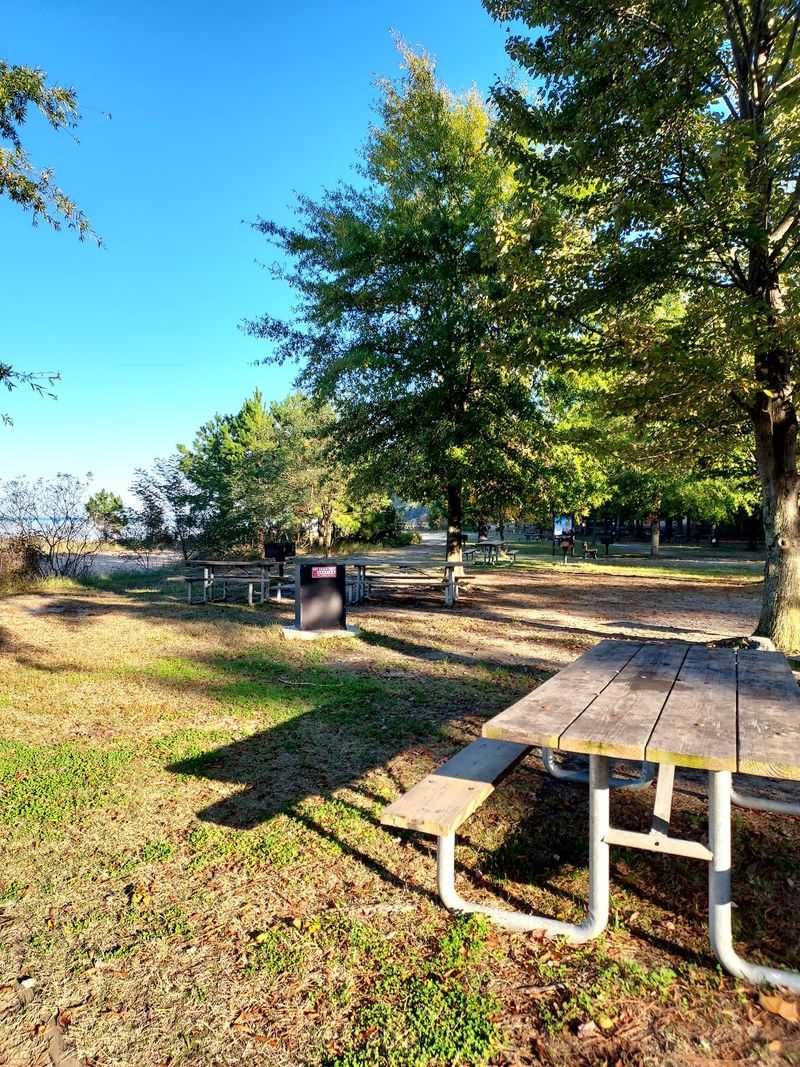
The Day Use Beach makes a handy base for all of it. Picnic tables, grills, and nearby parking keep things easy.
There’s no designated swimming area along the park shoreline. Jellyfish can also show up, so wading plans may change on certain days.
Birders have their own reasons to linger. Bald eagles, ospreys, kingfishers, great blue herons, green herons, and common terns all frequent the area.
Winter brings waterfowl, which keeps the binoculars useful year-round. Gulls, of course, never take a season off.
Between paddling, fishing, and eagle spotting, the river offers a full second day. The shark teeth can wait.
They’ve already waited millions of years.
Roomy Campsites for Big Rigs and Small Tents
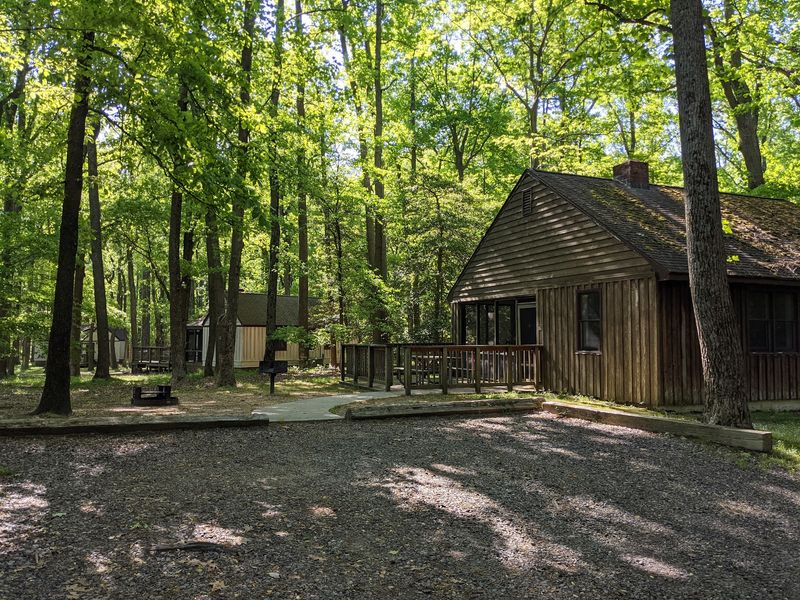
Want more than a few hours of sifting? The campgrounds make a longer stay easy.
The park offers 133 campsites for tents and RVs. Some RV sites include electric and water hookups for vehicles up to 40 feet long.
Many sites are pull-through, which RV drivers will appreciate. Campground A leans shady and wooded, while Campground B feels more open.
Camping season runs from the first Friday in March to the first Monday in December. Fall brings especially pleasant weather for beach hunting.
One handy tip for RV folks involves the A loop. Traffic runs counterclockwise, so choose your site side based on where your awning sits.
A camp store offers WiFi access, and a playground serves the younger crowd. Cell service is limited, which might feel like a feature.
Groups have another option, too. The Potomac River Retreat sleeps up to 16 and comes with a waterfront location and docking space.
Fire rings, picnic tables, and clean bathhouses round out the setup. Fall asleep near the river, then hit Fossil Beach early.
Construction Updates Worth Knowing Before You Go
Good news first: Fossil Beach, Big Meadow Trail, and the Day Use Beach remain open. The hunt goes on.
Westmoreland State Park is in the middle of two big projects right now. One renovates the cabins, and the other stabilizes the shoreline.
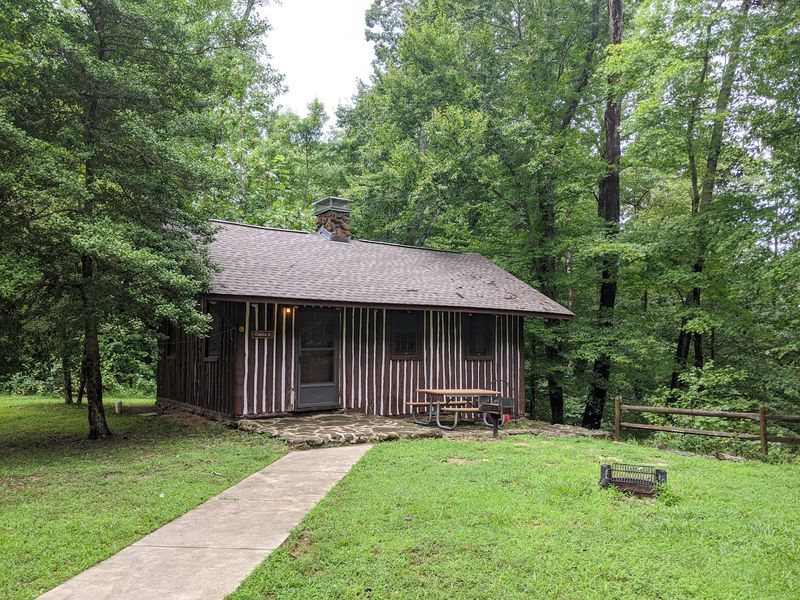
All cabins and camping cabins are closed for major renovations. Completion is expected by May 2027.
Expect some construction traffic and noise during your visit. Some beach views may be blocked, and park capacity could shrink.
That reduced capacity matters on busy weekends. The gates may close once the park fills, so arriving early is a smart plan.
The Olympic-sized pool has also been closed since 2021 due to mechanical issues. Some older maps still show it, so don’t pack the pool noodles.
Once the work wraps up, the park should feel even fresher. Its 26 cabins have traditionally included cozy log efficiencies and two-bedroom options.
For now, a day trip or campsite stay works perfectly. A little patience is the theme here anyway.
Getting There, Paying Up, and Planning Your Day
Plug 145 Cliff Road, Montross, VA 22520 into your GPS and follow Route 3. The drive in winds through a pleasant split road lined with woods.
The park stays open from dawn to dusk. A modest vehicle entry fee applies, slightly higher on weekends and holidays.
Launching a boat costs a small extra fee. Campers with reservations generally skip the day-use charge.
Food options inside are limited. Pack a cooler, or plan a meal in Montross or Colonial Beach before or after your visit.
Two picnic shelters with grills and restrooms help with lunch logistics. A snack bar and Visitor Center vending machines cover small cravings.
Pets are welcome on leash. Bring water shoes, a sifter, sunscreen, and maybe a chair or umbrella for longer beach sessions.
Check the tide schedule before heading down to the beach. Lower water means more shoreline to search.
Nearby, George Washington’s birthplace and Stratford Hall add history stops to the trip. The Northern Neck packs a lot into a quiet stretch of Virginia.
Why Patient Hunters Keep Coming Back
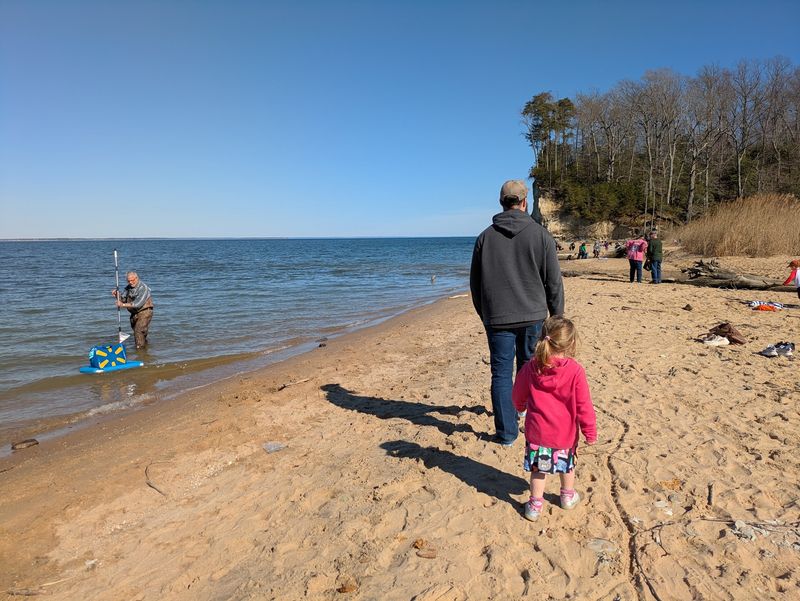
Five shark teeth in one week might not sound thrilling until you hold them. Each one is millions of years old.
That’s the quiet magic of Westmoreland State Park. It rewards slow, steady attention instead of speed.
Some visitors leave with a handful of teeth. Others find nothing but very good skipping stones, and that still counts as a nice day.
The park suits curious kids, fossil fans, birders, campers, and anyone needing a calmer river escape. Its 4.6-star Google rating hints at broad appeal.
Rangers run weekend activities at the Discovery Center, which features wildlife and fossil exhibits. Families can easily fill a full weekend.
Construction will cause a few hiccups for a while. The core experience, though, remains wonderfully intact.
I believe the best trips leave you wanting another round. A beach that refreshes its treasure with every tide practically guarantees one.
So grab a colander and a little patience. Somewhere along that Potomac waterline, a prehistoric shark tooth is waiting for the right person to notice.