Every admitted U.S. citizen and permanent resident at one small college gets a full-tuition scholarship. The school values that gift at more than $250,000 over four years.
Wait, what?
The catch is a good one. Students study ship design and marine engineering, and they earn a dual degree in both.
The whole student body is only about 105 people, so nobody hides in the back row.
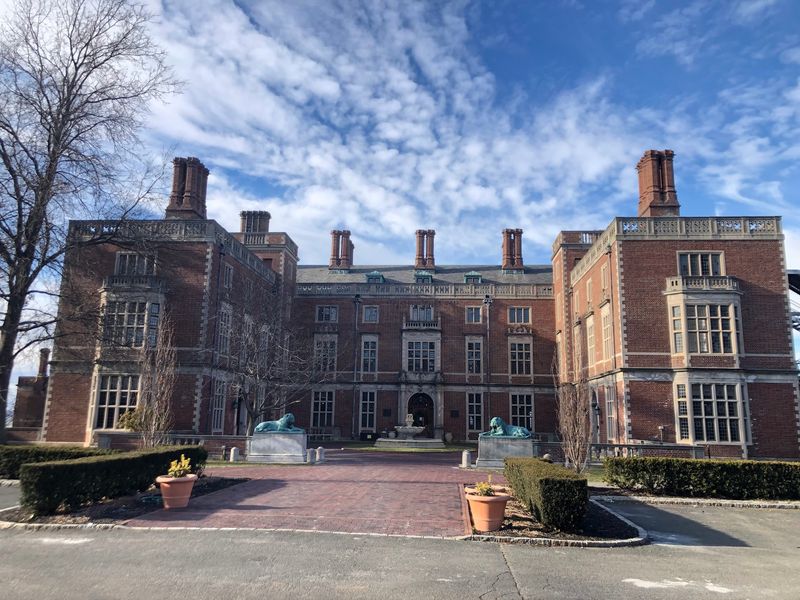
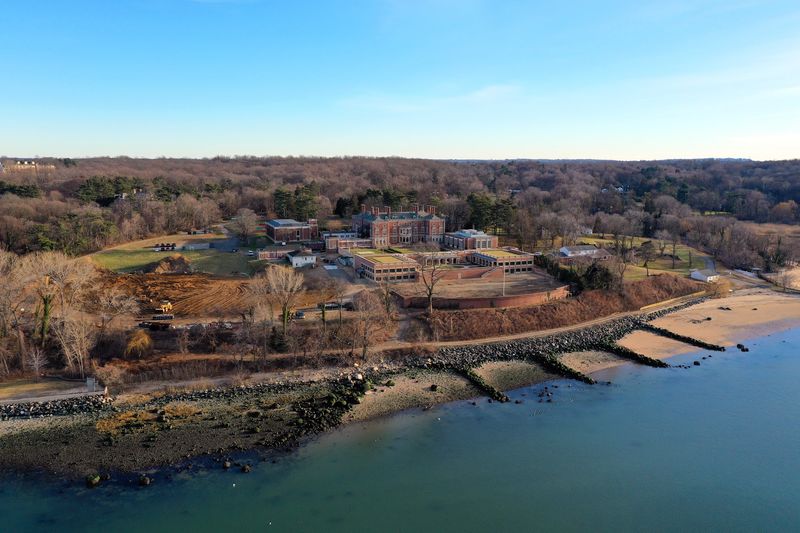
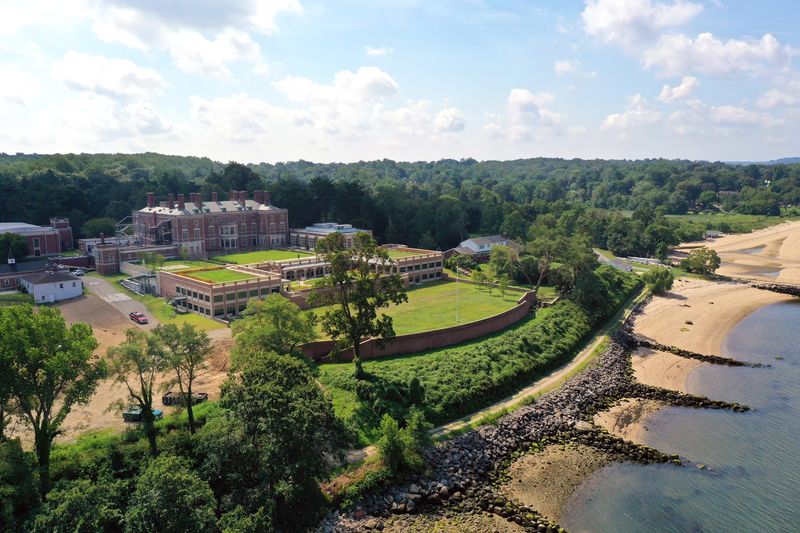
The campus sits right on the water in New York, with a private beach and a pier. The main hall was once a grand Gilded Age estate.
I can’t imagine a cooler place to learn how ships float.
I like how this school treats a hands-on craft with real respect. Boatbuilders, model makers, and tinkerers will feel right at home here.
So how does a college stay tuition-free for well over a century?
A Shipbuilding School Hiding In Plain Sight On The Sound
Webb Institute is a private college on the North Shore of Long Island, New York. It teaches one thing, and it teaches it very well: how to design and engineer ships.
Every graduate earns a dual Bachelor of Science degree. One half covers naval architecture, and the other covers marine engineering.
Webb calls itself the only undergraduate school in the nation offering a full-tuition scholarship devoted solely to those fields.
The school is small enough to surprise you. About 105 undergraduates attend at any given time.
That’s smaller than plenty of high school graduating classes.
Faculty numbers stay small too, with roughly 11 or 12 full-time professors. The student-to-faculty ratio lands somewhere around 9 or 11 to 1.
There are no teaching assistants, so students learn straight from the experts.
For anyone who loves building things by hand, that focus matters. Hull shapes, engines, and structural systems are the daily menu here.
Nobody wanders through a vague general major hoping for direction.
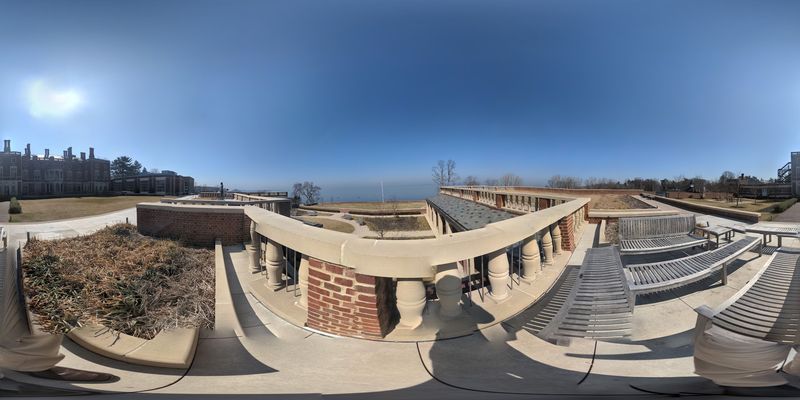
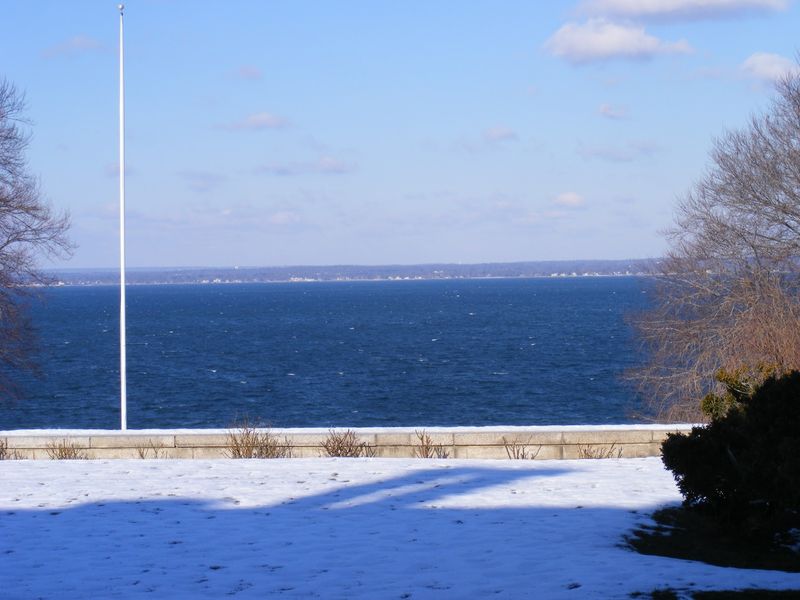
The campus also enjoys a view most colleges would envy. It sits on 26 acres right along Long Island Sound.
Not a bad backdrop for studying how vessels meet the water.
The Shipbuilder Who Made Free Tuition His Legacy
William H. Webb built ships in New York City during the 1800s.
He was one of the most prominent shipbuilders of his century, and he was also a philanthropist.
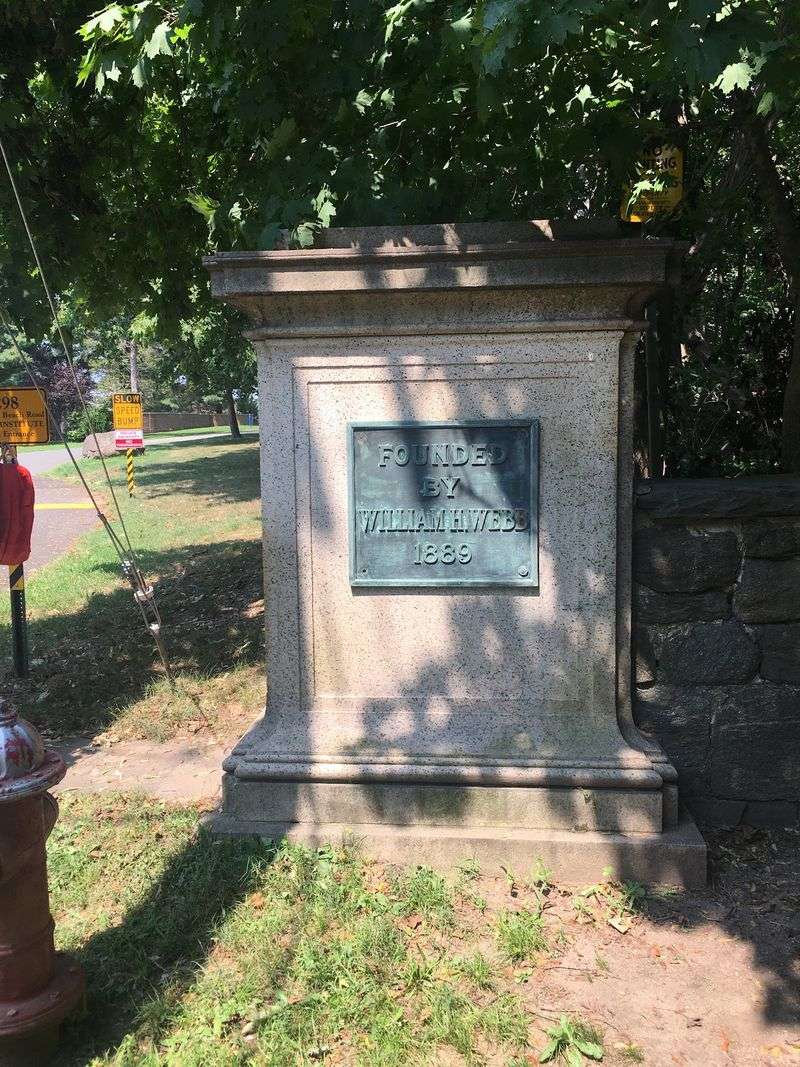
In 1889, he founded what was first called Webb’s Academy and Home for Shipbuilders. His mission was simple and bold.
Young people would learn shipbuilding without paying for their education.
Webb didn’t just make a promise and hope for the best. He endowed the school so it could support itself.
That foundation is why the gratuitous education idea survived long after its founder.
The original campus stood in the Bronx. In 1947, the school moved to its current home in Glen Cove.
A shipbuilding college finally landed right beside the water, which feels about right.
Tradition-minded readers will appreciate the throughline here. A craftsman’s vision from the 1880s still shapes who walks through the doors today.
Few gifts in New York have lasted that long.
I believe that’s the most charming part of the story. A man who spent his life building vessels also built something meant to outlast them.
And it’s still afloat.
What Free Actually Covers, And What It Doesn’t
Zero tuition is the headline, but the fine print deserves a quick look. Every admitted U.S. citizen and permanent resident receives a full-tuition scholarship.
Webb values that scholarship at more than $250,000 across four years. That’s a staggering number for families who are bracing for college bills.
It could change a whole household’s plans.
Still, free tuition isn’t the same as free everything. Students cover living expenses, fees, books, and travel.
Laptop costs and health insurance also land on their list.
Good news follows quickly, though. Need-based aid is available to help eligible students handle those extra costs.
Families shouldn’t assume the remaining bills are out of reach before asking.
International students follow a different setup. They pay tuition and fees, so the scholarship applies only to Americans and permanent residents.
The math gets even friendlier once you add the paid internships. Students earn real wages during their winter work periods every year.
That income can soften the costs that tuition doesn’t cover.
So yes, the title is true. Admitted American students pay nothing for tuition itself.
Everything else simply needs a sensible budget, like any careful project plan.
A Gilded Age Mansion Turned Engineering Classroom
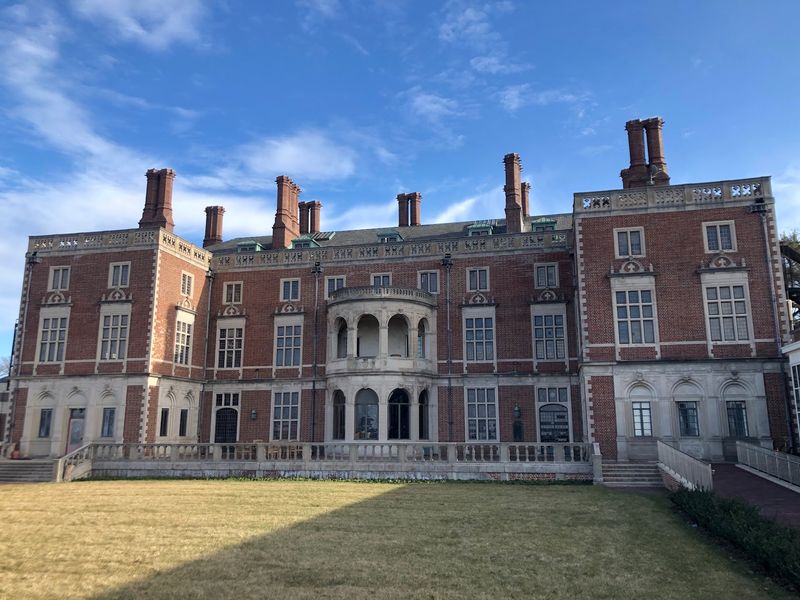
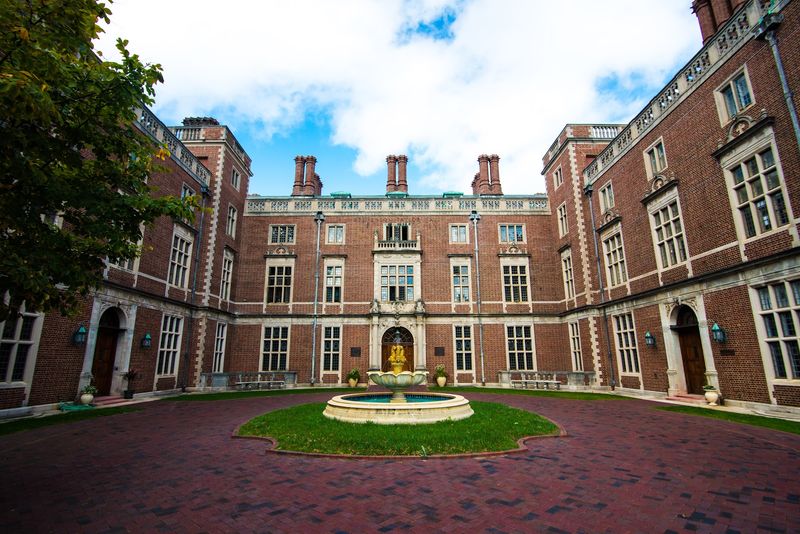
Stevenson Taylor Hall doesn’t look like a typical engineering building. It began life as the estate of Herbert L.
Pratt, back when Long Island’s North Shore was famous for grand homes.
Today, that former estate serves as the main building at Webb Institute. Students study fluid mechanics and ship structures inside walls built for a very different lifestyle.
One online comment compares the place to stepping back into the age of industrial wealth. That’s a fair description for a mansion facing the Sound.
It also suits a school devoted to heavy industry.
The building anchors a 26-acre campus right on the water. History and engineering share the same address, which is a lovely pairing for craft-loving visitors.
Fans of old architecture should keep their expectations respectful. This is a working college, not a house museum with guided room tours.
Classes come first here.
Even so, the setting tells a story worth knowing. A Gold Coast estate now trains people who design tankers, ferries, and naval vessels.
That’s a career change any old house would be proud of.
I like how the past and the practical blend so easily here. Very few classrooms come with this much history baked in.
Ninety Feet Of Water Built For Testing Tiny Ships
Model builders, pay attention. Webb has a 90-foot model ship basin on campus, and it exists for testing scaled-down hulls.
A basin like that lets students see how a design actually moves through water. Drawings are useful, but water gives the final verdict.
It’s hands-on proof that a shape works or needs rethinking.
The shop spaces will make woodworkers and machinists grin. Campus includes a carpentry shop and a machine shop.
There’s also an engineering lab, plus physics and chemistry laboratories.
Students get plenty of chances to put tools to good use. Many resources offer 24-hour access, which suits late-night project marathons.
Deadlines don’t always respect bedtimes.
The Goldbach Boathouse stands near the water’s edge. Henry Auditorium hosts gatherings, while computer facilities and an extensive library support the heavier theory.
Even the parking situation leans practical. A student garage rounds out the list of campus facilities.
Nobody here seems to forget that engineering includes getting your hands dirty.
For New York hobbyists who love building physical objects, this is the dream lineup. Real tools, real water, and real problems.
It sounds like the best kind of workshop.
Winter Break Looks Very Different For These Students
January usually means rest for college students. At Webb Institute, it means heading to work in the maritime industry.
The Winter Work program runs every January and February. Each session lasts eight weeks, and every internship is paid.
Participation isn’t optional, so everyone gets the experience.
The placements follow a smart progression. Freshmen work in shipyards, where they see vessels built up close.
Sophomores go to sea, learning how ships actually run.
Juniors and seniors move into engineering firms and design offices. Some of those placements happen around the globe.
That’s a passport-worthy upgrade from a campus library.
By graduation, students have collected eight months of professional experience. Most college seniors would love a resume like that.
Employers clearly notice the difference.
I believe this is where the craft truly comes alive. A shipyard teaches lessons no textbook can fully explain.
Welds, steel, and schedules all become real.
Tradition plays a role too. Learning a trade by working beside skilled people is an old idea.
Webb simply built it into the calendar. Every student returns with stories, skills, and probably calloused hands.
Where The Diplomas Lead After Glen Cove
A 100% job placement rate sounds almost made up. Yet Webb Institute reports exactly that for its graduates.
Many alumni head into maritime industries, which makes plenty of sense. Others branch into different engineering fields.
Some even end up in finance or law.
About one-third of graduates choose advanced studies. A demanding undergraduate degree clearly prepares them for graduate classrooms too.
The coursework is famously heavy. The curriculum totals 146 credits, mixing ship design, systems engineering, and marine, electrical, mechanical, and civil engineering.
Students start real engineering work on their very first day.
Retention sits around 92 to 94 percent. Graduation rates fall roughly between 77 and 88 percent.
Those numbers show both commitment and challenge.
Family members feel the pride as well. One online note simply describes a wonderful day watching a grandson graduate.
Short, sweet, and easy to understand.
For craft-minded families across New York, the appeal is clear. A teenager who loves boats can turn that passion into a lifelong profession.
And the starting line didn’t cost a dime in tuition.
Small Campus Life With A Big Honor Code
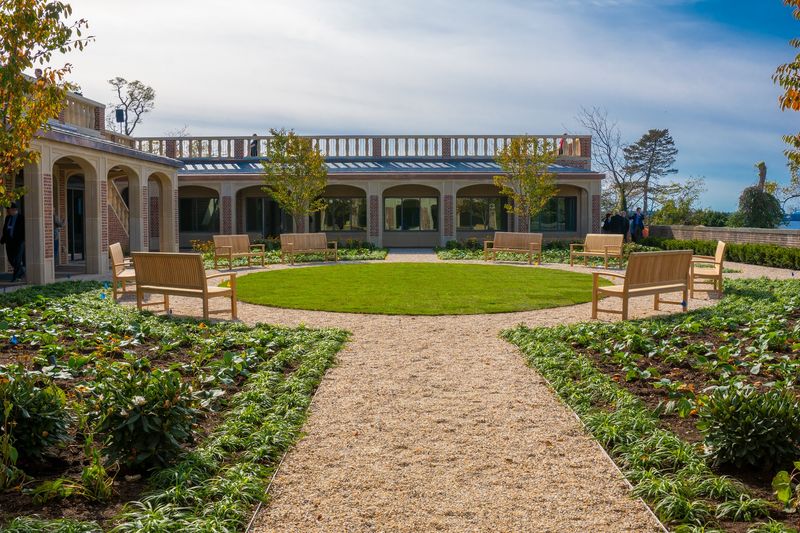
Everyone lives on campus for all four years. With roughly 105 students, faces become familiar fast.
An Honor Code guides the community. That shared trust shapes daily life in a school this size.
Sports hold their own here. Teams include sailing, soccer, basketball, volleyball, and tennis.
Sailing at a shipbuilding school feels almost required by tradition.
Clubs and organizations keep evenings busy beyond homework. Yearly events add rhythm to the calendar.
Students also get a free YMCA membership for extra workouts.
Community service matters, too. Students join beach clean-ups along the shoreline.
They also host Engineering Day for local elementary schools.
That last one sounds like pure fun. Young kids meet future ship designers and maybe catch the building bug themselves.
Every craft needs its next generation.
Online comments often mention a close-knit feel and genuinely nice students. A small residential college naturally makes those bonds easier.
This setup won’t suit everyone, of course. One blunt online comment simply says it’s not for them.
Students who want a giant campus with endless majors should look elsewhere. Builders who crave focus may feel right at home.
Planning A Weekday Trip To The North Shore
Timing is everything for a visit. The office keeps weekday hours, open Monday through Friday from 8:30 AM to 4 PM.
Saturdays and Sundays are closed. Weekend wanderers should plan around that schedule, or at least call ahead first.
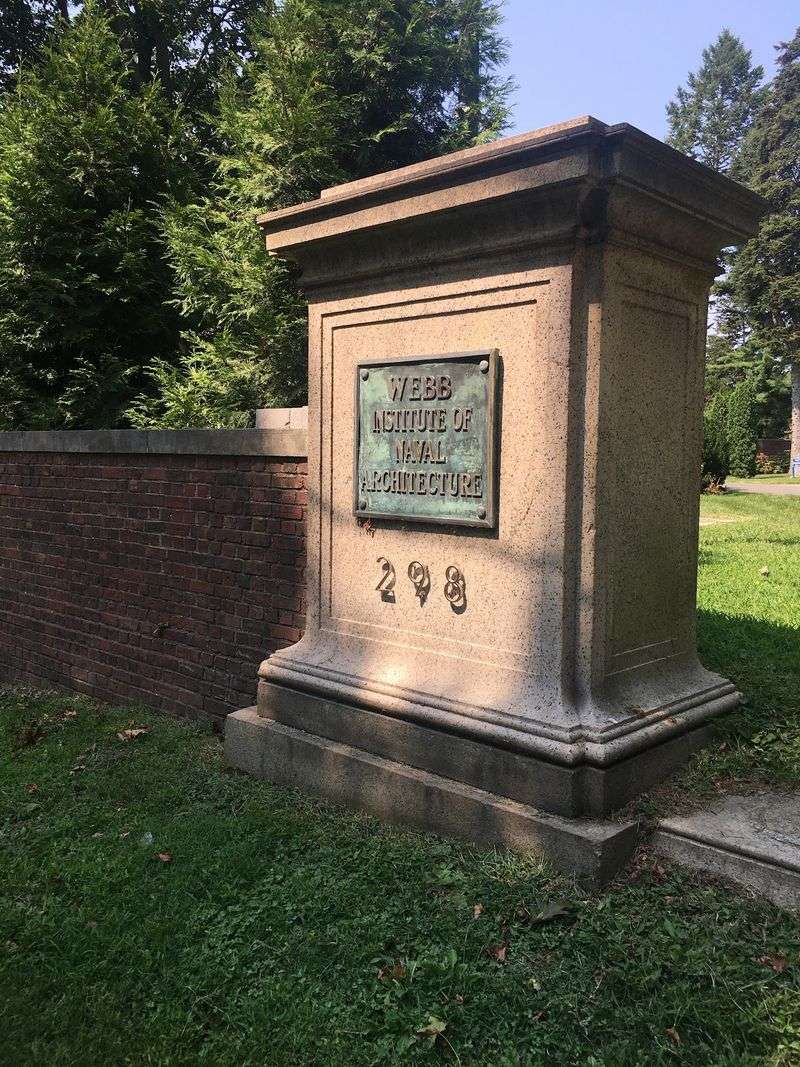
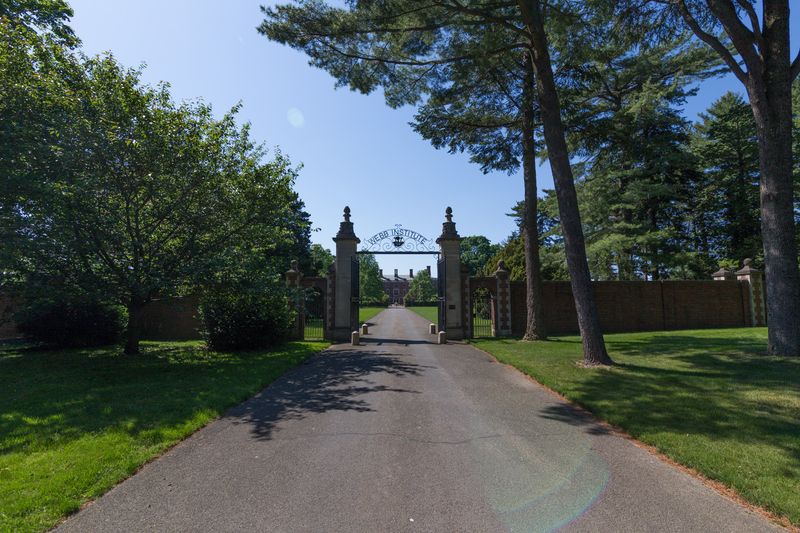
The campus sits at 298 Crescent Beach Road, Glen Cove, NY 11542. That’s on the North Shore of Long Island, New York, facing the Sound.
Remember that Webb Institute is an active college. Prospective students and families make the most natural visitors.
Reaching out before arriving is the polite and practical move.
Glen Cove makes a pleasant day trip from New York City and other parts of Long Island. The waterfront drive alone can feel like a reward.
The school holds a 4.8-star Google rating from 39 reviews. Many comments simply call it beautiful, which matches that waterfront setting.
Bring curiosity and respect for a working campus. Students are busy designing, testing, and studying.
A quiet, courteous visit fits the place best.
Hobbyists who love ships and models will find the trip memorable. Just keep expectations focused on the school itself, not a tourist attraction.
Why Craft Lovers Should Know This Name
Plenty of colleges talk about tradition. Few have held onto a founder’s promise since 1889 quite like this one.
Webb Institute blends an old shipbuilder’s generosity with modern engineering. Free tuition for admitted Americans remains the boldest part.
The waterfront mansion and model basin are delightful extras.
Is it right for every student? Definitely not.
The workload is intense, and the focus is narrow. Yet for the right young builder, it could be life-changing.
I like how the school honors hands-on skill. Shipyards, machine shops, and carpentry work sit at the heart of the experience.
Craft isn’t treated as an afterthought here.
New York families with a boat-obsessed teen should put this name on their radar. Model makers and woodworkers might simply enjoy knowing it exists.
The story also feels quietly inspiring. One craftsman decided knowledge of his trade should be shared freely.
More than a century later, students still benefit.
That’s a legacy worth celebrating across New York. It shows what happens when someone builds for the future.
And honestly, few college stories float this nicely.