The third Franklin car ever built and the very last one off the line share a roof in the same small town. That’s more than three decades of an automaker’s whole story, start to finish, in one place.
Franklins were air-cooled luxury cars built in Syracuse from 1902 to 1934. No radiator, no water pump, just clever engineering that borrowed ideas from aviation.
I like how a car most folks have never heard of gets the spotlight it deserves here.
The Franklins are only the opening act, too. Five connected buildings hold roughly 200 cars, trucks, and motorcycles from across a century of American driving.
For anyone in New York who loves tinkering, restoring, or simply preserving how things used to be made, this stop speaks your language. So where exactly is this rolling time capsule hiding?
A Car Lover’s Detour Worth Plotting On Your Map
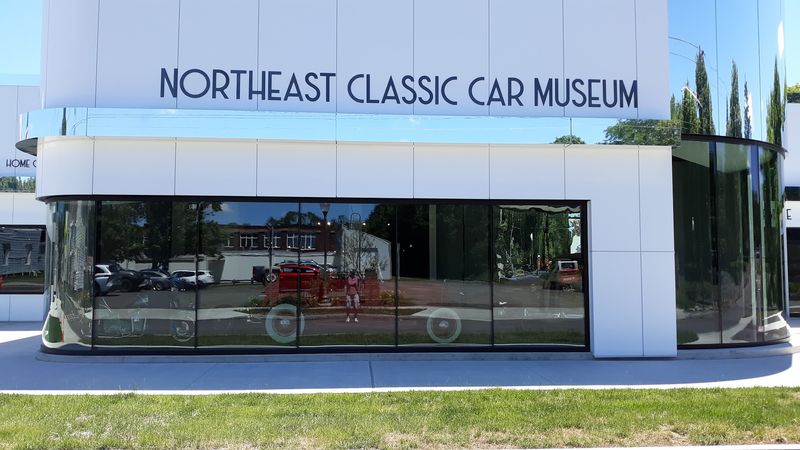
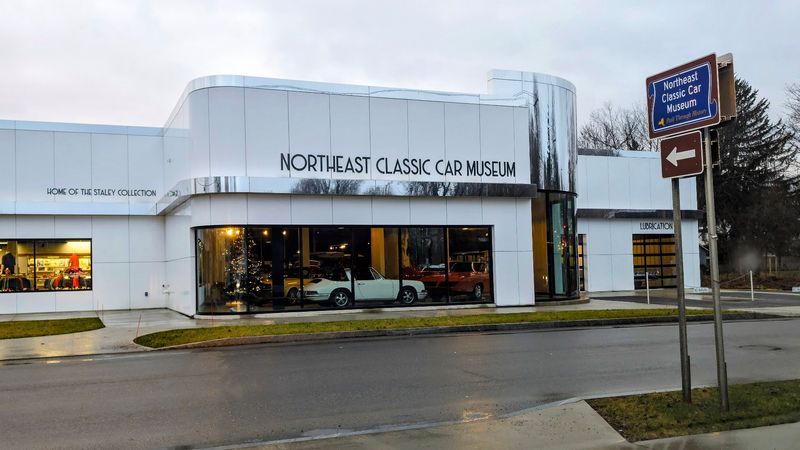
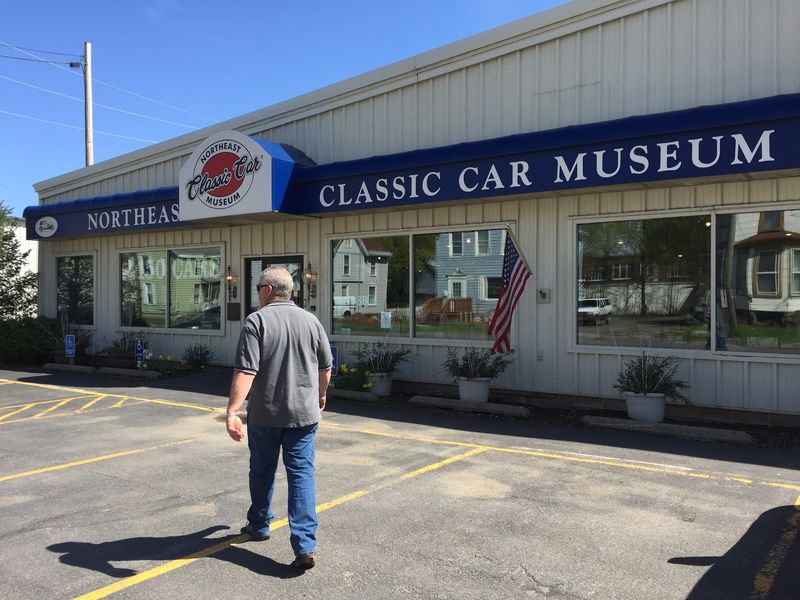
Norwich is the answer, a small city in Chenango County. Here you’ll find the Northeast Classic Car Museum, a not-for-profit educational museum that celebrates American automotive history.
The scale catches people off guard. Five connected, climate-controlled buildings hold around 200 vintage and classic vehicles across roughly 89,000 square feet of exhibit space.
That’s a lot of chrome for one small Upstate New York community. It also means you’ll want comfortable shoes and a flexible schedule.
The museum opened on Memorial Day weekend in 1997. Since then, it has grown into one of the region’s most talked-about stops for anyone who appreciates well-preserved machines.
The collection runs from early brass-era cars through models from the 1980s. You’ll see electric, steam, and gasoline vehicles, plus motorcycles, tractors, and even aircraft engines.
Each vehicle comes with background information and fun facts. That turns a casual stroll into something closer to a guided history lesson, minus the pop quiz.
Hands-on hobbyists will feel right at home. Restorers, model builders, and anyone who has ever polished a fender on a Saturday morning will notice the care given to every display.
Consider this your first clue that the drive pays off.
The Airplane Mechanic Who Started Collecting In 1962
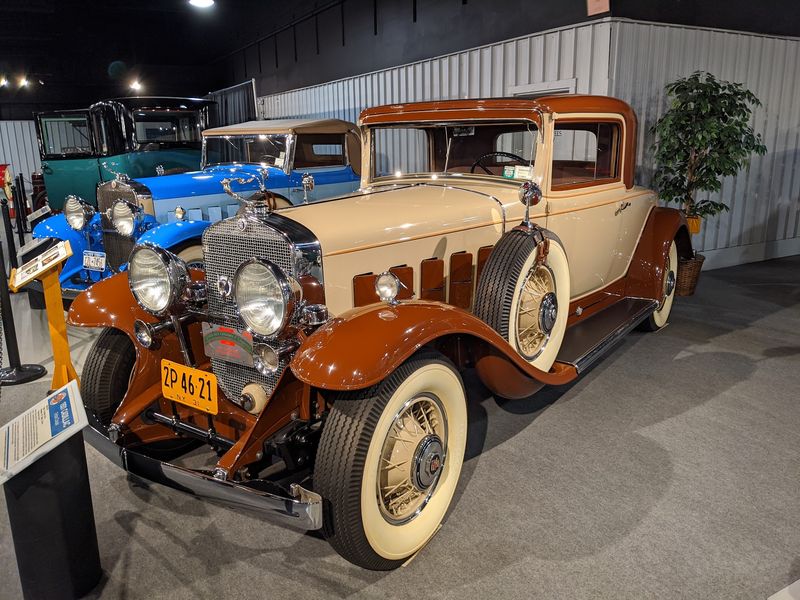
Every great collection starts with one person who couldn’t stop. For this museum, that person was George Staley.
Staley was an airplane mechanic who began collecting cars in 1962. His love for Franklins made perfect sense, since their air-cooled engines echoed the aviation engineering he knew so well.
Over the years, his private passion grew into something much bigger. Staley helped establish the museum in 1995, and his collection became its foundation.
That origin story matters. The place feels shaped by a real enthusiast rather than a corporate committee, and the Staley family’s contribution shows up throughout the galleries.
Original videos inside explain how his collection came together. They also share the story of cars built right here in New York State.
For tradition-minded visitors, this backstory hits home. It’s proof that one person’s hobby, pursued with patience, can preserve a chunk of history for everyone.
Plenty of collectors dream of sharing their garage with the world. Staley actually did it, and on a scale few could match.
Keep his mechanic’s eye in mind as you wander. You’ll start spotting the engineering details he must have loved, and the airplane connection comes back around later in the tour.
Fabulous Franklins From Number Three To The Finale
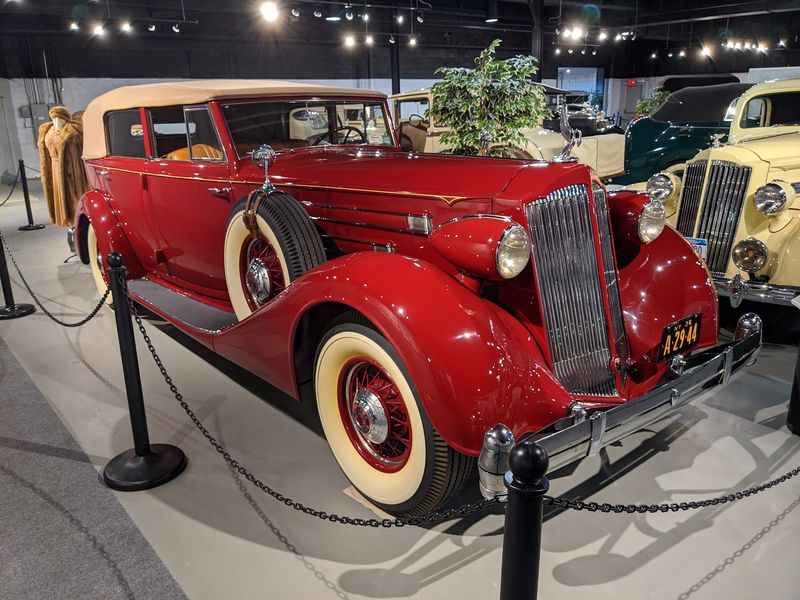
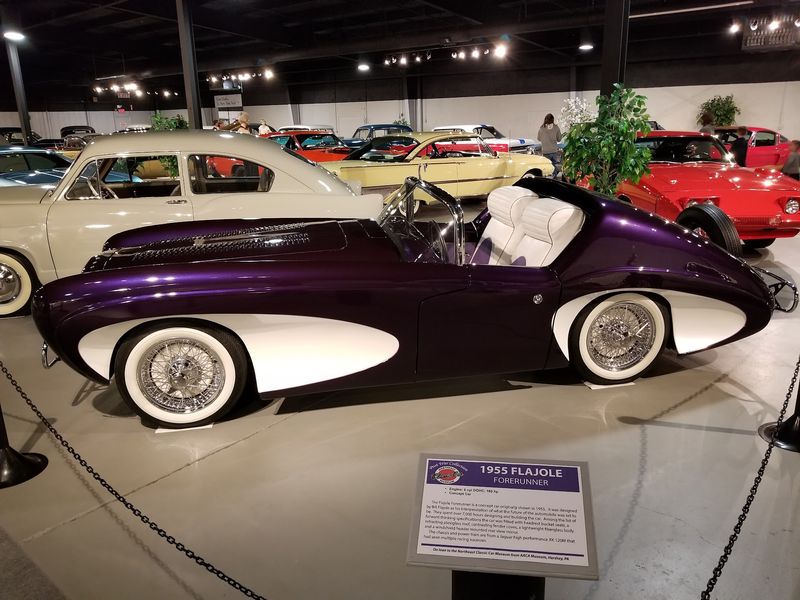
Here’s the bragging right. The Fabulous Franklins exhibit holds the largest collection of Franklin automobiles in the world.
The range is what makes it special. You’ll see the third Franklin ever built and the very last one produced, bookending the company’s entire run.
Franklins were made in Syracuse between 1902 and 1934. That gives this New York collection a true hometown connection, since the cars never traveled far to get here.
Walking the line of Franklins is like flipping through a family photo album. Early models look almost like carriages, while later ones carry the long, elegant lines of 1930s luxury.
Seeing the whole timeline together helps you understand how one company’s design thinking evolved. Each car adds a chapter to a story that started and ended in Upstate New York.
For restoration fans, it’s a rare chance to compare details across decades. Body styles, wheels, and trim all shift as the years roll forward.
Few car brands get this kind of complete treatment anywhere. Even if you arrive knowing nothing about Franklins, you’ll probably leave able to explain them at the next family dinner.
Why An Engine Without A Radiator Was Such A Big Deal
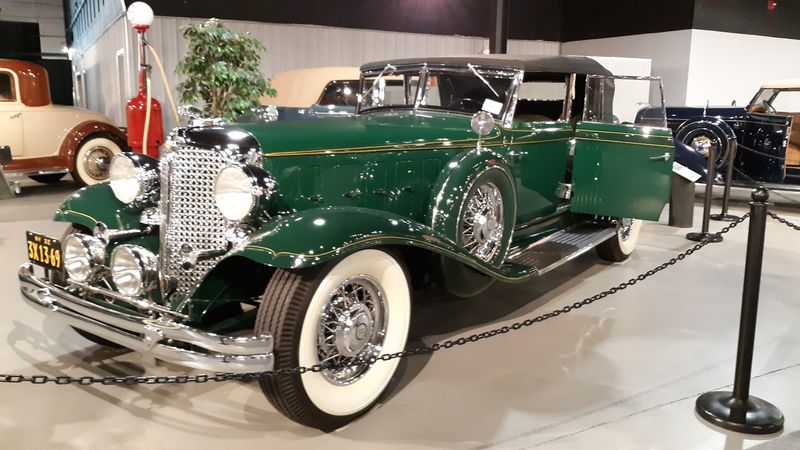
Most cars of the early 1900s relied on water to keep their engines from overheating. Franklin took a different road entirely.
The company built air-cooled engines, a design that echoed aviation thinking. That’s exactly why a former airplane mechanic like George Staley found them so irresistible.
Skipping water cooling meant skipping certain headaches. No frozen radiators in a harsh New York winter sounds pretty appealing, right?
Franklin positioned its cars as luxury vehicles. Innovation and comfort went hand in hand, and the company kept building for more than three decades.
Engineering buffs will appreciate seeing this approach preserved across so many models. It’s a reminder that American automakers once tried bold ideas that never became mainstream.
Hobbyists who enjoy taking things apart to see how they tick will find plenty to study. The Franklins reward slow looking and plenty of curiosity.
Bring a friend who likes to argue about engines. You’ll have a lively conversation ready before you even reach the next gallery.
Honestly, the Franklins make a great case for appreciating the road not taken. Their story shows how much creativity went into early car design, especially in Syracuse.
Steam, Electric, And Brass Era Beauties In The Pre-War Halls
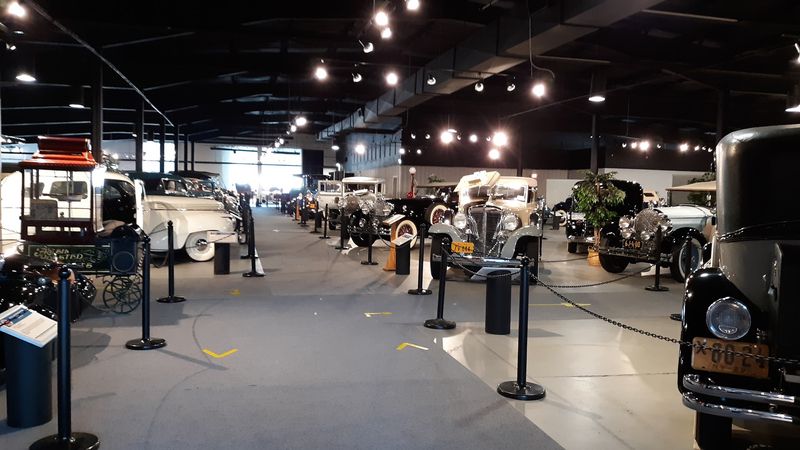
Long before gas stations lined every highway, cars ran on steam and electricity too. The Pre-War Collection shows off all three power sources side by side.
Names like Knox, Duesenberg, and the Ford Model T appear here. Brass-era cars from the early 1900s sit alongside models from the 1920s through the years before World War II.
This gallery feels like stepping into an old newspaper ad. Tall wheels, open seating, and gleaming fittings tell you exactly how adventurous early driving must have been.
Craft lovers will spot plenty to admire. The woodwork, upholstery, and metal details show the handwork that went into these early machines.
Period-correct clothing on display mannequins adds another layer. Seeing the fashions of each decade next to the cars makes the history feel personal.
Sewing and textile fans, take note. Those outfits offer a fun look at what drivers and passengers actually wore on their outings.
Plan to linger here a while. The pre-war cars carry stories that reward a closer look, from their materials to their engineering quirks.
Tailfins, Studebakers, And Pure Post-War Optimism
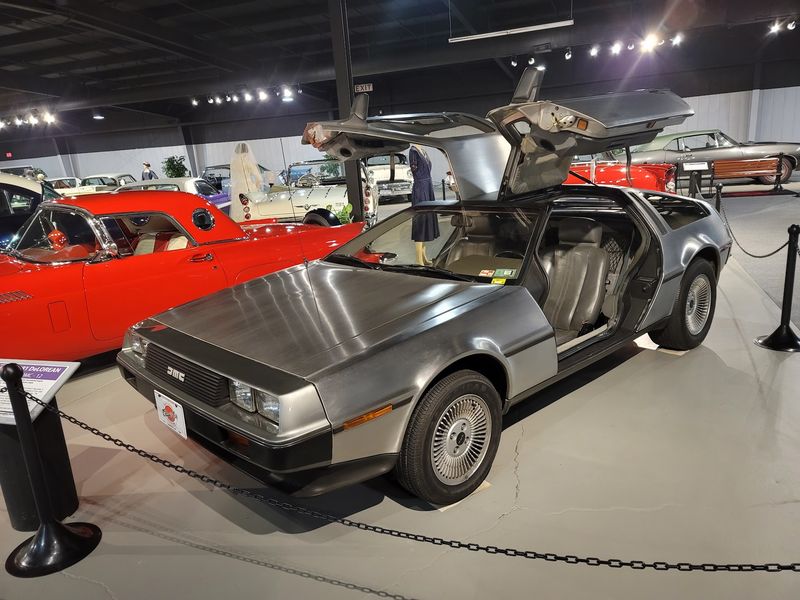
Somewhere around the late 1940s, American cars got a lot more cheerful. The Post-War Collection captures that shift beautifully.
You’ll find brands like DeSoto, Studebaker, and Nash in this part of the museum. The collection stretches from the late 1940s all the way into the 1980s.
Some of these names vanished long ago. That makes seeing them restored and shining feel a little like running into an old friend.
Icons show up here too. The lineup has included a Porsche 356, a 1963 Chevrolet Corvette, and even a DeLorean DMC-12.
Grandparents may have the most fun in these rooms. Expect a few stories about first cars, family road trips, and that one uncle who drove a Studebaker.
These galleries are a great spot to bring multiple generations together. Kids get to see what their elders drove, and the elders get to be the experts for once.
The paint colors alone are worth a slow walk. Post-war designers clearly weren’t afraid of personality, and that confidence still pops under the museum lights.
Muscle Cars That Still Look Fast Standing Still
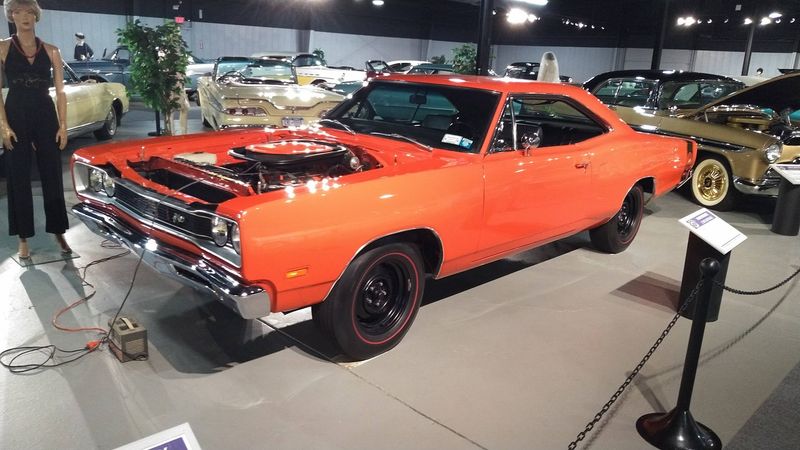
Some cars look like they’re speeding even when parked. The American Muscle exhibit is packed with exactly those.
Models like the Dodge Super Bee and Plymouth Road Runner have been part of the lineup. Ford fans can look for Shelby Mustangs, including a 1965 Shelby GT-350.
A 1969 Boss 302 Mustang has also earned attention here. So has a 1967 Shelby GT-500 styled after the famous Eleanor.
Muscle cars carry a special kind of energy. Bold stripes, wide stances, and big engines made them the rock stars of their era.
For anyone who spent weekends at car shows, this section might feel like home. It celebrates the hands-on garage culture so many New Yorkers grew up around.
Collectors and restorers will appreciate the condition. The cars across the museum are kept clean and polished, which lets every curve and badge stand out.
Fair warning, this gallery may inspire impulse searches for project cars. Nobody can be held responsible for what happens to your savings after you leave.
Empire State Ingenuity Gets Its Own Spotlight
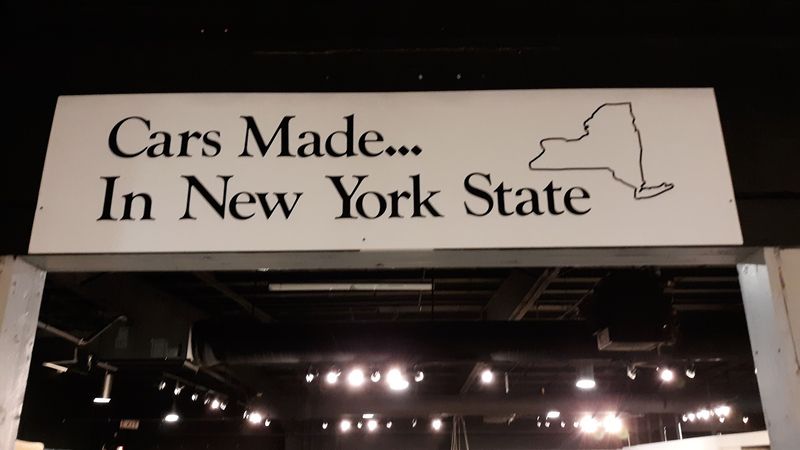
Detroit gets most of the credit for American cars. Yet New York State once had many manufacturers of its own, and this exhibit proves it.
The Made in New York State gallery highlights vehicles built across the Empire State. Some companies produced only a handful of vehicles each year.
One standout is the Chenango Camper. It was made right in Norwich, which gives this display a wonderful hometown twist.
Several rare cars appear in this section. For history fans, it’s a chance to see brands that rarely show up in other museums.
Tradition-minded New Yorkers will find this room especially meaningful. It honors the workers, builders, and small factories that shaped the state’s industrial past.
Original videos also explore the cars made in New York. They add context that helps these lesser-known names come alive.
It’s easy to rush past regional exhibits in a big museum. Slow down here, though, because this room tells a story you probably weren’t taught in school.
Your own hometown may have more automotive history than you ever guessed.
Two Wheels Roar Inside The Motorcycle Galleries
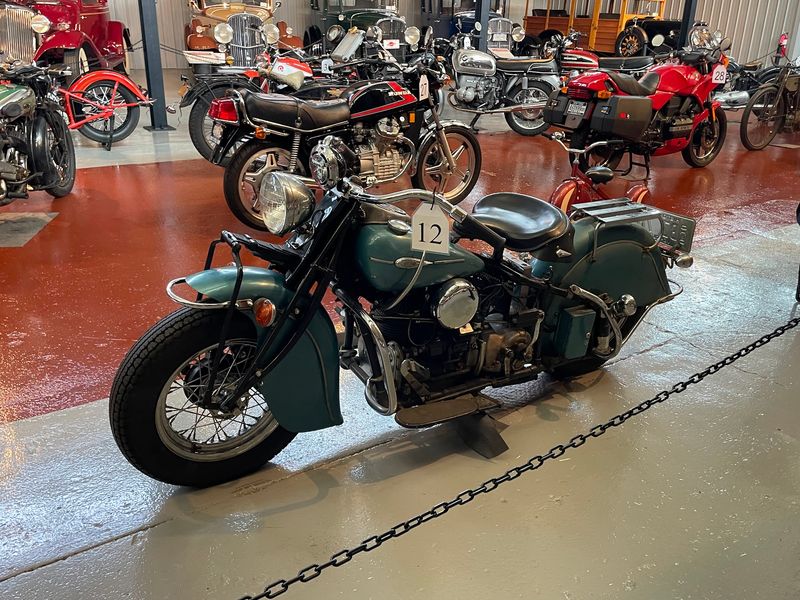
Riders, this museum didn’t forget you. Motorcycles are among the most-discussed parts of the whole visit.
The Vintage Motorcycles exhibit features big names like Indian and Harley-Davidson. A Henderson Streamliner also appears among the standouts.
A section known as the Hog Pen gives motorcycles their own playful corner. The name alone tells you the museum enjoys a little fun with its displays.
Bikes show engineering in a more exposed way than cars. You can see frames, engines, and fittings without a body hiding them.
That makes this gallery great for mechanically minded visitors. Anyone who has rebuilt a carburetor or swapped parts in a garage will enjoy studying the details.
Motorcycle travelers have also found the museum while touring Upstate New York. Its location makes a natural stop on a scenic ride through Chenango County.
Leather seats, gleaming tanks, and vintage logos make this one of the most photo-ready parts of the building. Bring a fully charged phone, because you’ll probably snap more pictures than you planned.
An 18-Cylinder Surprise Waiting Among The Cars
Nobody expects aircraft engines at a car museum. Here, they make perfect sense.
George Staley’s background as an airplane mechanic inspired a collection of World War I and World War II era airplane engines. The connection ties neatly back to the air-cooled Franklins.
The giant of the group is an 18-cylinder R-3350 Turbo engine. Built for large aircraft of its era, it gives you a real sense of scale.
Standing near something that powerful is humbling. Car engines suddenly look a bit modest by comparison.
This exhibit links land and air travel in a smart way. You can see how engineering ideas moved between industries during the early 1900s.
Families with curious kids will appreciate the change of pace. A massive engine sparks plenty of questions about how airplanes actually stayed in the sky.
Aviation fans might call this the hidden bonus of the trip. It’s the kind of display that turns a car outing into a broader celebration of American mechanical creativity.
Make sure to give it more than a passing glance.
Fresh Themes Roll In Every Year
Already visited once? The museum gives you a solid reason to come back.
A rotating themed exhibit changes annually, typically opening around late spring. That keeps repeat trips feeling new.
Past themes have included Trucks at Work and American Iron: Red, White and Blue. One spring featured more than two dozen European and Japanese sports cars.
Tractors and farm equipment have also appeared in rotating displays. Agricultural history fans will appreciate seeing those workhorses get their moment.
An exhibit focused on the 1980s has made appearances too. For some visitors, that era brings back memories of learning to drive.
Many vehicles are on loan, so the collection shifts over time. Each visit may reveal something you missed before.
That rotation makes the museum ideal for New Yorkers who like regular day trips. It becomes a place you return to, not just one you check off a list.
Before heading out, look up the current theme. It might be the nudge you need to grab your keys and hit the road for another round.
Hop Behind The Wheel And Browse The Gift Shop
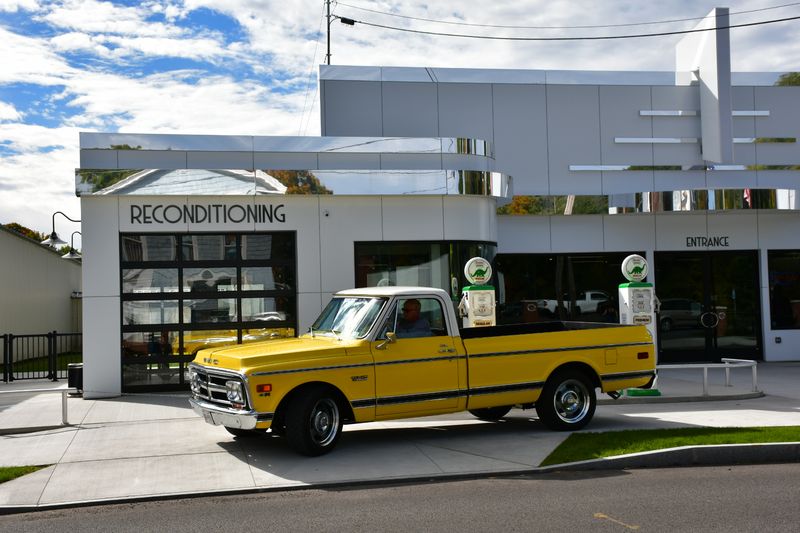
Looking is great, but sitting is better. Visitors can hop into a Ford Model T, which makes for a fun photo near the entrance.
A vintage Franklin has also offered visitors a chance to climb aboard. Moments like that make history feel a lot less untouchable.
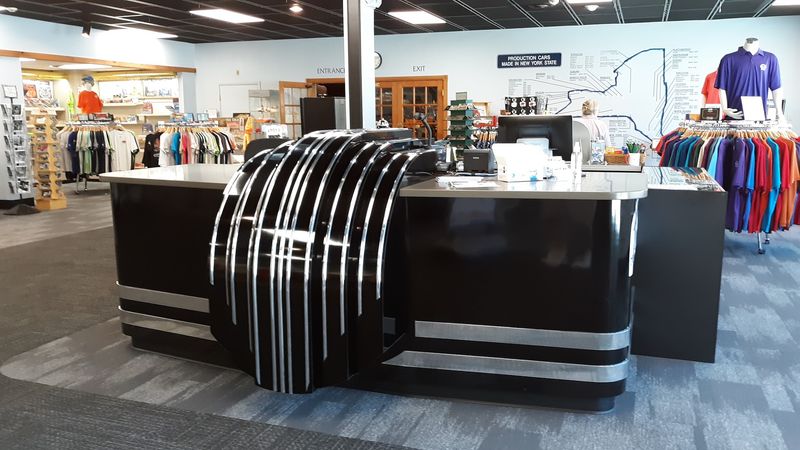
The gift shop is located in the lobby. It stocks new and vintage diecast models, books, apparel, and other trinkets.
Model builders will want extra time here. Diecast collections make a natural souvenir for anyone who enjoys detailed miniature work.
Books offer deeper reading on automotive history. They’re perfect for stretching the experience into quiet evenings back home.
Prices in the shop have been described as reasonable. That’s good news if you tend to leave museums with your arms full.
Kids often love the Model T stop most of all. Grown-ups secretly do too, they just pretend it’s for the picture.
Go ahead and take the photo. It’s a small moment, but it captures the playful spirit that runs through the whole museum.
Everything You Need To Plan A Smooth Day Trip
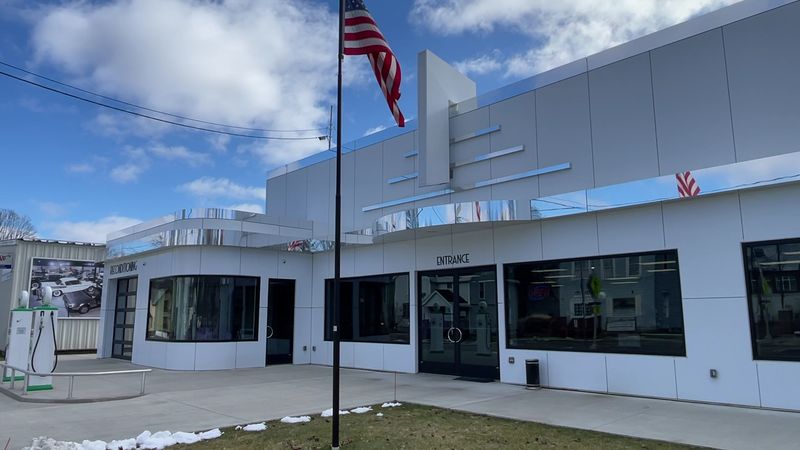
Good news for flexible planners. The Northeast Classic Car Museum opens seven days a week, from 9 AM to 4:30 PM.
You’ll find it at 24 Rexford St, Norwich, NY 13815. Free parking sits in a paved lot across from the building.
Last admission is typically one hour before closing. Arriving early gives you breathing room to enjoy every gallery.
Plan on roughly two to three hours for a first visit. Serious enthusiasts may easily stretch that further.
Accessibility is a strong point. The vehicles sit on the ground floor, aisles are wide, and electric scooters are available at no charge.
Norwich also pairs well with other New York outings. Some travelers combine a trip here with a visit to Cooperstown.
The drive itself offers rolling hills and small towns. Syracuse residents may especially enjoy the scenic route, since that’s where the Franklins were first built.
Check the museum’s current admission rates before going. Then pack snacks, fill up the tank, and enjoy the road as part of the adventure.
A Rolling Tribute To People Who Keep Old Things Alive
Some museums display history. This one feels like it actively protects it.
With a 4.8-star rating across more than 900 Google reviews, the Northeast Classic Car Museum has clearly earned strong goodwill. The polished cars and thoughtful displays make that easy to understand.
It suits a wide range of New Yorkers. Restorers, motorcycle riders, model builders, history buffs, and multi-generation families all have something here.
For craft-minded visitors, it offers something more personal. Every carefully restored vehicle reflects the patience and skill hobbyists value in their own work.
The Franklin collection alone justifies the drive. Seeing the third car ever built and the very last one together is rare anywhere in the world.
Add muscle cars, motorcycles, aircraft engines, and a gallery devoted to New York manufacturing. The result is a well-rounded day that never feels repetitive.
I believe places like this matter. They remind us that small towns can hold big stories when someone cares enough to save them.
So pick a weekend and point your car toward Norwich. The Franklins have been waiting a long time to say hello.