Benjamin Franklin’s own son was arrested on the front steps of a New Jersey mansion in 1776. He wasn’t a random troublemaker, either.
He was the colony’s royal governor, and the house was his official home.
William Franklin stayed loyal to the king while his famous father helped launch a new nation. Talk about tense family holidays.
The steps where that split played out are still there today.
I like how this place refuses to fade away. It’s the only official royal governor’s mansion left standing from all Thirteen Colonies.
Every other one is gone. This one survived abandonment, vandalism, and a close call with fire.
I can’t imagine a better spot to feel the Revolution up close. Yet plenty of folks drive right past it.
How does a house this important stay this quiet?
A Royal Mansion Hiding On A Waterfront Street
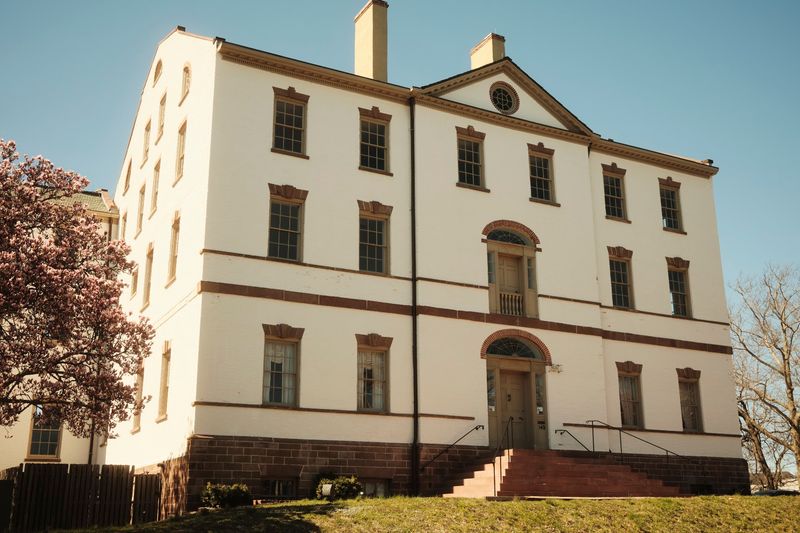
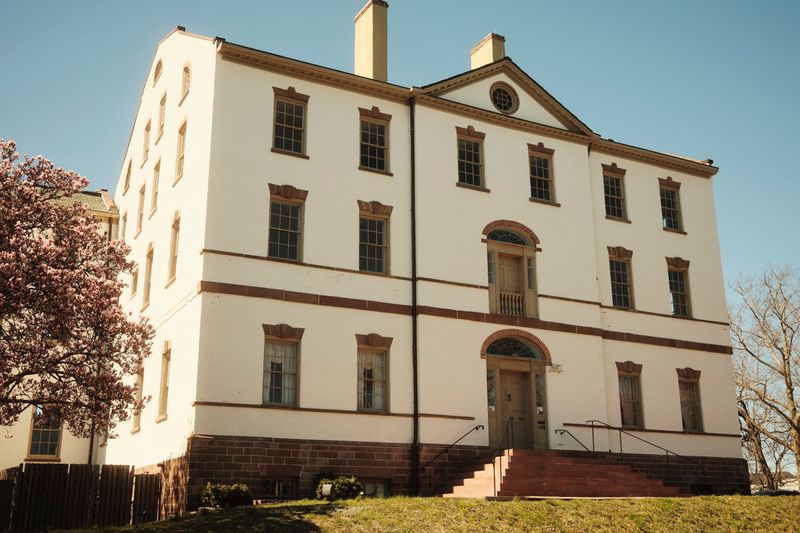
Kearny Avenue looks like a regular city street until a big brick Georgian mansion appears. That’s The Proprietary House, and it carries a title no other building in America can claim.
It’s the only official royal governor’s mansion still standing from the original Thirteen Colonies. Every other colony’s version has vanished over the centuries.
The house sits in Perth Amboy, a small city where the Raritan River meets the bay. Perth Amboy served as the capital of East Jersey back in colonial days.
That explains why such a grand home landed here instead of somewhere bigger.
Today the State of New Jersey owns the property. The nonprofit Proprietary House Association runs it as a museum and keeps its story alive.
I love that this landmark isn’t roped off behind glass. When it’s open, you climb the same steps and pass through the same doors as royal officials did.
It’s listed on both the New Jersey and National Registers of Historic Places. Not bad for a house that once nearly burned away.
For families craving something older than the Turnpike, this is a solid start. The real fun begins once you learn who lived inside.
Brick, Ambition, And The Proprietors Of East Jersey
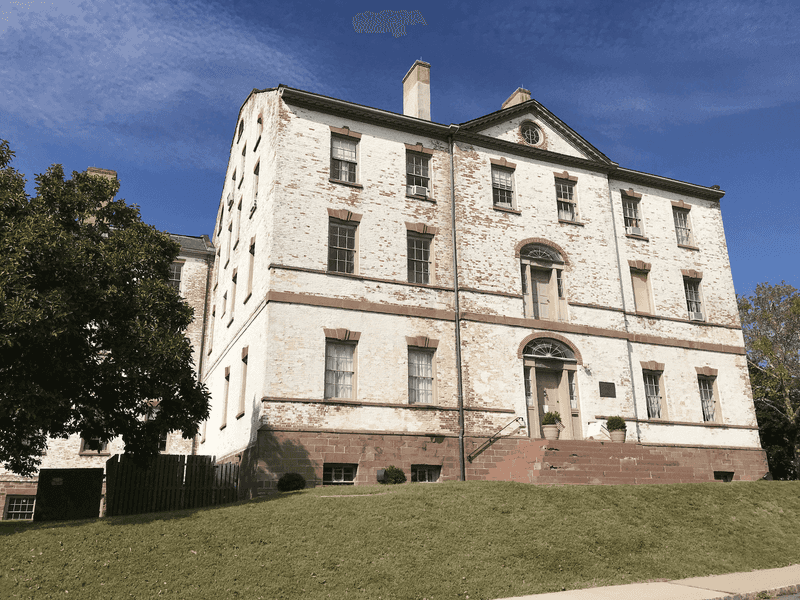
Construction kicked off in 1762, long before anyone dreamed of a Declaration of Independence. The builders finished in 1764, and the result was meant to impress.
The Proprietors of East Jersey paid for the project. They were the landholding group that controlled much of the colony’s territory, and they wanted a fitting home for the governor.
Picking Perth Amboy made sense to them. The town was a colonial capital, so a mansion here put the governor right where official business happened.
The name comes straight from those backers. Proprietary House simply means the house of the Proprietors, which is refreshingly honest branding for the 1760s.
Here’s a fun wrinkle in the timeline. The mansion was ready by 1764, yet its most famous resident didn’t move in until 1774.
That decade-long gap makes the story even stranger. By the time the governor finally unpacked, the colonies were already simmering with talk of rebellion.
So the Proprietors built a home for royal power just as royal power started slipping. Timing, as they say, is everything.
The next chapter proves just how badly that timing would play out.
The Franklin Family Feud That Ended On The Front Steps
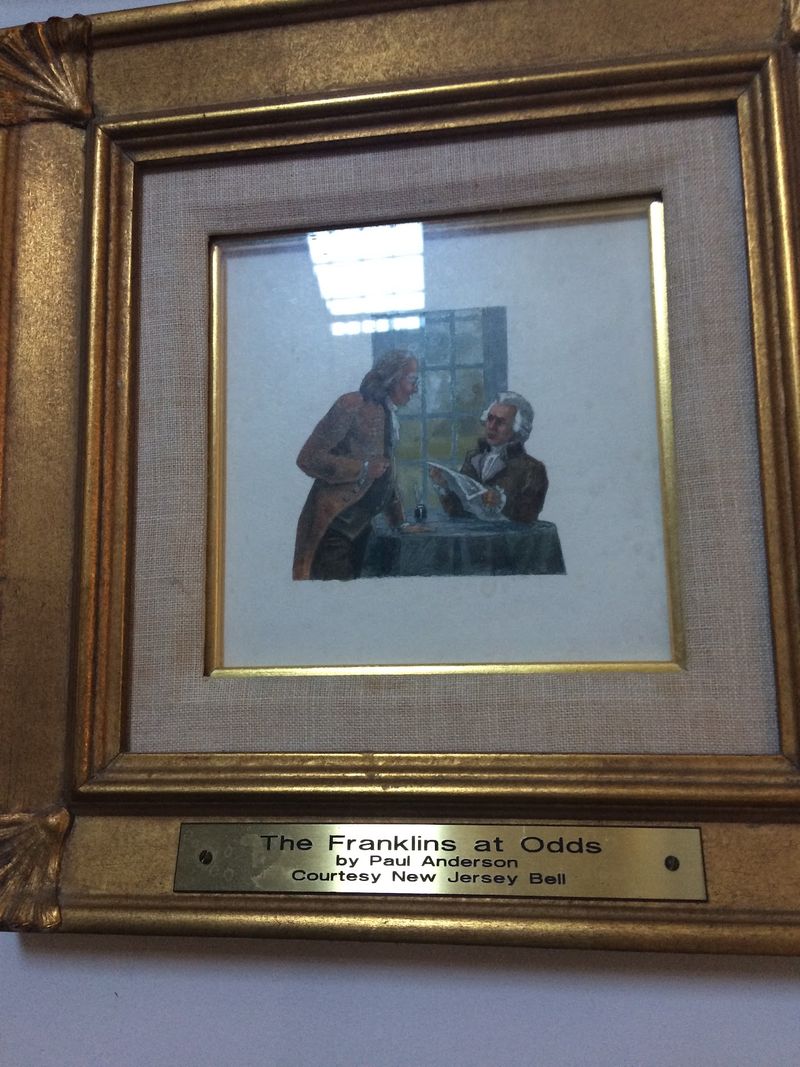
Benjamin Franklin is the face on the hundred, the kite guy, the Founding Father. His son William chose the opposite side, and he did it from this very house.
William Franklin served as New Jersey’s last royal governor. He lived in the mansion from 1774 to 1776, staying loyal to the British crown the whole time.
That loyalty didn’t sit well with local Patriots. As the Revolution heated up, they placed him under house arrest inside his own residence.
Then came the dramatic moment. William Franklin was arrested on the steps of the mansion in 1776, ending royal rule in the colony.
Think about that for a second. A father helping build a new country, and a son taken into custody for defending the old one.
The house’s education programs lean into this story in a fun way. Kids can catch annual re-enactments of Governor Franklin’s arrest, which turns a textbook paragraph into live theater.
I believe this is the detail that hooks most people. Standing near those steps, the Franklin split stops feeling like trivia and starts feeling personal.
Generals From Both Sides Took Turns Calling It Headquarters
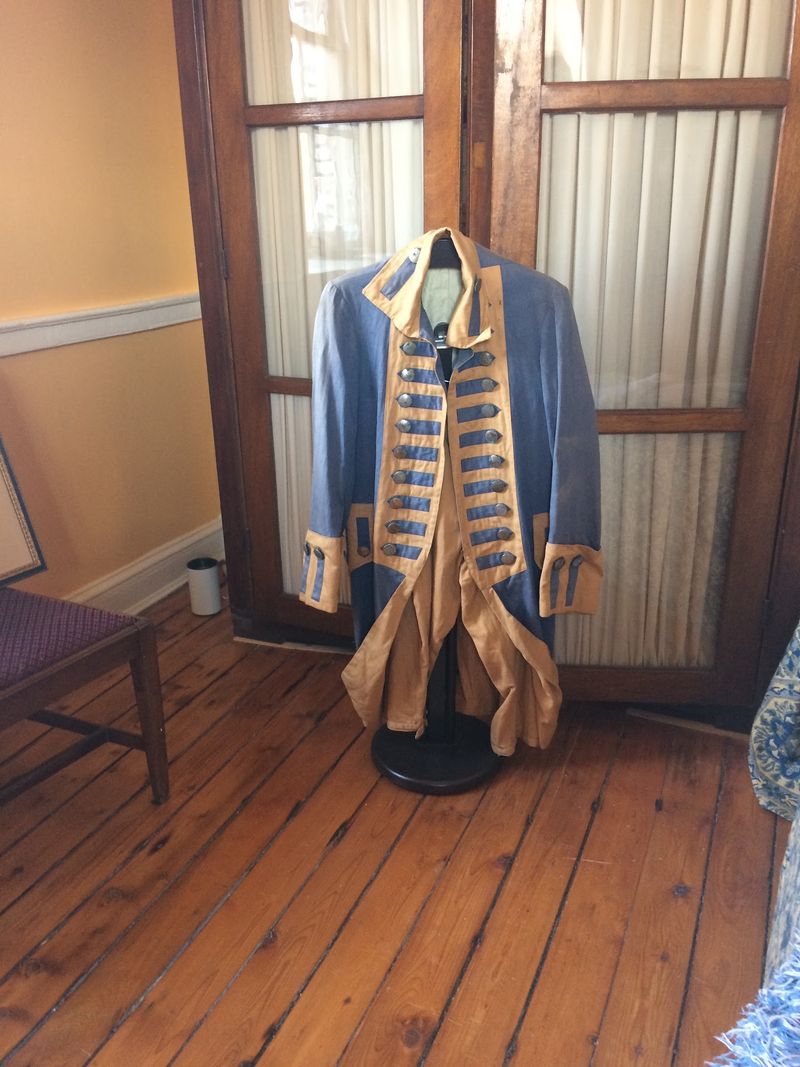
Once the governor was gone, the mansion didn’t sit empty for long. Troops from both sides of the Revolution moved in at different points.
American General Hugh Mercer used it as a headquarters. British General Sir William Howe did too, which makes this one of the more confusing addresses of the era.
Imagine the mail mix-ups. One season the rooms buzzed with Continental officers, and another season British leaders were planning their moves under the same roof.
Perth Amboy’s spot on the water made it valuable. Control of the harbor area mattered, so the town and its finest house drew plenty of attention.
After the Revolution ended, things got rough. The house was abandoned, vandalized, and nearly destroyed by fire.
That’s what makes its survival feel a little miraculous. Plenty of colonial buildings never bounced back from that kind of neglect.
Somehow this one hung on through every setback. When you see the brick walls standing tall today, you’re looking at a true survivor of early American history.
Few New Jersey buildings can say they hosted generals from opposing armies.
Hotel, Merchant Home, And Ministers’ Retreat All In One Life Story
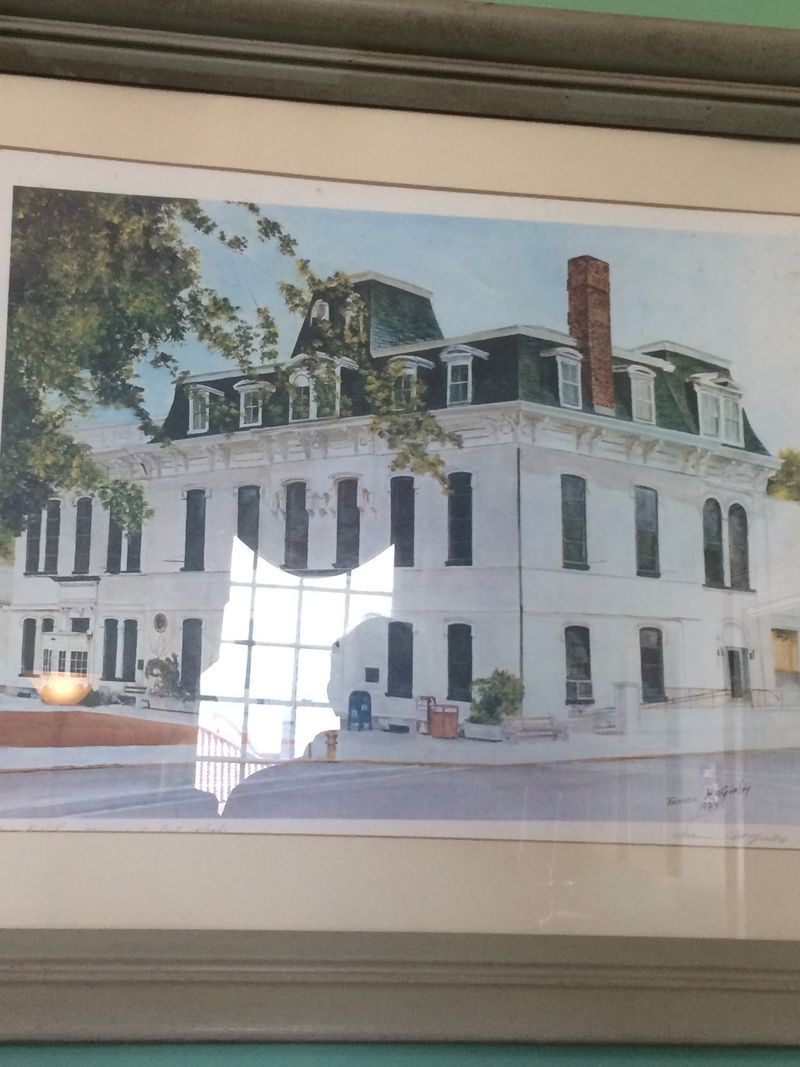
Most historic homes have one claim to fame. The Proprietary House collected careers like a restless job hunter.
After its brush with ruin, it became a private home again. Wealthy merchant Matthias Bruen lived here and gave the place a fresh start.
Later it turned into a luxury resort hotel called The Brighton. Guests came for the waterfront setting, which feels like a very Jersey Shore move for a colonial mansion.
The house then took a quieter turn. It served as The Westminster, a boarding house for retired Presbyterian ministers.
After that, it became an apartment house. Regular residents lived inside walls that once sheltered a royal governor, which is a pretty wild lease to sign.
Eventually the building found its current calling as a museum. The State of New Jersey owns it now, and the Proprietary House Association manages daily life inside.
I like how every chapter left the house standing instead of erasing it. Each new use kept a roof over its history until people realized what they had.
The guides weave these lesser-known chapters into the bigger Franklin story.
Guided Rooms And A Tea Room Down In The Cellar
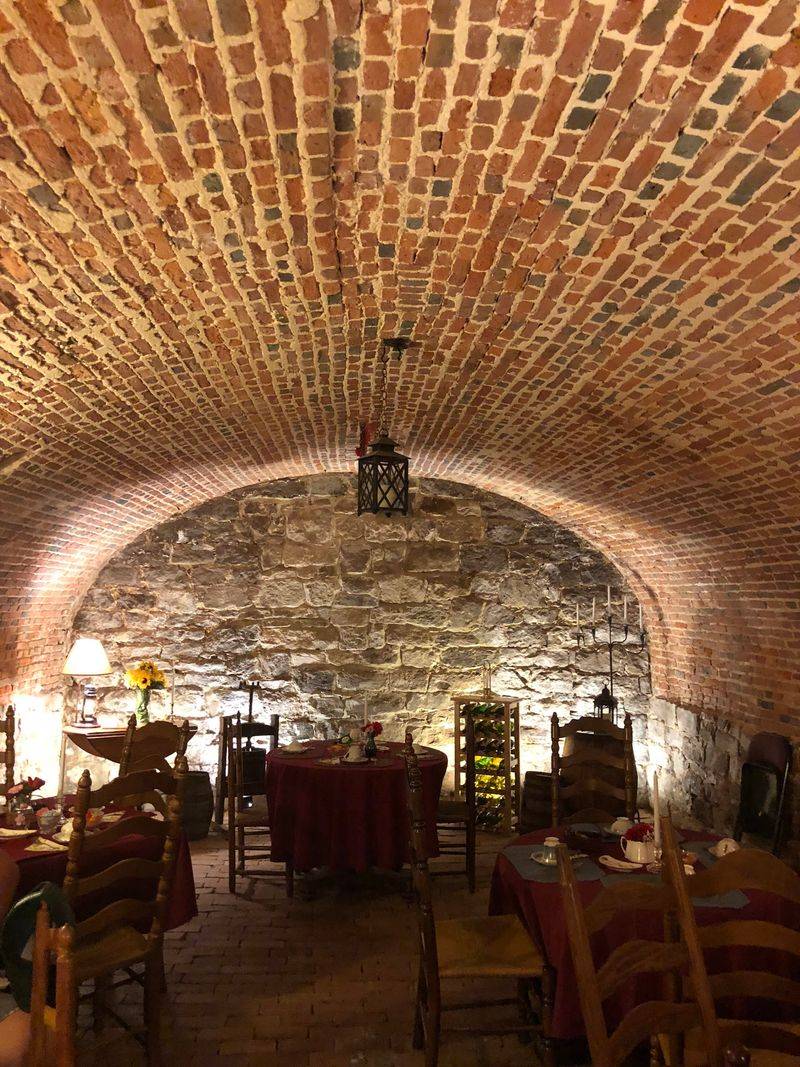
Guided tours are the main way to explore inside. When the house is open, they typically run Sunday afternoons at 1, 2, and 3 PM.
The dining room is a highlight. It has been decorated to reflect how it looked during the 1770s, so you get a sense of the governor’s era.
Guides walk you through the house and its many residents. Hearing about Franklin, the generals, and the hotel days in the actual rooms makes everything click.
Now for the sweet part. A colonial tea room sits down in the cellar, serving afternoon tea and baked goods.
Tea is by advance reservation only, so don’t just show up hungry. The experience often includes a tour, which makes it a nice two-for-one outing.
I can’t imagine a cozier way to wrap up a history lesson. Tea and treats under a 1764 mansion feels like a colonial secret you get to share.
Admission details can change, so check ahead before you go. Group tours on other days may be possible by request, which helps if you’re planning an outing for a club or class.
Ghost Tours, Christmas Glow, And Plenty Of Reasons To Return
Ghost Hunters showed up here once, and that tells you something. The house has a reputation for paranormal activity, and it leans into the fun with ghost tours.
Not into spooky stuff? No problem, because the calendar stretches far beyond things that go bump in the night.
The museum hosts lectures, historical re-enactments, and concerts throughout the year. Each event gives the old rooms a different personality.
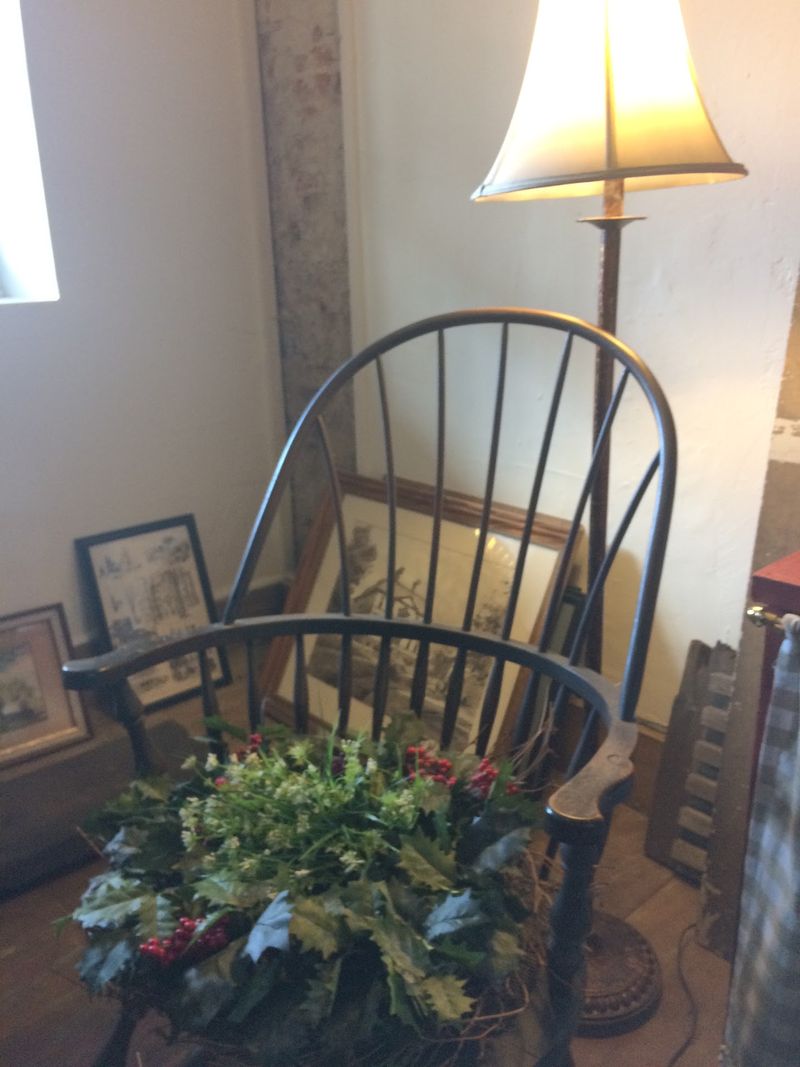
Holiday visits can be especially festive. The house has been decorated for Christmas in past seasons, sometimes paired with live music.
Kids get their own slice of the action. Educational programs for children include those annual re-enactments of Governor Franklin’s arrest, which beat any worksheet.
The spaces can also be rented for weddings, dinners, meetings, and luncheons. Saying your vows where a royal governor once lived is a pretty great story for the grandkids.
Events change from year to year, so follow the house’s announcements before planning. With this much going on, one visit may not feel like enough.
That’s a good problem to have in a place this old.
Planning Your Visit To The Last Royal Governor’s Home
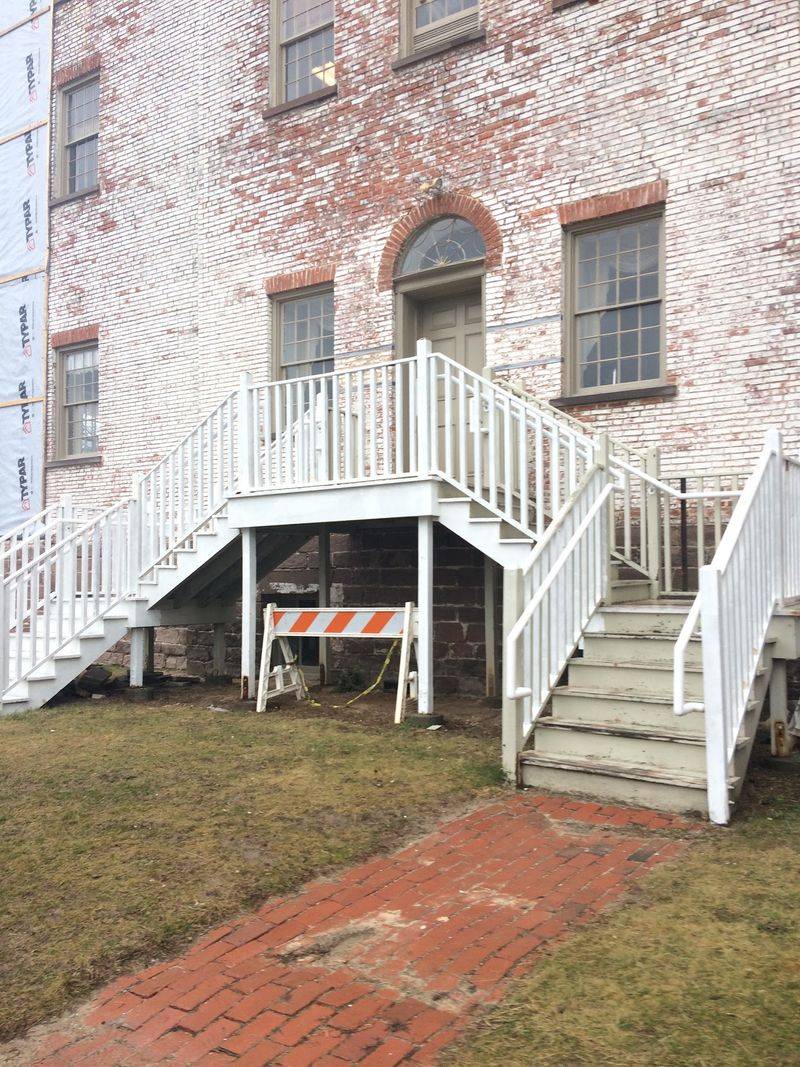
Timing matters right now. The Proprietary House is temporarily closed while crews install a new fire-suppression system and make accessibility improvements.
The Proprietary House Association expects to reopen in early spring. Given the house’s history with fire, that upgrade feels especially fitting.
You’ll find it at 149 Kearny Avenue, Perth Amboy, NJ 08861. Regular hours have typically been Sundays from 1 to 4 PM.
The property is ADA accessible, which is a big plus for an 18th-century building. Off-street parking, a gift shop, and restrooms make the outing easier for families.
Remember that tea needs an advance reservation. Hours and programs can shift, so check before you make the drive across New Jersey.
So is it worth the trip? For anyone who loves stories, sweets, or a good family drama, I think the answer is a happy yes.
It’s small, personal, and packed with layers you won’t find in a textbook. Standing on those steps where William Franklin’s reign ended might just give you goosebumps.
Just plan around the reopening, and let the old house do the talking.