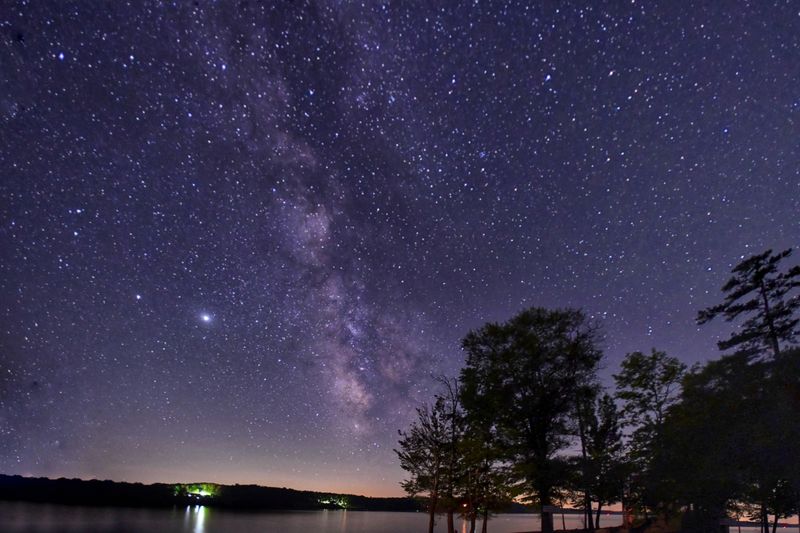
On a clear night here, the Milky Way shows up overhead with no telescope required. That alone made me sit up straight.
This Virginia park was the first state park in the Commonwealth named an International Dark Sky Park.
The night is only half of it. Two rivers meet at its edge, and a big lake stretches out beyond the trees.
Cozy cabins built in the 1930s wait in the woods, each with its own fireplace and fire pit.
I like how the place pairs old-school rustic charm with serious astronomy. Twice a year, stargazers from up and down the East Coast arrive with their gear for a full week under the stars.
I can’t imagine a better excuse to unplug. So how dark does a sky need to be before the galaxy steps out to say hello?
Two Rivers Meet at a Park That Saves Its Best Show for Nighttime
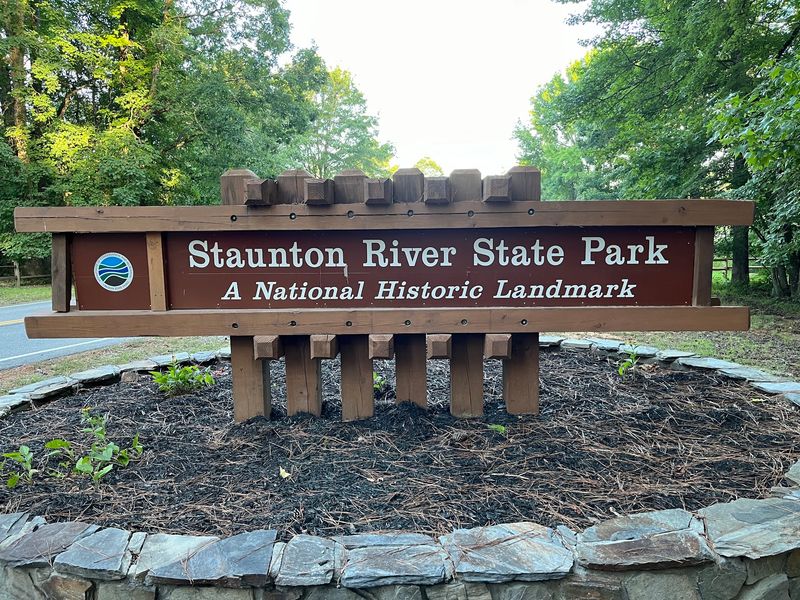
Southside Virginia keeps one of its best night shows far from any big-city glow. Staunton River State Park sits southeast of the small town of Scottsburg, where two rivers meet at the park’s edge.
The land covers more than 2,400 acres of woodlands, meadows, and river shoreline. That’s plenty of room to wander by day before the real headliner shows up after sunset.
And what a headliner it is. On a clear night, the sky here gets dark enough to reveal the Milky Way with nothing but your own two eyes.
Daytime still pulls its weight, though. Hiking, biking, and horseback trails wind through the forest, while a giant lake waits nearby for anglers and boaters.
The park also carries serious history, with cabins and shelters built by hand in the 1930s. You get rustic charm, open water, and a sky full of stars in one tidy package.
Remote is part of the appeal here. Fewer lights mean better stargazing, and the quiet roads leading in feel like a slow exhale before you even park the car.
Pack a sense of wonder. You’ll want it the minute the sun goes down.
Hand-Built in the 1930s and Still Standing Proud
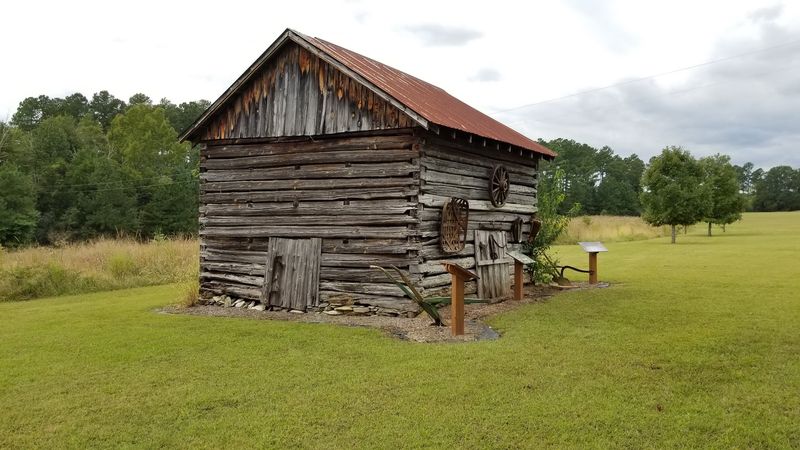
June 15, 1936, marks the day this park first opened its gates. Staunton River State Park was one of Virginia’s six original state parks, which makes it a true founding member.
Much of what you see came from the Civilian Conservation Corps. Between 1933 and 1938, CCC crews built cabins, picnic shelters, and the building that now serves as the visitor center.
That craftsmanship earned big recognition decades later. In 2007, the park’s historic district joined the National Register of Historic Places.
The same year brought two more honors. The park became both a National Historic Landmark and a Virginia Historic Landmark for preserving its CCC story.
The name has roots too. The Staunton River, which borders the park, is a section of the Roanoke River named for Captain Henry Staunton, an officer from pre-Revolutionary days.
Then came a big change in 1952. The John H.
Kerr Dam created Buggs Island Lake, flooding several hundred acres of parkland but delivering prime lake access in return.
I like that the park’s past still feels touchable. Sleeping in a cabin built nearly a century ago adds a layer of story to every crackling fire.
The Sky Here Earned an International Seal of Approval
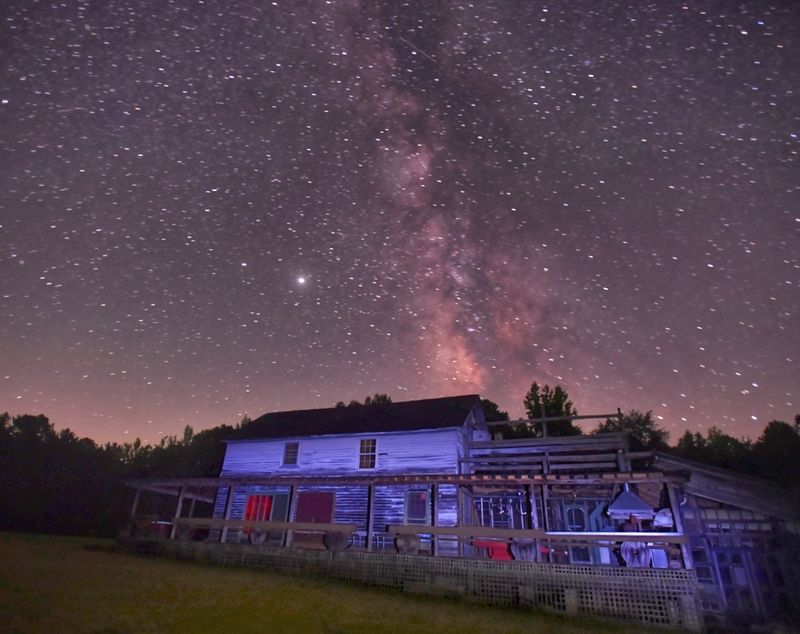
Being first counts for something. Staunton River State Park became the first Virginia state park designated an International Dark Sky Park.
That title isn’t handed out for looking pretty in photos. It recognizes places with exceptionally dark skies and a commitment to keeping them that way.
The payoff is huge for anyone who looks up. The park ranks as a top East Coast spot for viewing the Milky Way, planets, and constellations.
Most of us live under skies washed out by streetlights and parking lots. Out here, the stars stack up so thickly that familiar constellations can almost get lost in the crowd.
Remoteness helps a lot. With no big city nearby, the horizon stays dark, and the band of the Milky Way can stretch across the sky like spilled sugar.
Clear weather matters, of course. A cloudy night hides everything, so checking the forecast before you go is a smart move for any star hunter.
Moon phases matter too. A new moon week gives you the darkest skies, while a bright full moon can wash out the fainter stars.
Time it right, and the sky does the rest. Your neck may ache from looking up, but that’s a small trade.
Borrow a Telescope and Let the Pros Point the Way
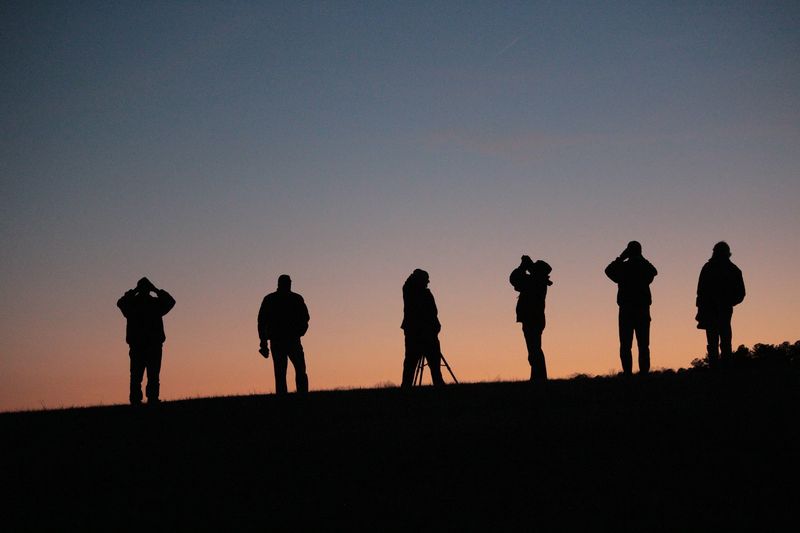
Here’s a perk most parks can’t match: telescopes for rent right on site. Staunton River State Park keeps them on hand so curious beginners can get a closer look without buying gear.
Park staff also lead interpretive programs focused on stargazing. Learning which bright dot is a planet and which is a star makes the whole night more rewarding.
An open field near the visitor center serves as the go-to observation spot. It stays available year-round, so winter stargazers aren’t left out in the cold.
Well, they might be a little cold. Winter nights call for warm layers, a thermos of hot cocoa, and maybe a blanket around your shoulders.
A red flashlight is a handy thing to pack. Red light protects your night vision, and it keeps you from blinding the stargazer next to you.
Kids often get hooked on the hands-on side of astronomy. Spotting a planet through a lens for the first time is the kind of moment that sticks.
Even without a telescope, the field delivers. Just lie back, let your eyes adjust for a while, and watch the sky fill in.
Twice a Year, Astronomers Turn the Park Into a Festival
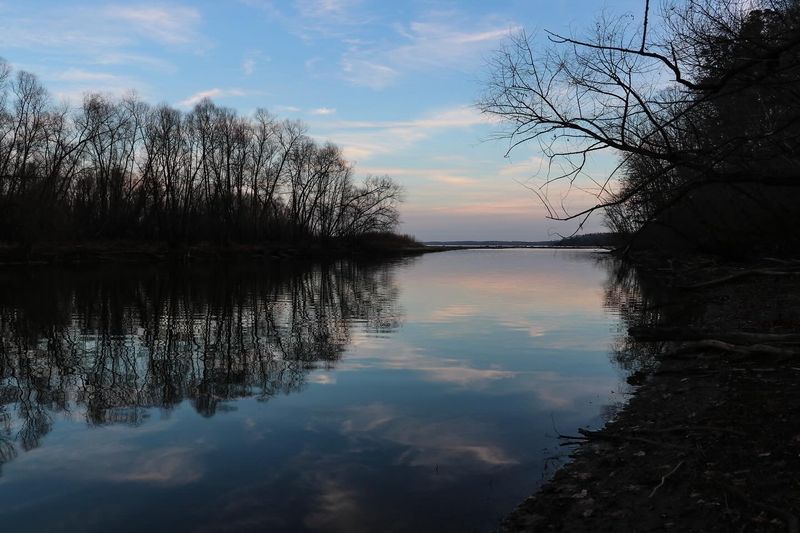
March and October bring the park’s biggest nights of the year. The Staunton River Star Party is a week-long astronomy festival held twice annually.
Astronomers travel from across the eastern seaboard and beyond to join in. Imagine a whole field full of people who get genuinely excited about faint galaxies.
Registration is required for the full Star Party event. That makes sense, since a week of serious observing takes some planning on everyone’s part.
Casual stargazers aren’t always left out. Public observation nights are often part of the festivities, giving newcomers a chance to peek at the action.
Some of those nights even involve bus rides to the observation field. Fewer headlights mean less light on the field, which keeps the sky dark for everyone.
I believe that bus detail says everything about how seriously this park treats the dark. Few places would go that far to protect a view.
Spring and fall timing also feels smart. A light jacket beats sweating through a humid summer night any day.
Check the park’s event schedule well ahead if you hope to attend. These weeks mark the calendar for plenty of devoted sky watchers.
Cabins With Fireplaces and Roots in the 1930s
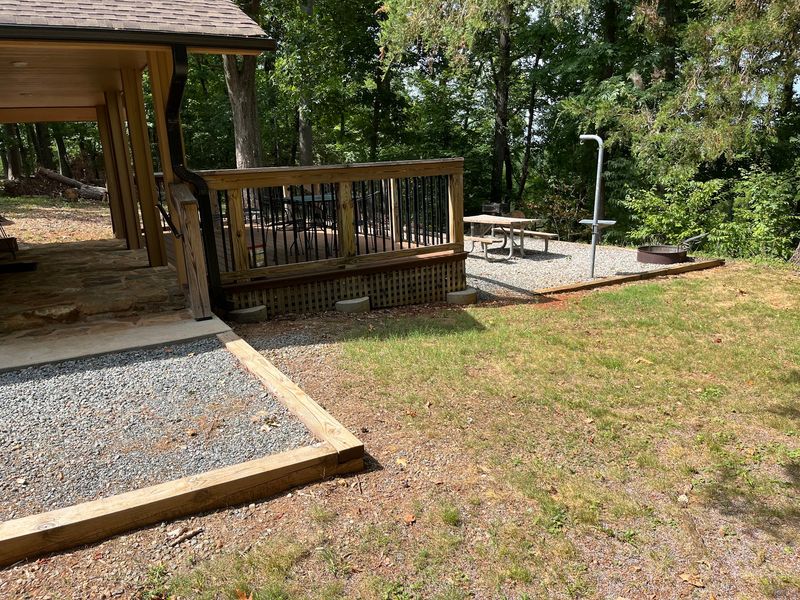
A small cluster of cabins waits in the woods at Staunton River State Park. Each one was built by the CCC in the 1930s, so the character comes standard.
Don’t expect roughing it, though. The cabins are climate controlled, with rustic furniture, a fireplace, and a private bathroom with a shower.
The kitchens come fully equipped too. You’ll find a refrigerator, stove, microwave, coffeemaker, toaster, dishes, silverware, utensils, and pots and pans.
Outside, each cabin has a deck with patio furniture, a fire pit, a picnic table, and a charcoal grill. Supper under the trees practically plans itself.
Bring your own linens and towels, since those aren’t provided. Pets can come along for an additional fee, which is good news for dog lovers.
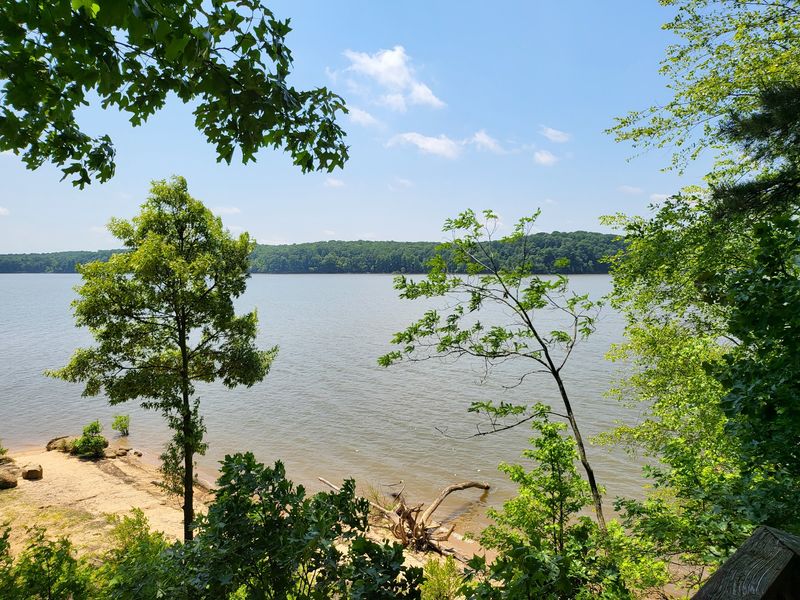
The cabins sit along the Staunton River, but trees often block direct water views. Happily, an overlook is just a short walk away.
Plan your dates with care. Cabins require a two-night minimum, which stretches to six nights between Memorial Day weekend and Labor Day.
Cabins are open year-round, which makes them great for winter stargazing trips. A crackling fireplace after a cold night outside sounds hard to beat.
Tents, RVs, and a Bunkhouse Built for a Crowd
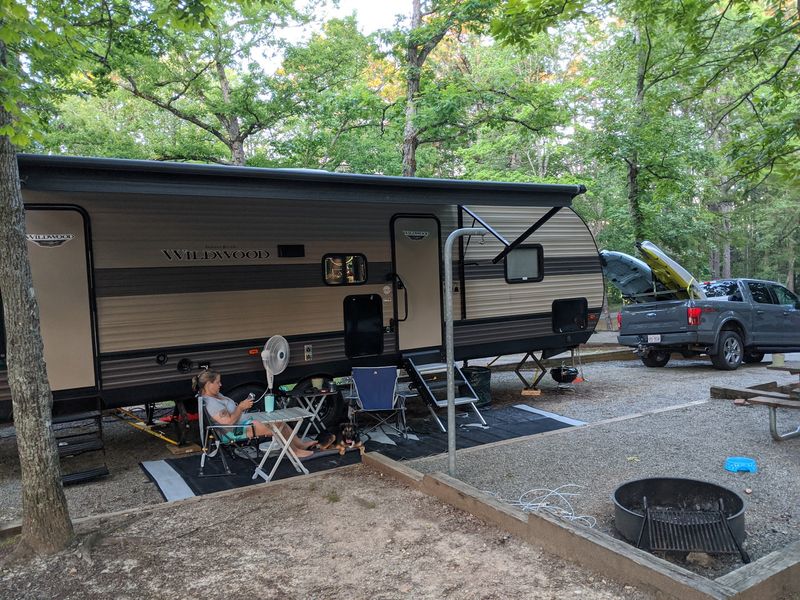
Forty-seven campsites give you plenty of choices at Staunton River State Park. Options range from primitive spots to sites with RV hookups.
Every site comes with a picnic table and a fire ring. That covers the essentials for s’mores, which some would argue is the whole point of camping.
A bathhouse with laundry facilities sits within the campground. Clean socks on day three feel like a quiet little luxury.
Know one thing before booking. The campground isn’t on the water, and there’s no river or lake access from the camping area itself.
Camping runs from the first Friday in March until the first Monday in December. Quiet hours last from 10 p.m. to 6 a.m., and generators must stay off then.
Traveling with a big group? The camping lodge, or bunkhouse, sleeps up to 14 people in seven bunk beds spread across three rooms.
It has a large back deck, picnic tables, electrical outlets, and a fire ring with a cooking grate. Cooking isn’t allowed inside, so meals happen outdoors.
A fenced tent site right behind the bunkhouse adds space for six more people. Family reunion, scout troop, or astronomy club, it all fits.
More Than 17 Miles of Trail for Boots, Bikes, and Hooves
Horses get the red-carpet treatment here. Staunton River State Park has an equestrian campground with large campsites and horse stalls.
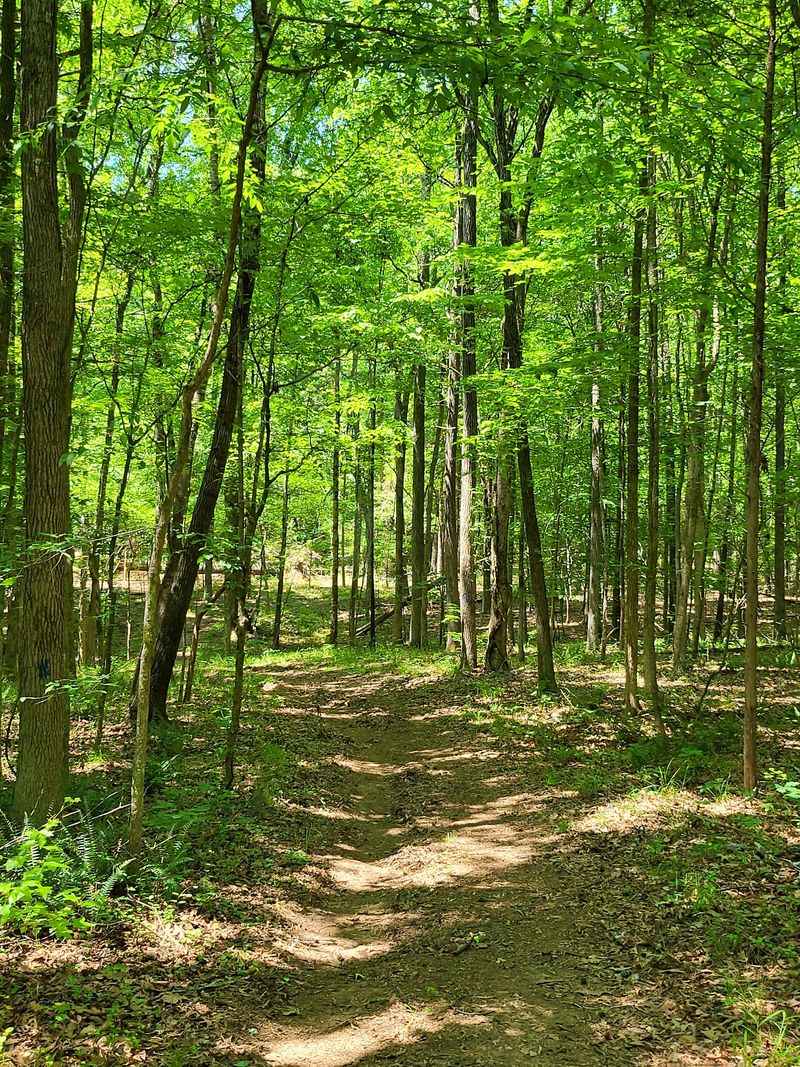
Riders share more than 17 miles of multi-use trails with hikers and mountain bikers. That variety keeps the paths interesting no matter how you travel.
The trails wind through woodlands and meadows across the park’s 2,400-plus acres. River shoreline adds pretty views along the way.
Wet weather can change your plans. Trails may close when conditions are soggy, which protects the paths from damage.
Checking trail status before you lace up saves a lot of disappointment. Nobody wants to haul a horse trailer this far only to find a closed gate.
Daytime hikes also pair nicely with nighttime plans. A morning walk lets you scout the park, and you’ll know your way around once darkness falls.
Keep your eyes open as you go. Deer and waterbirds fit right in with this mix of forest and river.
Pack water and good shoes for longer loops. Seventeen miles is a lot of ground, so pick a route that matches your energy.
Then head back, rest your legs, and save some stamina. The stars come out later.
Virginia’s Largest Lake Waits Right Next Door
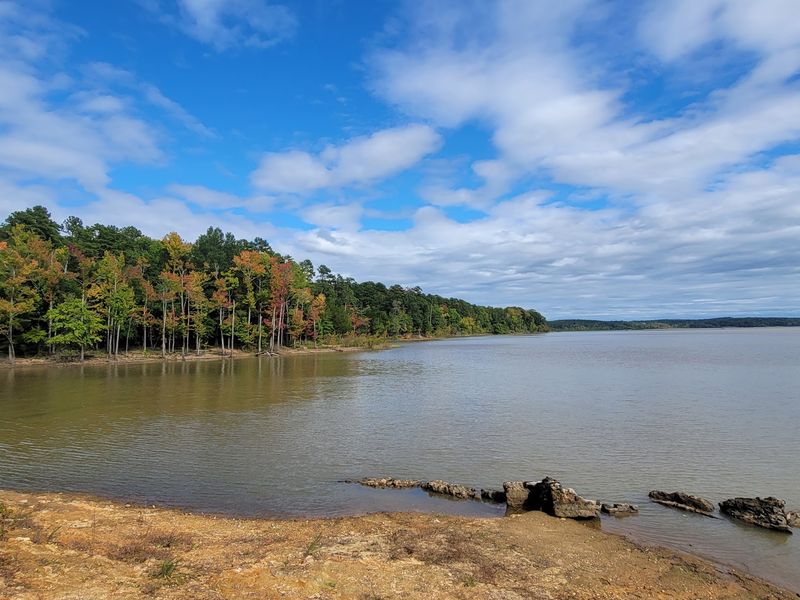
Buggs Island Lake is the biggest lake in Virginia, and this park offers prime access to it. You may also hear it called John H.
Kerr Reservoir.
That lake exists because of the John H. Kerr Dam, built in 1952.
The rising water claimed several hundred acres of the park, but anglers and boaters came out ahead.
Freshwater fishing ranks high on the to-do list here. Bring your tackle and your patience, and see what’s biting along the shoreline.
Boating and water skiing are on the menu too. Several boat launches make it easy to get your vessel onto the water.
Paddlers have plenty to love as well. Calm stretches of river and lake invite a kayak or canoe, as long as you bring your own.
Staunton River State Park also sits where two rivers come together. That meeting of waters gives the whole place a peaceful, open feel along the shore.
A day on the water makes a perfect warm-up for a night of stargazing. Tired arms and a sunburned nose pair surprisingly well with a dark, quiet sky.
Just remember the sunscreen. The stars can wait until you’re ready.
Playgrounds, Disc Golf, and a Snack Stop for Restless Kids
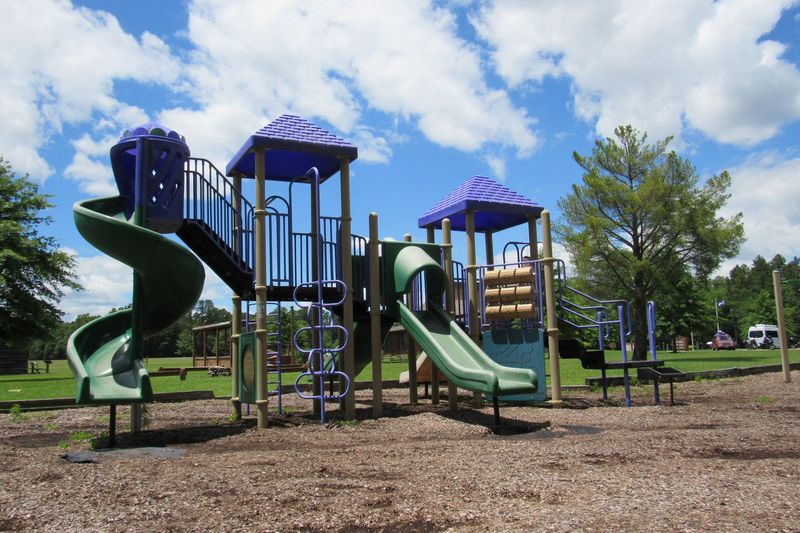
Kids who can’t sit still until dark have options. Staunton River State Park has three playgrounds, plus tennis and volleyball courts.
A 9-hole disc golf course adds some friendly competition. It’s a great way to settle a family debate about who has the best arm.
Picnic shelters give groups a shady place to gather. Spread out a lunch, fire up the conversation, and let the afternoon roll by.
Then there’s the Trading Post, which works as both a gift shop and a snack bar. Forgotten snacks and souvenir cravings both find answers there.
Hours vary, so plan around them. The Trading Post generally opens Sunday through Thursday from 10 a.m. to 5:30 p.m.
Weekends run longer. On Friday and Saturday, it usually opens from 9 a.m. to 10 p.m., unless otherwise noted.
One heads-up for summer visitors. The pool is not operational right now, so swimming plans need a backup.
Interpretive programs help fill the gaps for curious young minds. Mixing daytime play with nighttime astronomy makes for a pretty well-rounded family trip.
By bedtime, everyone should be tired enough to sleep. Well, maybe after one more look at the stars.
What to Know Before You Point the Car Toward Scottsburg
Set your GPS for 1170 Staunton Trail, Scottsburg, VA 24589. The park lies southeast of Scottsburg in the quiet countryside of southern Virginia.
The park is open daily from 8 a.m. to 10 p.m. Overnight guests in cabins or campsites get to enjoy the dark skies after day-use hours end.
The Visitor Center is currently closed for renovations. Restrooms there remain open, which is good news after a long drive.
Remote means remote. Stock up on groceries and supplies before you arrive, since this isn’t a place with a store on every corner.
Cabins can be booked year-round, while camping runs from early March to early December. Reserving ahead is smart, especially with those minimum-stay rules for cabins.
Dress for the night, not the afternoon. Even mild days can turn chilly once you’re standing still in an open field.
Leave the bright headlamp at home or switch it to red. White light ruins night vision and frustrates fellow stargazers fast.
Check the weather and moon phase before you go. Clear skies and a dark moon give you the best shot at the Milky Way.
Bring a camp chair and some patience too. The galaxy rewards people who wait.
A Trip Worth Losing a Little Sleep Over
So is Staunton River State Park worth the drive? For anyone who has never seen the Milky Way with their own eyes, I’d say absolutely.
The history adds heart to the trip. Sleeping in a cabin built by CCC crews nearly a century ago feels like borrowing a piece of Virginia’s past.
Daytime has plenty to offer, from miles of trails to a huge lake. Horse riders, anglers, and disc golfers all find something worth their time.
Still, the night sky is the star here, pun fully intended. Few places on the East Coast offer this kind of view without a long trek into the backcountry.
Room service won’t be arriving anytime soon. The park asks you to slow down, pack what you need, and ease into a quieter pace.
That simplicity is the point. With fewer distractions, you notice more of the sky.
Families, couples, and solo stargazers all have a place here. The Star Party weeks add extra excitement for those who want company under the stars.
Pack a blanket, a jacket, and plenty of curiosity. Then look up and let the galaxy do the talking.