Millions of lights, model trains, and a domed glass Conservatory share one address in Virginia. That’s the winter lineup alone.
Spring and fall bring their own big shows.
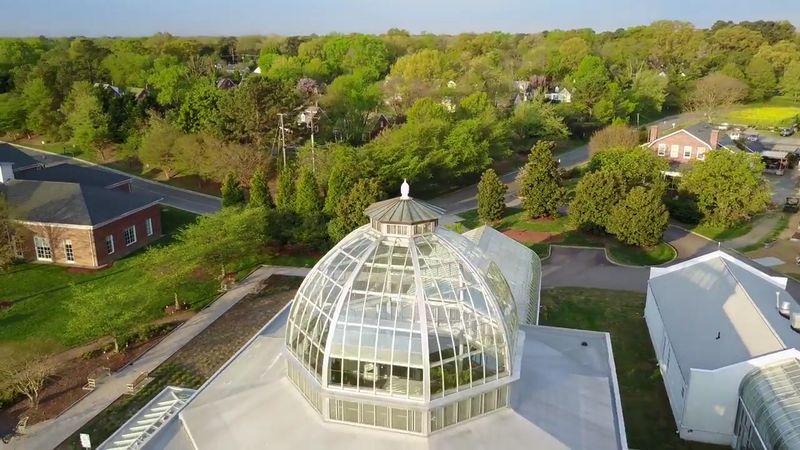
The Conservatory is the only classical domed one of its kind in the mid-Atlantic. A recent expansion nearly doubled its size.
Now it holds a year-round butterfly exhibit with time slots you pick when you buy tickets.
Outside, more than a dozen themed gardens stretch across 50-plus acres. There’s a treehouse, a rose garden, an Asian Valley, and a walk lined with cherry trees.
I like how each season seems to hand the place a brand-new costume.
I can’t imagine a phone surviving a full year of visits without begging for more storage. So which season would you pick first?
A Glass Dome And 50 Acres Waiting Just Outside Richmond
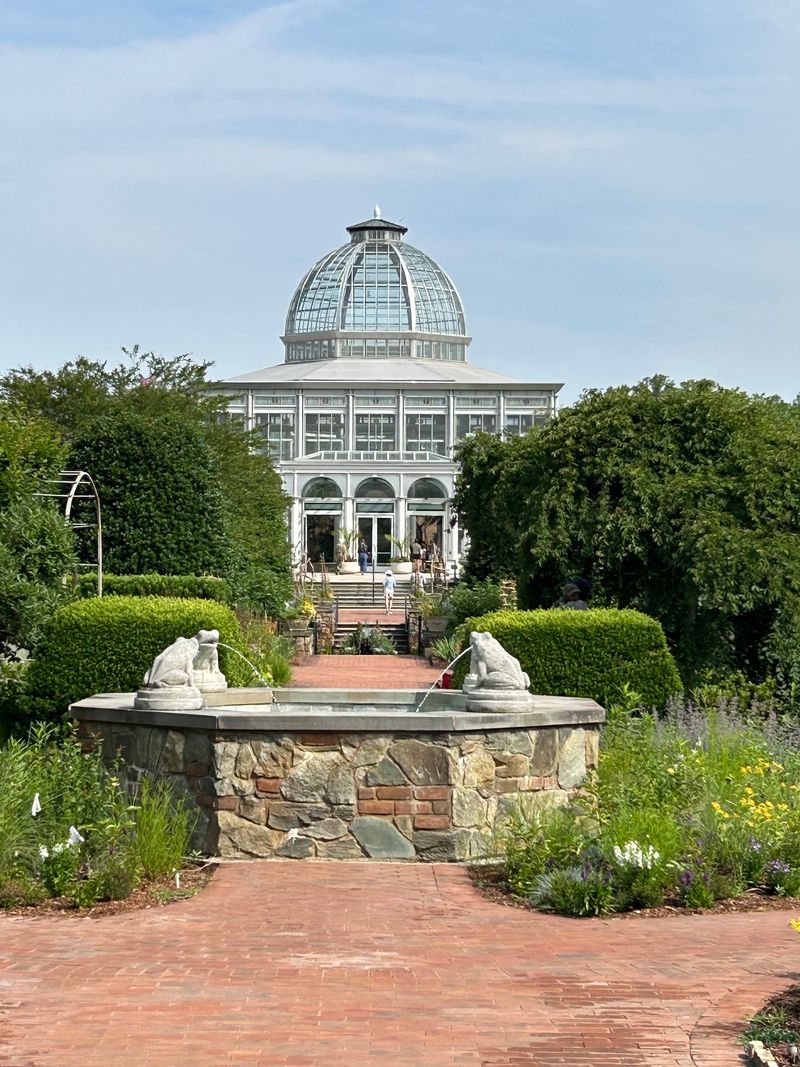
Lewis Ginter Botanical Garden sits on the northern edge of Richmond, Virginia, and it covers more than 50 acres of gardens. The star of the skyline is a classical domed Conservatory, the only one of its kind in the mid-Atlantic.
That alone could fill an afternoon. Yet the dome is really just the front door to a much bigger story.
More than a dozen themed gardens spread out across the grounds. You’ll find roses, an Asian Valley, a Cherry Tree Walk, and a Children’s Garden complete with a treehouse.
The garden also stays open all year, which matters for photographers. Fall brings foliage, winter brings a giant light show, and spring brings a flower parade called A Million Blooms.
Google Maps users give it 4.7 stars across more than 2,000 ratings. That’s a strong showing for a place built mostly on dirt, patience, and very hard-working gardeners.
One fair warning belongs here too. Some seasons look quieter than others, and a late October trip can feel greener and browner than expected if peak color runs late.
Still, the bones of this place are impressive any month. Think of it as a garden with a full calendar instead of a single big moment.
From Powhatan Hunting Grounds To A Niece’s Big Promise
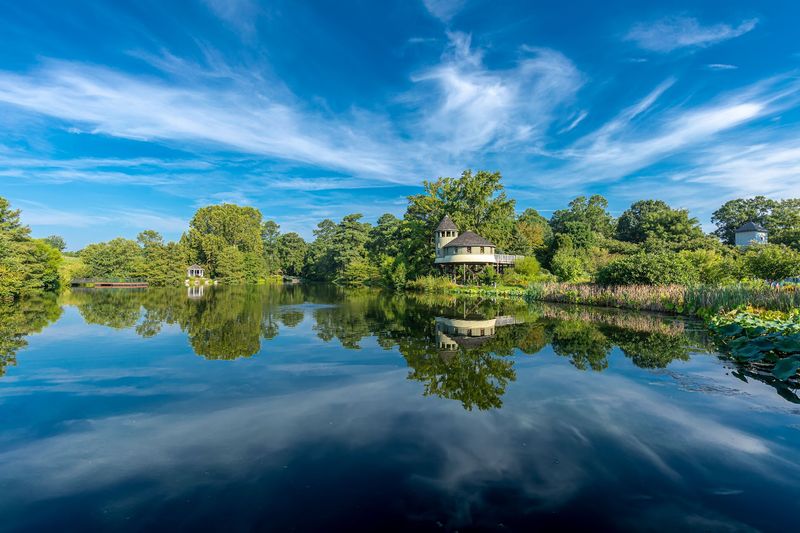
Long before anyone planted a tulip here, the land served as hunting grounds for the Powhatan Indians. Later, it belonged to Virginia Governor Patrick Henry, which is quite a name for a property deed.
The modern chapter starts in 1884. Richmond businessman Lewis Ginter bought 10 acres and set up the Lakeside Wheel Club, a spot tied to the bicycling craze of the era.
After Ginter passed, his niece Grace Arents took the reins. She grew the property to 73 acres, which shows she had big plans.
Arents then willed the land to the City of Richmond. Her wish was simple and generous: make it a botanical garden named for her uncle.
Dreams like that can take a while to bloom. The nonprofit Lewis Ginter Botanical Garden corporation was chartered in 1981, and the public garden officially opened in 1984.
Since then, it has earned recognition as one of the top botanical gardens in the country. I believe Grace Arents would be pretty pleased with how her promise turned out.
Every rose bed today carries a little of that family loyalty. Not bad for a former bicycle club.
Butterflies Now Get A Year-Round Address Under The Dome
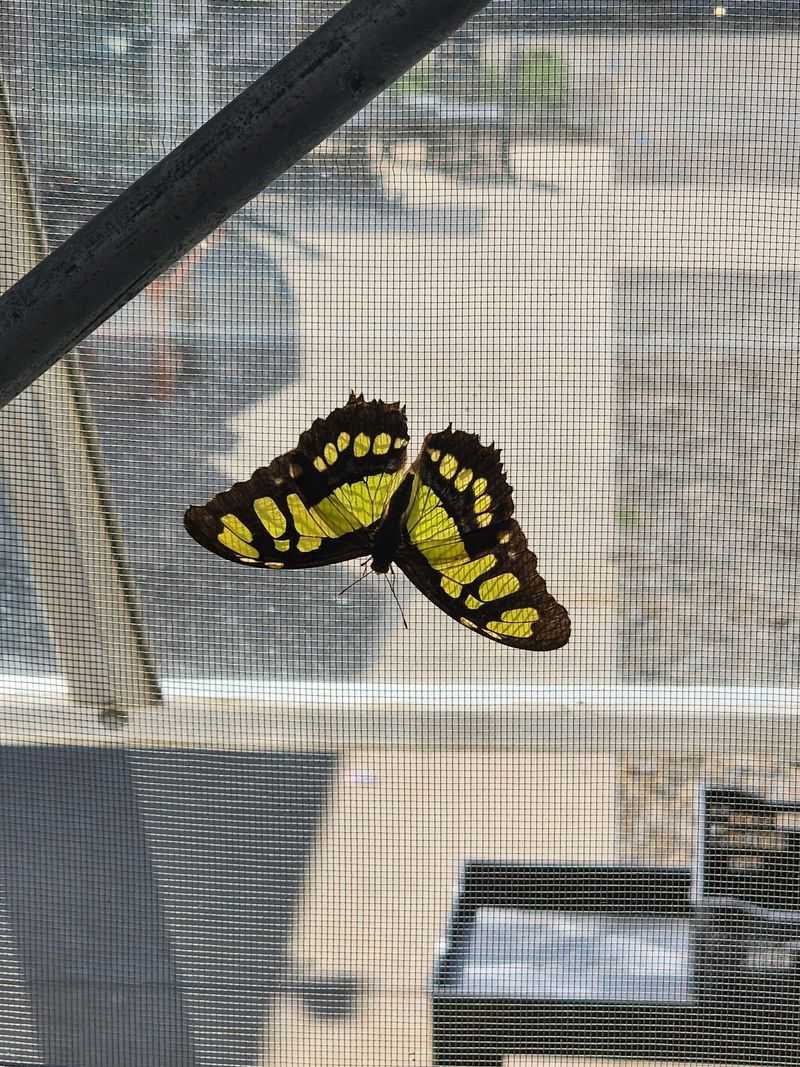
Butterflies from around the world now flutter inside the expanded Conservatory all year. The exhibit is called Butterflies Bloom, and it lives in a space that nearly doubled in size during the recent expansion.
That growth was a big project. Some visitors arrived during construction to find the Conservatory closed, so the reopening was a welcome moment.
Planning ahead helps a lot here. You choose a time slot for the butterfly exhibit when you buy your tickets.
Inside, you may spot butterflies emerging from their chrysalises. Watching wings unfold in real time is a pretty great reason to slow down.
The Conservatory has also long been known for orchids and tropical plants. It ranks among the most talked-about features on the whole property, with butterflies close behind.
Summer visitors get one more perk. The area near the butterfly exhibit offers air conditioning, which feels like a small miracle on a hot Richmond afternoon.
Bring a lens that focuses fast. Butterflies rarely pose for long, and they seem to know exactly when you finally press the shutter.
Spring Shows Off With A Million Blooms
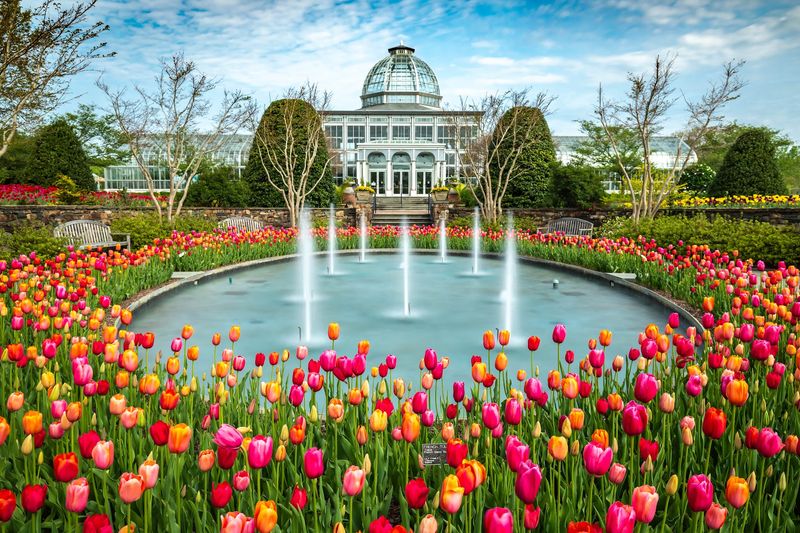
Daffodils kick things off, and then the garden barely pauses for breath. The spring celebration is called A Million Blooms, and the name isn’t just bragging.
Tulips arrive in bright waves. Cherry blossoms and magnolias take over the trees, while peonies show up with their big, ruffled flair.
Native fans get a treat too. Virginia bluebells join the lineup, adding soft blue color to the mix.
The Cherry Tree Walk is a natural spot for photos during blossom season. Pink branches overhead make even a quick phone snap look planned.
By late spring, the Rose Garden starts stealing attention. Couples even choose it for weddings during peak bloom, which tells you how pretty it gets.
Timing matters with flowers, of course. Blooms come and go on nature’s schedule, not yours, so checking the garden’s updates before a trip is smart.
Spring may be the season when your camera roll grows fastest. Good luck stopping at just ten pictures of tulips.
Autumn Color Arrives Fashionably Late
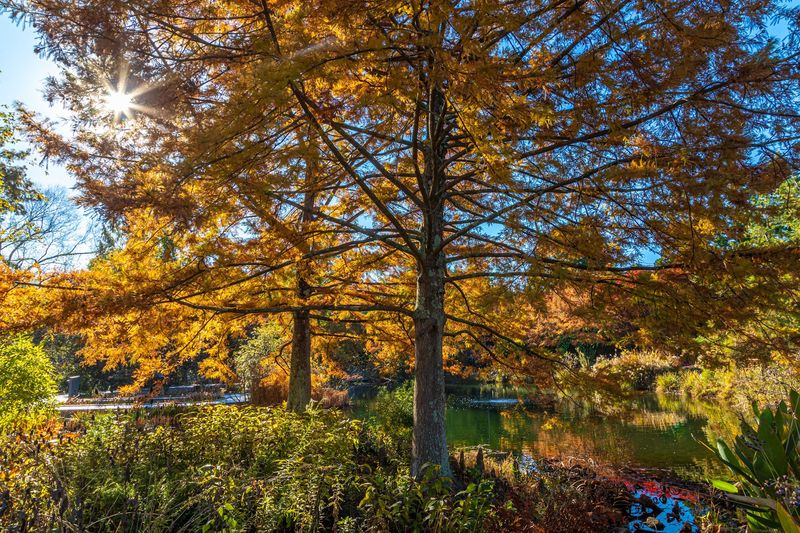
Leaf peepers, mark your calendars for late October or early November. That’s when fall foliage at the garden typically hits its peak.
Trees aren’t the only performers, either. Camellias, azaleas, and roses bloom in autumn too, which feels a bit like a bonus round.
Here’s a helpful heads-up for planning. An early October visit may show more green and brown than fiery red, since flowers fade and leaves sometimes turn later.
So aim for the sweet spot if color is the goal. A week or two can make a real difference.
Water adds extra drama this time of year. Wick Lake, part of the newest 7.5 acres, gives reflections that double the color for free.
A new meadow is also growing around the lakes. It will keep maturing over the coming years, so each autumn should look a little fuller than the last.
Fall is also calmer than spring in many gardens. Crisp air, warm tones, and fewer flowers to chase make it a lovely season for unhurried walks.
Winter Nights Glow During GardenFest Of Lights
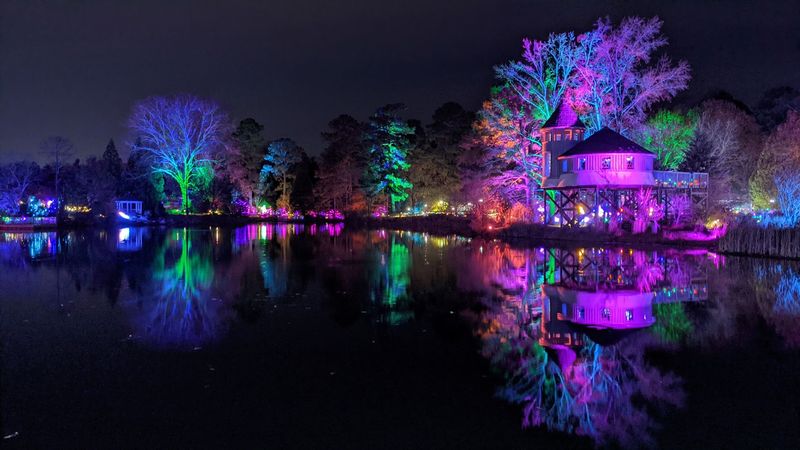
Millions of lights. Model trains.
Festive displays tucked through the gardens after dark.
The Dominion Energy GardenFest of Lights is the garden’s big winter show. It runs from the Friday after Thanksgiving into early January, open from 4 p.m. to 10 p.m.
Those later hours change the whole mood. Paths that feel peaceful by day turn into glowing trails at night.
Model trains add a playful touch for kids and grown-ups who never outgrew them. Honestly, who walks past a tiny train without stopping?
Food gets a seasonal twist too. A special Jingle Bar and Grill menu shows up at both the Garden Cafe and the Robins Tea House during the event.
Keep a few closures in mind. The garden shuts on Thanksgiving Day, December 24, and December 25.
Night photos can be tricky with lights this bright. Steady hands help, and so does a little patience while your phone figures things out.
Dress warmly, since Virginia winter evenings can bite. The glow is worth the extra layer.
Kids Get A Treehouse, Splash Zone, And Room To Roam
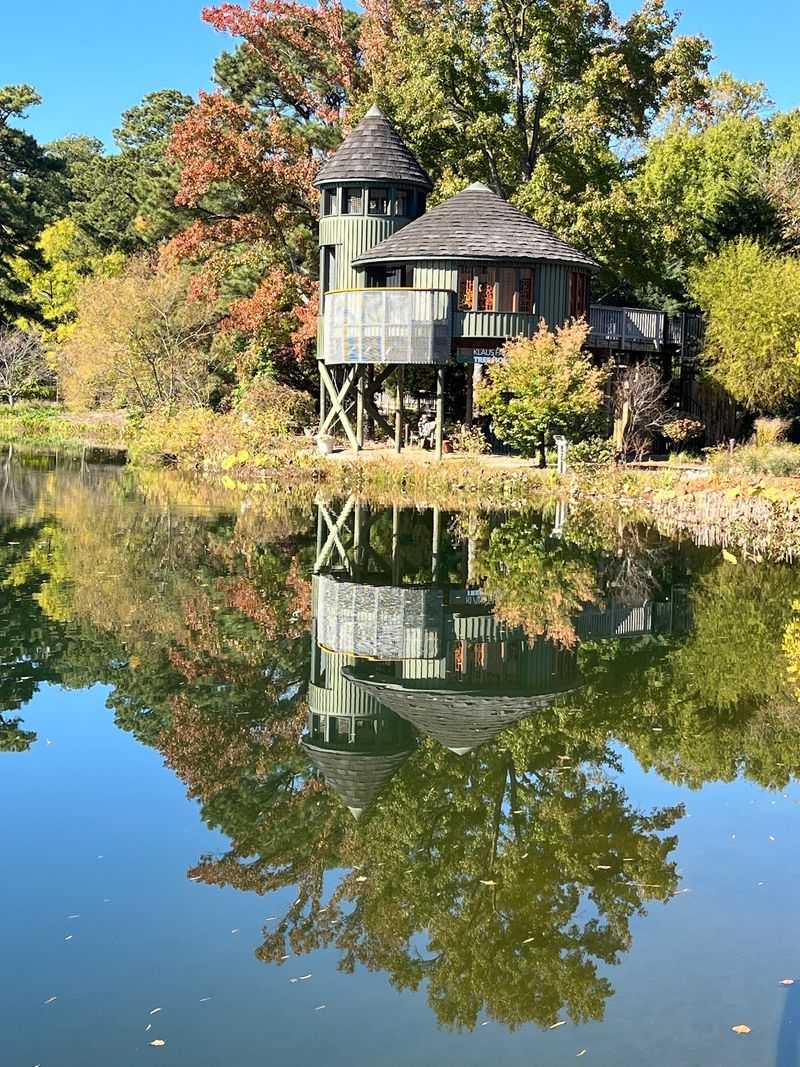
A real treehouse sits in the Children’s Garden, and that’s usually enough to win over young visitors. It’s one of the most talked-about spots on the property.
The fun keeps going nearby. There’s a play area with a splash zone, which feels like pure genius on a warm day.
Gardens can be hard sells for little legs. This one solves that with places to climb, splash, and burn off energy between flower beds.
A pond also invites kids to peek at what’s swimming around. Curiosity tends to do the rest.
School groups visit too, especially near the end of the school year. Expect some laughter echoing across the grounds on those days.
Parents should pack comfortable shoes for everyone. The gardens cover a lot of ground, and the walking adds up quickly.
Strollers are available for guest use, which helps with tired toddlers. That’s one less thing to haul from the car.
I like how the Children’s Garden treats play as part of learning. Kids leave muddy, happy, and maybe a little more into plants.
Soup, Sandwiches, And A Tea House Break
Hunger hits hard after a few miles of garden paths. Luckily, the Garden Cafe serves soups, sandwiches, salads, and vegetarian options.
Seating comes both indoors and outdoors. That flexibility helps whether the day is sunny, chilly, or somewhere in between.
Outside food isn’t allowed on the grounds. So plan on eating on site or before you arrive.
The Robins Tea House offers another place to pause. It’s a nice option when you want a slower break between gardens.
During the GardenFest of Lights, both spots switch things up with the Jingle Bar and Grill menu. Holiday hunger gets its own plan.
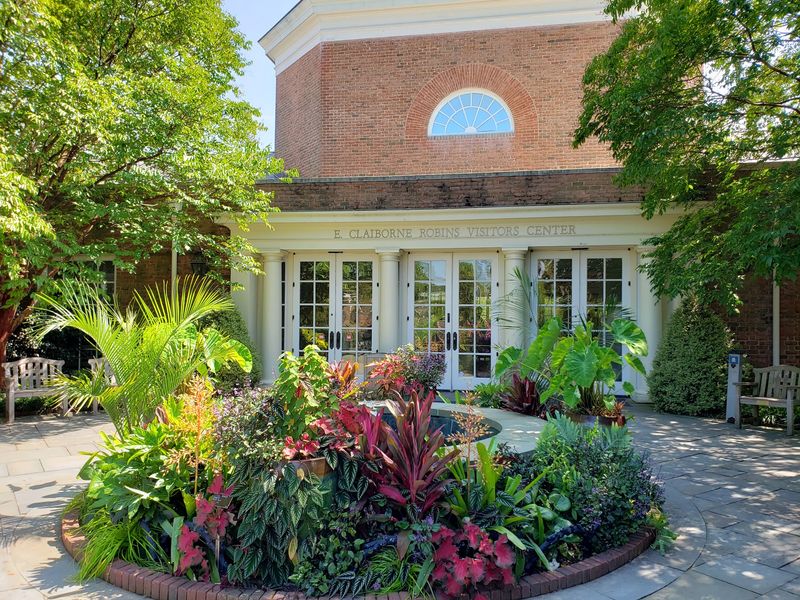
Shopping lovers can also browse the gift shop inside the Robins Visitors Center. It’s a handy final stop before heading home.
Plant fans should watch the calendar for special events too. The garden has hosted things like an African violet sale and a plant swap.
Those events can turn a casual visit into a small adventure. Just leave room in the car for whatever leafy friend decides to follow you.
Hours, Parking Tips, And A GPS Quirk Worth Knowing

GPS can be a little stubborn here. The official address is 1800 Lakeside Avenue, Richmond, VA 23228, but typing Henrico may get you closer to the actual entrance.
Regular hours run daily from 9 a.m. to 5 p.m. Special events stretch those hours on certain days.
Flowers After 5 is one of them. It runs until 9 p.m. on select Thursdays from spring through fall.
Evening visits are great for summer, since daytime heat can get intense. Late afternoon is a smart move on hot days.
Accessibility is part of the plan too. Wheelchairs, rolling walkers, and strollers are available for guest use.
The grounds are smoke-free, vape-free, and tobacco-free. The only exception is inside personal vehicles.
Remember to reserve your butterfly time slot when buying tickets. That one step saves headaches later.
Some members of reciprocal programs, like the American Horticultural Society, may get free entry. Check your membership perks before paying at the Visitors Center.
Why Your Phone Will Need More Storage After This Trip
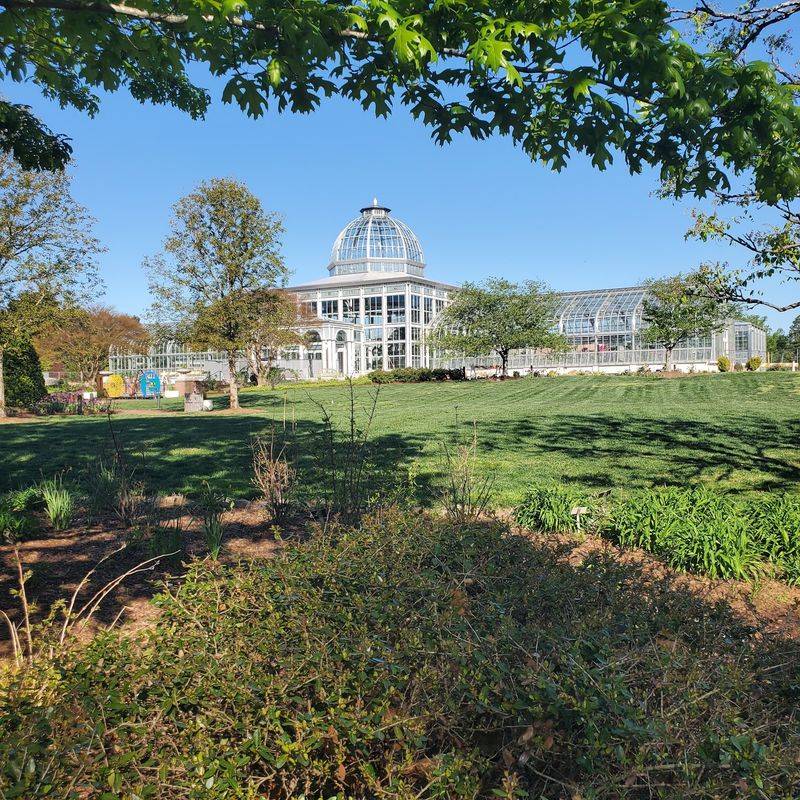
Few places in Virginia give you three completely different reasons to return each year. Lewis Ginter Botanical Garden pulls that off with blooms, foliage, and a whole lot of lights.
Add butterflies to the dome, and you get a fourth reason. Throw in a treehouse, and the kids start keeping score.
Not every visit will feel like peak season. Flowers fade, leaves turn on their own schedule, and timing will shape what you see.
That’s honestly part of the fun. Each trip becomes a small bet on what’s happening that week.
The newest gardens and Wick Lake will keep growing into themselves. Future visitors should see a fuller meadow every year.
I believe that makes a membership tempting for nearby folks. Watching one garden change across seasons feels a bit like following a long, slow story.
For travelers, a single afternoon still delivers plenty. Pick your season, pack good shoes, and bring a charged phone.
Just don’t promise anyone you’ll only take a few photos. Lewis Ginter Botanical Garden tends to make liars out of us all.