One public campus in Southern California has landed at the very top of national social mobility rankings. That means it beats famous names at lifting students up and getting them to graduation.
Around half of its undergraduates are the first in their families to attend college. I love that detail.
It turns a diploma into a family milestone, not just a personal one.
The setting adds another twist. This school started as a citrus research station, and orange groves still surround parts of it.
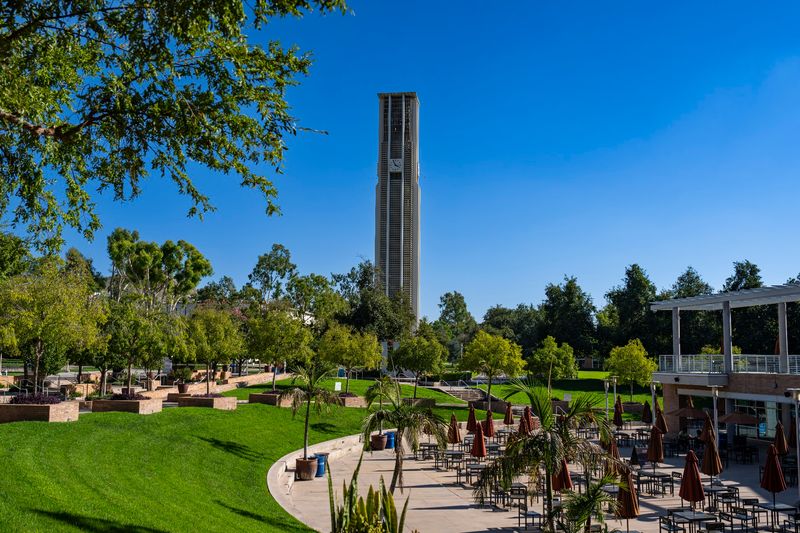
A tall bell tower rises over the middle of campus, and a sprawling botanic garden sits on the edge.
I believe a place like this deserves more attention from fellow Californians. So how did a campus rooted in citrus become a national leader in opening doors?
A UC Campus Hiding in Plain Sight Off the 60
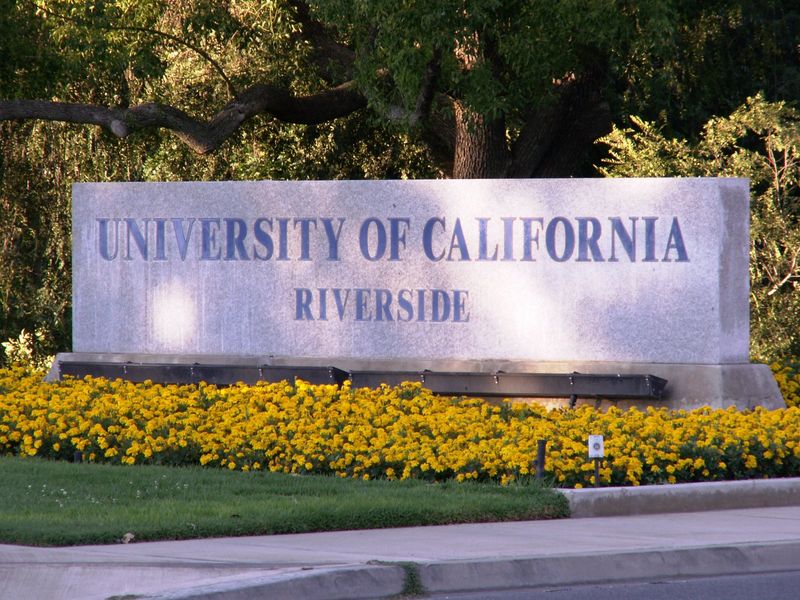
Drive the 60 freeway through the Inland Empire and you could easily miss it. The University of California, Riverside sits right there, calmer and greener than the traffic suggests.
UCR is a public research university and one of the ten campuses in the University of California system. It’s known for engineering, education, agriculture, and a growing medical school.
The campus sits in the city of Riverside, east of Los Angeles and Orange County. That puts it in a part of California many coastal folks only see from a car window.
Honestly, that’s half the fun of learning about it. The other half is the reputation it has quietly built for opening college doors.
Google Maps lists it as open 24 hours, which makes sense for a working campus with dorms. Of course, individual buildings and offices keep their own schedules.
The place earns a 4.5-star average from close to a thousand reviews. Many comments mention the botanic garden, the dorms, the learning environment, and the diverse student body.
So yes, it’s a university. It’s also a landscape, a research hub, and a launchpad for families chasing a first diploma.
The Ranking That Put Riverside on the Map
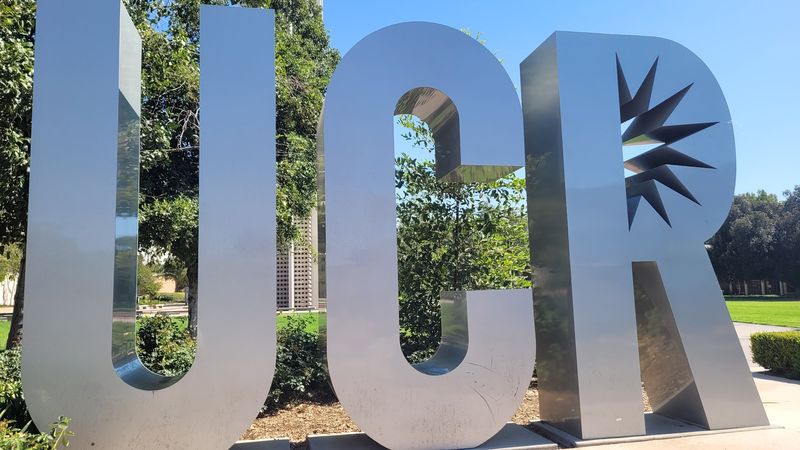
National rankings usually hand the trophy to famous private schools. Social mobility rankings flip that script, and UCR has repeatedly climbed to the top of them.
Social mobility measures something simple but powerful. It looks at how well schools enroll students from lower-income backgrounds and then help them graduate.
UC Riverside has earned No. 1 spots in these national lists. That’s a big deal for a campus that many people outside California still mix up with other schools.
The ranking matters because enrolling students is only step one. Seeing them cross the stage with a degree is the real finish line.
For first-generation students, that finish line can feel far away. No one at home may know how to pick classes, apply for aid, or navigate a huge campus.
A school that closes that gap is doing serious work. It’s changing a single student’s path and often a whole family’s future too.
I like that the honor rewards results, not prestige. It celebrates outcomes over exclusivity, which feels very fitting for this campus.
Roughly Half the Students Are Writing Family History
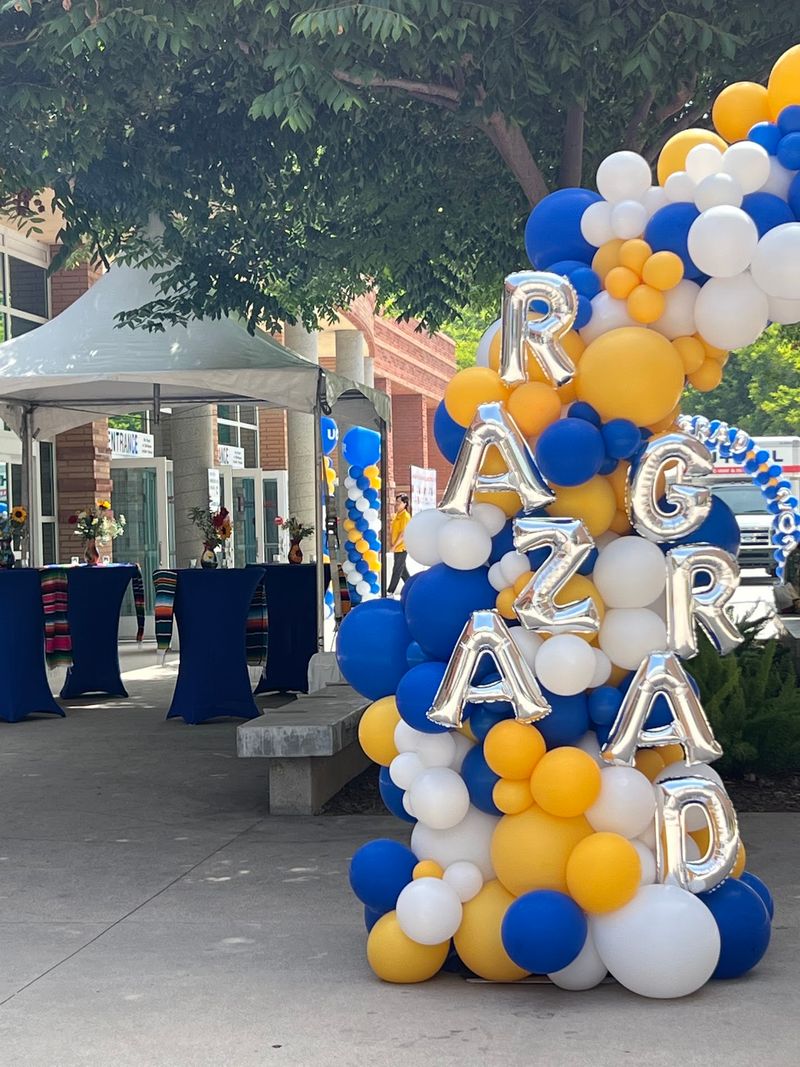
Think about the first person in a family to earn a bachelor’s degree. At UCR, that describes a huge share of the student body.
Around half of undergraduates are first-generation college students. That’s not a small program on the side; it’s the heart of the campus.
When so many classmates share the same experience, nobody feels like the odd one out. Questions about financial aid or office hours become normal conversations, not embarrassing secrets.
The student body is also notably diverse. Reviews of the campus regularly bring up that diversity as one of its strengths.
Many students come from the Inland Empire and nearby communities. Others travel from across California and around the world to study here.
That mix gives the campus a grounded, real-world feel. It’s a place where ambition shows up in every shape and background.
For parents who never attended college, a campus like this can feel less intimidating. Their kids aren’t walking into an unfamiliar world alone.
That shared sense of starting fresh may be the quiet secret behind the rankings. Belonging, it turns out, is a pretty strong study aid.
Orange Groves Came Before the Classrooms
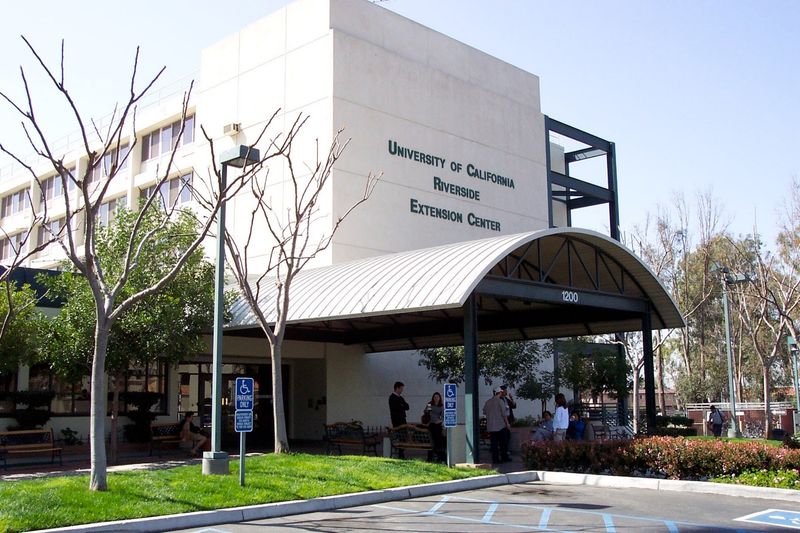
Long before dorms and lecture halls, there were oranges. UCR traces its roots to the Citrus Experiment Station, founded in 1907.
Riverside was a booming citrus town back then. Scientists at the station studied how to grow better fruit and protect it from pests.
That agricultural mission never really left. The undergraduate college opened in 1954, and UCR became a general UC campus in 1959.
Today, citrus groves still border parts of the university. One longtime reviewer described the surrounding groves as a testament to the school’s dedication to agriculture.
For Californians who love local heritage, this story hits home. Citrus helped shape Southern California’s identity, its postcards, and its early economy.
Here, that history isn’t parked in a museum case. It’s still growing, studied, and very much alive on research land.
The agricultural programs remain a source of pride. A recent review even called the agriculture department thriving.
I find it charming that a campus known for modern social mobility began with fruit trees. Both stories are about patient growth, after all.
Follow the Bell Tower and You Won’t Get Lost
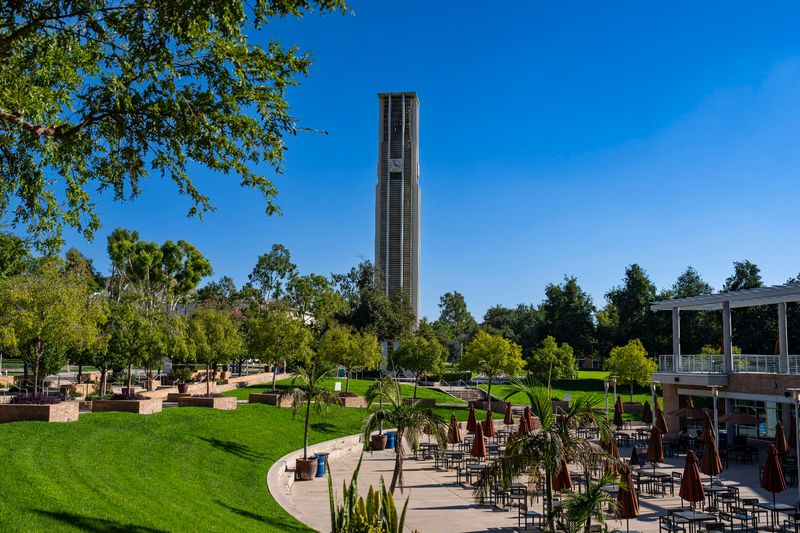
Every campus needs a landmark for meeting friends. At UCR, it’s the Carillon, the bell tower rising from the middle of campus.
The tower stands about 161 feet tall and holds 48 bells. It has served as a campus symbol since the 1960s.
Its chimes help mark the rhythm of the day. Students hurrying between classes get a built-in reminder that they might be running late.
The tower also works as a handy compass. Wander a bit too far and you can usually spot it above the trees.
Visitors often use it as the starting point for a stroll. From there, paths fan out toward libraries, lawns, and academic buildings.
For graduates, the bell tower carries extra meaning. It shows up in countless photos, family snapshots, and proud social media posts.
It’s easy to see why it became an icon. Tall, simple, and impossible to miss, it suits a campus that stands out more than people expect.
Snap a photo here and you’ve captured the unofficial heart of the Highlander world.
Forty Acres of Garden Paths Worth a Detour
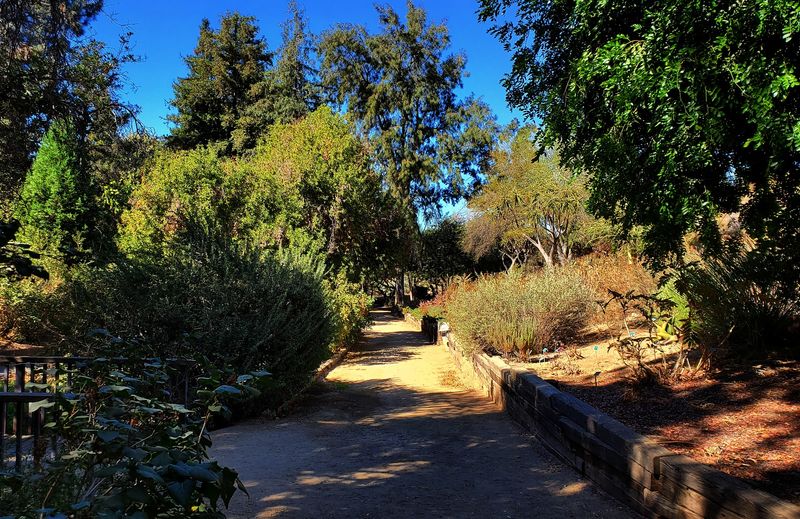
The most-mentioned feature in campus reviews isn’t a classroom. It’s the UCR Botanic Gardens, a hillside spread of roughly 40 acres.
Winding trails pass through plant collections from many regions. You can find desert plants, roses, trees, and native California species along the way.
One visitor described the gardens as beautiful and urged everyone in Riverside to check them out. That kind of local enthusiasm shows up repeatedly.
The gardens also serve as an outdoor classroom. Students and researchers use the collections for study, while families use them for peaceful walks.
Wear good shoes, since the paths include slopes and uneven ground. Bring water too, especially during warm Inland Empire afternoons.
Spring can be a lovely time to visit when many plants bloom. Hours and access can change, so check before you head over.
For nature lovers, this is a fine excuse for a day trip. You get fresh air, quiet trails, and a little botany lesson along the way.
Not bad for a stop that started with a curious glance at a campus map.
A Living Library of Citrus Trees
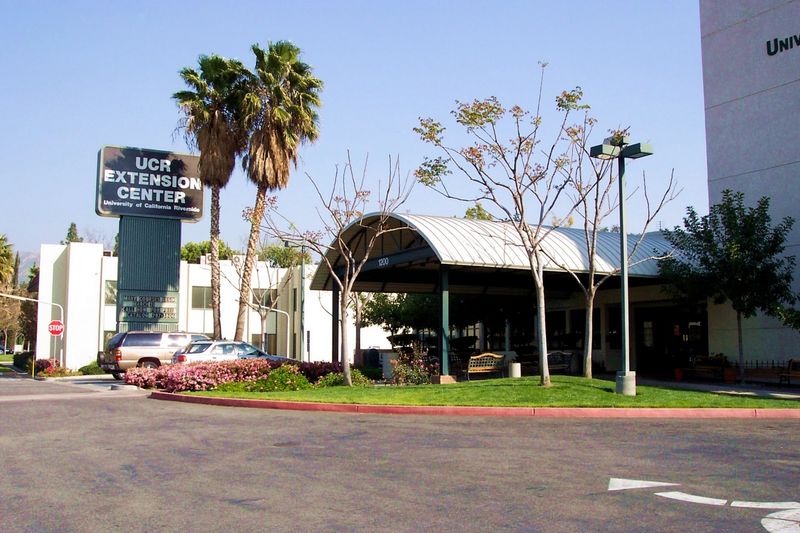
Most libraries hold books. UCR also tends something juicier, the Citrus Variety Collection.
This research collection includes a remarkable number of citrus types from around the world. Scientists use it to study traits, diseases, and how different trees grow.
It connects directly to the campus origin story. The Citrus Experiment Station’s work still echoes through these rows of trees.
The collection matters well beyond Riverside. California’s citrus industry depends on research that protects trees from pests and disease.
Public access to research orchards can be limited. Tours or special events sometimes offer a closer look, so watch for announcements.
Even from the edges, the groves set a scene you won’t find at most universities. Orange trees near lecture halls feel delightfully old California.
For heritage-minded readers, this might be the coolest detail on campus. It’s a working reminder of the region’s citrus golden age.
I like that the past and the future share the same soil here. Researchers keep studying fruit that once filled crates bound for the whole country.
Not every campus can claim a living library with leaves.
Research and Medicine With an Inland Empire Mission
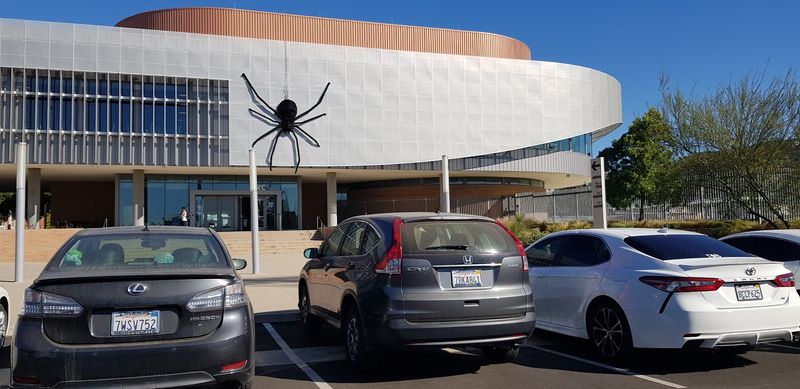
Big research doesn’t only happen near the coast. UCR proves that point with labs, engineering programs, and a medical school of its own.
The UCR School of Medicine welcomed its first class in 2013. Its mission focuses on improving health care across Inland Southern California.
That region has long needed more doctors. Training students close to home can help more of them stay and serve local communities.
Reviews mention the medical school often, along with engineering, business, and entomology. One reviewer encouraged prospective students to explore those programs directly.
The campus also has deep strength in agricultural and environmental sciences. Those fields fit a place that grew out of citrus research.
For first-generation students, research access can be life-changing. Working in a lab or clinic opens doors to graduate school and careers families may never have imagined.
A reviewer called UCR one of the fastest growing and most up-to-date UC campuses. New development keeps adding to that sense of momentum.
It’s a serious academic engine with a very local heart. That combination is rarer than it sounds.
Shady Paths, Eucalyptus, and Solar-Powered Benches
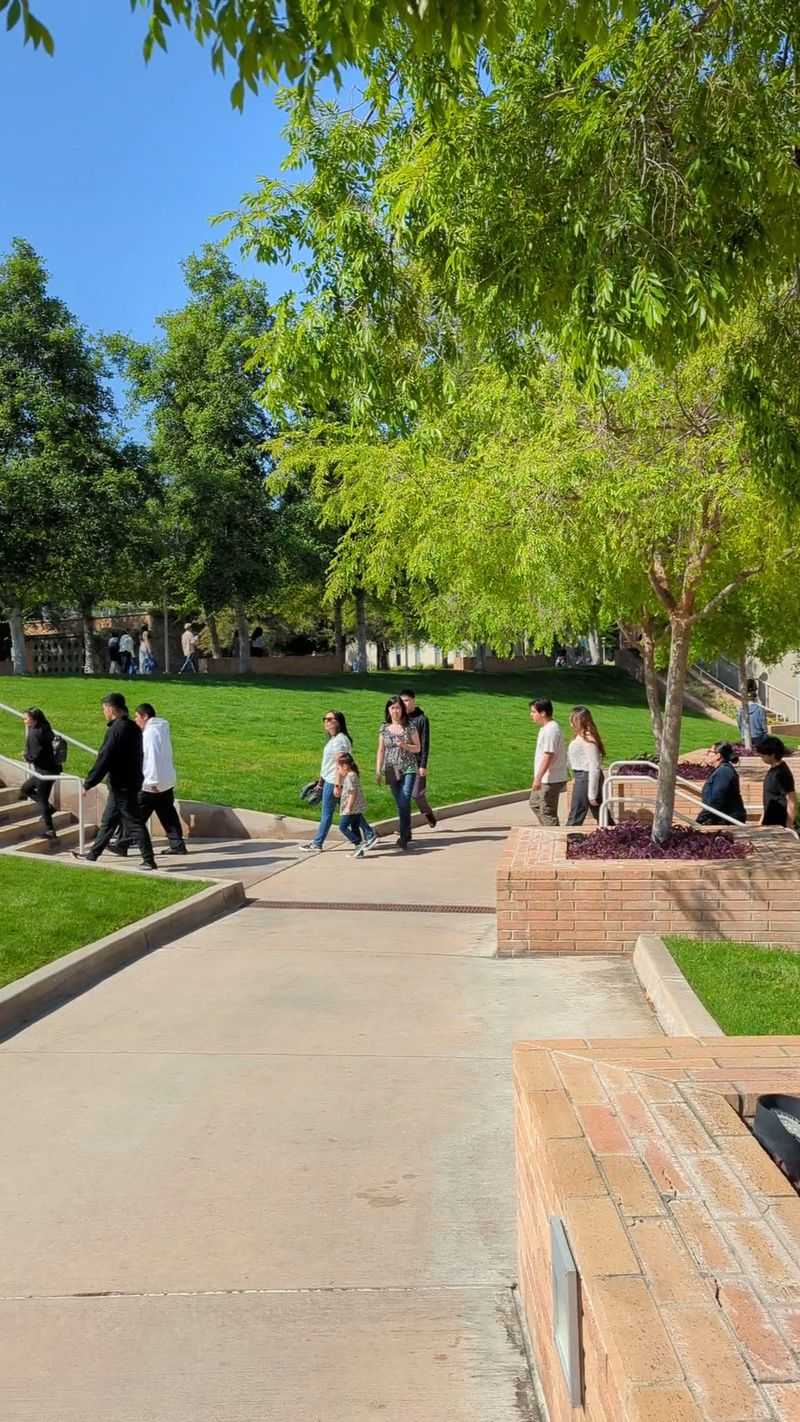
Eucalyptus trees get a shout-out in more than one campus review. They help give UCR its green, breezy look despite the inland heat.
Wide paths welcome both walkers and cyclists. Benches appear all around campus, some with solar-powered charging stations for phones and laptops.
That’s a small detail with big student appeal. A dead battery during finals week is nobody’s idea of fun.
Some corners feel quiet and peaceful. Others buzz with energy when classes let out and students fill the walkways.
One reviewer said you can’t sense how tranquil the campus is from the 60 freeway. Another praised how well landscaped and maintained the grounds look.
A parent living in family housing once described strolling the sidewalks with kids. Shady spots made it easy to relax, read, or just wander.
At commencement, families have even found relief sitting under oak trees. Shade, it seems, is a cherished campus amenity around here.
All that greenery makes the place feel calm and welcoming. For stressed students, a peaceful walk can be its own kind of support system.
Highlander Spirit Shows Up Every Wednesday
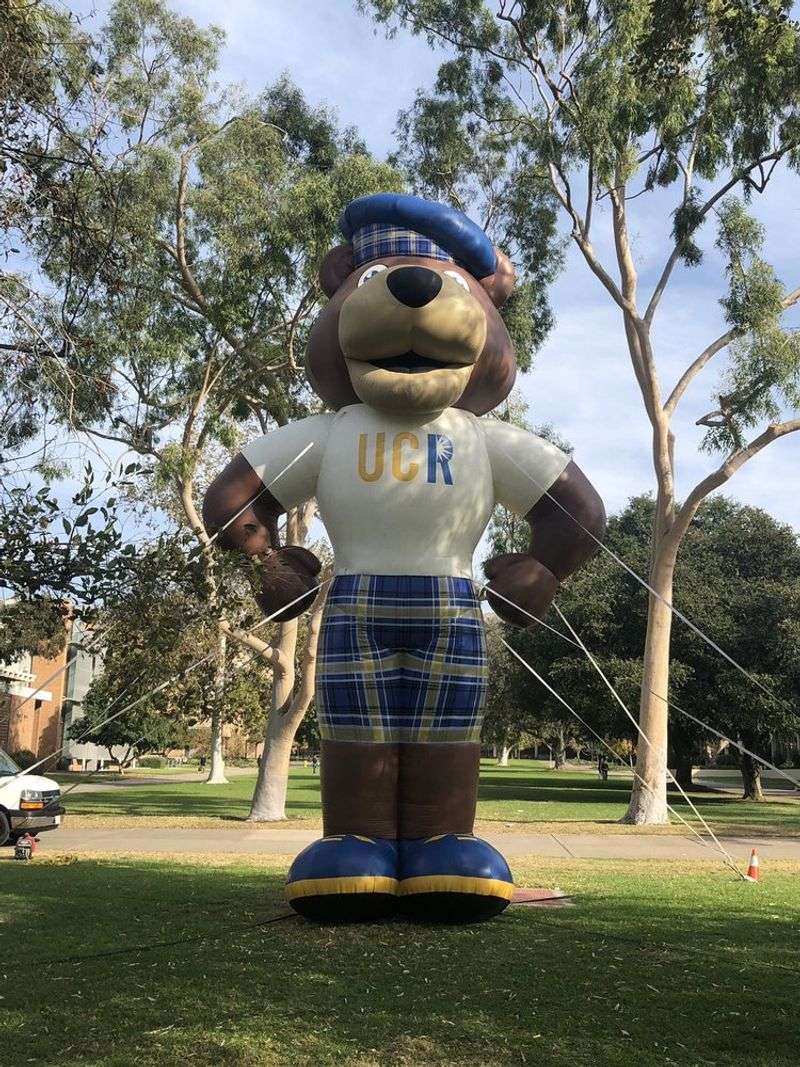
UCR teams and students go by the Highlanders. The name nods to the campus sitting on high ground above the city.
School spirit gets plenty of mentions in reviews. One recent comment said spirit is alive and the academics are respected and trusted.
Club life is a big part of that energy. A longtime reviewer described weekly Wednesday showcases where clubs recruit members on an outdoor grass area.
For first-generation students, clubs can be a lifeline. Finding your people makes a big campus feel smaller and friendlier.
Food is part of the social scene too. Reviews mention a food court with familiar options, which makes grabbing lunch between classes easy.
Students describe plenty of opportunities to get involved. Professors who seem to genuinely care also come up in several comments.
Not every review glows, and some students report frustration with advising or class availability. Big public universities rarely please everyone.
Still, the overall picture is a lively, welcoming community. Plenty of Highlanders clearly carry that pride long after graduation.
Who Will Love a Visit Here Most
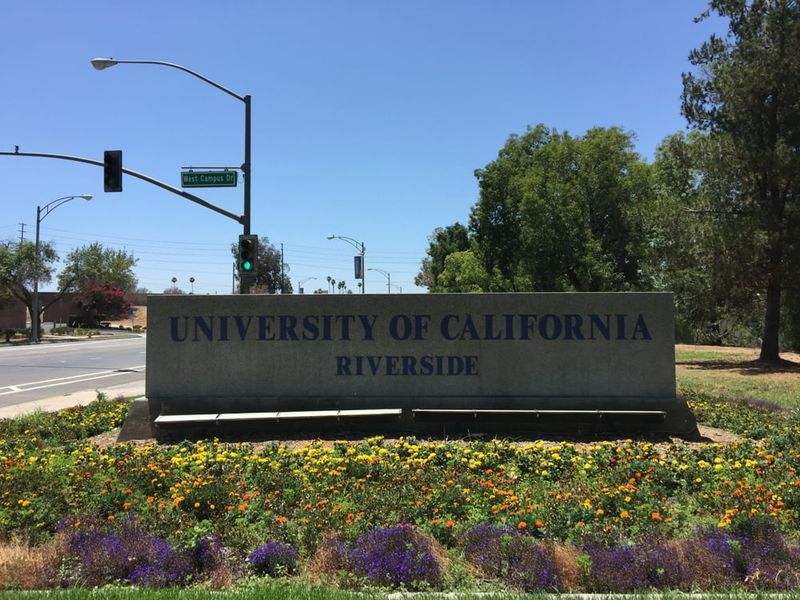
High school students weighing their options should put this campus on the tour list. That’s especially true for those who’d be first in their families to attend college.
Seeing a place where so many classmates share that story can be powerful. It turns college from an abstract idea into something real.
Plant lovers will find plenty to enjoy too. The botanic gardens alone can fill a relaxed morning.
History fans get the citrus angle, which links straight back to early Riverside. It’s a fun way to connect campus life with California’s agricultural past.
Families with young kids may like the sidewalks, lawns, and shade. One reviewer mentioned lots of field trip opportunities for children.
Visitors from farther away may want a car. A former international student noted that weekend travel around the region was easier with wheels.
Alumni returning for a nostalgia walk will spot plenty of new construction. The campus keeps growing, so even familiar paths may look a little different.
In short, curious minds of nearly every age can find something here. Comfortable shoes are the only real requirement.
Getting There, Parking, and Timing Your Trip
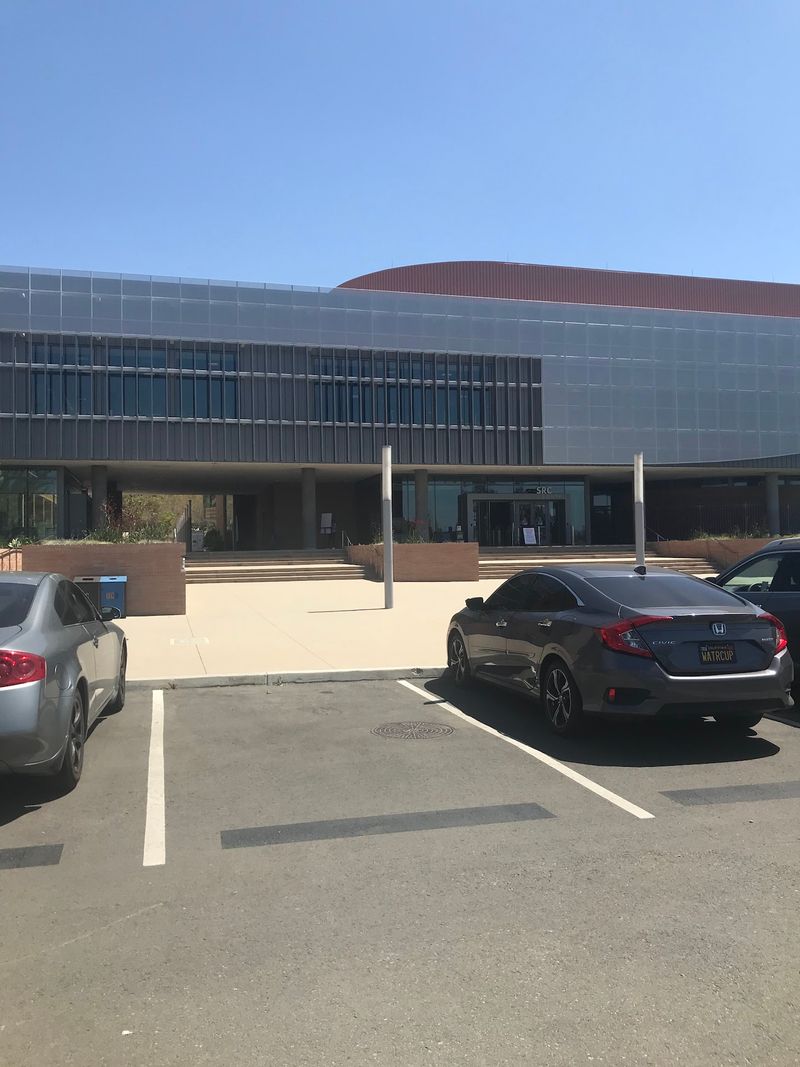
Plug 900 University Ave, Riverside, CA 92521 into your map app and you’re set. The campus sits close to the 60 freeway on the east side of the city.
Google lists the campus as open 24 hours every day. Buildings, offices, and attractions like the gardens follow their own hours, so plan around those.
Parking is available, though one reviewer noted lots can sit a bit far from central campus. Expect some walking and budget extra time.
Permits are generally required in campus lots. Look for visitor parking signs or check the parking office before you arrive.
Keep your vehicle locked and valuables out of sight. One reviewer reported a theft from a parked truck, which is good advice anywhere.
Weekdays during the school year bring the most energy. Weekends and breaks feel quieter if you prefer peaceful paths.
Summer afternoons in the Inland Empire can get hot. Mornings make a smart choice for garden walks and outdoor exploring.
Prospective students can look into official campus tours. They’re often the easiest way to see highlights with someone who knows the shortcuts.
Why This Campus Deserves a Spot on Your California List
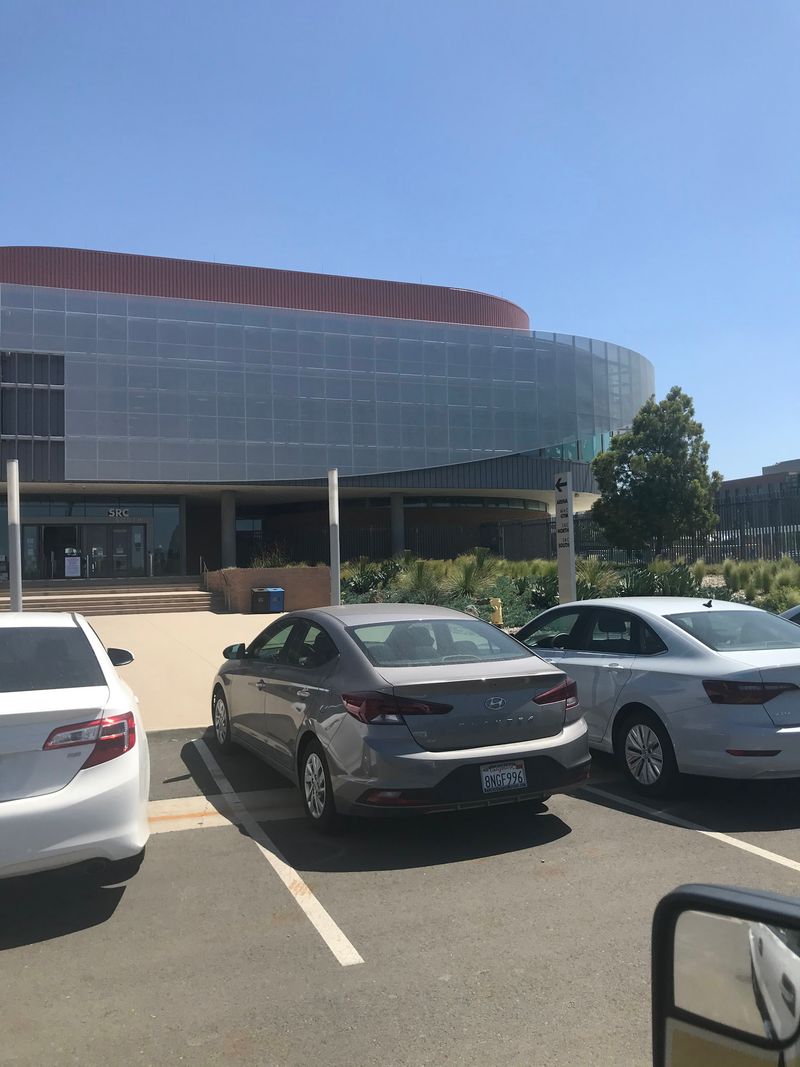
A school born from orange groves now leads the nation in lifting students up. That’s a story worth a drive across Southern California.
The University of California, Riverside blends heritage, research, and real opportunity. Few campuses can claim citrus roots and top social mobility honors at once.
For first-generation students, the message is clear. You belong here, and plenty of others are walking the same road beside you.
For visitors, the payoff is surprisingly peaceful. Gardens, shady paths, and a towering carillon make an easy afternoon.
Plenty of reviewers call it underrated, and I tend to agree. It rarely gets the buzz of coastal campuses, yet it delivers on what matters.
Not every experience is perfect, and some students share real frustrations. Still, the overall picture shows a campus doing meaningful work for California families.
I can’t imagine a better symbol of the state’s promise than a first-generation graduate under that bell tower. It’s hopeful in the best, most practical way.
So next time you pass Riverside on the 60, consider pulling off. This California secret might just change how you see the Inland Empire.