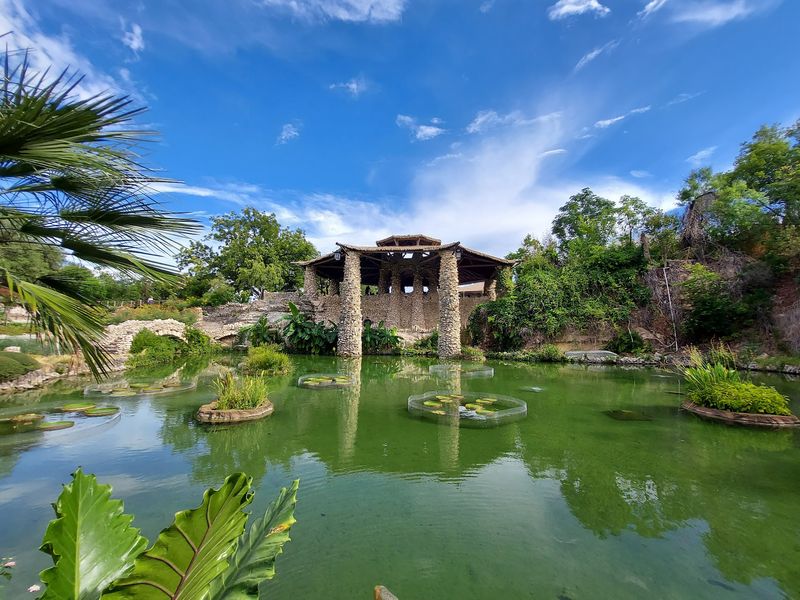
Some of the best Texas stops look like nothing special from the road, just a parking lot, a few trees and a gate you might drive right past. Step inside this one, though, and the ground drops away into a sunken world of koi, stone bridges and a waterfall spilling down tall rock walls.
The craziest part is that it costs exactly nothing to walk in. If you love finding places that skip the hype and still deliver a wow, this is one to save for your next weekend drive.
A Sunken Garden Inside Brackenridge Park
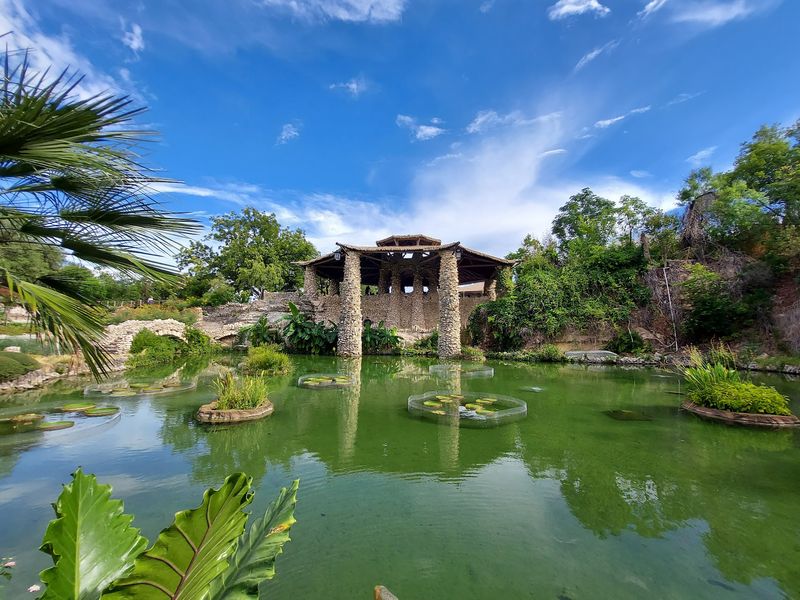
Tucked into the green sprawl of Brackenridge Park, the Japanese Tea Garden sits at 3853 N St Mary’s St in San Antonio. From the street, you would never guess what waits below.
The garden is sunken, carved right down into the earth.
Visitors walk in and find winding stone paths, ponds full of fish, flower beds and towering limestone walls. Many folks say it feels completely different from the busy city just outside the gate.
It is a botanical garden, but it does not act like a fancy one.
No velvet ropes, no ticket booth and no pressure. You simply wander, look around and let the place work its quiet magic.
For Texans who like their attractions honest and unfussy, that is a big part of the charm.
From Rock Quarry to Quiet Retreat
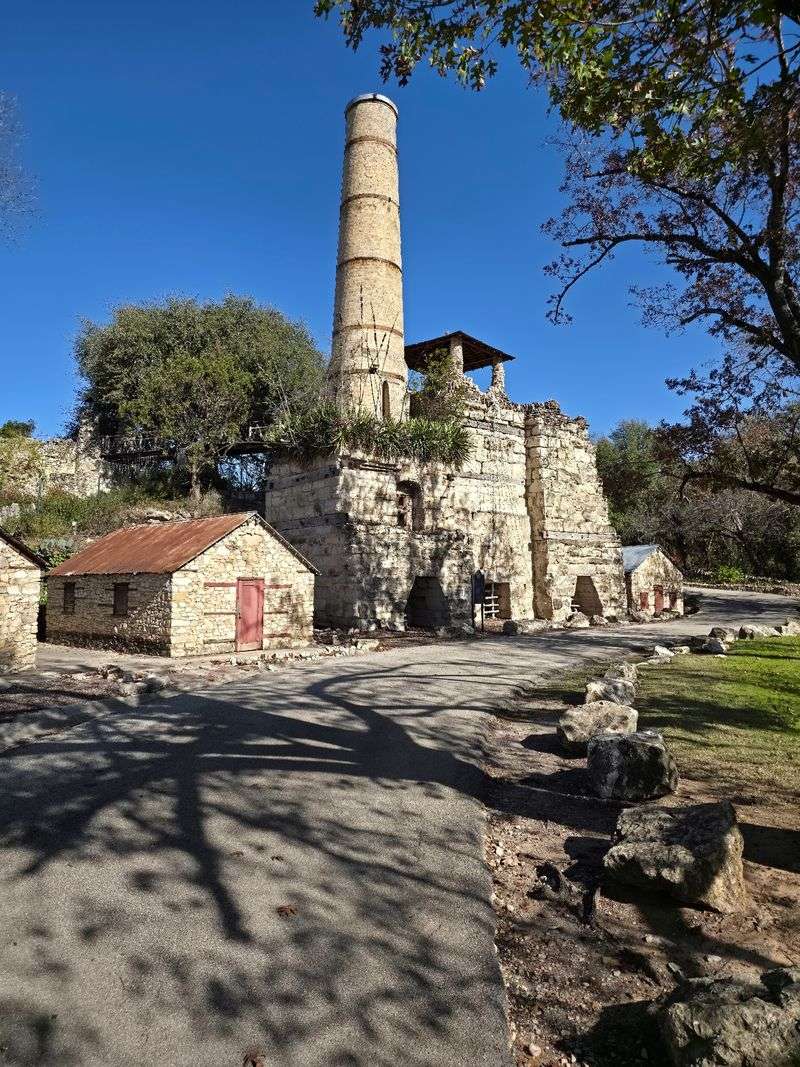
Long before koi ever swam here, this spot was a working limestone quarry. Workers dug stone out of the ground, leaving behind a big rocky pit.
Most towns would have filled it in and moved on.
San Antonio had a better idea. Between 1917 and 1918, crews shaped the old pit into a garden, building walkways, stone arch bridges and an island with a pavilion.
It opened in 1919, which makes it more than 100 years old today.
What makes the story fun is how much of the quarry still shows. The rough cliffs were never hidden or smoothed over.
Instead, they became the backdrop, and the greenery looks even brighter against all that pale rock.
Plaques near the entryway share some of this history, so give them a minute before heading down the steps.
The Jingu Family Chapter
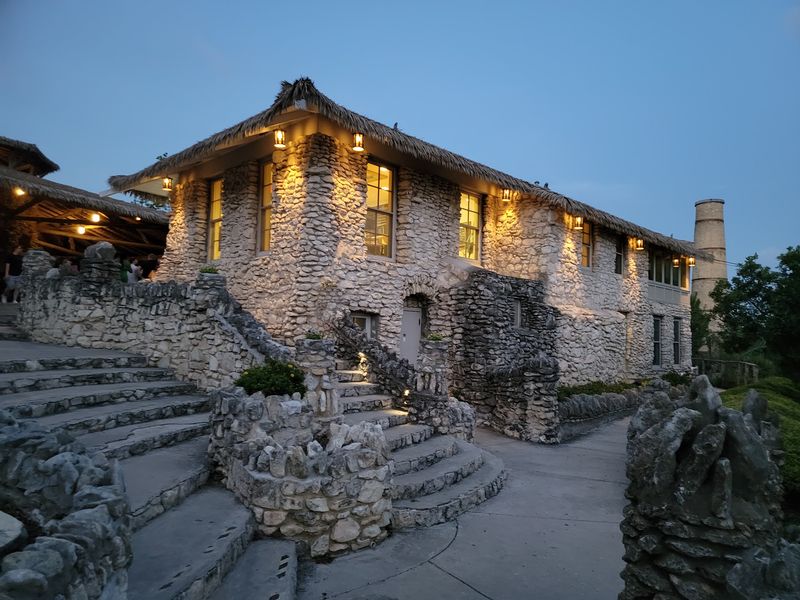
Here is a part of the story many visitors do not expect. The Jingu family once lived at the garden and ran its tea house, adding their own care and artistry to the grounds.
During World War II, the family was forced to leave. The garden was renamed the Chinese Tea Garden because of anti-Japanese feelings at the time.
It was a hard chapter, and the plaques do not pretend otherwise.
Decades later, San Antonio restored the original name. Some visitors say learning this history changes how the whole walk feels.
You are not just looking at pretty ponds anymore. You are walking through a place tied to immigration, resilience and finally recognition.
The big central pavilion still carries the family name today, a quiet nod to the people who helped make this place special.
Sixty Feet of Falling Water
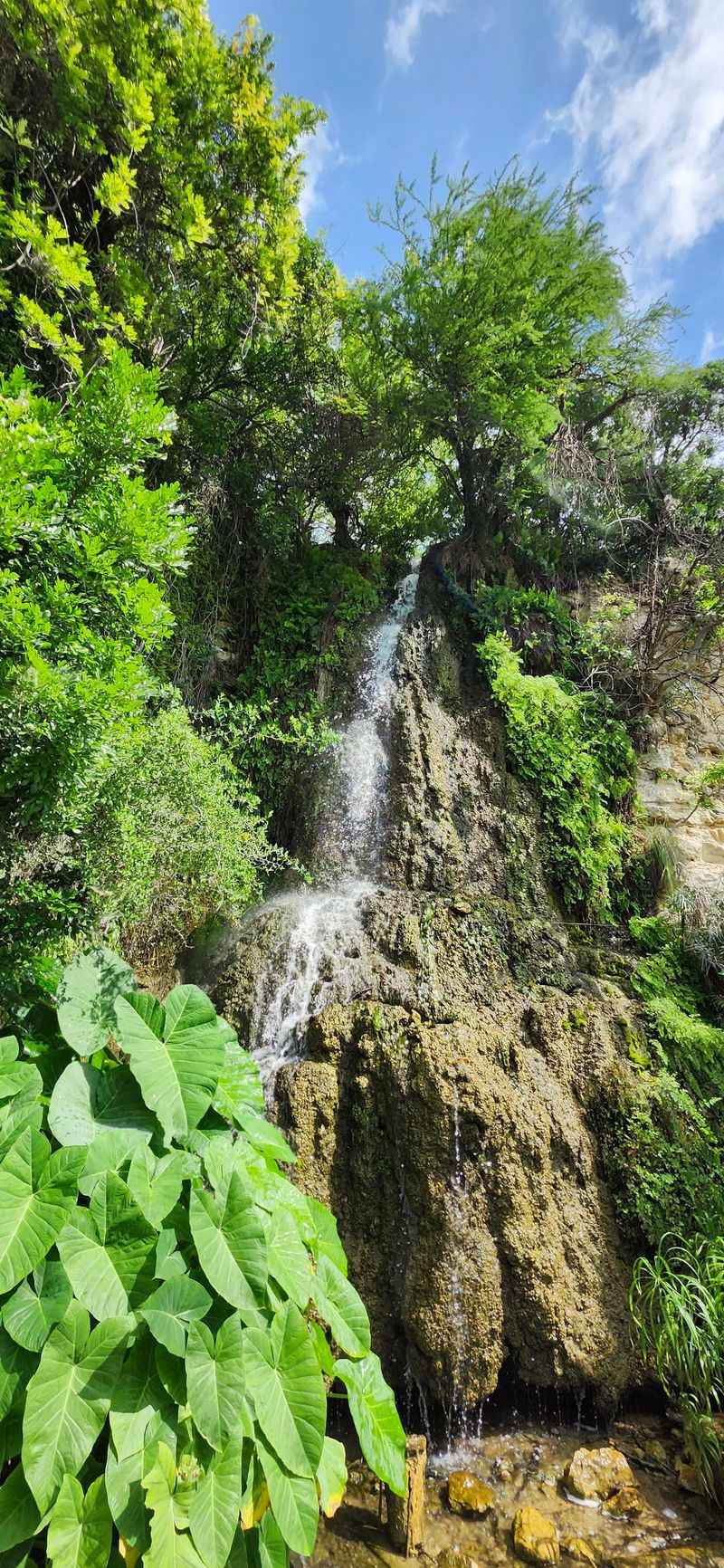
Listen closely when you enter, and you will probably hear it before you see it. The waterfall is the star of the show, dropping roughly sixty feet down rocky cliffs into the ponds below.
Ferns and leafy plants cling to the rocks around the falling water. On warm afternoons, a bit of cool spray drifts through the air, which feels like a gift during a Texas summer.
The steady rush of water also covers up city noise.
One early visitor described the garden at 8 a.m. as nearly silent, except for that crashing waterfall. It is also the most popular photo spot in the whole place.
Just know that weddings sometimes reserve the waterfall area, so a section may be closed now and then.
Koi Ponds and Their Shell-Topped Neighbors
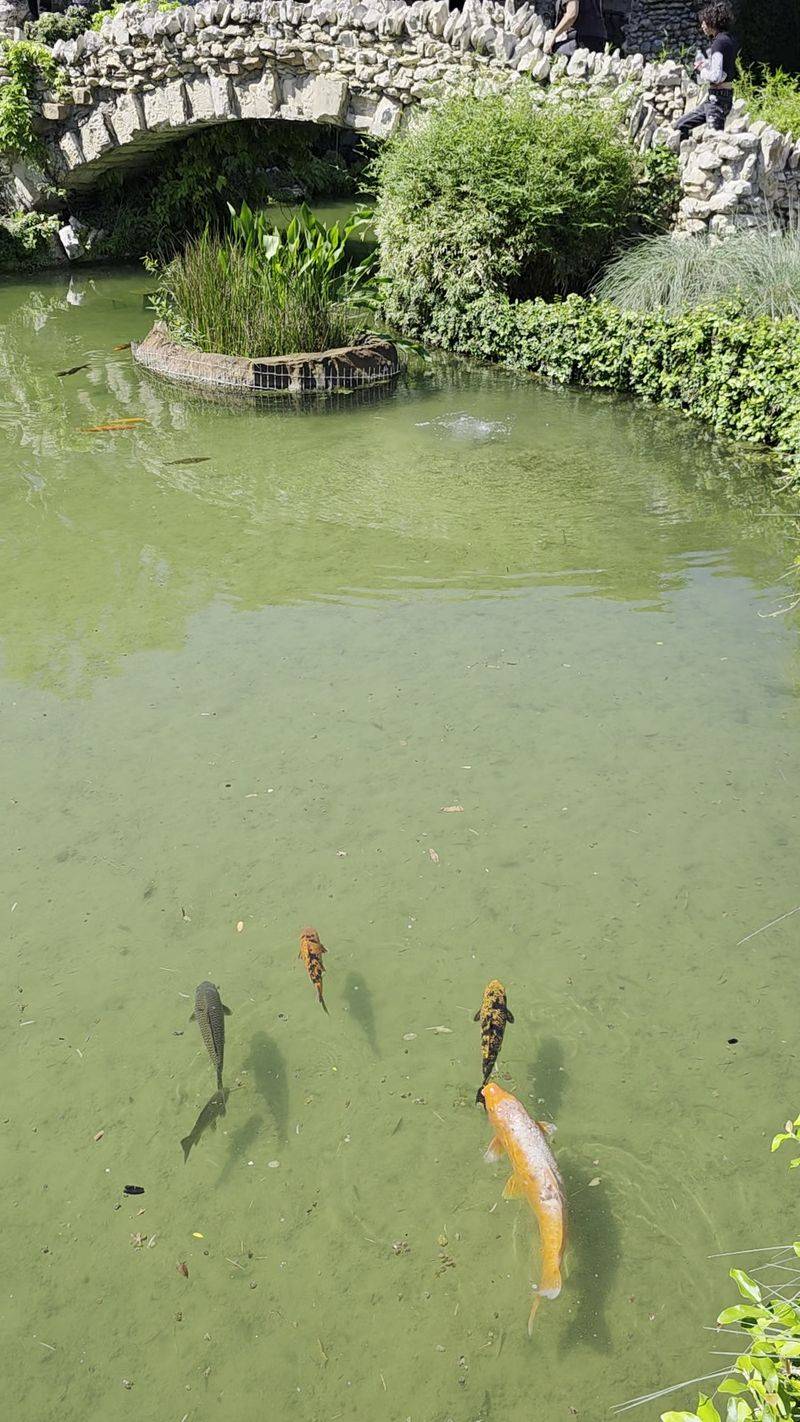
Kids tend to freeze in place the moment they spot the fish. The ponds are packed with koi in orange, white, gold and spotted patterns, and plenty of them are big.
The koi often drift toward the edges when people walk by, almost like they are greeting guests. Parents mention that watching them became a favorite part of the trip for their little ones.
Then there are the turtles. Every so often one pops its head up for air, and someone nearby always points and shouts.
Few things are more charming than a turtle surfacing right beside a lazy koi.
Bring patience instead of snacks, and simply enjoy the show. It is free entertainment that never gets old.
Stone Arch Bridges Worth Crossing Twice
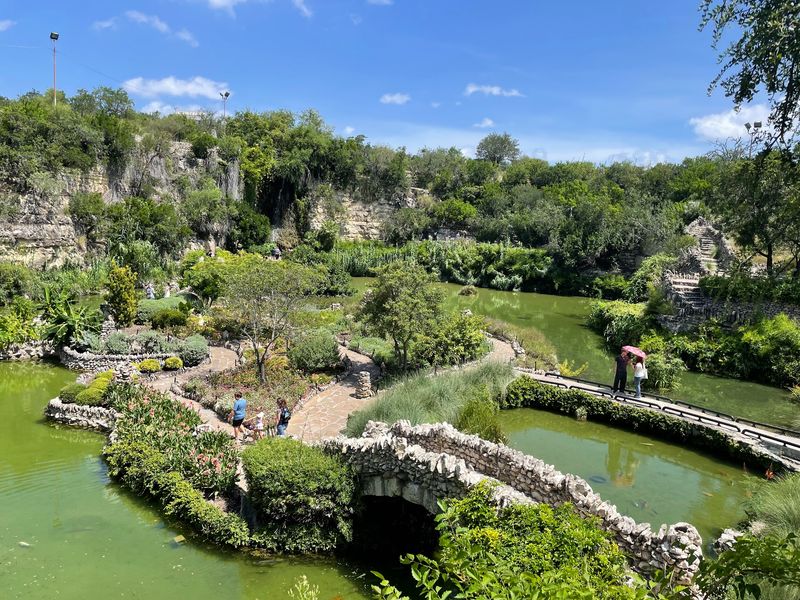
Old stonework has a way of slowing your feet down. The garden’s stone arch bridges curve gently over the ponds, inviting you to pause halfway and look around.
Some bridges feel grand and sweeping. Others are smaller and rustic, like something from a storybook trail.
Each one offers a fresh angle on the water, the plants and the cliffs above.
Visitors love how the rough stone blends into the rocky setting. Nothing looks too shiny or brand new, and that is the point.
These bridges have seen generations of families cross them.
Try walking the loop once, then turning around and doing it the other way. You might be surprised how different the views look in reverse.
Paths, Stairs and a View From Above
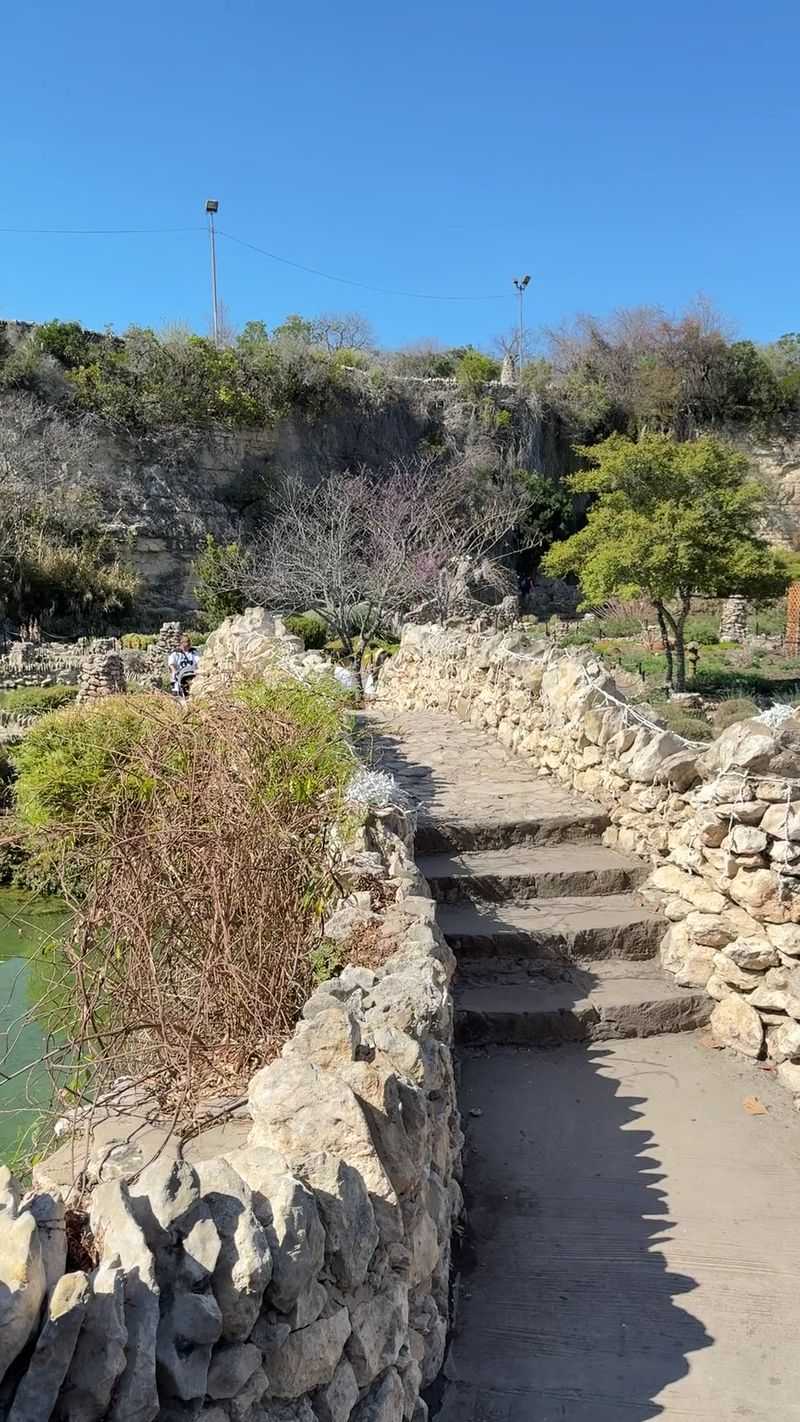
Comfortable shoes are your best friend here. The garden is laced with winding stone walkways, staircases and little shaded nooks that keep revealing new views.
Some paths are paved and lined with flowers. Others are steep and a bit uneven, so take your time.
Visitors repeat that advice often, especially after rain leaves a few puddles behind.
The reward for climbing is worth it. From the upper areas, you can look down over the whole sunken garden, with ponds, bridges and the pavilion spread below like a map.
There is even a small spring and a side trail for families who want a touch of adventure beyond the main loop.
Flowers, Ferns and Fluttering Visitors
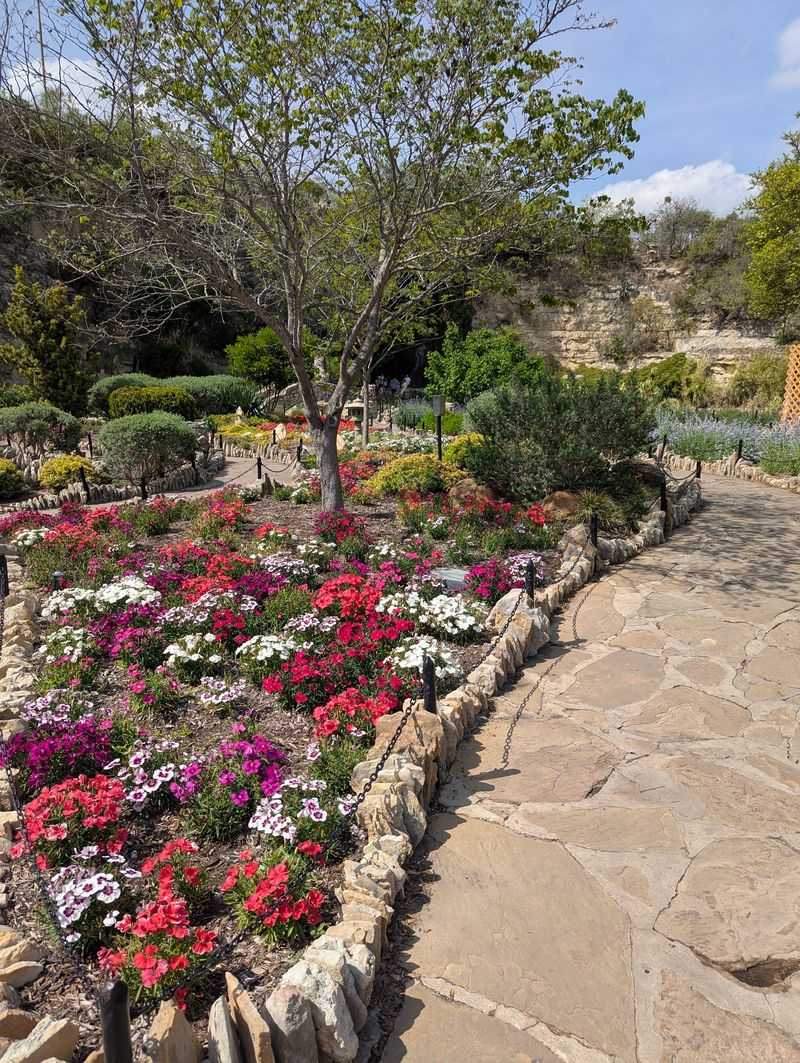
Butterflies hopping from bloom to bloom might be the most relaxing thing you see all week. Early visitors mention sitting quietly while birds sang and butterflies drifted across the flower beds.
The garden is known for manicured beds packed with color, mixed with trees, ferns and leafy plants. Restoration work has helped keep everything lush and well cared for.
Spring is a lovely time to come, when Texas is already in a blooming mood. Still, visitors say the garden looks good year round, thanks to the staff who keep it tidy.
Plant lovers can easily lose track of time here. There is always another variety to notice tucked against the stone.
Jingu House Cafe Bites and Boba
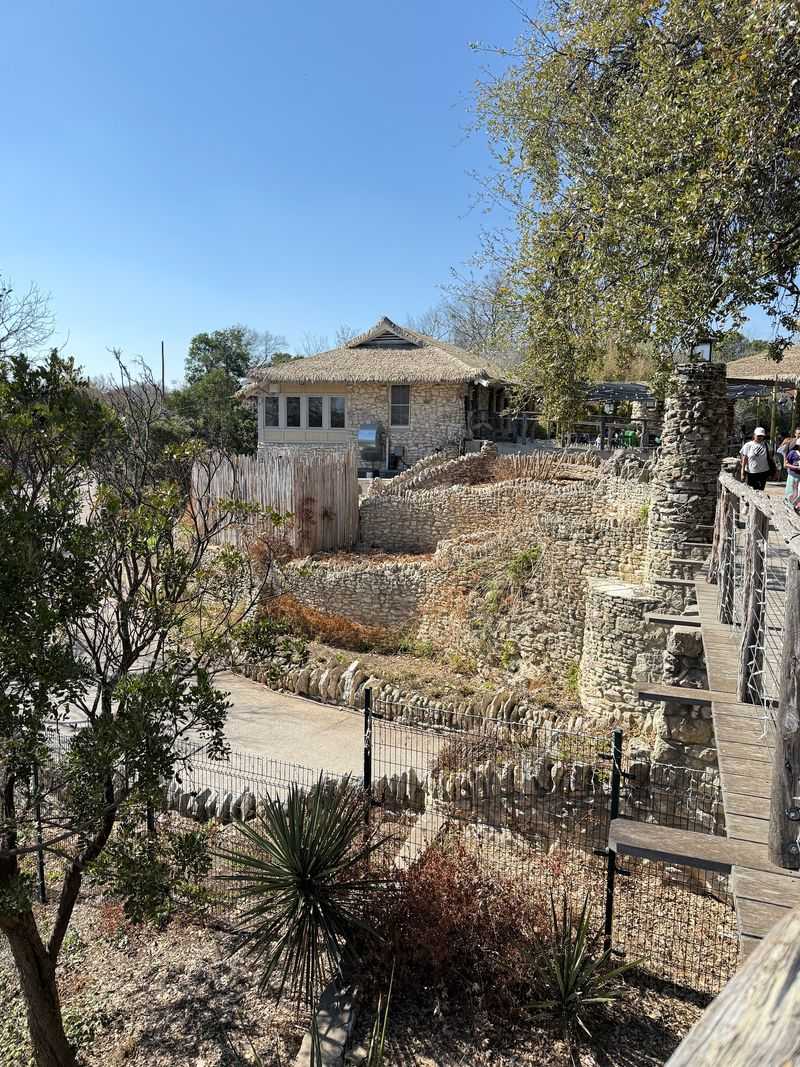
Hungry after all those steps? The Jingu House cafe sits right on site, serving Asian-fusion food and boba teas.
Families have mentioned salmon poke bowls, sushi rolls like the California Roll and spicy crab. Others grab a taro milk tea or mango lemonade with strawberry popping boba to sip while they stroll.
The cafe area also has restrooms and a tiny gift shop with some unique items. There is even a little take-a-book, leave-a-book library nearby.
Menu items and prices can change, so check before you go. Either way, it is a pleasant spot to sit, cool off and let the kids recharge.
Who Feels Right at Home Here
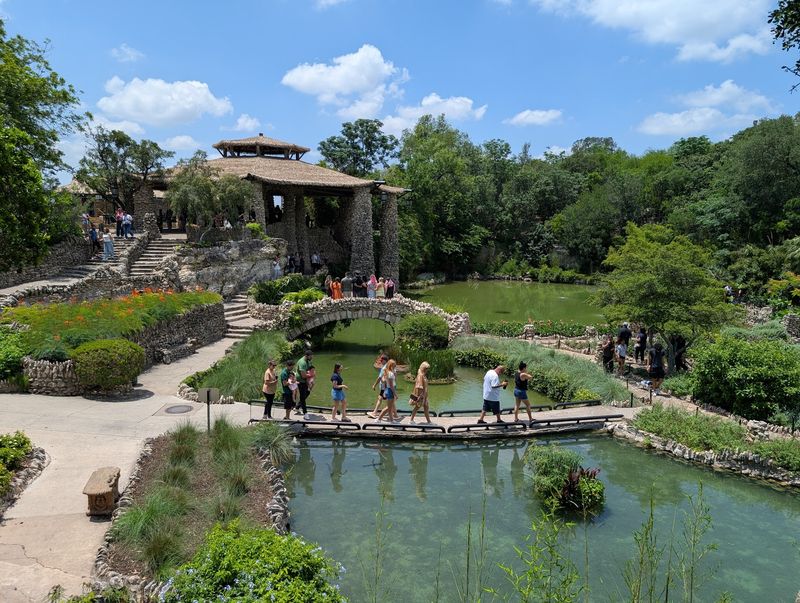
Grandparents, toddlers, newlyweds and solo wanderers all seem to find their spot. The garden is peaceful enough for quiet reflection, yet pretty enough for a big photo day.
On busy weekends, you may spot weddings, quinceañera portraits, engagement shoots and graduates in caps and gowns. Every corner looks like a backdrop, so photographers flock here.
Families love it because the price is right and kids naturally slow down around the water. Couples call it romantic.
Solo visitors say it is a great place to think.
A friendly heads-up for parents: steep spots and stairs make it less ideal for little runners. Holding hands near the edges is a smart move.
Beating the Texas Heat and the Crowds
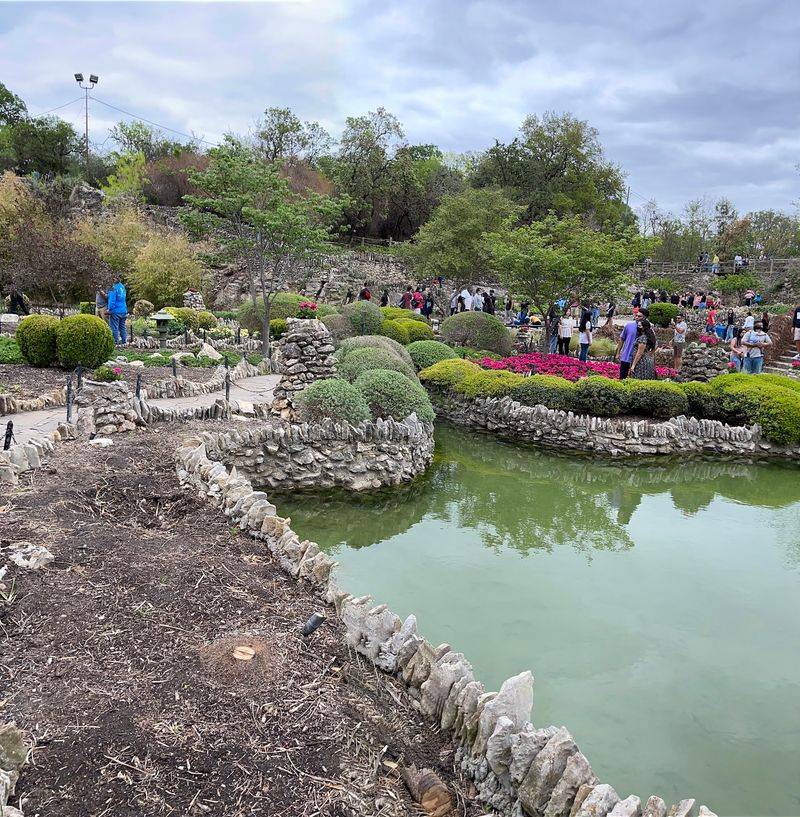
Timing matters more than you might think. Texas sun can turn this rocky bowl into a warm place by midday, and shade is limited once you leave the starting area.
The smartest move is to arrive early. Visitors who came around 7 or 8 a.m. on weekdays describe calm paths, few people and cool morning air.
Some even enjoyed a rainy weekday visit with hardly a crowd.
Weekends can get packed, and the narrow paths fill up quickly. If you must come on a Saturday, go first thing.
Pack water, a hat, sunglasses and maybe a handheld fan for summer. Your future self will thank you halfway up those stairs.
Hours, Free Entry and Parking Tips
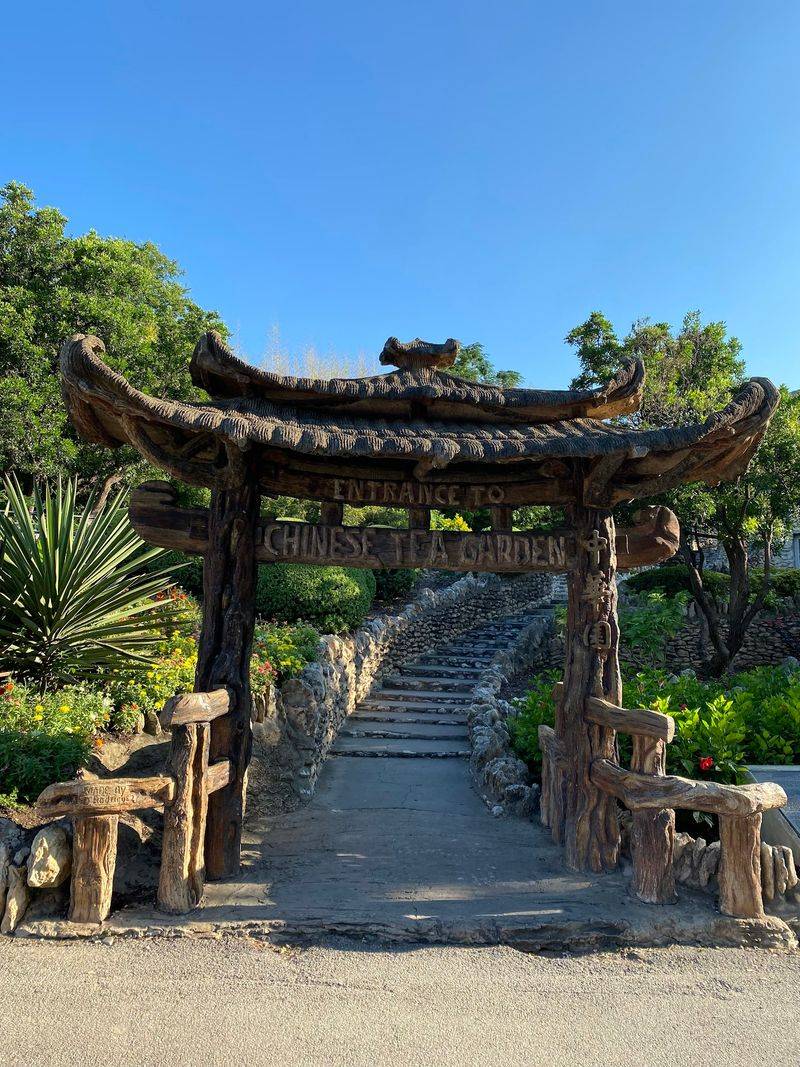
Free. That one word is why so many people put this garden on their list.
There are no tickets and no entry fees, though donations are welcome.
The garden is open daily from 7 a.m. to 5 p.m., but hours may shift for events, so calling ahead at 210-559-3148 is a good idea. Most people spend about 45 minutes to an hour and a half, depending on photo breaks.
Parking is free too, but the small lot by the entrance fills fast. More parking usually waits farther down the road, including a larger lot nearby.
Accessibility is mixed. The upper garden and cafe area are easier for wheelchairs, while the lower garden has stairs and uneven stone that can challenge strollers.
Worth the Drive, Every Mile
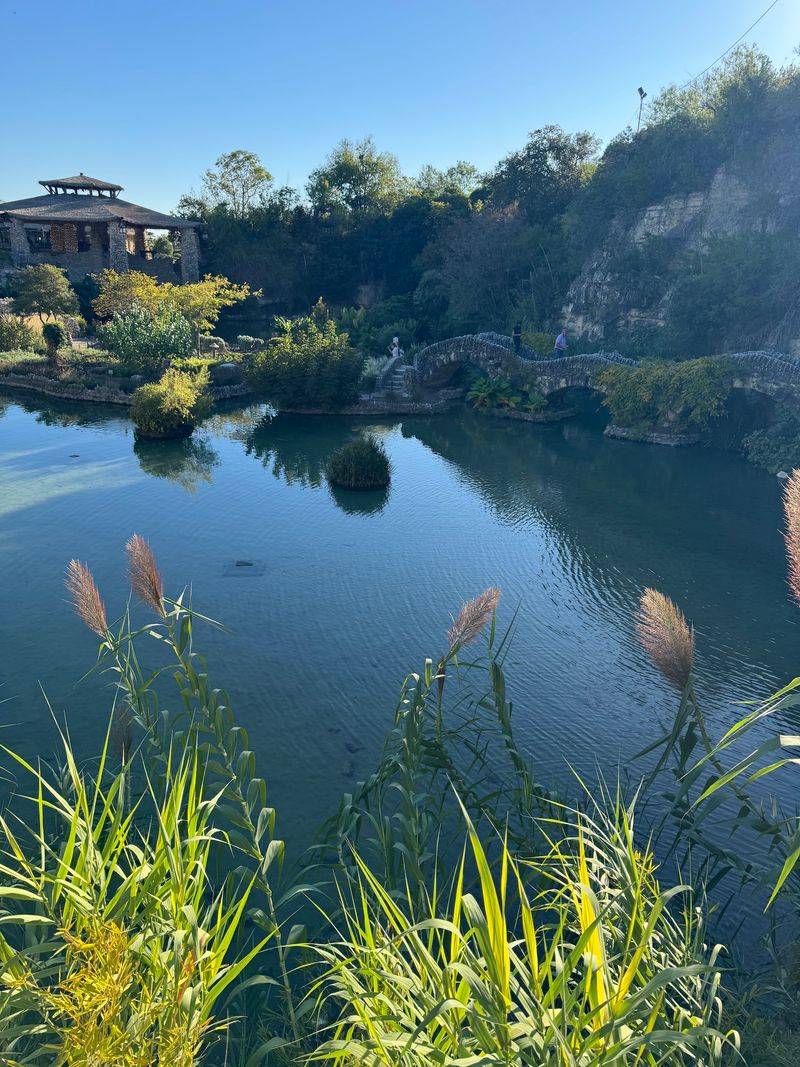
Plenty of attractions charge a small fortune and still leave you shrugging. Here, you pay nothing and leave with a camera roll full of waterfalls, koi and stone bridges.
The garden is not huge, and some visitors finish in about 20 minutes. Yet most linger far longer, because the place simply asks you to slow down.
Its century-old quarry bones give it a character no new park can copy.
Come early, wear good shoes and bring water. Pair it with a boba from the cafe and a few quiet minutes watching the turtles surface.
For Texas road-trippers who prize real places over flashy ones, this hidden spot in San Antonio feels like a well-kept secret worth sharing.