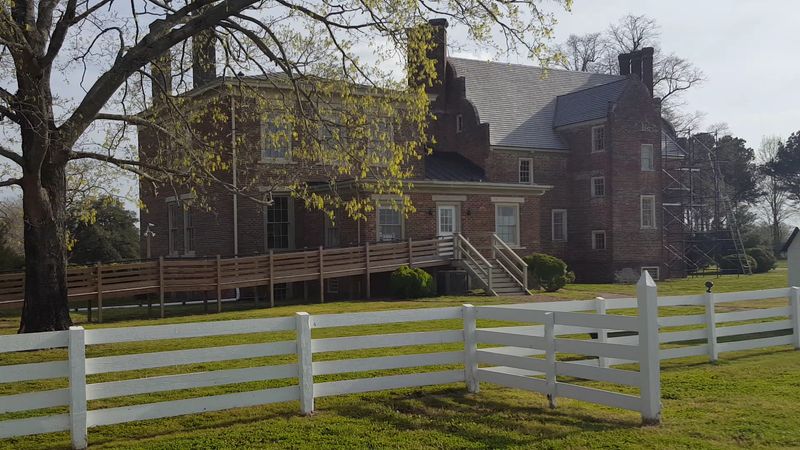
Seashells are mixed into the mortar of a brick house that has stood since 1665. Someone built it to last, and it took that job very seriously.
The house didn’t even get to keep its original name. In 1676, a band of rebels seized it, fortified it, and held it for four months.
Their leader’s name stuck for good, even though he never lived there.
I like how a Virginia farmhouse can sport curvy gables, triple diagonal chimneys, and a record-setting garden. I also love that its original floorboards, fireplaces, and roof framing are still in place.
So how does one brick house outlast hurricanes, rebellions, and more than 350 years of change? I believe the answer is worth a ferry ride to find out.
The story gets even stranger once a mysterious fireball enters the picture.
North America’s Oldest Documented Brick Home Sits on a Quiet Country Road
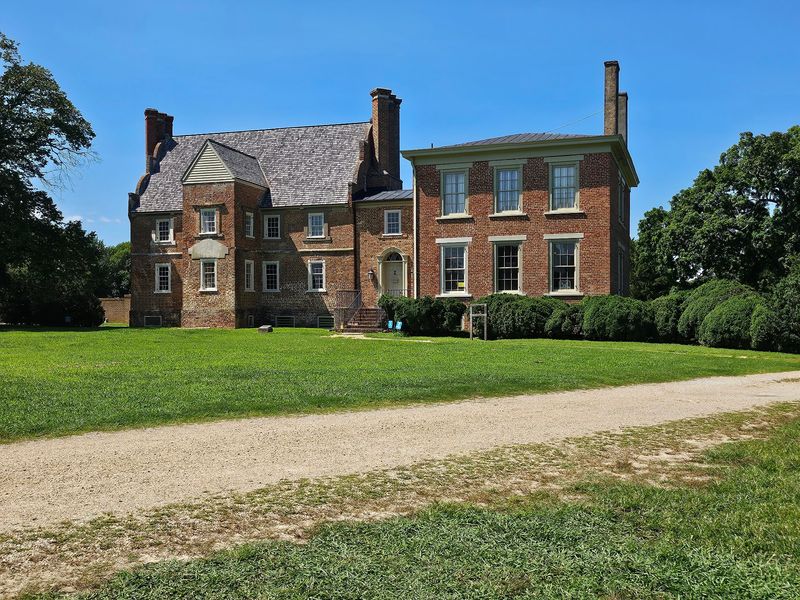
Bacon’s Castle holds a title most buildings can only dream about. It’s the oldest documented brick dwelling in North America, and it still stands proudly in Surry County.
The site sits south of the James River in rural Virginia. Fields and trees surround it, which makes those tall brick walls look even more dramatic.
Preservation Virginia manages the property today as a historic house museum. That group has spent decades studying, restoring, and furnishing the home so visitors can understand its long life.
The house went up in 1665, despite what some headlines claim. That date makes it older than the colonial capital of Williamsburg itself.
Around it spread roughly 40 acres of grounds, gardens, and old outbuildings. You get far more than a single house here, which is a nice bonus for curious minds.
The federal government took notice long ago. Bacon’s Castle became a National Historic Landmark in 1960 and joined the National Register of Historic Places in 1966.
So yes, this is a big deal in a small spot. The real fun starts when you learn who built it and why it carries someone else’s name.
Arthur Allen’s Bold Brick Bet From 1665
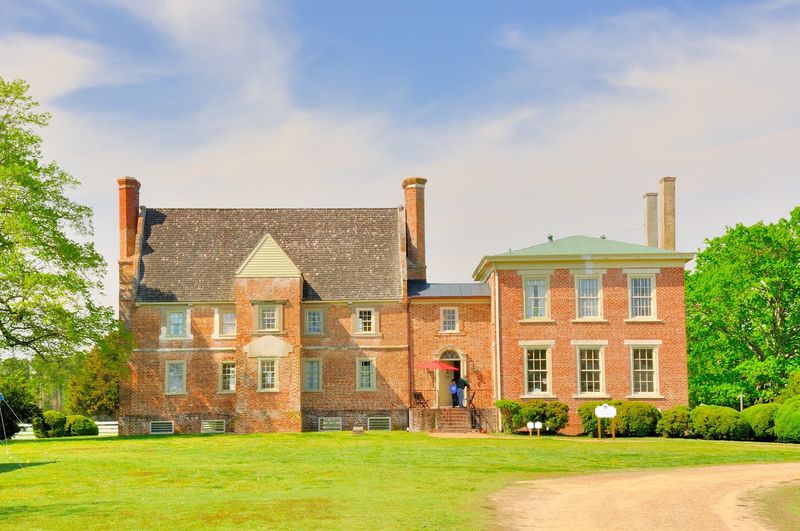
Most colonists built with wood, because wood was everywhere. Arthur Allen went with brick, and that choice changed everything about this home’s future.
Allen and his family built the house in 1665. Back then, people simply called it Allen’s Brick House, which is about as straightforward as a name gets.
Brick was a statement in early Virginia. It said the owner planned to stay, and it said the owner had money to spend.
That gamble paid off in a way Allen probably never pictured. Wooden neighbors from the same era rotted, burned, or vanished long ago.
The Allen family held onto the property for generations. Sources differ on the exact year the last Allen connection ended, with some pointing to 1843 and others to 1884.
Afterward, the house stayed a private home for nearly another century. Families lived, worked, and raised children inside it until the early 1970s.
Think about that for a second. People were cooking dinner under this roof during the moon landing, more than 300 years after the first bricks were laid.
How a Rebellion Gave the House a Brand New Name
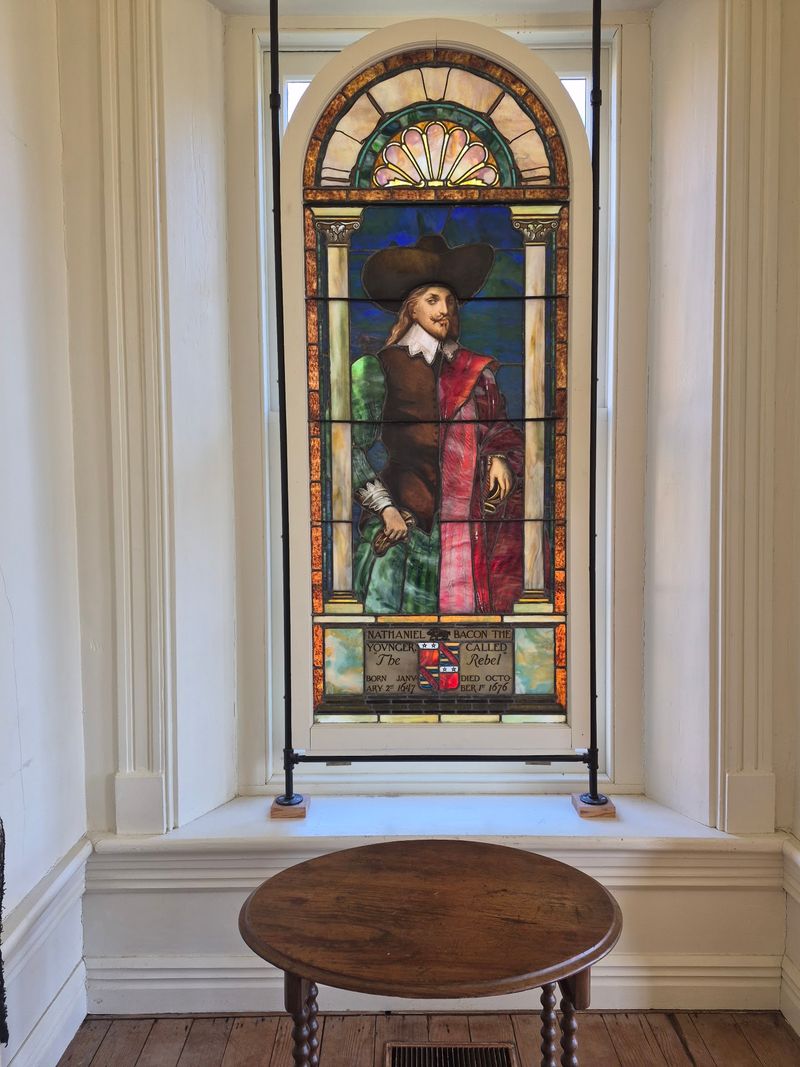
Here’s a plot twist worthy of a movie. The man whose name sits on this famous house never actually lived in it.
In 1676, followers of Nathaniel Bacon took over the home during Bacon’s Rebellion. They fortified the brick building and held it for about four months.
Bacon’s Rebellion was one of the biggest uprisings in colonial Virginia. Settlers clashed with the colonial government, and the conflict shook the young colony hard.
A sturdy brick house made a smart stronghold. Thick walls were hard to burn and hard to breach, so the rebels picked well.
Bacon himself stayed elsewhere throughout the occupation. Still, his name attached itself to the property and refused to let go.
Over time, Allen’s Brick House became Bacon’s Castle. The word castle is generous, but you can see why people liked the drama of it.
Guided tours explain the uprising in clear, lively detail. It’s a great chance to untangle a confusing chapter of American history while standing inside the very walls involved.
Curvy Gables and Chimneys That Refuse to Stand in a Line
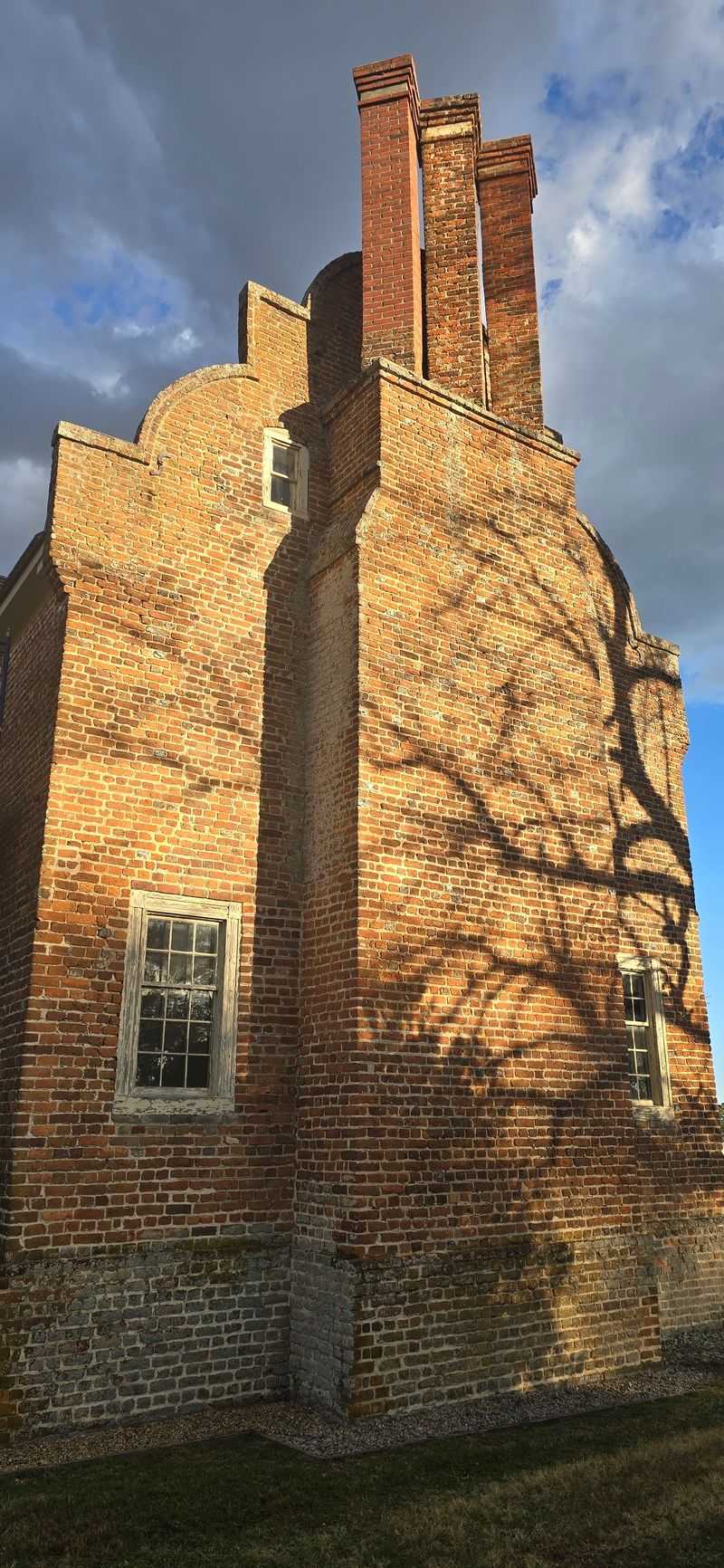
Look up first, and the roofline steals the show. Those curved gables and angled chimneys look like they wandered over from old England.
That’s no accident. Bacon’s Castle is a rare New World example of High Jacobean architecture, a style also called Carolean.
The curvilinear gables give the ends of the house a wavy, almost playful outline. Few buildings in America ever used that look, and even fewer survived.
Then come the chimneys. Each stack groups three shafts set on a diagonal, creating a bold pattern you won’t forget.
The floor plan adds another layer of interest. The house follows a cruciform layout, meaning it forms a cross shape when viewed from above.
Porch and stair towers stick out from the main block to create that shape. It gives the building a solid, almost fortress-like presence, which helps explain the castle nickname.
Architecture fans could spend a long time just circling the exterior. Bring a camera, because every side shows off a slightly different personality.
Original Floorboards, Fireplaces and Even the Old Nails
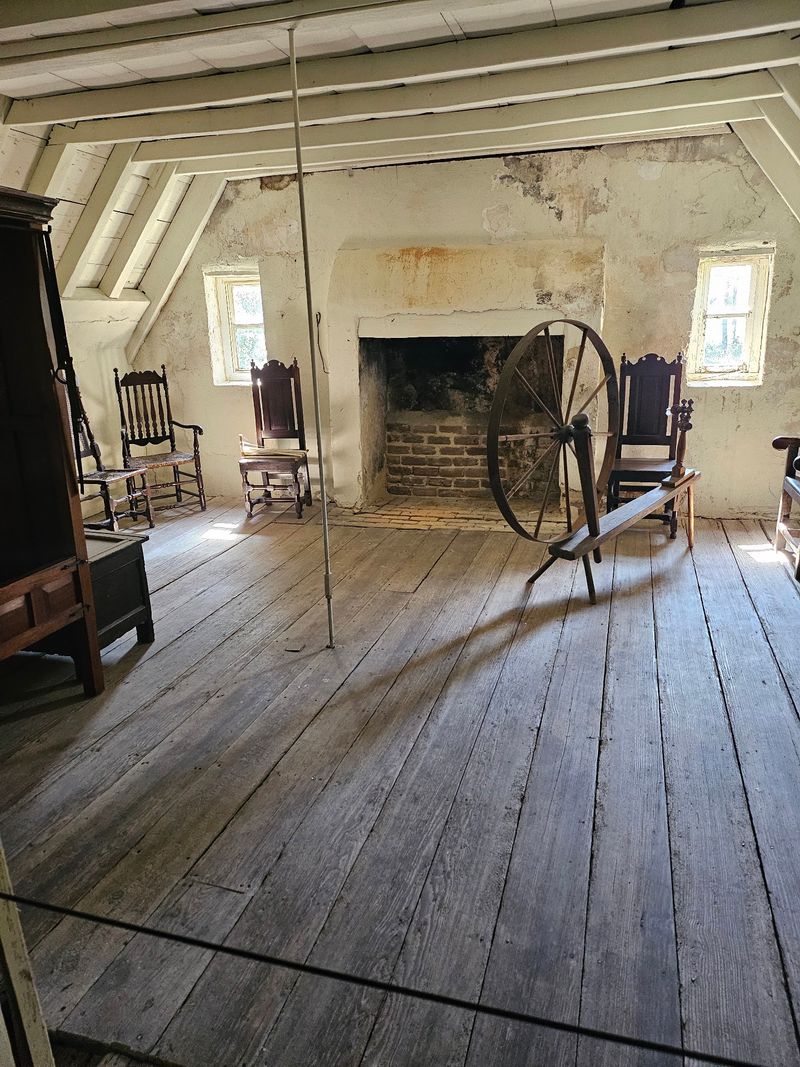
Old houses often hide behind modern repairs. Bacon’s Castle still shows off a surprising amount of the real thing.
Original floorboards remain inside the house. So do original fireplaces, the brick facade, and the cellar below.
The roof structure deserves special credit too. It still holds period-appropriate nails, which is a wild detail for a building from the 1600s.
Seashells appear in the mortar of the exterior brickwork. Builders back then often burned shells to make lime, and those fragments still peek out today.
Inside, the rooms hold historic furnishings that help tell the story. Guides walk you through the purpose of each space and how it changed over the centuries.
Tours last about 45 minutes. That’s enough time to absorb the details without your feet staging a rebellion of their own.
Archaeology on the property has also turned up artifacts that reveal clues about daily life. Those finds help bring the empty corners of history back into focus.
It’s one thing to read about the past. Standing on boards that colonists walked is another experience entirely.
A Garden Rebuilt From Clues Buried in the Dirt
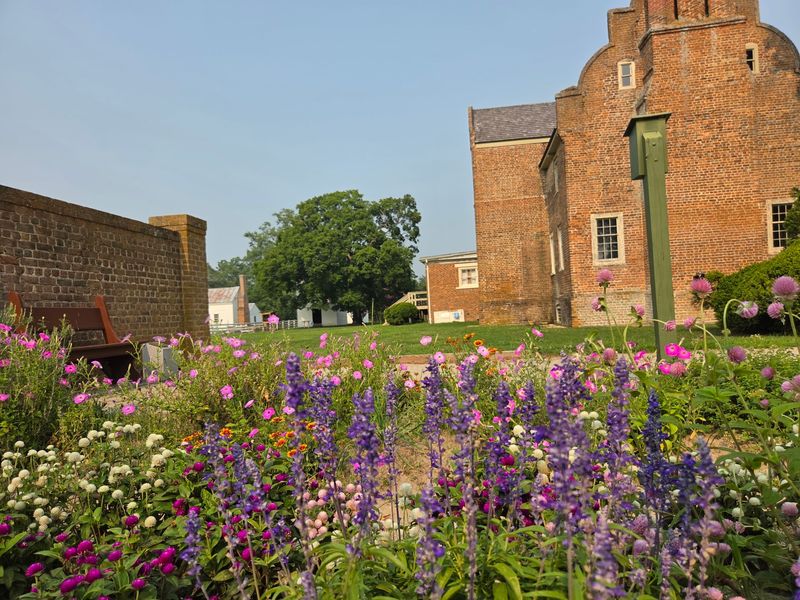
Archaeologists found a secret in 1983, and it wasn’t buried treasure. It was the outline of an entire 17th-century garden.
That discovery led to a careful reconstruction of an English formal garden. Today it ranks as the largest documented 17th-century garden in America.
The layout follows the archaeological evidence closely. Researchers used the clues left in the soil to guide where beds and paths belonged.
Formal gardens of that era were about order and pride. They showed visitors that the owners had money, taste, and plenty of ambition.
Best of all, you don’t need a ticket to stroll here. The grounds open daily from dawn to dusk, and the garden carries no admission fee.
That makes it a lovely stop even on days when the house is closed. Early risers can wander before tours begin and snap photos in peace.
Shaded picnic tables also sit on the property. Pack a lunch, find a spot, and enjoy a meal beside a garden that predates the United States by over a century.
Outbuildings That Carry Stories the Big House Can’t Tell Alone
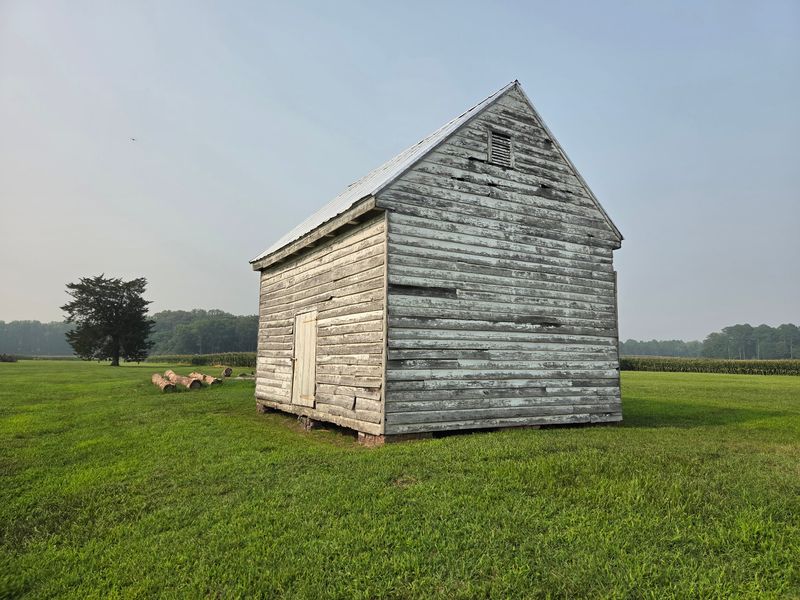
The brick house gets the spotlight, but it never stood alone. Several historic outbuildings still dot the 40-acre site.
A barn on the grounds dates back to around 1700. It’s practically a youngster next to the house, yet still older than most buildings in the country.
An 1820s smokehouse also survives. Farms relied on buildings like this to cure and store meat for long stretches of the year.
Then there’s an 1830 dwelling where enslaved people lived. It’s a powerful reminder of who did much of the labor that kept this property running.
Preservation Virginia interprets four centuries of Virginia history here. That includes the experiences of enslaved and free Africans and African Americans who lived and worked on the land.
Telling the full story matters. It turns a pretty old house into an honest picture of how colonial and plantation life really worked.
A self-guided exterior cell phone tour helps you explore these spaces at your own pace. Take your time, because each building adds an important piece to the puzzle.
Fireballs, a Lady in White and Other Spooky Local Lore
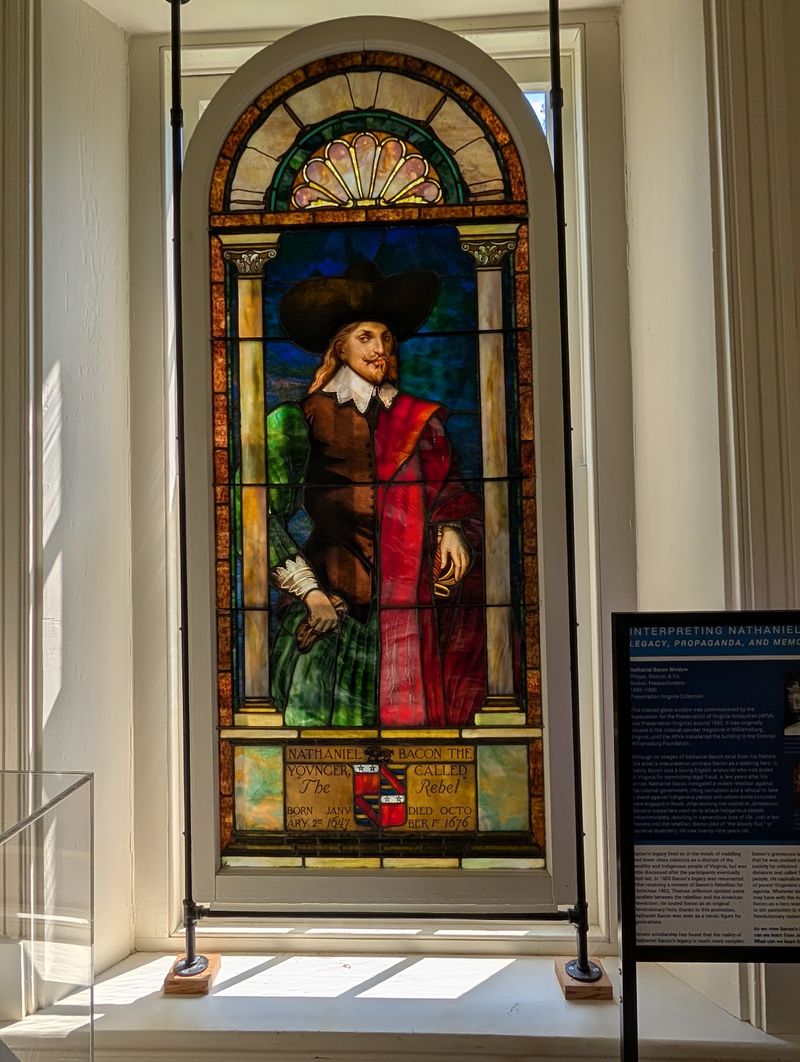
Three and a half centuries leaves plenty of room for ghost stories. Bacon’s Castle has collected a few memorable ones.
One local legend describes a mysterious fireball. It supposedly travels between the house and some nearby ruins, glowing in the dark like it has somewhere important to be.
Another tale involves an apparition of a woman in a white dress. Nobody can say who she might be, which only adds to the fun.
Are these stories true? That’s for you to decide, preferably with a flashlight and a brave friend nearby.
The site leans into the mystery with Haunted History Tours. They blend real history with the eerie lore that has grown around the property.
Ghost stories come up often in conversations about this place. Plenty of history lovers seem to enjoy a little shiver with their facts.
Even skeptics can appreciate the legends as part of the house’s cultural story. After all, any building this old is bound to have a few unexplained creaks in its reputation.
Renaissance Faires, Birding Walks and Homeschool Days

Knights on the lawn of a 17th-century house? That’s not a fever dream, it’s the Tournament of the Castle Renaissance Faire.
The faire is one of several events that bring fresh energy to the grounds. It turns the historic setting into a festive backdrop for costumes, entertainment, and old-world fun.
Nature lovers have their own reason to visit. Birding at Bacon’s Castle invites guests to spot feathered locals while learning about the area’s history.
Those rural acres make a fine habitat for watching wildlife. Bring binoculars and a little patience, and the morning could get very interesting.
Families who teach at home can join Homeschool History Days. These events give kids a hands-on way to connect with Virginia’s past beyond the pages of a textbook.
Haunted History Tours round out the calendar for anyone craving spooky vibes. Each event offers a different lens on the same remarkable property.
Check the calendar before you go, since dates change throughout the year. A regular visit is great, but an event day adds an extra layer of personality.
Small Crowds, Big Stories and a Pace That Suits Curious Minds
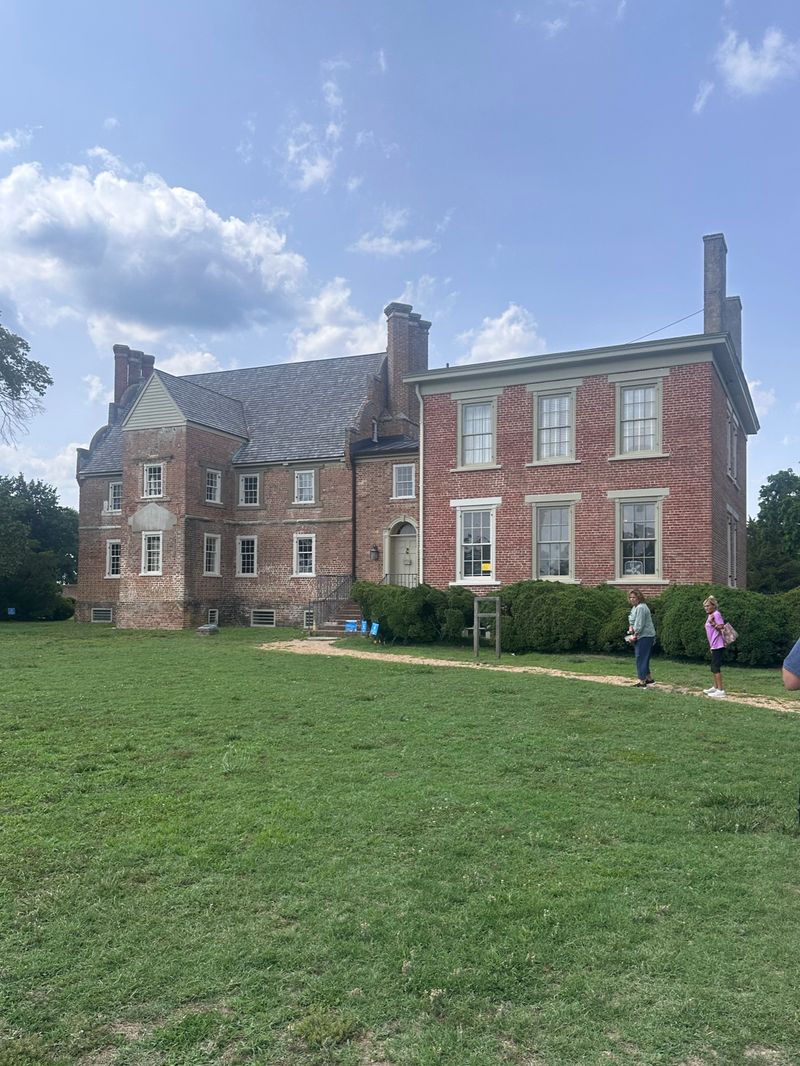
History buffs, architecture nerds, and ghost-story fans all find something to love here. It’s a compact site with a surprisingly wide appeal.
Guided tours are the heart of the visit. Knowledgeable guides come up again and again as a highlight, and they welcome questions of every kind.
The setting feels relaxed rather than rushed. Being away from the busiest tourist corridors helps keep the experience personal and easygoing.
Teachers can get plenty out of it too. Virginia Studies lessons about colonial life and Bacon’s Rebellion suddenly feel real when you stand inside the actual building.
Kids who love stories about rebels and castles will likely stay engaged. The grounds also give them room to stretch their legs after the house tour.
One thing to know is that a two-year restoration project is underway. Tours continue as scheduled, so the work shouldn’t stop you from visiting.
Watching preservation in action can be pretty cool anyway. It shows the effort it takes to keep a house this old standing strong for future generations.
Ferry Rides, Hours and the Turn You Shouldn’t Miss
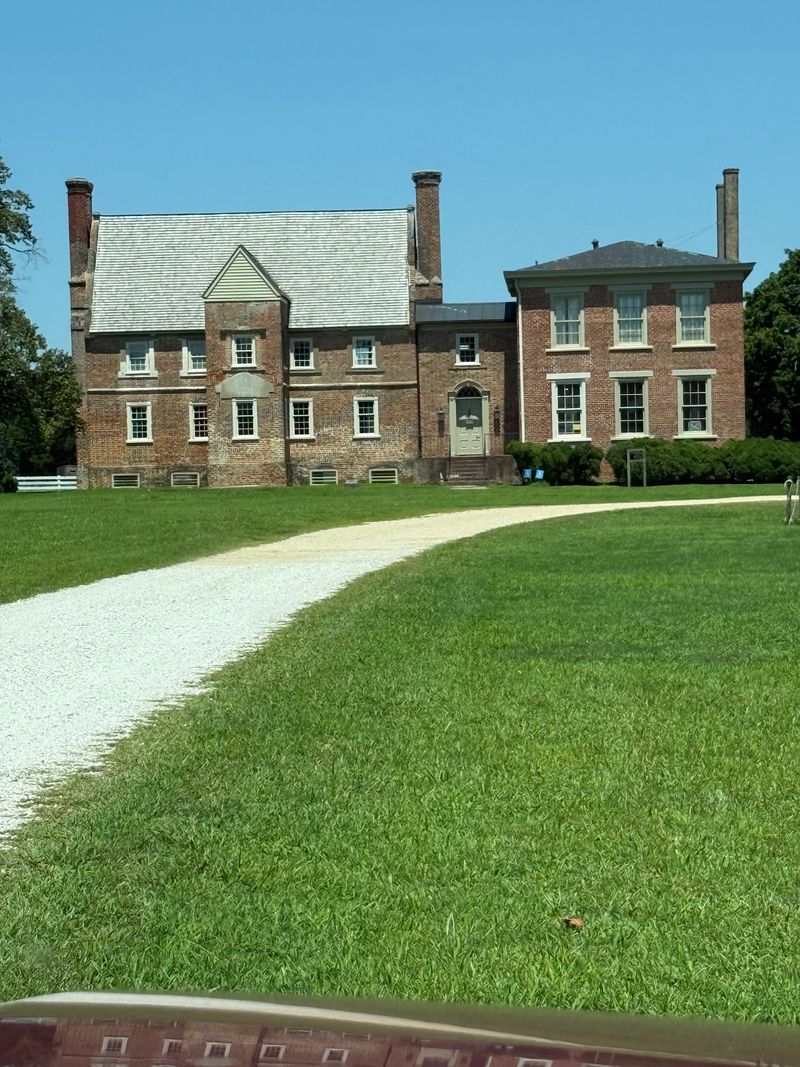
Getting here can be half the adventure. The free Jamestown-Scotland Ferry carries cars across the James River from the Jamestown area to Surry.
That makes Bacon’s Castle an easy add-on after exploring Historic Jamestown. You trade one slice of colonial history for another with a scenic river crossing in between.
The address is 465 Bacons Castle Trail, Surry, VA 23883. Watch the road carefully, because GPS may suggest the first left when the entrance is actually the second.
Interior tours run March through December. Current hours are Friday and Saturday from 10 am to 5 pm, plus Sunday from noon to 5 pm.
Group and private tours can be arranged year-round. That’s handy for schools, clubs, or families planning something special.
Members of Preservation Virginia may enter with their membership benefits. A military discount is also available, so ask when you arrive.
Buying tickets on-site can help if a ferry delay throws off your schedule. Hours can shift with the season, so double-check before setting out on your trip.
Why This Old Brick Survivor Deserves a Spot on Your Virginia List
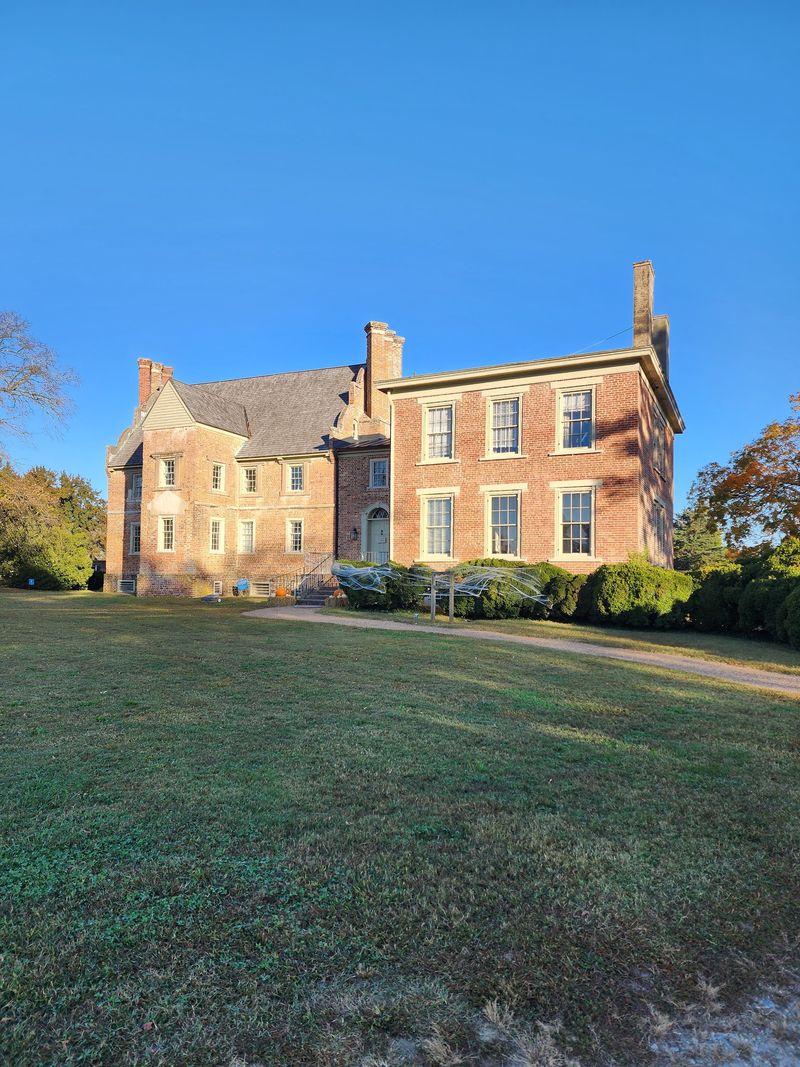
Plenty of historic homes impress with grand halls and fancy staircases. Bacon’s Castle wins you over with sheer stubbornness and a fantastic story.
It has weathered hurricanes, rebellions, and centuries of change. Through it all, the original bricks, floors, and roof framing kept doing their job.
Few places in Virginia pack this much history into such a manageable visit. In under an hour indoors, you cover colonial ambition, rebellion, plantation life, and preservation.
The free garden makes the trip even sweeter. You can stroll the largest documented 17th-century garden in America without spending a dime.
Add the ferry ride, the ghost legends, and the quirky architecture, and you’ve got a memorable day. It pairs beautifully with Jamestown for a full colonial adventure.
Is it the flashiest stop in the region? Maybe not, but it might be the most authentic one.
Bacon’s Castle proves that good construction and good care can stretch a house’s life almost indefinitely. Arthur Allen picked brick in 1665, and history has been thanking him ever since.