Back in 1885, a brand-new telescope with a 26-inch lens ranked as the second largest in the world. It still points at the sky today, and you can look through it for free.
The giant brass refractor sits under a 45-foot dome on a hilltop in Virginia. When it was finished, that dome was the largest of its kind anywhere on Earth.
The telescope even rides on the same mount it was built with.
I love that this is not a museum piece behind velvet ropes. Twice a month, ordinary folks climb the hill and take turns at the eyepiece.
Saturn, the Moon, and distant star clusters are all fair game when the weather cooperates.
I can’t imagine a better way to feel small in the best possible way. So how do you get your turn at the eyepiece?
A Hilltop Dome Where Stargazing Goes Old-School
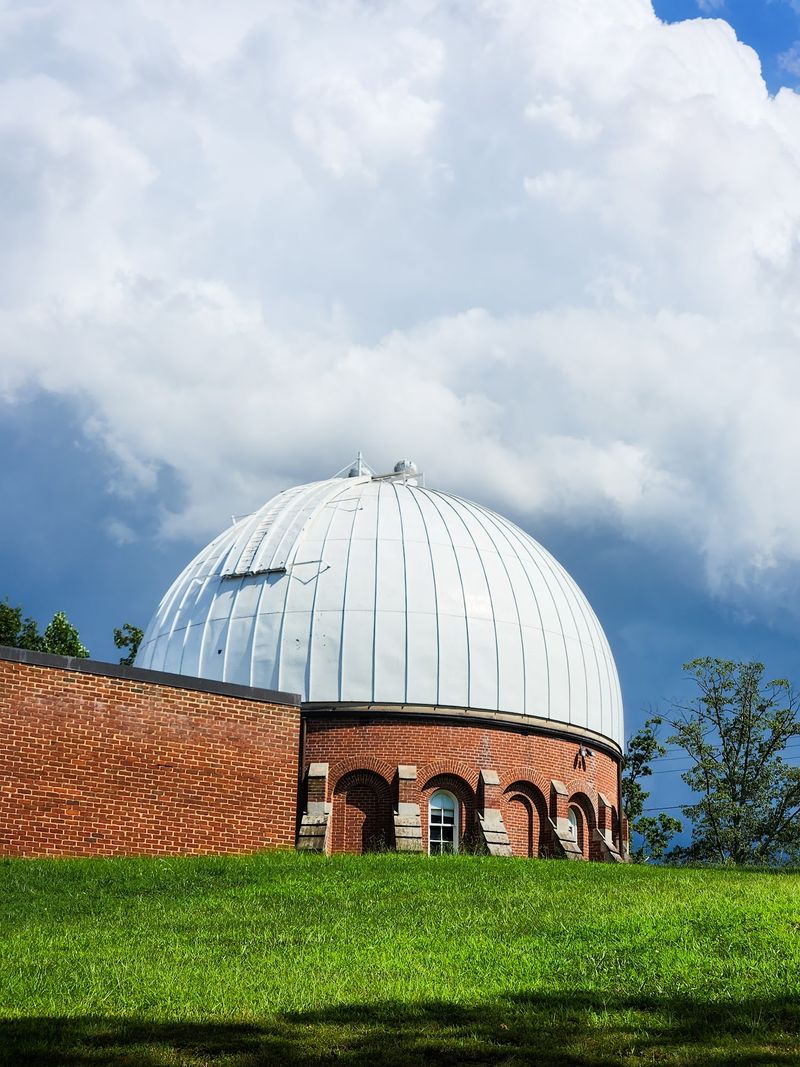
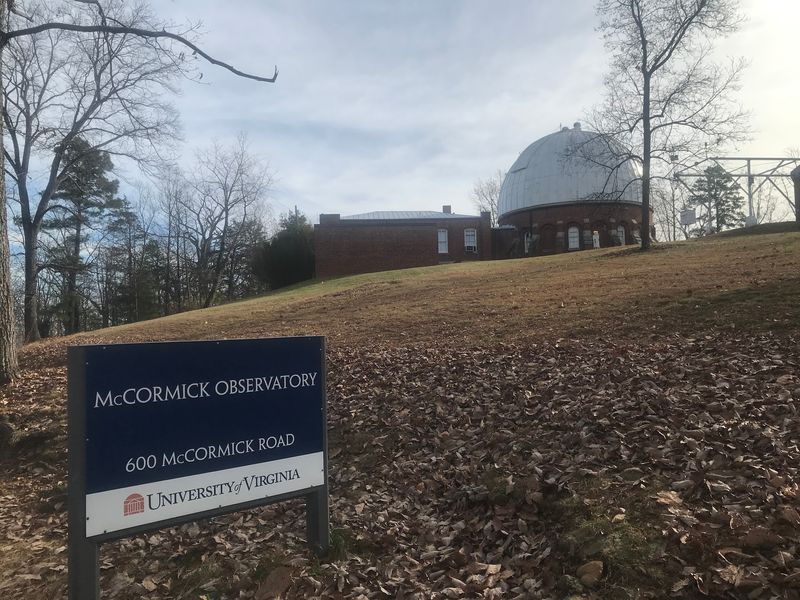
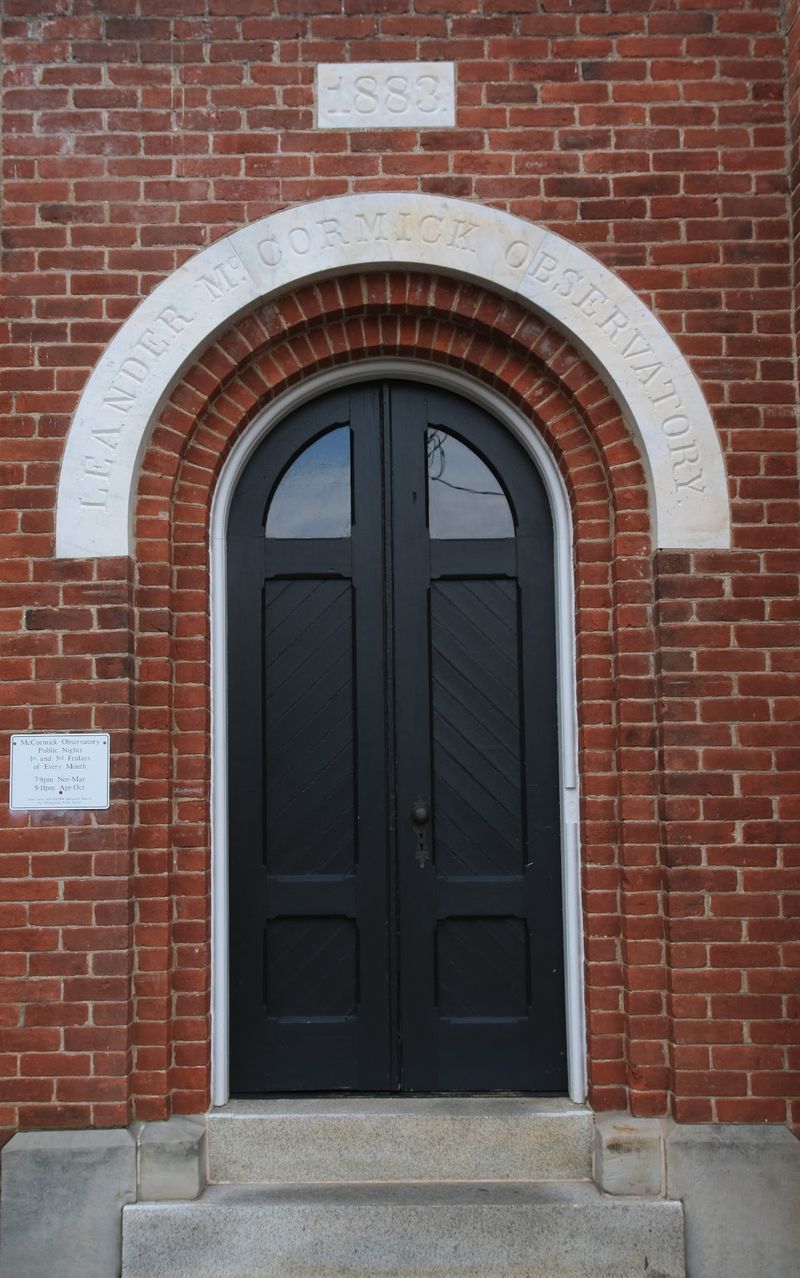
High above the University of Virginia campus, the Leander McCormick Observatory crowns the summit of Mount Jefferson. Most people around Charlottesville simply call the spot Observatory Hill.
The observatory belongs to UVA’s Department of Astronomy. It sits just outside the busy heart of town, which helps when you want a darker sky.
What makes the place special is simple. A historic research telescope still welcomes the public on regular Friday nights, and admission costs nothing at all.
Free tickets are one thing. Free tickets to a telescope from the 1880s are another thing entirely.
The observatory’s public program ranks among the oldest of its kind in the country. That means generations of Virginia families have climbed this same hill for the same reason.
It also means you are joining a long line of curious people. Students, scouts, couples, and kids have all taken their turn squinting toward the planets here.
Today the site focuses on education and outreach rather than hardcore research. Honestly, that shift works in your favor, since the big telescope now spends its evenings showing off for regular visitors like you.
The 1877 Gift That Put Charlottesville on the Astronomy Map
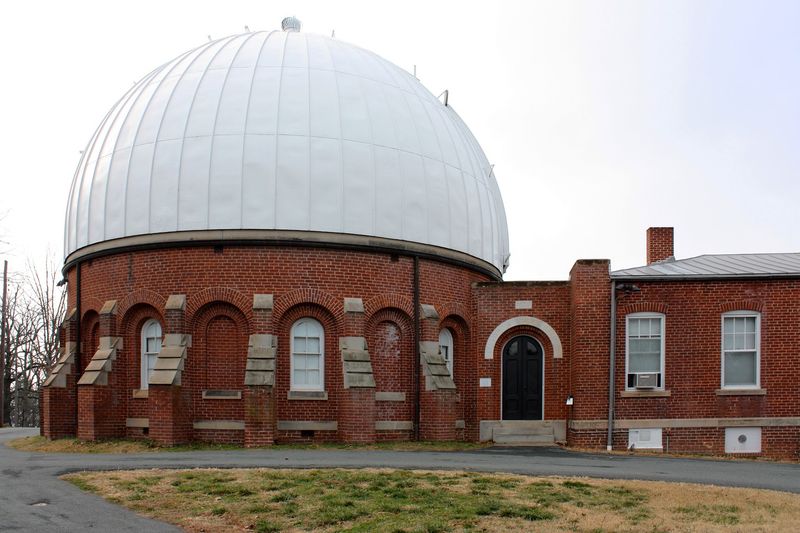
Leander J. McCormick, of the famous reaper family, donated the 26-inch telescope to the University of Virginia in 1877.
Building the instrument and its home took years of careful work.
Everything finally came together in 1884. The observatory was dedicated on April 13, 1885, which happened to be Thomas Jefferson’s birthday.
That timing feels very on brand for UVA. Jefferson founded the university, so a hilltop telescope honoring his birthday makes a fun bit of trivia.
The year 1877 carries another neat link. The observatory later played a role in verifying the discovery of the two moons of Mars, found that same year.
For roughly a century, scientists used the telescope for astrometry. That means measuring the positions and distances of nearby stars with patient, painstaking precision.
The research work continued from the dedication into the early 1990s. That is an impressive career for any instrument, let alone one built before cars existed.
Once the research years wound down, the telescope found a new job. It became a teaching tool and a public window into the universe, which is where you come in.
Your Turn at the Eyepiece of a Record-Setting Refractor
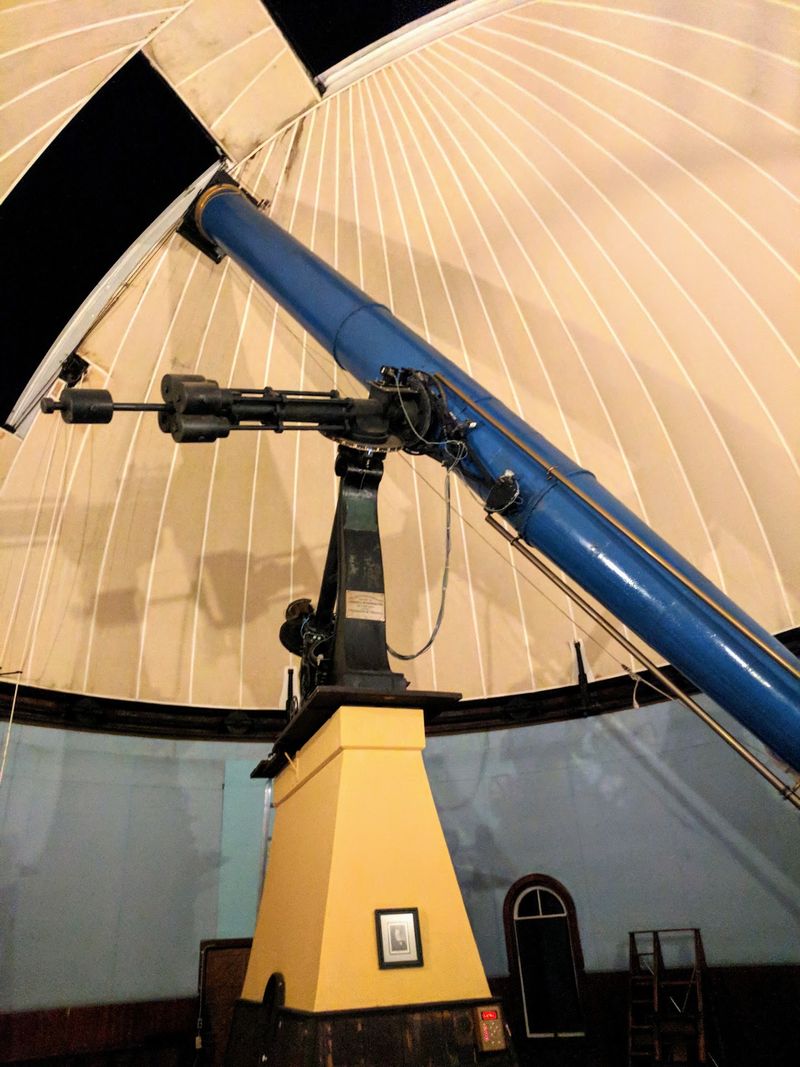
Twenty-six inches of glass. That is the width of the main lens in the McCormick Refractor, the star of every Public Night.
When it was completed, it tied for the largest telescope in the United States. Only one telescope in the entire world was bigger.
Craftsmen at Alvan Clark and Sons, the legendary American lens makers, built it. Today it remains the largest Alvan Clark refractor still sitting on its original Alvan Clark mount.
That detail matters more than it sounds. Many old telescopes got new parts over the years, but this one kept its original setup.
On a clear night, astronomers aim it at whatever looks best. Saturn and its rings are a famous crowd-pleaser, and the Moon rarely disappoints either.
Looking through it connects you to more than a century of observers. The same lens that measured stars for scientists now gives you a peek at another world.
One small reality check helps here. Viewing always depends on the weather, so clouds can keep the dome closed, no matter how badly everyone wants a look.
Smaller Telescopes With Their Own Bragging Rights
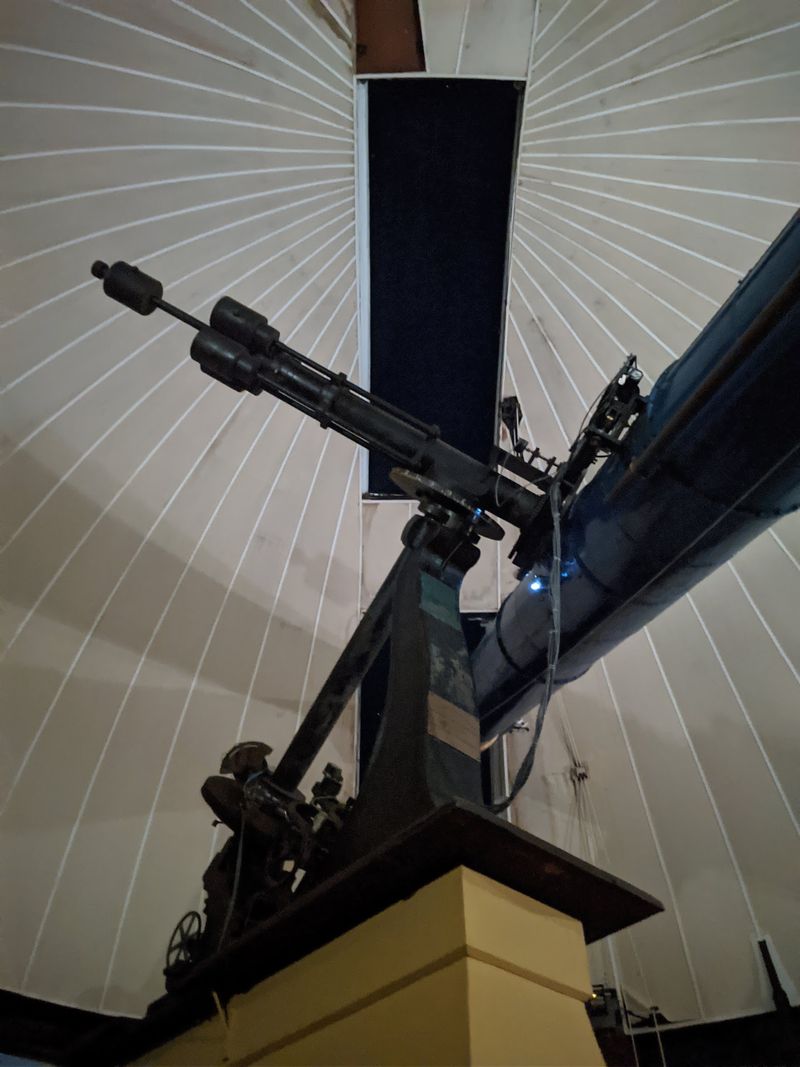
The big refractor gets the headlines, but it has company. Two smaller telescopes also join the action on Public Nights when the sky allows.
One is a modern 14-inch Celestron Schmidt-Cassegrain. Its compact tube folds light with mirrors, a design popular with serious hobby astronomers today.
The other is an antique 6-inch Alvan Clark refractor. Yes, the same famous lens makers built this little sibling of the main attraction.
Having three telescopes running helps spread the fun around. You get to compare old and new technology in a single evening.
Kids especially may enjoy that contrast. One instrument looks like it came from a steampunk novel, while another looks like something from a science store.
Each telescope can show something a little different. Spending time at more than one gives you a fuller picture of the night sky over Charlottesville.
Think of it as a tasting flight for astronomy, minus anything you would need to sip. The telescopes do the talking, and the planets supply the dessert.
Talks That Change Every Single Visit
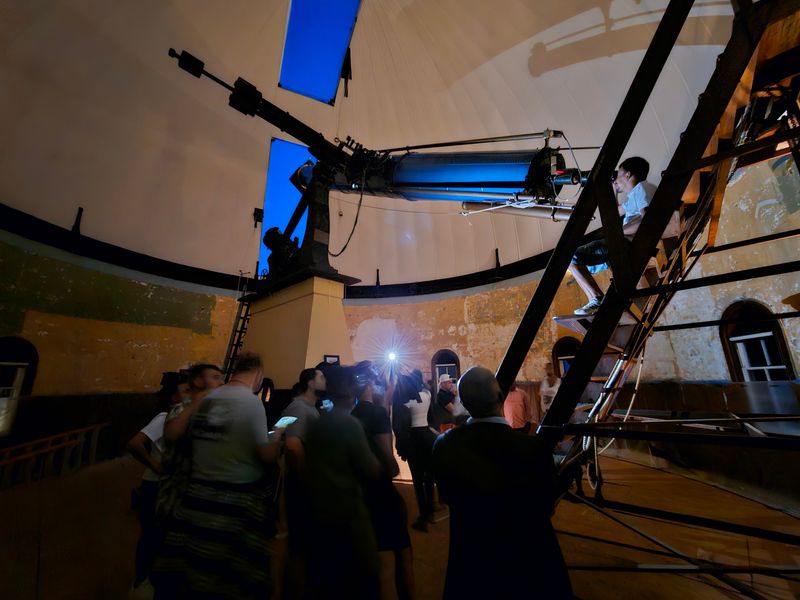
Cloudy skies do not wreck the evening here. Every Public Night includes a presentation by an astronomer plus a tour of the observatory.
The speaker might be a faculty member, a postdoc, or a graduate student. Because the lineup changes, the talk is different each time you come.
That keeps repeat visits fresh. One month might cover distant galaxies, and the next might zero in on something closer to home.
Getting real researchers as guides is a pretty sweet perk. These are people who study the universe for a living, sharing it with you for free.
The tour adds the history piece. You learn how the building works and why this hilltop telescope earned its place in astronomy history.
Families, scout groups, and first-time stargazers all fit right in. You do not need any background in science to enjoy the evening.
Curious questions are part of the fun at events like these. Bring the ones you have always wondered about, like why Saturn has rings or how far away the stars really are.
A Museum Packed With Saturn Close-Ups
Saturn gets a starring role even indoors. The Leander McCormick Observatory Museum opens during Public Nights and features an exhibit called Spectacular Saturn.
The display showcases images from the NASA and ESA Cassini Mission. That spacecraft spent years studying Saturn up close.
Here is a fun pairing to try. Look at Saturn through the old refractor, then compare that view with Cassini’s detailed spacecraft images.
One view crossed hundreds of millions of miles of space in a single glance. The other came from a robot that actually traveled there.
The museum also covers the history of astronomy at the University of Virginia. It helps explain how this Virginia hilltop became an important place for science.
If clouds roll in, the museum gives you something rewarding to explore. Pair it with the talk, and the night still feels well spent.
Exhibits like this make great conversation starters for kids. A quick stroll through the photos can turn a casual visit into a full-blown planet obsession on the drive home.
Weather Records Older Than Most Family Trees
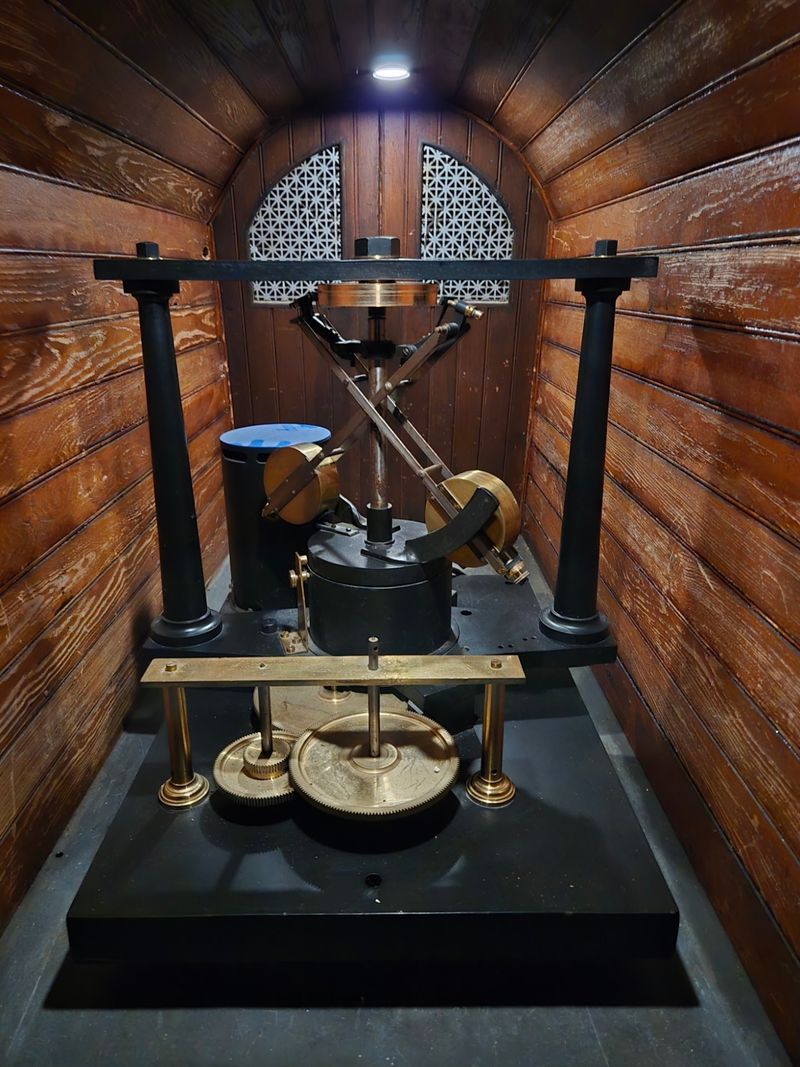
Astronomers obsess over the weather, so maybe this next detail makes sense. The observatory hosts what is believed to be the oldest continually operated weather station in Virginia.
Daily weather observations here go back to the 1880s. That is basically as old as the telescope itself.
Since 1890, the station has participated in the National Weather Service’s Cooperative Observer Program. Volunteers and observers across the country feed data into that long-running network.
Think about what that record means. More than a century of temperatures and conditions have been logged from this one Charlottesville hilltop.
Scientists love long, steady records like this one. They help show how local weather patterns shift over many decades.
It also adds a nice extra layer to your visit. The hill studies both the sky above and the air around you.
So when someone in your group grumbles about clouds, you have a perfect comeback. This place has been tracking those clouds since the 1880s, and it is still taking notes.
Free Tickets Go Fast, So Plan Like an Astronomer
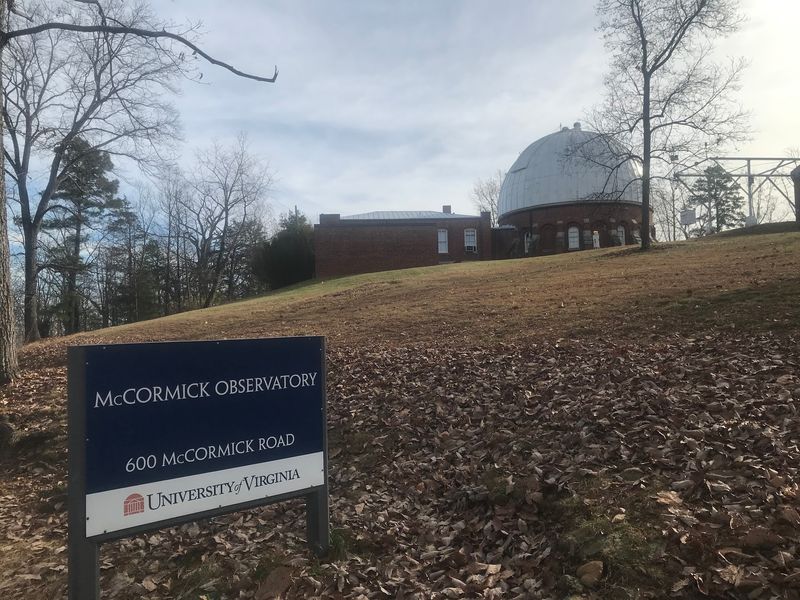
Mark your calendar for the first and third Friday nights of each month. Public Nights run then, except on holidays.
Timing shifts with the clocks. During daylight saving time, visits run from 9 to 11 p.m., while standard time brings a 7 to 9 p.m. window.
Admission is free, but you do need to register ahead on Eventbrite. Tickets are released a month in advance, on the first business day of each month.
Severe weather can cancel a Public Night. Organizers send email notices up to an hour before entry, so keep an eye on your inbox.
The observatory sits at 600 McCormick Road, Charlottesville, VA 22904. Free parking is available in designated gravel or grass areas onsite.
One firm rule deserves a mention. The grounds are closed outside public events, and showing up after dark on other nights counts as trespassing.
Educational groups have their own option on the second and fourth Fridays. Those visits need advance reservations and coordination with the department’s administrative staff.
Why Saturn Looks Better From a 140-Year-Old Lens
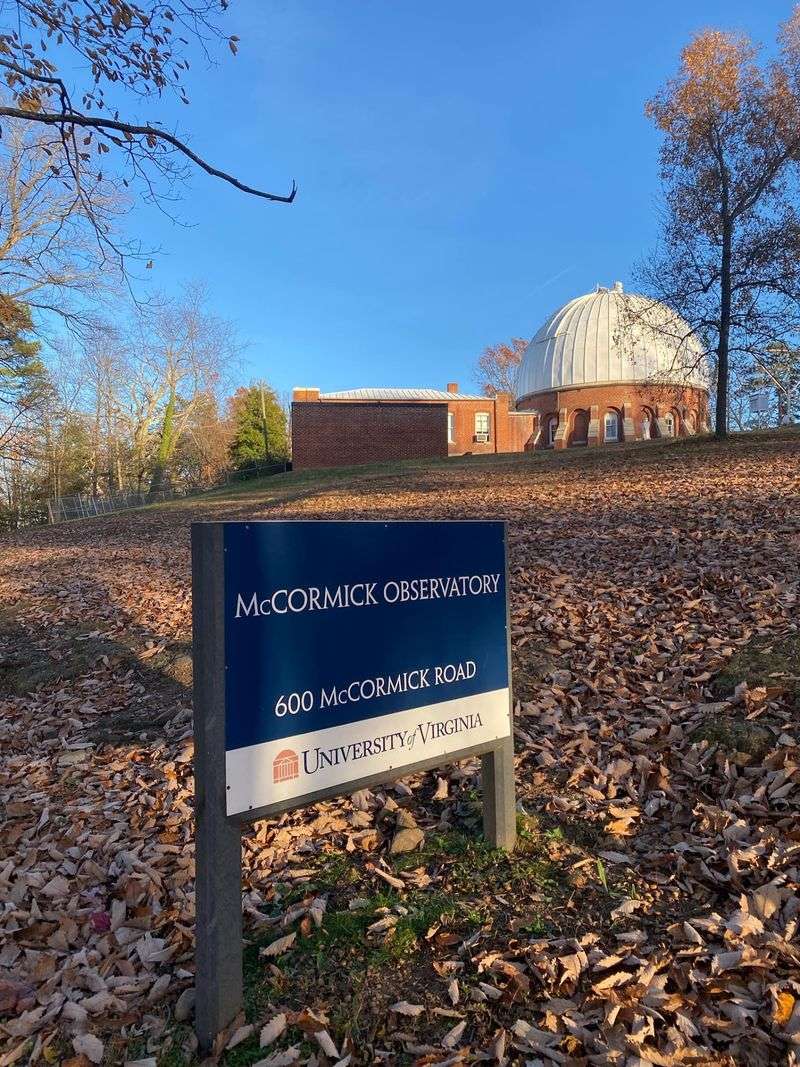
Plenty of date nights involve dinner and a movie. A free evening with a historic telescope and a live astronomy talk feels a lot more memorable.
The Leander McCormick Observatory blends history, science, and a little bit of wonder. Few places in Virginia let you touch the past and the planets on the same night.
The big refractor turned 140 not long ago. It still shares the sky with anyone willing to reserve a ticket and drive up the hill.
Kids get a hands-on science lesson that does not feel like homework. Adults get a quiet reminder of how huge and beautiful the universe really is.
Even cloudy evenings bring rewards through the talk, the tour, and the Saturn exhibit. Clear evenings, though, are the real jackpot.
So grab those tickets the moment they drop. Bundle up on chilly months, check your email before leaving, and point yourself toward Observatory Hill.
Somewhere up there, Saturn is waiting. Its rings have looked this good for ages, and this old telescope still knows exactly where to find them.