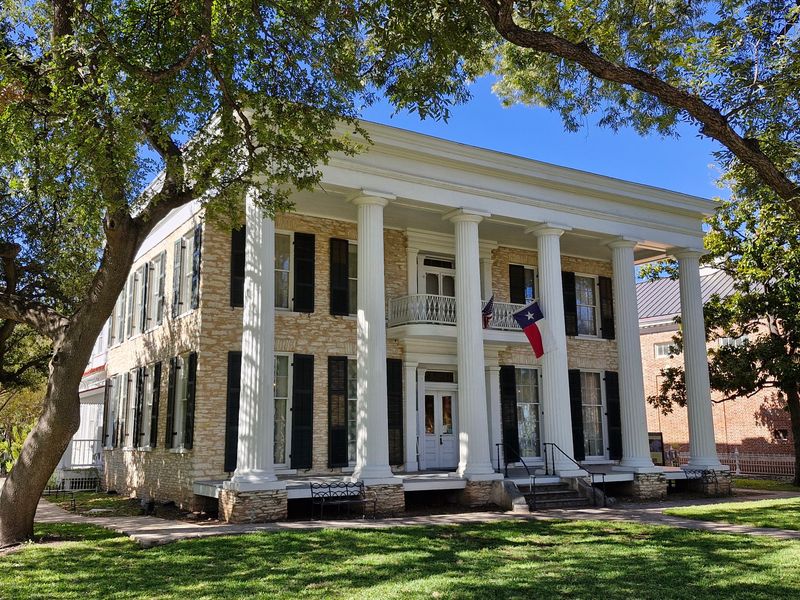
I almost drove right past it, a quiet white house tucked between busy student apartments in the middle of Texas. From the curb, it looks like just another old home with tall columns.
Step inside, though, and you find rooms filled with antique furniture, real family stories, and history that many people never learn in school. It turned out to be one of the most surprising stops I have made on any Lone Star road trip, and I left hungry to know more.
A Greek Revival Survivor in West Campus
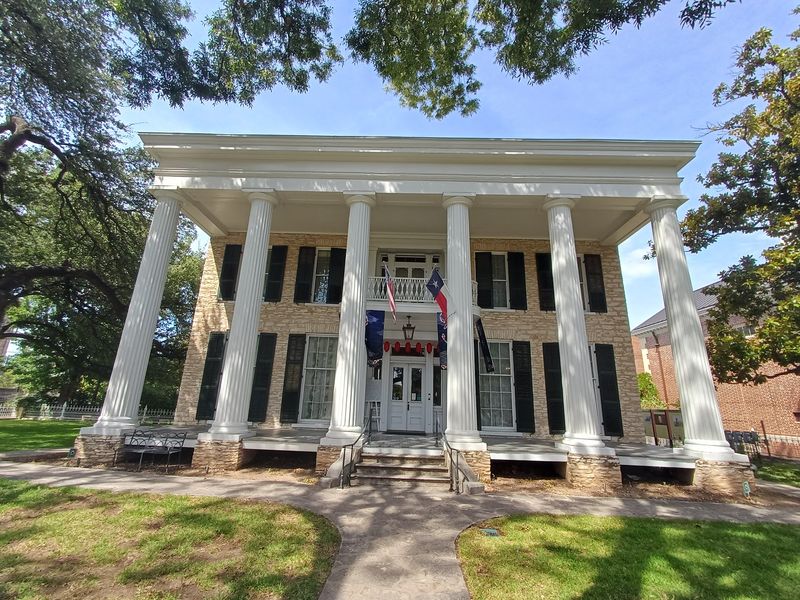
Picture a neighborhood packed with college apartments, coffee shops, and scooters zipping by. Right in the middle of it sits the Neill-Cochran House Museum at 2310 San Gabriel Street in Austin, a calm white mansion that seems to ignore the modern world around it.
Built in 1855, the house is one of the oldest buildings in the city. Visitors often call it a hidden gem in the center of West Campus, and that description fits.
Many people who live nearby have walked past it for years without ever going inside.
The home is now a museum focused on local history and the families who lived there. Its rooms are filled with period furnishings, so walking through feels less like visiting a gallery and more like stepping into someone’s parlor.
You get a real sense of how life looked in the capital city of Texas during the 1800s.
For road-trippers who love places that refuse to chase trends, this one is a treat. There are no flashy screens around every corner or gift shop maze to wander through first.
It is simply an old house that has held on to its character for more than 165 years, and it rewards anyone curious enough to pull over.
Abner Cook’s Signature Columns
Ever notice how some old Texas buildings just look important? A lot of that feeling in Austin comes from one man, the architect and builder Abner Cook.
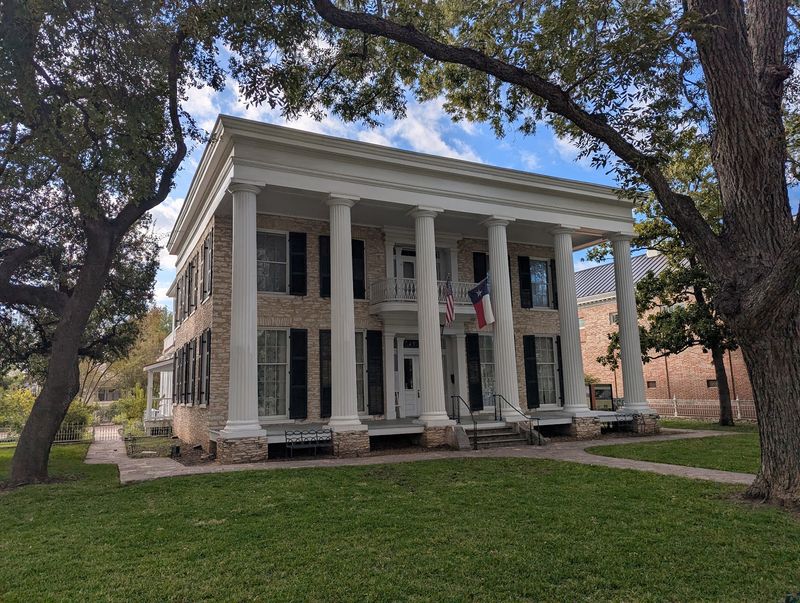
Cook designed the Neill-Cochran House, and his trademark style shows up right away. The front portico and balustrade are classic signs of his work.
Tall columns rise across the front, giving the home a stately, almost temple-like look.
Architecture fans will enjoy comparing it with other buildings from the same era. One visitor even suggested it as a great alternative if you cannot get a tour of the Governor’s Mansion, another famous example of this style.
As another guest put it, Cook clearly loved his Greek Revival look.
Fun fact: Greek Revival design was hugely popular in America during the early and mid-1800s. Builders borrowed ideas from ancient Greek temples to make homes and public buildings feel grand and lasting.
In a young state like Texas, that style was a way of saying, we plan to stay.
Take a moment on the sidewalk before heading in. Notice the symmetry, the clean lines, and how the porch frames the doorway.
It is the kind of craftsmanship modern subdivisions rarely bother with anymore.
Rooms Furnished the Old-Fashioned Way
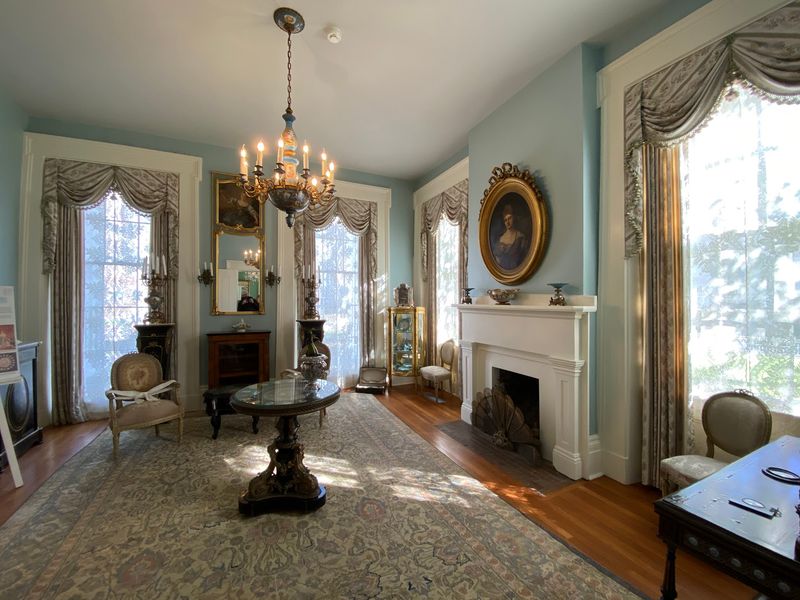
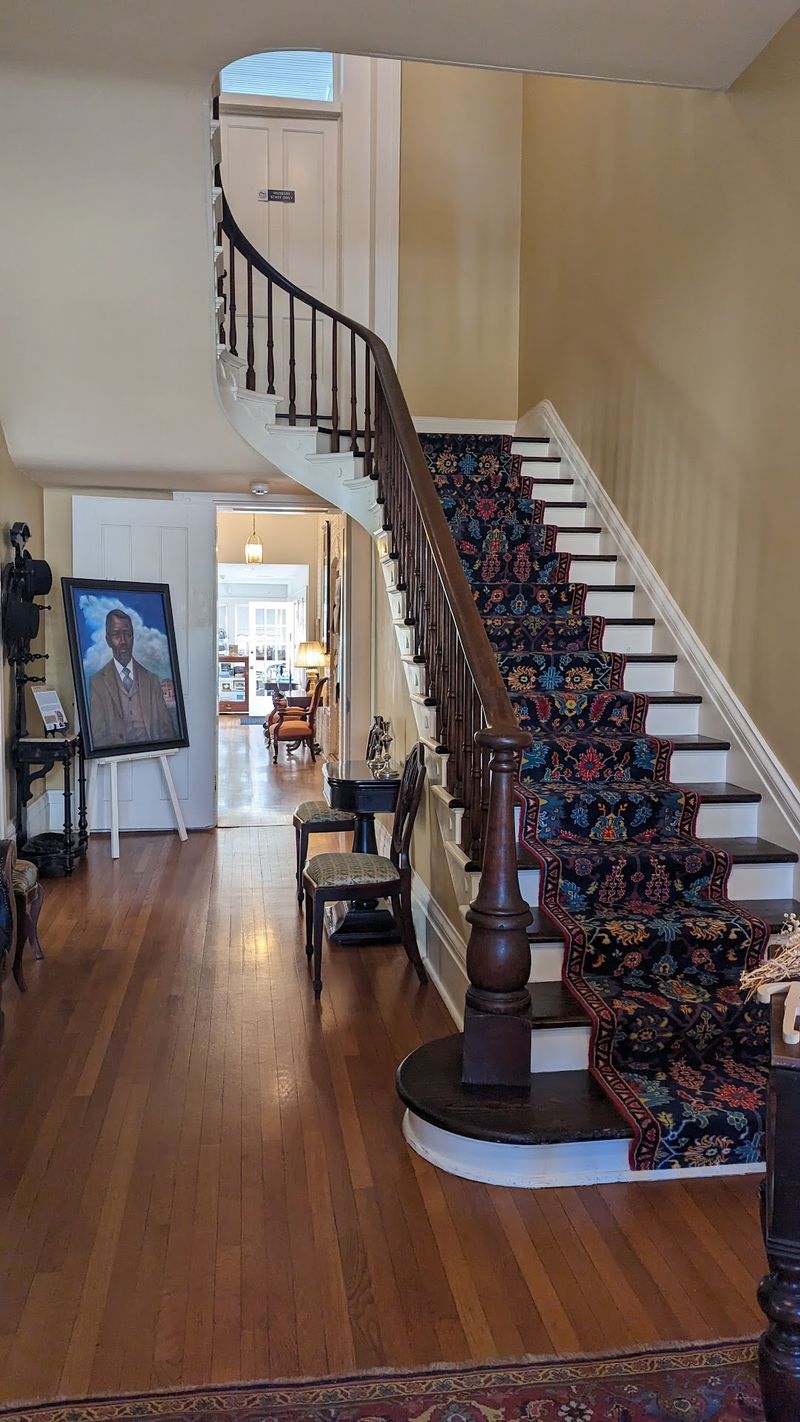
Here is the part that hooks most visitors. Instead of empty rooms with a few signs, the house is filled with historic furnishings that help you imagine daily life long ago.
Guests often mention the classical furniture and the amazing decor. One standout is a wicker loveseat from about 1880, dating to the time the Neill family lived here.
It was once part of a five-piece set, and three pieces still remain, including a pair of armchairs.
That kind of detail makes the house feel personal. You are not just looking at a chair from the right decade.
You are looking at a chair a real family sat in, inside the very home they used it.
The museum also shows the kind of food people used to eat in the 1800s, which helps kids and adults connect the dots. Seeing a table set the old way makes history feel a lot less like a textbook.
Quilts are another favorite display, with their careful stitching and colorful patterns.
Exhibits can change over time, so the exact pieces on view may vary from visit to visit. Even so, the overall feeling stays the same.
It is a warm, lived-in home that has kept its old-school soul.
The Last Standing Quarters of Enslaved People in Austin
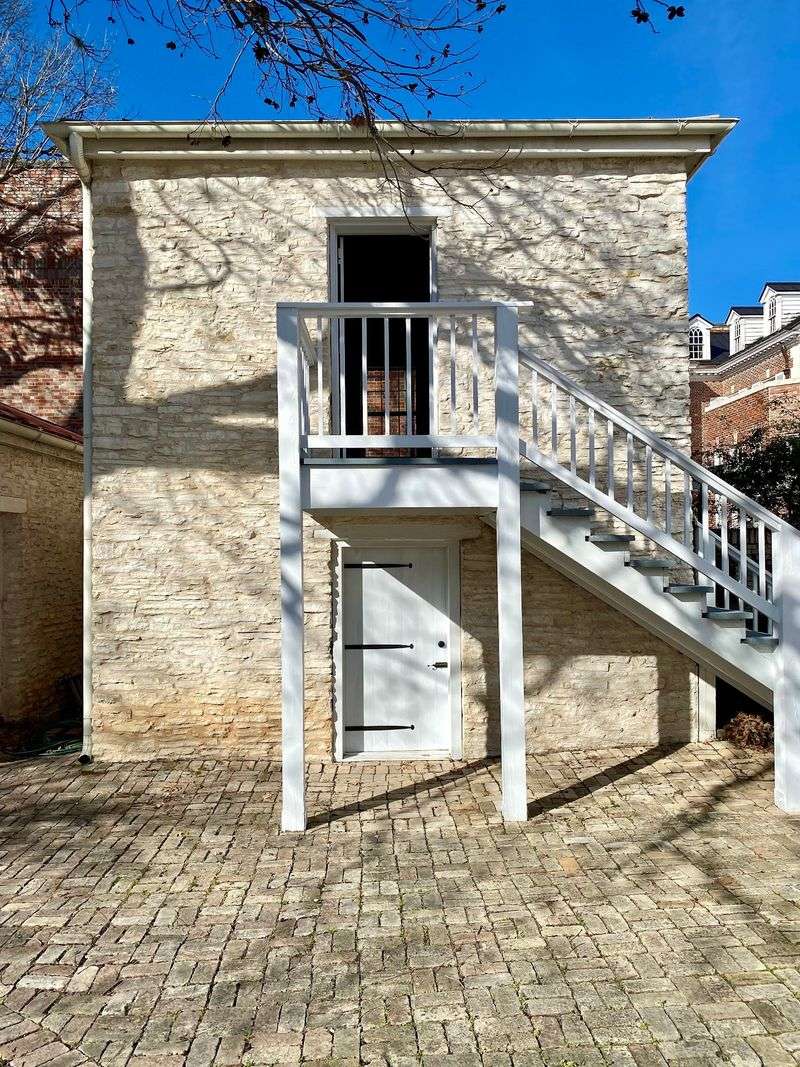
Not every story in this house is a comfortable one, and the museum does not hide from that. Behind the main home stands a two-story building where enslaved people once lived.
According to the museum, it is the only remaining dwelling of its kind in Austin that the public can actually visit today. Because the property was not a farming plantation, the outside of the building matches the main house.
Inside, however, it once had a dirt floor, and roughly ten enslaved people lived across its two floors.
Little is known about the people who lived there. The museum has worked to restore the building carefully, and visitors often describe the tours of it as thoughtful and honest.
One guest shared that it is easy to forget slavery was practiced in Austin, and this space is a powerful reminder.
Many visitors call this part of the visit heartbreaking but meaningful. It adds depth that a fancy house tour alone would never offer.
You leave understanding that the beautiful rooms out front are only half of the story.
Families with older kids may find it a good starting point for important conversations about Texas history. Take your time here and read the displays closely.
Juneteenth and Other Community Gatherings
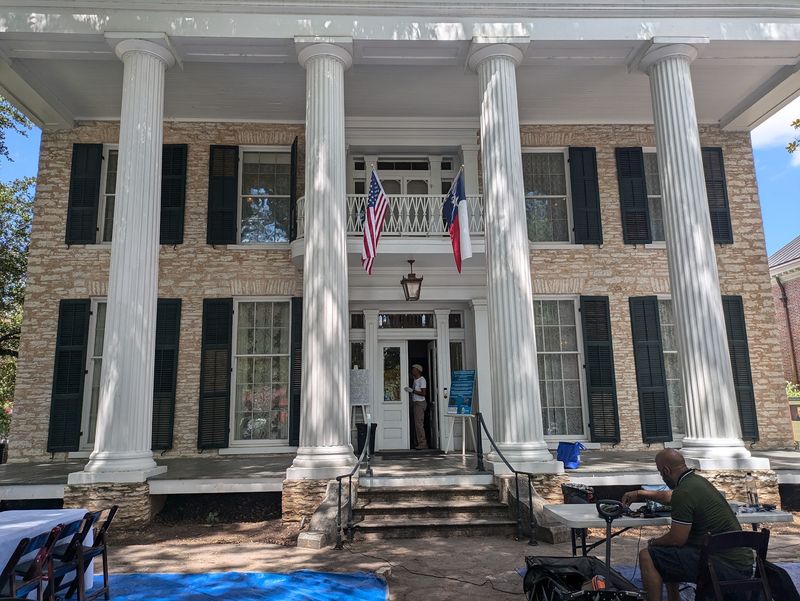
June brings one of the most meaningful days on the museum’s calendar. The Juneteenth celebration has been free to the public, drawing families from across Austin.
Past events have included tours of the restored quarters led by a historical interpreter who helped with the research. Guests have also enjoyed a Juneteenth Black Rodeo exhibit and live gospel music.
One recent celebration featured a ribbon cutting for a Bench by the Road project with the Toni Morrison Society.
Visitors describe these days as deeply meaningful, with kind and devoted volunteers making everyone feel welcome. It is a chance to see the house used as a place of learning and remembrance, not just a pretty backdrop.
If you only visit once, this might be the time to plan around.
Event details and dates can change each year, so check the museum’s website before you go. Summer in Central Texas is hot, too.
Bring water, a hat, and plan for some time in the shade of the grounds.
Small museums like this one depend on community support. Showing up for a free event is an easy way to see that support in action and to learn something new while you are at it.
Hands-On Fun for Young Explorers
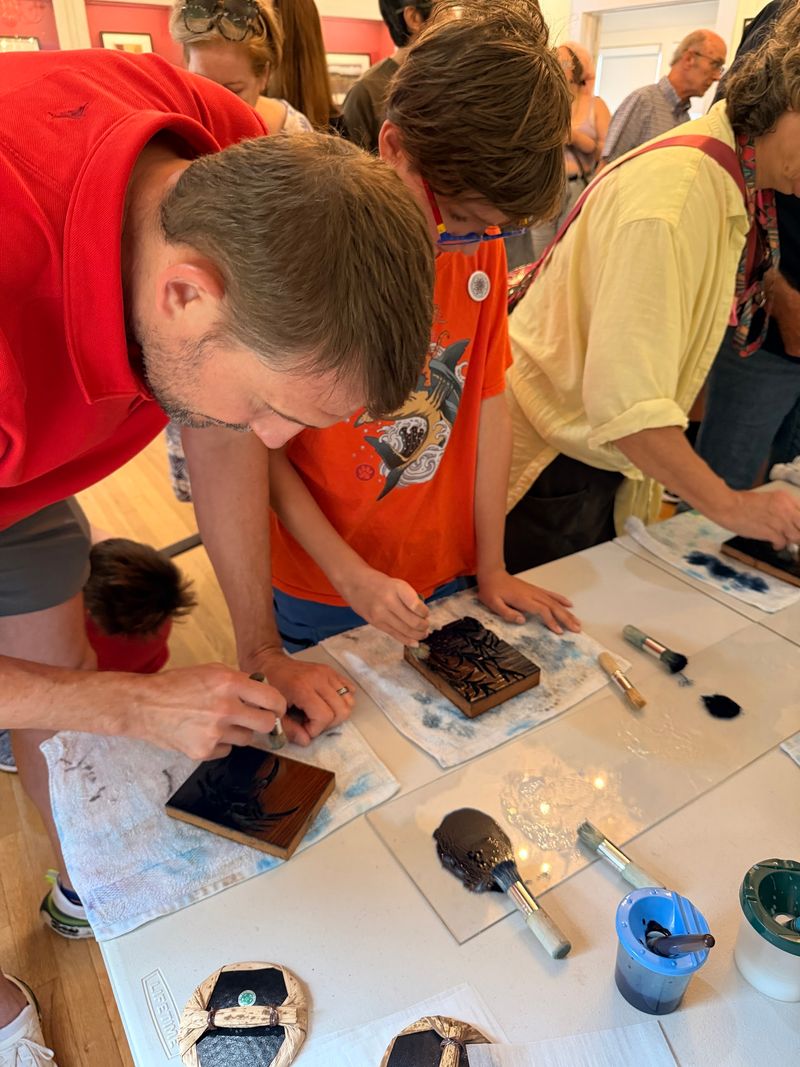
Kids who groan at the word museum might change their minds here. The house offers family activities that turn history into something you can actually touch.
Visitors have mentioned unique projects like Japanese block printing and old-fashioned ice cream making. There is also an eye spy scavenger hunt through the rooms, and kids who finish it can earn a little pin.
That small reward goes a long way with young explorers.
Parents say the museum is a good way to introduce children to historic Austin. It works best for families who already enjoy old houses and antique furnishings.
Very young kids may get restless, so a shorter, focused visit can be the smart move.
Experiences at family events can vary. Some guests have felt staff were stretched thin on busy days, so arriving with a little patience helps.
The museum runs with a small team, and timing your visit for a quieter afternoon may get you more attention.
Bring a curious attitude and let the kids lead the eye spy hunt. You may be surprised how many details they notice that grown-ups walk right past, from carved trim to stitched quilt corners.
Tea Service, Storytelling, and Spring Art
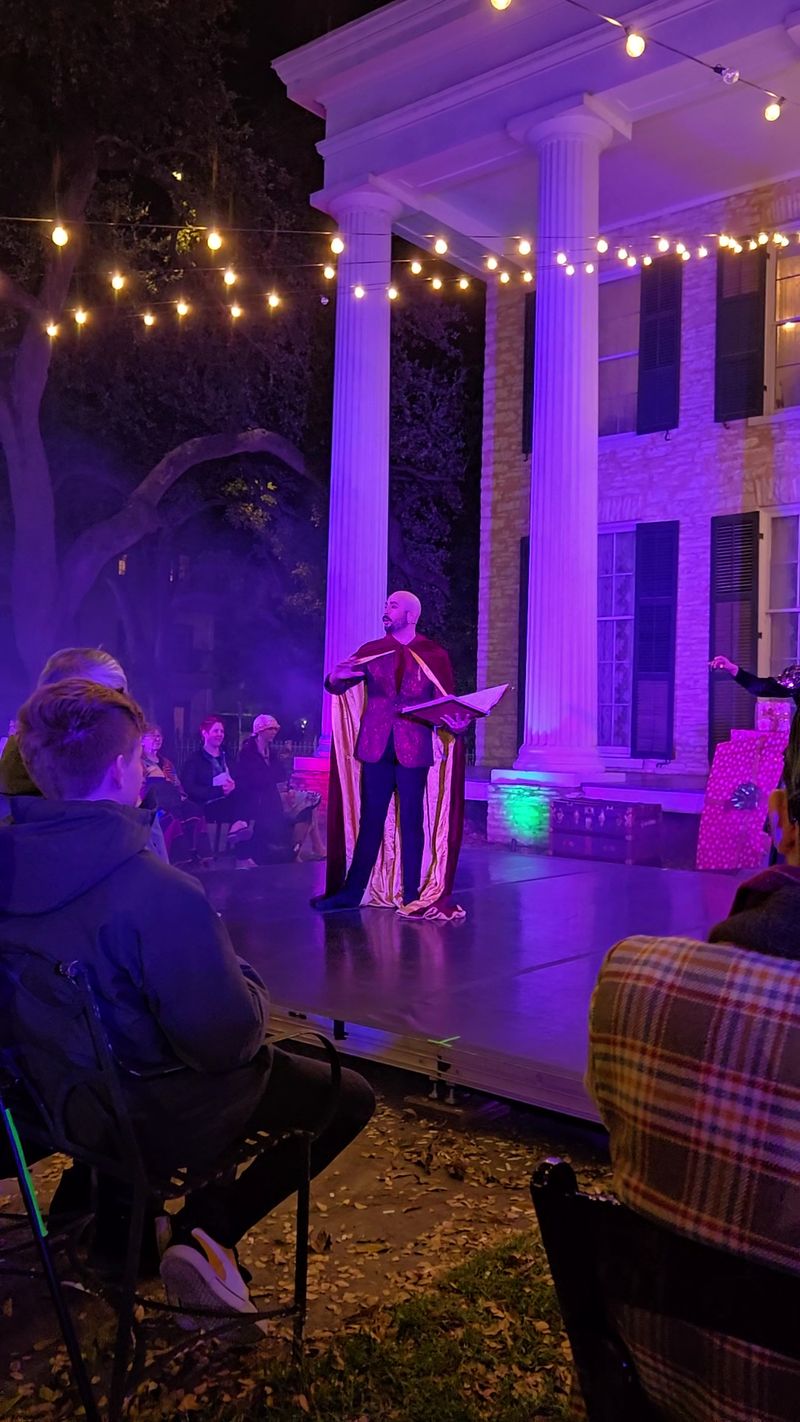
Some people come for the furniture, but others keep returning for the events. The museum’s calendar is surprisingly full for such a small place.
One favorite is a tea service catered by the Austin English Tea Company. Guests have described floral tea blends, simple sandwiches, and quite nice desserts.
Many say the real highlight is exploring the house between sips and chatting with tablemates.
Storytelling on the Lawn is another charming event, with tales shared outside under the trees. Some families have attended several times before ever spending much time indoors.
It is a laid-back way to get to know the place.
Art lovers can look for the spring art show. The museum often highlights local artists, and visitors call the art inside a nice treat.
Seeing new work hung in a 165-year-old home is a fun mix of old and new.
In December, a ballet company moves in for about two weeks, and the house gets busy and lively. Live holiday music has also been part of the season.
If you want a quiet tour, plan around those weeks, but if you love festive energy, they may be the best time of all.
A Calm Pocket in a Busy City
Crowds? Not much of a problem here.
Several visitors say they had the place nearly to themselves, even on weekends.
One guest who stopped by on a Sunday was one of the only people there at the start. That kind of quiet is rare in central Austin, where traffic and noise can feel endless.
Inside these old walls, the pace slows way down.
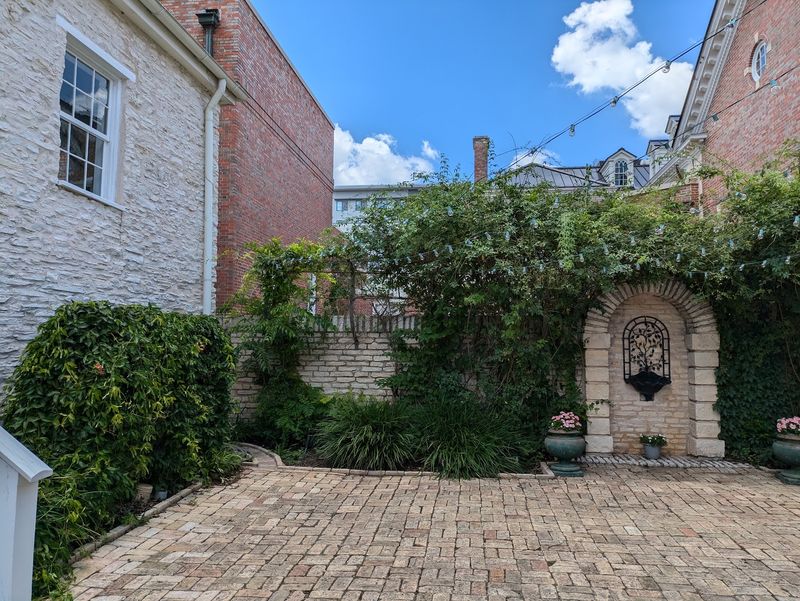
The grounds add to the peaceful mood. Visitors have enjoyed outdoor seating in the garden, and food trucks have parked on the lot at times.
Sitting outside with a snack after a tour is a simple pleasure.
The house has also hosted weddings, and it is easy to see why. One guest said walking around during a wedding felt like experiencing life in that beautiful home.
The columns and lawn make a graceful setting for big moments.
History buffs, architecture lovers, and anyone who enjoys antiques will feel right at home. Folks looking for thrill rides or giant interactive exhibits might want a different stop.
This museum is about atmosphere, details, and stories, and it does that well.
Hours, Tickets, and Free Parking
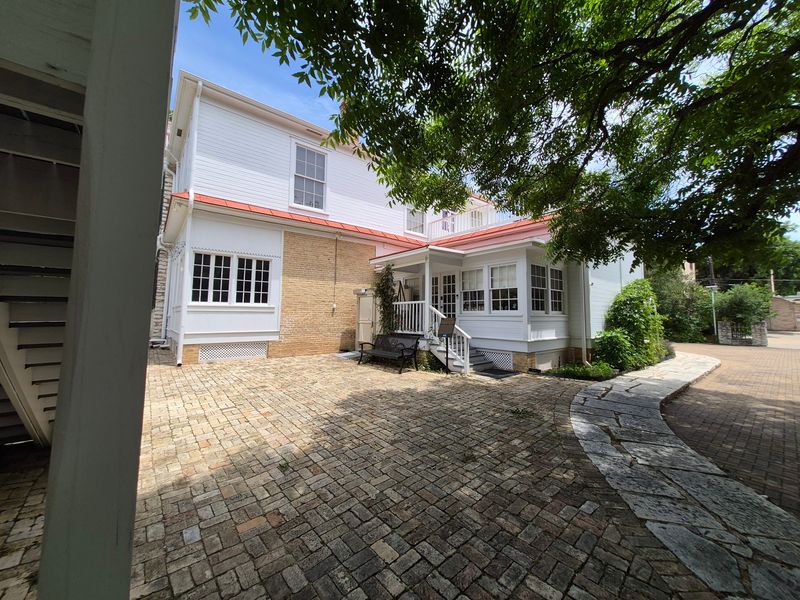
Good news first: there is free parking in the back. Anyone who has circled central Austin looking for a spot knows how big a deal that is.
The museum is open Wednesday through Sunday from 11 AM to 4 PM. It is closed on Mondays and Tuesdays.
Hours may shift around holidays or special events, so a quick call to 512-478-2335 or a look at nchmuseum.org can save you a wasted trip.
Admission has been reported at around $10 per person, though prices can change. Visitors often call it a low entry price for what you get.
Some events, like the Juneteenth celebration, have been free.
A free audio tour, played through your phone, has been included with admission. Self-guided tours let you move at your own pace.
Guided tours may be offered at certain times, and guests who got a guide loved how informative and passionate she was.
Plan on an hour or so for the house and grounds. During summer, the 11 AM opening is a smart time to arrive before the afternoon heat peaks.
Avoid the busy December ballet weeks if you want the rooms fully set up and quiet.
Worth the Detour for History Lovers
Not every great stop needs a big sign or a long line. Sometimes the best finds are the quiet ones you almost miss.
The Neill-Cochran House Museum offers a rare mix of beauty and honesty. You get Abner Cook’s elegant columns, rooms of antique furnishings, and that 1880 wicker set still in the house.
You also get a sincere look at the people whose labor and lives were part of the property’s past.
It is not a flashy attraction, and a few guests have had uneven experiences on hectic days. Most visitors, though, leave impressed by the history, the friendly volunteers, and the peaceful setting.
Many say they want to come back.
For Texans who love places that stay true to themselves, this old house is an easy pick. Pair it with a weekend in Austin, a food truck lunch, or a free community event.
You will drive away knowing a little more about the capital city than you did that morning.
So next time you are near West Campus, skip the chain stops for an hour. Park out back, walk up those historic steps, and let the house tell you its story.