The first Apple computers came together in a family garage on a quiet suburban street. That garage still stands, and it sits in a town now stuck with a very fussy nickname.
This California city keeps landing on lists of the state’s snobbiest places. Big houses, high prices, and a polished downtown make that label easy to slap on.
I believe that shortcut skips the best parts. This place began as a railroad-era village surrounded by orchards.
It still keeps a farmhouse museum, a redwood creek preserve, and a walkable little downtown.
I like a town that shrugs off a tough reputation without trying too hard. So is this spot truly stuck-up, or just quietly proud of a story most people never hear?
The answer gets more interesting the closer you look.
A Small Silicon Valley Town With A Big Reputation To Shake
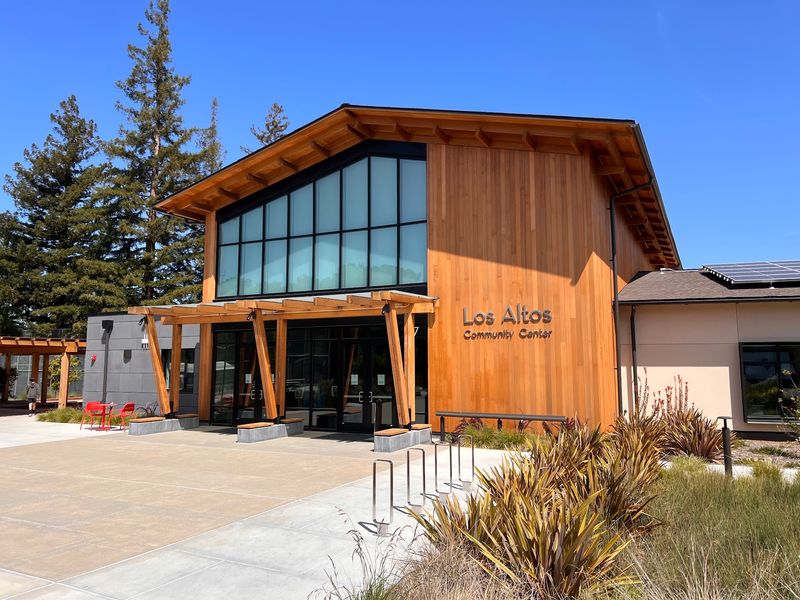
Los Altos, California, sits in Santa Clara County, right in the San Francisco Bay Area. It’s a small city, with 31,625 residents counted in the 2020 census.
You’ll find it wedged between bigger names like Palo Alto and Mountain View. That location explains a lot about how outsiders see it.
Tech money flows through this whole region, and Los Altos is no exception. Homes here carry eye-popping values, and streets stay tidy and green.
Put those together, and the snobby headlines almost write themselves. Still, a quick label rarely tells the whole story of a place.
Most of the city’s growth happened between 1950 and 1980. That means much of Los Altos grew up as a postwar family suburb, not a gated enclave.
Ranch homes, school routes, and neighborhood parks shaped its everyday rhythm. Plenty of that small-town feel still shows up today.
So before judging, it helps to look at what Los Altos actually offers. The answers include tech history, an old farmhouse, a creekside redwood grove, and a downtown built for strolling.
None of those things require a fancy invitation. That alone makes the snooty crown feel a little crooked.
Why The Snobby Crown Fits So Awkwardly
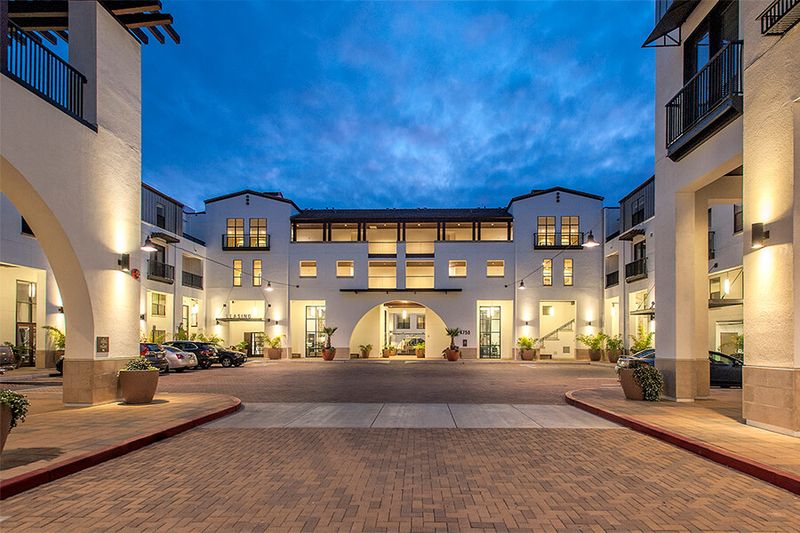
Online rankings love easy math. Take home prices, household incomes, and education levels, then crown a winner.
By that formula, Los Altos scores high every time. Few Bay Area towns can match its numbers on paper.
But numbers can’t measure how a town actually feels on a Saturday morning. They can’t count kids biking downtown or neighbors volunteering at a local museum.
Those details matter more to the people who live there. A spreadsheet simply misses them.
Los Altos also lacks some classic snob signals. There’s no towering skyline, no flashy resort strip, and no velvet-rope nightlife scene.
The downtown is compact and low-slung on purpose. It feels more like a village than a luxury showroom.
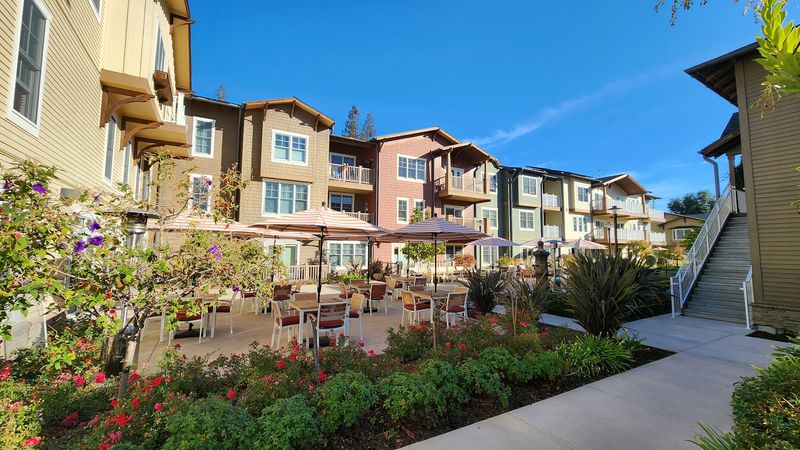
Of course, wealth here is real, and pretending otherwise would be silly. California’s housing costs hit this area hard, and Los Altos sits near the top of that ladder.
Yet expensive and snobby aren’t the same word. One describes a price tag, and the other describes an attitude.
I think the town deserves to be judged on what it shares with visitors. Spoiler: much of it is free to enjoy.
Orchards, Rail Lines, And A Town Built Around A Train
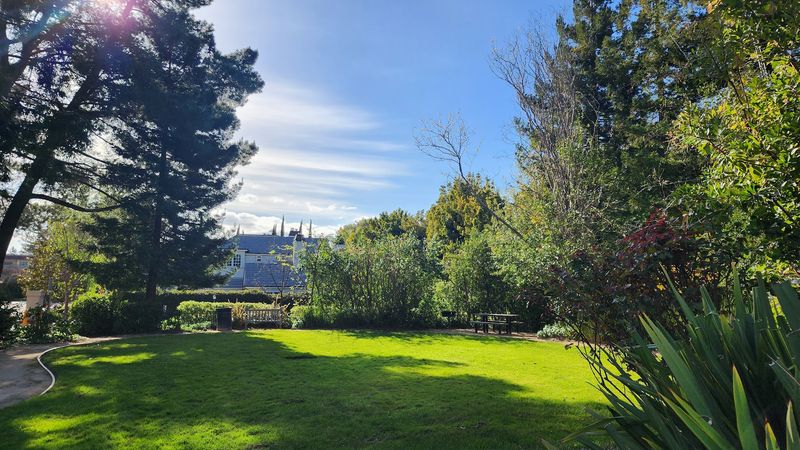
Long before startups, this land grew fruit. Apricot and prune orchards once covered much of the valley around Los Altos.
That farming past still shapes how locals tell their story. It’s a far cry from the glossy image in today’s rankings.
The town itself started around 1907, tied to a Southern Pacific rail line. Developer Paul Shoup helped plan a village where people could ride trains to work and come home to quiet streets.
Picture an early commuter town, minus the traffic apps. The idea was simple living with easy access.
Los Altos officially incorporated in 1952. Right after that, the postwar boom kicked in, and orchards slowly gave way to homes.
Families poured into the area through the 1950s, 1960s, and 1970s. Schools, parks, and shops followed close behind.
Fun fact: the old rail corridor didn’t vanish completely. Much of its route later became Foothill Expressway, which drivers use daily without realizing the history underneath.
That’s a pretty humble origin for a so-called snob capital. Fruit pickers and train riders laid the foundation long before tech fortunes arrived.
The Famous Garage Sitting On A Very Normal Street
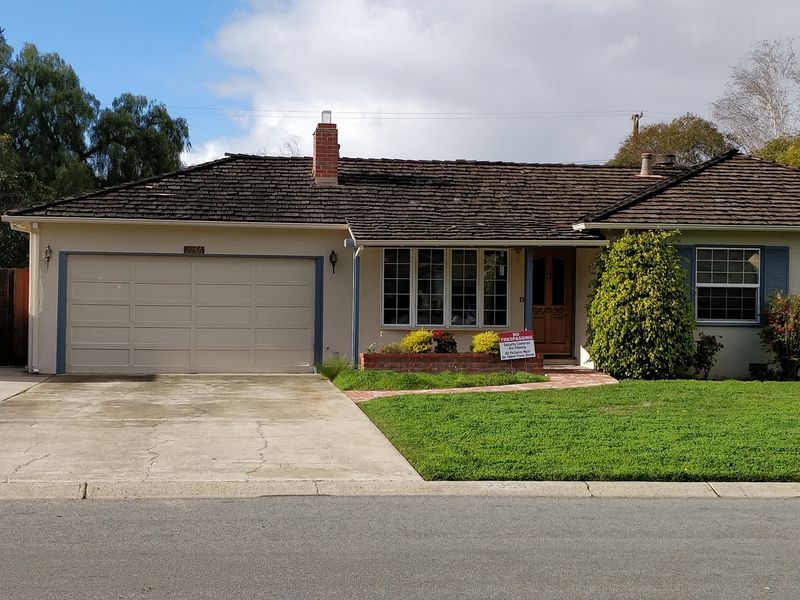
Talk about an unassuming landmark. The home at 2066 Crist Drive looks like any other ranch house on the block.
Yet in 1976, Steve Jobs and Steve Wozniak worked on early Apple computers there. The Jobs family garage became part of tech legend.
Los Altos added the property to its list of historic resources in 2013. That’s a big deal for a garage that once held tools, boxes, and circuit boards.
It also says something about this town. Its most famous story started in a family home, not a fancy office.
Here’s the important part for visitors. The house is a private residence, so it’s strictly a look-from-the-sidewalk stop.
Be respectful, keep it quick, and don’t crowd the driveway. Neighbors still live on this street every day.
Fans of tech history often pair this stop with nearby Silicon Valley landmarks. It fits easily into a relaxed afternoon drive.
I like how ordinary the setting feels. A world-changing company began here among lawns, mailboxes, and family cars, which might be the least snobby origin story imaginable.
A Downtown That Moves At Strolling Speed
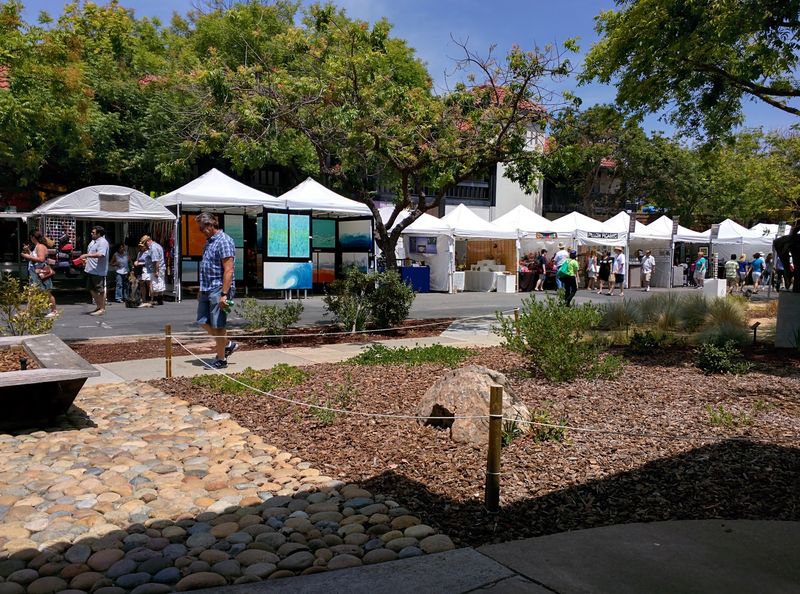
Low buildings, shady sidewalks, and plenty of independent storefronts. Downtown Los Altos keeps things human-sized.
Main Street and State Street form the heart of the area. Both are easy to cover on foot in one unhurried visit.
You won’t find a giant mall here. Instead, you get local shops, cafes, bakeries, and restaurants packed into a few walkable blocks.
It feels closer to a village square than a shopping center. That’s part of the original small-town vision.
Seasonal events help the area feel lively. Los Altos has hosted a summer farmers market on State Street, bringing produce stands and neighbors together.
Check the city’s event calendar before planning around it. Schedules can shift from year to year.
Families with strollers, retirees with coffee, and teens on bikes all share these sidewalks. Nobody needs a dress code to browse a bookstore or grab a pastry.
So much for exclusivity. The downtown works best when you slow down, wander, and duck into whatever catches your eye.
Give it a couple of hours and an open schedule. That’s really all this charming district asks.
An Old Farmhouse Keeps The Orchard Days Alive
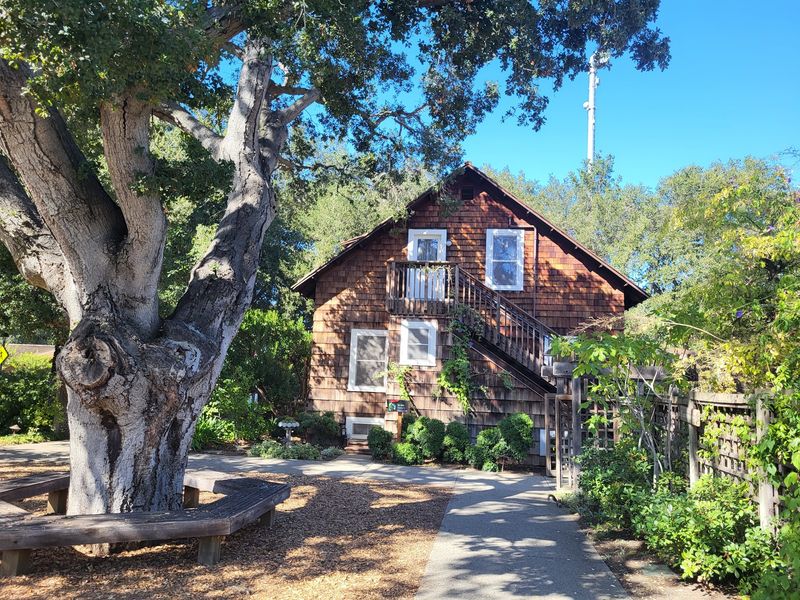
Right next to downtown sits a reminder of the town’s fruit-growing roots. The Los Altos History Museum makes that past easy to explore.
You’ll find it at 51 South San Antonio Road, Los Altos, CA 94022. It’s a short walk from the Main Street shops.
The museum campus includes the J. Gilbert Smith House, a farmhouse dating to the early 1900s.
It shows how orchard families once lived before the suburbs rolled in.
Exhibits in the main building cover local history and changing displays. Topics often connect farming days to the valley’s later tech story.
Better yet, the grounds include a historic apricot orchard. In spring, blossoms turn the trees into a soft, cheerful sight.
It’s a lovely, living link to the era when fruit ruled the valley. Kids can see where the area’s roots literally grew.
Check the museum’s schedule before heading over. Days and hours can change, especially around special exhibits and events.
I can’t imagine a better place to rethink the snobby label. A town that preserves a farmhouse and orchard clearly values its humble beginnings.
Redwoods And A Creek Hiding In Plain Sight
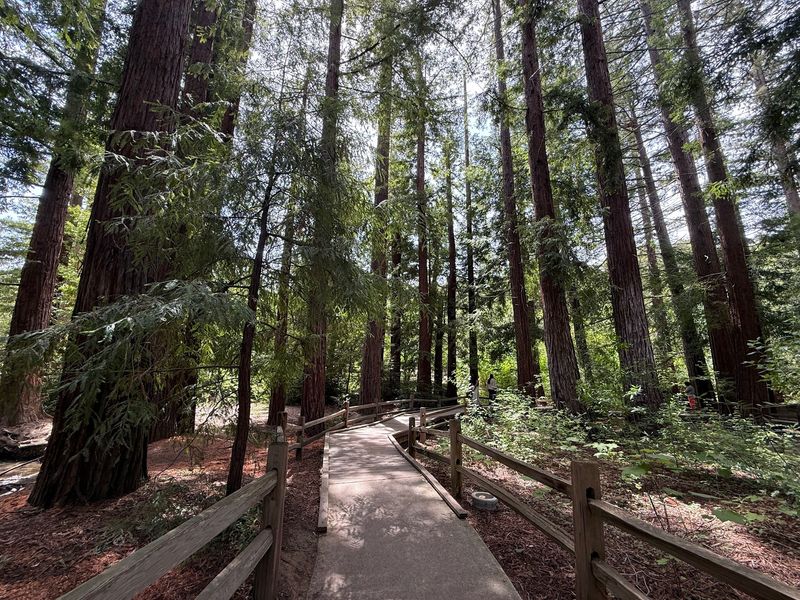
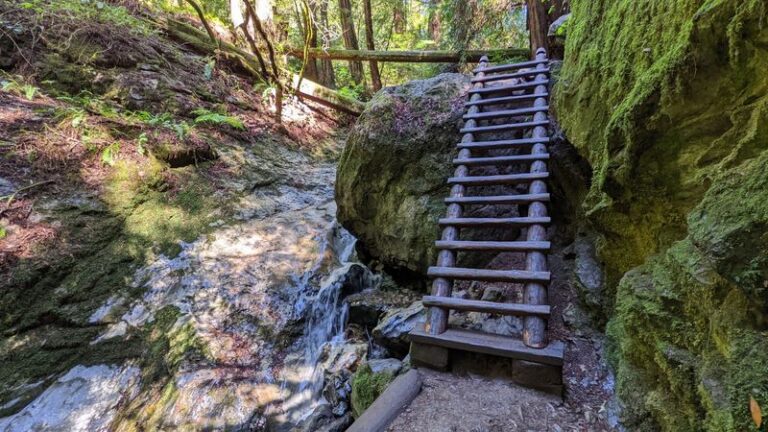
Tall redwoods in the middle of a suburb? Los Altos pulls it off at Redwood Grove Nature Preserve.
The preserve sits along Adobe Creek, close to downtown. It offers a shady break from busy streets in just a few steps.
Trails here are short and easygoing. That makes the preserve a nice fit for families, casual walkers, and anyone needing fresh air.
Redwood trees tower over the paths. The creek adds a calm, natural backdrop that feels far from traffic.
The city has worked on restoring native plants in the area. Volunteer efforts have helped care for the land over the years.
That community involvement says plenty about local priorities. People pitch in to protect a small, shared green space.
Visiting in fall or winter works well, too. Cooler weather makes a shaded creek walk feel cozy rather than chilly, especially with a warm drink waiting downtown afterward.
Bring comfortable shoes, and stay on marked trails. Leashed dogs and quiet voices keep the grove peaceful for everyone.
It’s proof that California nature doesn’t always require a long drive. Sometimes it’s waiting just a few blocks away.
Getting There Without Any Fancy Fuss
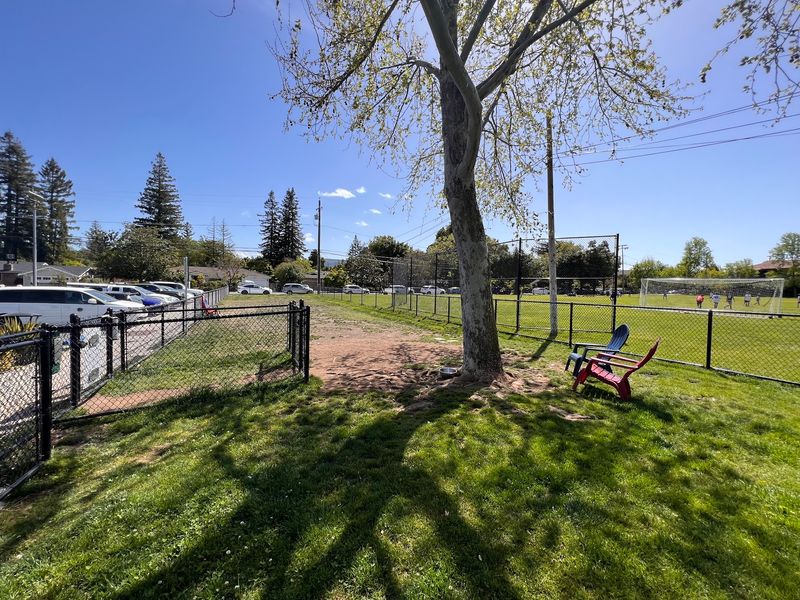
Good news for road-trippers. Los Altos is easy to reach from almost anywhere in the Bay Area.
Interstate 280 runs along the southern edge of town. Foothill Expressway and El Camino Real also connect it to nearby cities.
Coming by train? Los Altos lost its own passenger rail decades ago, but Caltrain stops in neighboring Mountain View and Palo Alto.
From there, a short drive or rideshare gets you downtown. Biking is another option for confident riders.
Downtown has public parking lots behind the main shopping streets. Read posted signs carefully, since time limits can apply.
Weekday mornings often offer a calmer start. That leaves more time for browsing without circling for a spot.
Plan a loop that covers the history museum, downtown shops, and Redwood Grove. A quick sidewalk glance at the Apple garage can round things out.
Most of these stops sit within a few miles of each other. One relaxed day covers the highlights nicely.
Prices for food and shopping vary widely. Like much of Silicon Valley, it can lean pricey, so budget accordingly.
Snobby Or Just Quietly Proud Of Its Roots
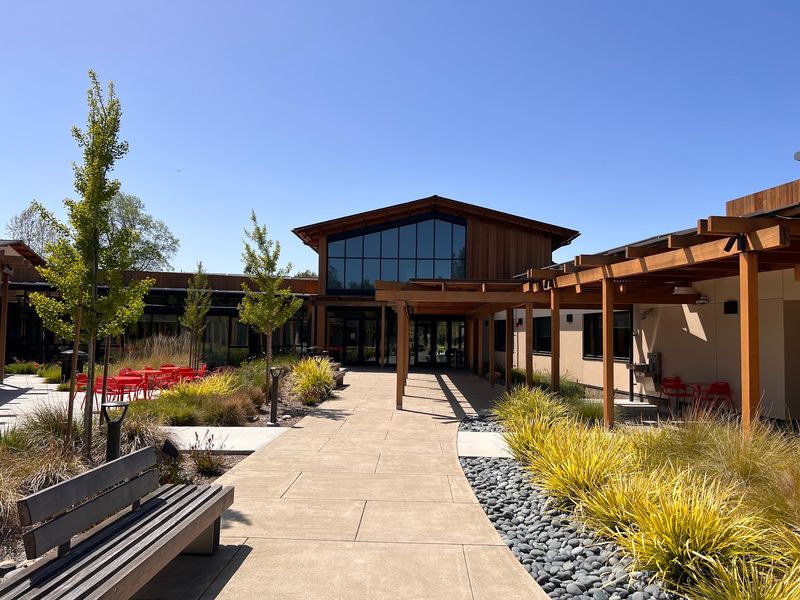
After all that, the crown looks a little wobbly. Los Altos is wealthy, sure, but wealth is only one chapter.
The rest of the story includes orchards, railroads, and a garage that changed the world. That’s a richer tale than any ranking captures.
Visitors get plenty for free here. A redwood creek walk, an orchard campus, and window shopping downtown cost nothing to enjoy.
Families, history fans, and tech buffs will all find something. Anyone craving a slower Bay Area afternoon fits right in, too.
Is it the right place for a wild night out? Probably not, since the town’s charm leans calm and neighborly.
Travelers who prefer quiet strolls will feel more at home. Loud thrill-seekers may want to look elsewhere in California.
I believe labels stick because they’re short and catchy. Real towns are messier, warmer, and far more interesting up close.
So go see Los Altos for yourself. Walk the downtown, admire the apricot trees, and peek at that famous garage.
Then decide whether snobby fits. My guess is that a better word, like proud, will come to mind.