A wagon bed with a hollow space under the floorboards sounds like a magic trick. In southwest Michigan, it was a real tool for freedom on the long road toward Canada.
The buildings tied to that story didn’t vanish over time. Several still stand in small Michigan towns, close enough to a busy state highway that you could pass them on a grocery run without a second look.
I love that this history isn’t locked behind glass in some faraway city. Local volunteers keep these homes open, share the stories of Quaker families, and explain how ordinary farmers and a country doctor took enormous risks for strangers.
So the next time you cruise through farm country, you might want to tap the brakes and look around. How many times have you already driven right past one of these places without knowing?
1. Dr. Nathan Thomas House – Underground Railroad
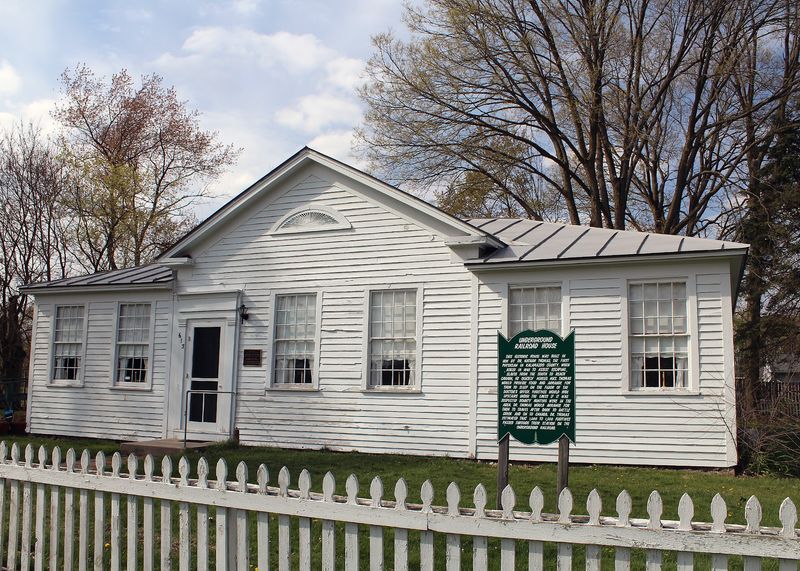
Plenty of small-town doctors made house calls, but Schoolcraft’s first physician turned his own house into a refuge. Dr. Nathan Thomas and his wife, Pamela, sheltered freedom seekers here in the years before the Civil War.
Their home dates to the 1830s, making it one of the older buildings in this little Kalamazoo County village. Historians estimate the couple helped somewhere between 1,000 and 1,500 people on their way north.
Today the local historical society cares for the house, and the preservation work clearly shows. Furnished rooms come with informational plaques and artifacts, so you can follow the story room by room.
Fair warning, the house isn’t large, so it can feel snug when a tour group fills it. Opening days are limited and may be tied to special occasions like the Fourth of July, so check the schedule before you head out.
Kids are welcome, and there’s parking right on site. Honestly, standing inside a real Michigan safe house beats any textbook chapter on the subject.
Address: 613 E Cass St, Schoolcraft, MI 49087
2. The James E. Bonine House
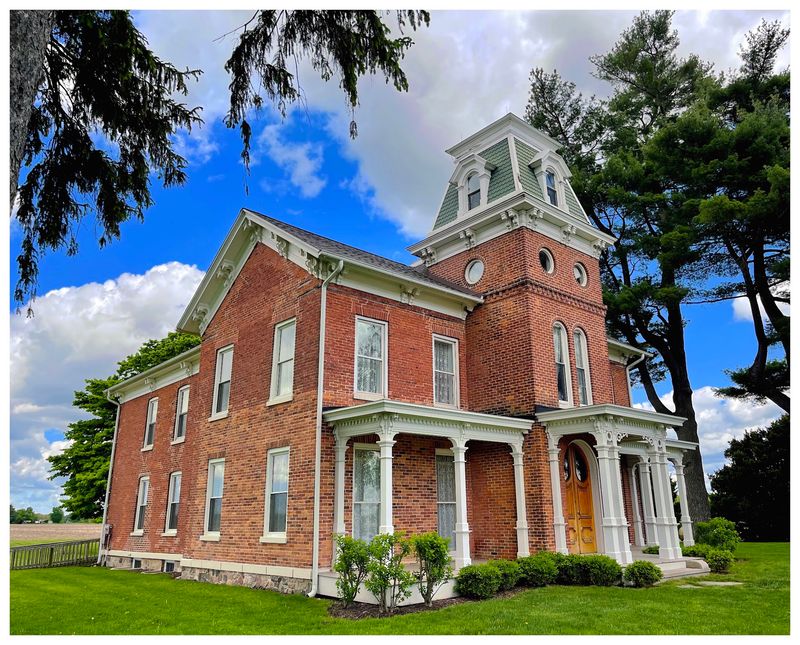
Vandalia is home to only a few hundred people, yet it punched way above its weight in the fight against slavery. Quaker families around this Cass County village earned a reputation for helping freedom seekers, and one standout home sits at the center of that story.
James E. Bonine was a Quaker abolitionist, and his house along M-60 served as a station on the journey north to Canada.
The Underground Railroad Society of Cass County now uses it to share that history with visitors.
Volunteers have assembled a presentation on local families and their role in the network. You’ll hear how neighbors in a quiet farming area organized something remarkably brave.
Weekday afternoons are your window, with hours listed as Monday through Friday from 2 to 5 p.m. Weekends are closed, so a summer weekday road trip may work best.
Children are welcome, and on-site parking keeps the visit easy. Curious kids who ask a million questions will love it, because the answers here are real and local.
Address: 18970 M-60, Vandalia, MI 49095
3. The Carriage House
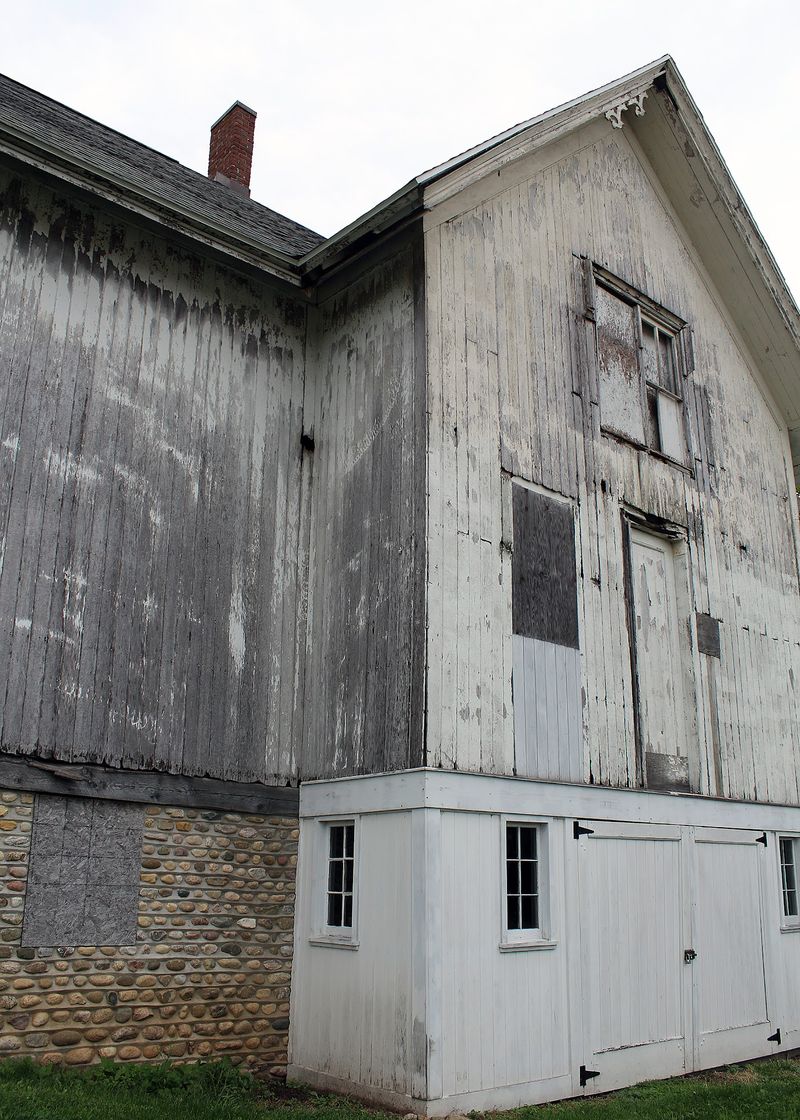
Secret passageways get the spotlight in movies, but the clever engineering here rolled on wheels. Carriages kept in this building had hollow, covered spaces built right into their wagon beds.
Those hidden compartments let conductors move freedom seekers along the road without drawing attention. A farm wagon heading to town looked perfectly normal to anyone watching from the roadside.
The building stands along M-60 in Vandalia, just across the road from the Bonine House. That pairing lets you see two parts of the same station in a single stop.
It’s maintained as part of the Underground Railroad Society of Cass County complex. Thinking about the drivers who held those reins gives the place a quiet weight you won’t shake easily.
Vandalia sits in a corner of Michigan with deep Quaker roots and a long record of resistance to slavery. Pair this stop with its neighbor, and your afternoon turns into a hands-on history lesson.
Bring your questions, since the society focuses on telling this local story well. You’ll probably leave looking at old barns a little differently.
Address: 18975 M-60, Vandalia, MI 49095
4. Stephen Bogue House and Historical Marker
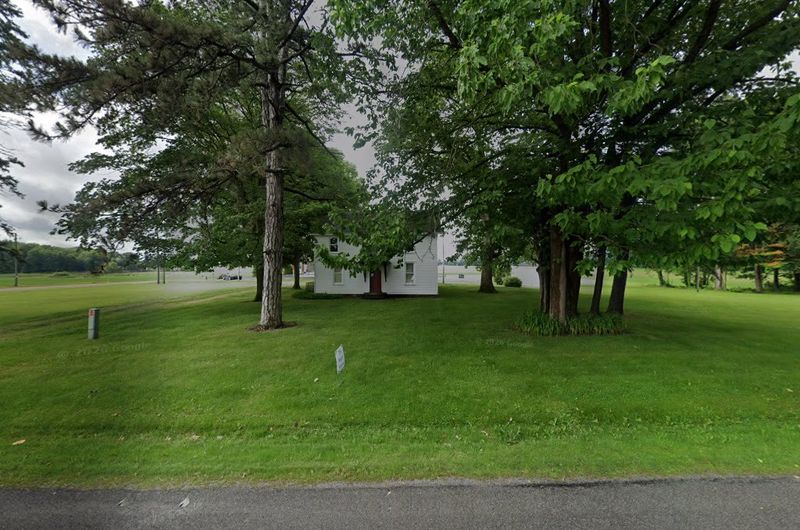
Farmland surrounds this spot outside Cassopolis, and that calm setting hides a bold chapter of Michigan history. Stephen Bogue was a Quaker abolitionist whose home served as a station for people escaping slavery.
His name comes up often in accounts of the Kentucky Raid of 1847, when slave catchers came into Cass County. Local residents, Bogue among them, stood up to the raiders, and many of the people targeted eventually made it to Canada.
A historical marker along M-60 tells the story for passing drivers. It’s the kind of sign most folks zip by at highway speed, which feels a little unfair to such a big piece of history.
Wheelchair-accessible parking makes it simple to pull over and read. The site also works nicely as a final stop after Vandalia, since it sits on the same highway a short drive away.
Families will find it an easy add-on, especially with younger travelers who need a quick stretch. Spend a few minutes here, and the fields around you start to look like a map of courage.
Address: M-60, Cassopolis, MI 49031