Some of the best stops in Texas start with a growling stomach and a random exit sign. You pull off the highway hoping for a quick bite, and suddenly you are standing near old rails, brick streets, and a story much bigger than the town looks from the road.
East Texas is full of places like this, quiet spots that hold on tight to the days when trains shaped everything. This one is worth slowing down for, and once you hear its story, you may never zoom past it again.
A County Seat Tucked Into the Piney Corner of East Texas
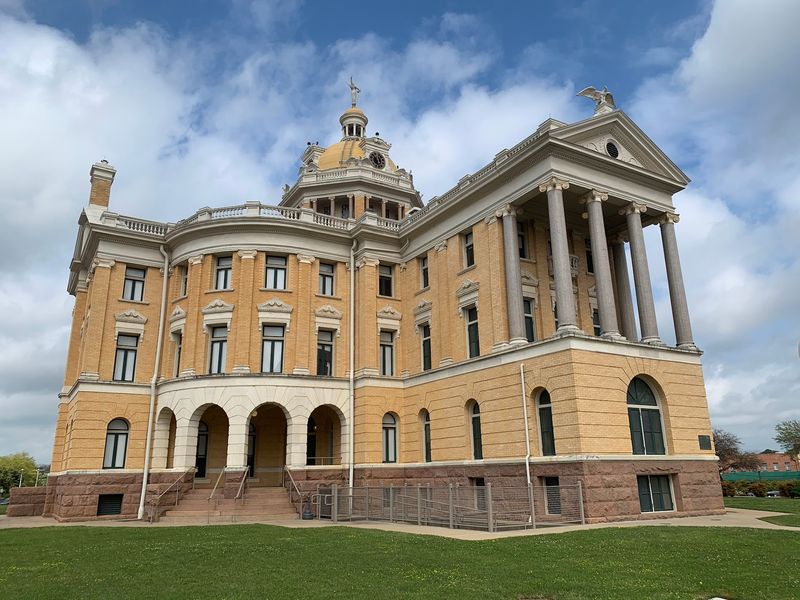
Picture the far eastern edge of Texas, close enough to Louisiana that the accents start to blend. That is where you will find Marshall, the county seat of Harrison County.
It sits in the Ark-La-Tex region, where Arkansas, Louisiana, and Texas meet.
Plenty of drivers know the name only as a highway sign. Yet Marshall is more than a pass-through point.
It is known as a cultural and educational center for the whole region, which is a big role for a town of its size.
Numbers help paint the picture. The 2020 census counted 23,392 people living in the city itself.
The wider Greater Marshall area, which covers all of Harrison County, was home to about 66,726 people in 2018.
So it is not a tiny dot on the map, but it is not a busy metro either. It lands right in that sweet spot where you can still find parking, chat with a stranger, and feel the weight of history around you.
For travelers who love towns with layers, that balance makes Marshall a promising place to stop and look around.
Rails That Shaped the Map
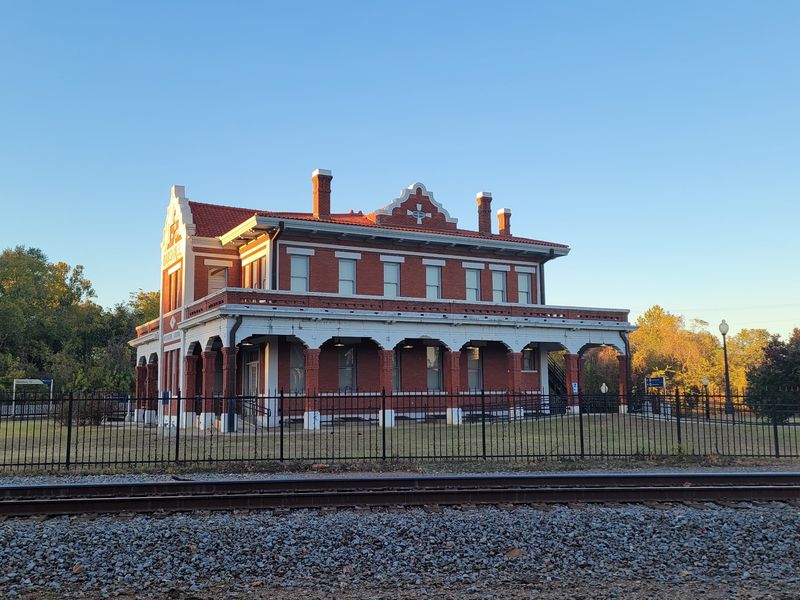
Long before interstates, the fastest way to connect a town to the rest of the country was a set of steel rails. Towns across East Texas grew up around those tracks.
Marshall is one of the places where that railroad story still feels close to the surface.
Think about what a train meant back then. It carried crops out, brought goods in, and pulled families and workers into town looking for jobs.
A whole community could rise or fall depending on whether the tracks came through.
When you walk around a railroad town today, you start to notice clues. Streets line up near the old right-of-way, brick buildings cluster near where depots once buzzed, and older residents can often point out where things used to be.
That is the fun part of visiting a place like Marshall. You are not just seeing a building or two.
You are reading a town shaped by the rhythm of arriving and departing trains, and once you know to look, the clues seem to pop up everywhere.
The Depot as Keeper of Memory
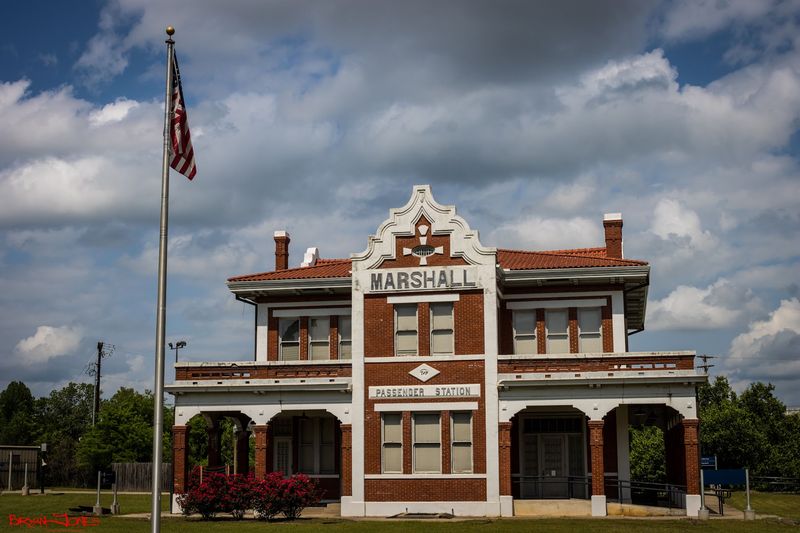
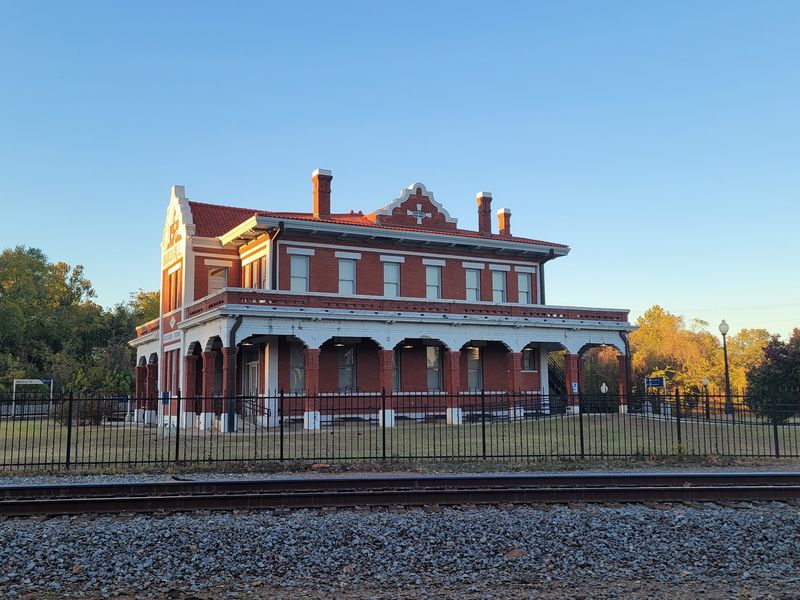
Old depots have a special kind of quiet. Even when no train is due, you can almost hear the shuffle of suitcases and the call of a conductor.
In railroad towns, these buildings often become the place where local memory gets stored.
Marshall is closely tied to its train-era past, and its depot heritage is one of the main reasons rail fans and history lovers make the detour. Standing on a platform like this, you get a sense of how many people once passed through on their way to somewhere new.
Depots were the front door of a town. Visitors got their first look at a place there, and locals said their goodbyes there too.
That makes them emotional spaces, not just practical ones.
Before you go, check the city website for current details on what is open to visitors and when. Schedules for small history sites can change with the seasons, and a quick look ahead keeps you from arriving to a locked door.
Stories Hidden in Plain Sight
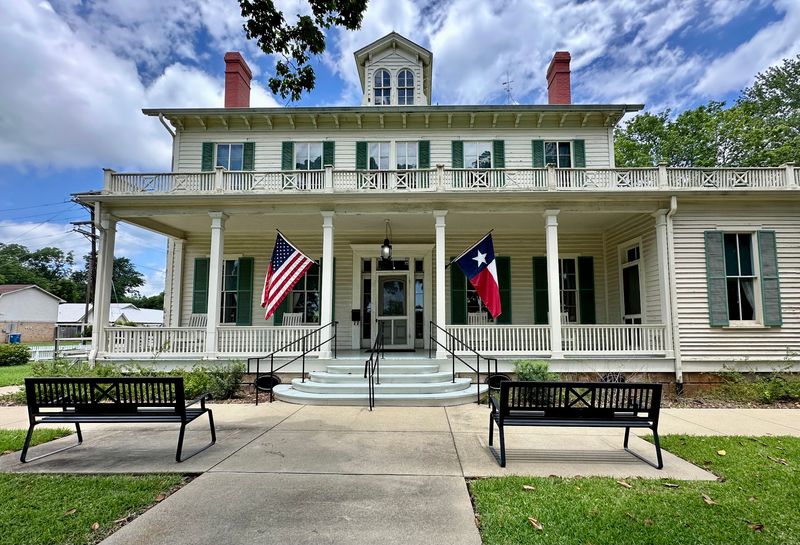
Here is a little secret about small-town history. The best parts are rarely on a big sign.
They live in old photos, worn lanterns, and the stories people tell over a cup of coffee.
Railroad towns like Marshall are packed with that kind of history. Families often have a grandparent or great-uncle who worked near the tracks.
Buildings that look ordinary from the car window might have served the rail trade long ago.
Slowing down is the key. Peek into windows, read any historical markers you pass, and ask locals what they remember.
You may be surprised how quickly a simple question turns into a twenty-minute tale.
Kids enjoy this kind of exploring too. Turn it into a scavenger hunt by asking them to spot anything connected to trains, from tracks and signals to old painted signs.
It keeps young travelers curious and helps everyone notice details they would otherwise miss.
Brick Streets and a Learning-Town Spirit
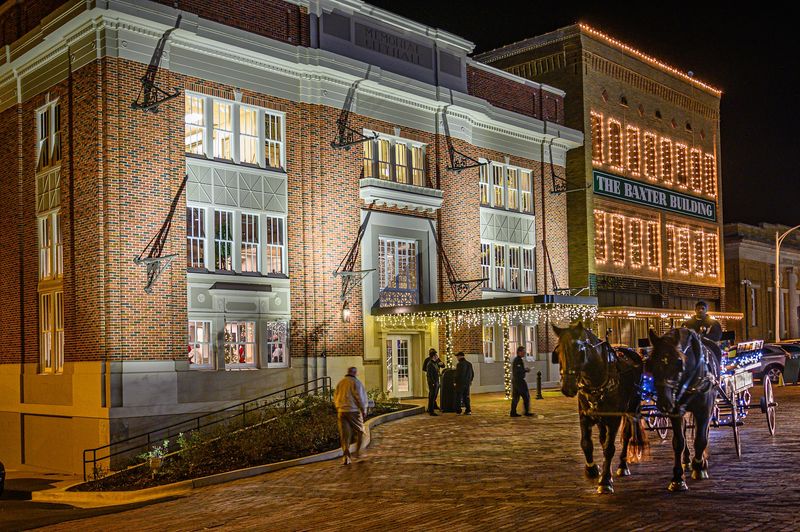
Not every railroad town grows into a hub for culture and learning. Marshall did.
It is described as a cultural and educational center for the Ark-La-Tex region, which gives the town a slightly different energy than you might expect.
That mix matters for visitors. You get the old railroad bones, plus a community that values ideas, schools, and the arts.
It is the kind of place where history is not just stored away but talked about.
Downtown is where you feel this best. A slow walk past historic storefronts gives you a sense of how the town has layered new life on top of old foundations.
Bring comfortable shoes and give yourself time. The point is not to check boxes but to wander, read the buildings, and let the town reveal itself bit by bit.
Many travelers find that the hour they planned turns into an afternoon without them noticing.
Who Will Love a Slow Stop Here
Some travelers want thrill rides and giant attractions. Others light up at the sight of a weathered depot sign.
Marshall is made for that second group.
History buffs will enjoy tracing the railroad story through the town. Photographers will find great textures in old brick, rails, and small-town streets.
Road-trippers heading between Dallas and Shreveport get an easy chance to stretch their legs with something more interesting than a gas station.
Families can make it work too, especially if the kids have any interest in trains. A short visit filled with tracks, depots, and stories can feel like a mini adventure.
Folks looking for nightlife or big crowds may want to keep driving. The charm here is quiet and steady.
If you like towns that ask you to slow your pace and pay attention, you will feel right at home.
Practical Notes Before You Exit the Highway
Getting to Marshall is simple. The town sits in far East Texas in Harrison County, close to the Louisiana line, making it an easy stop for anyone traveling the Ark-La-Tex corridor.
For the most up-to-date information, the city keeps a website at marshalltexas.net. That is the best place to check event schedules, visitor details, and any changes to hours at local history sites.
Small-town attractions sometimes keep limited hours, so planning ahead pays off.
A few easy tips help too. Pack water on warm days, since East Texas summers can be humid.
Wear shoes you can walk in, because the best details show up on foot.
Also leave some wiggle room in your schedule. The whole joy of a stop like this is following a side street or a friendly conversation wherever it leads.
Rushing through defeats the purpose.
Worth Pulling Over For
Plenty of Texas towns flash by in a blur of signs and exit numbers. Marshall deserves better than that.
Behind its everyday look sits a county seat with real regional weight, a strong railroad heritage, and a community proud of its culture and learning. It is the kind of place that rewards curiosity rather than speed.
You do not need a whole weekend to enjoy it. Even a couple of hours spent near the tracks and along historic streets can change how you see the region.
Stretch it into a full day, and you will likely leave with a camera roll full of old brick and a few stories to share.
Next time your route runs through East Texas, take the exit. Let the rails, the depots, and the quiet streets tell you what most drivers never stop long enough to hear.