A county board once approved room for up to 37 data centers on farmland bordering a Civil War battlefield. The approval came after a public hearing that ran for more than 24 hours.
The project covered roughly 2,100 acres along one rural road in Virginia. Supporters promised big tax money.
Opponents saw warehouse-sized buildings, power lines, and humming machines pressed against hallowed ground.
Then a group of neighbors did something most people only grumble about. They sued.
A judge later tossed out the rezoning votes, and the reason was surprisingly simple.
I love this story because it isn’t about one dramatic protest. It’s about years of meetings, paperwork, and people who refused to stop showing up.
So how did homeowners, historians, and a few stubborn residents slow down one of the biggest data center plans in the country? The answer comes in 37 pieces.
1. The Digital Gateway Plan
Big projects usually come with big names, and this one picked a shiny one. The Prince William Digital Gateway was pitched as a tech corridor for the future.
The plan covered roughly 2,100 acres in western Prince William County. Developers hoped to fill that land with data center campuses.
Data centers are the buildings that store and move the internet. Your photos, streaming shows, and work emails live in places like these.
Northern Virginia already hosts one of the largest clusters of them anywhere on Earth. So adding another giant zone might sound routine at first.
The catch was location. The Gateway land sat right next to Manassas National Battlefield Park, one of the most famous Civil War sites in the country.
That pairing turned a zoning question into a years-long fight. Neighbors, preservation groups, and county leaders all ended up pulled into it.
Address: Pageland Lane, Gainesville, VA 20155
2. Pageland Lane
One skinny country road became the most argued-about strip of pavement in the county. Pageland Lane runs along the western edge of the battlefield park.
For years, the area felt rural. Homes sat on big lots, and fields stretched toward the woods.
The Digital Gateway land lined this corridor. That’s why you’ll often hear the fight called the Pageland Lane battle.
Picture the contrast in your head for a second. On one side, preserved battlefield ground, and on the other, a proposed wall of server buildings.
Opponents argued the road simply wasn’t built for that kind of change. Construction traffic and new infrastructure would reshape it completely.
Supporters saw it differently. To them, Pageland Lane was land sitting next to existing power and fiber routes, ready for growth.
Address: Pageland Lane, Gainesville, VA 20155
3. Manassas National Battlefield Park
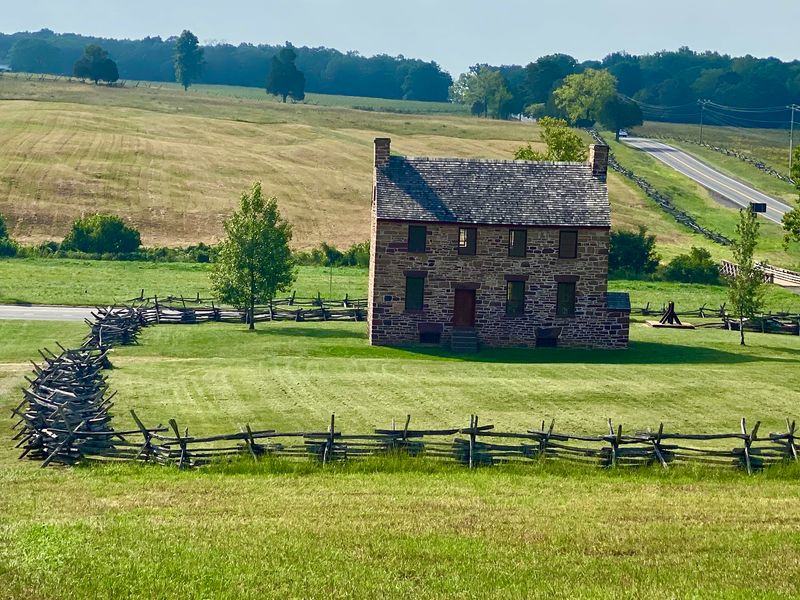
Two major Civil War battles happened here, and the National Park Service has protected the ground since 1940. That history is the heart of this whole story.
The First Battle of Manassas took place in July 1861. The Second Battle of Manassas followed in August 1862.
Today the park covers more than 5,000 acres of fields, woods, and historic buildings. You can walk trails, drive tour stops, and stand on ground soldiers crossed.
That’s what made the Gateway proposal so touchy. Visitors come for quiet landscapes that look much like they did in the 1860s.
Preservation groups warned that giant buildings next door would change the view. Some feared they’d also bring noise you could hear from the trails.
So the park wasn’t just a neighbor in this fight. It was the reason so many people outside Virginia started paying attention.
Address: 6511 Sudley Road, Manassas, VA 20109
4. Second Manassas Ground
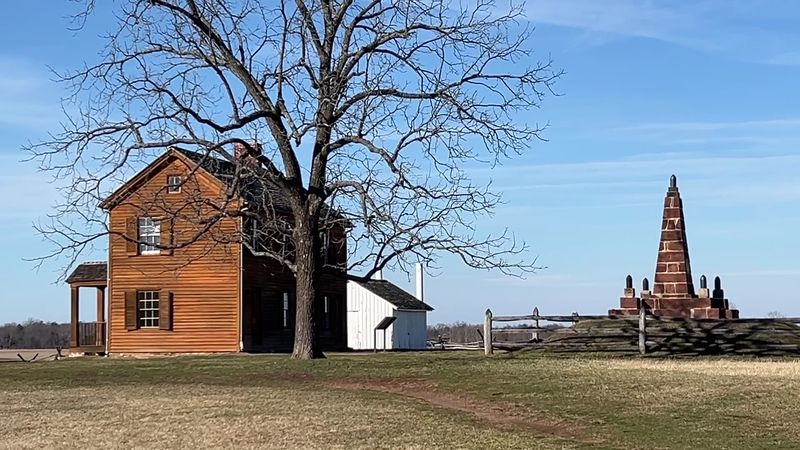
History buffs perked up fast when maps showed where the Gateway would go. Parts of the western battlefield area connect to the Second Battle of Manassas.
That clash in late August 1862 involved troops moving across land near what’s now Pageland Lane. Confederate forces under Stonewall Jackson held positions in this part of the field.
The Union lost that battle, and it opened the door to Lee’s first push north. In other words, this ground mattered to how the war unfolded.
Preservationists argued some Gateway land had historical value of its own. Archaeology surveys and soldier graves came up during the debate.
You don’t need to be a Civil War expert to get why that struck a nerve. Few people want a parking lot where soldiers rest.
The developers said they’d study and respect sensitive areas. Opponents weren’t convinced that promises would be enough.
Address: 6511 Sudley Road, Manassas, VA 20109
5. The 37 Data Centers
Thirty-seven is a lot of anything, but buildings this size make the number hit harder. Reports described the Gateway as room for up to 37 data centers.
The total floor space was estimated at roughly 27 million square feet. That’s a scale few single projects anywhere have ever proposed.
For comparison, a typical big-box store might cover around 100,000 square feet. You’d need hundreds of them to match this plan.
Critics called it one of the largest data center proposals in the world. That label helped the story travel well beyond Prince William County.
The number also shaped how people pictured it. It wasn’t one quiet building tucked behind trees, it was a whole district.
Supporters pointed out the buildout would happen over years. Still, the final size was what neighbors kept circling back to at meetings.
Address: Pageland Lane, Gainesville, VA 20155
6. The Landowners Who Wanted to Sell
Plot twist: plenty of people on Pageland Lane actually wanted the Gateway. Many landowners there signed on to sell their property to developers.
Some argued the area was no longer the peaceful countryside it once was. They pointed to nearby power lines and growing traffic as proof.
Selling to data center firms could bring life-changing money. For some longtime families, that was a pretty persuasive offer.
Landowner Mary Ann Ghadban became one of the best-known voices for the plan. She helped organize neighbors to pitch their land as a group.
So the fight wasn’t simply locals versus outsiders. Neighbors ended up on both sides of the same road.
That split made the whole thing more human, and honestly more complicated. You can understand why someone would cash out, and why someone else would push back.
Address: Pageland Lane, Gainesville, VA 20155
7. QTS and Compass

Behind the plan stood two serious players in the server business. QTS Realty Trust and Compass Datacenters were the main developers tied to the Gateway.
QTS is owned by investment giant Blackstone. Compass builds large data center campuses for big tech and cloud clients.
Each company sought rezoning for its own portion of the land. Together, their applications made up most of the proposed district.
They argued the project would bring huge tax revenue to the county. They also promised buffers, trails, and set-asides near the park.
Opponents said those features didn’t change the basic problem. A massive industrial footprint next to a national park is still massive.
Love them or not, these companies stayed in the fight for years. That staying power is part of why the neighbors’ win feels so surprising.
Address: Pageland Lane, Gainesville, VA 20155
8. The 2022 Comprehensive Plan Vote
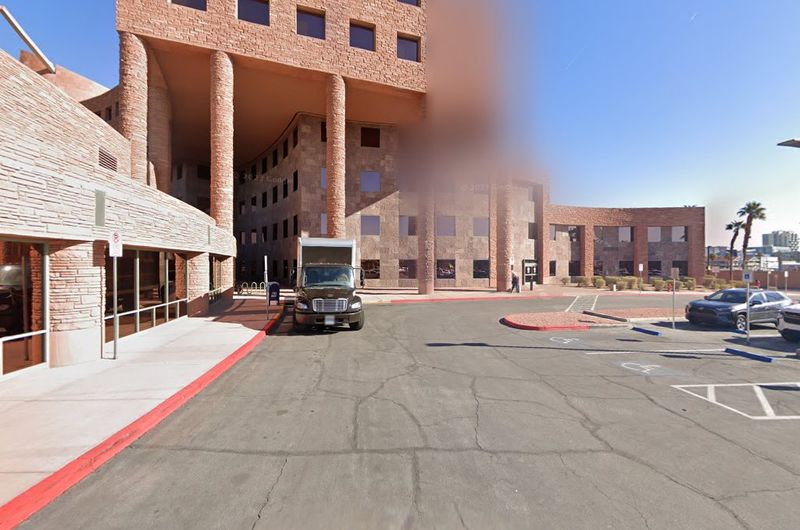
Before anyone could rezone a single acre, the county had to change its long-range map. That came in November 2022.
The Prince William County Board of Supervisors approved a comprehensive plan amendment for the Gateway. It shifted the area’s future land use toward technology and data centers.
Think of a comprehensive plan as a county’s wish list for how land should grow. It doesn’t build anything by itself.
Still, it opened the door for specific rezoning requests. Neighbors saw it as the first domino tipping over.
The vote followed long hours of public comment. Many residents spoke against it, while landowners and supporters spoke in favor.
The amendment passed on a split vote. For opponents, it was a loss, but it also lit a fire under their organizing.
Address: 1 County Complex Court, Woodbridge, VA 22192
9. The National Park Service Concerns
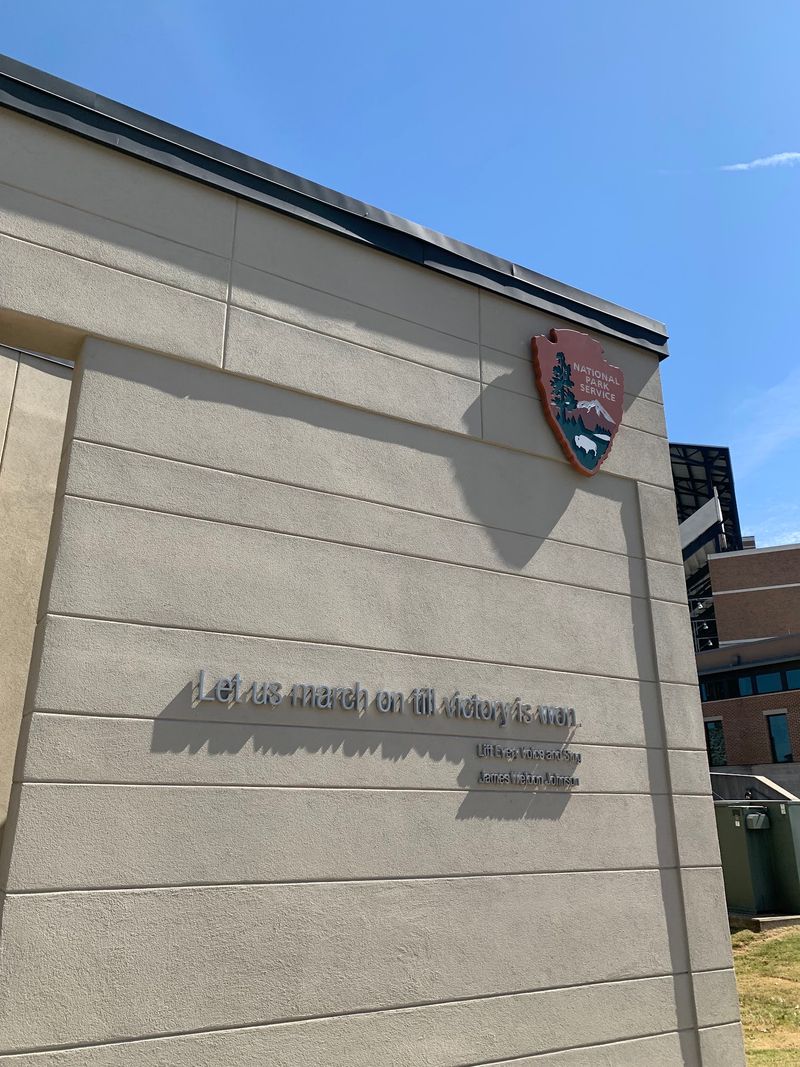
Federal park staff don’t often wade into county zoning fights, but they did here. The National Park Service raised concerns about the Gateway’s effects.
Officials pointed to possible impacts on views, sound, and the visitor experience. Stormwater running toward park streams also came up.
Park leaders asked for more protections and more study. They wanted the battlefield’s setting treated as more than an afterthought.
You can see why that mattered. When a national agency voices worry, local debates suddenly feel much bigger.
Developers responded with proposed buffers and design changes. Critics argued those steps still left too much industry too close.
The park itself stayed open through the whole saga. If you visit today, you can judge the landscape with your own eyes.
Address: 6511 Sudley Road, Manassas, VA 20109
10. The Occoquan Reservoir Worry
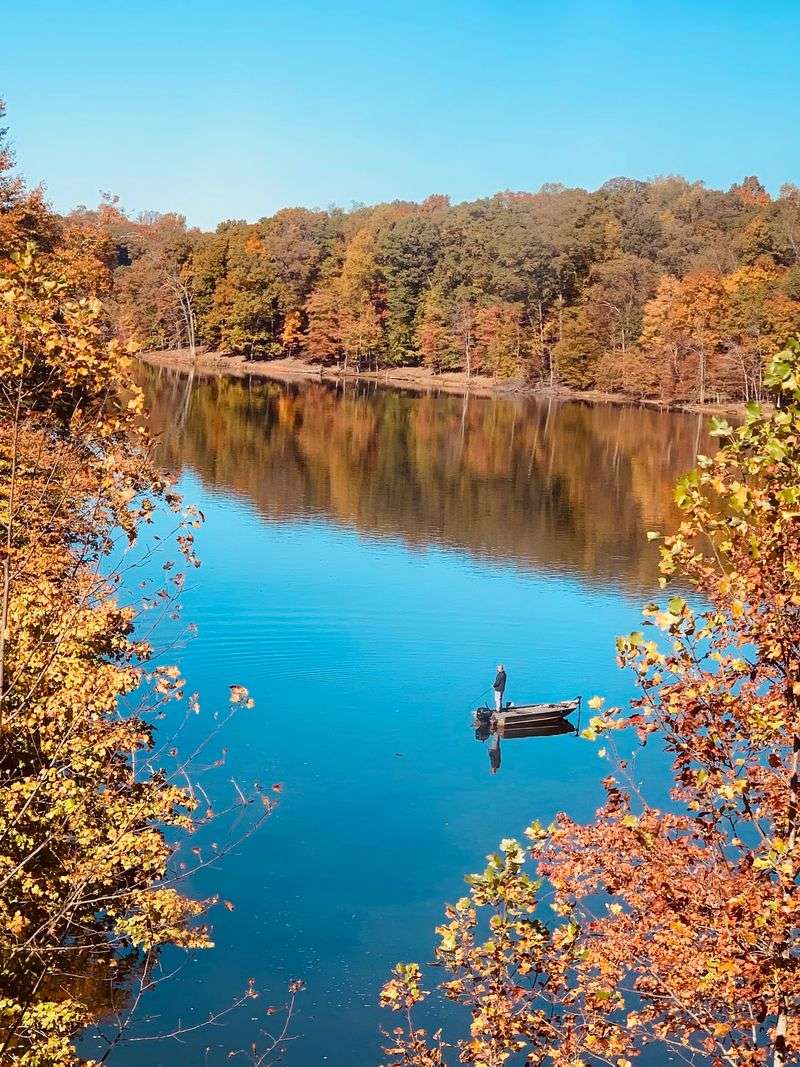
Water became a sleeper issue that grew louder over time. The Gateway land sits within the watershed that feeds the Occoquan Reservoir.
That reservoir supplies drinking water to a large chunk of Northern Virginia. Hundreds of thousands of people depend on it.
Environmental groups worried about runoff from huge paved and roofed areas. More hard surfaces can mean more polluted stormwater after heavy rain.
Some also raised questions about construction sediment. Muddy runoff can travel into streams that eventually reach the reservoir.
Developers pointed to modern stormwater controls as their answer. Opponents weren’t sure the region should test that on this scale.
It’s a good reminder that land use fights often ripple far from the original site. Your tap might connect to a debate you’ve never heard about.
Address: Occoquan Reservoir, Prince William County, VA
11. Data Center Noise
Ask anyone living near a busy data center, and noise often tops the complaint list. Cooling equipment can produce a constant hum.
Residents elsewhere in Prince William County have described that sound in public meetings. It became a cautionary tale for Pageland Lane neighbors.
A battlefield park, meanwhile, is valued partly for its quiet. Hikers expect birds and wind, not mechanical drone.
Opponents feared the Gateway would bring that hum right to the park’s edge. Once buildings go up, the sound doesn’t clock out at night.
Developers said they’d use design choices to limit noise. The county also discussed noise rules for data centers more broadly.
Still, this was one of the most relatable parts of the fight. You don’t need to love history to dislike a hum outside your bedroom window.
Address: Pageland Lane, Gainesville, VA 20155
12. Power Lines and Transmission
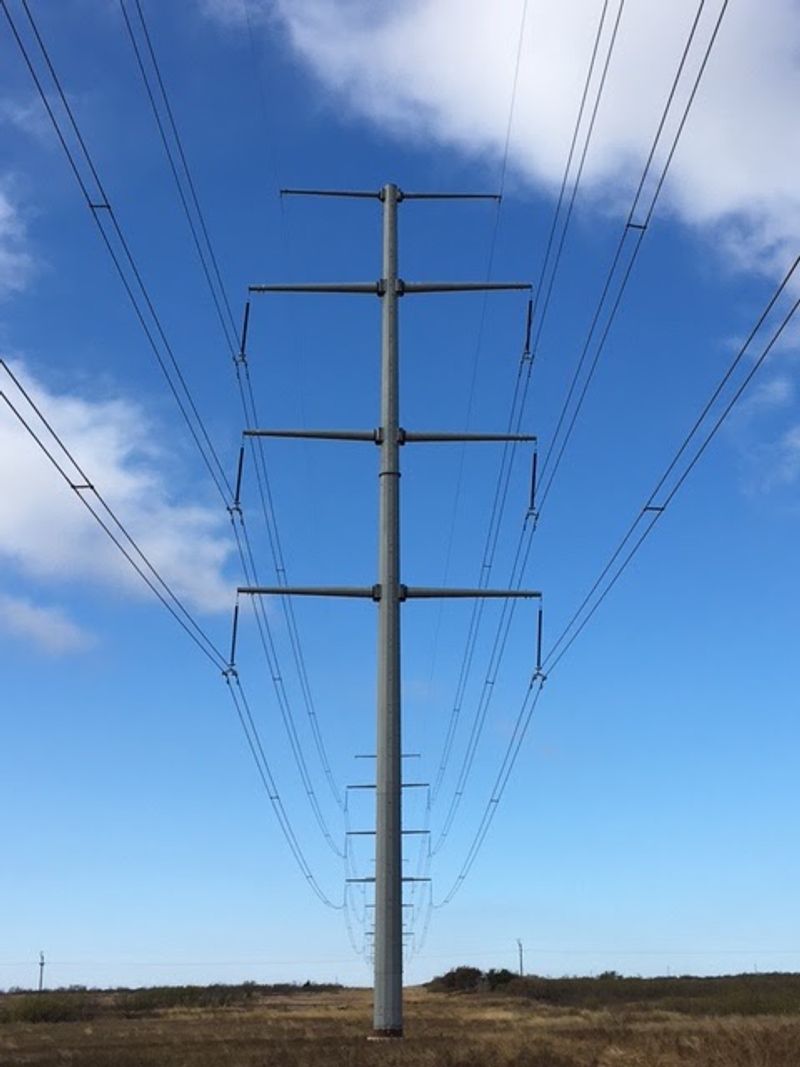
Data centers are thirsty for electricity, and that thirst needs wires. Big new campuses usually require new transmission lines and substations.
Dominion Energy, the region’s main utility, has planned lines to serve growing data center demand. Some routes in western Prince William drew strong pushback.
Residents worried about towers crossing neighborhoods and rural views. Nobody wants a steel giant looming over the backyard.
Supporters of the Gateway noted that power lines already ran near Pageland Lane. To them, that made the land a logical fit.
Opponents saw it the other way. Existing lines didn’t mean the area should become a full industrial hub.
The transmission question showed how one project can reach well past its own property lines. Energy routes affect people miles away too.
Address: Pageland Lane, Gainesville, VA 20155
13. The Rural Crescent
For decades, Prince William had a name for its countryside. Locals called it the Rural Crescent.
Created in the late 1990s, it limited dense development across a big arc of western and southern land. The goal was keeping farms, woods, and open space intact.
Much of the Gateway area sat inside or near that rural zone. Shifting it to data centers felt to many like breaking an old promise.
Fans of the Crescent credited it with protecting water and scenery. Critics said it limited property rights and tax growth.
The county later revisited its rural area policies. That debate ran alongside the Gateway fight and added more tension.
If you grew up around here, the phrase probably means something. It stands for the idea that not every field needs a building.
Address: 1 County Complex Court, Woodbridge, VA 22192
14. The Coalition to Protect Prince William County
Grassroots groups rarely have deep pockets, but they can have long memories. The Coalition to Protect Prince William County became a central player.
It brought together residents, civic groups, and environmental allies. Their focus was data center growth near sensitive land.
Members tracked meeting agendas and filed public records requests. They also packed hearings with speakers.
That kind of work isn’t glamorous. It means reading dense land use documents while the rest of us binge TV.
The coalition also backed the legal challenge against the rezonings. That decision turned out to be a major turning point.
You’ll find their name sprinkled through years of coverage. Love their stance or not, they never lost interest.
Address: 9311 Lee Avenue, Manassas, VA 20110
15. Oak Valley Neighbors
Some of the fiercest pushback came from people who simply lived nearby. Residents of the Oak Valley area joined the legal fight.
Their neighborhood sits close to the Gateway land. For them, the issue wasn’t abstract at all.
Neighbors worried about noise, traffic, and property values. They also cared about the battlefield views they’d long enjoyed.
Homeowners and the Oak Valley homeowners association were among plaintiffs named in the lawsuit. That gave the case a direct, local face.
Courts often look for people with a real stake in a decision. Nearby residents fit that description.
It’s a nice reminder that a few streets of determined people can matter. They didn’t need a corporate budget to get a judge’s attention.
Address: 9311 Lee Avenue, Manassas, VA 20110
16. The American Battlefield Trust
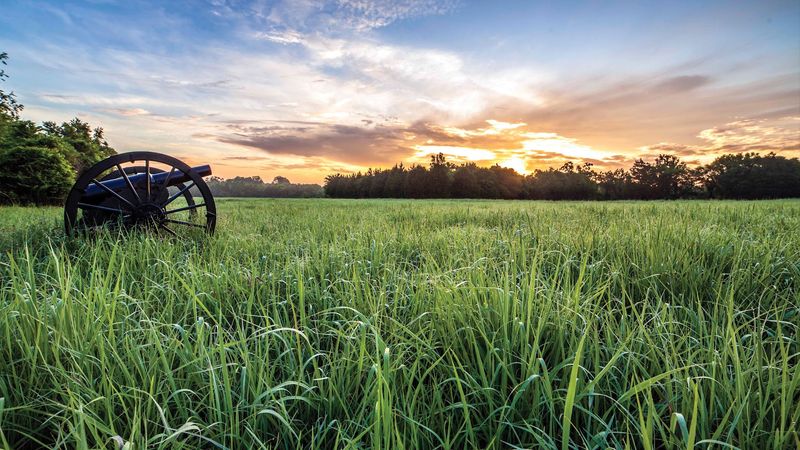
National history nerds brought serious backup to the fight. The American Battlefield Trust has spent decades saving Civil War land.
The group has helped preserve tens of thousands of acres across the country. Manassas ranks high on its list of special places.
It publicly opposed the Gateway and named it on endangered battlefield lists. That attention pulled in supporters far beyond Virginia.
The Trust also joined the legal effort against the rezonings. Having a national preservation group in court added real weight.
For history fans, this was personal. These fields shaped the war’s early years and the people who fought there.
If you’ve ever donated to save a battlefield, you might have indirectly helped here. Small gifts add up in fights like this.
Address: 1156 15th Street NW, Washington, DC 20005
17. The Marathon Public Hearing
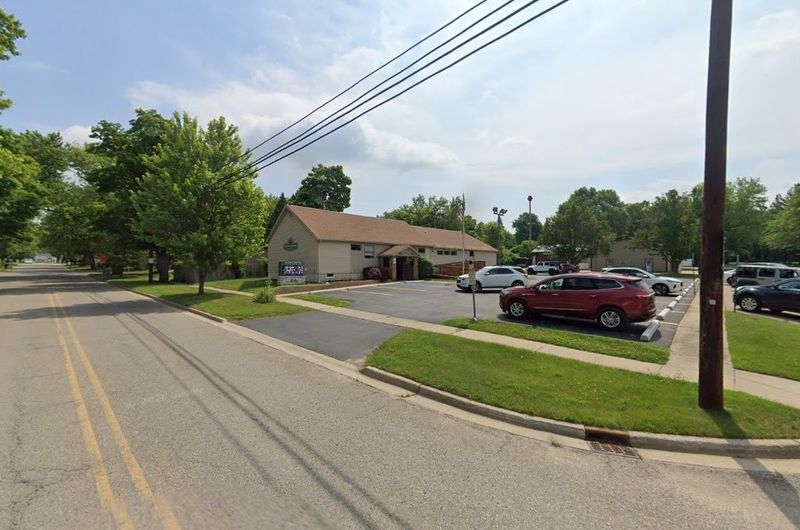
Bring a snack, and maybe a pillow. The December 2023 hearing on the Gateway rezonings ran for more than 24 hours.
It started on December 12 and stretched into the following afternoon. Reports called it the longest public hearing in county history.
Hundreds of people signed up to speak. Some waited through the night for their turn at the microphone.
Speakers covered history, water, noise, taxes, and property rights. Plenty of emotions came along for the ride.
Board members stayed through the whole stretch too. That’s a lot of folding chairs and fluorescent lights.
The hearing became a symbol of how deeply people cared. Few zoning debates inspire anyone to stay awake past midnight.
Address: 1 County Complex Court, Woodbridge, VA 22192
18. The December 2023 Rezoning Vote
After all that talking, the outcome came down to a few hands. The board approved the Gateway rezonings on a 4 to 3 vote.
That approval came after the marathon hearing ended. Opponents left exhausted and disappointed.
The timing raised eyebrows too. Several supervisors were near the end of their terms when they voted.
A new board, elected in November 2023, would take office weeks later. Critics felt the outgoing board rushed a huge decision.
Supporters said the vote reflected years of planning. They argued the project had been studied long enough.
For a while, it looked like the fight was over. Spoiler: it wasn’t.
Address: 1 County Complex Court, Woodbridge, VA 22192
19. The Lawsuit
Plenty of people complain after a vote, but few take it to court. Gateway opponents filed suit challenging the rezonings.
The plaintiffs included nearby residents and preservation-minded groups. They named the county board and developers in the case.
Their arguments targeted how the county handled the process. They said legal requirements weren’t properly followed.
Lawsuits like this can drag on for a long time. Opponents had to stay patient and keep raising money.
The case moved through Prince William County Circuit Court. Motions, filings, and hearings piled up along the way.
It wasn’t flashy work. Yet that slow legal grind ended up mattering more than any protest sign.
Address: 9311 Lee Avenue, Manassas, VA 20110
20. The Advertising Problem
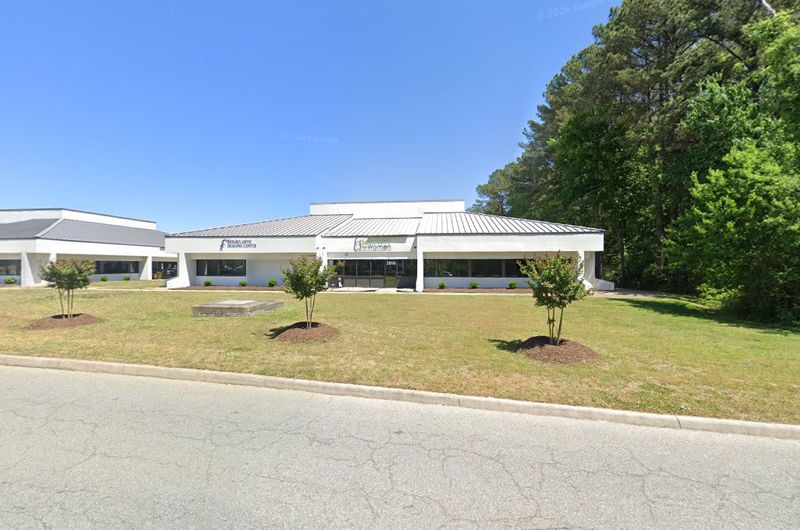
Sometimes huge decisions hinge on tiny print. The key legal issue involved how the county advertised its public hearing.
Virginia law requires proper public notice before certain land use votes. That notice has to include specific information.
Opponents argued the county’s ads fell short of those rules. They said residents weren’t given legally adequate notice.
That might sound like a technicality. But notice laws exist so people know what’s being decided and can show up.
The irony is hard to miss. The hearing drew huge crowds, yet the paperwork behind it still mattered.
It’s a lesson for any local government. Skip a step in the rules, and even a big vote can come undone.
Address: 9311 Lee Avenue, Manassas, VA 20110
21. The Ruling That Voided the Rezonings
Here’s the moment neighbors had waited years to see. In 2025, a Prince William County Circuit Court judge voided the Gateway rezonings.
The judge found the county failed to properly advertise the hearing. Because of that, the approvals couldn’t stand.
Opponents celebrated the decision as a major win. Years of meetings and legal bills suddenly paid off.
The ruling didn’t erase the land or the interest in it. But it wiped away the legal green light the project depended on.
News outlets across the country picked up the story. It’s not every day neighbors beat a project this large.
So yes, the headline holds up. A group of determined residents and allies actually won in court.
Address: 9311 Lee Avenue, Manassas, VA 20110
22. Appeals and Next Moves
Big projects rarely fold quietly after one setback. Developers signaled they’d pursue appeals after the ruling.
Appeals can take months or longer to resolve. They also cost everyone more time and money.
Meanwhile, the court decision remained the law of the land. The rezonings stayed void unless a higher court said otherwise.
Opponents knew their victory could be tested. Still, winning the first round mattered enormously.
Legal fights often work like long chess matches. Each move buys time and shifts leverage.
If you’re following along, keep an eye on Virginia’s appellate courts. The next chapter may unfold there.
Address: 109 North 8th Street, Richmond, VA 23219
23. Data Center Alley
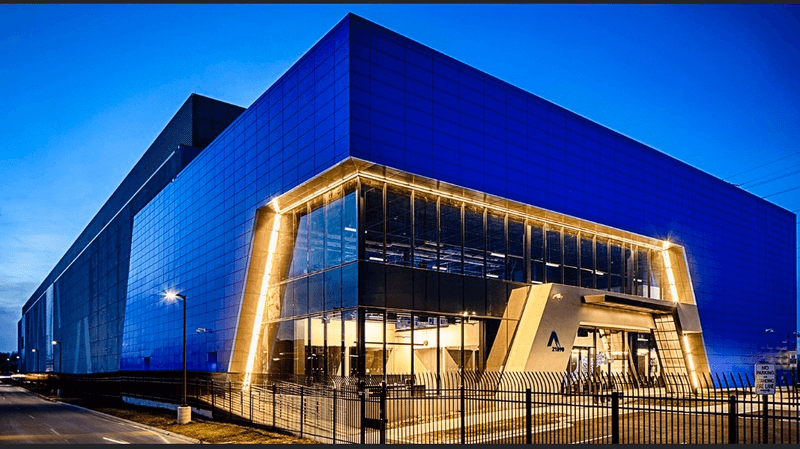
Northern Virginia didn’t stumble into this fight by accident. The region is home to the world’s largest concentration of data centers.
Much of that growth centers in Loudoun County, nicknamed Data Center Alley. Industry estimates say a big share of global internet traffic passes through there.
Early fiber networks and strong power helped draw the industry. Tax incentives in Virginia added more appeal.
As space in Loudoun filled up, companies looked south and west. Prince William became the next frontier.
That explains why so much money was riding on the Gateway. Developers saw land near existing infrastructure as gold.
Residents, though, watched Data Center Alley and drew their own conclusions. Some didn’t want their county to look like it.
Address: 1 Harrison Street SE, Leesburg, VA 20175
24. The Tax Revenue Argument
Money talks, and data centers speak fluently. Supporters argued the Gateway would bring huge new tax revenue to Prince William.
Data centers pay hefty taxes on the expensive equipment inside them. That money can help fund schools, roads, and public safety.
Some supporters said those funds could lighten the load on homeowners. Lower residential tax pressure always sounds nice.
Opponents didn’t dismiss the money entirely. They argued the county could find data center sites farther from the battlefield.
It’s a classic local government tension. Growth pays bills, but location still matters.
You can understand both sides here without picking a hero. The question was really about where, not whether.
Address: 1 County Complex Court, Woodbridge, VA 22192
25. Electricity Demand

Ever wondered how much juice a server farm needs? The answer is a staggering amount of electricity.
Large data center campuses can use power on the scale of small cities. A project like the Gateway would need major new supply.
Dominion Energy has warned about surging demand from data centers in Virginia. Utility planners have scrambled to keep up.
That has led to debates about who pays for new infrastructure. Some residents worry the costs could show up in their bills.
State regulators have looked at how to divide those costs fairly. The question isn’t settled yet.
For Gateway critics, power demand was another reason to slow down. More data centers mean more lines, plants, and pressure on the grid.
Address: 1300 East Main Street, Richmond, VA 23219
26. The 2023 Elections
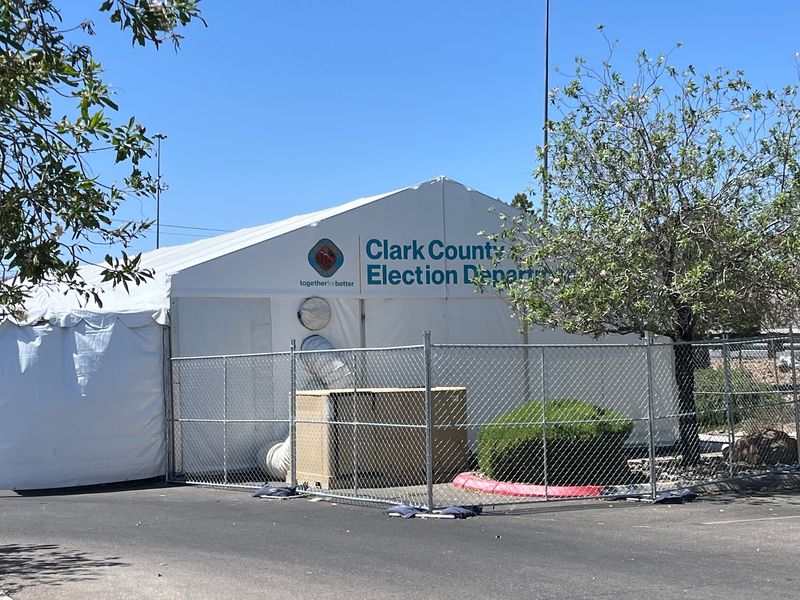
Ballots can be quieter than lawsuits, but they still pack a punch. Prince William voters went to the polls in November 2023.
Data centers were a hot campaign topic that fall. Candidates were asked where they stood on the Gateway.
Voters chose a new board chair and several new supervisors. Some longtime members who backed the project weren’t returning.
Deshundra Jefferson won the chair’s seat that year. She had voiced concerns about how data center growth was handled.
The new board took office in January 2024. By then, the rezonings had already been approved by the old one.
The election showed how local issues can shift politics. Zoning maps rarely make headlines, but this one did.
Address: 1 County Complex Court, Woodbridge, VA 22192
27. Statewide Debate in Richmond
What starts on a country lane can end up in the state capitol. The Gateway fight helped spark wider talk about data centers across Virginia.
Lawmakers in Richmond have debated bills on data center siting and impacts. Noise, water, power, and historic sites came up again and again.
A state study looked at how the industry affects Virginia. It examined energy use and local land issues.
Not every proposal became law. Still, the conversation grew louder with each session.
Prince William residents often traveled to testify. Their story became a reference point for other counties.
It’s a good example of local fights shaping bigger policy. One neighborhood’s headache became a statewide question.
Address: 1000 Bank Street, Richmond, VA 23219
28. Loudoun County Next Door

Prince William residents didn’t have to guess what heavy data center growth looks like. They could just drive north.
Loudoun County hosts a huge number of these buildings. Some sit close to homes and schools.
Loudoun has gained big tax revenue from the industry. That money has helped fund local services.
Residents there have also raised concerns about noise and power lines. The county has tightened some data center rules over time.
Gateway opponents pointed to Loudoun as both a model and a warning. The tax benefits are real, but so are the tradeoffs.
Neighbors watching next door had a front-row seat. That view shaped what they wanted, and didn’t want, at home.
Address: 1 Harrison Street SE, Leesburg, VA 20175
29. Viewsheds and Skyline
Stand on a hilltop and look out, and you’ll get why views mattered so much. Viewsheds are what visitors can see from a spot.
At Manassas, those views help tell the battle story. You can picture troop lines across open fields.
Preservationists feared tall buildings would pop up over the tree lines. That would break the historic scene.
Developers proposed height limits and buffers near the park. They argued much of the project would stay hidden.
Opponents wanted stronger guarantees. Once a skyline changes, it’s tough to undo.
Next time you visit a battlefield, notice what you don’t see. Missing modern clutter is part of the experience.
Address: 6511 Sudley Road, Manassas, VA 20109
30. The Stone House
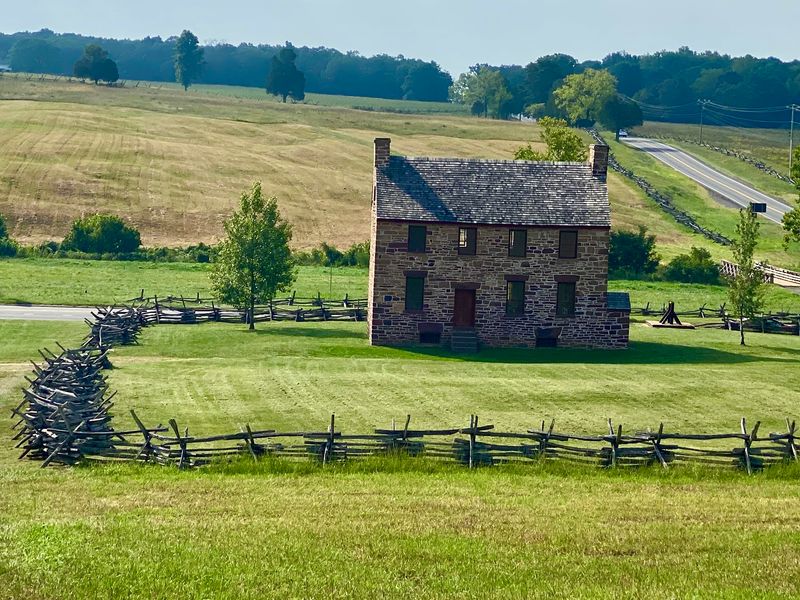
Few buildings have seen two battles from the same front yard. The Stone House did exactly that.
It sits at a crossroads inside Manassas National Battlefield Park. During both battles, it served as a field hospital.
Soldiers carved names into its walls, and some marks still survive. It’s a small but powerful link to 1861 and 1862.
The house helps explain why people fought so hard over nearby land. History here isn’t abstract.
The park opens the Stone House seasonally for visitors. Check park updates before you go.
Standing near it, you feel how compact this landscape really is. That closeness made the Gateway feel even closer.
Address: 6511 Sudley Road, Manassas, VA 20109
31. Brawner Farm
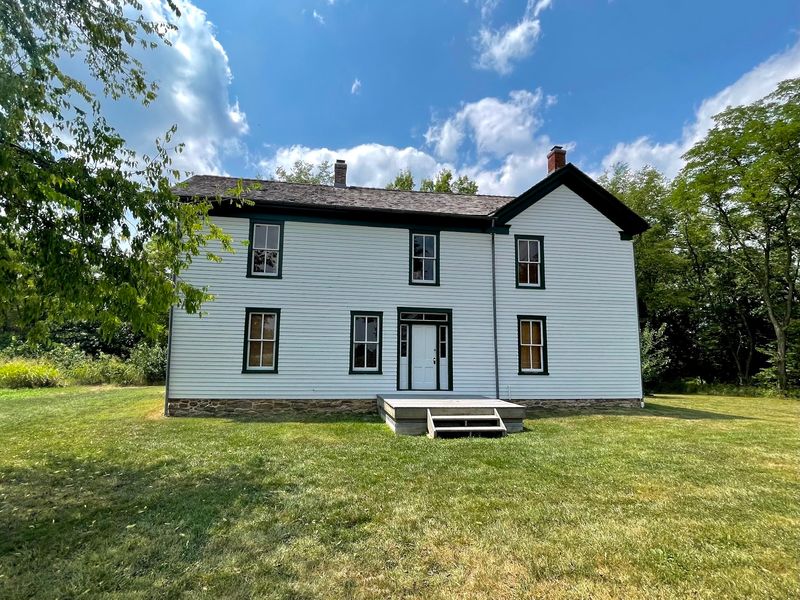
Second Manassas kicked off on a farm, of all places. The fighting began at Brawner Farm on August 28, 1862.
That site sits on the park’s western side. It lies close to the area once mapped for the Gateway.
The farm features an interpretive area explaining the opening clash. You can walk nearby trails and read about troop movements.
Preservationists pointed to places like this when arguing against the project. Big buildings nearby would change the setting.
It’s one of the quieter corners of the park. That quiet was exactly what neighbors wanted to protect.
If you visit, take your time. The fields tell a story worth hearing slowly.
Address: 6511 Sudley Road, Manassas, VA 20109
32. Henry Hill Visitor Center
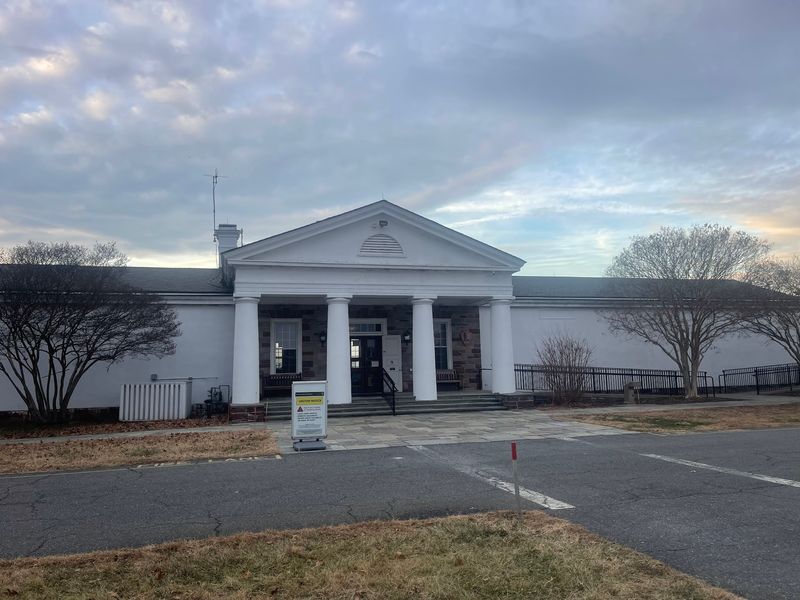
Your best starting point at the park sits on a hill with a famous nickname story. Henry Hill Visitor Center is the main stop.
Inside, you’ll find exhibits and an orientation film. Rangers help explain both battles.
Henry Hill saw heavy fighting during the First Battle of Manassas. It’s where Thomas Jackson earned the nickname Stonewall.
A walking trail loops around the hill with interpretive signs. Cannons mark key positions.
It’s a great spot to understand why the battlefield matters. Context makes the Gateway fight easier to grasp.
Plan for at least an hour here. You’ll leave knowing much more than you came with.
Address: 6511 Sudley Road, Manassas, VA 20109
33. Stonewall Jackson Nickname
One shouted phrase in 1861 created one of history’s most famous nicknames. It happened right on Henry Hill.
During the First Battle of Manassas, General Barnard Bee rallied his troops. Accounts say he pointed to Jackson standing like a stone wall.
The name stuck, and it followed Jackson for the rest of his career. Historians still debate exactly what Bee meant.
A large equestrian statue of Jackson stands on the hill today. It’s a striking sight from the trail.
Stories like this explain why visitors flock here. People want to stand where well-known moments happened.
That draw was a big argument in the Gateway fight. Tourism depends on the setting staying intact.
Address: 6511 Sudley Road, Manassas, VA 20109
34. Heritage Tourism
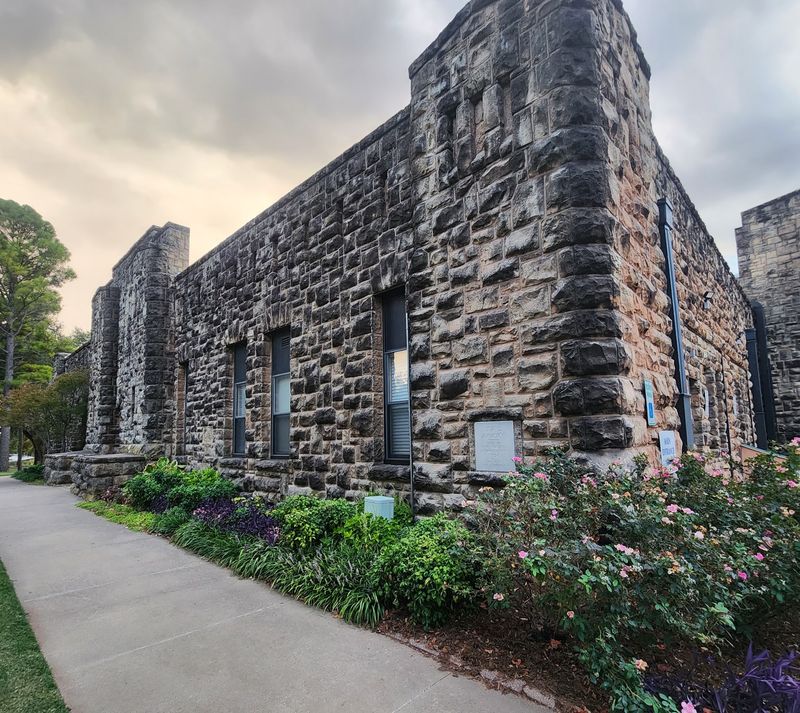
History pays its own kind of dividend. Battlefields draw visitors who spend money in nearby towns.
Manassas National Battlefield Park welcomes hundreds of thousands of visitors a year. Many also stop for meals, gas, and lodging.
Preservation groups argued the Gateway could hurt that appeal. A battlefield ringed by industry is less inviting.
Supporters countered that tourism and data centers could coexist. They pointed to buffers and park protections.
Virginia leans heavily on heritage tourism across the state. Sites like this help tell the nation’s story.
If you love road trips built around history, this fight affected you too. Protecting places keeps those trips worth taking.
Address: 6511 Sudley Road, Manassas, VA 20109
35. Lessons in Public Notice
Nobody throws a party for paperwork, but maybe they should. Public notice rules ended up deciding this case.
Those rules make sure residents know when big decisions are coming. They also explain what’s on the table.
Governments that skip details risk having votes overturned. That’s exactly what happened here.
For residents, the lesson is clear. Reading notices closely can reveal problems others miss.
For officials, it’s a warning to slow down and check twice. Rushed processes invite legal trouble.
It’s not dramatic, but it’s powerful. Sometimes the smallest details carry the biggest weight.
Address: 1 County Complex Court, Woodbridge, VA 22192
36. What the Neighbors Proved
Persistence doesn’t trend on social media, but it wins more often than you’d think. These neighbors proved it.
They showed up to meetings for years. They read documents, raised funds, and stayed organized.
They teamed up with national preservation groups. That mix of local and national energy made a difference.
Most importantly, they used the legal system carefully. Their win rested on law, not just protest.
Communities across the country have watched this story. Some see it as a playbook for their own fights.
You don’t have to agree with their stance to admire the effort. Civic stamina is rare and worth respecting.
Address: 9311 Lee Avenue, Manassas, VA 20110
37. What Comes Next
Endings in land use fights are usually more like intermissions. The Gateway story may still have chapters left.
Appeals could reshape the outcome. The landowners and developers still have interests in the property.
The county could also revisit plans for the area. Any new proposal would face fresh hearings and scrutiny.
Data center demand in Virginia isn’t slowing down. Pressure to build will keep showing up somewhere.
For now, the battlefield’s western edge remains quieter than planned. Neighbors won time, attention, and leverage.
So keep watching Pageland Lane. Few country roads have ever carried this much history in both directions.
Address: Pageland Lane, Gainesville, VA 20155