An opera house sits inside a village municipal building just east of Buffalo. That alone made me stop scrolling.
Most small places keep the clerk’s office and the stage far apart.
This village is home to roughly 10,000 people, based on the 2010 census. It feels compact enough to stroll in an afternoon.
Yet it still has the kind of old main street that New York towns once built with real pride.
I like how easy it is to reach. You can leave the city, park once, and let your feet handle the rest.
Older storefronts and a historic stage give the walk a clear purpose.
I believe the best small-town afternoons need very little planning. You just need a good street and a little curiosity.
So what makes this one worth the short drive?
A Village That Sits Just Past Buffalo’s Edge
Lancaster is close enough to Buffalo that the drive feels like a quick errand. The village sits east of the city in Erie County, New York.
It belongs to the larger Buffalo-Niagara Falls metro area. Still, the scale changes fast once you reach the village center.
Here’s a small detail that trips people up. The village of Lancaster sits in the western part of the town of Lancaster, which shares the same name.
So you can be in Lancaster while also being in Lancaster. That sounds like a riddle, but it’s just how New York local government often works.
For an afternoon visit, the village is the part you want. It holds the older streetscape, the historic buildings, and the walkable core that makes this trip fun.
I like that the trip asks so little of you. There’s no long highway haul and no complicated plan required.
You just point the car east from Buffalo and keep your eyes open. Before long, the suburbs soften into something older and more personal.
That shift is the whole reason to come. A short drive can still feel like you went somewhere.
Ten Thousand Neighbors And One Walkable Core
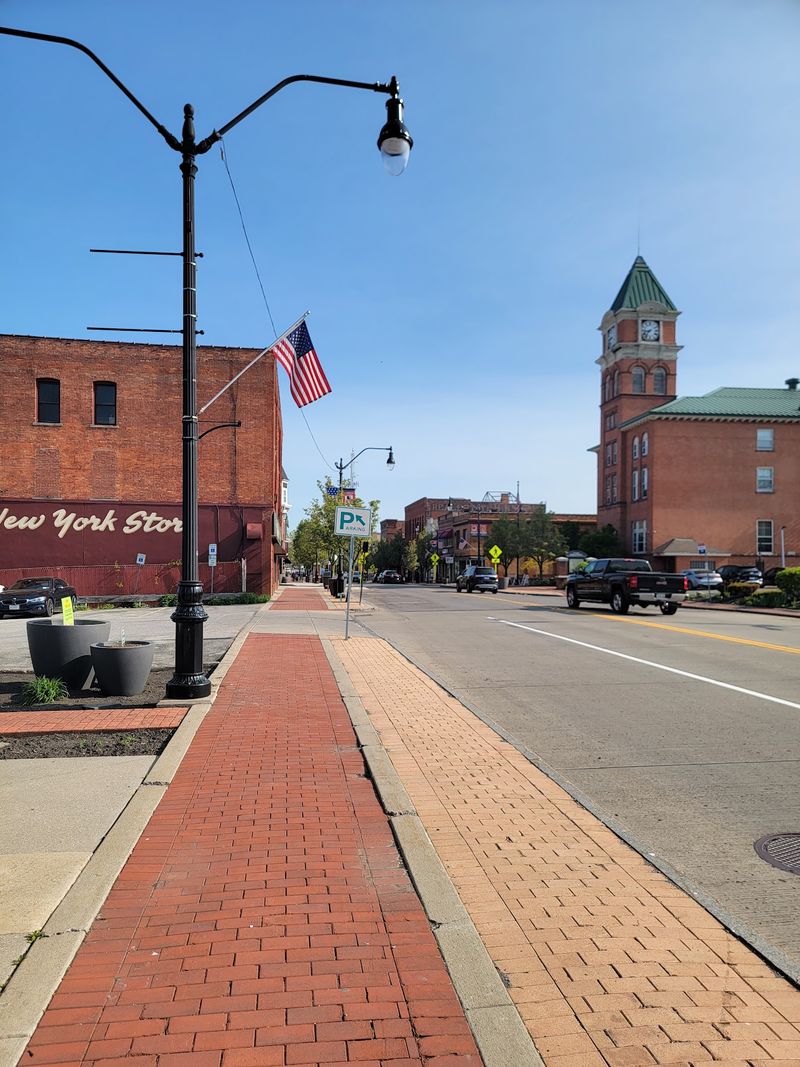
About 10,000 people called the village home at the 2010 census. The official count landed at 10,027, which is a very tidy number for a place this charming.
That size matters more than you’d think. It’s big enough to support a real downtown, yet small enough to explore on foot.
Bigger cities can feel like a puzzle. You park, walk, drive again, and repeat.
Lancaster keeps things simpler. The village core rewards a slow loop rather than a schedule packed with stops.
I can’t imagine rushing a place like this. The pleasure comes from letting the afternoon stretch out a little.
Smaller villages also tend to keep their main streets close together. Shops, civic buildings, and older homes often share the same few blocks.
That mix gives a walk some variety. One moment you’re eyeing a storefront window, and the next you’re looking up at a civic landmark.
So think of the population as a clue, not just a statistic. It hints at a place built for strolling, noticing, and wandering without a map glued to your hand.
The Village Inside A Town With The Same Name
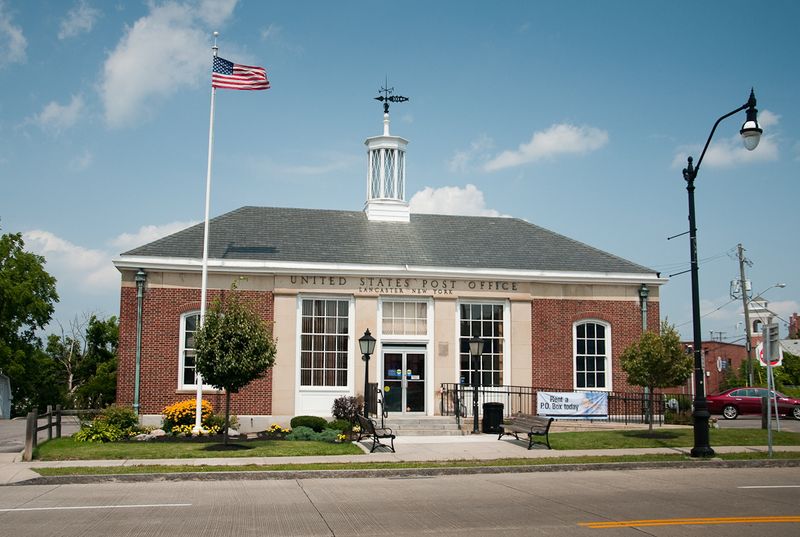
Two Lancasters, one zip code headache. Visitors from outside New York often blink at this setup.
The state uses towns and villages as separate layers of local government. A village sits inside a town, with its own government and its own downtown identity.
Lancaster follows that pattern neatly. The village occupies the western part of the larger town of Lancaster.
Why should a day-tripper care? Because the village is where the historic main street character concentrates.
The wider town includes plenty of suburban roads and newer development. The village holds the older blocks that make for a satisfying stroll.
When you set your GPS, aim for the village center rather than just the town. That small choice saves you from circling strip plazas and wondering where the charm went.
I believe this little geography lesson actually makes the trip more interesting. You start noticing where newer growth ends and the older village begins.
That line tells a story about how the area grew. It’s quiet history written right into the street grid.
And once you spot it, you’ll see the same pattern across much of Western New York.
Central Avenue Is Where The Afternoon Really Starts
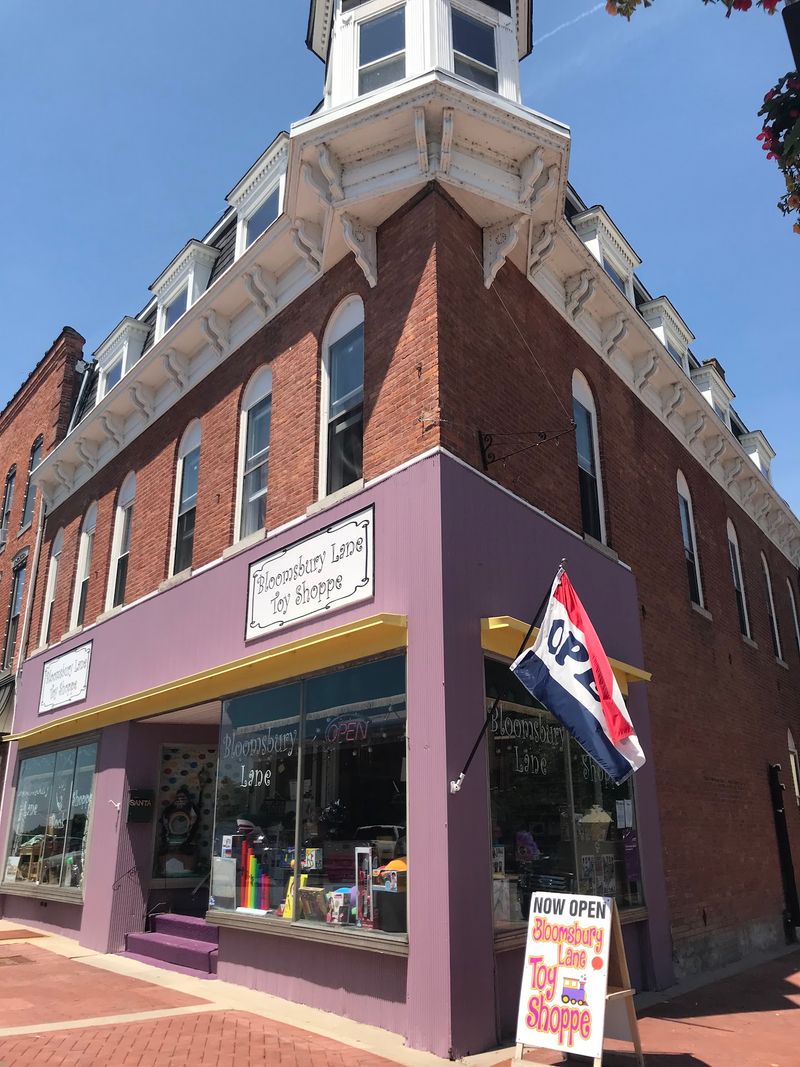
Central Avenue is the street to know. It runs through the heart of the village and anchors its older downtown.
This is where you’ll want to park and start walking. The pace slows down here, and that’s exactly the point.
Older storefronts line much of the walk. Many have the upper windows and street-level display fronts you’d expect from a classic small-town business block.
Look up as you go. The top floors often hold the most character, from window shapes to cornice lines.
I like how a street like this rewards patience. A quick drive-by shows you buildings, but a slow walk shows you details.
Shop windows change with the seasons and the owners. That means no two visits look quite the same.
You’ll also find the village’s best-known landmark along this stretch. More on that stage-in-a-civic-building surprise in a moment.
For now, give yourself permission to simply wander. Central Avenue isn’t trying to dazzle you with size.
It wins you over with texture, history, and a comfortable rhythm. That’s a rare kind of appeal.
Old Brick Facades Worth Slowing Down For
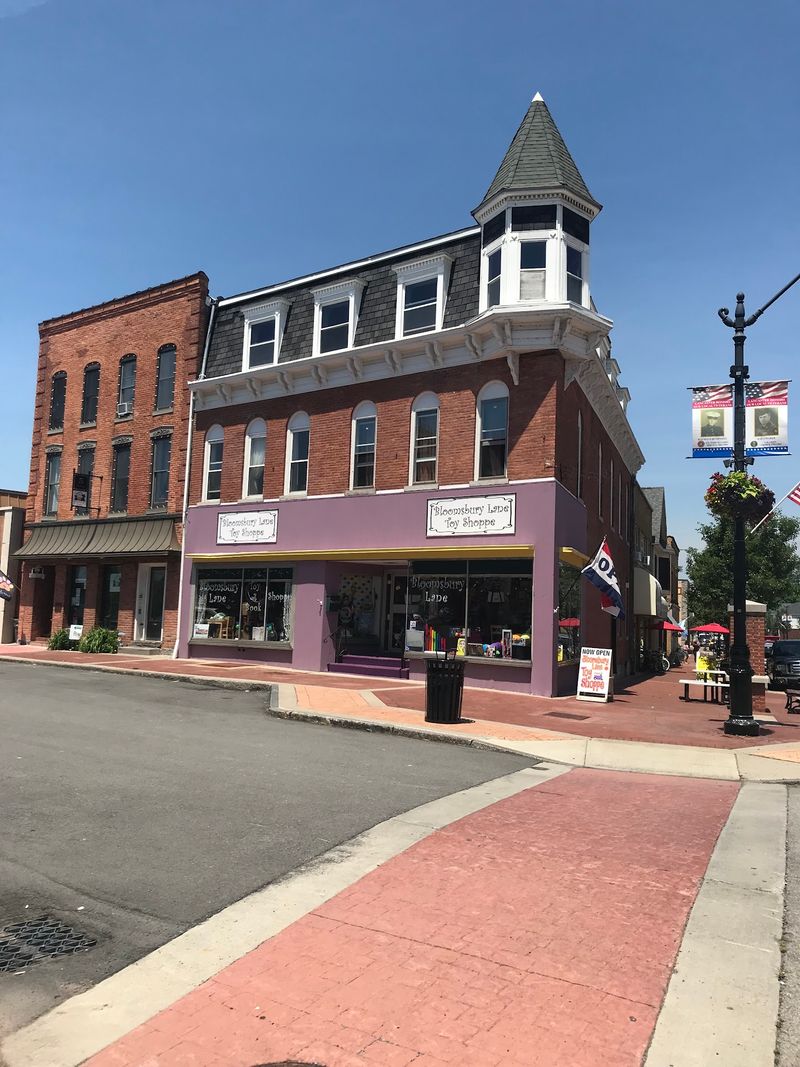
Brick has a funny way of making a street feel permanent. Lancaster’s older downtown leans on that sturdy look.
Many commercial buildings in villages across Western New York date from the late 1800s and early 1900s. That era favored masonry, tall upper windows, and decorative rooflines.
You can spot that style in the village core. It gives the walk a grounded, old-fashioned feel.
Bring your phone, but use it sparingly. The best shots often come from across the street, where you can frame a full facade.
Morning and late afternoon light tend to flatter brick. Warm sun brings out color and texture that midday glare washes out.
I believe older buildings deserve a second look. Each one was built by someone betting on this village’s future.
Some have changed uses many times over the decades. Yet the bones still hint at their first jobs as shops, offices, or halls.
Architecture fans will enjoy reading these clues. Casual walkers will simply enjoy how pretty everything looks.
Either way, you’re getting a free history lesson. No admission ticket, no audio guide, just good bricks.
An Opera House Hiding In Plain Sight
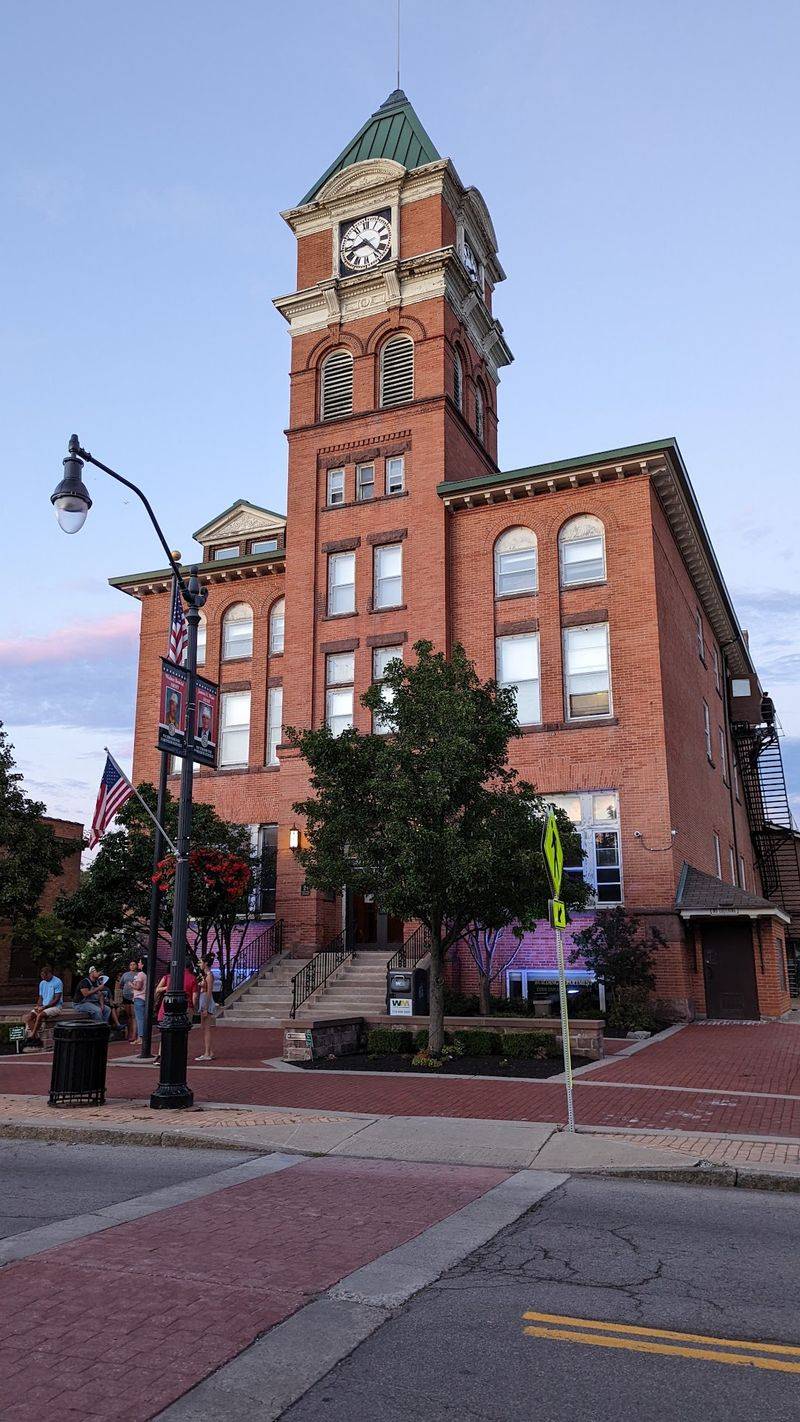
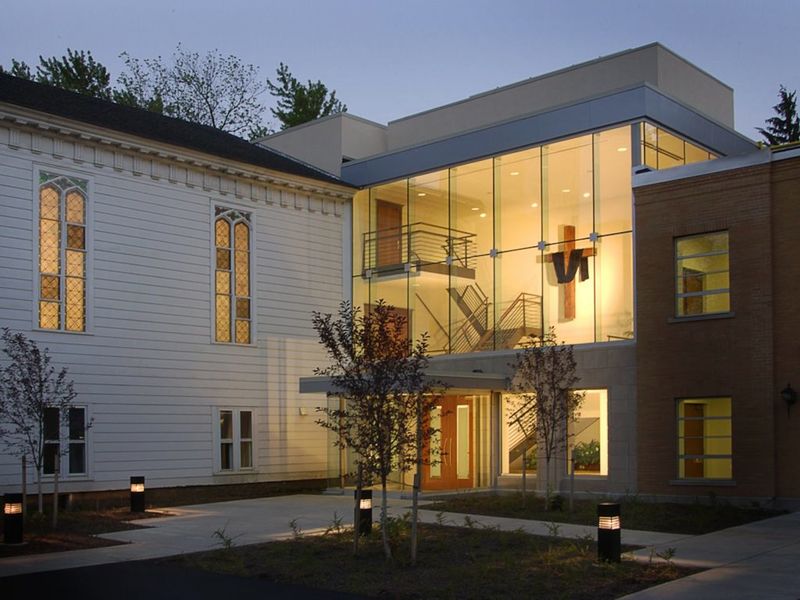
Yes, this village has an opera house. The Lancaster Opera House is the landmark most people associate with Central Avenue.
The building dates to the 1890s. It reflects a time when small towns built grand halls for concerts, plays, and community gatherings.
Today the Lancaster Opera House still hosts live performances. Its stage gives this modest village a cultural punch well above its size.
I can’t imagine a better centerpiece for a main street stroll. Even from the sidewalk, the building announces that this place takes its community life seriously.
You’ll find it at 21 Central Avenue, Lancaster, NY 14086. It’s easy to work into any walk through the village core.
If you can, plan your visit around a show. Catching a performance turns a pleasant afternoon into a full outing.
Schedules change from season to season. Check the theater’s current lineup before you go so you don’t miss your chance.
Even without tickets, the building deserves a pause. Few villages of roughly 10,000 people can point to a historic stage like this.
That’s a bragging right worth seeing in person.
Town Business Downstairs, Showtime Upstairs
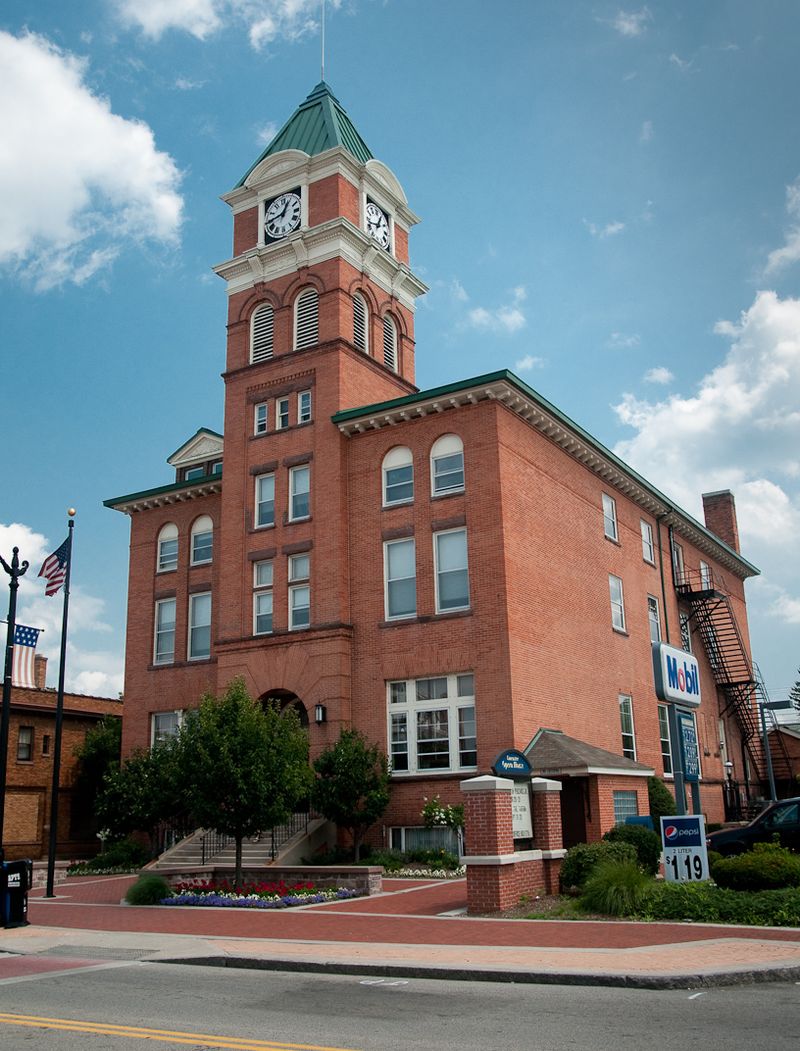
Paying a bill and catching a musical in the same building? That combo is part of the charm here.
The Lancaster Opera House shares its historic building with town government offices. Civic life and stage life live under one roof.
That arrangement was common in older American towns. A single hall often served as the meeting place, the courtroom, and the entertainment center.
Most of those halls are gone now. Lancaster’s survives and still keeps its curtain rising.
I like how practical the original idea was. Why build two big buildings when one handsome one could do both jobs?
The theater space sits upstairs. Climbing up to it feels like discovering a secret floor in an otherwise official building.
Performances typically include plays, musicals, and concerts. The specific lineup depends on the current season.
For families, it’s a great way to introduce kids to live theater. The intimate scale makes the stage feel close and exciting.
For history fans, the building itself is the show. It’s a working example of how New York villages once organized their entire community around one sturdy hall.
Window Shopping With Zero Pressure
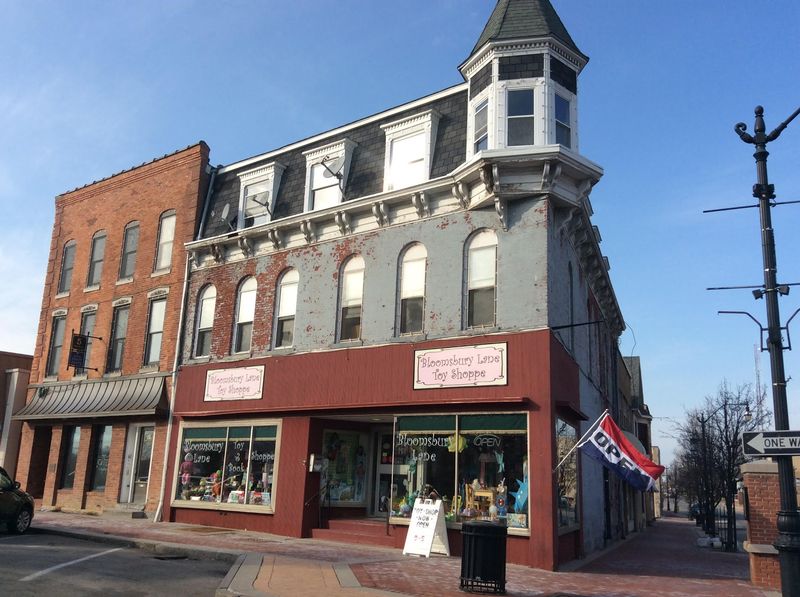
Some afternoons call for buying nothing at all. Lancaster’s downtown is a lovely place to practice that skill.
Local shops along the village core change over time. Rather than chase a specific store, treat the street as a rotating gallery.
Peek in windows. Read the hand-lettered signs, notice the displays, and wander in wherever curiosity pulls you.
Small, independent businesses give older main streets their personality. Each one adds a little flavor you won’t find in a big-box plaza.
I believe the best souvenirs are often unplanned. A card, a small gift, or a snack can become a memory of the day.
Hours at small shops can vary by day. Weekday and weekend schedules often differ, so a quick check ahead helps.
Bring a tote bag just in case. Good intentions about browsing only have a habit of crumbling at the register.
And if you leave empty-handed, that’s fine too. The walk itself was the purchase.
Fresh air, old buildings, and a slow pace cost nothing. That’s a pretty good deal on any afternoon.
Snack Breaks Keep The Stroll Going
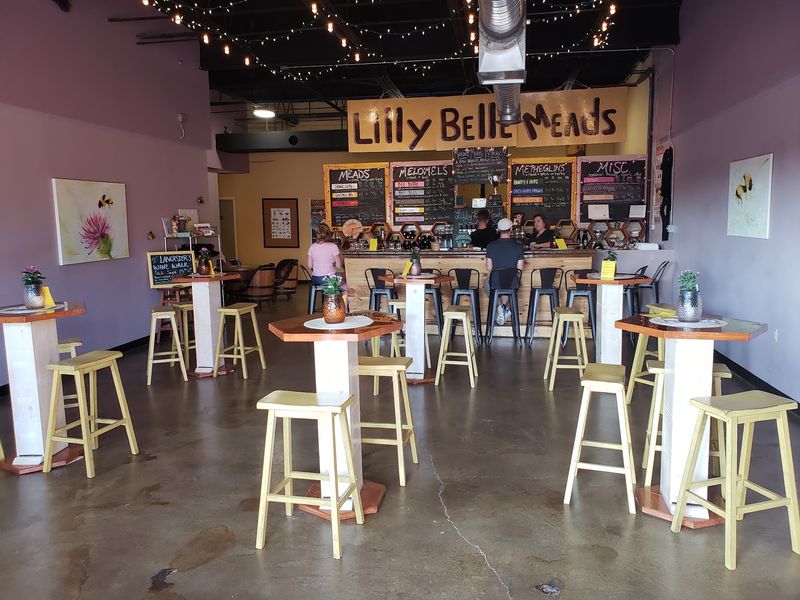
Walking builds an appetite, and so does looking at pretty buildings. Plan for at least one snack break.
The village and the surrounding town offer a range of local eateries. Options shift over time, so look up current spots before your trip.
A coffee stop fits the mood nicely. Sitting by a window lets you keep enjoying the street while you rest your feet.
Western New York also has a strong food identity. Buffalo-style favorites show up all over the region, so you’re never far from comfort food.
I like pairing a stroll with one sit-down meal. It turns a quick visit into a proper afternoon.
If you’re catching a show at the Lancaster Opera House, eat beforehand. A relaxed meal makes the evening feel complete.
Families might prefer a quick bite. Kids tend to walk farther when a treat waits at the end.
Whatever you choose, keep it local when you can. Independent spots help keep a main street lively.
And honestly, a snack in a historic village just tastes better. That’s not science, but it feels true.
Every Season Paints The Street Differently
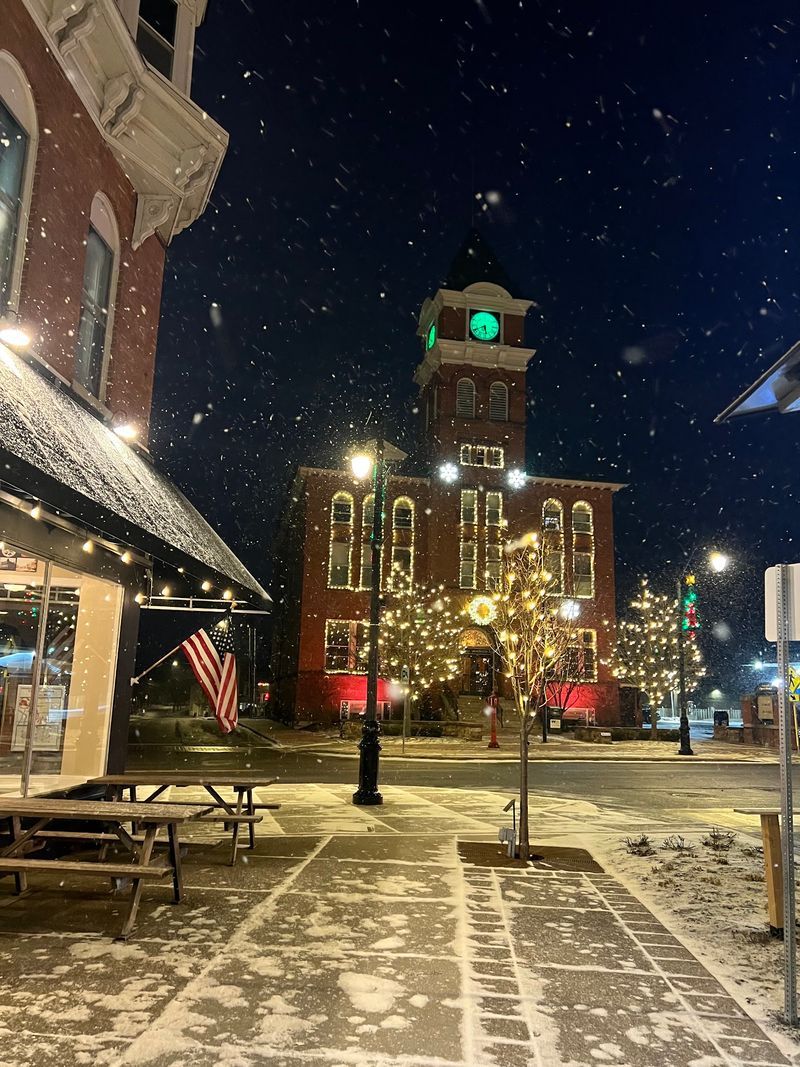
Western New York weather keeps you on your toes. Luckily, each season gives Lancaster’s older streets a fresh look.
Summer brings long evenings and green trees. It’s ideal for a lazy, unhurried loop through the village.
Fall might be the showoff season. Changing leaves pair beautifully with brick facades and older rooflines.
Winter has its own appeal. Snow on old buildings looks like a holiday card come to life.
Spring is the quiet surprise. Fewer layers, fresh air, and blooming trees make walking easy again.
I believe there’s no wrong time to come. You just need to dress for whatever New York decides to serve that day.
Comfortable shoes are a must in any season. Sidewalks and curbs on older streets can be uneven.
Winter visitors should allow extra time for parking and walking. Snowy sidewalks slow everyone down a bit.
The Lancaster Opera House season also shapes the calendar. Pairing a performance with a seasonal stroll makes the most of any visit.
Pick your favorite weather and go.
Who Will Love This Low-Key Outing Most
History buffs, theater fans, and serial strollers, this one’s for you. Lancaster suits people who enjoy noticing small things.
Couples will like the easy pace. A walk, a snack, and maybe a show make a simple, satisfying date.
Families can make it work too. The village is compact, and a performance can introduce kids to live theater.
Photographers will find plenty to frame. Older facades, rooflines, and signs reward a patient eye.
Thrill seekers might want to look elsewhere. Nothing here moves fast, and that’s honestly the charm.
I can’t imagine a better choice for someone who needs a gentle reset. Quiet streets have a calming effect after a busy week.
Buffalo residents get a bonus. You can treat this as a half-day outing without burning a whole weekend.
Out-of-town visitors can pair it with a bigger Buffalo trip. It adds a small-village contrast to city sightseeing.
The common thread is curiosity. If you enjoy reading old buildings like books, you’ll fit right in.
Bring that mindset, and the afternoon practically plans itself.
An Easy Drive East From Downtown Buffalo
Getting here is refreshingly simple. Lancaster sits east of Buffalo, so a short drive brings you right into the village.
Your GPS will handle the route from most parts of the metro area. Just enter the village center rather than the broader town to land in the right spot.
Aim for Central Avenue as your starting point. It puts you close to the Lancaster Opera House and the older storefront blocks.
Driving is the most practical option for most visitors. Western New York suburbs are generally built around cars.
Once you arrive, park and leave the car alone. The village core is best seen on foot.
I like that the logistics stay so painless. No ferries, no tolls to fret over, and no complicated transfers.
Out-of-state travelers can fly into Buffalo. The village makes an easy add-on to a city visit.
Give yourself a little cushion for traffic. Rush hours around Buffalo can stretch a short trip.
Otherwise, the hardest part is deciding when to go. That’s a nice problem to have.
Smart Planning Tips Before You Head Out
A little homework goes a long way here. Small-town schedules can surprise first-time visitors.
Independent shops often keep shorter or irregular hours. Some close early or skip certain weekdays entirely.
Check hours for any must-see spot the day before. That simple step prevents a sad face pressed against a locked door.
Theater plans need the most attention. Look up the Lancaster Opera House schedule early, especially for popular shows.
Weekends often bring the liveliest feel. Weekdays can feel quieter, which some walkers actually prefer.
I believe two to four hours is a sweet spot. That leaves room to wander, eat, and linger without feeling rushed.
Wear comfortable shoes and dress in layers. New York weather loves to change its mind by midafternoon.
Carry a reusable bottle on warm days. Strolling in summer sun can sneak up on you.
Keep the plan loose otherwise. The joy of a village like this comes from small surprises, not a strict checklist.
Leave space for detours, and the day will fill itself.
A Quiet Little Win Worth Your Afternoon
Not every great outing needs fireworks. Lancaster proves that a handsome street and a historic stage can carry an afternoon.
The village keeps things compact and walkable. Older buildings give the stroll texture, and the Lancaster Opera House gives it a focal point.
Add a snack, a little window shopping, and maybe a show. Suddenly hours have slipped by without a single dull moment.
I like places that don’t try too hard. This village feels lived-in and real, not staged for tourists.
It’s also proof that New York’s best outings aren’t always famous. Sometimes they sit just a short drive from home.
Buffalo locals can treat it as an easy escape. Visitors can enjoy a small-village counterpoint to the big city.
Either way, the reward is the same. You get a slower pace and a sense of history underfoot.
So pick a free afternoon and point the car east. Wander Central Avenue, look up often, and see what catches your eye.
I have a feeling you’ll stay longer than you planned.