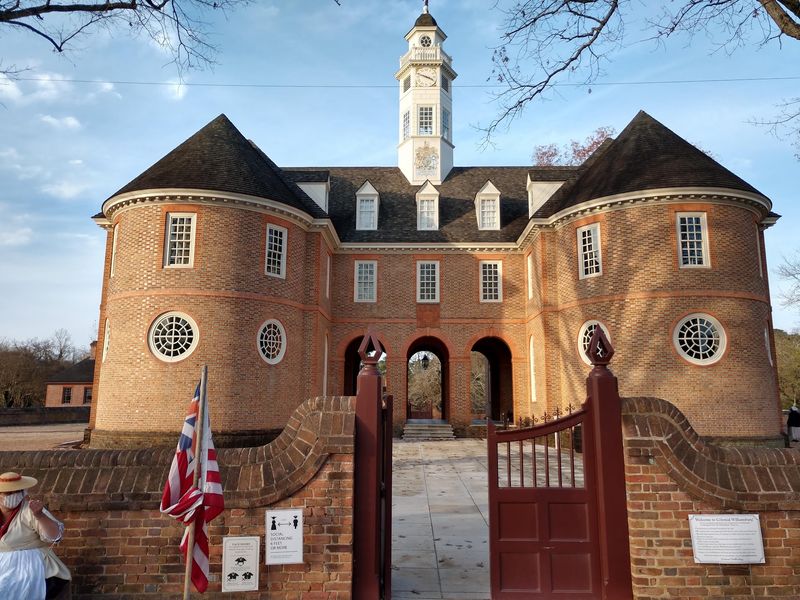
A single paved path connects the first permanent English settlement in America to a modern state capital. It also rolls past the home of a former president.
That alone beats staring at a gym wall.
The route stretches roughly 52 miles through farm fields, forests, and marshes in Virginia. Wooden bridges carry you over creeks and wetlands.
Mile markers count every stretch, so you always know how far you’ve come.
I like how this trail turns plain exercise into a moving history lesson. Your legs do the work while centuries of stories slide by.
No headphones required, though nobody will stop you.
I can’t imagine a treadmill competing with osprey nests and plantation gates. So why grind through another indoor workout?
The real question is how far you’ll want to go once you start.
One Long Ribbon Linking Two Capitals
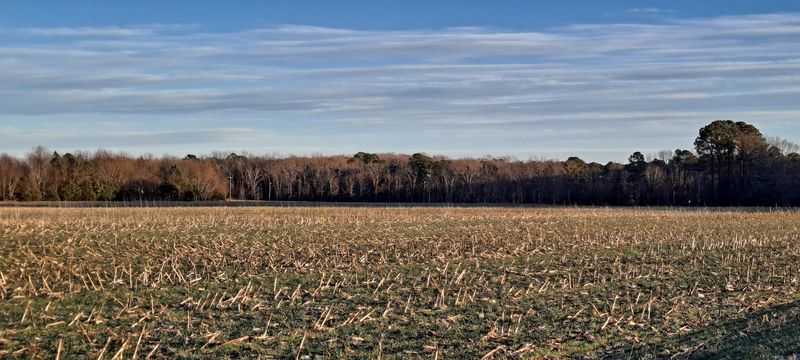
Two of Virginia’s capitals sit at opposite ends of the Virginia Capital Trail. Jamestown anchors the eastern end, and Richmond holds down the west.
Between them runs a paved path of about 52 miles. It roughly follows the historic Route 5 corridor through James City County, Charles City County, and Henrico County.
That setup makes the trail feel like a road trip without the car. Each county brings its own scenery, from busy edges near Richmond to quiet farmland in the middle.
The path is separate from vehicle traffic, which matters a lot for families and newer riders. You still meet road crossings, but they’re spaced out along the route.
Mile markers line the whole length, and they’re more useful than they sound. They help you plan turnaround points, snack breaks, and how much ambition you actually have today.
Walkers, runners, and cyclists all share the space. A little courtesy goes a long way, so ring a bell or call out before passing.
The trail is free to use, which makes it one of the friendliest bargains in the state. Your only real cost is energy, and maybe a good pair of shoes.
Colonial Roots Under Every Pedal Stroke
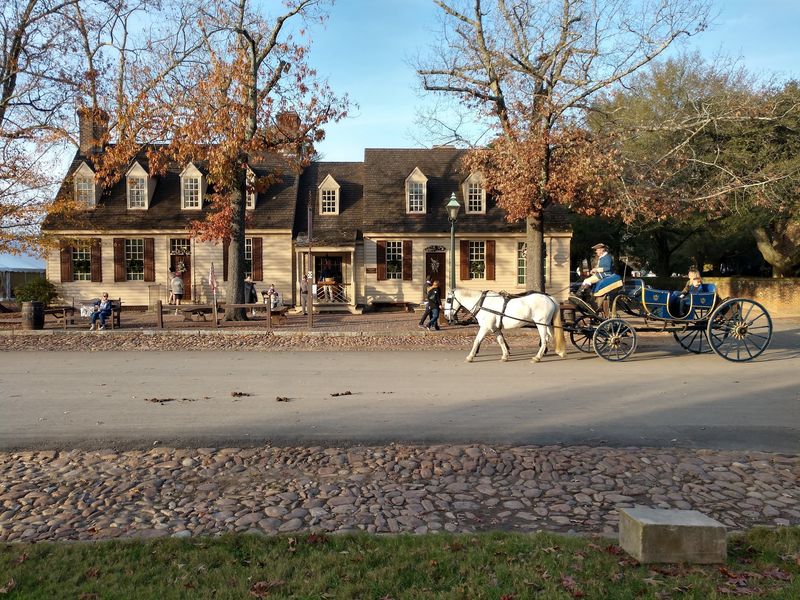
Few workouts start beside the place where English colonists arrived in 1607. Here, the eastern end sits near Jamestown, so history greets you before your first mile.
The corridor the trail follows has carried travelers for centuries. Route 5 itself links plantations and river landings that shaped early Virginia life.
The Virginia Capital Trail opened in full in 2015 after years of building in phases. Supporters pushed hard to make it happen, and the result now draws riders from across the region.
Historical markers dot the route, giving you reasons to pause. Reading a sign is a fine excuse to catch your breath without admitting it.
The trail doesn’t feel like a museum, though. It feels like a long country ride where the past keeps popping up beside you.
That mix is what makes the miles fly. One minute you’re tracking your pace, and the next you’re wondering who lived in that old brick house.
History buffs and fitness fans rarely share the same weekend plans. On this path, they finally can, and nobody has to compromise.
Presidents’ Homes and Plantation Gates Along the Way
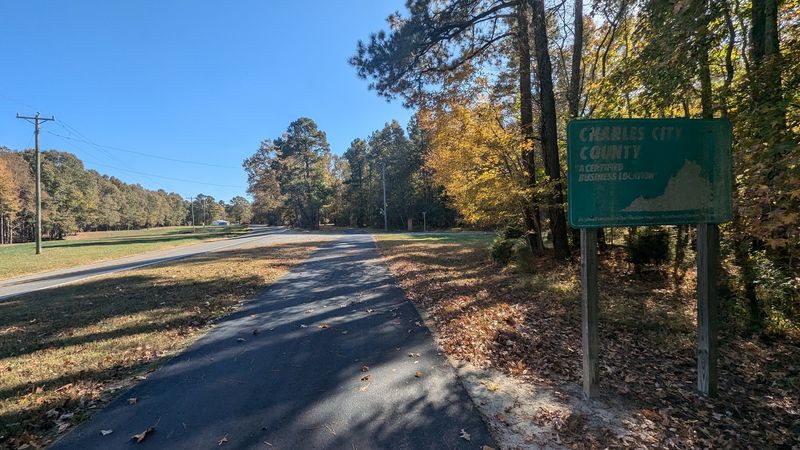
Charles City County is where the trail shows off. Several historic James River plantations sit along this stretch, including Berkeley, Shirley, and Sherwood Forest.
Berkeley Plantation is the birthplace of President William Henry Harrison. Sherwood Forest was the home of President John Tyler, so that’s two presidents for the price of zero.
Shirley Plantation is known as one of the oldest family-owned businesses in North America. Its story stretches back to the early 1600s.
Each property has its own visiting rules and admission. Check their schedules before planning a stop, since tours and hours can change by season.
Even from the trail, the setting feels different here. Long driveways, old trees, and open fields remind you this land has been farmed for generations.
Riders who love detours can easily turn one ride into a full day trip. Park the bike, tour a house, then roll back out with fresh legs.
Gym treadmills come with a television. This route comes with colonial estates, which feels like a fair upgrade.
Wooden Bridges Over Marsh and Creek
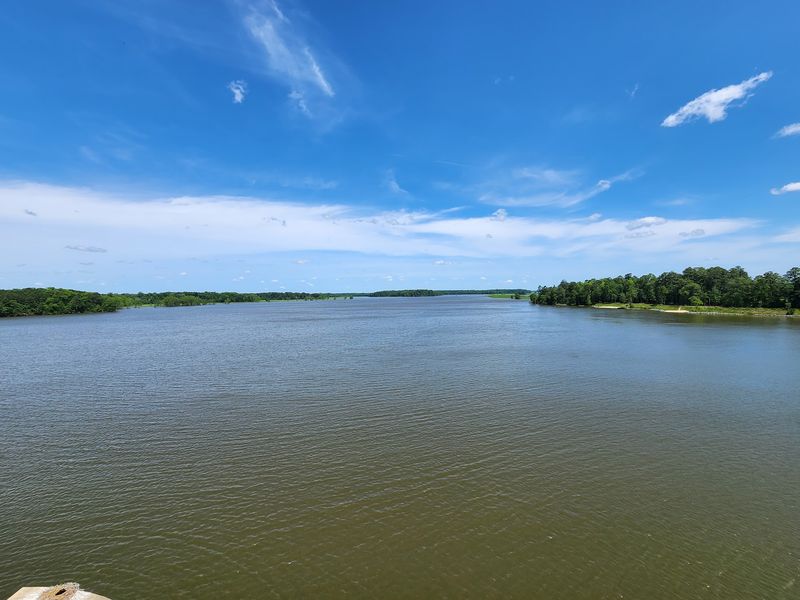
Wooden bridges might be the trail’s most photogenic feature. They carry riders over creeks, wetlands, and marshy lowlands that would otherwise block the way.
The biggest crossing is the bridge over the Chickahominy River area near the eastern end. It’s one of the few real climbs on an otherwise mellow path.
Out on these spans, the view opens wide. Water, reeds, and sky fill the frame, and suddenly your phone wants to come out of your pocket.
Wildlife watchers get a bonus here. Ospreys nest in the area, and birders find plenty to look at along the water.
Bring binoculars if birds are your thing. A slow ride across a bridge can turn into a surprisingly long stop.
Wood surfaces can feel different under tires, especially when damp. Ease off the speed and enjoy the creak and rumble instead.
Nobody has ever called a treadmill belt scenic. These bridges make the case for outdoor cardio better than any fitness ad could.
Flat Miles, Gentle Hills, and Room for Everyone
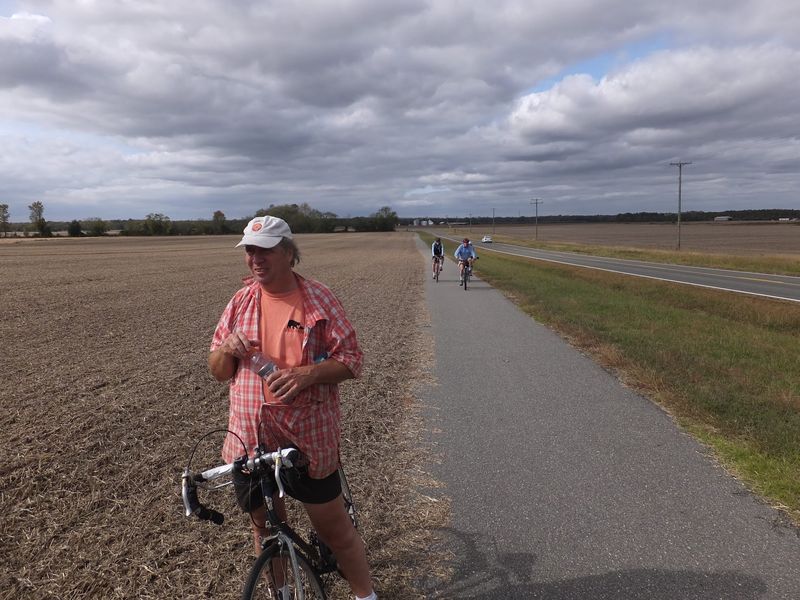
Smooth pavement is the headline for many riders. The surface welcomes road bikes, hybrids, strollers, and plain old sneakers.
Much of the eastern half stays quite flat. Gentle rolling hills appear in some stretches farther west, adding just enough challenge to feel earned.
That variety makes the Virginia Capital Trail useful for nearly every level. Beginners can pick a short flat section, while strong riders chase serious mileage.
Some cyclists tackle long out-and-back days, even century rides. Others treat it as an overnight trip, stopping in Williamsburg or Richmond before heading back.
Shade comes and goes along the route. Wooded sections feel cool and quiet, while open farm stretches leave you in full sun.
Pack water and sunscreen for those exposed miles. Summer heat in Virginia doesn’t care how fit you are.
Walkers and runners share the path too, so passing etiquette matters. A friendly heads-up keeps everyone happy and upright.
Fall Colors That Make the Miles Disappear
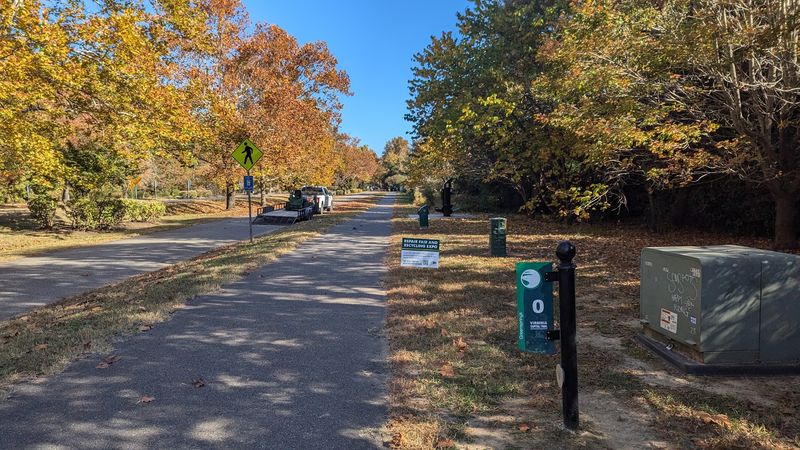
Autumn might be the trail’s best season. Cooler air and changing leaves turn an ordinary ride into something you’ll want to repeat.
The wooded stretches glow with color as the months turn. Open fields fade to gold, and the whole corridor feels calmer.
Comfortable temperatures also help with distance. Riders often go farther in fall simply because they aren’t battling summer heat.
Spring brings its own charm with fresh green growth and active birds. Winter rides can be peaceful, though wind across open areas bites harder.
Weather swings matter on a route this long. A sunny start near Richmond doesn’t guarantee the same skies near Jamestown.
Check the forecast before heading out. A light layer stuffed in a pack can rescue a chilly afternoon.
Gyms stay the same temperature year-round, which is exactly the problem. Out here, every season gives the path a new personality, and that keeps people coming back.
Where to Park and Start Your Ride
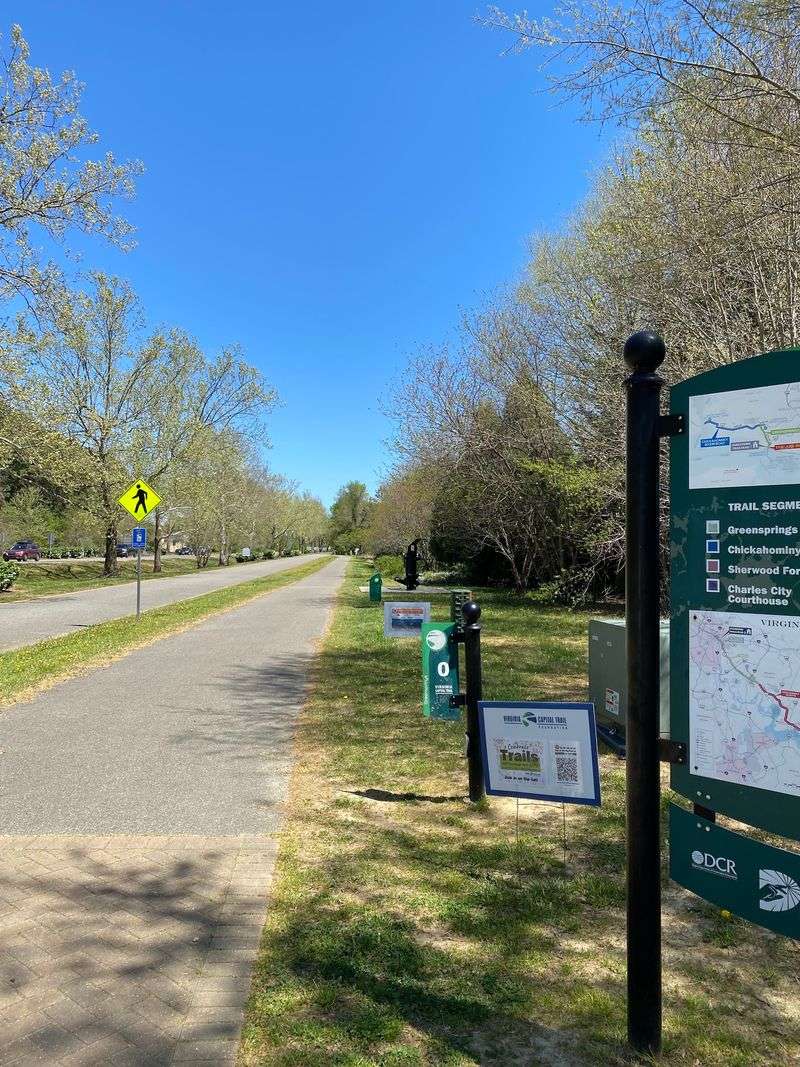
Planning starts with picking a trailhead. Since the Virginia Capital Trail has no single street address, choose the access point that matches your goals.
Jamestown Settlement area offers a popular eastern start with parking nearby. Four Mile Creek Park in Henrico County is a common launch point on the western half.
Chickahominy Riverfront Park sits near the eastern end too. It makes a handy staging spot for rides over the river bridge.
The western terminus lands in Richmond near Great Shiplock Park along the riverfront. City riders can hop on without loading a car.
Restroom access varies by stop, so plan around parks and towns. Trash cans are limited along some sections, so pack out what you bring.
Bike shops and small stops appear along the corridor, but distances can stretch. Carry a spare tube and basic tools for peace of mind.
Hours and rules can change, so check with local park offices before your trip. A little homework keeps the day smooth from first mile to last.
Why Your Treadmill Should Feel a Little Nervous
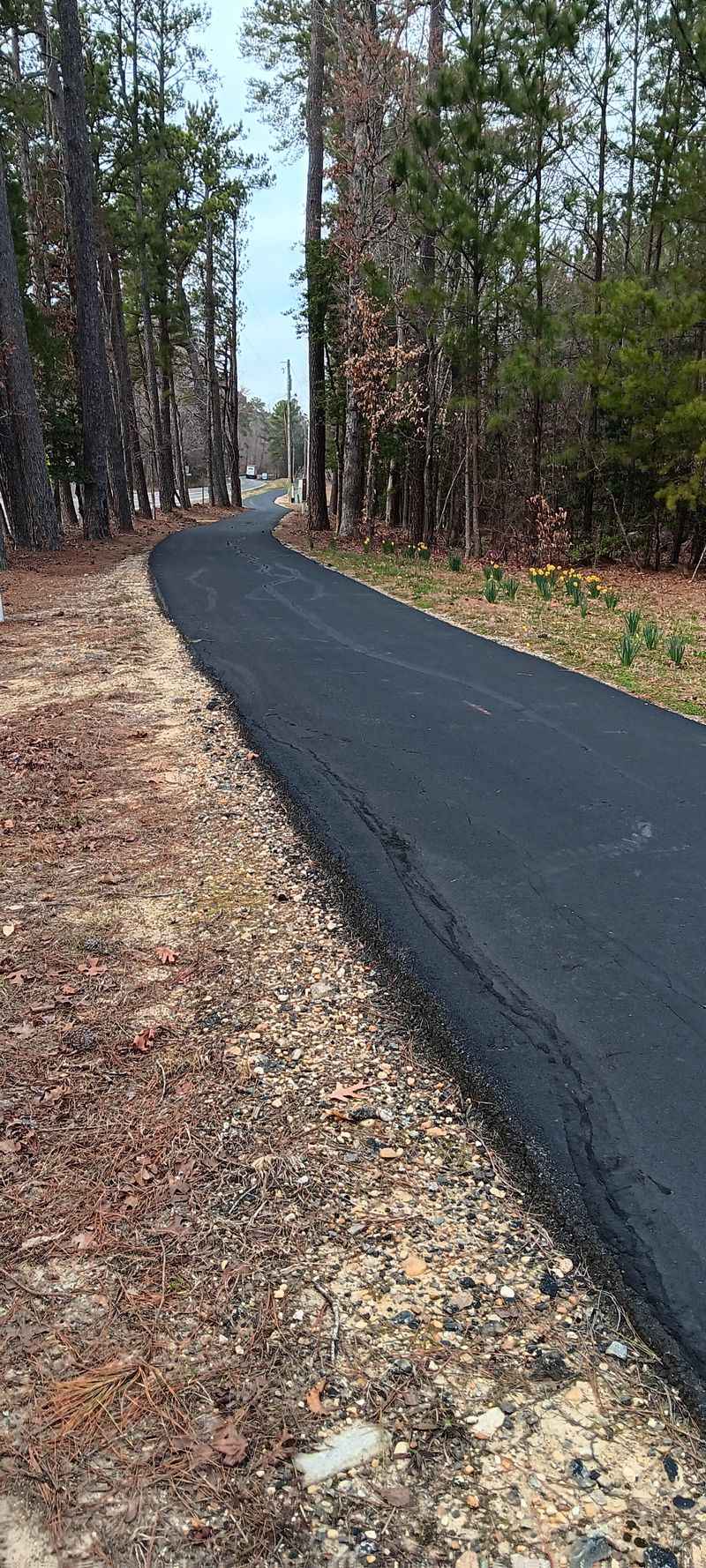
Treadmills promise convenience, and that’s about it. The Virginia Capital Trail offers fresh air, history, and scenery that changes every mile.
It works for nearly anyone. Families, serious cyclists, casual walkers, and birders all find their own version of a good day here.
The 4.6-star rating on Google suggests plenty of people agree. Riders praise the smooth surface, the shade, and the historic landmarks along the way.
It isn’t flawless, of course. Some stretches run close to the road, and tree roots have rippled the pavement in spots.
Those quibbles feel small next to the big picture. A free, paved path across colonial Virginia is hard to top for an afternoon outside.
Start small if you’re unsure. Ride five miles out and five back, then see how loudly the next section calls your name.
Odds are you’ll be planning a return before you’ve even reached the car. That gym membership might start feeling a little lonely.