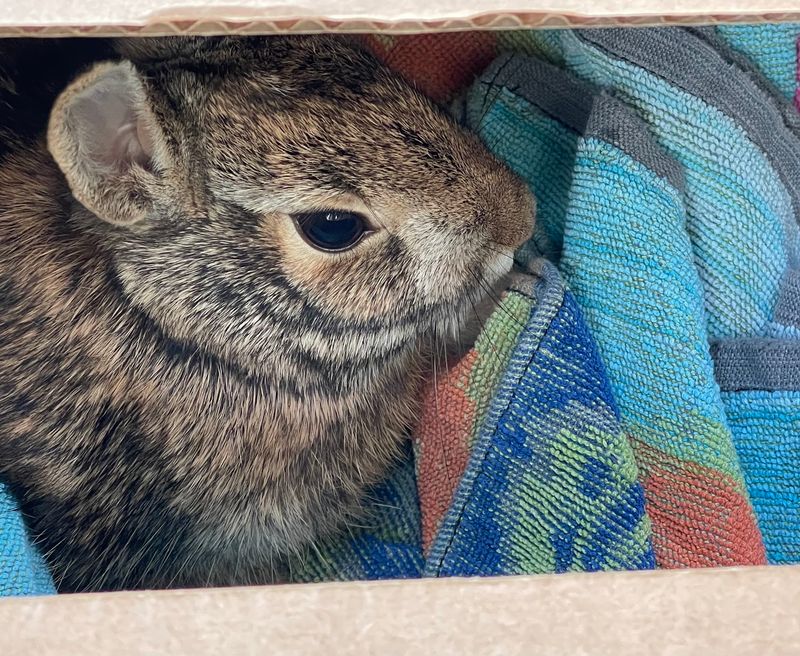
An injured bunny turned up in a backyard, and its finder heard back within 30 minutes. Twenty minutes after that, a rescuer was at the door to carry the little patient away.
That kind of speed shows up again and again here. One person found a hurt woodpecker on a road and got an answer in about five minutes.
Another spotted a wounded hawk in the yard and had a volunteer on site within half an hour.
I love that this New York rescue answers seven days a week. Birds, baby squirrels, geese, rabbits, and even a mouse stuck on a glue trap have all landed on its radar.
So what happens after that worried phone call? And who are the people racing across the county to help a creature most of us would never notice?
A Wildlife Rescue Built For Long Island’s Smallest Emergencies
Long Island has plenty of beaches, farm stands, and traffic. It also has the Wildlife Center of Long Island, Inc., a nonprofit wildlife rescue service based in Suffolk County, New York.
Its job is simple to describe and hard to do. When a wild animal gets hurt, orphaned, or stranded, this group steps in to help it get proper care.
That might mean a bird with a damaged wing on a front lawn. It might mean a baby squirrel with no mother in sight, or a goose limping across a parking lot.
Most of us have no idea what to do in those moments. We hover, we panic a little, and we search our phones for answers.
Calling a dedicated rescue changes the whole situation. Instead of guessing, you get trained people who know which animals need help and which ones are better left alone.
I like that a place like this exists for the creatures nobody else is watching out for. Squirrels and pigeons rarely get fan clubs.
Here, they get attention, a plan, and a real shot at heading back outside where they belong.
Help That Keeps Weekend Hours, Too
Animals don’t schedule their emergencies around business days. A fledgling can tumble out of a nest on a Sunday just as easily as on a Tuesday.
Good news, then. The Wildlife Center of Long Island, Inc. lists hours from 8 AM to 4 PM every single day of the week.
That includes Saturday and Sunday, which matters more than you might expect. Weekends are when many of us are out in the yard, on walks, or driving to errands.
Those are also the moments when people stumble on a stunned bird or a wobbly rabbit. Having a rescue that answers on a Saturday morning can make a real difference.
Early timing helps, too. An 8 AM start means someone who finds an animal at dawn doesn’t have to wait until late morning for guidance.
Still, it’s smart to reach out as soon as you can during those hours. Wildlife care depends on timing, and the afternoon window closes at 4 PM.
Think of it like any urgent situation. The earlier you call, the more options everyone has, and the better the odds for the animal.
Rescuers Who Seem To Move At Hawk Speed
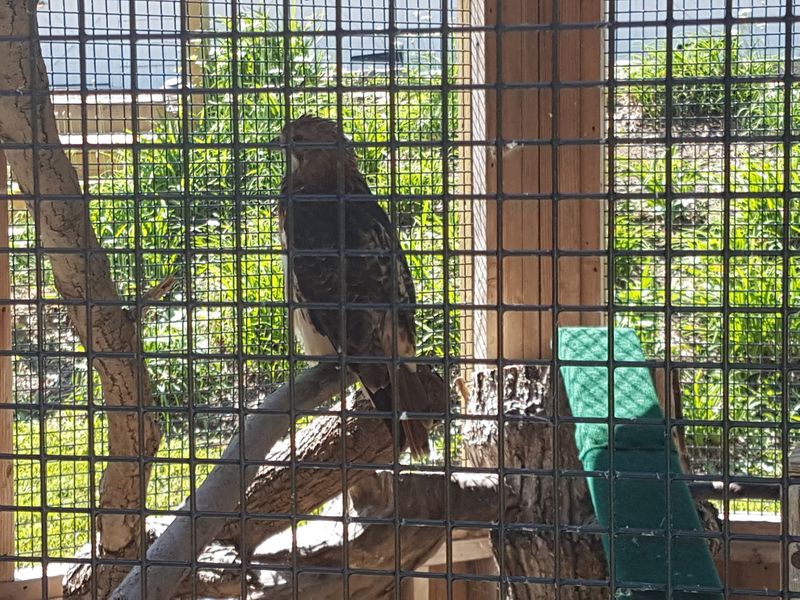
Five minutes. That’s how long one caller waited for a reply after reporting an injured hawk in a backyard.
Within half an hour of that first call, a volunteer was at the house. For a frightened bird of prey, that kind of timing is a big deal.
Quick response time comes up repeatedly when people describe this rescue. It’s one of the most mentioned topics tied to the Wildlife Center of Long Island, Inc.
A woodpecker found in the road got a similar answer within minutes. The finder and a representative agreed on a meeting spot, and the handoff went smoothly.
The bunny story fits the pattern as well. A reply came within 30 minutes, and someone arrived to pick up the rabbit about 20 minutes later.
Why does speed matter so much? Injured wild animals stress easily, and every hour in a cardboard box is an hour without real care.
A fast callback also calms the human side of the equation. Nobody enjoys guarding a nervous hawk on the patio while wondering if anyone will ever call back.
Feathered Patients Run The Show
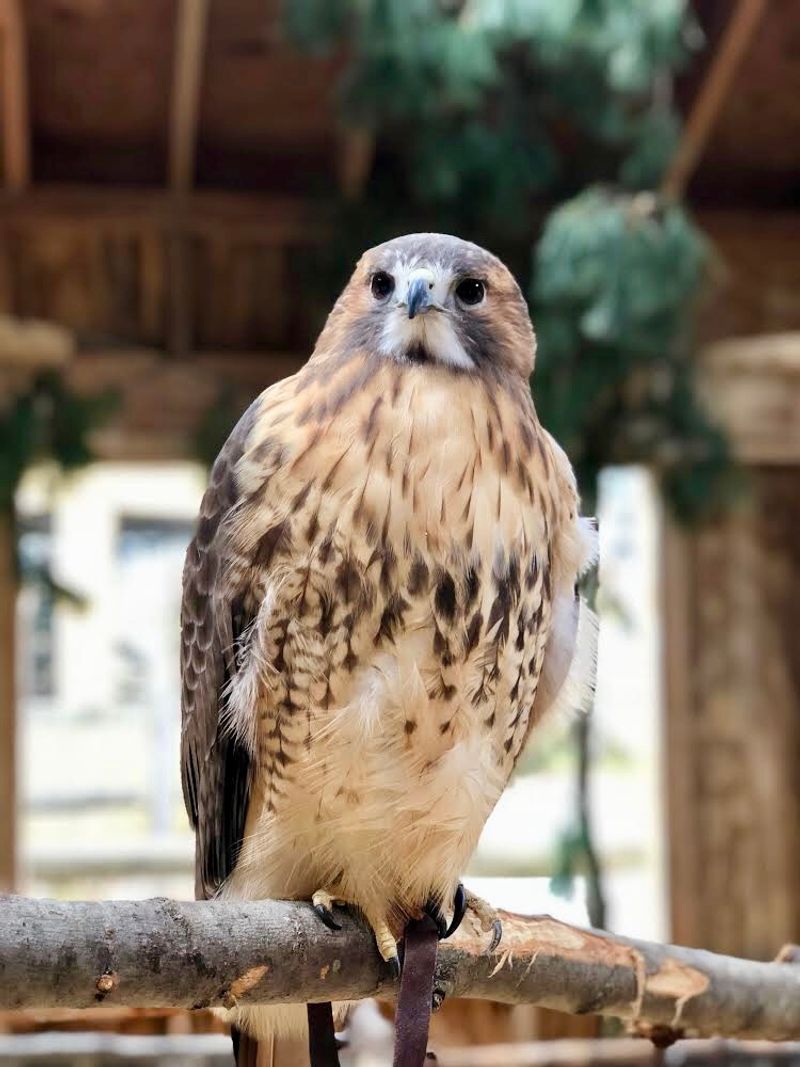
Birds are the stars of the patient list, and it isn’t close. Among all the topics people bring up about this rescue, birds come up far more than anything else.
That makes sense on Long Island. The area sits along busy migration routes, and backyard feeders draw plenty of feathered traffic.
Injured bird rescue is a common reason people reach out. Doves, woodpeckers, hawks, and baby songbirds have all been part of the story.
Some cases are dramatic, like a hawk grounded in a yard. Others are quieter, like a dove with a hurt wing sitting still on a front lawn.
Baby birds bring their own puzzles. A young bird on the ground isn’t always injured, and knowing the difference takes experience.
That’s exactly why calling a rescue beats guessing. Trained folks can ask the right questions about feathers, behavior, and surroundings before anyone scoops up a chick.
Fun fact for your next walk: many fledglings spend a few days hopping on the ground while parents keep feeding them nearby. A quick call can save a healthy bird from an unnecessary trip.
Spring Brings A Parade Of Baby Squirrels
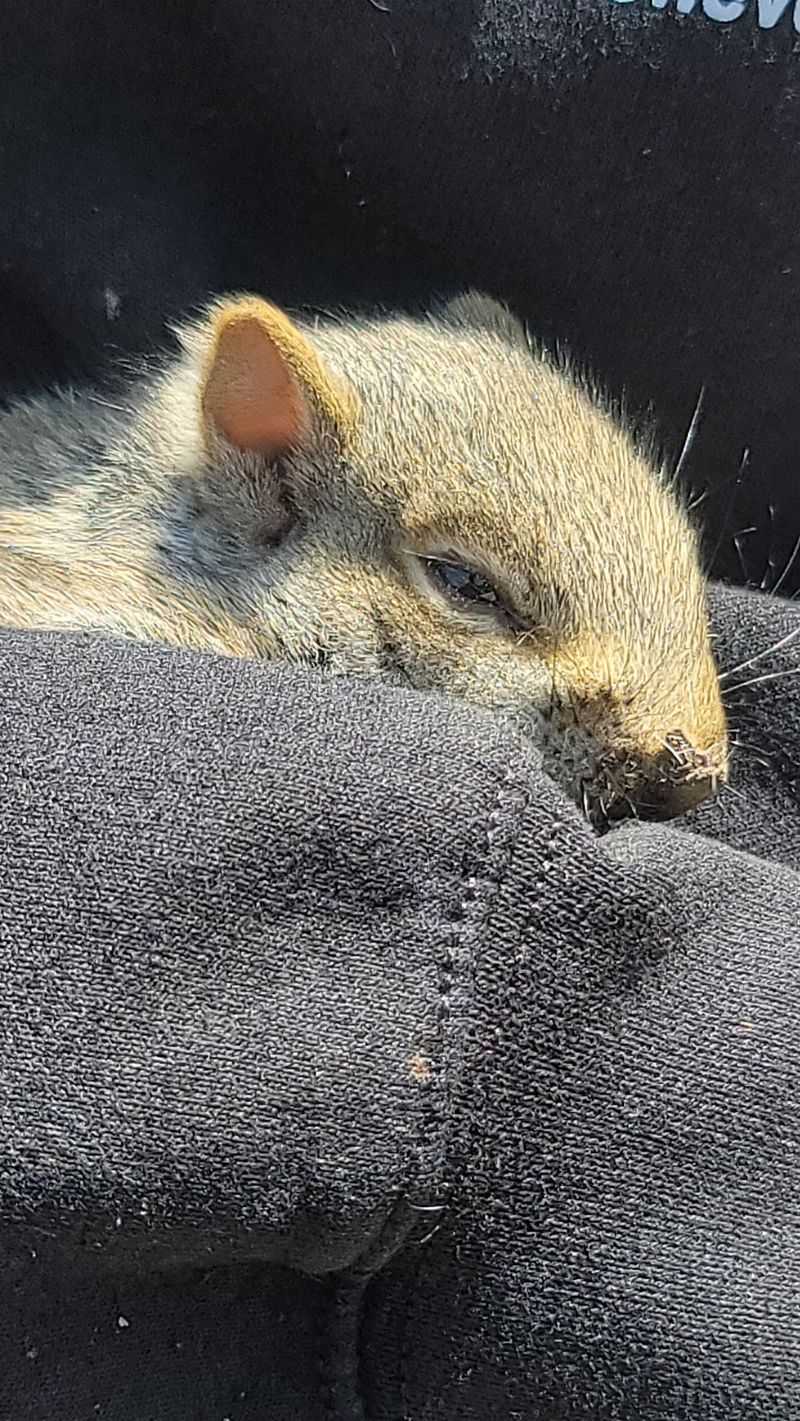
Few things are cuter or more worrying than a baby squirrel alone on the grass. Its mother might be nearby, or she might not be coming back at all.
Baby squirrel drop-offs are one of the specific topics linked to this rescue. One couple found a youngster with no mother in sight and called for help.
The rescue took the little one in. The plan was to nurse it back to health and later release it where it was found.
I really like that detail about returning animals to their original spot. It keeps wildlife connected to the neighborhood it already knows.
Squirrel babies need very particular care. Feeding them the wrong thing or at the wrong pace can cause serious problems, so this isn’t a weekend project for well-meaning neighbors.
A rescue team can judge age, warmth, and condition quickly. They can also tell you if waiting a bit for a mother to return makes more sense.
So if a tiny furball shows up beneath your oak tree, resist the urge to adopt it. Call the experts, and let it grow up properly wild.
Geese, Rabbits, And Other Surprise Backyard Guests
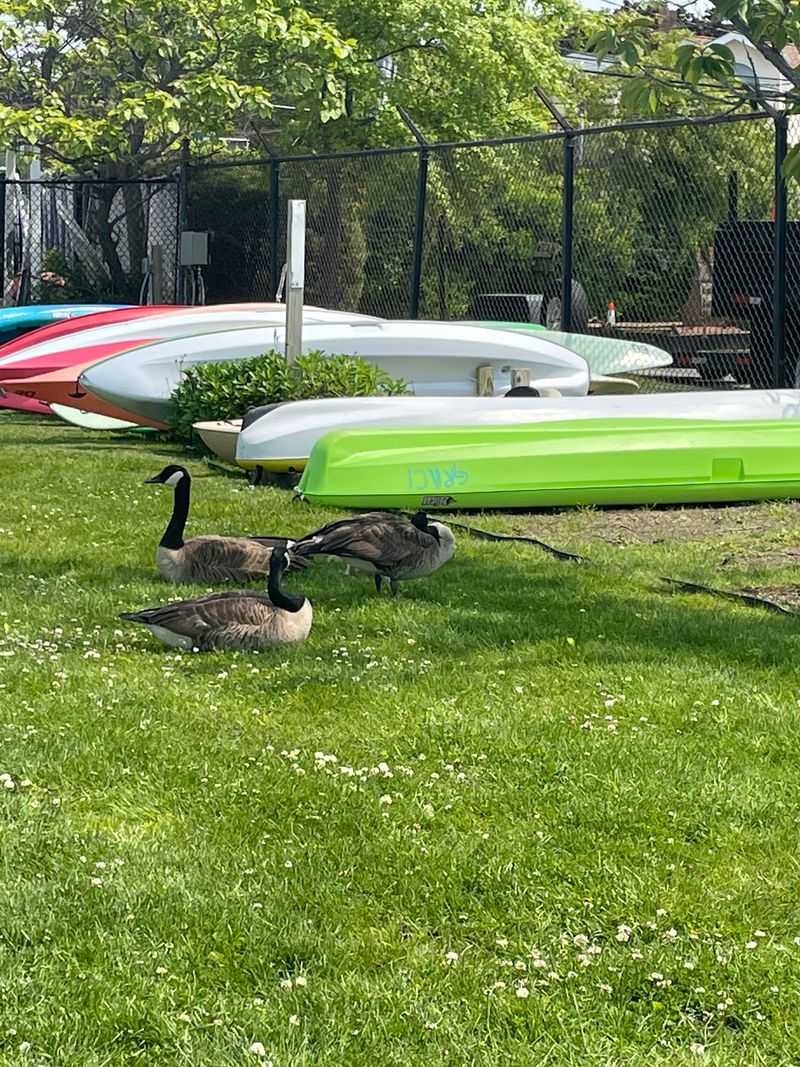
A goose with a broken wing in a parking lot sounds like the start of a joke. For one person, it was a real problem that needed real help.
They emailed the rescue with photos of the bird. Someone called back and came by later that same day to catch the goose.
The goal was to treat its wing and care for it until it recovered. Catching an adult goose is no small task, so credit goes to whoever handled that job.
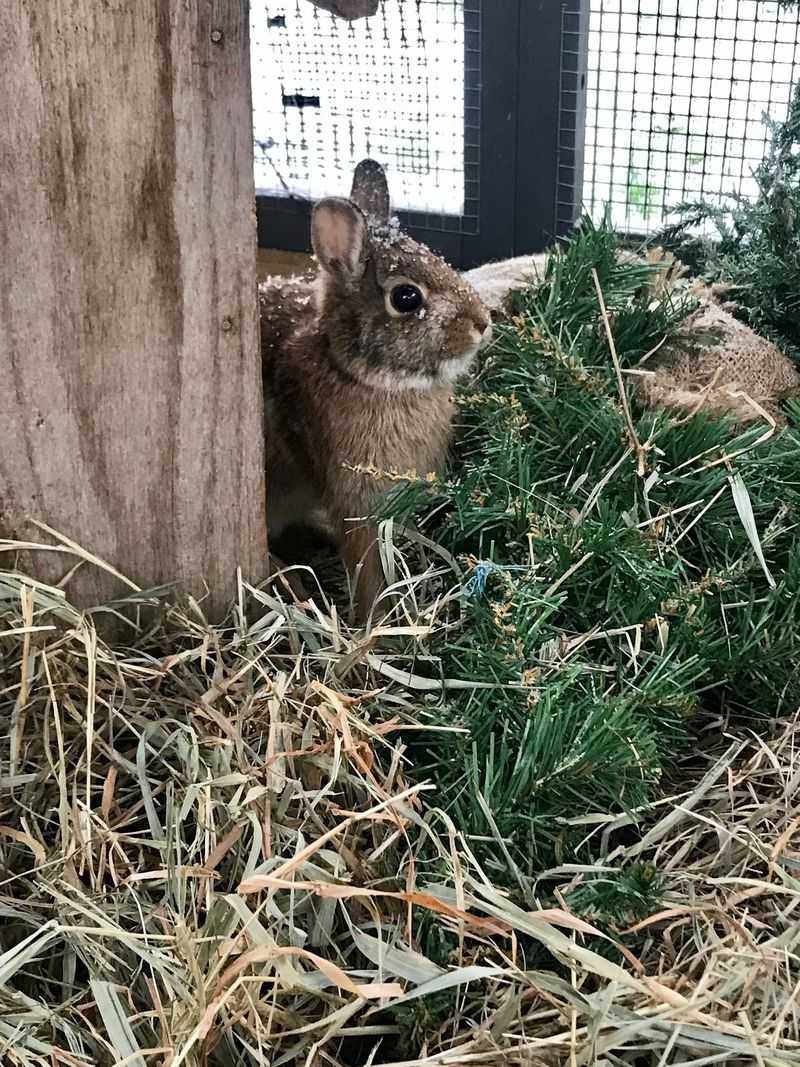
Rabbits show up often as well. One was found early in the morning during a dog walk, and the finder followed online instructions to move it safely.
After sending photos and getting a callback, the finder dropped the rabbit off. The relief afterward was obvious, along with hope of spotting it back in the neighborhood someday.
These everyday animals don’t get much glory. Still, they share our lawns, parks, and parking lots, and they run into trouble because of us more often than we’d like.
Having somewhere to turn for a goose or a bunny feels like a small but meaningful act of neighborliness.
A Phone Call That Opens A Whole Network
Sometimes the best help is the right phone number. The Wildlife Center of Long Island, Inc. often connects callers with other rehabbers across the island.
One family found a mouse stuck on a glue trap and wanted to free it humanely. A staffer shared a list of local helpers and explained what to do in the meantime.
That led them to a nearby rehabber who could evaluate the mouse. The family came away feeling better prepared if it ever happens again.
Another caller lived too far from Long Island to drive over. The rescue still offered several numbers for closer rehabs, plus tips for caring for the bird until help arrived.
In another case, a baby bird seemed to be in respiratory distress. The rescue referred the finder to a center closer to them, aiming to get it treated faster.
Referrals can feel frustrating in a stressful moment, and not everyone loves being redirected. Yet a shorter drive often means quicker care for a fragile patient.
Wildlife rescue works best as a team effort. This group seems to understand that well.
Your First Few Minutes With A Wild Patient
Finding a hurt animal sends most people into a mild panic. Instructions help, and this rescue tends to give them.
One person followed directions found online to move an injured rabbit safely. They then called, emailed a photo, and received next steps before dropping it off.
Photos come up more than once in these stories. Sending a clear picture lets the team see the problem before anyone gets in a car.
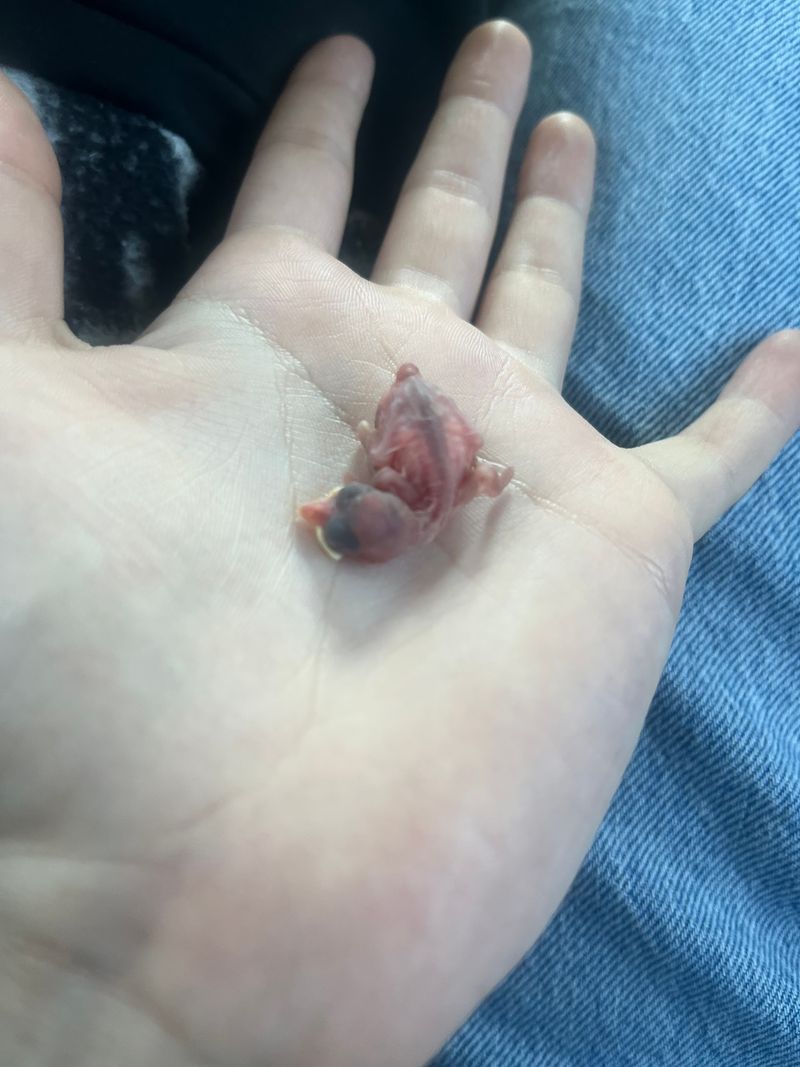
A simple box can also play a role. One finder placed a featherless baby robin in a box during rain while waiting to reach someone.
Keep in mind that wild animals are not pets, even tiny ones. Many species are protected, so getting expert guidance quickly is the wise move.
A calm, quiet spot often helps while you wait for a callback. Loud kids, curious dogs, and lots of handling can add stress the animal doesn’t need.
My favorite takeaway is how teachable these moments are. A single rescue call can leave you knowing far more about local wildlife than any nature documentary ever did.
Volunteers Who Clearly Care A Lot
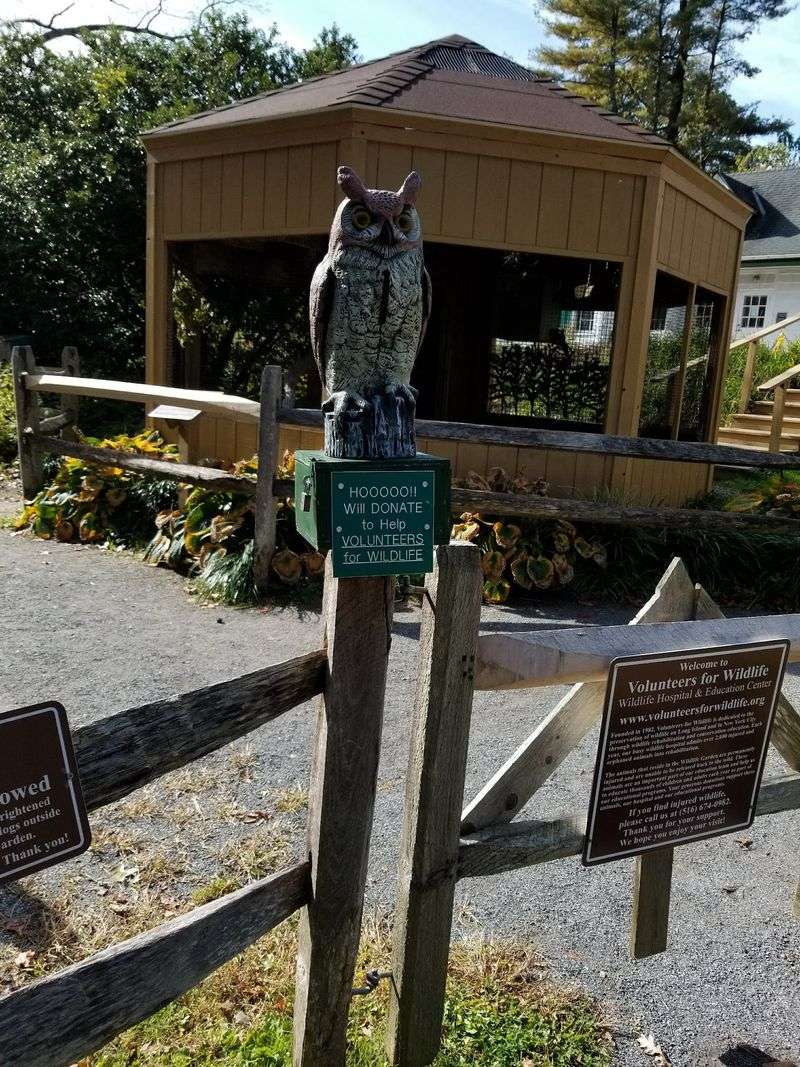
Caring volunteers rank right alongside speedy replies in what people mention. That pairing explains a lot about how this rescue operates.
Volunteers show up at houses, meet finders at agreed spots, and handle frightened animals with patience. One representative was described as friendly and professional during a woodpecker handoff.
Gratitude flows freely in these stories. People call the team compassionate and thank them for stepping up when an animal needs someone.
One supporter put it plainly, saying nonprofits like this deserve donations and recognition. Hard to argue with that after reading about a hawk rescue completed in half an hour.
Of course, volunteers are people, and people have rough days. Not every interaction has gone smoothly, and some callers have shared real frustration.
Still, the overall picture leans warm. With a 4.5-star rating across 60 Google reviews, most people seem to leave grateful.
What strikes me is the choice behind it all. These folks give their time to chase down geese and calm baby squirrels, and that deserves a hearty thank-you.
Honest Expectations Make Every Call Easier
Wildlife rescue isn’t a fairy tale, and knowing that ahead of time helps. Space, species, and injuries all shape what the team can do.
Capacity is a real factor. One caller heard the rescue had no space for a baby bird, and the other numbers offered couldn’t take it either.
Medical outcomes vary, too. Some animals have injuries that won’t allow them to survive safely in the wild, even after care.
In one case, the team explained that a dove had lost vision in one eye. They noted doves need both eyes to avoid cars, buildings, and predators.
Those decisions can feel heartbreaking to the person who found the animal. Some finders have strongly disagreed, especially after bonding with a bird or goose.
The rescue follows wildlife-focused standards rather than pet-style care. Its aim is returning healthy animals to nature, not keeping them in homes.
Going in with that understanding can soften a tough phone call. You’re handing the animal to people trained to weigh its welfare first, even when the answer isn’t the one you hoped for.
Planning Your Visit Or Drop-Off

Location first. The Wildlife Center of Long Island, Inc. is listed in Suffolk County, New York, out on the eastern stretch of the island.
Hours run from 8 AM to 4 PM, Monday through Sunday. That daily schedule makes it easier to plan around work and weekend plans.
Calling ahead is the smart move before driving over with an animal. Staff may suggest a meeting spot, a pickup, or a closer rehabber instead.
Plenty of rescues happen without a trip at all. Volunteers have come straight to homes to collect hawks, bunnies, and geese.
Bring the basics if you do head out. A secure box, a towel, and photos of the animal can make the handoff smoother.
Leave your own dog at home if possible. A nervous wild patient won’t appreciate a curious canine sniffing at its carrier.
The rescue holds a 4.5-star rating from 60 Google reviews. For a service that deals with stressed people and stressed animals every day, that’s a solid showing in Suffolk County.
A Rescue Worth Saving In Your Contacts

Most of us will never plan a trip around a wildlife rescue. Then one morning a hawk lands hurt in the yard, and suddenly this becomes the most important place on Long Island.
The Wildlife Center of Long Island, Inc. offers fast replies, daily hours, and volunteers willing to drive over. It also shares a wide web of contacts when another rehabber makes more sense.
No rescue is perfect, and this one has faced tough moments and hard feedback. Still, the bulk of the stories end with relief and thanks.
I think the quiet value here is preparation. Knowing who to call turns a panicky afternoon into a clear plan.
Birds, squirrels, rabbits, geese, and even glue-trapped mice have all found help through this team. That range says a lot about how broadly they care.
So add the number to your phone before spring baby season arrives. Your future self, and maybe a very confused fledgling, will thank you.
New York has countless wild neighbors. It’s nice knowing someone in Suffolk County is answering when they need a hand.