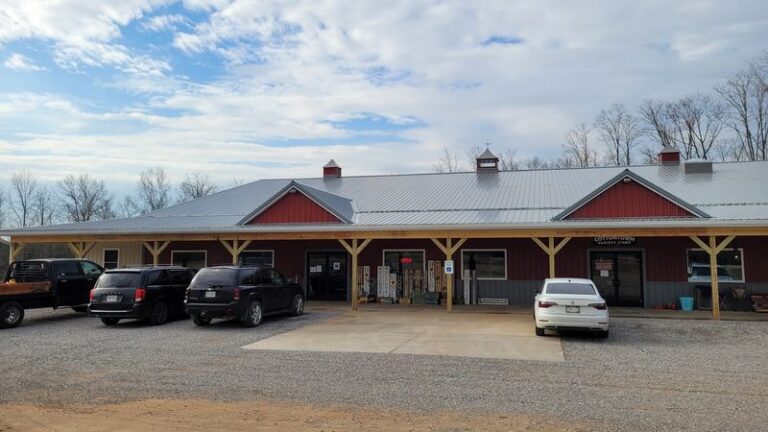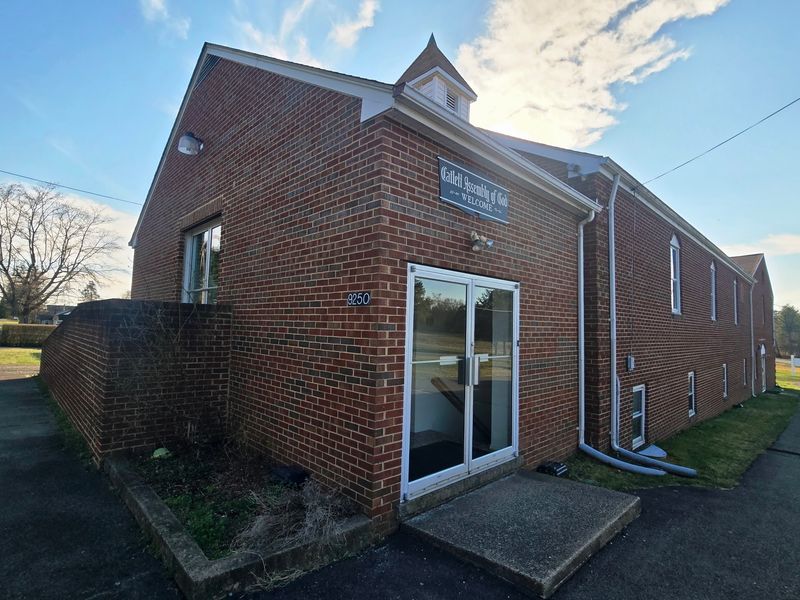
Just 331 people called this spot home in the 2020 census. Yet it sits next to a county with 59 data center buildings running and 29 more going up.
That contrast stopped me cold. On one side of the line, you get country roads and small-town calm.
On the other, you get windowless server buildings, humming fans, and backup diesel generators.
I like how ordinary neighbors in this corner of Virginia have refused to shrug and move on. Nearby homeowners took a giant project to court and won.
Developers pulled their final appeal in July 2026.
So what happens to a tiny community when the biggest building boom around sits right over the county line? I can’t imagine a better place to watch that question play out.
A Tiny Dot On The Map With A Very Big Neighbor
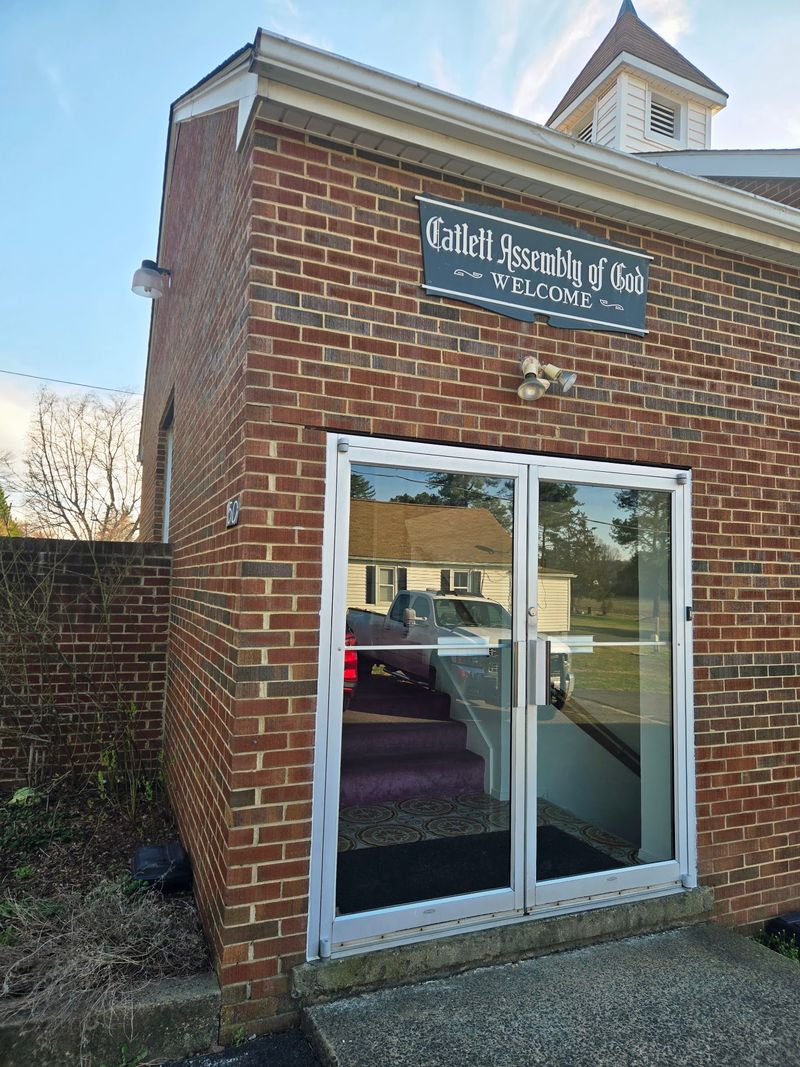
Blink on the drive and you could miss it completely. Catlett is a census-designated place in Fauquier County, Virginia, and it carries the ZIP code 20119.
Census-designated means it has no town government of its own. The federal government simply counts it as a recognizable community, which feels about right for a place this small.
Here’s what makes it interesting today. Catlett sits just west of the Prince William County line, and that line matters a lot.
Prince William County has become one of the busiest data center markets in the state. Server buildings there keep multiplying, and new proposals keep arriving at county meetings.
So Catlett lives in a strange spot. It feels rural and calm, yet its next-door county is wrestling with one of the biggest building booms in the region.
That’s why the story here isn’t really about one building. It’s about how a quiet community stands on the edge of a much larger fight.
Neighbors just over the line have already shown that pushing back can work, and Catlett gives that story a face worth knowing.
Three Hundred Thirty-One Reasons To Pay Attention
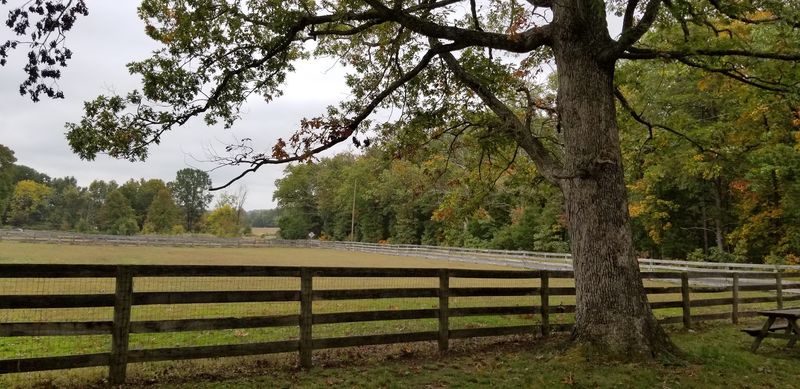
Most suburbs have more people in a single apartment complex. Catlett counted just 331 residents in the 2020 census.
That number tells you plenty about the pace of life here. You won’t find a skyline, a mall, or a traffic jam with its own nickname.
Small numbers also change how a land fight feels. When a huge project lands near a community this size, almost everyone can feel its effects.
In bigger places, a new industrial building might blend into a busy commercial strip. Out here, the open fields and quiet nights are the whole point of living in the area.
I believe that’s why rural edges like this one deserve attention. The people near Prince William County’s line chose these spots for space, calm, and a slower rhythm.
A data center doesn’t just add a building. It can change the sound, the view, and the feel of a neighborhood all at once.
For a community of a few hundred, that shift can be very personal. It’s the difference between a back porch you love and one you avoid.
The County Line Next Door Is Packed With Servers
Fifty-nine data center buildings are already running in Prince William County. Another 29 were under construction as of November 2026.
Those figures alone would raise eyebrows anywhere. Then add roughly 64 million more square feet that are planned or pending.
That’s a staggering amount of floor space devoted to servers. Data centers store and process the information behind streaming, cloud storage, and countless apps.
Somebody has to host all those buildings, and Northern Virginia has become a favorite choice. The power lines, land, and fiber connections keep attracting big companies.
Google and Amazon both operate data centers that have caused ongoing frustration in nearby neighborhoods. Amberleigh Station and Great Oak are two communities where residents have reported problems.
For Catlett, sitting just west of that county line, the growth feels close. The pressure to find more land doesn’t stop at a map border.
That’s what makes this corner of Virginia worth watching. The next round of proposals could reach farther into the rural edges, where places like Catlett hold their quiet ground.
The Hum Nobody Asked For
Cooling fans don’t take breaks. Residents near existing data centers in Prince William County have described a constant humming sound from fans and equipment.
Servers run hot, so the buildings need serious cooling around the clock. That steady noise can drift right into backyards and bedrooms.
Construction brings its own soundtrack. Neighbors have reported jackhammering and blasting while new buildings go up.
Then there are the emergency diesel generators. These backup machines add yet another layer of noise when they kick on.
Now think about why people choose a place like Catlett in the first place. Quiet evenings, birdsong, and open air are a big part of the appeal.
A low, never-ending drone could chip away at all of that. It’s not loud like a concert, but it’s always there, and that’s the problem.
Good luck relaxing on a porch swing with industrial fans for company. For many families near the county line, protecting the quiet enjoyment of their homes sits at the heart of this fight, and honestly, I can’t blame them one bit.
Air, Water, And Power Questions That Won’t Go Away
Large data centers can use up to 5 million gallons of water per day. That’s a lot of water for buildings full of computers.
Most of that goes toward keeping equipment cool. Residents worry about what heavy use could mean for freshwater resources in the region.
Electricity is another big concern. Data centers draw enormous amounts of power, which puts strain on the electric grid.
Then comes the air. Diesel fumes from backup generators affect air quality in nearby neighborhoods.
Each of these issues might sound technical at first. For families living close by, though, they turn into everyday questions about health and home.
Catlett is a rural community where clean air and open land feel like part of the deal. A massive industrial neighbor nearby could change how those basics feel.
I like that neighbors across this part of Virginia keep asking these questions out loud. They aren’t against technology itself.
They simply want to know who carries the costs of all that cooling, power, and backup fuel, and whether quiet communities get a real say.
Giant Gray Boxes Where The Fields Used To Be
Windows are optional when your tenants are computers. Data center buildings tend to be massive, boxy, and windowless.
That industrial look clashes sharply with suburban streets and rural landscapes. Picture tidy homes on one side of a fence and a huge gray wall on the other.
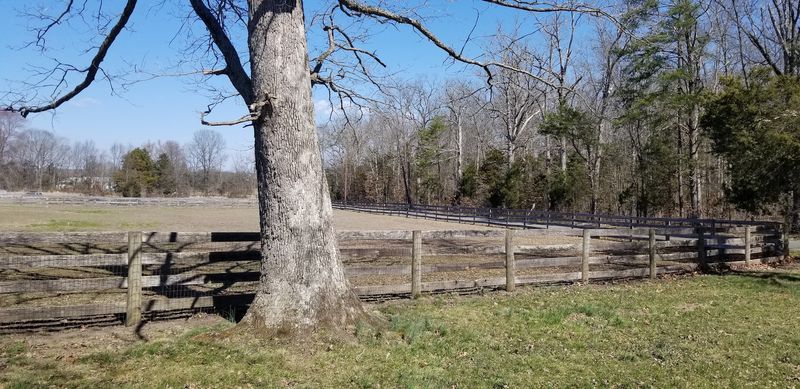
For a place like Catlett, the view is part of the charm. Open fields and tree lines give this corner of Fauquier County its relaxed character.
Property values add another wrinkle. Countywide numbers don’t always show a drop when data centers arrive.
Individual homes are a different story. Houses right next to noisy, un-buffered data centers can lose value.
That detail hits hard for families who built their savings around a home. A buffer of trees or distance can make a real difference.
So when neighbors push for setbacks and screening, they aren’t being fussy. They’re trying to protect the view out their kitchen windows and the biggest investment most of them will ever make.
Fair enough, right?
How Homeowners Took On The Digital Gateway And Won
David meets Goliath, Virginia edition. The Digital Gateway was a huge data center plan in Prince William County, backed by QTS Realty Trust and Blackstone Funds.
It was planned along Pageland Lane, near Manassas National Battlefield Park. The county approved it around 2023.
That’s when the Oak Valley Homeowners Association and nearby residents went to court. On August 7, 2025, a circuit court judge sided with them and voided the rezonings.
The developers kept going. Then on March 31, 2026, a Virginia appellate court upheld that ruling, citing a flawed approval process.
The final chapter came on July 2, 2026. QTS and Blackstone withdrew their appeal to the Virginia Supreme Court, which effectively ended the project.
That changes things for every small community nearby, including Catlett. It proves that regular homeowners can challenge a massive project and come out ahead.
Nobody needed a fancy title to make it happen. They needed persistence, careful attention to the rules, and a lot of neighbors willing to show up and stay involved for years.
Nearly 2,000 Acres And A Unanimous No
Six days after the Digital Gateway appeal ended, another big plan hit a wall. On July 8, 2026, Prince William County supervisors voted on the Dulles South Innovation Center.
The proposal covered nearly 2,000 acres along Sanders Lane in the Gainesville District. Supervisors unanimously rejected the request to start a comprehensive plan amendment.
Unanimous is a strong word in local politics. Getting every board member to agree on anything is rare.
Still, nobody is popping confetti just yet. The developers indicated they aren’t giving up on the project.
That leaves neighbors in a familiar position, watching and waiting. Wins in this fight often feel more like a pause than a finish line.
For rural edges like Catlett, these votes matter. Each decision shapes how far big development spreads toward quieter communities.
Two major setbacks in one month sent a clear signal across the region. Local voices can steer where massive projects land, but staying involved is part of the job for anyone who cares about the open land around them.
Fresh Rules For Where The Servers Can Settle
Zoning maps rarely make headlines. In Prince William County, though, one overlay district has become a very big deal.
It’s called the Data Center Opportunity Zone Overlay District. Simply put, it outlines where data centers are encouraged to go.
The county’s Planning Commission first heard an amendment to it on July 15, 2026. New rules were adopted on September 22, 2026.
Those updates arrived after a busy summer of court decisions and board votes. Clearly, county leaders were feeling the pressure from residents.
Why should anyone in Catlett care about another county’s zoning? Because clearer rules next door can shape how growth pushes toward the line.
With about 64 million more square feet planned or pending, decisions like these carry real weight. They influence where buildings rise and how close they sit to homes.
I believe zoning is where neighbors gain the most ground. It’s less dramatic than a courtroom, yet it decides the details that families feel every single day, from setbacks to sound to sightlines.
Planning A Low-Key Trip Out To Catlett
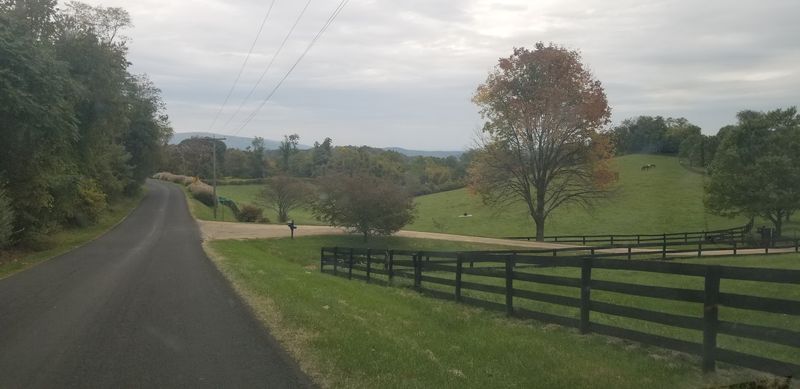
Bring curiosity, not a packed itinerary. Catlett, Virginia 20119 is a small rural community, so treat it as a scenic stop rather than a tourist hub.
You’ll find it in Fauquier County, just west of the Prince William County line. It’s an easy drive for anyone exploring the Northern Virginia countryside.
There’s no official visitor center, set hours, or admission fee for a community like this. It’s simply a place where people live, so a respectful pace goes a long way.
Want more to see while you’re in the area? Manassas National Battlefield Park sits to the east in Prince William County.
That park also played a role in the Digital Gateway story, since the project was planned nearby. Seeing the land in person helps the whole debate make sense.
Pair the two and you get a real feel for the region. Open fields on one side, rapid growth on the other.
Drive slowly, keep the music low, and look around. You’ll understand quickly why so many neighbors want this landscape to stay just the way it is.
Why A Town Of 331 Belongs In The Bigger Conversation
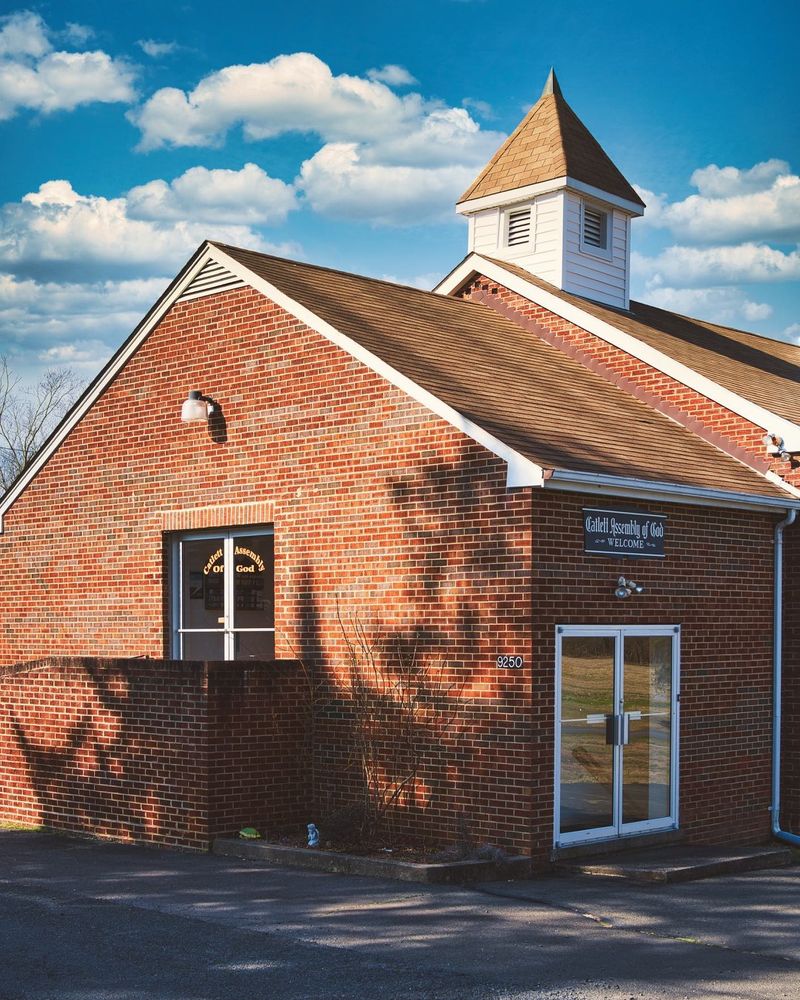
Small doesn’t mean silent. Catlett may be a census dot with a few hundred residents, yet it sits right where the data center debate gets real.
Next door, Prince William County keeps adding server buildings at a dizzying pace. At the same time, neighbors there have scored some impressive wins.
The Digital Gateway is gone. The Dulles South Innovation Center hit a unanimous no, at least for now.
New zoning rules arrived in September 2026. Each step shows that local voices still carry weight in Virginia land decisions.
I like what this little community represents. It’s a reminder that quiet places have value worth defending, even when giant companies come calling.
Nobody here is asking the internet to switch off. They’re asking for thoughtful placement, real buffers, and honest answers about noise, water, and power.
That feels like a reasonable request to me. So next time you stream a show or save a photo to the cloud, spare a thought for the rural edges like Catlett, where open fields and calm evenings are still worth protecting.