Some of the best treasure in Texas is hiding in plain sight, tucked into dusty creek beds and quiet riverbanks you could easily drive right past. No fancy visitor centers, no gift-wrapped thrills, just dirt, patience, and the chance to hold something millions of years old in your palm.
Long ago, warm seas covered much of the state, and they left behind shark teeth, shells, and bones for anyone curious enough to look. Grab a small trowel, pack some snacks, and get ready for a weekend drive that turns kids and grown-ups alike into real fossil hunters.
1. Mineral Wells Fossil Park
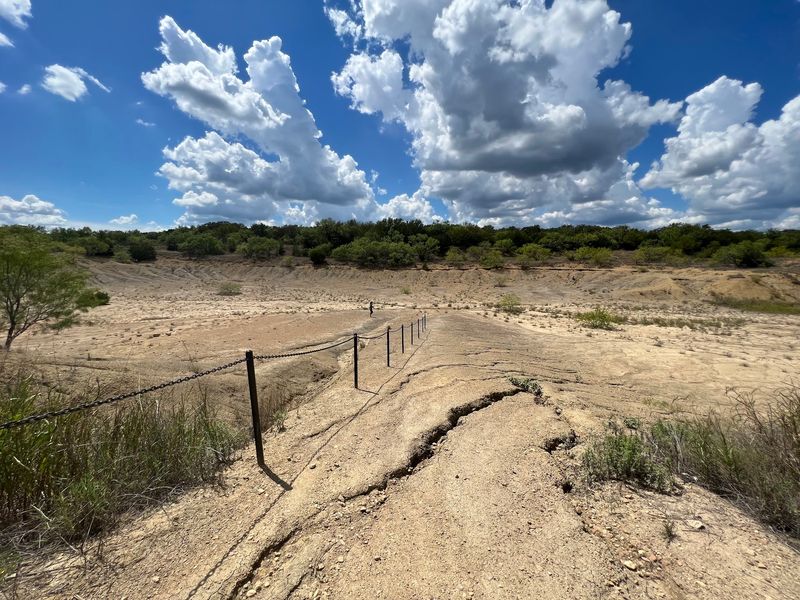
Free is a beautiful word, and few places in Texas say it better than this wide-open dig site in north-central Texas. Families can wander a huge patch of ground scattered with tiny fossils, and nobody charges a cent at the gate.
Finds here tend to be small, so sharp eyes win the day. Crinoid bits, shark teeth, and even trilobites have turned up in the dirt, and it is easy to lose hours crouched over one promising spot.
Bring something small to dig with, because shovels and picks are not allowed. A sturdy spoon, a paint brush, or a garden trowel works fine.
Gates are open daily from 8 AM to 8:30 PM, though hours may change, so check before you go. Weekend mornings and afternoons draw the biggest crowds, while weekdays are noticeably calmer.
Picnic tables and public restrooms make a full-day outing simple, and an early start helps you beat the Texas summer heat. Wind can sweep across the open field, so a hat and a light jacket for little ones are smart packing.
2. Ladonia Fossil Park
Sixty-five million years ago, giant swimming reptiles cruised an ancient sea over what is now rural northeast Texas. Today their leftovers wash out along a rugged riverbed near Ladonia, waiting for the next family to spot them.
Shark teeth and bone fragments are the classic finds. Petrified wood, fossilized shells, and even fossilized whale bone have also surfaced here, which gives every walk along the bank a real treasure-map feel.
Getting down to the good stuff is easier than it used to be. The park now sits along FM 904 with a free parking lot and a ramp, so families no longer need to scramble to reach the riverbed.
Kids tend to love the messy side of things, from digging in the dirt to squishing the sticky gray clay. Pack old clothes, plenty of water, and a lunch to enjoy at the picnic tables.
Sunday and Saturday afternoons draw more visitors, so a weekday trip may offer a quieter bank all to yourselves.
3. Post Oak Creek
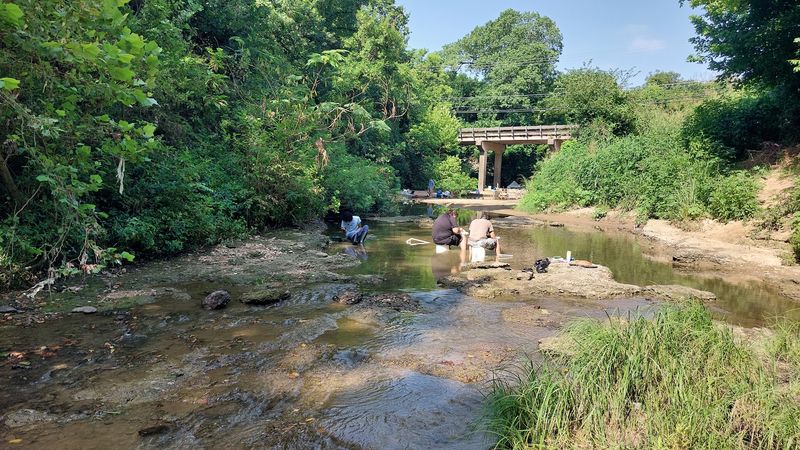
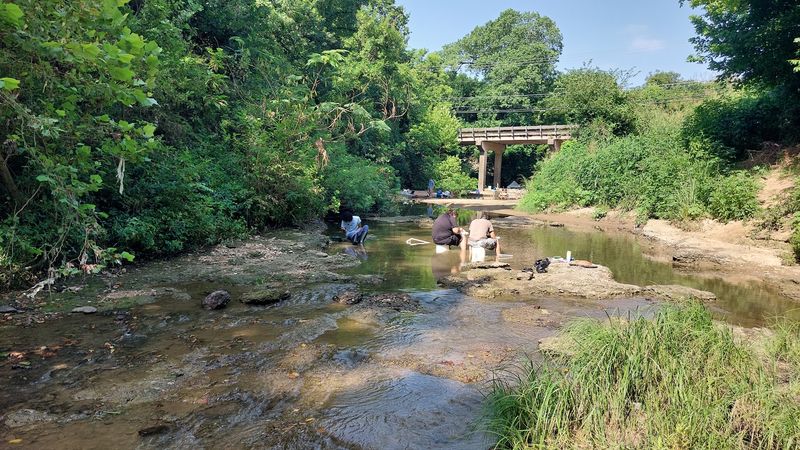
Picture a shallow creek trickling under a bridge in Sherman, with gravel beds full of Cretaceous leftovers. That simple scene is what makes Post Oak Creek a North Texas favorite for shark tooth hunters.
Sifting is the name of the game. Toss a scoop of gravel onto a screen, shake it gently, and watch for the glossy shine of a tooth.
Oyster shells, bone pieces, and the flat, ridged teeth of an ancient shark called Ptychodus all show up in the creek bed.
Fun fact: Ptychodus teeth look more like little paving stones than pointy fangs, because this shark crunched shellfish for dinner.
Access is open around the clock, and both a free lot and free street parking keep things easy. Saturday and Sunday afternoons are the busiest windows, so weekday mornings can be peaceful.
Water shoes are a good idea, since the best gravel often sits right along the wet edge.
4. Whiskey Bridge
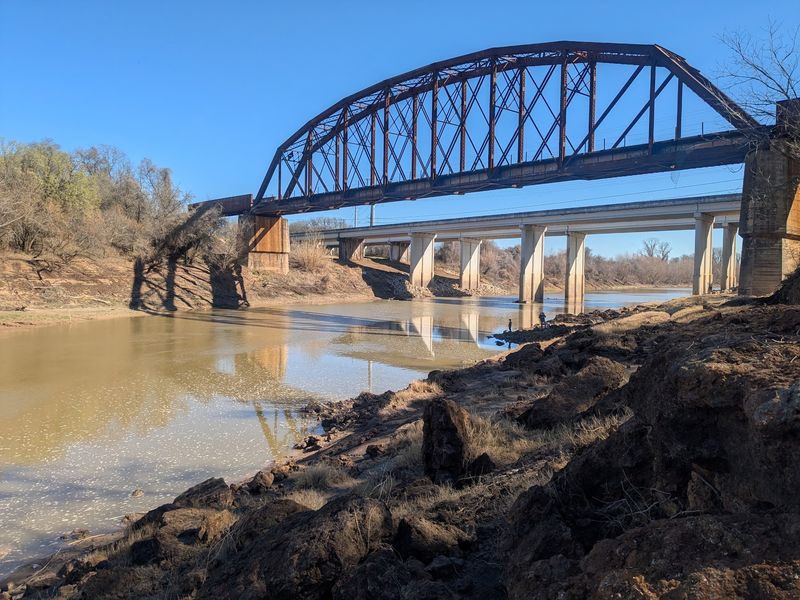
Ask Texas fossil fans about Eocene shells, and the Brazos River near Bryan comes up fast. The banks below the bridge are packed with fossils roughly 41.8 million years old, making this one of the most famous fossil sites in the state.
Shelled sea creatures are everywhere in the exposed layers, from tiny snails to clam-like pieces. Shark teeth show up now and then, and lucky hunters may spot rare cuttlefish prongs.
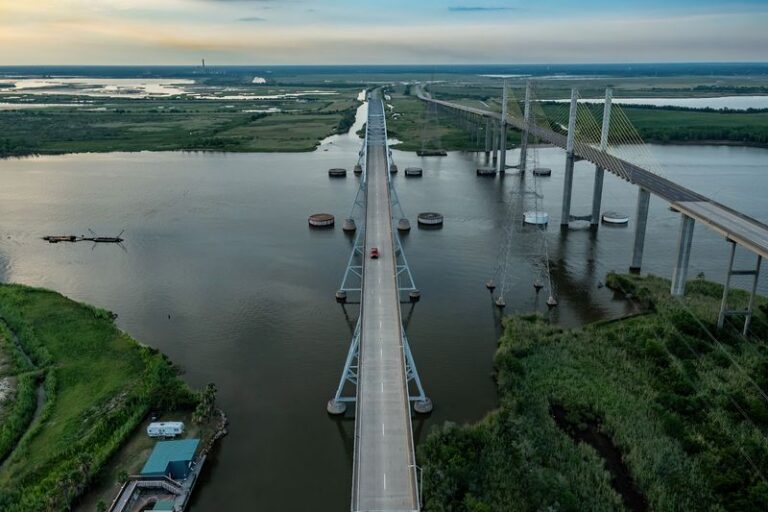
Scenery is a bonus here. Views of the river and the old bridge make the trip feel like a mini adventure even before the first find.
The site is reachable at any hour, though daylight is the only sensible time to explore the riverbank. Footing can be muddy after rain, so sturdy shoes and close supervision for young kids help a lot.
Bring small bags or containers, because the shells pile up quickly.
5. Dinosaur World
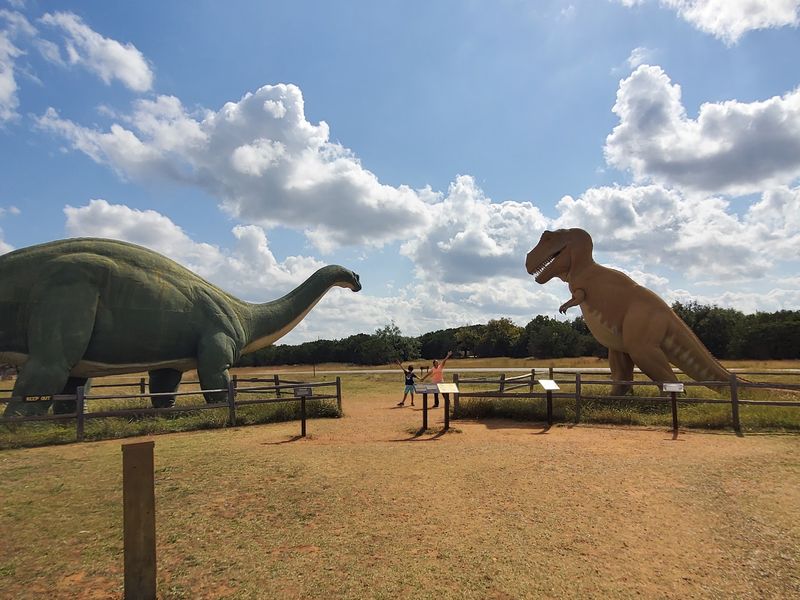
Not every young paleontologist is ready for a muddy riverbank, and that is where Glen Rose shines. Dinosaur World mixes the thrill of a real dig with over 150 life-size dinosaur models set along a quiet, shaded trail.
Here is the payoff: the fossil dig uses authentic fossils, and kids get to keep what they uncover. An excavation pass is added with admission, so plan for it when buying tickets.
Plenty more fills the day. There is an animatronic indoor exhibit, a museum, two playgrounds, a small splash pad, and a gem dig.
Signs along the trail share facts, including dinosaurs that once roamed Texas.
Hours run 9 AM to 5 PM daily, though times may shift seasonally. Saturdays get crowded, while weekday mornings are calm.
Parking is free, restrooms are clean, and a gift shop offers items at many price points. With no restaurant on site, packing snacks is a smart move.
6. Fossil Bend
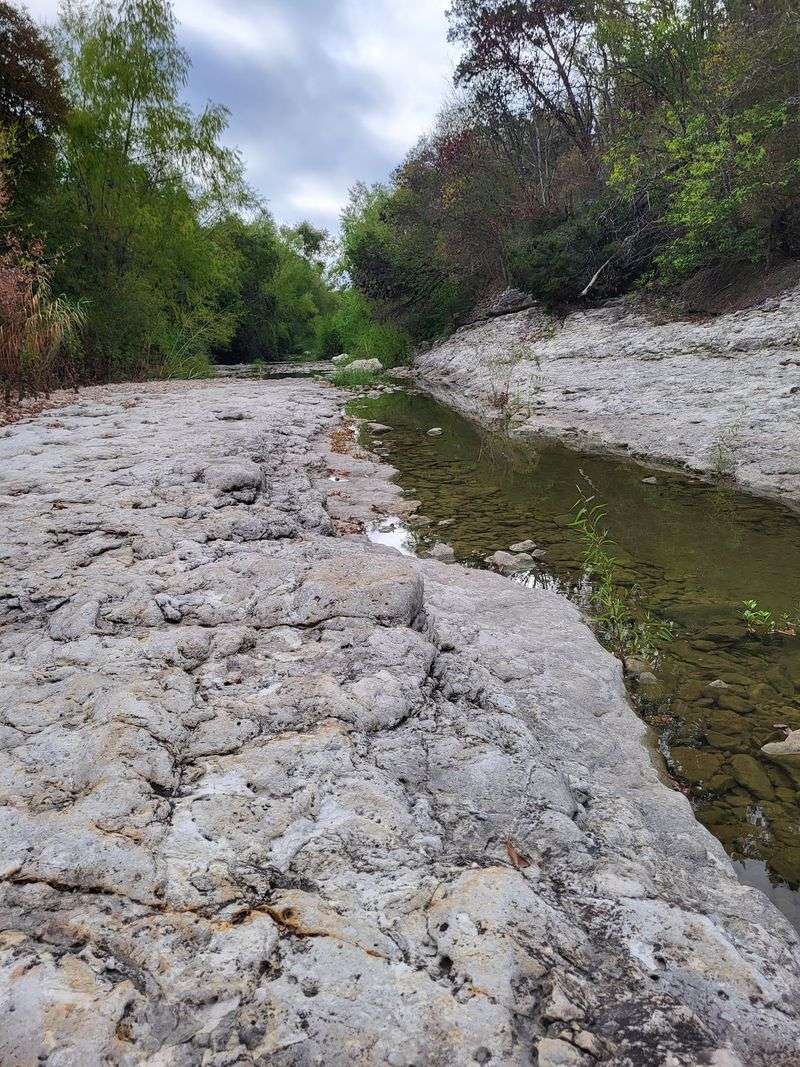
Right in the middle of Austin, where traffic hums and new buildings keep rising, an old creek bend quietly holds ancient sea life. Fossil Bend along Shoal Creek proves you do not always need a long drive to touch prehistory.
Look closely at the limestone and gravel bank. Tiny fossilized shells are scattered all over, and the most common find is the rams horn oyster, a curly shell that really does look like a little horn.
Quick history bit: these oysters lived on the floor of a shallow sea that covered Central Texas long before any city stood here.
Small hands do great work at this spot, since many of the best pieces sit right on the surface. Saturday afternoons get busy, so weekday evenings may feel more relaxed.
Bring a magnifying glass and a small bag, and turn an ordinary city afternoon into a real fossil field trip.