A two-ton cast-iron eagle that once perched on Grand Central Depot now guards the entrance to a tiny mountain hamlet. Its wings stretch 13 feet.
Somehow, nobody seems to think that’s strange.
The eagle flew north from Manhattan and landed in a place where two creeks meet. Three mountains rise around the town like protective older siblings.
The Main Street was laid out in 1853, and most of its buildings still date to the 1800s.
I like how this corner of New York never tried to become something else. It kept its old storefronts, its rail line, and its 1887 playhouse.
For anyone who values traditions kept alive by hand, that matters.
So how does a hamlet of a few hundred people hold onto so much? I believe the answer starts with the water.
A Catskills Hamlet Small Enough To Learn By Heart
Phoenicia is a hamlet within the town of Shandaken in Ulster County, New York. It counted just 268 residents at the 2020 census, yet it still ranks as the second most populated community in its town.
That tells you plenty about Shandaken. It also tells you Phoenicia is the kind of place where you can stroll the center without needing a map.
The hamlet sits inside the vast Catskill Forest Preserve. Wild land presses right up against the backyards, and the woods start almost where the sidewalks end.
For New York day-trippers, that combination is rare. You get a real working village with a post office, cafes, and a theater, plus serious mountains within walking distance.
Hobbyists and tradition-minded travelers will notice something else quickly. Very little here feels manufactured, and the old bones of the place stay visible everywhere you look.
Many visitors arrive along State Route 28, the main road threading through this part of the Catskills. Mailing addresses read Shandaken, NY 12464, which can confuse first-timers expecting a different town name.
Don’t worry about that detail. Once the mountains close in around you, the name on the envelope stops mattering.
Where The Esopus Shakes Hands With The Stony Clove
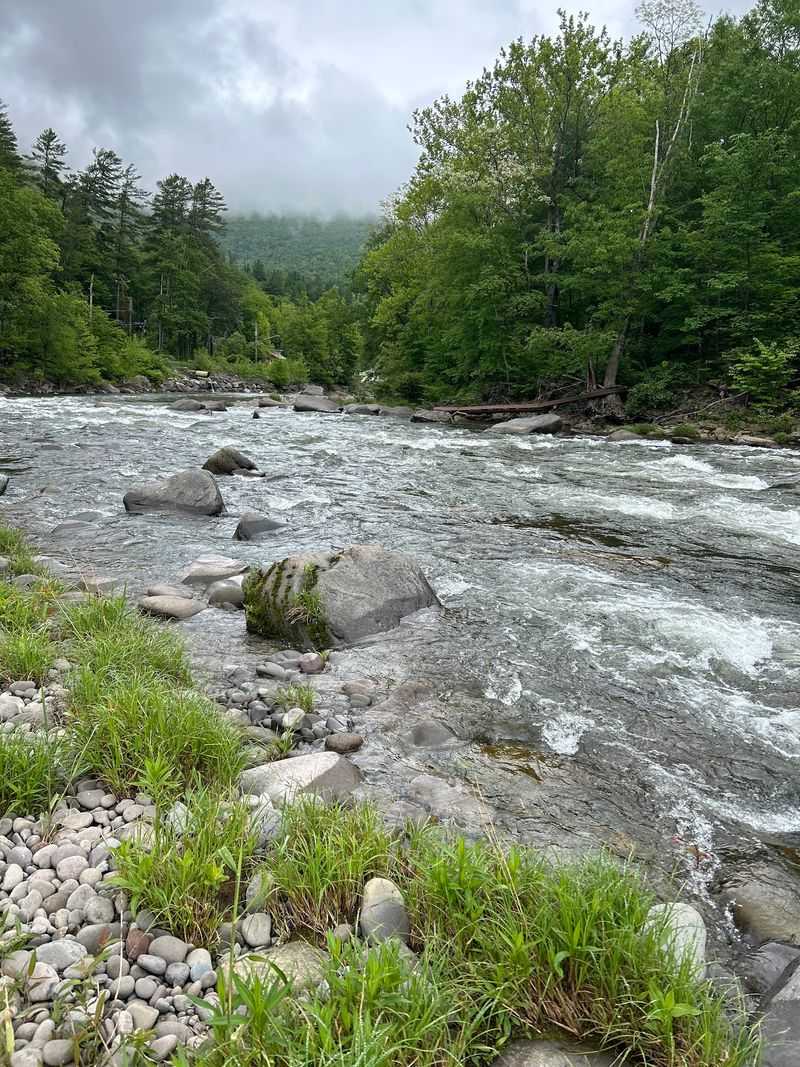
Two creeks, one meeting point, and a whole hamlet built around the handshake. The Esopus Creek and the Stony Clove Creek come together right at Phoenicia.
That junction shaped where people settled long ago. Water meant travel routes, power, and a natural crossroads in otherwise rugged country.
The Esopus is the bigger name of the pair. It winds through this part of the Catskills, and summer visitors often associate it with tubing season.
The Stony Clove arrives from the north, cutting through its own narrow valley. Its name alone sounds like something out of an old storybook, and honestly, it fits.
Standing near moving water changes the mood of a place. Phoenicia always seems to have a soundtrack running in the background, even on quiet weekday mornings.
Creeks also explain the shape of the town. Roads, the old rail line, and Main Street all follow the logic the water laid down first.
So when you study the hamlet on a map, trace the blue lines before anything else. Everything in Phoenicia, New York, makes more sense once you see where the two streams meet.
Three Mountains Keeping Watch Over Town
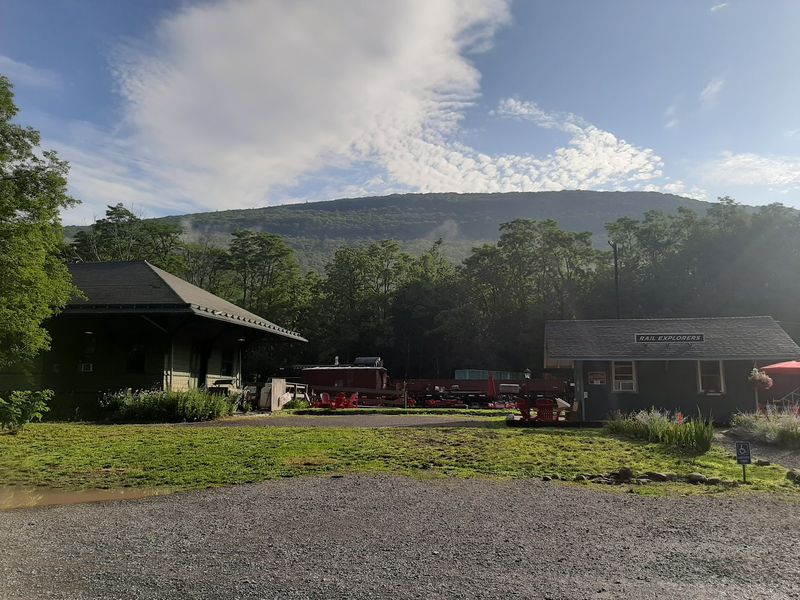
Most towns get one good mountain view if they’re lucky. Phoenicia gets three peaks crowding around it like they’re posing for a group photo.
Mount Tremper, Romer Mountain, and Sheridan Mountain surround the hamlet. Together they create the dramatic bowl that gives Phoenicia its tucked-away, sheltered feel.
Mount Tremper is the best known of the trio. Its summit holds a fire tower, which makes it a favorite target for hikers wanting a big payoff.
Romer and Sheridan don’t get as much press. Still, they frame the town from every angle, so you’ll see them whether you plan to climb or not.
Here’s what I love about the setup. The mountains aren’t distant scenery seen through a car window, because they rise right behind the shops and houses.
That closeness makes the whole hamlet feel cozy without feeling cramped. Even Main Street seems to lean toward the slopes.
For photographers and sketchers, the arrangement is a gift. Every season repaints the same three ridgelines, so you could return four times a year and never capture the same view twice.
An 1853 Main Street That Kept Its Old Clothes On
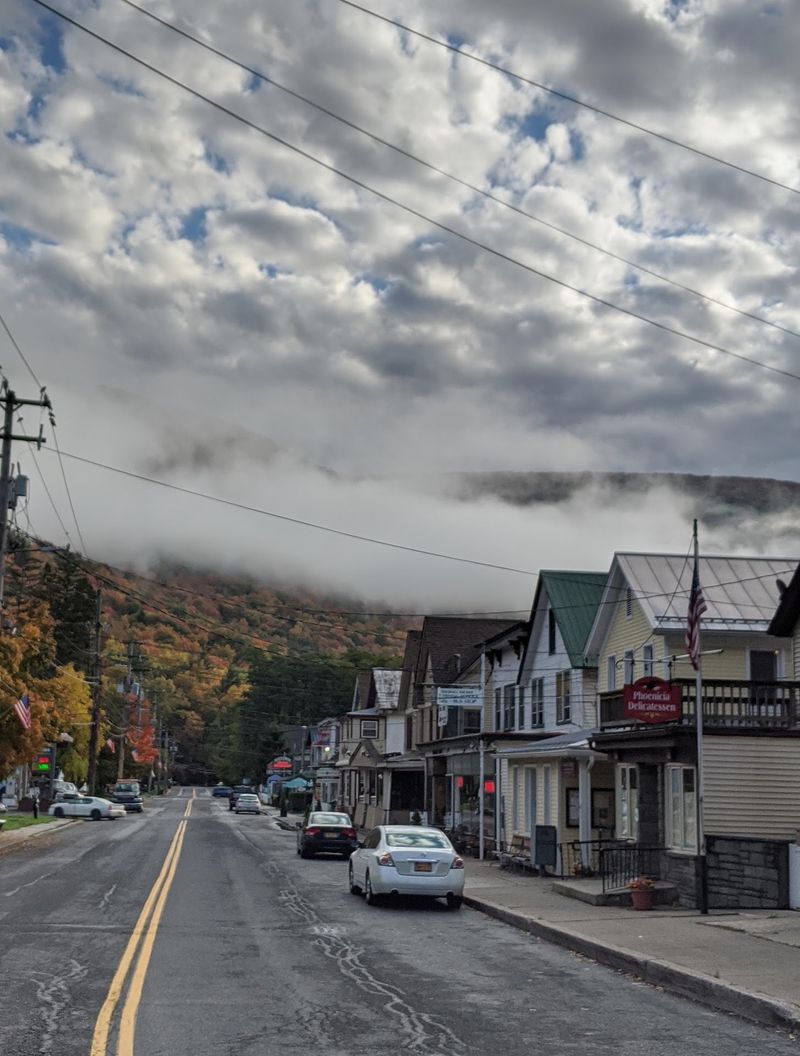
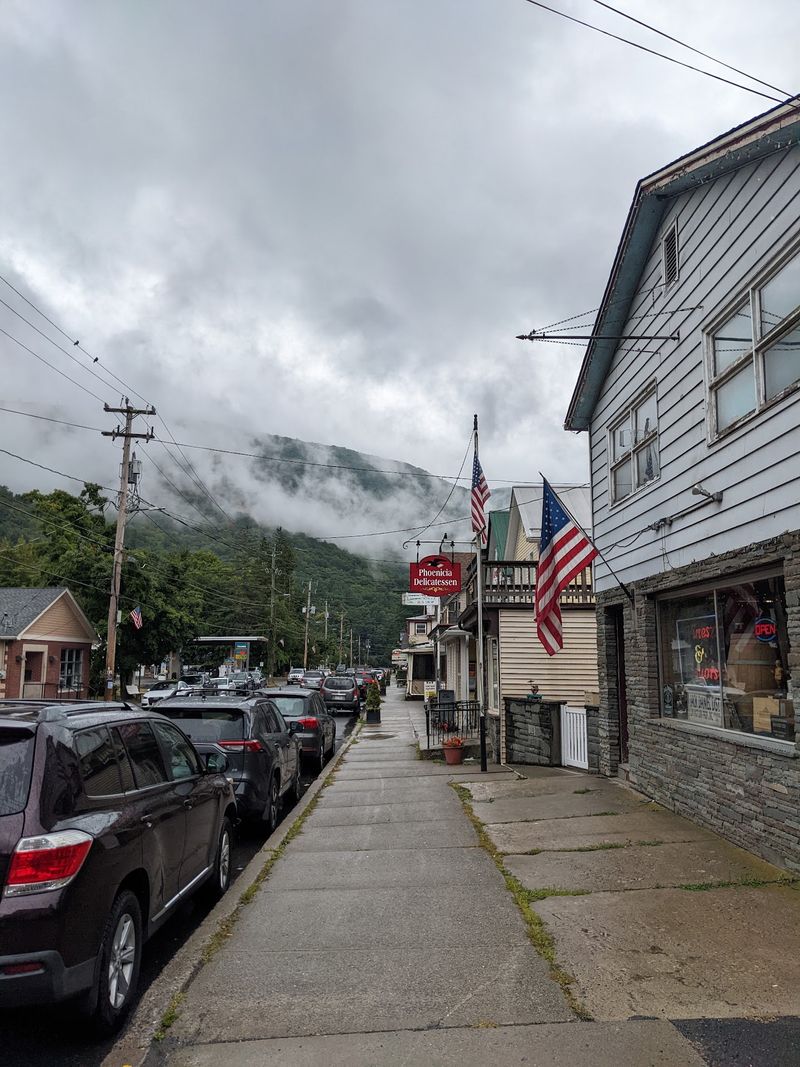
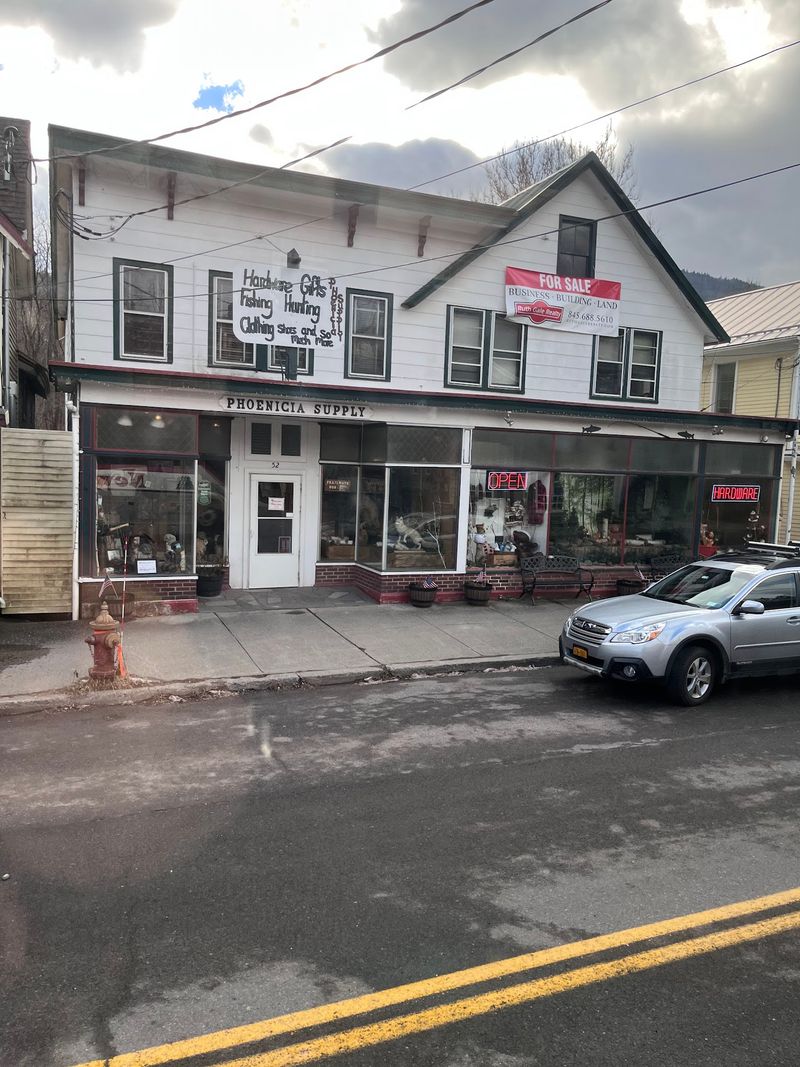
Old trim, painted signs, and storefronts packed shoulder to shoulder. Phoenicia’s Main Street was laid out in 1853, and most of its buildings still date to the 1800s.
That’s not a restored theme park version of history. It’s a working street that simply never got torn down and replaced.
For anyone who loves craftsmanship, the details reward slow walking. Look up at rooflines, window frames, and porch work built by hands long gone.
The street holds a cluster of independent shops and cafes. Everything sits close together, so you can explore the whole stretch on foot in an easy afternoon.
I believe that walkability is half the charm. You park once, then let curiosity steer you from doorway to doorway.
Tradition-minded travelers from around New York will feel right at home here. It’s the kind of place that rewards people who notice joinery and lettering, not just souvenirs.
Bring patience and comfortable shoes. Main Street isn’t long, but it has a sneaky habit of turning a quick stroll into a full afternoon of wandering.
The Grand Central Eagle That Moved To The Mountains
Two tons of cast iron with a 13-foot wingspan. The Shandaken Eagle once decorated Grand Central Depot in New York City during the 1870s.
When the depot was remodeled, the eagle went into storage for years. Eventually it found a much quieter home in the Catskills.
Phoenicia dedicated the eagle on August 23, 1986. It now stands at the intersection of State Routes 28 and 214, marking the western entrance to the hamlet.
Think about that journey for a second. A bird that once overlooked city crowds now greets mountain traffic and creek-bound travelers.
It’s the perfect symbol for a town that values keeping old things around. Instead of letting a piece of history rust away, the community gave it a second career.
The eagle makes an easy first stop when you roll into town. It’s also one of the most unusual photo opportunities anywhere in Ulster County.
History buffs will appreciate the craftsmanship of nineteenth-century casting. Everyone else will appreciate the sheer size, because a 13-foot wingspan is hard to ignore at any speed.
A Whole Day Set Aside For One Iron Bird
Some towns throw parades for founders or harvests. Phoenicia throws one for its eagle.
Each year on August 22, the community celebrates Eagle Day. The festivities commemorate the cast-iron landmark that arrived from Grand Central Depot.
The date sits right beside the original dedication anniversary of August 23, 1986. That timing keeps the story connected to the moment the eagle officially became local.
I can’t imagine a better example of small-town personality. Honoring a relocated railroad ornament with its own day feels playful, proud, and completely sincere at once.
For day-trippers, late August makes a fun target on the calendar. Summer is still in full swing, and the creeks and trails are open for business.
Details of the yearly program can change, so check local announcements before planning around specific activities. The date itself stays fixed, which makes it easy to remember.
Traditions like this matter for a reason. They remind visitors that Phoenicia, New York, isn’t just preserving buildings, because it’s also preserving the habit of celebrating its own quirky story.
Pedal The Old Ulster And Delaware Tracks Along The Creek
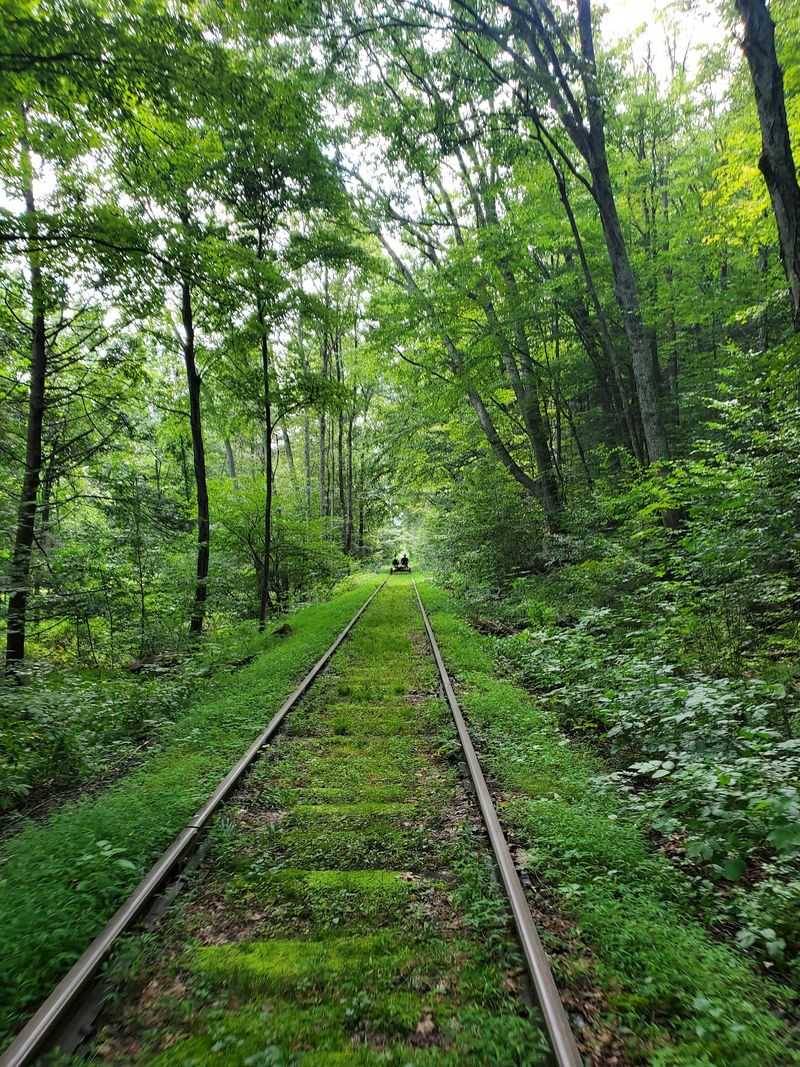
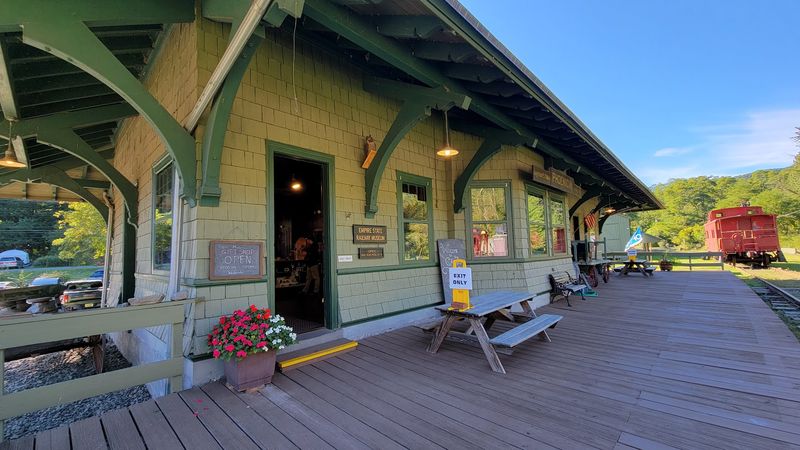
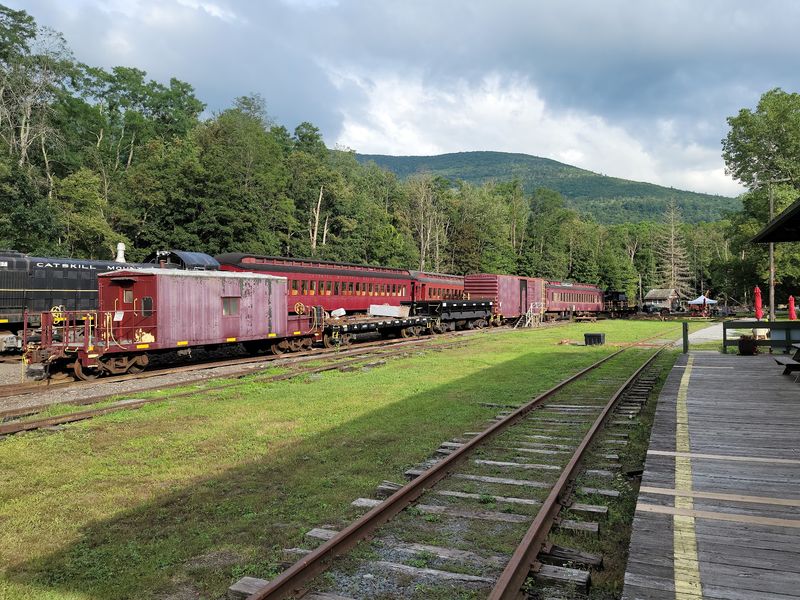
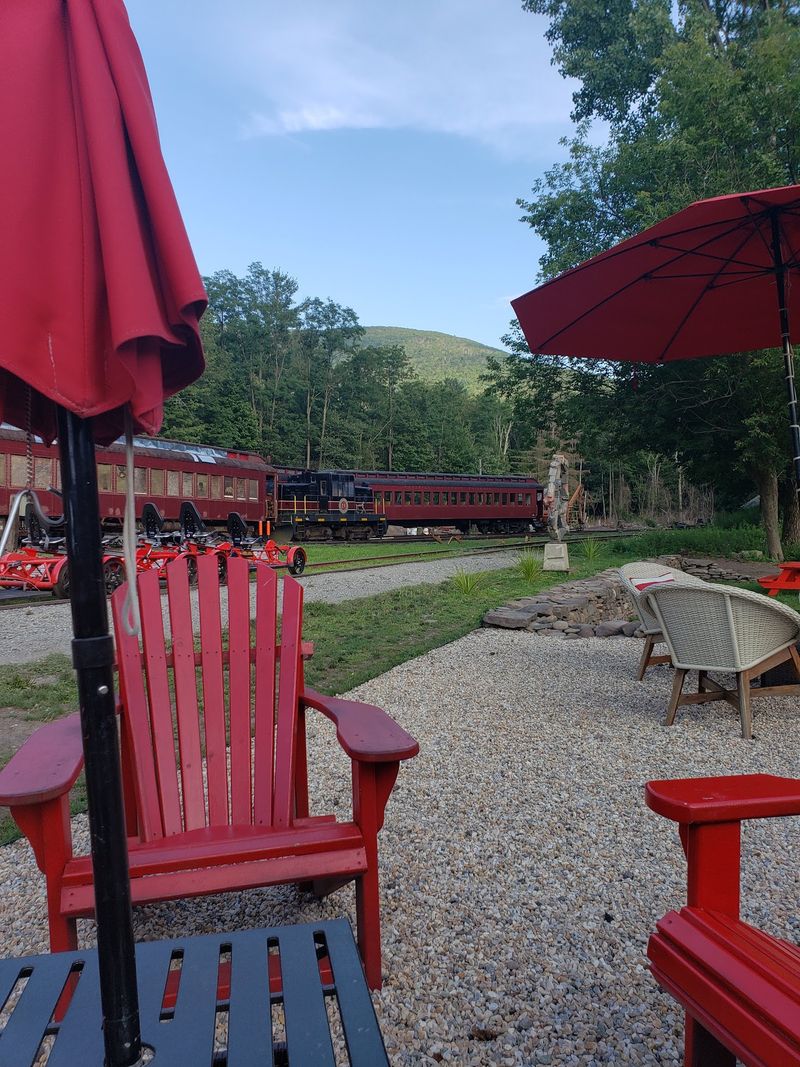
Railroad tracks, creek views, and pedals instead of an engine. Rail Explorers runs custom-built rail bikes on the historic Ulster and Delaware Railroad line near Phoenicia.
The route follows the winding Esopus Creek through forest and mountain scenery. It’s an eight-mile round trip, which sounds like work until you hear the next part.
The bikes use an electric-assisted pedal system. That means you can focus on the views instead of your thighs.
The experience runs seasonally from May through October. Spring greens, summer shade, and early fall color all get their turn along the route.
What I like most is the double payoff. You get nature up close, plus a real piece of the region’s railroad heritage under your wheels.
Families, couples, and friends all fit the format nicely. Nobody needs special training, just a willingness to roll along and enjoy the creek beside you.
Booking ahead is smart during the operating season. Rail Explorers handles reservations directly, so check their schedule before you make the drive into the Catskills.
A Steep Little Trail Behind The Post Office
Few hikes start somewhere as ordinary as the post office. The Tanbark Trail begins right behind Phoenicia’s, which makes it absurdly easy to reach.
Don’t let the convenient trailhead fool your legs. The trail is short but steep and rocky, so sturdy shoes are a must.
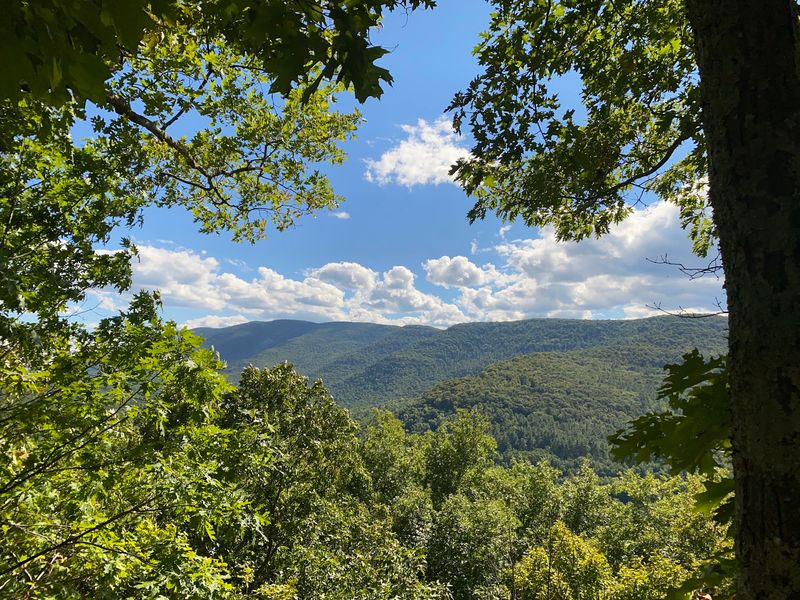
The reward comes in the form of sweeping views. You’ll look out over the Esopus Valley and surrounding peaks, including Panther Mountain and the Slide Mountain Wilderness.
Getting that payoff without driving to a distant trailhead feels like cheating a little. In the best way, of course.
The trail suits hikers who want a real workout without committing a full day. You can climb in the morning and still be back on Main Street for lunch.
It also gives visitors a fresh perspective on the hamlet itself. From above, you can finally see how the creeks, roads, and mountains fit together.
Bring water and take your time on the rocky sections. Steep and short is a great combination, but only when you respect both halves of the description.
Fire Tower Views Worth Every Switchback
Want the big view? The Mount Tremper Trail delivers it, and the trailhead sits just a short drive from Phoenicia.
The hike runs 5.9 miles. It leads to a fire tower on the summit, where panoramic views spread across the Catskills.
Fire towers are a treat for history-minded hikers. They were built to help spot trouble across wide forests, and climbing one feels like stepping into that old duty.
Mount Tremper is also one of the three peaks surrounding the hamlet. Climbing it means you’ve officially gone from admiring the scenery to standing on top of it.
Plan for a longer outing than the Tanbark Trail. This one rewards hikers who pack snacks, water, and a bit of patience.
The Catskill Forest Preserve wraps around Phoenicia, so options don’t end here. Countless trails branch through the surrounding mountains for every skill level.
Still, the fire tower makes a memorable centerpiece for a hiking day. Few things beat looking down at the valleys you drove through that morning and spotting where the creeks bend.
A 1962 Diner That Found A New Home On Route 28

The Phoenicia Diner has traveled almost as much as the eagle. It was originally built in 1962 and moved to the Catskills in the early 1980s.
Today it sits at 5681 New York Route 28. The restored building serves traditional diner favorites with a modern twist.
The kitchen uses fresh, seasonal ingredients sourced from local Catskills and Hudson Valley farms. That farm connection gives a classic format a very regional personality.
Diners are their own kind of American tradition. Keeping one alive and well cared for fits Phoenicia’s habit of saving good things instead of replacing them.
For hikers coming off the trails, the location is handy. Route 28 runs right past, so it’s an easy stop before or after a day outdoors.
I like that the menu respects the diner’s roots without freezing them in time. It’s comfort food with fresh produce, not a museum exhibit.
Hours and menus can shift with the seasons, so check before you go. Arriving hungry, though, seems like the only planning truly required.
Pancakes With A Family Tree On Main Street
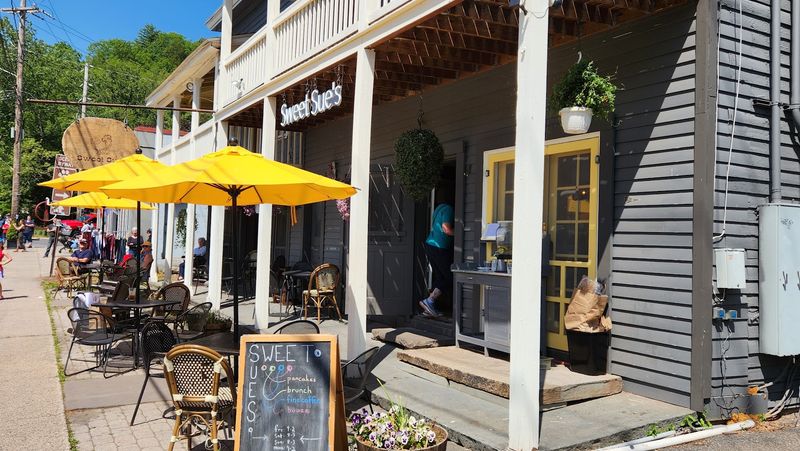
Pancakes have a legacy in Phoenicia. Bettina Cafe and Market, at 49 Main Street, carries on that tradition from its predecessor, Sweet Sue’s.
That kind of continuity is exactly what makes small towns feel rooted. A beloved breakfast habit didn’t vanish when the name over the door changed.
Bettina serves breakfast and lunch made with locally sourced ingredients. The menu also includes specialty coffees and baked goods.
The Main Street address puts it right in the historic heart of town. You can grab breakfast, then wander the 1800s storefronts without moving the car.
The market side adds another layer to the visit. It’s a natural stop for picking up something tasty before heading toward the trails or the rail bikes.
For tradition-minded travelers, the pancake connection is the sweetest detail. It shows how Phoenicia keeps old favorites going, even as businesses evolve.
Morning is the obvious time to stop by, since breakfast is a specialty. Check current hours before you go, then pace yourself on Main Street afterward.
An 1887 Playhouse Still Raising The Curtain
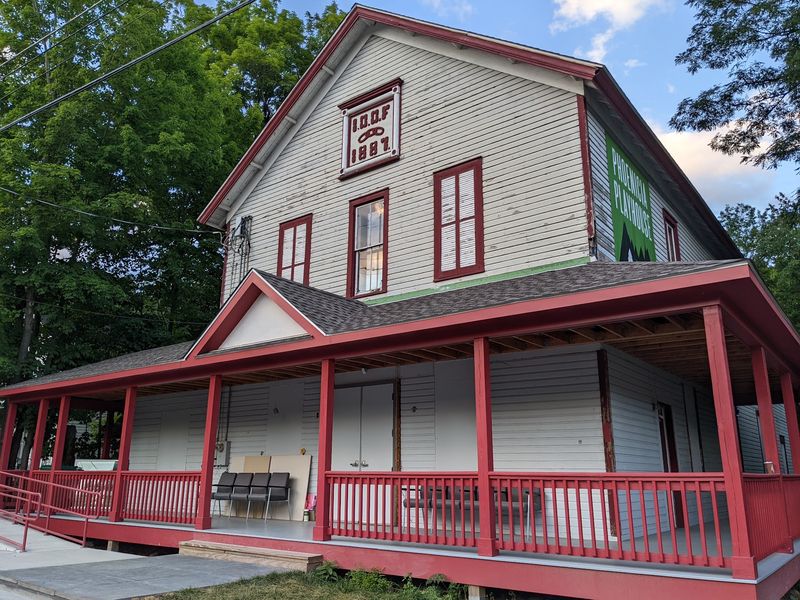
Built in 1887, the Phoenicia Playhouse has watched more than a century of local life go by. It sits at 10 Church Street, just off the main stretch of town.
The playhouse is home to the Shandaken Theatrical Society. This nonprofit has been bringing community theater to the Catskills for 50 years.
Beyond its own productions, the venue hosts a range of events. It also offers workshops for both youth and adults.
That workshop piece matters for hands-on learners. Theater is a craft too, built from costumes, sets, lighting, and rehearsal, and the playhouse keeps those skills moving between generations.
The arts here bring residents and visitors together in the same room. Catching a show feels like joining the town for an evening rather than watching from outside.
I believe every small town needs a place like this. A stage gives a community somewhere to tell stories, laugh together, and show off homegrown talent.
Check the season schedule before visiting Phoenicia, New York. Pairing a hike with an evening performance makes for a beautifully full day.
Cottages, Suites, And A Former Golf Clubhouse To Sleep In
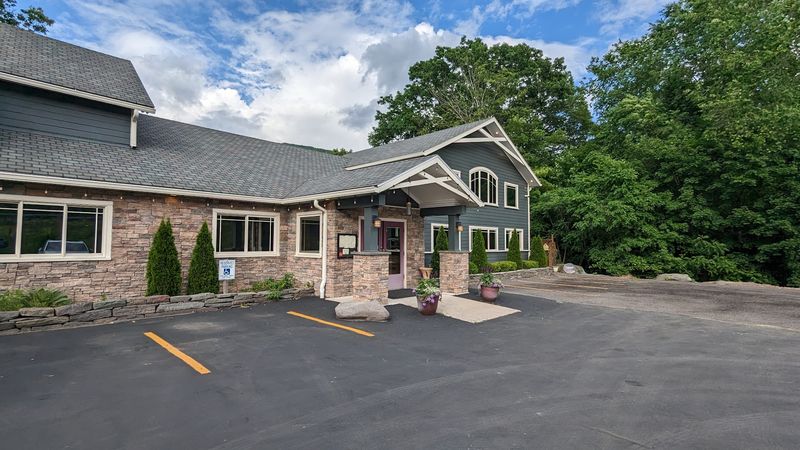
One overnight option used to host golfers in the late 1920s. The Shandaken Inn originally served as the clubhouse for the Rip Van Winkle Golf Course.
Today it’s a restored property on more than 12 acres along the Esopus Creek. Sleeping beside the same water that shaped the hamlet feels fitting.
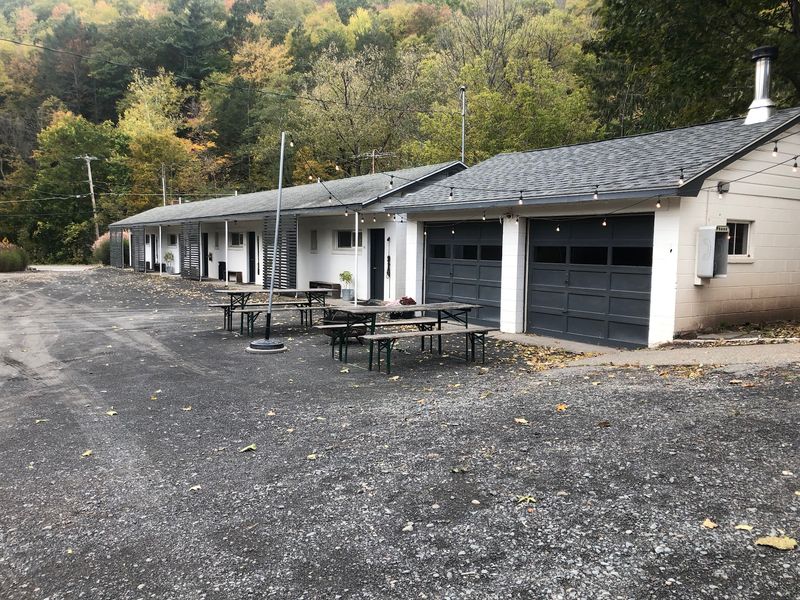
The Phoenicia Lodge offers another choice at 5987 New York 28. Guests can pick from rooms, suites, and private cottages.
Many accommodations there feature garden and mountain views. The lodge also has an outdoor fireplace and a picnic area for slow evenings.
A continental breakfast is served each morning. That’s handy for hikers who want to fuel up before hitting the trail.
Staying overnight changes the whole trip. You get quiet mornings, early trail starts, and a chance to see the mountains in different light.
For craft-minded travelers, the inn’s backstory is a small bonus. A golf clubhouse turned guest retreat is precisely the kind of second life Phoenicia seems to specialize in.
Why Snow Season Makes A Strong Case Too
Summer gets the spotlight, with tubing on the Esopus and hikers crowding the calendar. Winter quietly makes its own argument.
Belleayre Mountain and Hunter Mountain are each about a half-hour drive from Phoenicia. Both are popular for skiing, snowboarding, and snowshoeing.
That makes the hamlet a convenient home base for snow lovers. You can spend the day on the slopes and come back to a historic Main Street at night.
Getting here is straightforward for most New York travelers. State Route 28 carries you into town, and the eagle at Route 214 announces your arrival.
So who will love Phoenicia most? Anyone who values old buildings, handed-down traditions, and landscapes that still look the way they always have.
Hikers, history fans, theater lovers, and breakfast enthusiasts all find something worth the trip. Most will find several things.
Is it flashy? Not at all, and that’s exactly the appeal.
Two creeks, three mountains, and a Main Street from 1853 make a quiet promise, and Phoenicia keeps it every season.