Some of the best days in Texas start with a ticket instead of a car key. I expected a simple ride on an old train, maybe a few nice views, and a snack or two.
What I found was a rolling slice of history, with polished vintage cars, friendly volunteers, and a lunch stop in a small town that felt like a reward. If you miss the days when travel felt slow and special, this trip might surprise you as much as it surprised me.
A Depot Tucked Into Cedar Park
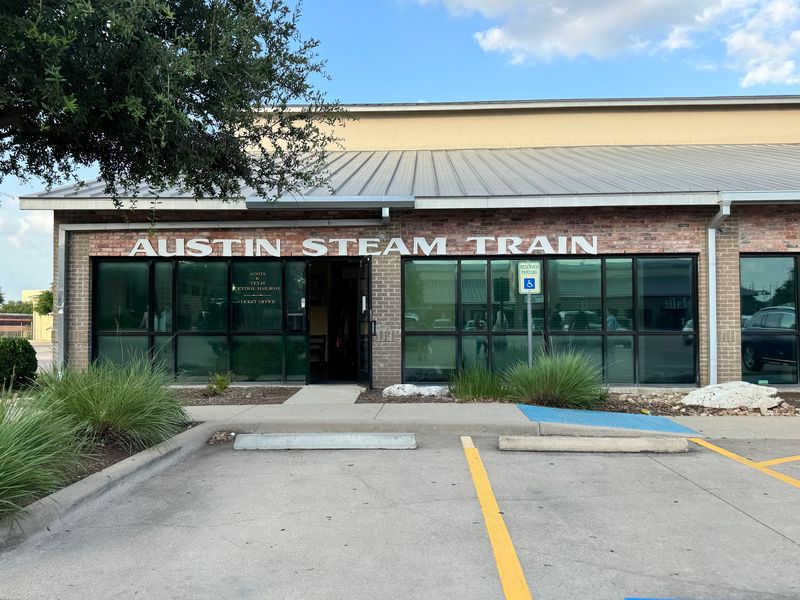
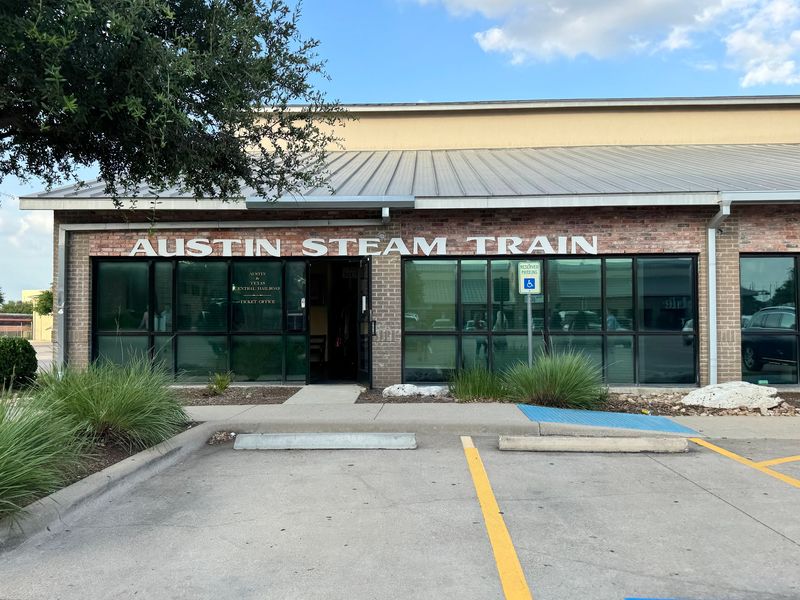
Right off East Whitestone Boulevard in Cedar Park, a modest office and museum space sits at 401 E Whitestone Blvd, Suite C-100. From the parking lot, you would never guess that a full lineup of restored passenger cars waits nearby for weekend riders.
The Austin Steam Train Association runs the whole show. It is a non-profit group founded in 1989 with one big goal: keep historic rail equipment alive and teach people about railroading in Central Texas.
Most guests come for the trains, but the little museum at the ticket office deserves a few minutes too. Visitors who arrive early say it is worth browsing before boarding, so you are not rushing past the displays on your way to your seat.
Free parking is plentiful, which is a nice change from crowded city attractions. Ticket pickup happens at the office, and riders mention it sits across the parking lot from the train entrance, so plan a short walk.
Volunteers Keeping Rail History Alive
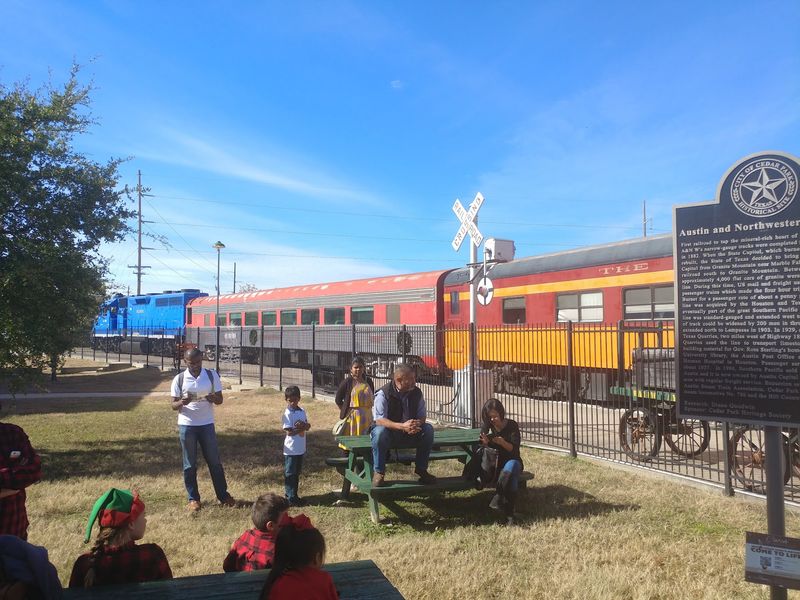
Here is a fun fact that changes how you see the whole ride: the crew is made up of volunteers. Car attendants, train crew, and maintenance workers give their time so these old cars can keep moving.
That passion shows up in small ways. Riders often talk about guides who share stories about train travel, explain how each car was used when it was new, and happily chat with curious kids and grown-ups alike.
One passenger described a conductor and engineer who talked with them for ages at the back of the train. Another praised a guide whose stories made the trip feel like a history lesson you actually enjoy.
Since the association is a non-profit, ticket money helps cover the huge cost of restoring and running heritage trains. Many riders say they are glad to pay knowing it supports something that would be hard to replace once gone.
Friendly staff comes up again and again when people describe their day. In a world of self-checkout and chatbots, real people who love what they do feel like a treat.
Rolling Museum Cars From the 1930s to 1950s
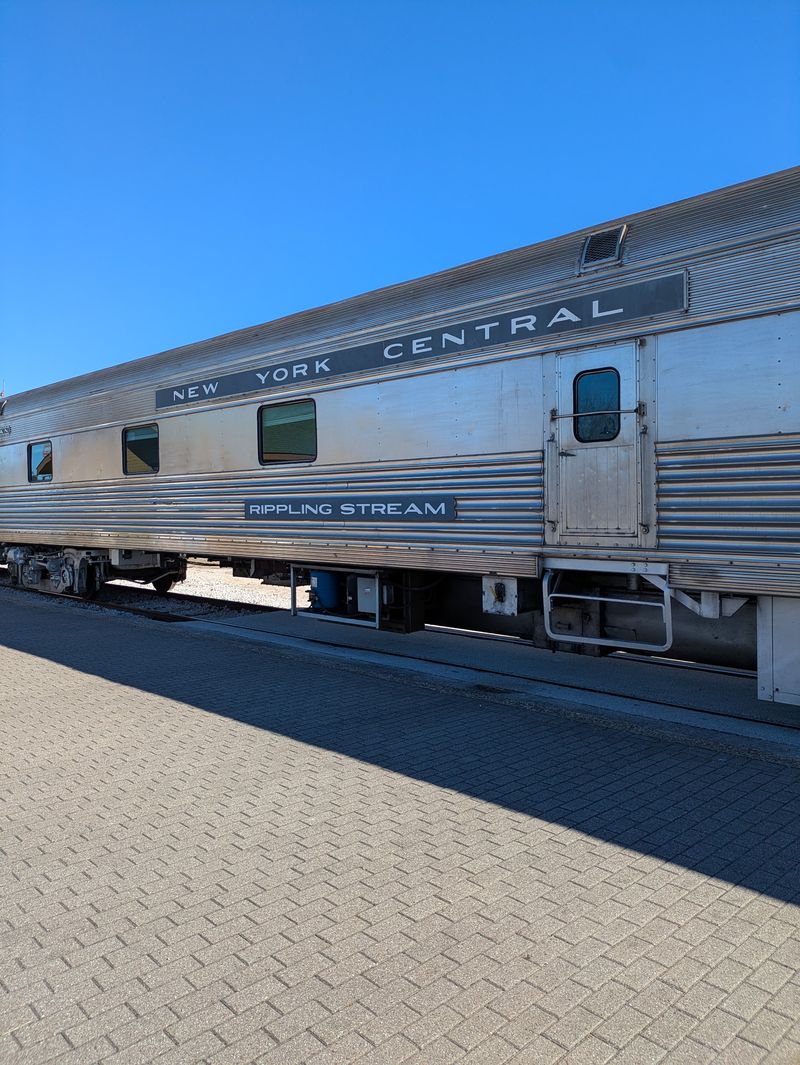
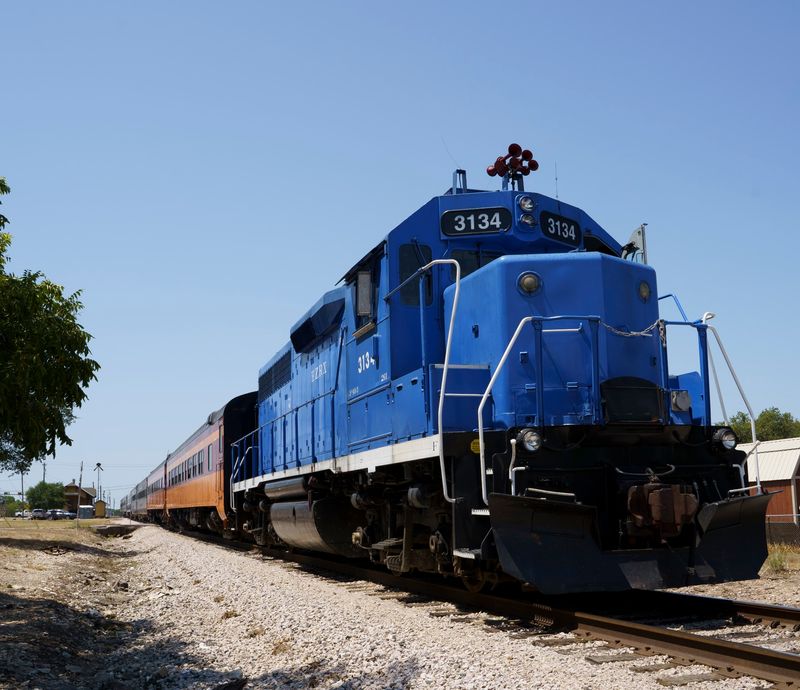
Step inside and you are sitting in history. The passenger cars date from the 1930s through the 1950s, and each one carries its own name and backstory.
Look for cars like the Silver Pine, New Braunfels, Buckeye Lake, Rippling Stream, and Maurice Beckham. The Silver Pine dates to 1948, according to one rider who loved its comfy seats.
The Maurice Beckham may be the star of the stories. Volunteers explain that it once carried movie stars between Chicago and Los Angeles, and there was even a barber on board who could give a haircut while the train rolled along.
Then there is the Cedar Park car, a 1946 stainless steel Budd Company car. It started life as a passenger coach on the Santa Fe route between Los Angeles and San Diego and now serves as the concession car.
Even with all that age, the cars are climate-controlled. Some riders still note that older equipment can feel warm or show wear, so expectations matter, but most praise how lovingly restored they look.
Trestles, Canyons and Open Hill Country
No brake lights. No merging trucks.
Just the steady sway of the rails as the train leaves the busy roads behind.
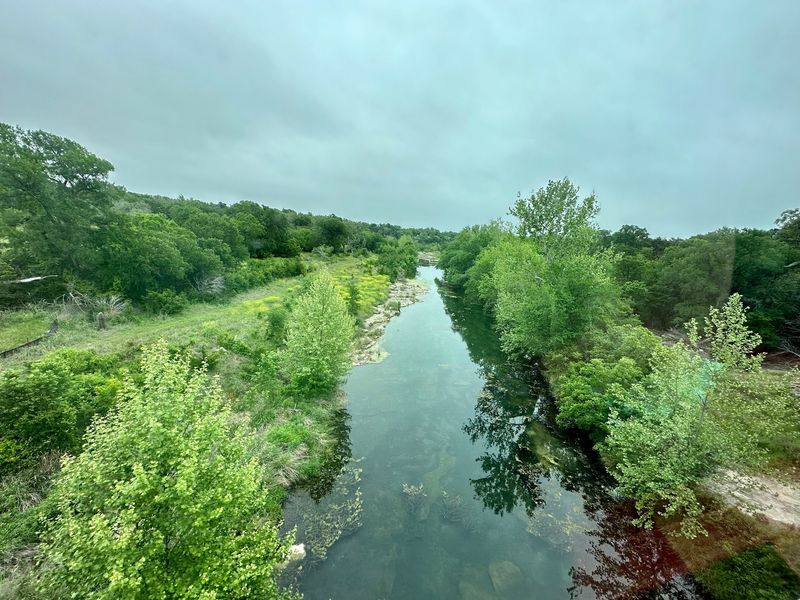
Both main routes cross a scenic trestle bridge over the South San Gabriel River and wind through Short Creek Canyon. Those stretches are often the moments when phones come out and conversations pause.
The trip is a mix, though, and honest riders say so. You will roll past rural land, then through parts of Leander, Liberty Hill, and Bertram, with quarries and industrial lots that some passengers actually find interesting to watch.
Spring can bring bluebonnets along the tracks, though timing matters. One rider noted they arrived a bit late in the season and only spotted flowers close to the rails.
A tip for photographers: a few passengers have mentioned windows that were hard to see through on certain trips. The open area between cars can give clearer shots when the crew allows it.
The Hill Country Flyer and Its Burnet Layover
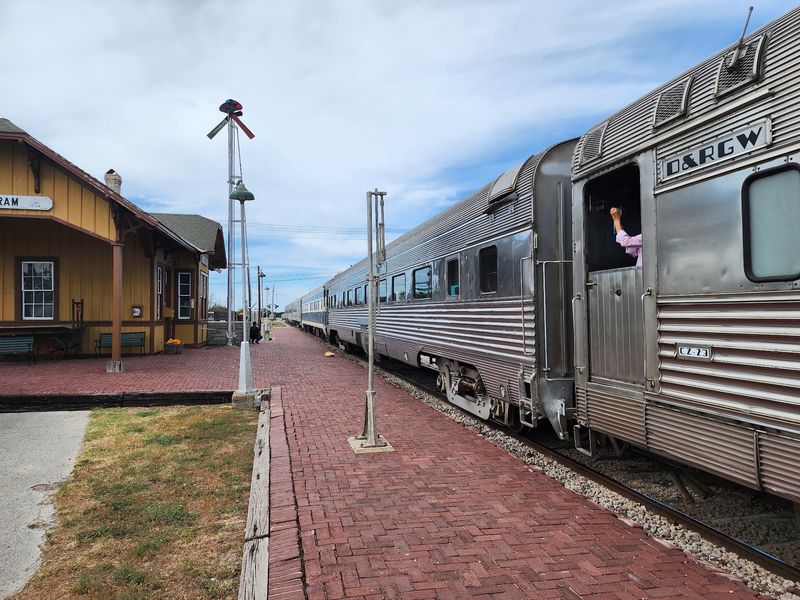
Think of the Hill Country Flyer as a full-day road trip where someone else does the driving. It covers a 66-mile round trip and runs about 6.5 hours from start to finish.
The best part for many families is the two-hour stop in Burnet. Passengers stroll the historic town square, browse little shops, and grab lunch before heading back.
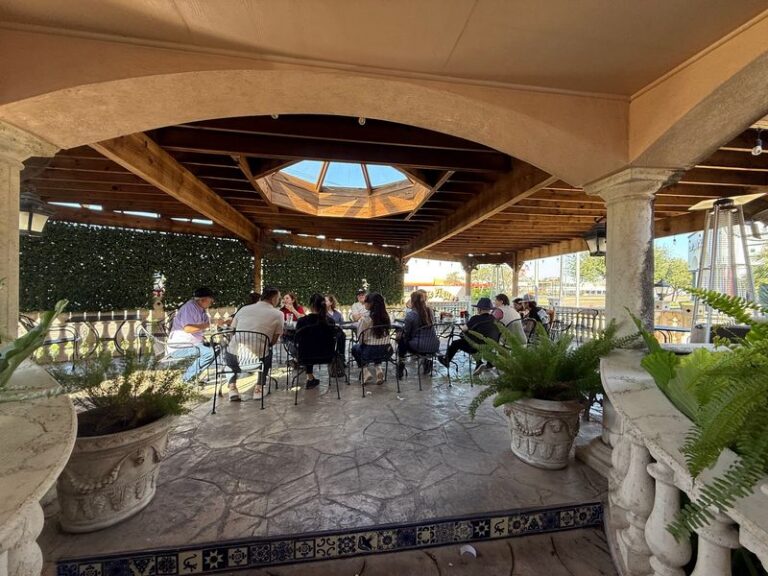
Riders mention spots like the Trailblazer Grille and Warehouse BBQ and Meetery. Since nearly everyone from the train heads to lunch at once, a quick walk to your restaurant, or a reservation where possible, can save precious browsing time.
Some trips include a Wild West show beside the train around 12:30 pm before reboarding. Weather can cancel it, so treat it as a bonus rather than a guarantee.
Plenty of visitors leave wishing they had more time in Burnet. That is usually a sign the day went right.
A Shorter Ride on the Bertram Flyer
Not everyone has a whole day to spare, and little kids may run out of patience long before Burnet. That is where the Bertram Flyer fits in.
It is a 44-mile round trip that lasts about three hours. The train still crosses the river trestle and winds through Short Creek Canyon, so you get the scenic highlights in less time.
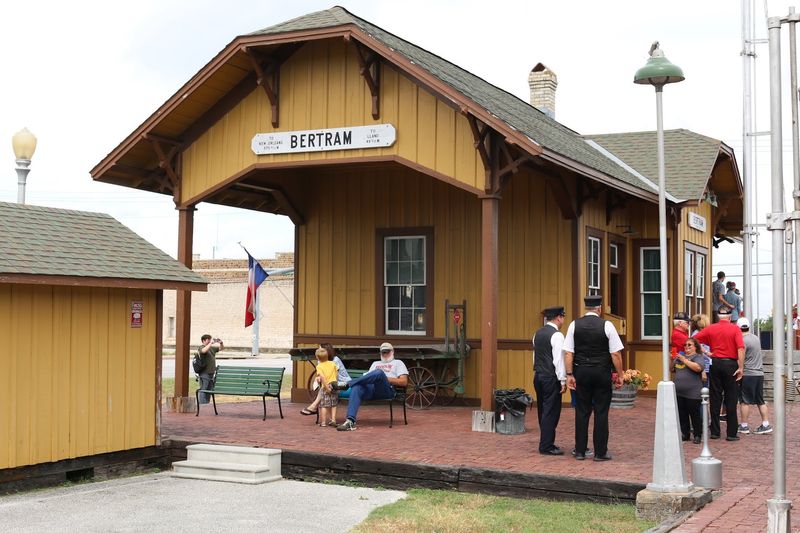
The turnaround point is the historic 1912 Bertram Depot, with a quick 15-minute layover. It is a chance to stretch, snap a photo, and admire an old station before rolling back.
Be aware that a good share of the trip can involve waiting for clearance on the tracks. Some riders found that slow pace relaxing, while others wished for more action, so pack a book or a card game.
For first-timers testing whether trains are their thing, this shorter loop can be a smart starting point.
Seats, Snacks and Holiday Specials
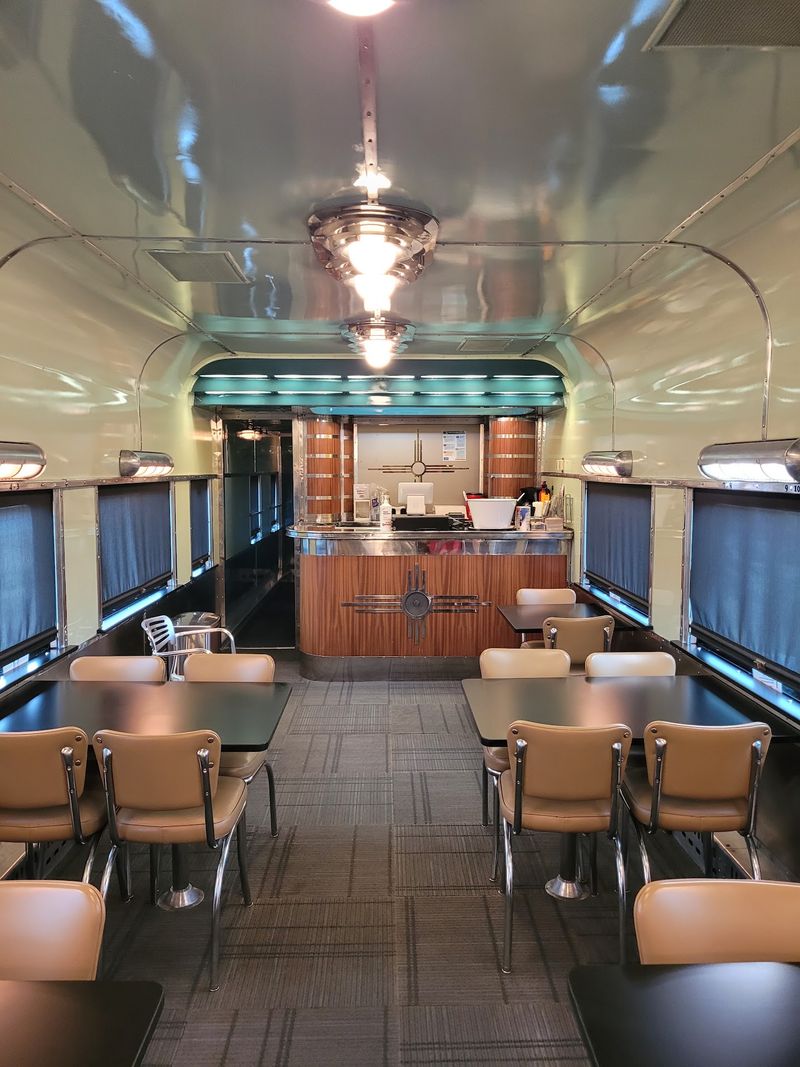
Picking a seat is half the fun. Options include Excursion Coach, First Class Coach, and First Class Lounge, and the website shows seating plans so you can choose based on decor, privacy, or a social vibe.
Lounges tend to feel bright and airy, while private rooms for small groups feel cozier and quieter. Some seats face backward around tables, but riders say the train turns so forward-facing seats stay that way on the return.
Coffee, juice, water, and light snacks are often provided in the cars. The concession car sells candy, toys, T-shirts, and even a book about the train.
Bringing your own food and non-alcoholic drinks is welcome. On nice days, one rider suggested packing a picnic for the Burnet stop.
Holidays bring themed rides too. The North Pole Flyer leaves from Bertram for a two-hour round trip with Santa, Mrs. Claus, hot cocoa, and cookies, while other themed trips have featured princesses and superheroes, though some parents felt those needed more activities for little ones.
Tickets, Hours and Getting Aboard
Good news for budget planners: Hill Country Flyer prices are clear. Adult Excursion Coach tickets run $45 and child tickets $35.
First Class Coach costs $50 for adults and $40 for kids. First Class Lounge is $60 for adults and $50 for children, though prices can change and special themed rides may cost more.
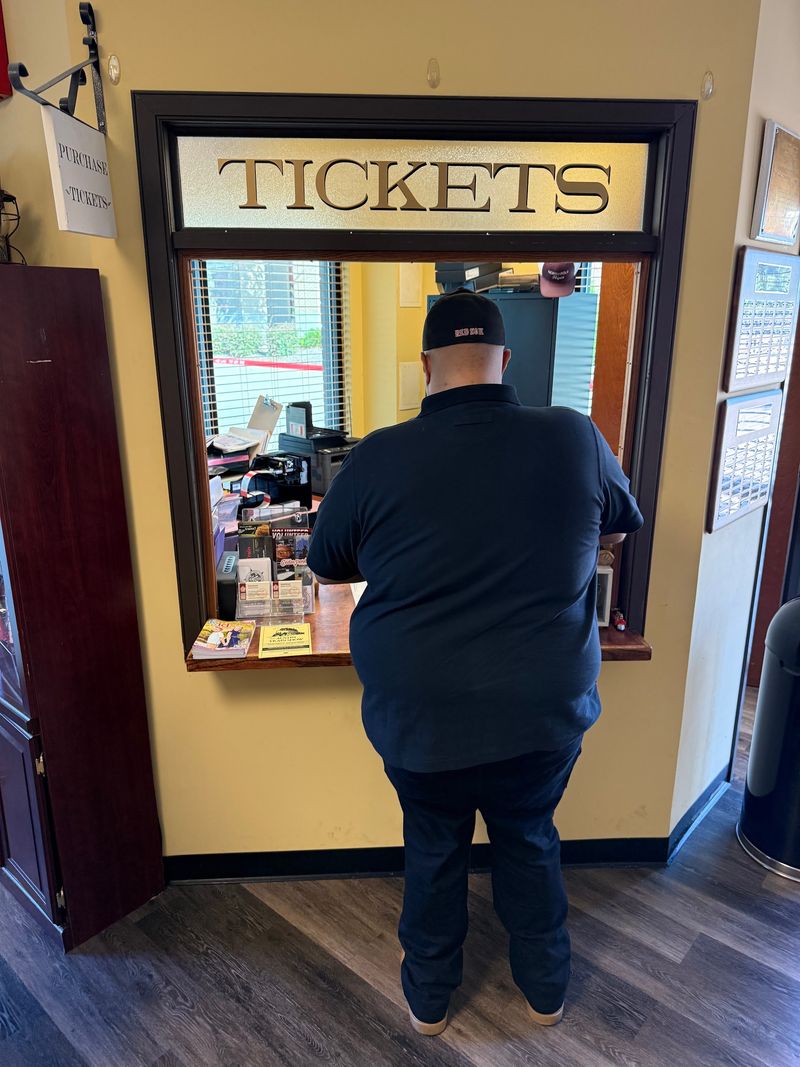
Trains usually run most weekends, with the Hill Country Flyer typically leaving from the Cedar Park Depot. The office keeps its own schedule, open Wednesday through Friday from 10 am to 12 pm and 1 to 4 pm, and closed Saturday through Tuesday.
Call 512-915-2340 or check austinsteamtrain.org for current dates. Riders suggest arriving 45 minutes to an hour early to park, grab tickets, and peek into the museum.
A few more notes: the experience is described as wheelchair accessible, and restrooms are on board, though not every car may have a working one. Summer days can run hot, so dress light.
Worth the Slow Lane
Fast it is not, and that is exactly the point. This ride rewards people who like to look out a window, talk with the folks across the table, and let a day unfold without a schedule buzzing in their pocket.
It suits train lovers, grandparents, history fans, and couples looking for a gentle weekend outing. Families do well too, especially when kids know ahead of time that this is a leisurely trip, not a theme park.
Some riders wish for more scenery or more entertainment, and those are fair thoughts. Others point to the volunteers, the beautiful cars, and the charm of Burnet as reasons they would happily ride again.
For Texans who still love the back roads and the old ways, this is one of those rare finds. Leave the traffic behind, grab a seat in a car that once carried travelers across the country, and enjoy the Hill Country at the speed it deserves.