Some of the best weekends in Texas start with a plan that is way too small. You figure you will grab lunch, poke around for an hour, and head home before dark.
Then the back roads get prettier, the pace gets slower, and suddenly you are hungry for one more meal and curious about one more corner. That is exactly what happens in a little Hill Country town that looks modest on the map but stays with you long after the drive home.
A Small Dot in Hays County
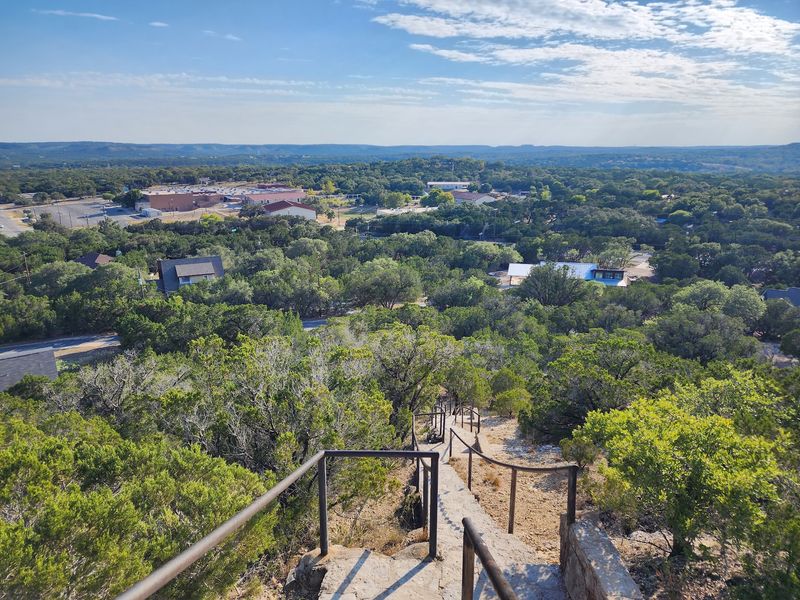
Pull up a Texas map and you might miss it. Wimberley sits in Hays County, right in the heart of the Texas Hill Country, tucked away from the big highways that pull most travelers past without a second glance.
That quiet location is part of the charm. Day-trippers who still choose the back roads over the interstate tend to find places like this, where the landscape opens up and the rush of city traffic fades behind you.
Wimberley is officially a city, but do not let that word fool you. It feels more like a hometown than a destination, the kind of spot where the scenery does most of the talking and nobody seems to be in a hurry.
For Texans who already know that the most memorable stops rarely come with flashy billboards, this is a familiar and welcome feeling. Wimberley does not shout for attention.
It simply waits for the folks who bother to turn off the main road and look around.
That is also why a quick visit so often stretches longer than planned. Once you arrive, the setting makes it hard to rush back out, and an afternoon has a funny way of turning into a whole weekend.
The Man Behind the Name
Every small town has a story, and this one starts with a person. Wimberley was named after Pleasant Wimberley, a local man whose work helped shape the community in its early days.
His name alone sounds like it belongs in a storybook. Pleasant is about as fitting a word as you could pick for a Hill Country town, and visitors often smile when they learn it was a real first name.
Back in the 1870s, Pleasant Wimberley owned and operated the gristmill and the cotton gin. Those two businesses were the beating heart of rural life, the places where neighbors brought their harvests and swapped news while they waited.
Naming a town after the person who ran the mill tells you a lot about what mattered here. It was not about grand monuments or fancy titles.
It was about the folks who kept daily life running and fed the families nearby.
Knowing this little piece of history changes how the town feels when you visit. You are not just passing through a pretty place.
You are standing in a community that grew from honest, hands-on work, and that humble spirit still seems to hang in the air.
Gristmill and Cotton Gin Days
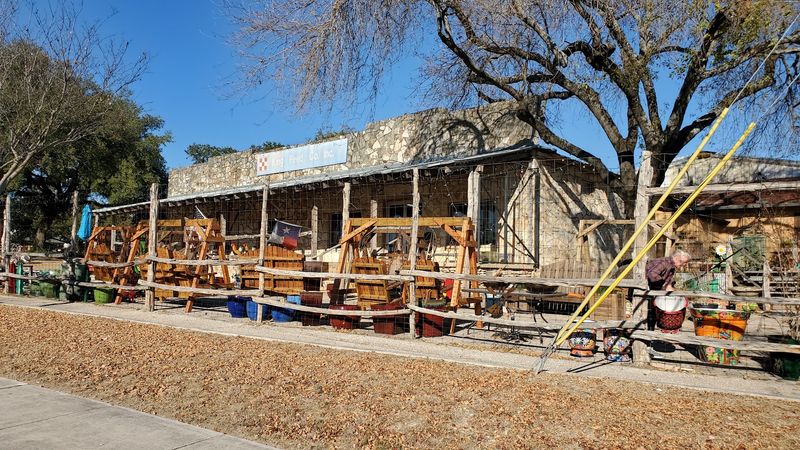
Picture the 1870s for a moment. Wagons rolled in from surrounding farms, loaded with grain to be ground and cotton waiting to be cleaned.
The gristmill and cotton gin turned this spot into a gathering place long before anyone thought of it as a getaway.
Gristmills ground grain into flour and meal, the basic ingredients for bread and biscuits on nearly every farm table. Cotton gins separated the fluffy fibers from the seeds, which made cotton ready to sell.
Together, those two operations meant that people had a real reason to come to town. Trips to the mill became social outings, with families catching up while the work got done.
History fans will enjoy that this town was built around usefulness rather than show. That old-school foundation is part of why Wimberley still feels grounded today, more interested in being itself than in chasing whatever is trendy.
As you wander, it is fun to imagine the creak of machinery and the chatter of farmers waiting their turn. The roots of this place are humble, practical, and deeply Texan, which is exactly what makes them worth remembering.
Ranch Country All Around
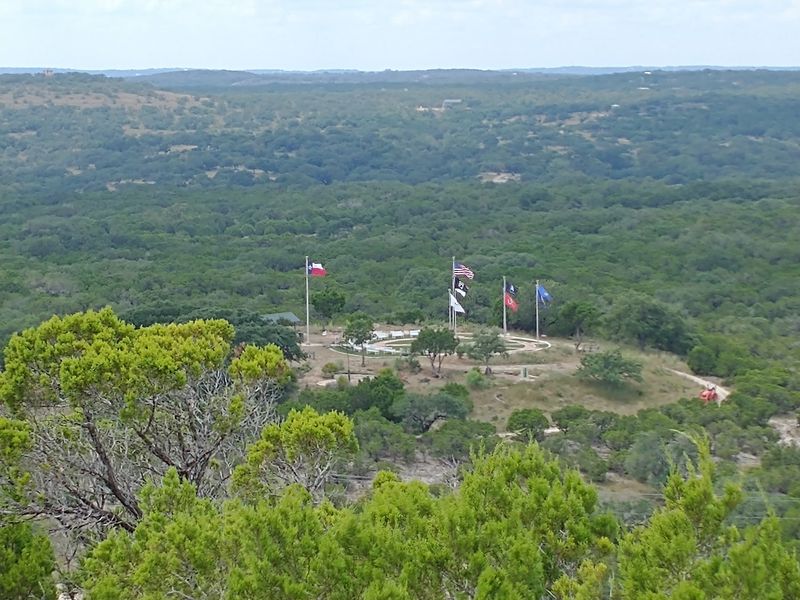
Drive a few minutes in nearly any direction and you will see what surrounds Wimberley. The area around town is mostly ranching country, with open land that rolls out toward the horizon.
That ranch setting gives the whole region its character. Fences stretch along the roads, pastures fill the gaps between hills, and the pace of life follows the land rather than the clock.
For road-trippers, this is pure eye candy. The drive itself becomes part of the reward, especially if you slow down and let the views do their work.
Families with kids in the back seat often turn these drives into a game. Spotting animals in the fields or counting gates and windmills can keep little ones busy, and it helps everyone tune into the countryside instead of a screen.
There is something comforting about a town that still sits inside working country. It reminds visitors that the Hill Country is not just a backdrop for photos.
It is a living, breathing landscape where people have tended the land for generations, and that steady rhythm rubs off on anyone who spends a weekend nearby.
Small Population, Big Hometown Feel
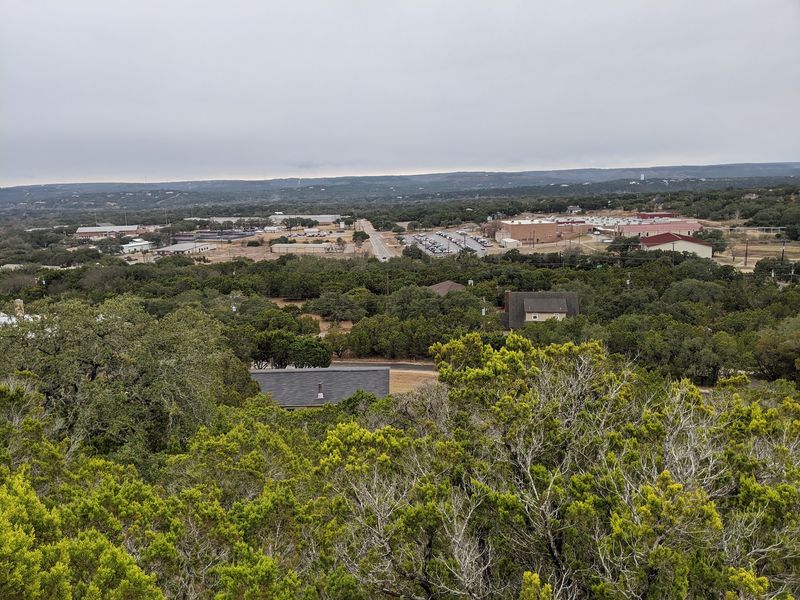
Here is a number that says a lot: 2,839. That was Wimberley’s population at the 2020 census, which makes it about the size of a single big-city neighborhood.
A town this small has a feel all its own. Streets are calmer, faces become familiar quickly, and you are less likely to get swallowed up by crowds and lines.
For travelers tired of packed tourist hot spots, that matters. You can actually hear yourself think, and a slow stroll feels natural instead of rushed.
Small numbers also mean the town has not been polished into something generic. There is a refreshing lack of the same chain storefronts you see in every suburb, at least compared to busy metro areas, and that unbothered quality is exactly what fans of old-school Texas look for.
The best part might be how easily you can settle in. After a day or two, the town starts to feel a little like yours.
That cozy sense of belonging is a big reason why visitors who planned on just a few hours end up looking for somewhere to stay the night.
Why the Day Trip Keeps Growing
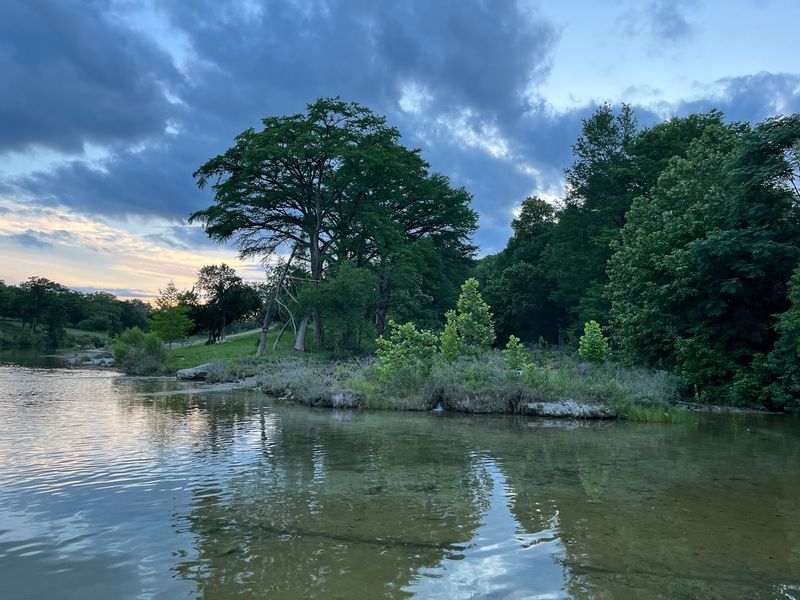
Funny thing about Wimberley: almost nobody leaves when they meant to. The plan is usually simple, a few hours in the Hill Country and back home by supper.
Then the afternoon light hits the hills and that plan quietly falls apart.
Part of the pull is the slower pace. When you are not fighting traffic or crowds, time stretches out, and you start wanting more of it.
Another part is the drive. Getting here takes you through country that is too nice to rush, so turning around after a quick look can feel like a waste of good scenery.
Many travelers find that a second day lets them actually relax instead of checking boxes. One day becomes about getting there and looking around, while the next is about lingering, wandering, and enjoying whatever catches your eye.
If you are the type who likes to keep options open, pack an overnight bag just in case. Even if you head home the same day, having a change of clothes makes it easy to say yes when the town convinces you to stay a little longer.
Back Roads Worth Taking Slowly
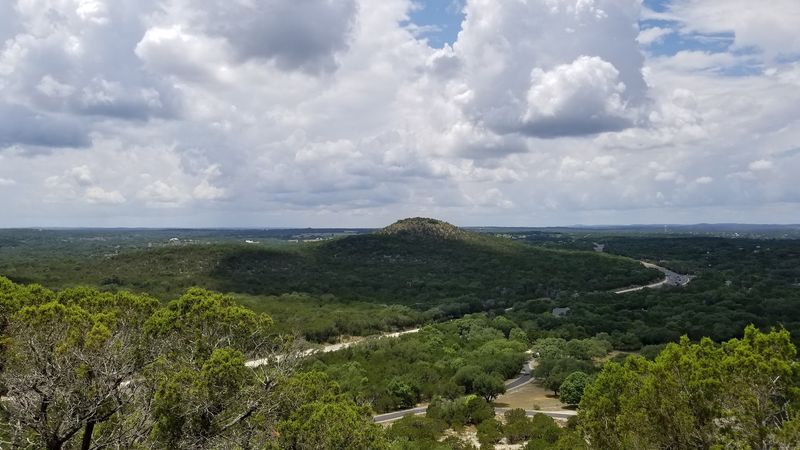
Nobody falls in love with the Hill Country from the fast lane. The real magic shows up on the curvy, quiet roads that lead toward towns like Wimberley.
These are the drives that make Texas road-trippers proud. Hills rise and dip, trees crowd the shoulders, and every bend seems to reveal a new view worth a pause.
A smart move is to give yourself extra time on the way in. Rushing defeats the purpose, and a relaxed drive sets the mood for the whole weekend.
Keep a few practical things in mind too. Rural roads can be narrow and winding, and wildlife sometimes wanders near the pavement, so a steady speed is both safer and more enjoyable.
Early mornings can be especially lovely, with softer light and cooler air, while evenings bring long shadows across the pastures. Whichever time you choose, roll the windows down when the weather allows and let the countryside set the soundtrack.
By the time you reach town, you will already feel miles away from the everyday hustle, which is exactly the point of coming out here.
Seasons That Shape the Visit
Ask any Texan when to hit the Hill Country and you will probably hear about spring. Wildflower season paints roadsides across the state, and a drive toward Wimberley can be a colorful one when the blooms are out.
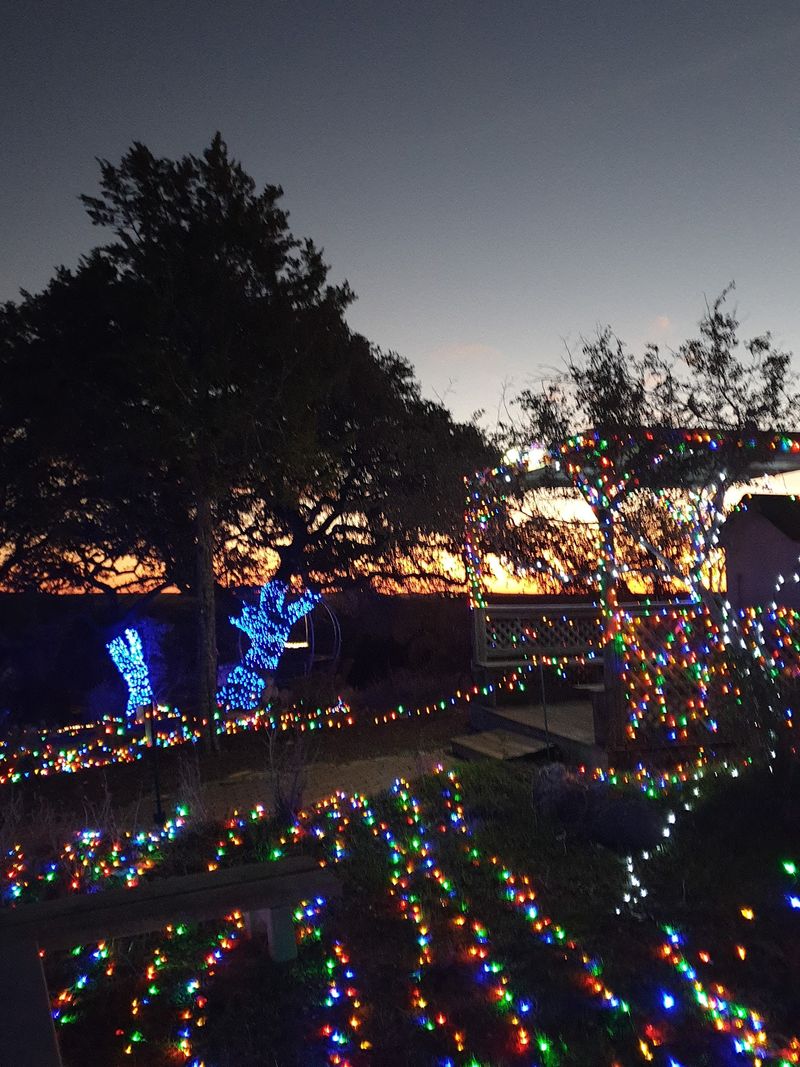
Fall is another favorite for many road-trippers. Cooler days make wandering more comfortable, and the slower holiday season can be a lovely time for a family outing.
Summer is a different story. Texas heat is no joke, so plan outdoor time for early morning or evening, carry plenty of water, and look for shade during the hottest part of the day.
Winter often brings quieter weekends in the Hill Country. If you like a calm escape with fewer people around, a cool-weather visit might suit you just fine.
Whatever season you pick, check the forecast before you go. Weather can change quickly in this part of Texas, and a little preparation keeps the trip relaxed.
The good news is that the rolling ranch country around town has something to offer all year, it just wears a slightly different outfit each season.
Who Feels Right at Home Here
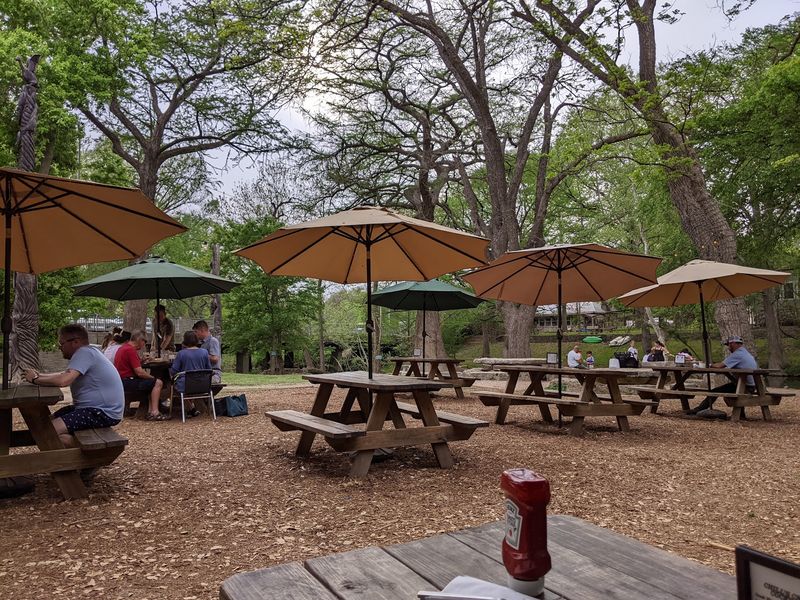
Some places try to please everybody. Wimberley does not have to, because the right people seem to find it on their own.
Back-road explorers will love it first. If your idea of a great Saturday is a long drive, a slow lunch, and no strict schedule, this town fits like an old pair of boots.
Families do well here too. A small, calm town is easy to navigate with kids, and the countryside around it gives them plenty to look at along the way.
Couples looking for a low-key break often appreciate the quiet. Without big crowds or constant noise, it is easier to actually talk, unwind, and enjoy each other’s company.
History lovers will get a kick out of the gristmill and cotton gin roots, and anyone who cherishes old-school Texas will appreciate a town that feels unhurried and real. If you need nonstop nightlife or a packed itinerary, this may not be your spot.
But if you want breathing room and a hometown feel, you will likely understand the appeal within the first hour.
Planning Ahead With the Official Site
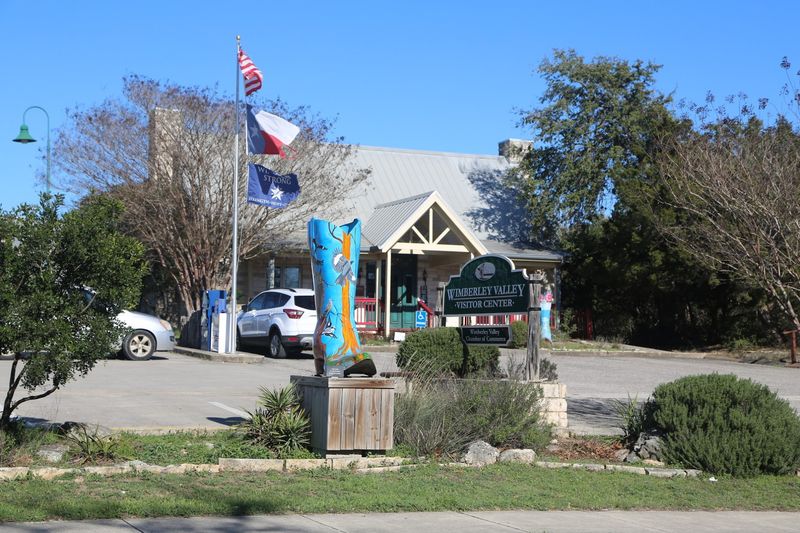
A little homework goes a long way on a small-town trip. Before heading out, it is a good idea to visit the official city website at vil.wimberley.tx.us for local information.
Small towns can operate on their own rhythms. Hours at local spots may shift by season or day of the week, and community events can change what the streets look like on any given weekend.
Checking ahead helps you avoid surprises. Nothing stings quite like driving a long way and finding the place you were excited about closed for the afternoon.
It also pays to plan where you will sleep if you think the day might stretch. In popular Hill Country areas, weekend lodging can fill up, especially during pleasant-weather seasons and holidays.
Keep a loose plan rather than a strict one. Have a few ideas ready, leave room for wandering, and let the town surprise you.
That balance of preparation and flexibility is what turns a simple outing into a weekend you will be talking about on the drive home.
Getting There and Getting Around
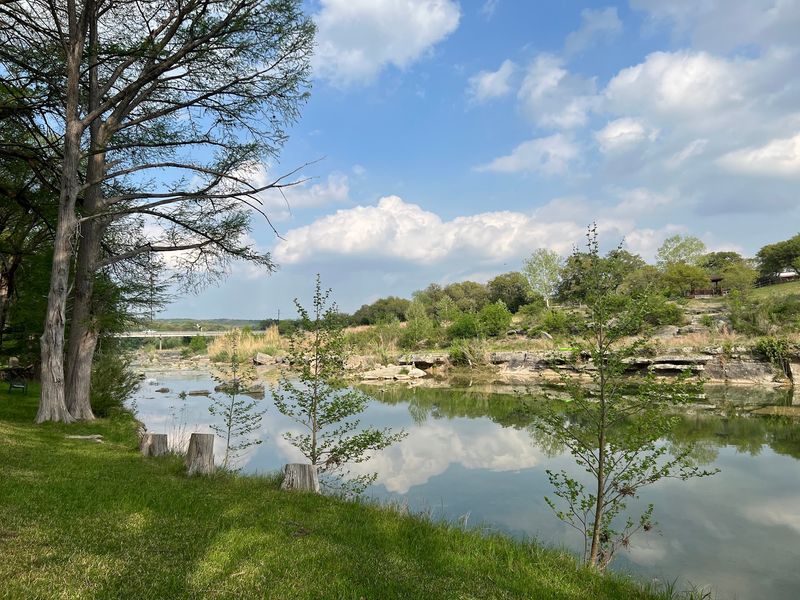
Plug in Wimberley, Texas 78676, and your map app will take it from there. The town sits in Hays County in the Hill Country, which makes it a reachable drive for many Central Texas travelers.
Expect a rural approach. Roads here tend to be more scenic than speedy, so budget extra travel time and enjoy the views instead of watching the clock.
Fill up your gas tank before you leave bigger towns behind. Country stretches can be long, and it is nice not to worry about the fuel gauge while you are admiring the hills.
Once you arrive, a car is the easiest way to explore. The surrounding ranch land is spread out, and having your own wheels lets you follow any side road that looks interesting.
Download maps ahead of time just in case cell signal gets spotty in the hills. Bring snacks, water, and a little patience, and you will be set.
Getting here is half the fun, and the slower the drive, the more the Hill Country has a chance to show off.
A Gentle Verdict on Staying Longer
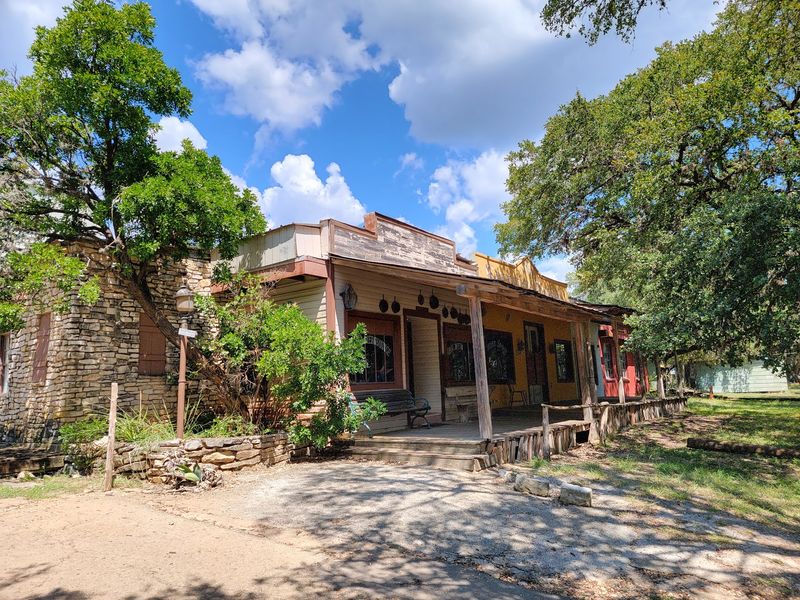
So, is Wimberley worth the drive? For anyone who treasures old-school Texas and unhurried country, the answer leans strongly toward yes.
It will not dazzle you with flashy attractions or big-city buzz. What it offers instead is quieter and, honestly, rarer these days: a small community with roots in a gristmill and cotton gin, surrounded by ranch land, still carrying the name of the man who kept it running.
That modest package tends to sneak up on people. You arrive expecting a pleasant afternoon and leave feeling like you found something a little bit special.
Our advice is simple. Plan for a day, pack for a weekend, and give the town the time it quietly asks for.
Watch a sunset over the hills, take the long way home, and do not be surprised if you are already plotting a return trip before you hit the city limits. In a state full of big attractions, sometimes the smallest towns leave the biggest impression, and Wimberley is a fine reminder of that.