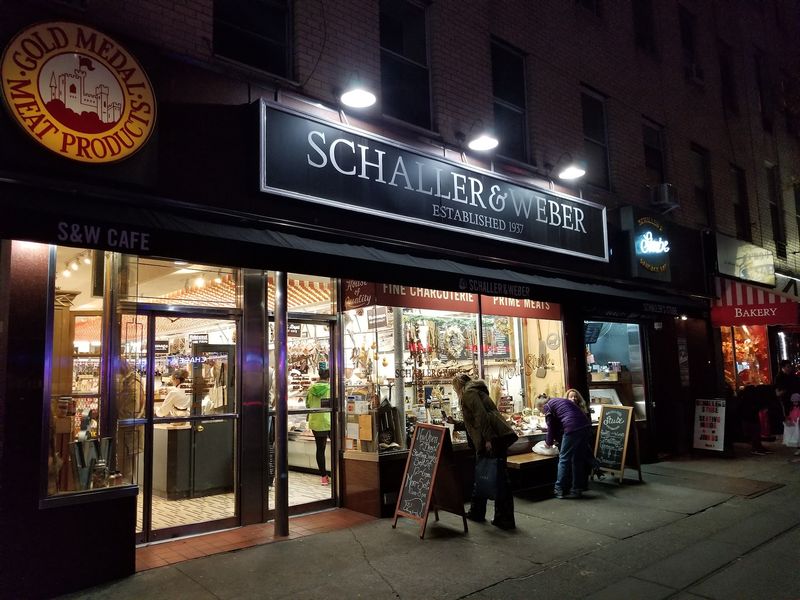
A butcher shop on a busy city avenue has been making German sausages since 1937, and the founder’s grandson runs it today. That fact alone made me sit up and pay attention.
The family recipes trace back to Stuttgart, where the founder trained as an apprentice butcher and sausage maker. Now the shelves also hold imported chocolates, mustards, and pantry staples you rarely spot in a regular New York supermarket.
I like how one small storefront can carry so much tradition without feeling like a dusty museum. You can grab Mozartkugel candies, a link of weisswurst, and a jar of something tangy in a single stop.
For home cooks who love doing things the old way, I can’t imagine a more satisfying errand. So how does one little shop pack a slice of Germany onto a few city shelves?
A German Market That Has Held Its Corner Since 1937
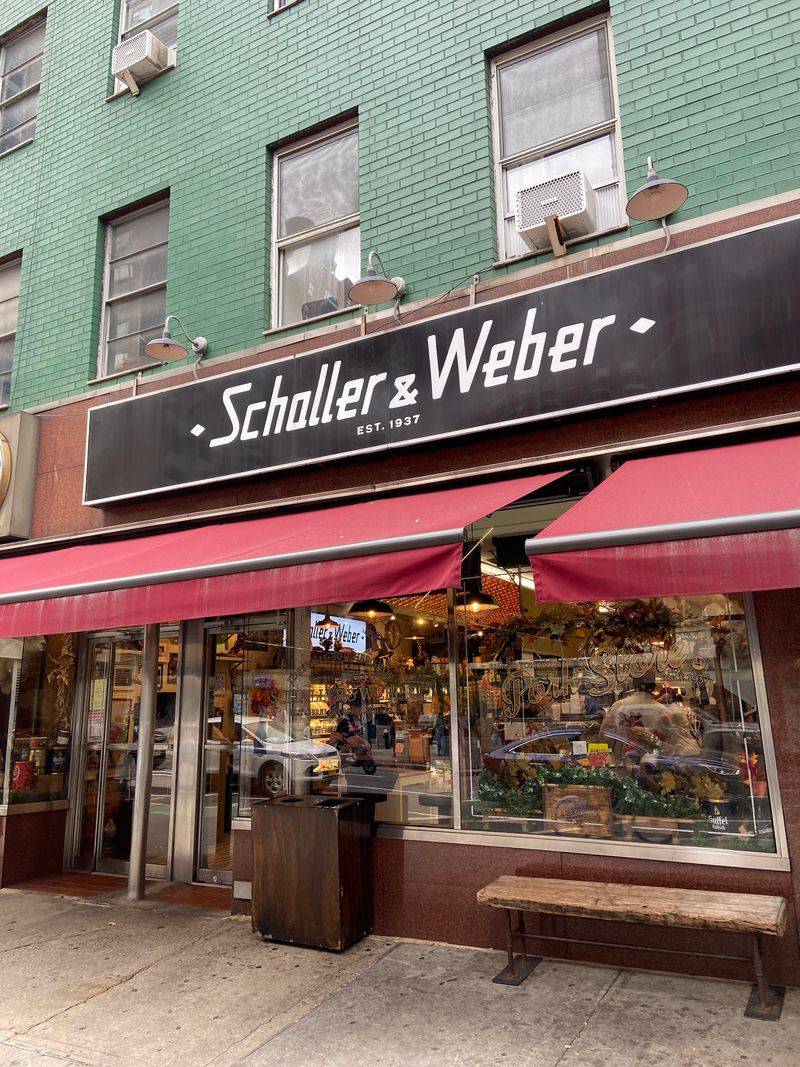
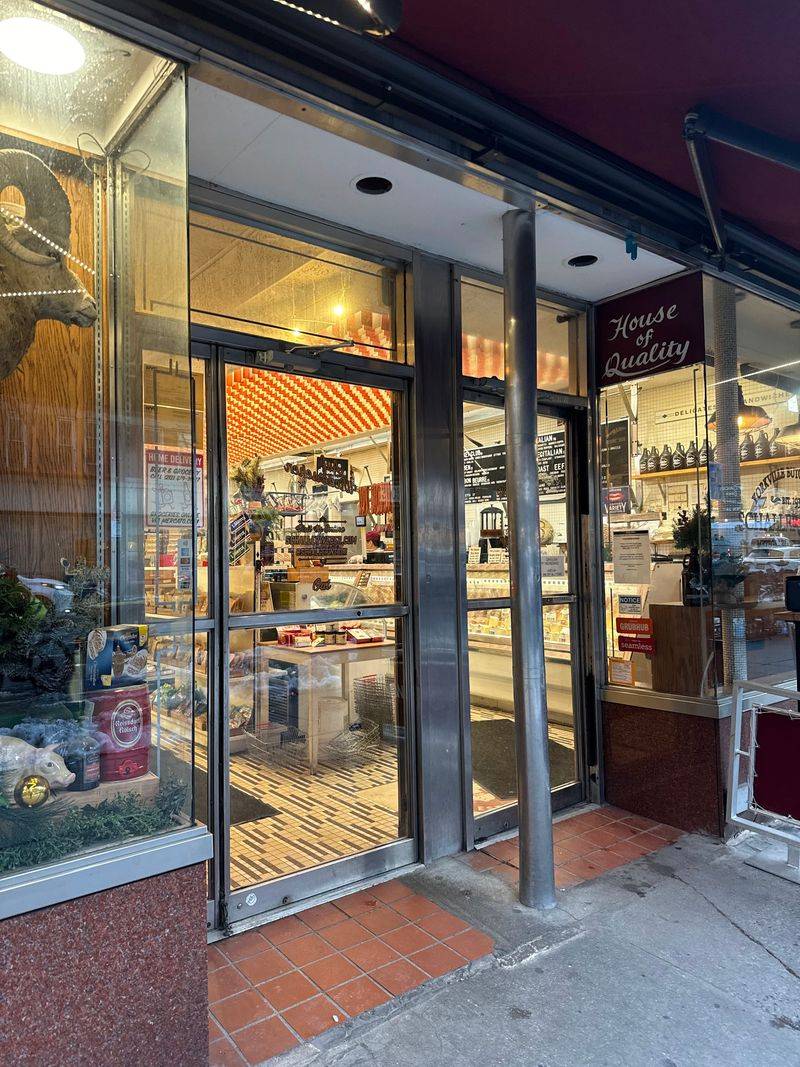
Few grocery stores in the city can say they opened before the Empire State Building turned ten. Schaller & Weber can, since the German grocer, butcher, and sausage maker first opened its doors in 1937.
The shop sits in Yorkville, a slice of the Upper East Side once known as the German quarter of the city. Plenty has changed on these blocks since then, but this family-run market still carries the old flavors.
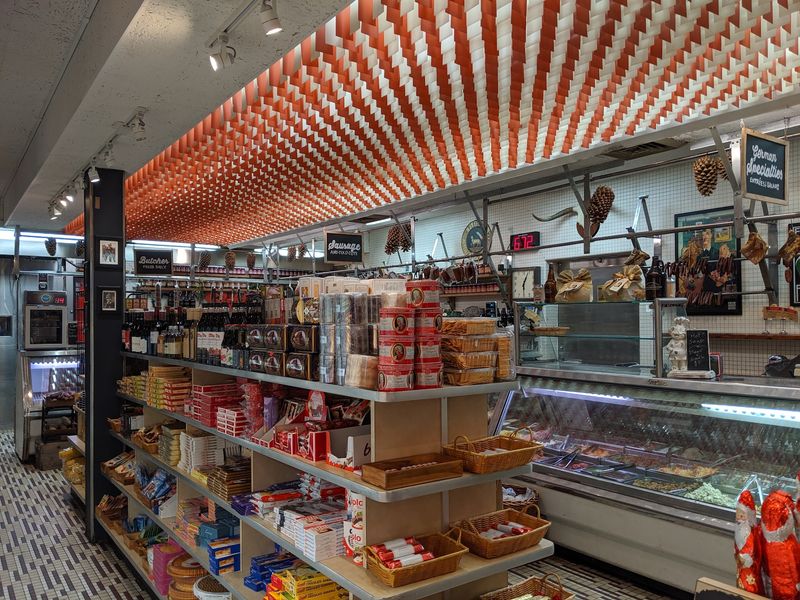
Think of it as part deli, part butcher counter, and part imported pantry. Sausages and cold cuts share space with chocolates, mustards, cheeses, and packaged specialties from across Europe.
For New York cooks who care about tradition, that combination is the whole appeal. You get recipes with real roots, plus the pantry items that make those recipes taste right at home.
It also helps that the place stays approachable rather than fussy. A quick sandwich run and a serious stock-up trip both fit comfortably here.
So yes, it’s technically a grocery store on a busy avenue. It just happens to carry nearly nine decades of German food culture inside a compact storefront.
From A Stuttgart Apprenticeship To A Grandson Behind The Counter
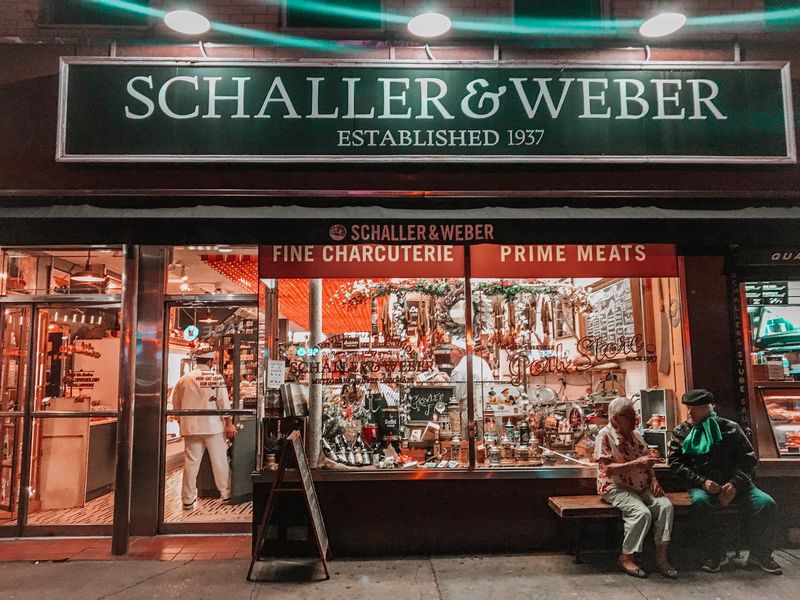
Every good sausage story starts with a stubborn craftsman. Here, that craftsman was Ferdinand Schaller, who trained as an apprentice butcher and sausage maker in Stuttgart, Germany.
He brought those skills to New York and teamed up with Tony Weber. Together they opened the shop in 1937, and the names on the sign have stayed put ever since.
Demand kept growing, which is a lovely problem for a butcher. In the early 1960s, Ferdinand built a separate production facility to keep up with orders.
The family thread did not snap with time. Jeremy Schaller, Ferdinand’s grandson, took the helm in 2014 and continues using the same time-honored recipes.
I like that the history here isn’t just a plaque on the wall. It lives in the actual food, made the way a Stuttgart-trained hand intended.
Tradition-minded cooks will appreciate that kind of continuity. Three generations is a long time to keep a recipe honest, especially in a city that reinvents itself every few years.
That steady family lineage gives every link and slice a little extra meaning. You’re buying a story along with dinner.
Yorkville’s German Roots Still Show Up On These Shelves
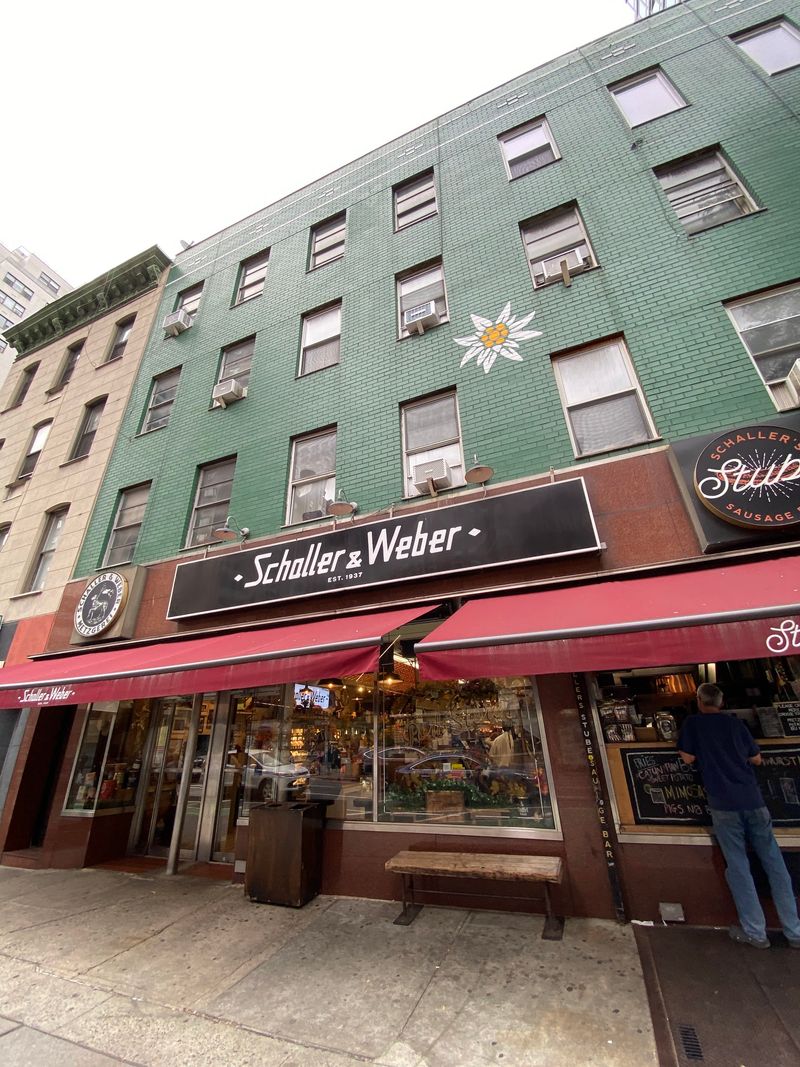
Long before the Upper East Side meant brunch spots and chain pharmacies, Yorkville had a strong German identity. Neighborhood bakeries, restaurants, and shops once served a large German community here.
Most of those businesses are gone now. That makes Schaller & Weber feel like one of the last open doors into that older chapter of New York life.
History buffs and heritage cooks get something special from that. Shopping here connects a simple grocery list to a neighborhood story that’s easy to miss otherwise.
The shop doesn’t lean on nostalgia as a gimmick, either. It simply keeps doing what it has always done, which is selling German food made with care.
Families with German roots may recognize names on packages from a grandparent’s kitchen. Everyone else gets a friendly introduction to flavors that shaped this corner of the city.
I believe places like this matter more than we admit. When a neighborhood changes fast, a shop holding onto its craft becomes a quiet keeper of memory.
And the best part? Preserving that memory comes with sausages, so the history lesson is unusually delicious.
The Butcher Counter Is Where The Real Craft Lives
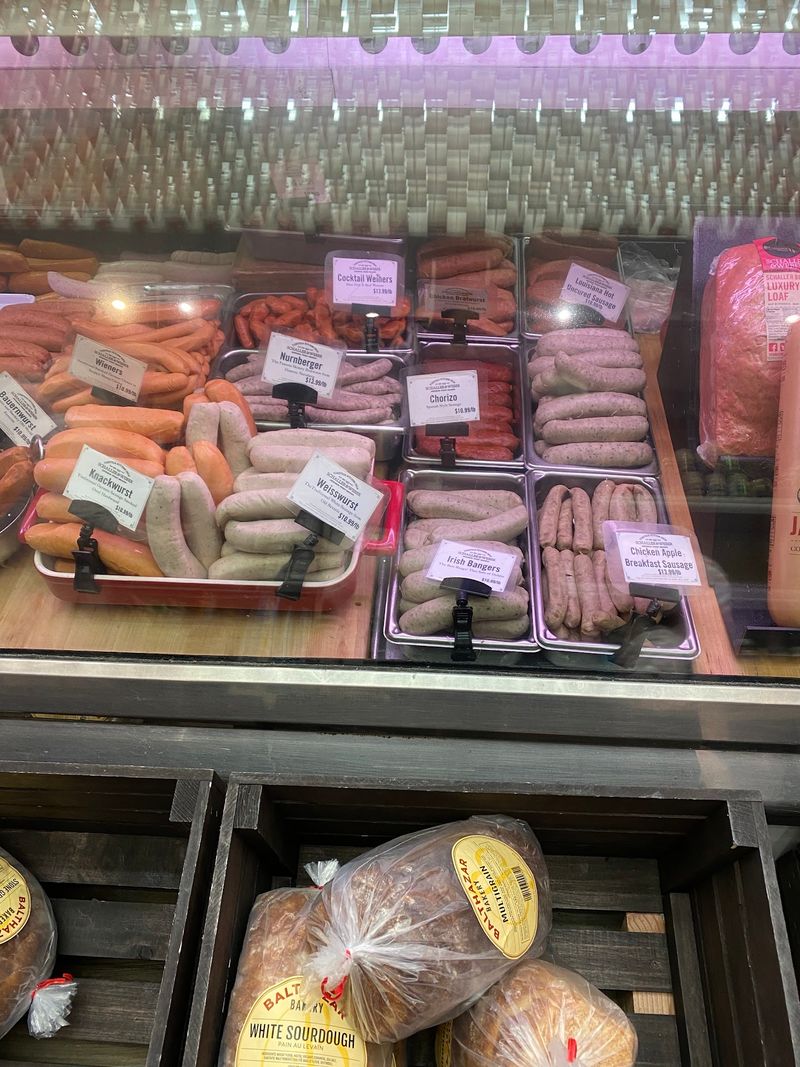
Weisswurst, Nürnberger bratwurst, smoked bacon, and cold cuts. That lineup reads like a German grandmother’s grocery list, and it anchors the whole shop.
The butcher side of Schaller & Weber is the heart of the operation. Generations of sausage-making know-how show up in the case, link after link.
Specialties follow traditional recipes rather than trendy shortcuts. For cooks who love authentic technique, that’s exactly the kind of detail worth a trip into the city.
The counter carries more than sausages, too. Aged beef sits among the options, which isn’t something every neighborhood butcher offers.
Smoked cheddar sausages and Leberkäse also appear among the shop’s German favorites. If you’ve only met bratwurst at a backyard grill, this case will widen your horizons quickly.
Pet owners even get a perk. The shop sells smoked bones and dog treats, so the four-legged family members aren’t left out of the German feast.
Planning a family meal around these meats feels like cooking from an old recipe card. The ingredients already carry the tradition, so you just need a hot pan.
Award-Level Charcuterie That Earned National Attention
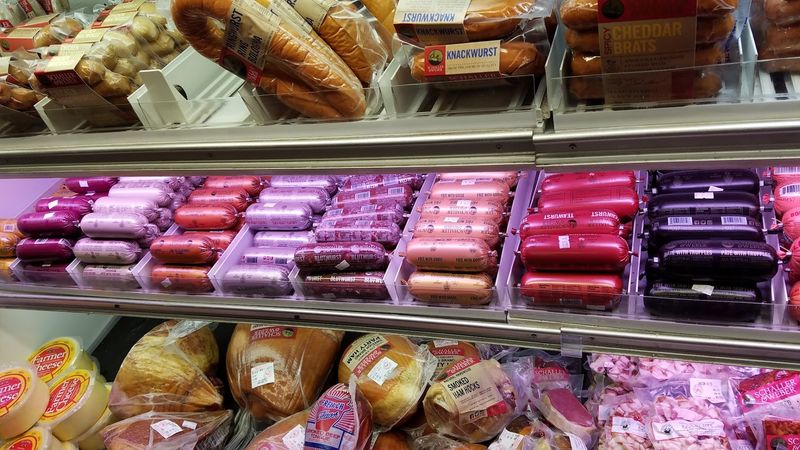
Recognition from the Good Food Awards is no small thing for a craft food maker. Schaller & Weber earned finalist spots in the 2026 awards for its Cocktail Käsekrainer and its ‘nduja.
The Käsekrainer is a classic sausage studded with cheese. The cocktail version shrinks it into a snack size that practically begs for a toothpick and a party.
‘Nduja might surprise first-timers, since it’s a spicy, spreadable pork product. Seeing it alongside German classics shows the kitchen stretching its skills beyond one tradition.
The shop also proudly sells its own award-winning charcuterie line. That makes this counter a smart stop for anyone building a serious board for guests.
Home entertainers in New York will find the choices especially handy. A few cured selections, some cheese, and a jar of mustard can carry an entire gathering.
Good luck ignoring that charcuterie case once you see it. It turns a quick errand into a careful debate about which slices deserve a spot.
Craft-minded snackers know the difference between factory meat and something made with intention. Finalist nods simply confirm what the recipes have been saying all along.
Imported Chocolates Make The Sweet Aisle Hard To Leave
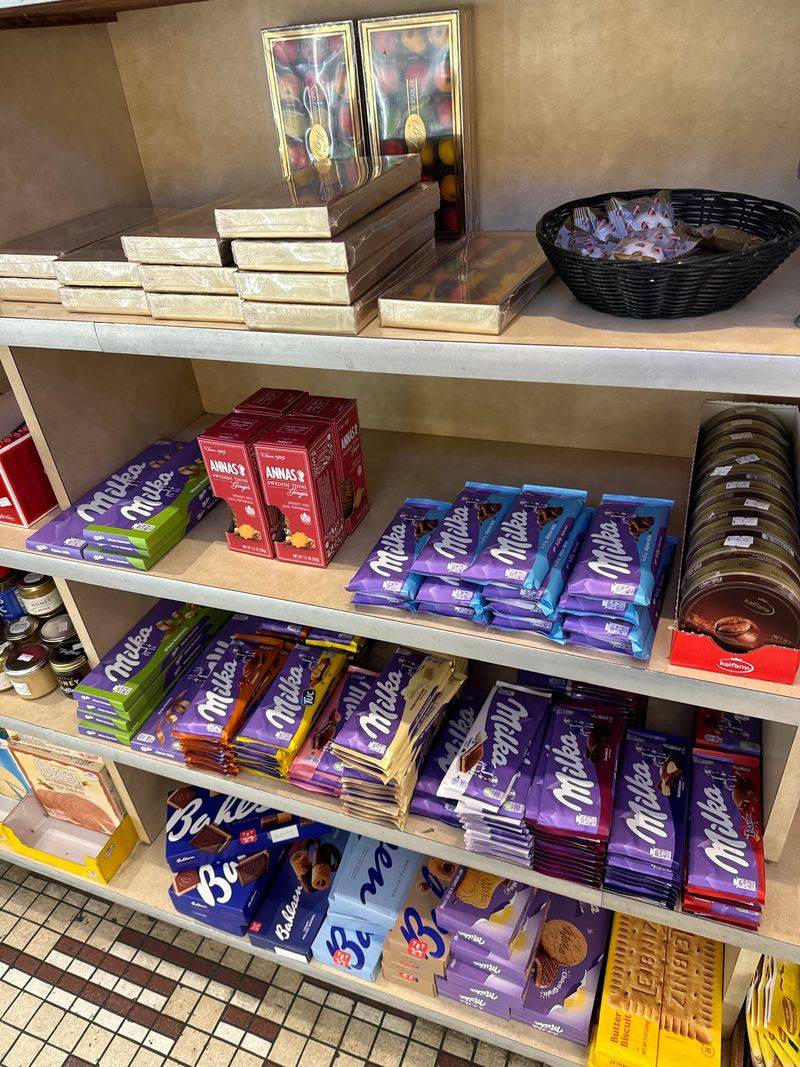
Mozartkugel chocolates sit wrapped in their famous foil, looking like tiny Austrian treasures. Nearby, German Haribo products remind you that gummy bears have a homeland.
The sweet side of the shop leans hard into imports. These are the kinds of treats you usually hunt for in airport shops or bring back in a suitcase.
That variety makes gift shopping surprisingly easy. A box of European chocolates instantly feels more thoughtful than a grab from the checkout lane.
Parents can turn a visit into a fun tasting adventure for kids. Comparing German gummies with American ones is the kind of research children will happily volunteer for.
Bakers and dessert lovers may find inspiration here, too. European chocolate can add a fresh twist to holiday cookies or a simple weekend cake.
I can’t imagine walking past that display without grabbing at least one bar. It’s the snack equivalent of a passport stamp.
The best part is how compact it all feels. A few steps hold flavors from several countries, and none of them require a long flight across the Atlantic.
Mustards And Pantry Staples For The Serious Home Cook
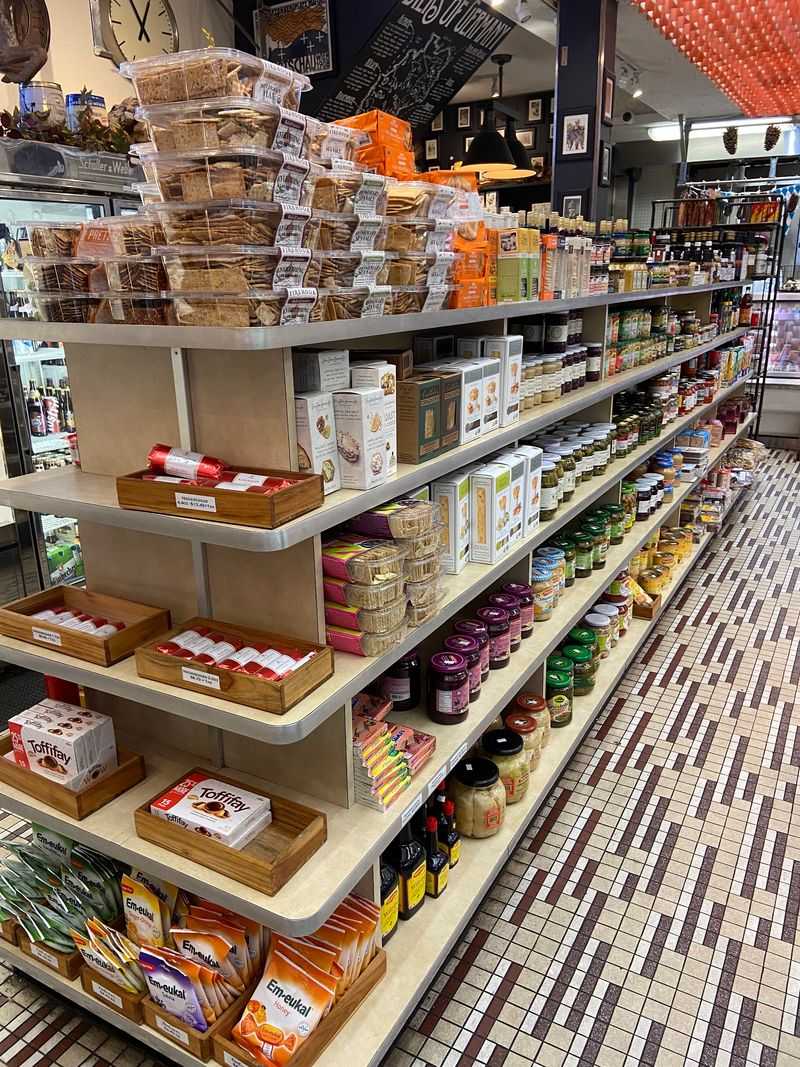
A good sausage deserves a good mustard, and this shop clearly understands that partnership. Jars of German mustards line the shelves, ready to elevate any bratwurst you bring home.
Sweet honey mustards and sharper styles both show up among the imports. Pairing one with a smoked sausage is a simple way to taste how Germans actually eat these meats.
Beyond condiments, the pantry stretches into hard-to-find German specialties. Spätzle, cheeses, and packaged European goods turn the store into a well-stocked supply room for home cooks.
That matters for anyone recreating family recipes. Swapping in a generic ingredient can make a classic dish taste slightly off, and true imports fix that problem fast.
Think of this aisle as a toolkit rather than a souvenir rack. Each jar or package helps a German dinner come together the way it’s meant to.
Tradition-minded cooks across New York will appreciate having one reliable source. Stocking up here can cover an entire menu, from schnitzel night to a sausage platter.
Fill a basket carefully, though. Those little jars add up quickly once you start imagining every dish they could improve.
Ready-Made Nosh For Nights When Cooking Feels Optional
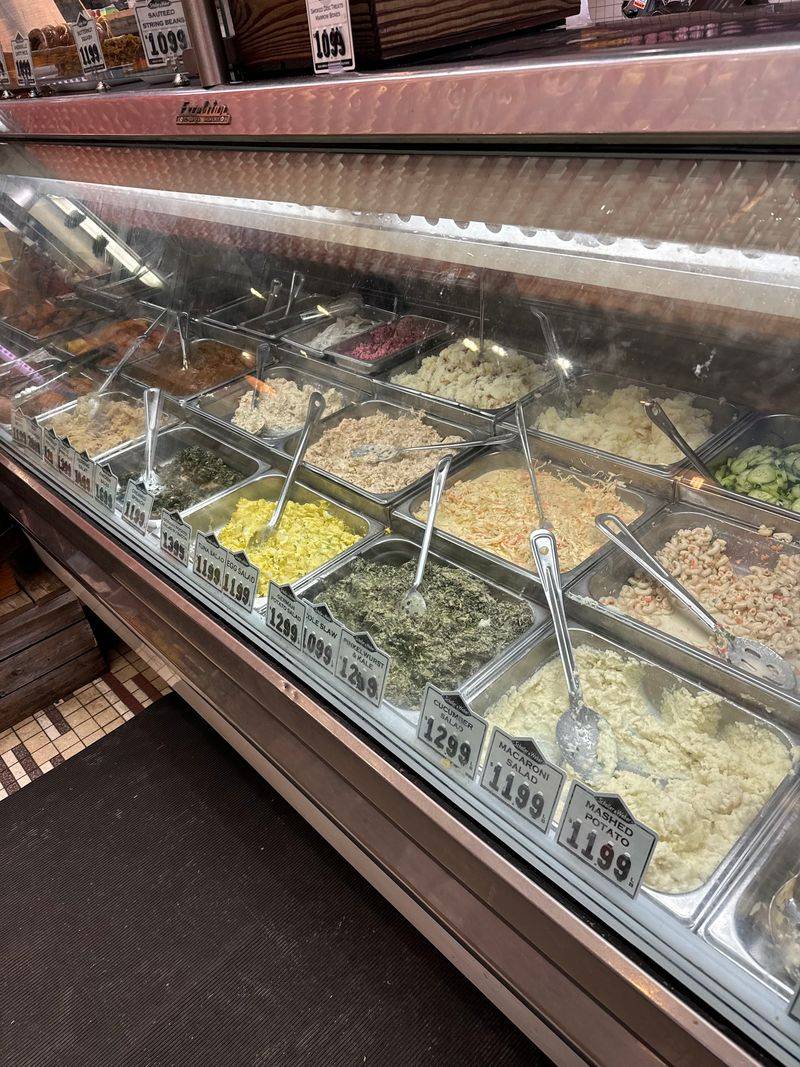
Goulash you didn’t have to simmer for hours? Now that’s a weeknight win worth celebrating.
Schaller & Weber offers a range of prepared nosh, including spreads, salads, and goulash. These ready-to-eat foods bring classic German comfort straight to your table without a long cooking session.
German potato salad is among the deli favorites. It’s a tangy cousin of the creamy American picnic version, so expect a different flavor personality.
Pâtés also earn a spot in the lineup. Spread on good bread, they make an easy lunch that feels a little fancier than a basic sandwich.
Sandwiches themselves are a big draw at the deli counter. Classic cold cuts get piled onto bread for a quick meal that pairs nicely with a browse of the shelves.
For busy families, these prepared options solve a common puzzle. You can serve something traditional on a Tuesday without dedicating the whole evening to the stove.
Picnic planners can benefit too, since the shop has catered gatherings. A spread of German salads and meats would make any outdoor lunch in Central Park feel instantly special.
The Sausage Bar Next Door Serves Berlin On A Bun
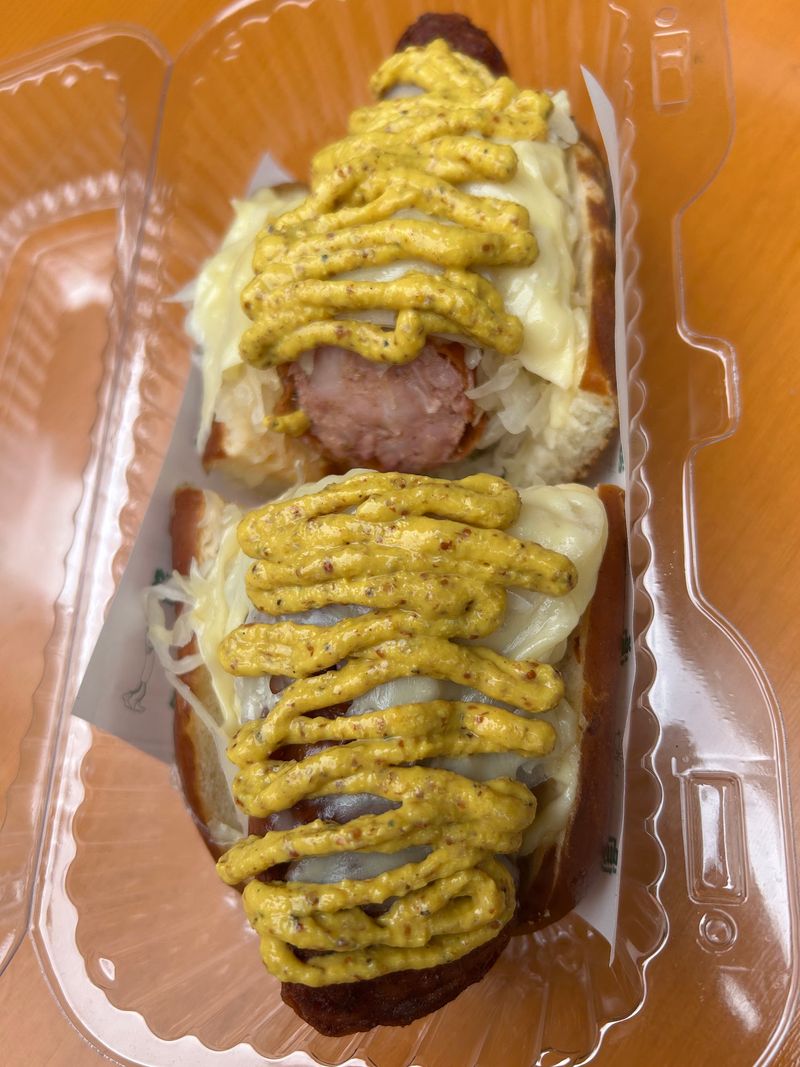
Sometimes the smartest move is eating the product before carrying it home. Schaller’s Stube Sausage Bar makes that easy at 1652 Second Avenue, right beside the market.
The Stube serves Berlin-style street food built around the shop’s own sausages. Wursts, hot dogs, pretzels, and fries fill the casual menu.
It works like a tasting room for the butcher counter. Try a link at the Stube, then grab a package of your favorite next door.
Seating exists in both spots, though it’s on the cozy side. Plan for a quick, casual bite rather than a long, leisurely meal.
Families exploring the Upper East Side will find it a handy lunch stop. Kids tend to understand hot dogs and fries without any translation required.
That pairing of grocery and street food is part of the charm. One building gives you dinner ingredients, while the next gives you lunch on the spot.
A warm pretzel in hand also makes window-shopping the neighborhood more pleasant. Honestly, few errands come with such a satisfying snack break built right in.
Christmas Turns The Shelves Into A German Holiday Market
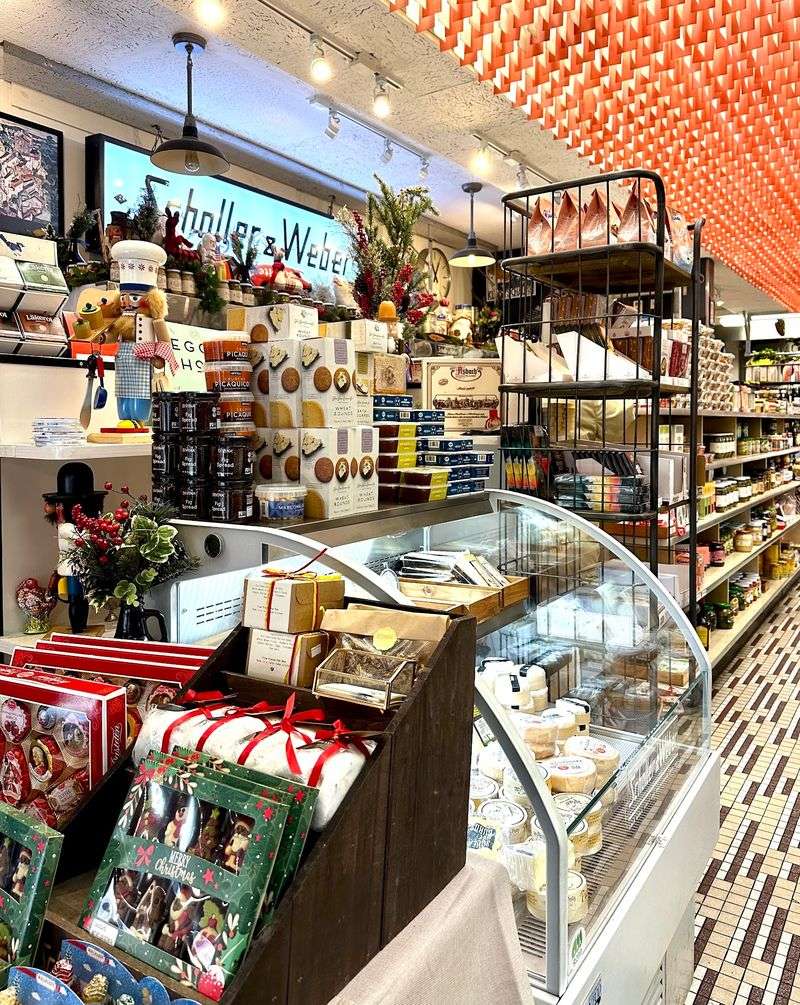
December brings a special kind of excitement to this German grocer. Christmas is a standout season, when the shop adds traditional German delicacies that can be tough to find elsewhere.
Seasonal arrivals give regular shoppers a reason to return. The selection shifts, so each visit can reveal a treat you haven’t spotted before.
Families who keep German holiday customs will appreciate the timing. Finding the right specialties helps an old family celebration feel complete rather than improvised.
Even newcomers to German traditions can join in. Picking up a few holiday items is a fun way to borrow a little European cheer for your own table.
Gift seekers benefit, too. Imported holiday sweets and specialty foods make thoughtful presents for neighbors, teachers, and anyone who loves good food.
Not every visit needs to be seasonal, of course. Year-round shelves stay stocked, but the holidays simply add another layer of discovery.
I like how a single shop can mark the calendar this way. For tradition-minded New York shoppers, it becomes part of the season’s rhythm, right next to tree lighting and cookie baking.
Plan Your Visit Around These Hours And Easy Details
Good news for flexible schedules: the shop keeps steady hours all week. Monday through Saturday, doors open at 10 AM and close at 8 PM.
Sundays run shorter, wrapping up at 6 PM with a later start. Checking ahead before a Sunday trip is smart, since posted start times can vary.
You’ll find Schaller & Weber at 1654 2nd Ave #1, New York, NY 10028. The Stube sausage bar sits right next door, so both stops fit into one outing.
Prices lean toward the premium side. Think of this as a quality splurge for special meals rather than an everyday budget grocery run.
Day-trippers from elsewhere in New York can easily pair a visit with a stroll around Yorkville. Nearby Carl Schurz Park and the East River promenade make pleasant add-ons.
Bring an insulated bag if you’re traveling far with sausages or cold cuts. Fresh meats deserve a cool ride home after the trip.
Weekdays may suit anyone who prefers browsing at a calmer pace. Either way, giving yourself time to explore every shelf pays off.
Why Tradition-Minded Cooks Should Make The Trip
A great food shop does more than sell ingredients. It keeps a craft alive, and that’s exactly what this Yorkville market has been doing since 1937.
Schaller & Weber blends family history, butcher skill, and imported pantry goods into one compact destination. Few places in New York pack so much tradition into such a small footprint.
Home cooks gain real tools here, from sausages and mustards to spätzle and chocolates. Each item helps a German meal taste the way it should.
Heritage seekers get a meaningful link to the city’s German past. Shopping here feels like supporting a living piece of neighborhood history.
It’s not a bargain-hunter’s paradise, and that’s fine. The value comes from recipes, quality, and a family story that stretches back three generations.
So is it worth a special trip? For anyone who loves cooking with intention, I believe the answer leans firmly toward yes.
Grab a pretzel next door, fill a basket with European treats, and head home with dinner plans. Few errands in the city taste this much like a trip abroad.