The pews up front are carved from oak that came all the way from England’s Sherwood Forest. Yes, Robin Hood’s old stomping grounds.
And those pews now sit inside a stone building in New Jersey.
The vaulted ceiling rises 121 feet over your head. The room seats around 2,000 people, and its windows glow with poets, scientists, and saints in jewel-tone glass.
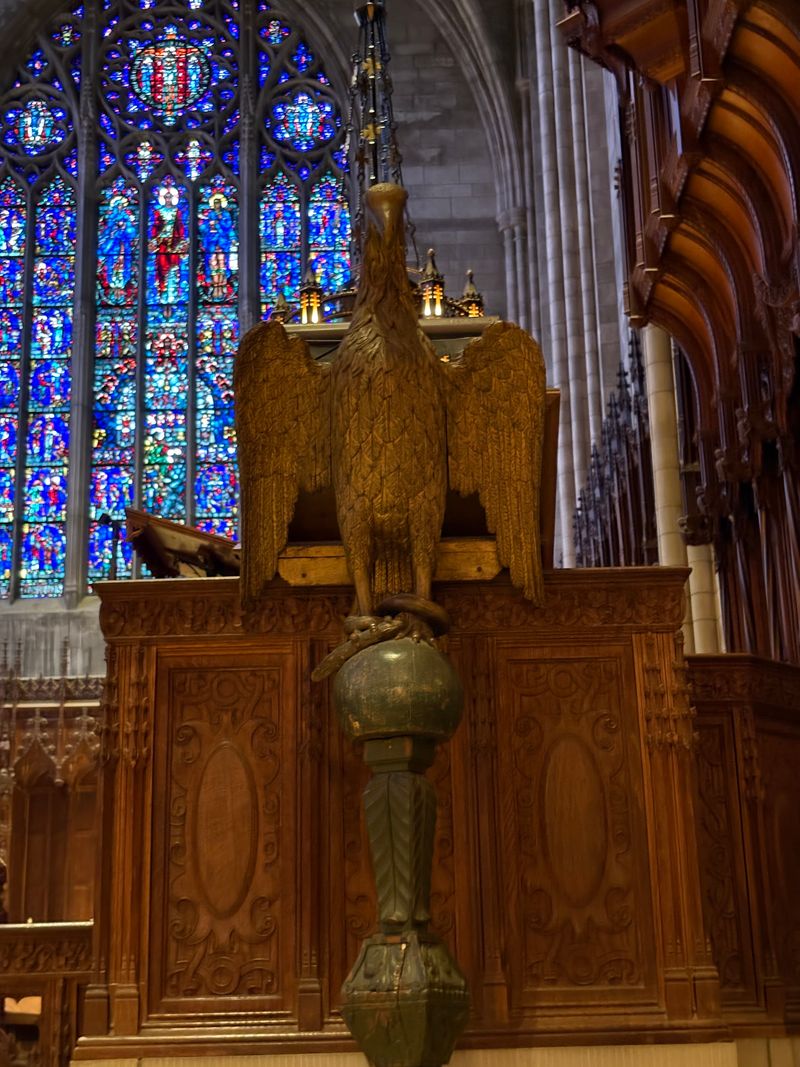
Even the pulpit has a passport, since it came over from France and is believed to date to the mid-1500s.
I like how none of this requires a plane ticket. Entry is free, and the doors open to the public every day of the week.
I can’t imagine a cheaper way to feel like you’ve wandered into an English cathedral town.
So how did a slice of medieval Europe land on a college campus in the Garden State?
A Cathedral-Sized Surprise Waiting On A College Campus
Most college chapels are cozy little rooms with a piano in the corner. The Princeton University Chapel went in a very different direction.
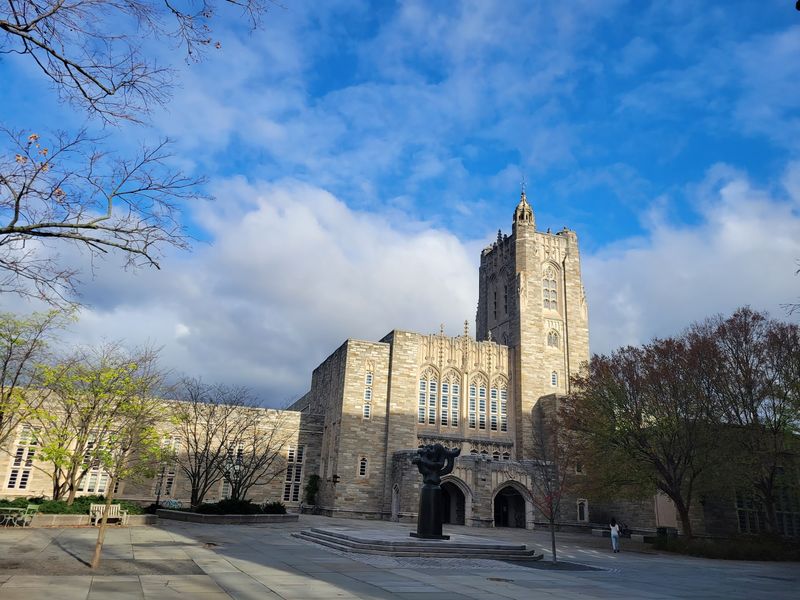
It sits right on the main campus of Princeton University in Princeton, New Jersey. The building is about 277 feet long and seats roughly 2,000 people, which places it among the largest university chapels in the world.
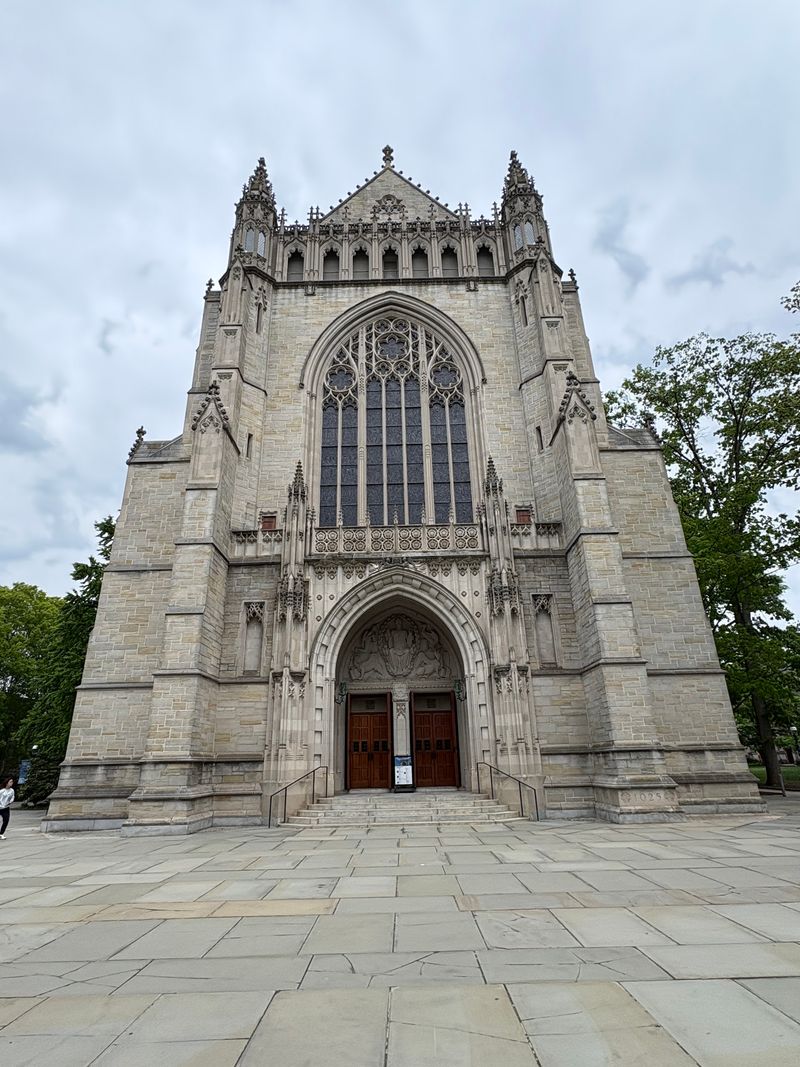
Size alone isn’t the draw, though. The chapel is built in the Collegiate Gothic style, with pointed arches, carved stone, and towering windows that echo the great medieval churches of England.
It works as the spiritual center of the university and welcomes people of all faiths. You don’t need a student ID or a membership card to come inside and look around.
That open-door policy is what makes it such a great day-trip pick. Families, history fans, and architecture nerds can all wander in and soak it up together.
And it’s genuinely striking from the very first glance. Pale stone, dark wood, and colored light all meet in one enormous room that feels centuries older than it really is.
Rising From The Ashes Of An Older Chapel
Fire set this whole story in motion. In 1920, the earlier Marquand Chapel on campus burned, leaving the university without its main place of worship.
Princeton didn’t just patch things up. It hired Ralph Adams Cram, the leading American Gothic Revival architect of the early 20th century, to dream up something grand.
Construction ran from 1924 to 1928. Cram designed churches and campus buildings across the country, but this chapel is widely considered one of his masterpieces.
His inspiration came straight from Europe. English medieval cathedrals, French Gothic churches, and the old chapels of Oxford and Cambridge all shaped the final design.
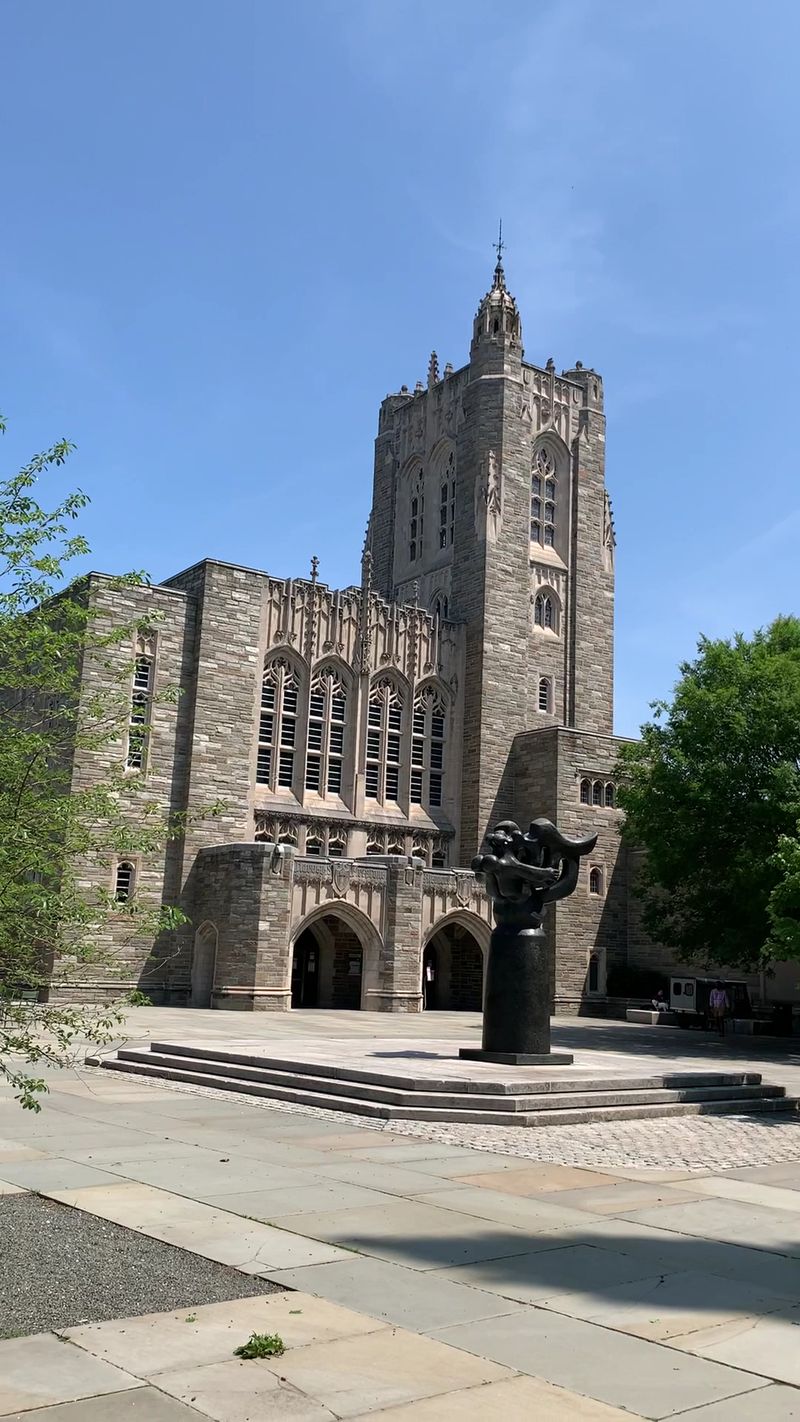
Here’s a fun twist, though. Cram kept the tower intentionally restrained, because he wanted the chapel to blend into campus rather than tower over it like a lonely monument.
That choice makes a lot of sense once you’re on the grounds. The chapel feels like part of a neighborhood of stone buildings, not a showoff standing apart.
Nearly a century later, it still serves the same purpose it was built for. That kind of staying power is pretty rare, even in a state full of history like New Jersey.
Sandstone, Limestone, And A Whole Lot Of Patience
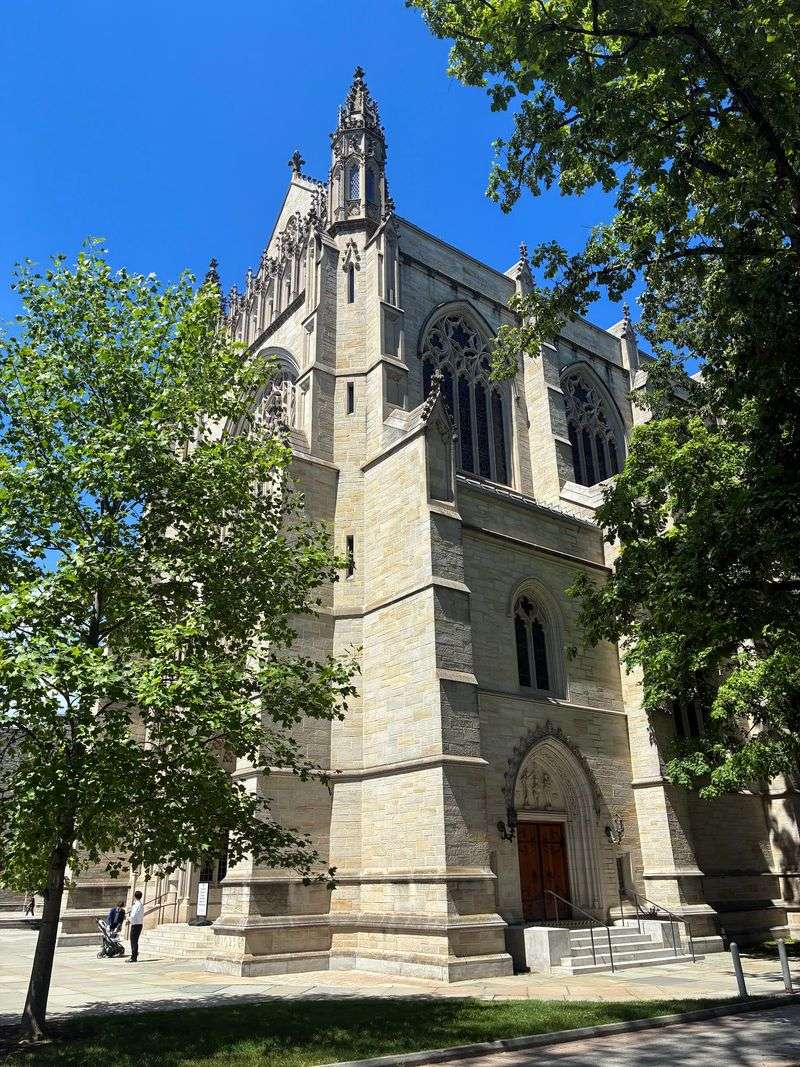
Four years of building went into these walls. When you see the stone up close, that timeline starts to feel almost speedy.
The main material is Pennsylvania sandstone, with Indiana limestone used for the trim. The warm sandstone and paler limestone play off each other in a way that looks handsome in any weather.
Look up and the details keep coming. Pinnacles, finials, pointed traceried windows, and tall clerestory walls all pull your eyes toward the sky.
Supports that resemble flying buttresses brace the walls along the sides. They give the outside that classic cathedral silhouette you’d expect to see in an English market town.
The west front deserves a slow walk-by. Its deeply recessed Gothic portals are lined with carved figures of scholars, saints, philosophers, and thinkers.
Bring a curious kid along and turn it into a game. Ask them to spot a face, a book, or a tiny carved detail before you head inside.
None of it feels mass-produced. Craftspeople shaped this exterior by hand, and every arch shows it.
Ceilings So High You’ll Forget To Close Your Mouth
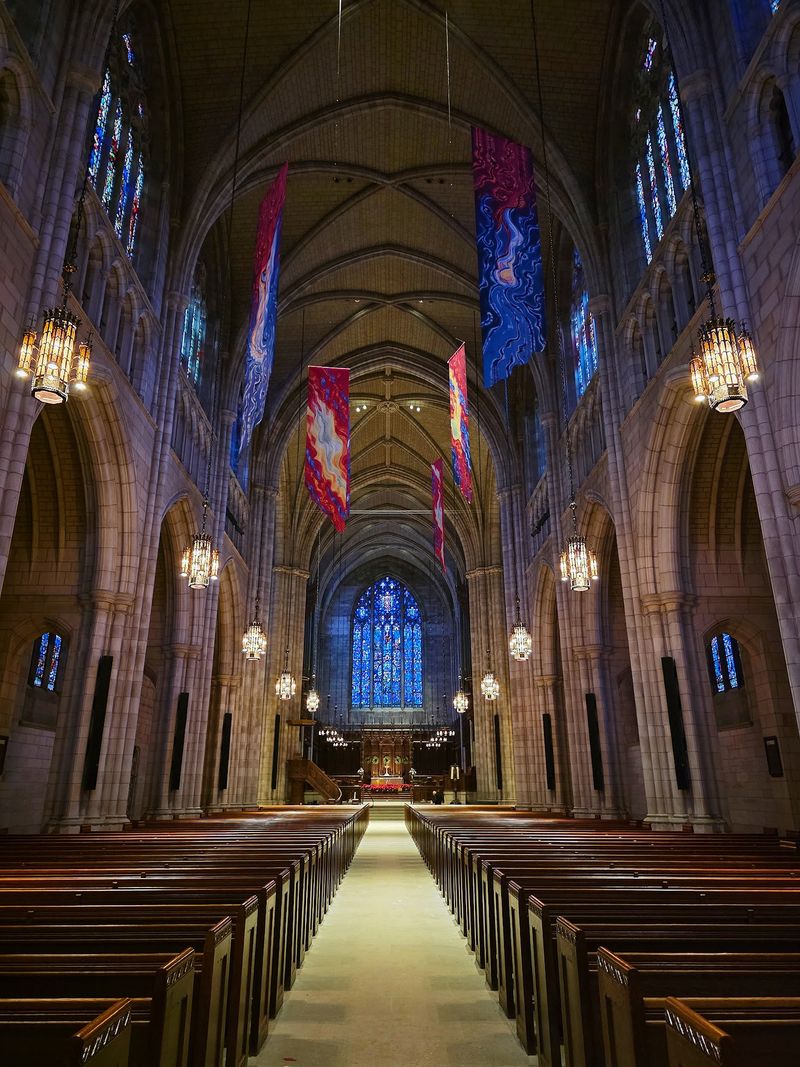
Step through the doors and the whole mood shifts. The ceiling climbs to 121 feet, and the rib vaults overhead pull your gaze straight up.
That upward tug is classic Gothic design. Builders in medieval Europe used it to make people feel small in the best possible way.
The nave stretches out long and straight toward the altar. It was designed for processions, so the space naturally walks your eyes forward from the entrance.
Color makes the room even more dramatic. Filtered light from the windows lands on pale stone, while rows of dark wood pews add a rich contrast below.
On sunny days, light pouring through the glass can brighten the sandstone walls across the room. Timing a visit for a clear afternoon could reward you with a little extra glow.
The space comfortably handles big crowds for services and concerts. When it’s quieter, though, the hush feels almost like being somewhere far older.
I believe this is the moment that sells the trip. One look down that nave, and New Jersey suddenly feels a long way from the Turnpike.
Stained Glass That Stars Poets, Scientists, And Saints
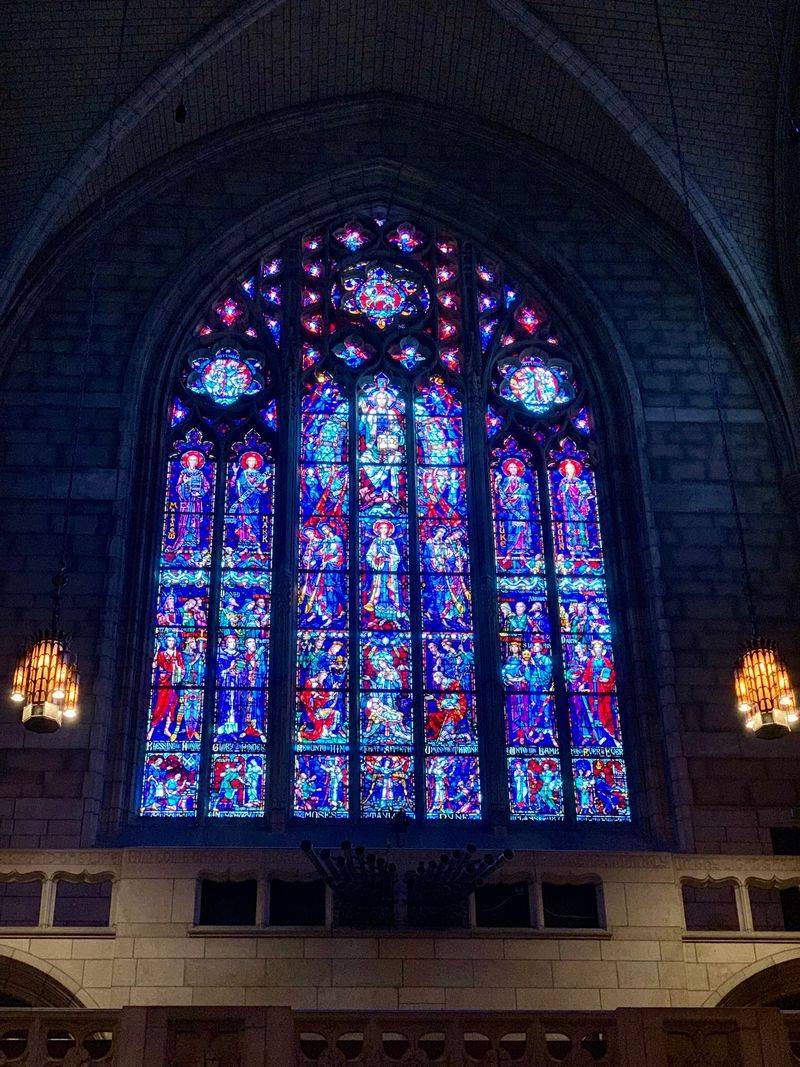
Isaac Newton has a spot in the windows here. So do Dante and Goethe, sharing glowing glass with biblical scenes and figures of faith.
That mix is what makes the Princeton University Chapel windows so unusual. Traditional cathedrals usually stick to Bible stories, but these windows also honor poets, philosophers, scientists, and educators.
The idea reflects the university itself. Religious tradition and academic learning share the same stone frames, side by side.
The colors are gorgeous. Deep reds, blues, greens, purples, and yellows fill pointed arches all around the building.
Biblical windows cover the life and teachings of Jesus along with Old Testament stories. Other panels lean into literature and learning, which turns a slow stroll into a sort of illuminated history lesson.
The windows were also part of a major restoration effort. That work helps keep the glass bright and readable for future visitors.
Give yourself time with them. It’s easy to spend a while picking out a familiar name, then realizing the next window holds an entirely different story.
Oak From Sherwood Forest And A Pulpit From France
Robin Hood fans, this one’s for you. The pews in the chancel, where choir and clergy sit, are made from oak that came from England’s Sherwood Forest.
The carving wasn’t a quick job either. A team of about 100 people spent roughly a year working on that woodwork.
The oak pews out in the main nave have their own story. Their wood was originally set aside for gun carriages back in the 1800s before finding a much calmer calling here.
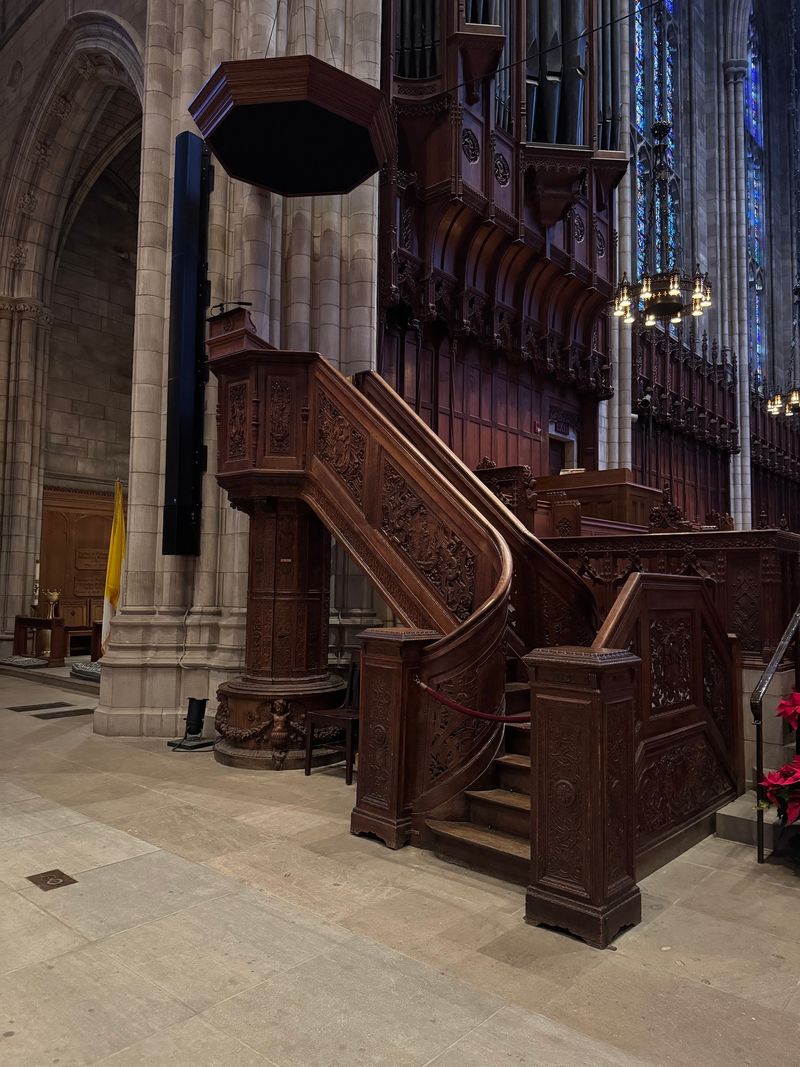
Then there’s the pulpit. It was brought over from France and is believed to date back to the mid-16th century.
That means part of this room is older than New Jersey itself. Pretty wild for a building finished in 1928.
Decorative masonry, detailed woodwork, and tapestries round out the interior. Together they give the space a layered, collected feel, like a cathedral that grew slowly over centuries.
Look closely at the chancel when you visit. The carving rewards anyone willing to stand still for a minute and take it in.
An Organ With Thousands Of Pipes And Room To Roar
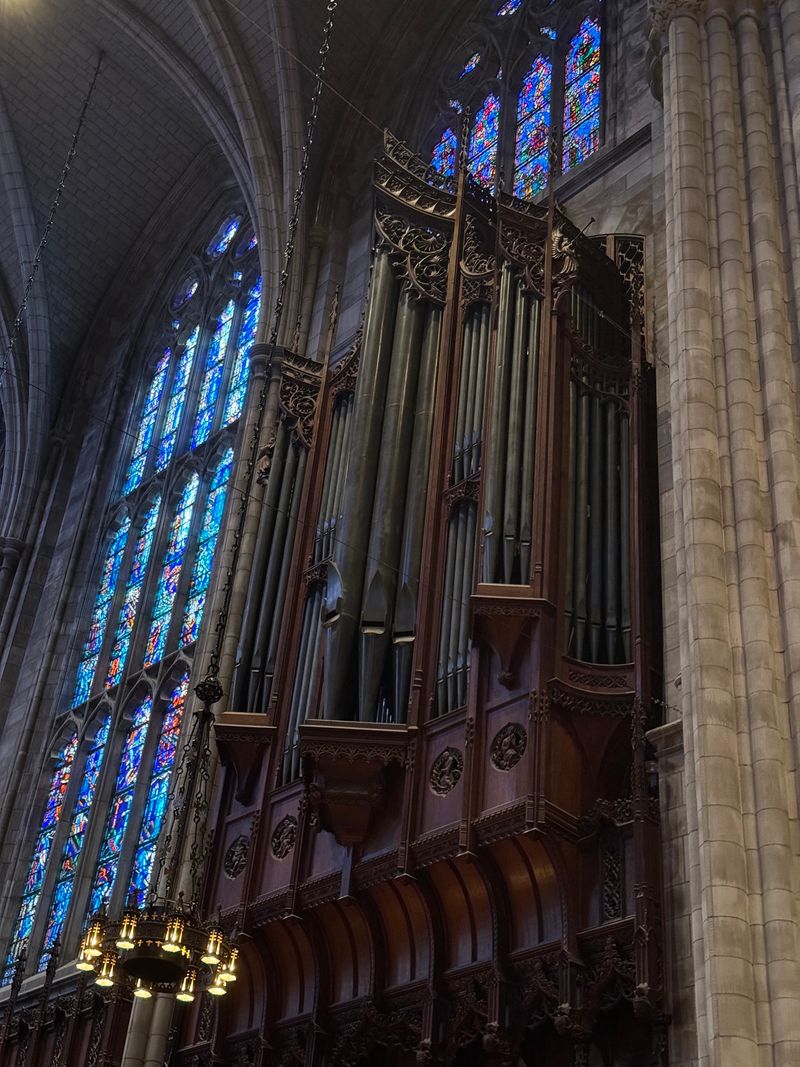
Thousands of pipes live inside this building. The chapel’s grand organ has more than 8,000 of them and over 100 stops.
It was renovated in 1991 in an English cathedral style. That makes it a natural match for a room built to echo the churches of England.
And the room really does echo. The chapel was designed to sound as good as it looks, with long reverberation and strong projection for voices.
Notes hang in the air after the organist lifts their hands. Choirs can fill the space without straining, which is why the chapel works so well as a concert setting.
Free concerts have been part of the calendar, though the schedule changes. Checking the university’s event listings before you go is the smart move.
Even a regular weekday visit may come with a bonus. Organists sometimes practice during open hours, and catching a few minutes of that is a lovely surprise.
Kids who think organs are boring might change their minds here. That much sound in that much stone is hard to shrug off.
A Pulpit Where Dr. King Once Preached
March 13, 1960, is a big date in this building’s story. That’s when Martin Luther King Jr. delivered a sermon inside the Princeton University Chapel.
A plaque inside marks the occasion. It’s a quiet reminder that this space has hosted far more than graduation ceremonies.
Families can turn this into a meaningful stop. Finding the plaque together opens an easy conversation about history, courage, and the power of words.
The chapel’s welcome extends well beyond one day. It serves as a hub for spiritual life at Princeton University and opens to people of all faiths.
Interfaith services mark major moments in the academic year. The space also offers room for prayer, meditation, or simply sitting still.
Services are held on a posted schedule for anyone who wants to attend. Visitors who just want to look around are welcome too, as long as they keep things respectful.
I like that this place hasn’t frozen into a museum. It’s still a living, working chapel, and its history feels closer because of that.
Quiet Corners For Every Kind Of Visitor
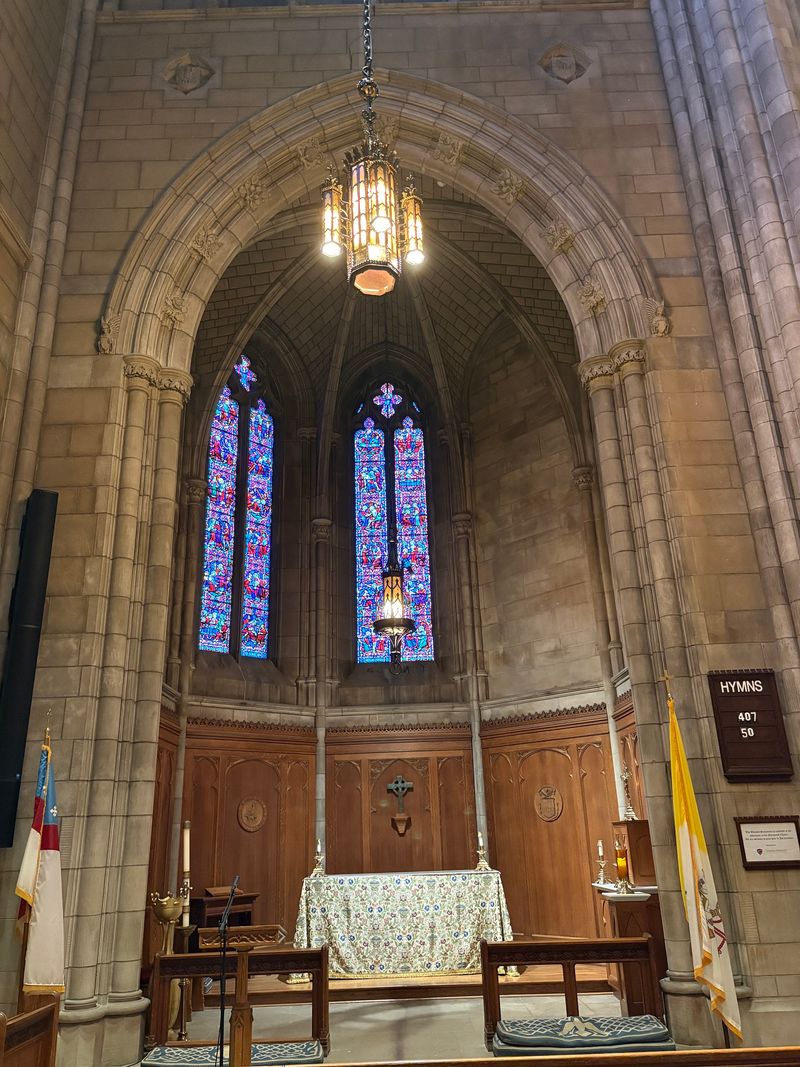
Some people come for the arches. Others come for the organ, the peace and quiet, or a moment of prayer.
The beauty of this chapel is that all of those reasons fit under one roof. You don’t have to be religious to feel the calm settle over the room.
Architecture lovers will have plenty to study. The vaulting, carving, and glass reward slow attention from every angle.
Families on a budget get a big win too. Entry is free, which turns a pricey-feeling experience into a very affordable afternoon.
Just remember that it’s an active place of worship. Keeping voices low and following posted rules helps everyone enjoy the visit.
Little ones may need a quick pep talk before heading in. Treat it like a library with much taller ceilings.
Informational tours have been offered at times, which can add helpful background. Check ahead to see what’s available on your date.
Photography buffs may want to time their visit for sunny hours. Light moving through the glass can change the whole look of the room.
Free Admission, Long Hours, And Easy Access
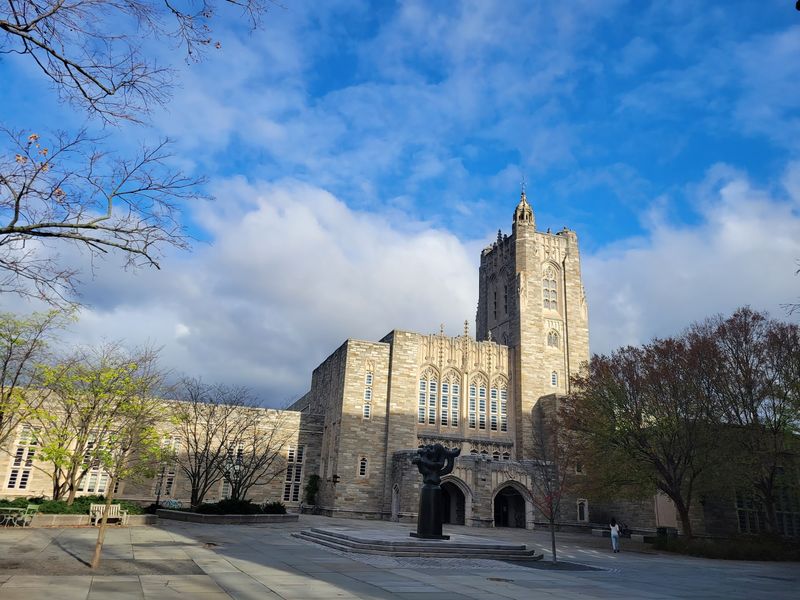
Good news for anyone counting pennies. Entry to the chapel is free, so the only real cost is getting yourself to campus.
Hours are generous, too. The chapel is listed as open daily from 9 am to 11 pm, though summer hours can run shorter.
Schedules can shift around services, events, and the academic calendar. A quick check before you leave home may save you a disappointing drive.
Accessibility is well thought out. There’s a ramp at the entrance and ADA-compliant doors for easier entry.
Restrooms are located downstairs, and a lift provides access to them. That’s a welcome detail when you’re spending a full day exploring campus.
The restroom area is on the small side. Plan around that if you’re traveling with a big group or a crew of kids.
Arriving earlier in the day can give you a more relaxed look around. Evening visits, meanwhile, might line up with concerts or events worth catching.
Either way, the price stays the same. Free is a pretty hard number to beat in New Jersey.
Finding Your Way Between Washington Road And Firestone Library
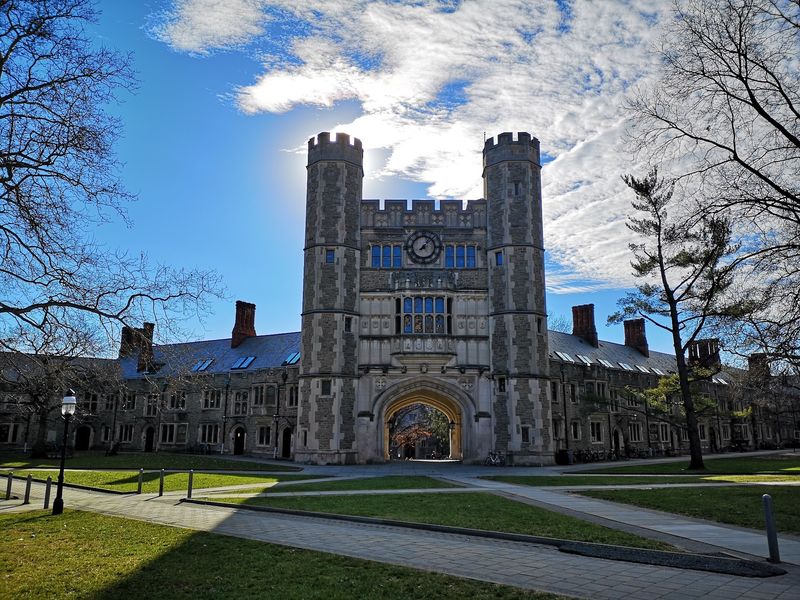
Getting there is refreshingly simple. The chapel sits on Princeton’s main campus, right beside Firestone Library and close to Washington Road.
For your GPS, the address is Princeton University Chapel, Princeton, NJ 08544. Campus maps and signs make it easy to spot once you arrive.
Paid street parking is available around town. Spots can be competitive on busy days, so giving yourself a little extra time is smart.
The walk itself is part of the fun. Princeton’s campus is packed with stone buildings, leafy paths, and grand Gothic details.
Visitors generally can’t wander into most university buildings. The grounds, however, are lovely to stroll, and the chapel opens its doors to the public.
That combination makes it easy to build a full outing. Pair the chapel with a campus walk, and you’ve got a relaxed afternoon with very little spending.
Comfortable shoes are a must. Between the paths and the chapel’s long nave, your feet will log more steps than expected.
Why This Stone Giant Earns A Spot On Your Day-Trip List
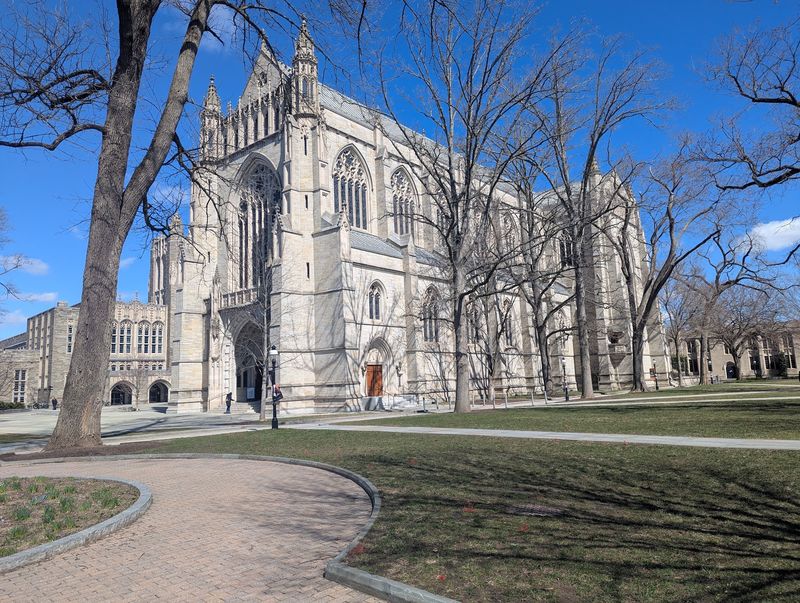
England is a long flight away. This chapel is a short drive for plenty of New Jersey families.
The Princeton University Chapel packs a lot into one free visit. You get Sherwood Forest oak, a centuries-old French pulpit, soaring vaults, and windows full of famous minds.
It also carries real history. A building that rose after a fire, welcomed Dr. King, and still serves people of every faith has stories worth sharing.
The sound alone could justify the trip. Catching the organ or a choir in that echoing space may stick with you long after you leave.
It’s a strong choice for a rainy day, too. Families can stay dry, stay quiet, and still feel like they went somewhere special.
And it’s proof of something Jersey folks already know. Our state has more old-world charm than the highway signs suggest.
So pack a sweater, check the schedule, and give yourself time to look up. I’d bet the ceiling will hold your attention longer than your phone does.