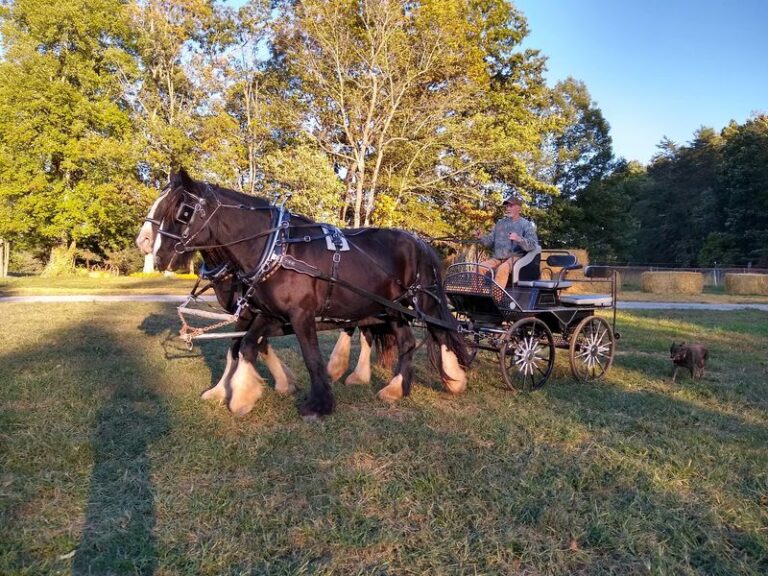
Actors in colonial costume still debate taxes and tyranny out in the street here, and they do it as a daily job. That’s an ordinary workday in one corner of Virginia.
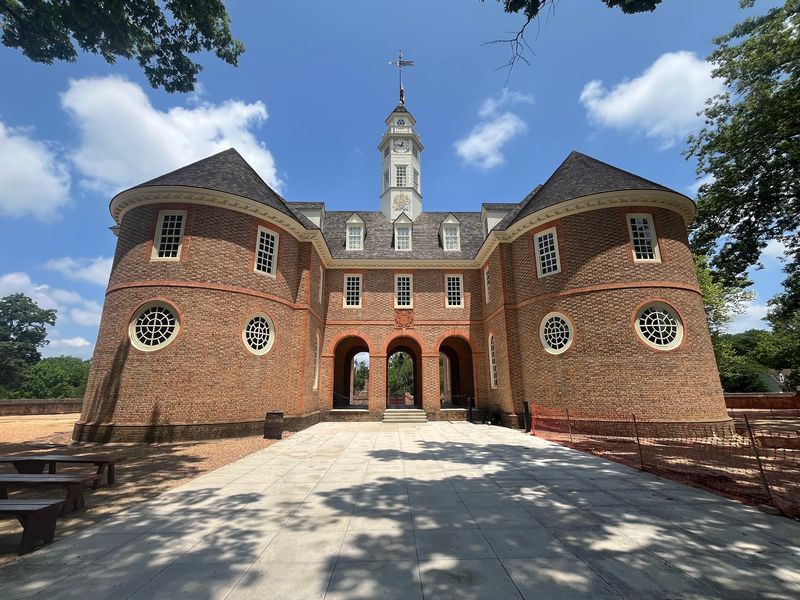
This city served as a colonial capital for more than 80 years. Today its historic heart runs as a living-history museum, with costumed interpreters filling shops, workshops, and lanes.
I love that blend of real history and gentle theater. Still, a town that sells the past also has to pay for the present, and that gets complicated for the people who call it home.
When visitors keep arriving and a place keeps polishing its charm, who gets to stay? I can’t help wondering how it feels to live inside a postcard that everyone wants a piece of.
A Colonial Capital That Never Quite Stopped Being Famous
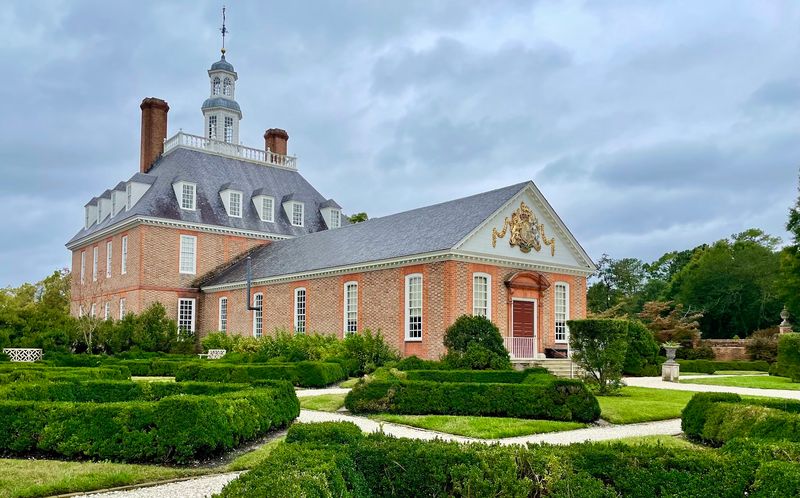
Few small cities can say they once ran an entire colony. Williamsburg, Virginia, held that job from 1699 to 1780, serving as the capital of the Virginia Colony.
That stretch put the city right in the middle of the American Revolution. Big ideas about government and independence were argued here long before they became textbook chapters.
Today, Williamsburg sits in southeastern Virginia as part of a famous trio. Together with Jamestown and Yorktown, it forms what people call the Historic Triangle.
That label matters more than it sounds. It means the city isn’t a lone stop but one corner of a route that pulls history fans from all over the country.
Fame like that brings energy, attention, and steady traffic. It also brings pressure, because popular places rarely stay cheap places for very long.
So the story here has two layers. One is the remarkable past that made Williamsburg matter, and the other is the very current question of who can afford to live alongside it.
Both layers are worth understanding before you go. They shape everything from the streets you stroll to the town you leave behind.
The Living-History Museum Sitting Right in the Middle of Town
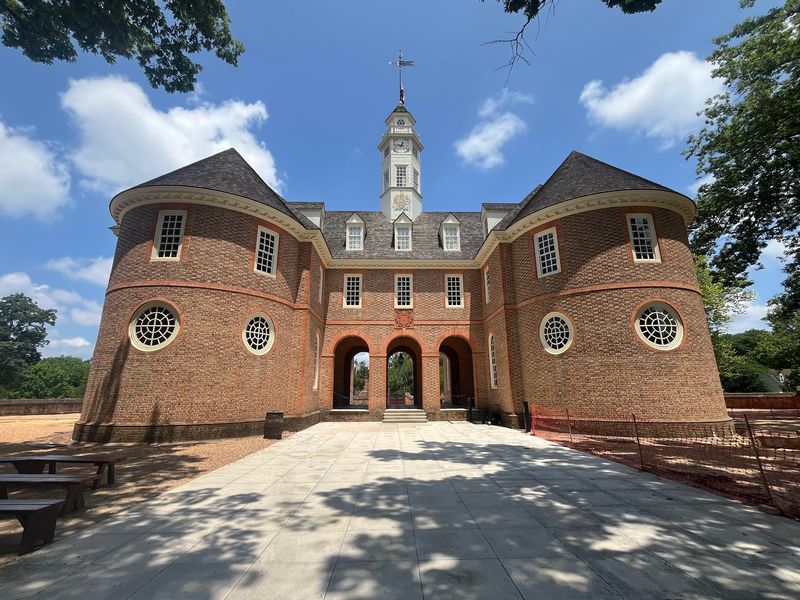
Most museums keep history behind glass. Colonial Williamsburg puts it on the sidewalk, in the shops, and inside working trade spaces.
The historic district serves as the heart of the city. It operates as a living-history museum where actors in period costume portray everyday colonial life.
You won’t just read about how people lived back then. You’ll see interpreters going about the business of the era in streets, stores, and workshops.
I like how that turns a field trip into something closer to a stage play you can wander through. Kids get it instantly, and grown-ups tend to forget they’re learning anything at all.
The scale also makes it different from a single exhibit hall. An entire district becomes the set, which is a big reason Williamsburg draws so many visitors.
That popularity is a gift and a puzzle. A town built around welcoming guests has to balance tourism with the needs of people who simply want to live there.
Keep that in mind as you explore. The costumes are pretend, but the neighbors around them are very real.
Workshops Where Old Trades Still Get Their Hands Dirty
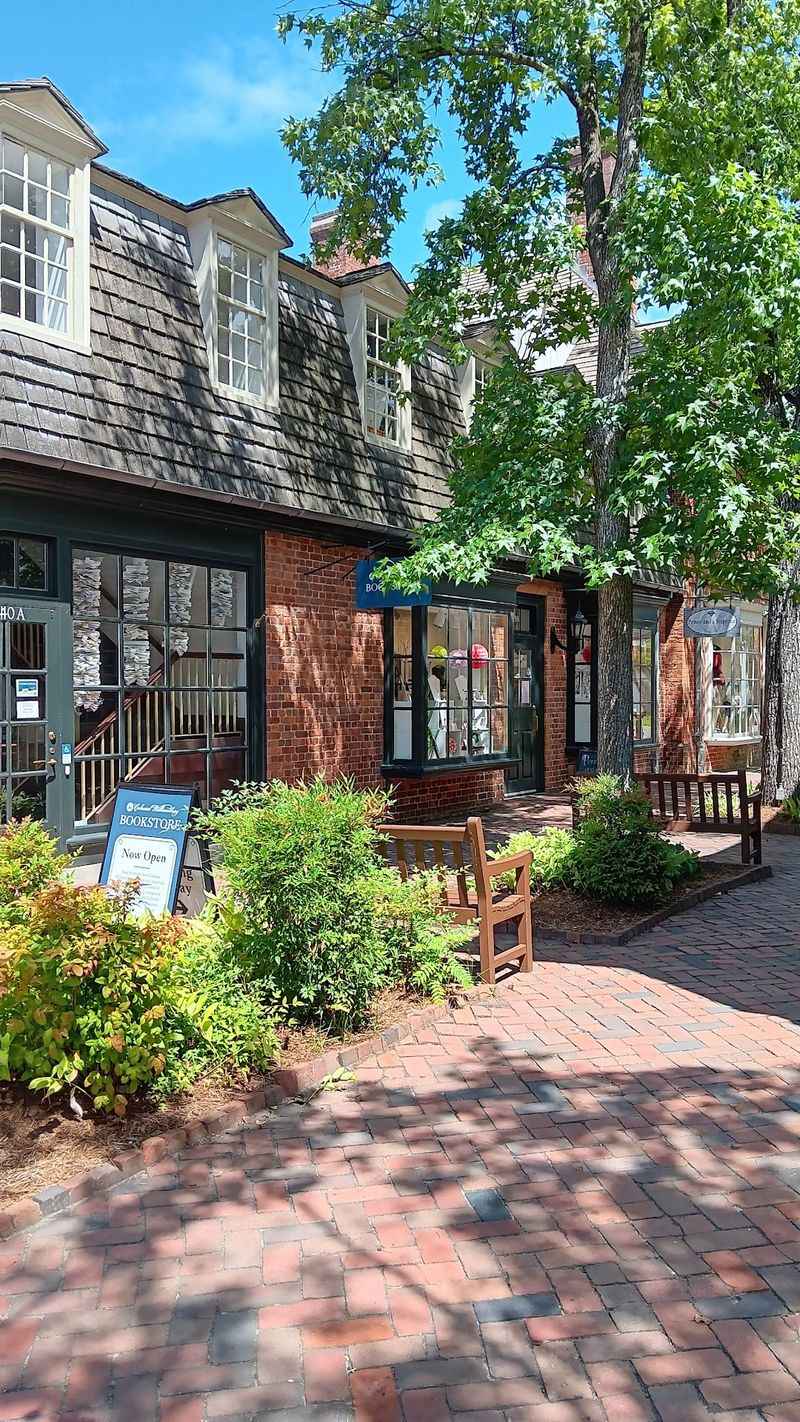
Here’s a fun twist on shopping. Some of the most memorable storefronts in Colonial Williamsburg are really windows into how things got made centuries ago.
The district’s workshops feature interpreters depicting daily colonial labor. Instead of a quick lecture, you get a sense of the patience old trades demanded.
That hands-on angle is what makes the experience stick. A tool or technique feels a lot more real when someone in period clothing is actually using it.
It’s also a quiet reminder of something modern. Skilled work has always needed a place to happen, and that place has always needed to be affordable.
Colonial tradespeople depended on their community to stay in business. Modern Williamsburg residents face their own version of that balance as their city grows more popular.
I believe the workshops are the best spot to slow down. Ask questions, watch closely, and let the craft carry you back a couple of centuries.
You’ll leave with a better feel for colonial daily life. You might also leave thinking about how any community keeps its working people close.
Streets Built for Wandering at a Colonial Pace
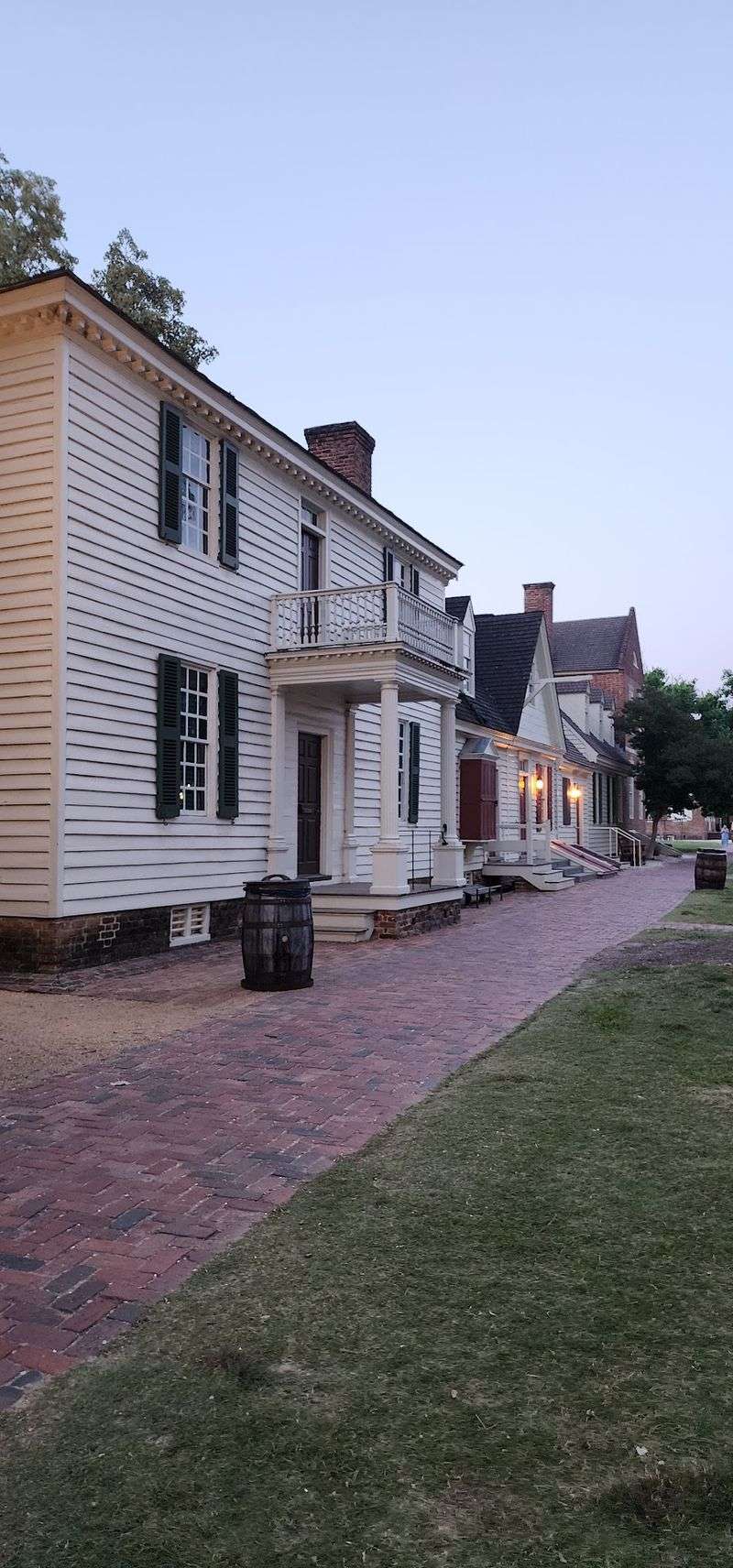
Bring comfortable shoes and lower expectations for speed. The streets of Colonial Williamsburg reward anyone willing to stroll instead of sprint.
Life in the historic district plays out right on those streets. Costumed actors bring colonial routines into public view, so the walking itself becomes part of the show.
That’s what makes the district feel so immersive. You aren’t moving between attractions so much as moving through a recreated era.
A slow pace also helps you notice the town beyond the costumes. Williamsburg is still a real Virginia city, with homes, jobs, and daily errands happening nearby.
For longtime locals, that line between museum and neighborhood can feel thin. When a place is this beloved, demand for nearby space naturally climbs.
Visitors can be good neighbors simply by remembering that balance. Treat the side streets with the same respect you’d want for your own block back home.
Then go ahead and wander. Some of the best moments come from simply turning a corner and letting history catch you off guard.
Revolution Talk That Still Feels Surprisingly Fresh
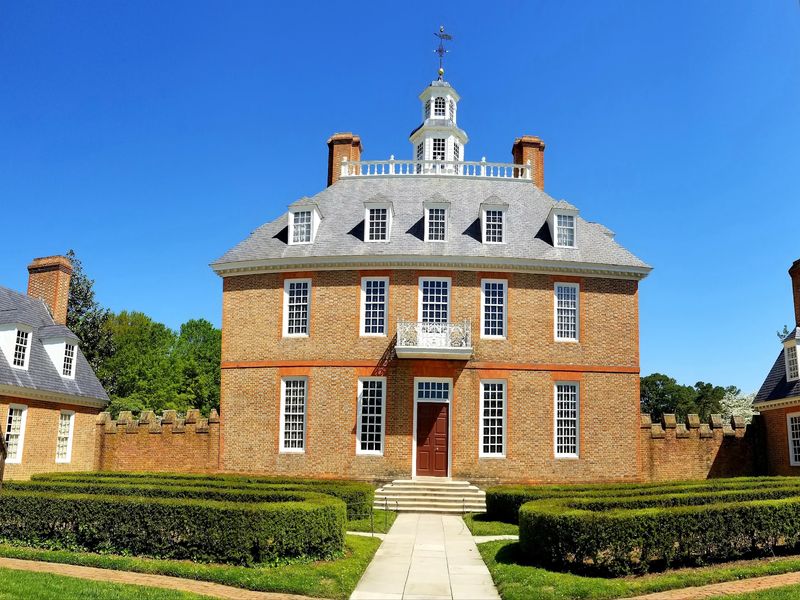
Arguments about fairness, money, and power sound oddly familiar here. Williamsburg played a significant role in the American Revolution, and that history hangs over every corner.
As the capital of the Virginia Colony, the city sat at the center of serious political debate. Decisions made in this era helped shape what came next for an entire nation.
I can’t imagine a better setting for thinking about how communities change. Colonists questioned who paid, who decided, and who benefited from the rules around them.
Those same questions pop up in modern conversations about rising costs. When a popular place gets pricier, residents naturally wonder whose interests are steering the ship.
That doesn’t make a visit gloomy. If anything, it makes the history feel alive and relevant instead of dusty.
Listen closely to the interpreters and you’ll hear echoes of today’s headlines. Different clothes, different century, but the core concerns feel strikingly similar.
It’s a neat bonus lesson for families. History isn’t just what happened, it’s a toolkit for understanding what’s happening now.
One Corner of a Triangle Worth Completing
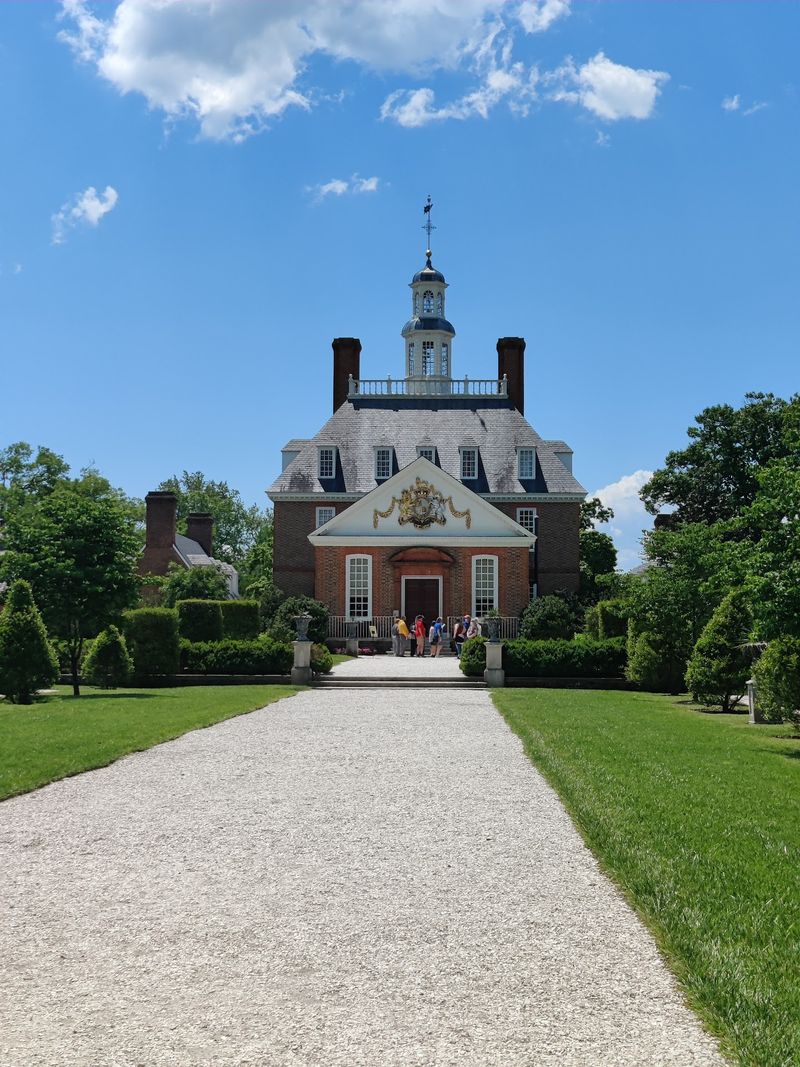
Stopping at only one point of the Historic Triangle feels like reading the middle chapter of a great book. Williamsburg makes far more sense alongside Jamestown and Yorktown.
Together, the three places trace a big arc of early American history. Williamsburg sits in the middle as the longtime colonial capital.
That connection shapes how many people plan trips here. Visitors often treat Williamsburg as a base while they explore the other two corners.
It also helps explain why the area stays so busy. A three-part destination keeps people around longer, and longer stays mean steady demand for space and services.
For residents, that steady demand cuts both ways. Tourism supports jobs, yet it can also nudge up the cost of everyday living.
As a visitor, you can enjoy the full Triangle without guilt. Spending time in local businesses and respecting neighborhoods goes a long way.
Plan enough days to give each corner its due. Rushing through three centuries of history in an afternoon sells the whole experience short.
Who Feels Right at Home Here
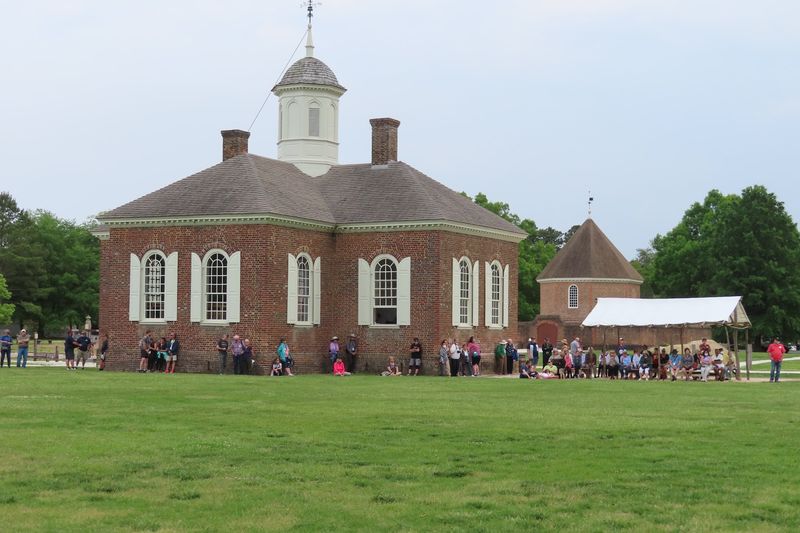
History buffs, obviously, will be thrilled. But Williamsburg suits a wider crowd than you might guess.
Families tend to do well with the living-history format. Watching actors portray daily colonial life beats memorizing dates from a worksheet any day.
Curious travelers who love storytelling should also feel at home. The mix of real places and performed routines makes the past feel personal.
People who care about community issues will find plenty to think about too. A historic town with growing appeal raises real questions about affordability and belonging.
Patient walkers get the most out of the district. The experience unfolds across streets, stores, and workshops rather than inside one tidy building.
Travelers who crave nonstop thrills might need to adjust their pace. The magic here is quieter, built on detail and atmosphere instead of rides.
Honestly, the best fit is anyone willing to slow down and look closely. Williamsburg gives back exactly as much attention as you bring to it.
Practical Notes Before You Head to Coastal Virginia
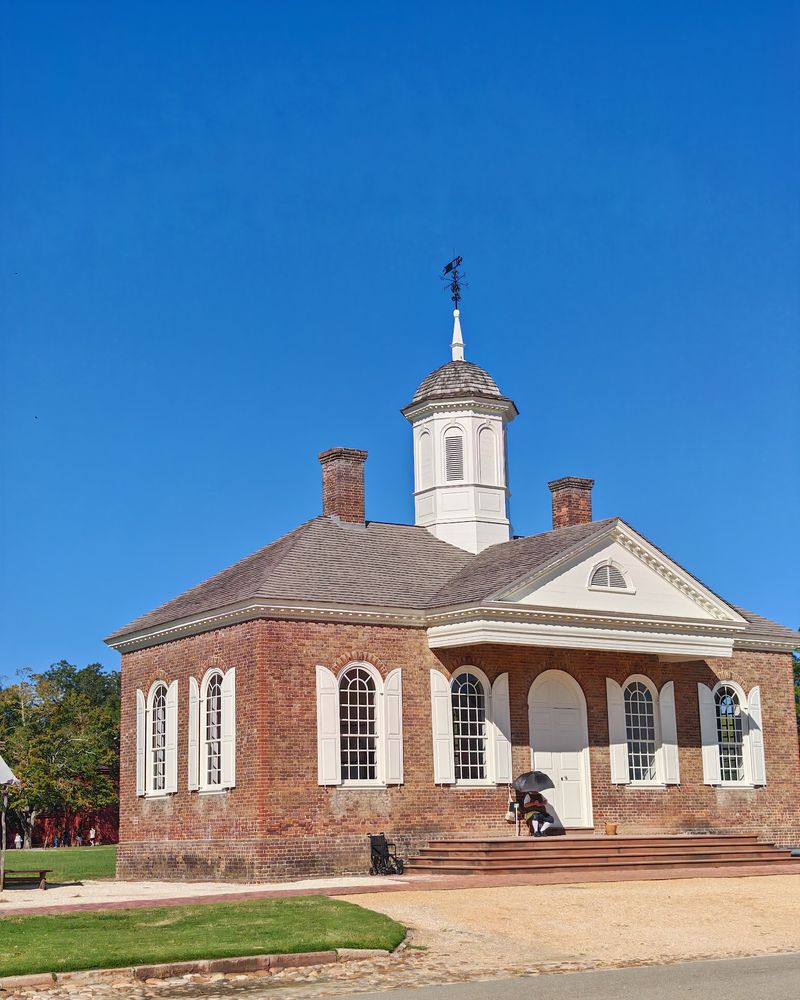
Getting your bearings first makes everything easier. Williamsburg is located in Virginia, USA, in the southeastern part of the state near Jamestown and Yorktown.
The city’s heart is Colonial Williamsburg, the historic district and living-history museum. Expect to spend much of your time on foot once you arrive.
Hours and ticket options can change by season and attraction. Check directly with Colonial Williamsburg before your trip so your plans match what’s actually open.
I’d also suggest building in extra time. Between the district and the rest of the Historic Triangle, a single day rarely feels like enough.
Pack layers, water, and good walking shoes. Outdoor exploring is a big part of the experience, so comfort matters.
Consider supporting independently owned local spots while you’re in town. Those choices help keep community roots strong in a place where costs keep climbing.
Finally, stay flexible. Some of the best parts of a Williamsburg visit happen when you drop the schedule and follow whatever catches your eye.
A Beloved Town Worth Visiting Thoughtfully
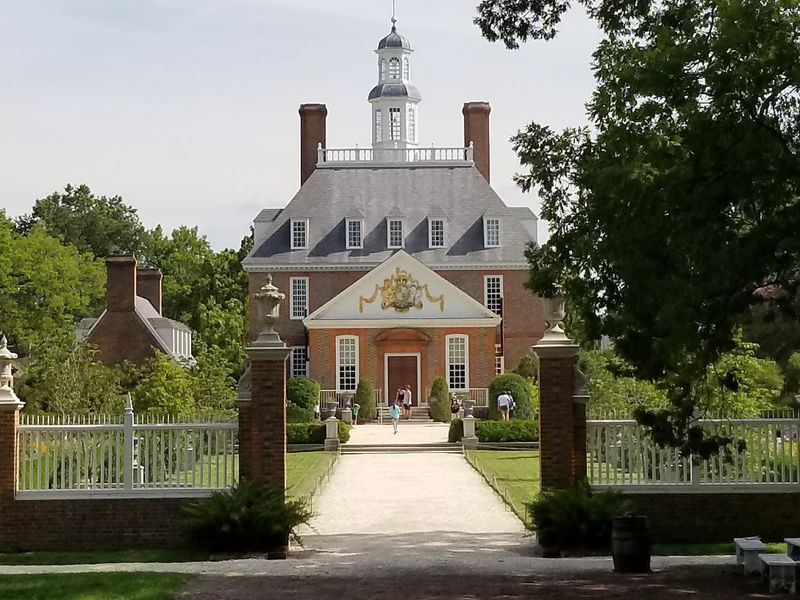
Some trips entertain you, and some leave you thinking on the drive home. Williamsburg manages both.
Its history as Virginia’s colonial capital gives it real weight. Its living-history museum makes that history fun, approachable, and genuinely memorable.
Yet the town’s charm comes with a modern challenge. When a place is this loved, longtime residents can feel the squeeze of rising costs.
I believe visitors can enjoy Williamsburg and still respect that tension. Curiosity and kindness travel well together.
Spend your money thoughtfully, walk gently through neighborhoods, and listen closely to the stories being told. Those small choices help keep the community behind the costumes healthy.
The city earned its fame centuries ago. Keeping it a real home, not just a backdrop, is the job of everyone who shows up.
So yes, go see Williamsburg. Just remember the most important people in town might be the ones not wearing three-cornered hats.