A restored electric railcar sits inside a small-town museum, and you can climb aboard for a simulated ride that actually jolts. Admission costs nothing.
That alone feels like a happy accident.
The ride runs from Jackson to Grass Lake, retracing a route that electric interurban cars once hummed along. Those lines linked towns across southern Michigan before cars took over the roads.
Then they faded away almost completely.
I like how this place treats a forgotten chapter like a local treasure. There’s also a rare motor gifted by a famous museum.
And a tiny model of a downtown street from more than a century ago.
I can’t imagine a better rainy-day detour for anyone who loves trains. So how did a whole transit system slip from memory?
A Small Village Museum With A Big Electric Story
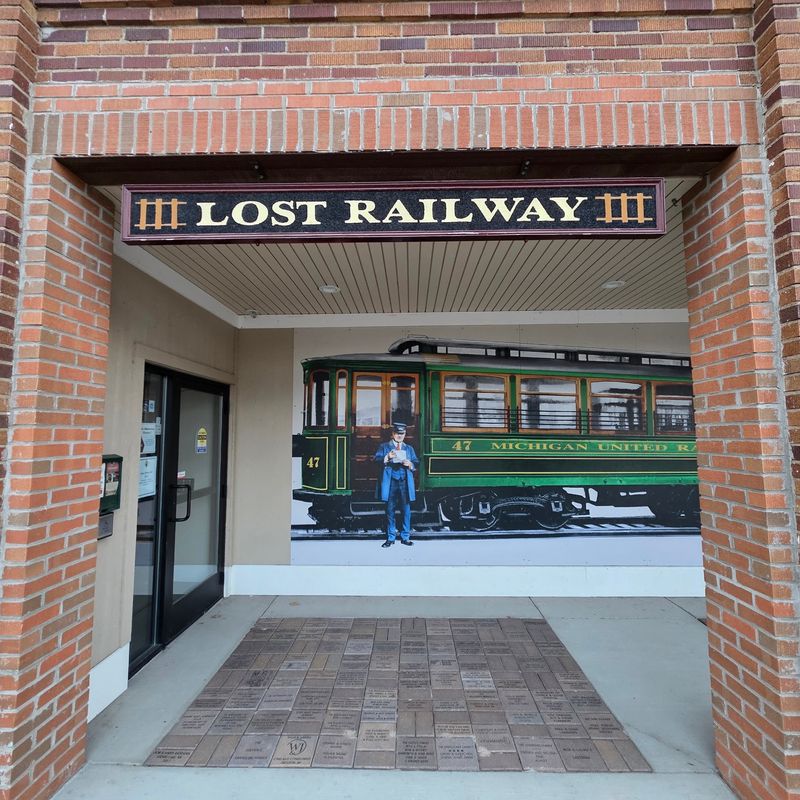
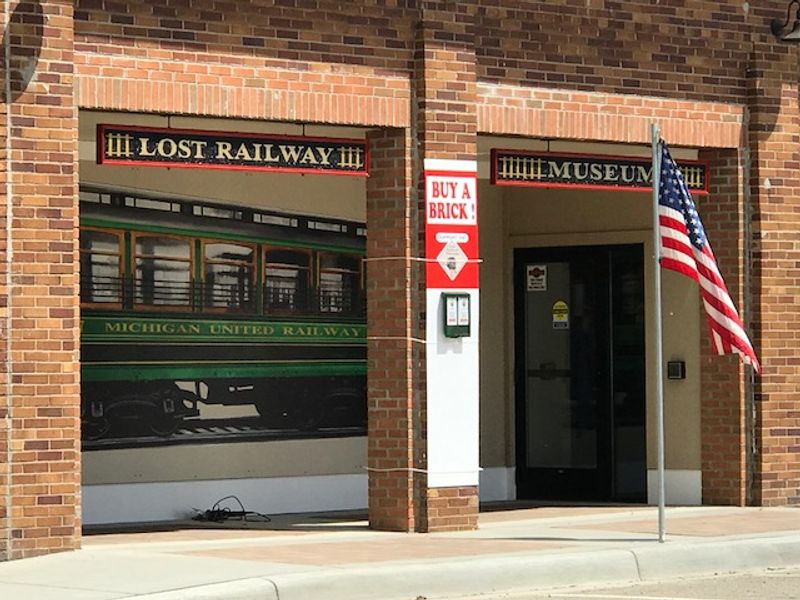
Grass Lake is a quiet village in Jackson County, and it holds a surprisingly electric secret. The Lost Railway Museum opened on July 1, 2017, to tell the story of the interurban railway.
So what exactly was lost? The interurban was an electric passenger system that once crossed southern Michigan from Lake Erie toward Lake Michigan.
Those cars linked towns such as Ann Arbor, Jackson, Battle Creek, and Lansing. For a stretch of the early 1900s, they carried everyday riders between communities.
Then automobiles won the race, and the rails mostly disappeared. The museum’s mission is showing how railroads and the interurban helped Grass Lake and Michigan grow.
It’s a compact place, so don’t expect a sprawling complex. Plan on roughly an hour, which makes it an easy add-on to a bigger day out.
Families with toddlers can move through faster, sometimes in about half an hour. History buffs will probably want every minute they can get.
Best of all, admission is free. Donations keep the doors open, and the volunteer-driven effort clearly shows real community pride in a nearly forgotten chapter.
Car #47 Rolls Back Into The Spotlight
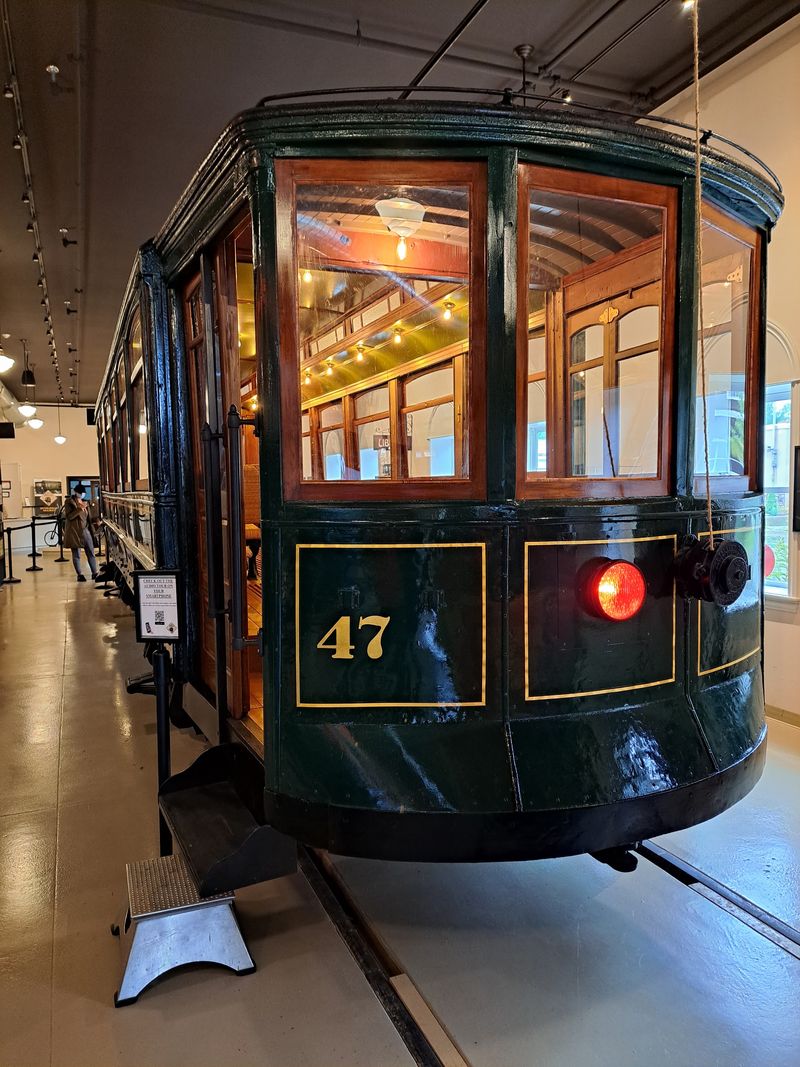
Railcars don’t usually get a second act. Car #47 did, and it’s the star of the whole building.
The car was set in place for the museum’s opening day in 2017. Its restoration wrapped up in 2022, after years of steady volunteer work.
Here’s the fun part. You aren’t stuck admiring it from behind a rope, because you can actually step aboard restored interurban cars.
That changes the experience completely. Reading about a lost transit system is one thing, while standing inside one makes the era suddenly feel close.
The museum’s collection includes more than one train car. Some have been in different stages of restoration over the years, so returning visitors may notice fresh progress.
That ongoing work gives the place a living, unfinished energy. It feels less like a dusty archive and more like a workshop sharing its results.
For Michiganders who never knew these cars existed, the effect can be striking. A vehicle from a vanished network now sits right there in Jackson County, ready for curious passengers again.
Hold On Tight For The Boland Express
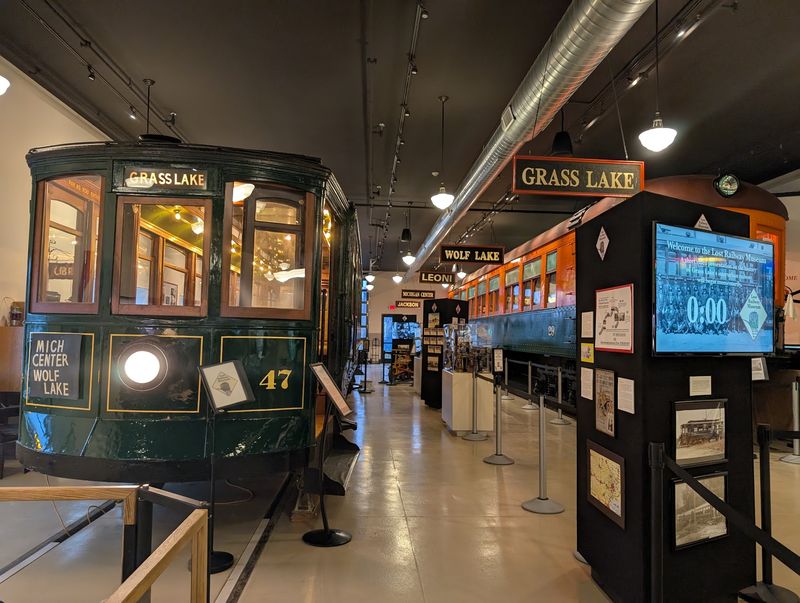
Jolts, scenery, and a destination. The Boland Express is the museum’s virtual train ride, and it’s the moment most people remember.
You sit inside a restored antique railway car for an animated journey through local transportation history. The route runs from Jackson to Grass Lake, echoing the old interurban path.
It’s named for the region’s interurban history, and the effect is surprisingly convincing. The motion includes jolting that makes the trip feel real.
Kids especially tend to light up when the car seems to start moving. Grown-ups often end up grinning just as wide.
The ride usually comes near the end of a visit, so it works like a finale. Think of it as dessert after a hearty serving of history.
The restoration team has also worked to update the experience over time. That means details could change between visits, which is a pretty good excuse to return.
Honestly, a free museum with a motion ride sounds too good. Yet here it is, right in a small Michigan village.
One Of Only Four Prototype Motors Ever Made
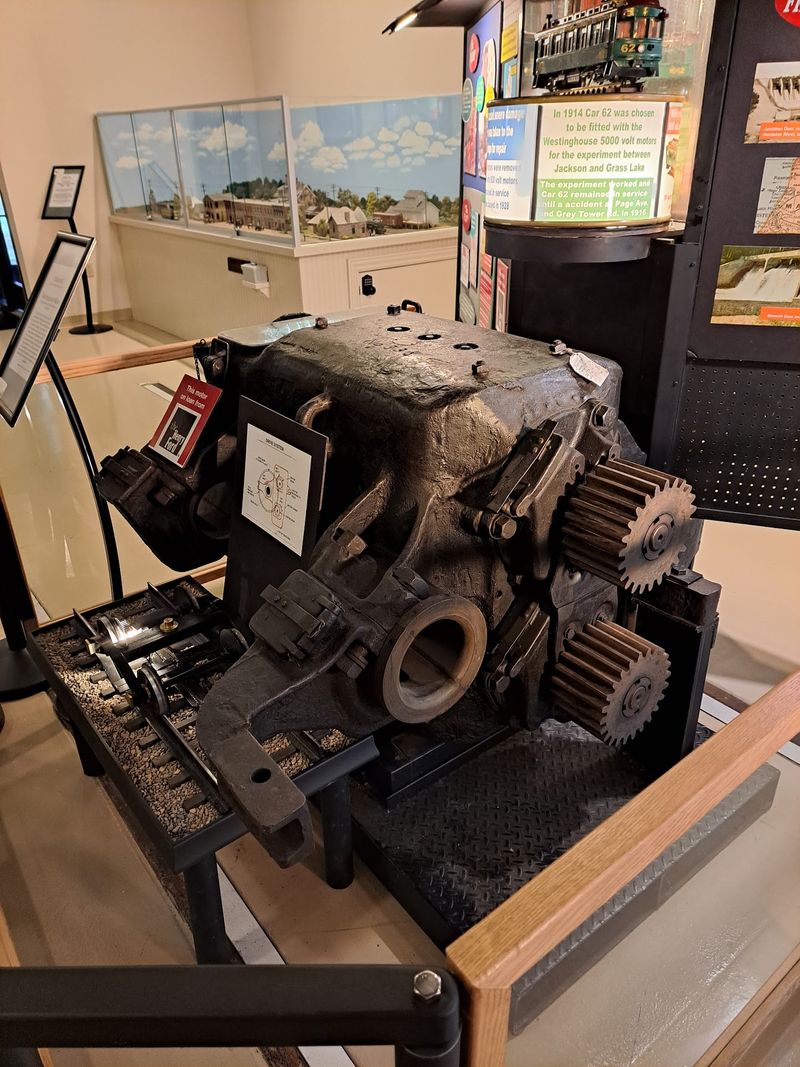
Only four prototypes of this motor were ever built. One of them now lives in Grass Lake.
The 5000 Volt Motor came to the Lost Railway Museum from the Henry Ford Museum. That’s quite a vote of confidence from one of Michigan’s most famous institutions.
It represents the kind of engineering that once pushed interurban cars between towns. Engineers a century ago were clearly chasing bold ideas.
You don’t have to be a mechanic to appreciate it. The sheer scale of the machine tells its own story about ambition and electricity.
Fans of DC motors will feel right at home here. Everyone else may simply enjoy standing beside something so rare.
Good luck ignoring it, too. Heavy industrial pieces like this have a quiet presence that pulls people closer for a second look.
The motor also helps connect the museum’s bigger themes. Rail, power, and Michigan industry all overlapped during this era, and the museum also touches on how the automotive industry reshaped the local economy.
Downtown Grass Lake, Shrunk To Tabletop Size
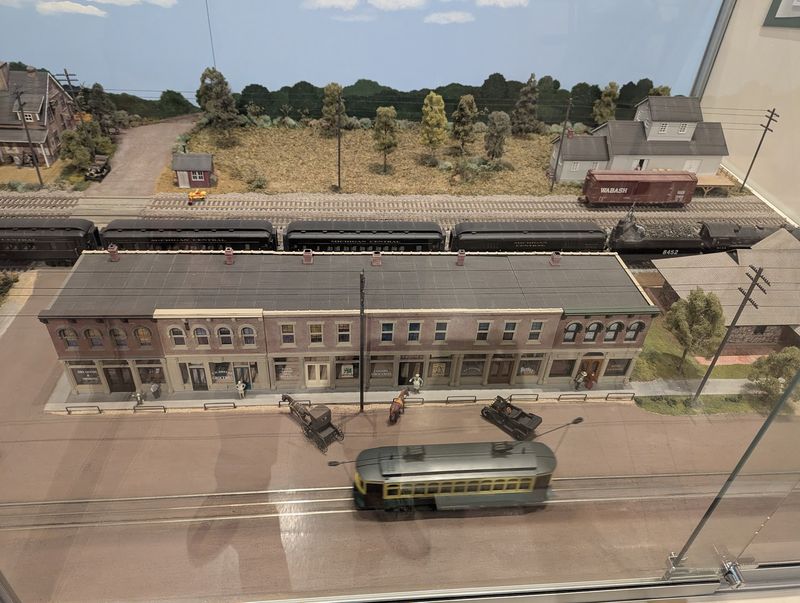
Tiny storefronts, tiny tracks, and a tiny Car #47. The model layout here is a miniature time capsule.
It recreates the north side of Michigan Avenue in downtown Grass Lake between 1900 and 1910. A miniature Michigan Central Railroad line runs behind the historic buildings.
Then the replica of Car #47 glides through the little downtown. Watching it pass the storefronts helps explain how the interurban fit into daily village life.
Fun fact: the museum itself sits on that same Michigan Avenue. You’re basically looking at the neighborhood’s great-great-grandparent.
Model train fans will want to study every detail. Younger visitors may simply enjoy spotting the moving car.
The layout also works as a handy map of the past. It’s easier to picture the old village once you’ve seen it in miniature.
After that, walking outside feels different. You may catch yourself comparing today’s street with the tabletop version, and that’s a fun way to see a Michigan town through new eyes.
Videos, Wall Stories, And A Very Patient Docent
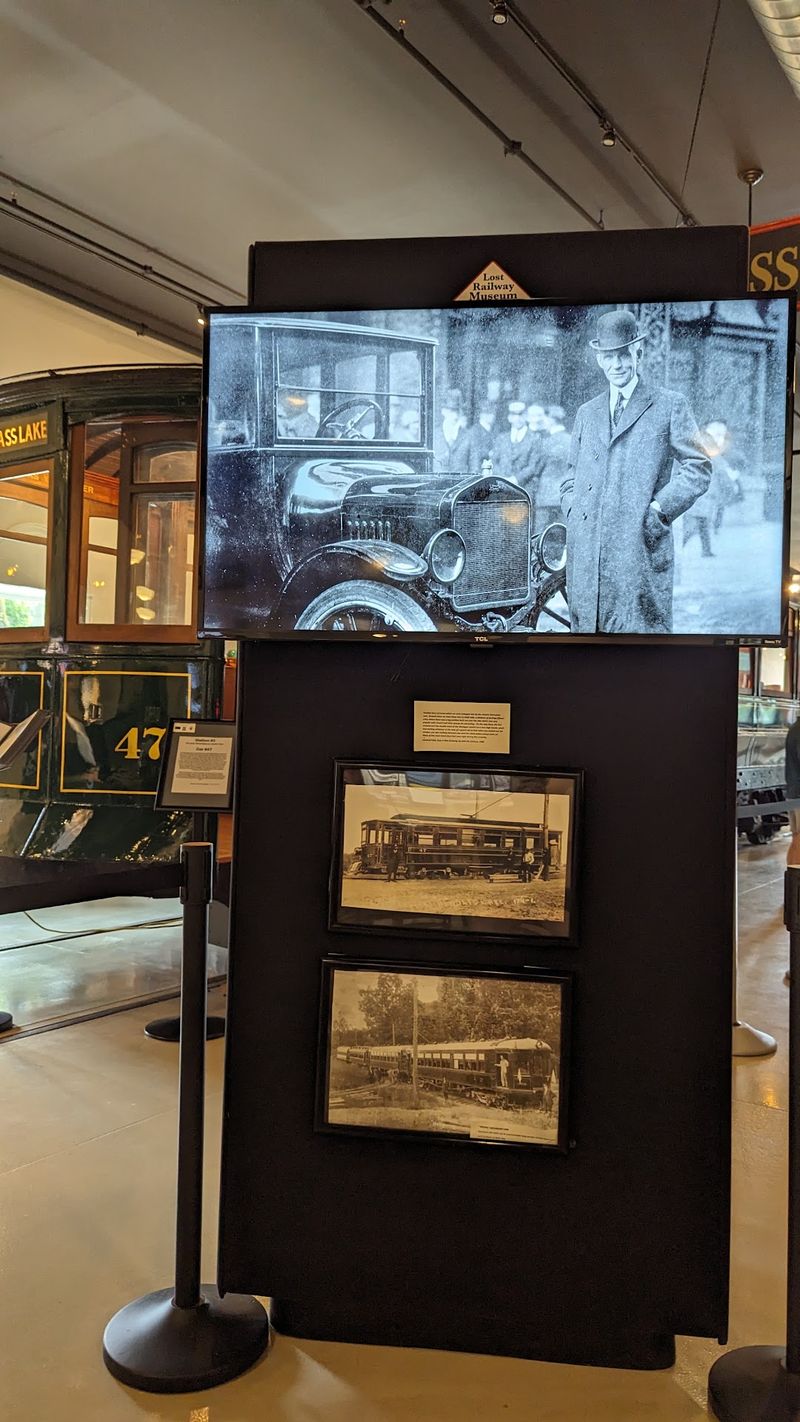
Most visits start with a short introduction video. It gives a quick background on rail history in the area before you explore.
That bit of context pays off fast. Suddenly every artifact and railcar has a place in the larger story.
The walls are lined with historical articles and displays. They cover how transportation changed dramatically in the early 1900s, plus the area’s ties to Jackson.
There’s even video about the making of the Model T Ford. It’s a smart touch, since cars eventually pushed the interurban aside.
Interactive elements make the lessons stick. Expect hands-on pieces rather than strictly look-but-don’t-touch displays.
The people here matter too. Knowledgeable docents frequently come up when folks describe their time at the museum, and staff can be patient with endless questions from kids.
That’s a big deal in a small museum. A friendly volunteer can turn a quick stop into a real conversation about Michigan’s past.
Before leaving, take a peek at the gift shop for a small souvenir of the trip.
Train-Loving Kids Will Probably Ask To Come Back
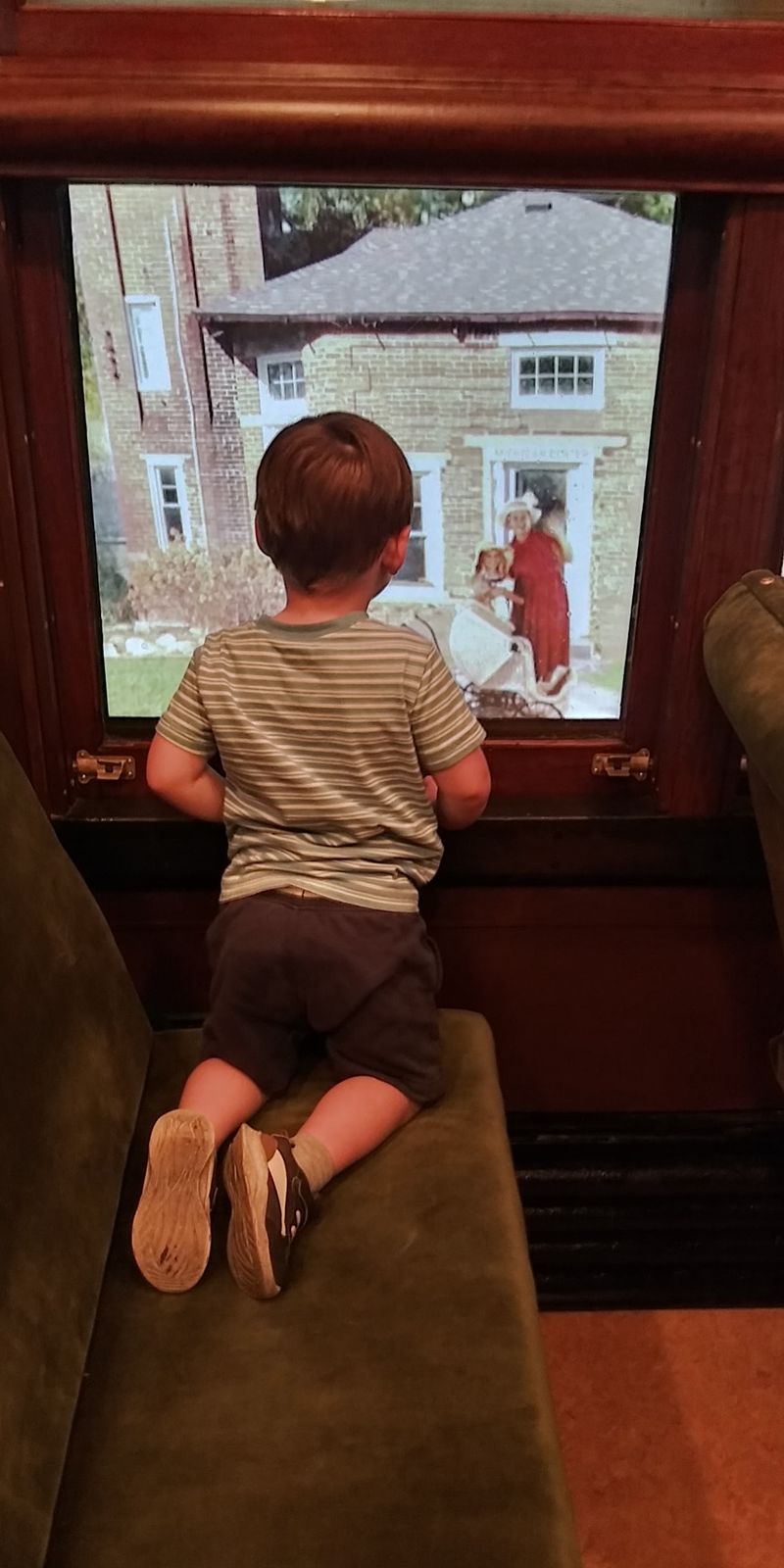
Got a little one obsessed with trains? This museum may just become their favorite place in Jackson County.
The scale suits short attention spans nicely. Toddlers and preschoolers can enjoy it without getting overwhelmed.
Grandparents seem to love it as a shared outing as well. It’s an easy way to pass down a bit of local history.
The interactive ride is the obvious highlight for kids. Wide eyes are pretty much guaranteed once the car seems to start rolling.
Adults get plenty, too. History lovers, engineering fans, and anyone curious about forgotten Michigan industry will find something to chew on.
The atmosphere is relaxed and welcoming rather than formal. It feels like volunteers proudly sharing something they built together.
One tip for busy days: special free museum events can draw big crowds. On a quieter weekday, you’ll likely get more time with docents and a calmer ride.
Either way, it suits families, couples, and solo travelers who enjoy small-town Michigan stops with genuine heart.
Hours, Donations, And An Easy Hop Off I-94
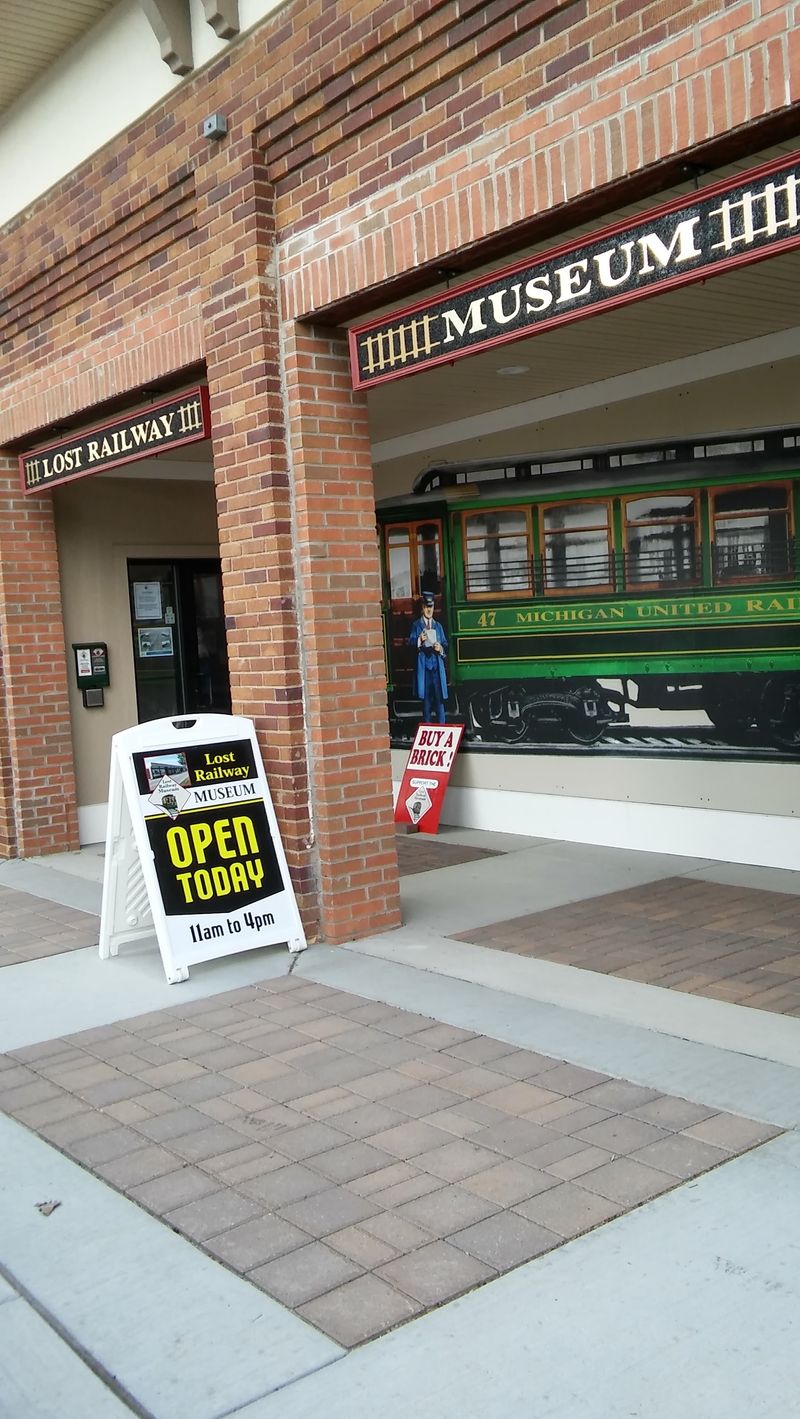
Timing matters here, since the doors aren’t open every day. The Lost Railway Museum runs Wednesday through Saturday, from 10 a.m. to 4 p.m.
It’s closed Sunday through Tuesday. Holiday schedules and special events may shift things, so checking ahead can help.
You’ll find it at 142 W Michigan Ave, Grass Lake, MI 49240. It’s a short detour off I-94, which makes it easy for Michigan road-trippers.
Admission is free, and donations are encouraged. Cash donations are the norm on-site, though online giving is also an option.
Those gifts help with upkeep and restoration. Keeping old railcars looking sharp isn’t exactly cheap.
Guided tours can be arranged by appointment. That’s a nice option for groups who want a deeper walk through the collection.
The building also offers a banquet room for rent. Hosting a meeting surrounded by railway history beats a plain conference room.
Afterward, a few blocks’ walk leads to the old train depot, where passing Amtrak trains can sometimes be spotted.
Why This Lost Line Deserves Your Saturday
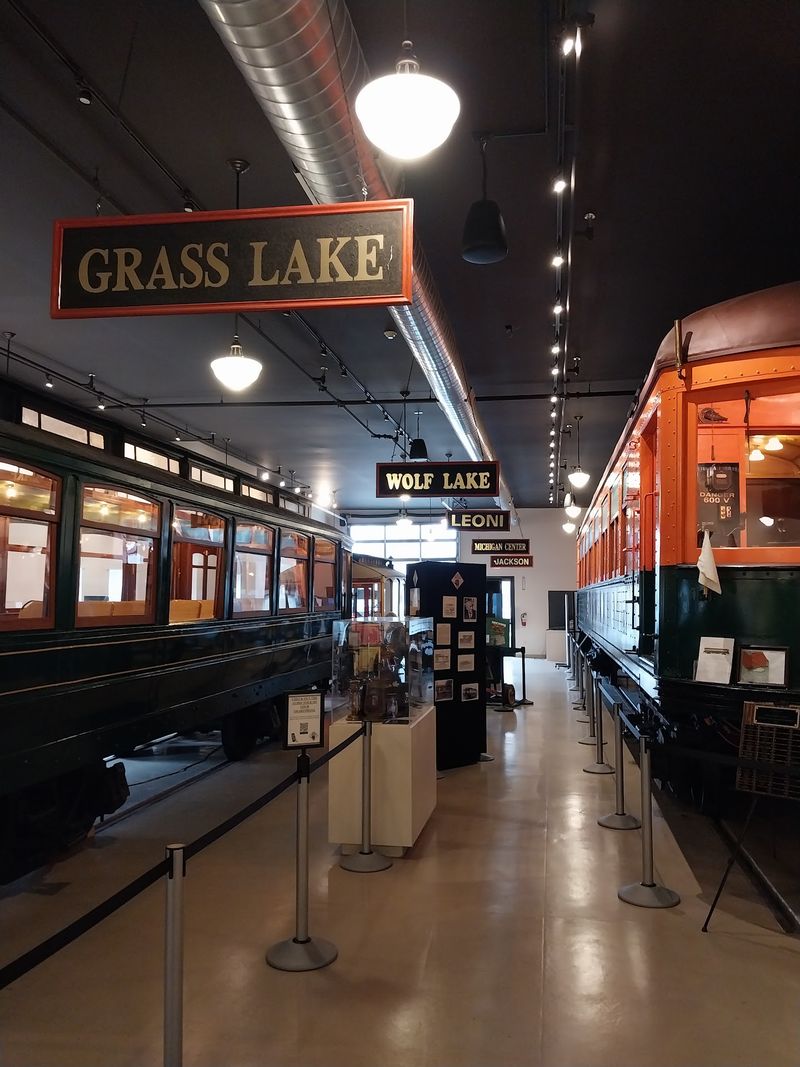
A transit system vanished, and a village decided to remember it. That’s the quiet triumph behind this little museum.
The Lost Railway Museum won’t take your whole day. It offers something better, though: a glimpse of how Michiganders moved before highways ruled everything.
The restored Car #47 gives that history a body. The Boland Express gives it motion, and the rare motor adds serious engineering muscle.
Then there’s the tabletop downtown and the wall of stories. Add friendly volunteers, and the package feels complete.
The price is hard to argue with, too. Free entry means the only real cost is gas and a fair donation.
Pair it with a stroll around downtown Grass Lake. A peek at the depot can round out a relaxed Jackson County outing nicely.
Is it flashy? No, and that’s part of the charm.
It’s a proud Michigan story told at human scale, and plenty of curious riders will walk out wondering why nobody mentioned it sooner.