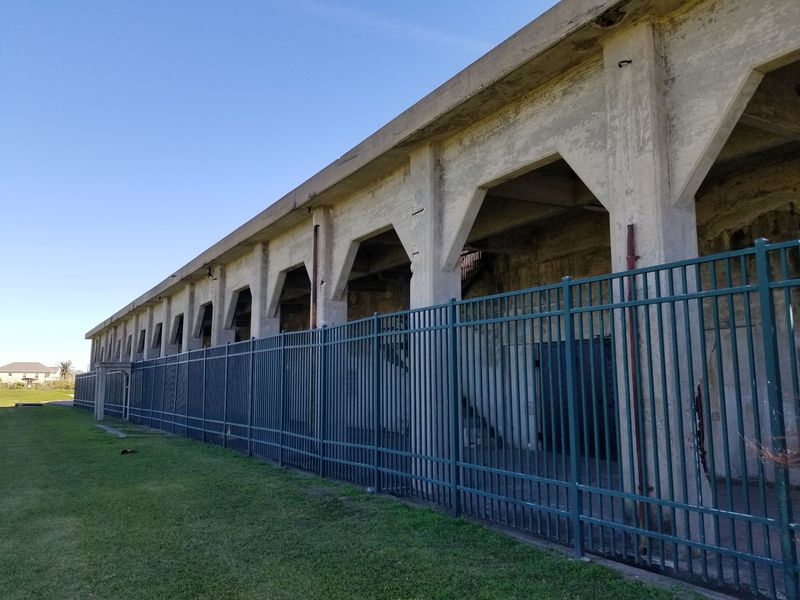
Some of the best Texas stops never make it onto a billboard, and that is exactly why they feel like a secret when you finally find them. You pull off a sandy coastal road expecting nothing much, and suddenly you are standing beside thick old concrete walls with the Gulf breeze in your face.
It is the kind of place that makes you curious, a little hungry for more stories, and glad you took the slow way. Here is why one quiet piece of Texas coastline deserves a spot on your next free day trip.
A Fort at the Edge of the Bolivar Peninsula
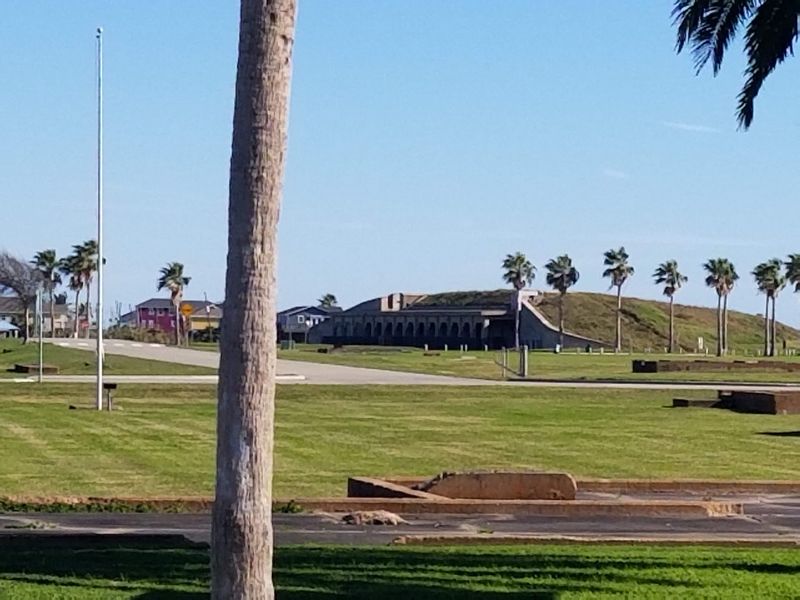
Salt air hits you before the history does. Fort Travis sits on the Bolivar Peninsula in Galveston County, a long ribbon of land on the upper Texas coast, with an address that simply reads Bolivar Peninsula, TX 77650.
On a map, the spot lands near the western tip of the peninsula, looking out toward the water that separates Bolivar from Galveston Island. That position tells you a lot before you read a single sign.
Forts were built where they could watch something important, and this corner of the coast sits right where ships come and go.
What you will find is not a polished museum with velvet ropes. Instead, the site is a stretch of open ground where old military structures meet beach-town calm.
Families wander, kids peek around corners, and grown-ups squint at the concrete trying to picture what once happened here.
For road-trippers who prefer real places over gift-shop versions of history, that rough, honest feel is the whole appeal. Nothing here is trying too hard.
It just sits by the water, quietly waiting for curious people to show up.
Guardians of a Busy Texas Waterway
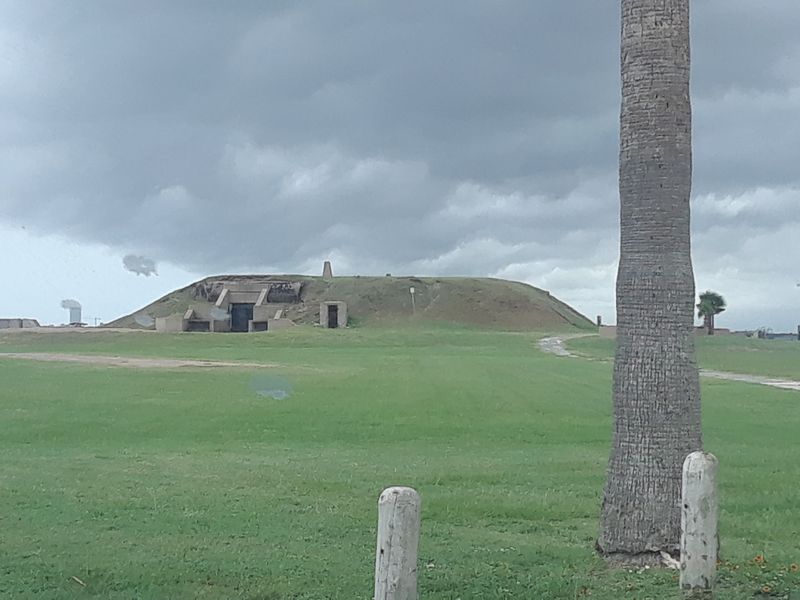
Picture the upper Texas coast long before beach houses and ferry lines. Ships carrying goods and people needed a safe way in, and anyone defending Texas needed a way to keep watch over that entrance.
A fort on the tip of Bolivar made a lot of sense. From this ground, lookouts could see the water heading toward Galveston, one of the most important port areas in the state.
Over the years, defenders tried to make sure nothing unwelcome slipped by.
The fort carries the name Travis, a name every Texas schoolkid recognizes from Lone Star history. Seeing it attached to a wind-swept coastal post gives the visit a proud, home-state feeling right from the start.
History buffs can spend hours reading up on the details, and the full story is well worth looking into before you go. Even a quick bit of reading turns concrete blocks into a story about watchfulness, weather, and the long effort to protect this stretch of shore.
You arrive as a sightseer and leave feeling a little like a coastal detective.
Concrete Ruins That Refuse to Budge
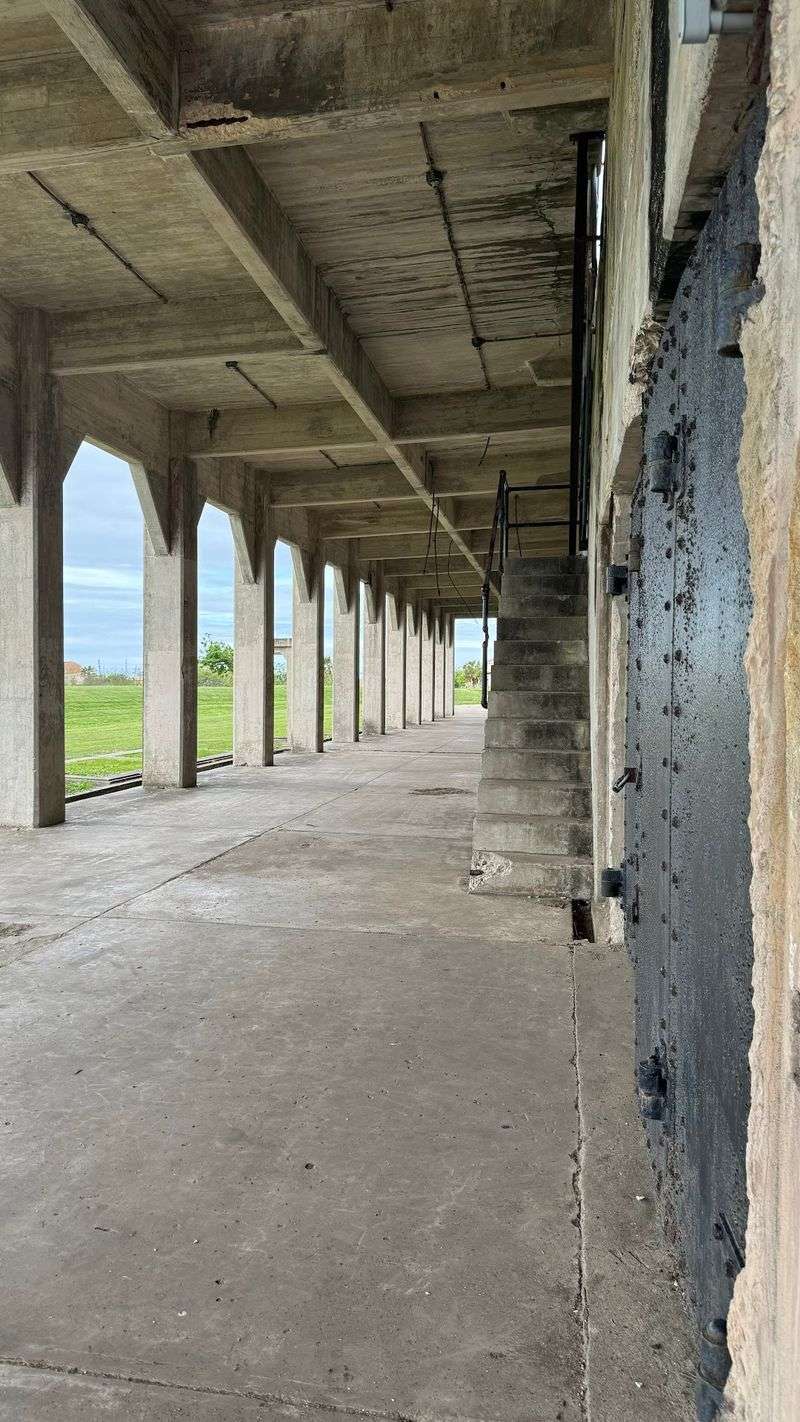
Hurricanes, salt, and decades of sun have taken their best shot at these walls. Somehow, the heavy concrete structures at Fort Travis are still standing, stubborn as an old Texas rancher.
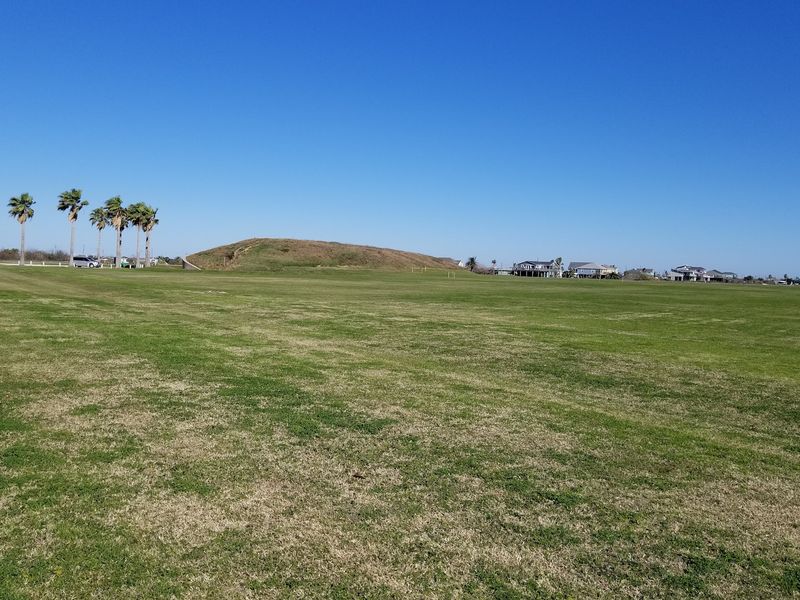
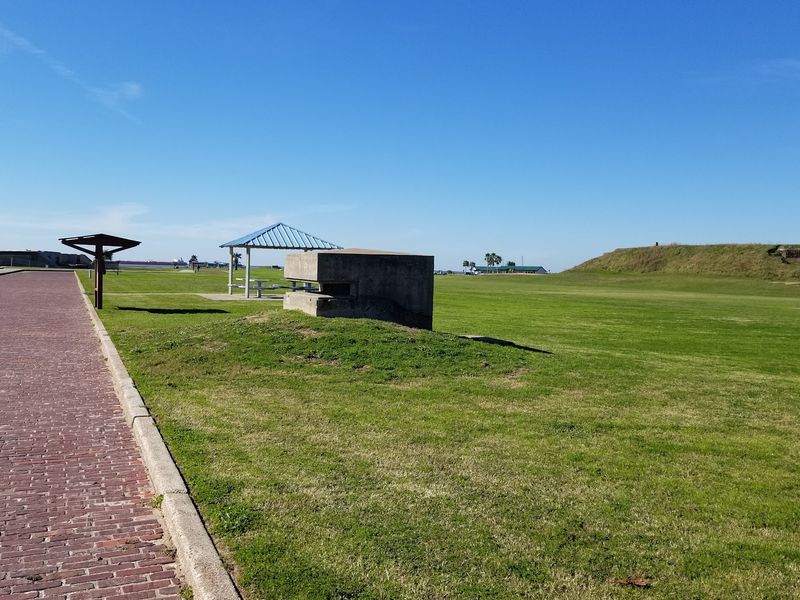
The ruins are the main event here, and they feel wonderfully unbothered by modern life. Dark doorways lead into shadowy rooms, stairs climb up grassy slopes, and weathered surfaces show streaks and stains that only time can paint.
Walking up close, you notice how thick everything is. These were built to last through rough conditions, and they clearly did their job.
Kids tend to love the feeling of exploring something that looks like a real-life adventure set.
Bring a flashlight if you like peeking into dim corners, and wear sturdy shoes, since old structures can have uneven ground. Treat the ruins kindly, too.
They have survived this long because people mostly let them be, and that hands-off charm is part of what makes them special.
Mysteries Hiding in the Shadows
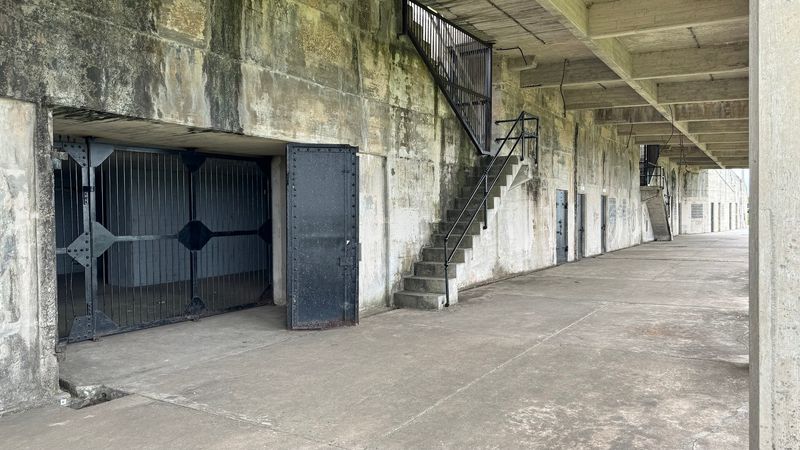
Ever stood in a quiet room and felt like it had something to tell you? Old forts have a way of doing that, and this one is no exception.
Part of the fun at Fort Travis is wondering. Who stood at these lookouts?
What did they talk about on long nights by the water? Which rooms held supplies, and which ones held tired people waiting out a storm?
Signs and outside reading can answer some of those questions, but not all of them. Plenty of gaps remain, and that is where your imagination takes over.
Coastal fog rolling in only adds to the spooky-but-friendly mood.
Families sometimes turn a visit into a little game, letting kids guess what each space was used for before checking the facts later. It is a sneaky way to make history stick.
Even adults who swear they are not into old stuff often find themselves lingering, peering into one more doorway just to see what is inside.
Gulf Views from Old Lookout Ground
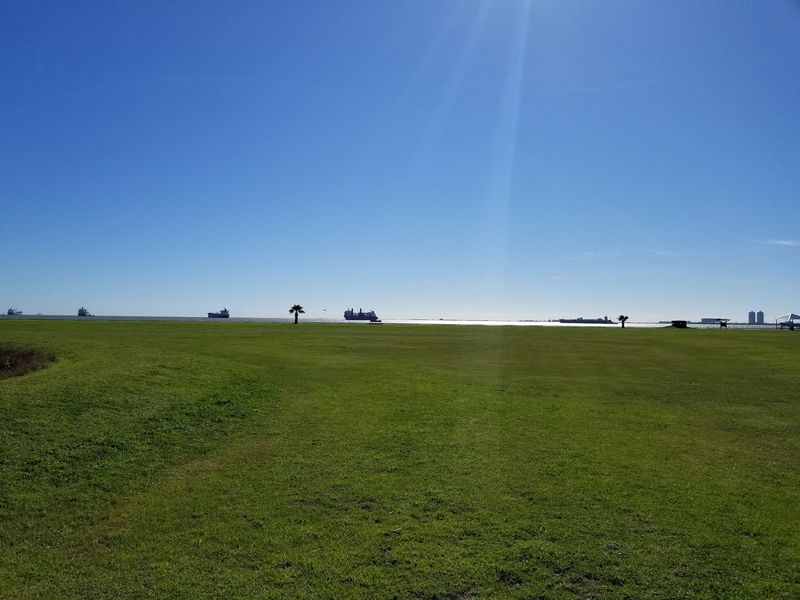
Climb a little higher and the whole reason for this fort snaps into focus. The water stretches out wide, and you suddenly understand why someone chose this exact spot.
From the raised ground, visitors can take in coastal views across the water toward Galveston. Ships, birds, and shifting clouds make the scene change by the minute.
It is the kind of view that costs a fortune at fancy waterfront spots, yet here it comes with no ticket.
Photographers tend to love early morning and late afternoon light, when the concrete glows warm and the water turns soft. Midday works too, though the Texas sun can feel strong with little cover around.
Bring a pair of binoculars if you have them. Watching boats move through the channel while standing on old lookout ground feels like a tiny time machine, connecting you to everyone who once stood in the same spot keeping an eye on the horizon.
Who Will Love a Day Here
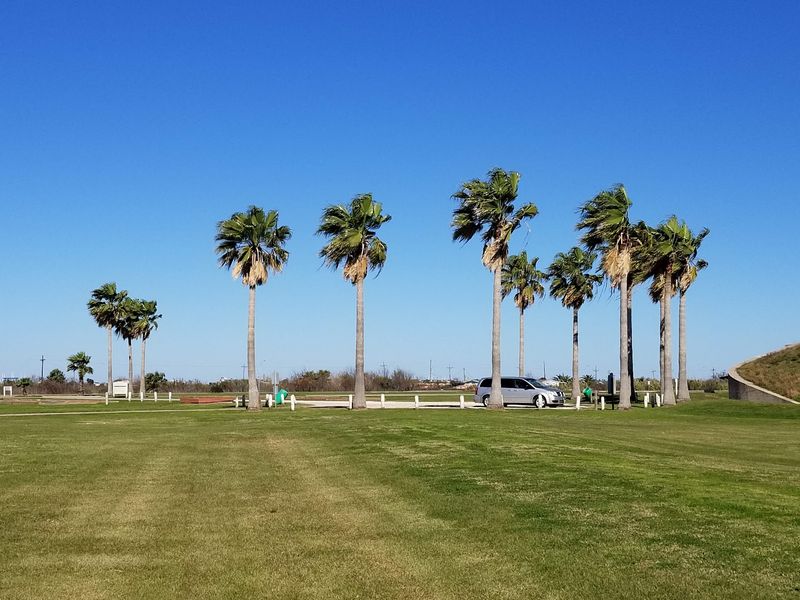
History lovers are an obvious match, but they are far from the only crowd who leaves happy. Fort Travis suits a surprising mix of Texans.
Families looking for a low-cost outing can let kids explore, run on open grass, and ask a million questions. Couples on a slow coastal drive get a scenic stop with stories built right in.
Photographers find textures and light that look great on camera.
Folks who prefer quiet will appreciate the unhurried mood. There is no loud soundtrack or crowded gift shop, just wind, waves, and the occasional seabird.
It feels refreshingly old-school, like a stop your grandparents might have made on a summer road trip.
Anyone needing smooth paths everywhere should plan ahead, since old military sites can include steps, slopes, and rough spots. Still, even a short walk around the edges offers plenty to see.
The setting rewards people who are happy to wander without a tight schedule.
Timing Your Coastal Visit
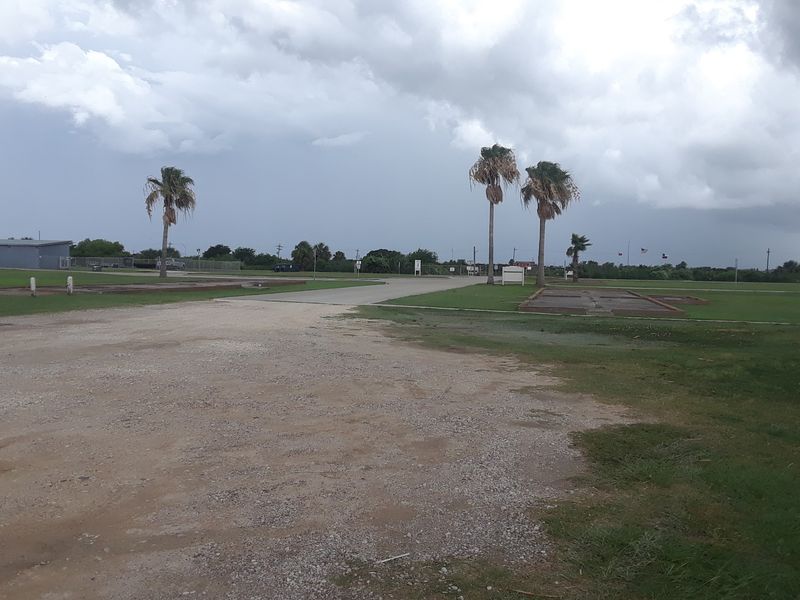
Texas summers do not play around, and the coast is no exception. Planning your visit around the weather can turn a good trip into a great one.
Early mornings often bring cooler air, gentle light, and fewer people. Spring and fall tend to be especially pleasant for walking around the ruins, while summer afternoons can feel hot and bright with limited shade.
Pack water, sunscreen, and a hat no matter the season. Bug spray is a smart idea too, since coastal grass can attract mosquitoes.
A light jacket may help on breezy winter days when the wind comes off the water.
Weather on the peninsula can shift fast, so a quick forecast check before leaving home is wise. After strong storms, some areas could be affected, so it may be worth confirming conditions.
With a little planning, you get more time enjoying the fort and less time hunting for a cool spot.
Getting There and What It Costs
Good news first: exploring the ruins is the kind of outing that can be enjoyed for free, which makes it one of the friendliest bargains on the upper Texas coast.
The fort sits on the Bolivar Peninsula, listed at Bolivar Peninsula, TX 77650. Plugging the name into a map app is the easiest way to find it.
Travelers coming from Galveston often enjoy the scenic water crossing toward Bolivar, while others drive in along the peninsula from the mainland side.
Hours and any park rules can change, so checking with Galveston County or local sources before you head out is a smart move. Seasonal schedules may vary, and storm cleanup can sometimes affect access.
Bring snacks and drinks since this is a simple, no-frills spot. Local seafood stops along the peninsula make for a tasty follow-up after exploring.
A free fort, a coastal drive, and a fried shrimp basket afterward add up to a pretty perfect Texas afternoon.
Worth the Detour Down the Peninsula
Not every great stop needs a flashy sign or a gift shop. Some just need a little curiosity and a free afternoon.
Fort Travis delivers exactly that. Sturdy concrete ruins, big coastal views, and a story tied to protecting the Texas shoreline come together in a place that feels pleasantly forgotten.
It does not chase trends, and it does not need to.
For day-trippers who love the back roads and the real deal, this fort fits right in. Kids get an adventure, grown-ups get history, and everyone gets fresh Gulf air at no cost to explore.
Go early, bring water, and leave time to wander. Chances are you will drive away thinking about those quiet doorways and that wide-open view.
And the next time someone asks for a cheap, memorable coastal stop, you will have a pretty good secret to share.