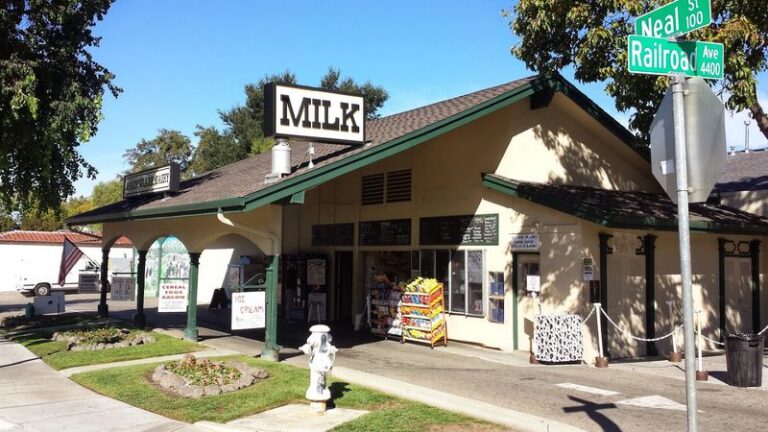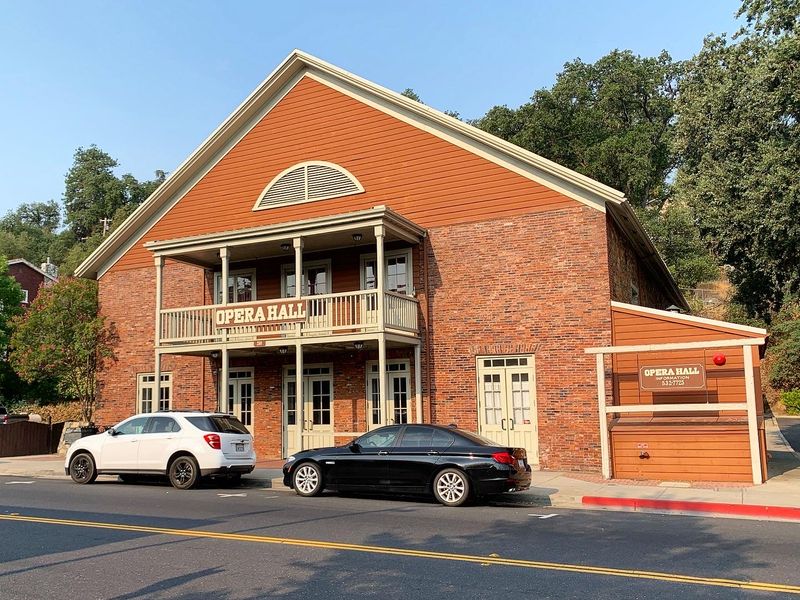
Mexican miners named this town after the home they left behind, and the name stuck for more than 170 years. That alone made me stop scrolling.
A Gold Rush camp borrowing its identity from a faraway Mexican state is not something you hear every day.
Today it is the only incorporated city in its entire county. It is also the county seat, which feels like a big job for a place of about 5,000 people.
I like how a town that small still carries that much weight.
Come late fall, the old mining story softens into something cozier. Holiday lights and foothill air do a lot of heavy lifting in the Sierra foothills of California.
I can’t imagine a better excuse for a winter road trip. So how does a former gold camp pull off a storybook season?
A Foothill Town With A Borrowed Name And A Big Job
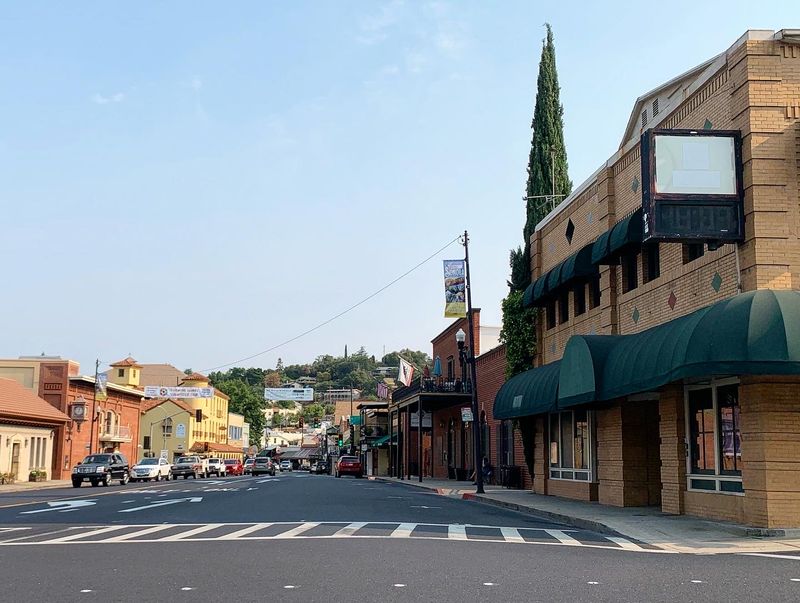
Sonora, California, sits in the Sierra Nevada foothills with a story older than the state itself. It’s a small city, but it carries a surprisingly long title list.
For starters, Sonora is the only incorporated city in Tuolumne County. It’s also the county seat, so the paperwork and the history both run through here.
That’s a lot of responsibility for a town you could get to know in an afternoon. Still, the size works in its favor when you just want a slower day.
The Gold Rush built this place, and that past is the backbone of its identity. Think of it as the opening chapter before the holiday lights take over.
Fans of California history tend to treat Gold Country like a living textbook. Sonora earns a spot on that bookshelf for its origin story alone.
You don’t need a big itinerary to enjoy it. A full tank, a free weekend, and some curiosity will cover most of the plan.
Later sections get into the season, the logistics, and who will love it most. First, though, that name deserves its own moment in the spotlight.
The Mexican Miners Who Gave This Town Its Name
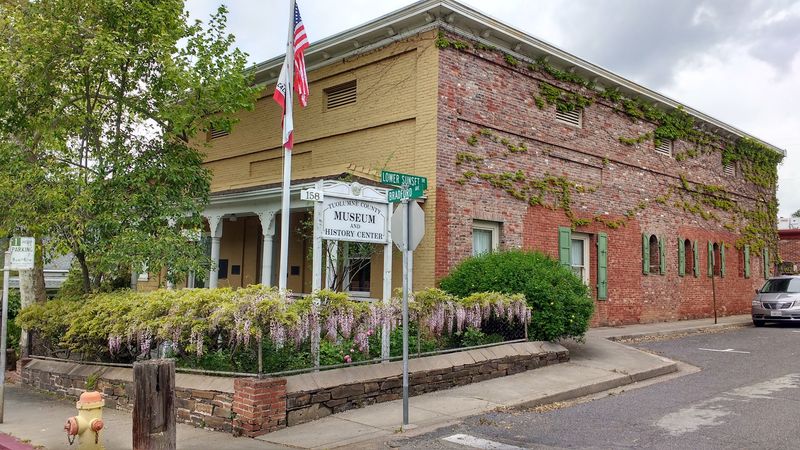
Long before any holiday garland, a group of miners from Sonora, Mexico, arrived chasing gold. They founded the camp during the California Gold Rush and named it after home.
That detail changes how the whole town reads. The name isn’t a random pick from a map but a memory carried north by real people.
Plenty of Gold Country towns have names tied to rocks, creeks, or crusty prospectors. Sonora’s name points straight to an immigrant community and the place they missed.
For Californians with Mexican roots, that connection may feel personal. It’s a reminder that the Gold Rush was never one single story told by one single group.
I believe that’s what makes the town feel richer than a quick stop on a drive. The name itself works like a tiny history lesson on every road sign.
It’s also a great conversation starter on a road trip. Ask the car who Sonora was named for, and see who gets it right.
Once you know the origin, the town’s old streets carry a different weight. Every visit becomes a small nod to those first miners and their long journey north.
Why One Small City Runs An Entire County
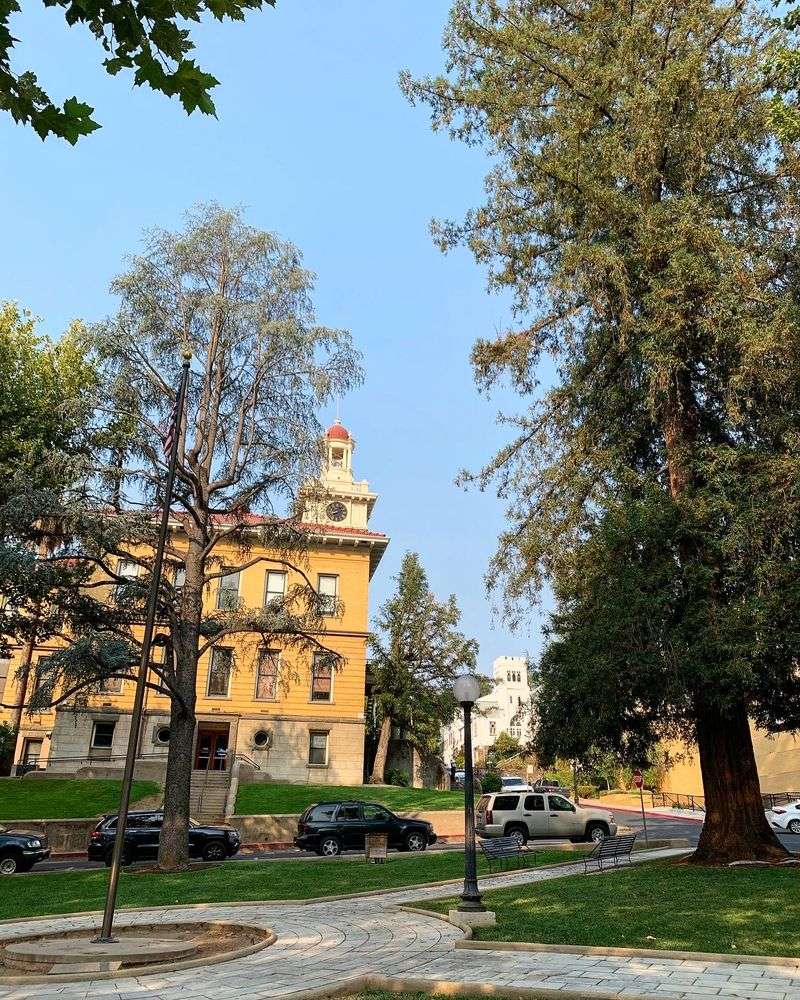
Here’s a fun trivia card for your next road trip. Tuolumne County has exactly one incorporated city, and it’s Sonora.
That makes Sonora the official hub for the whole county. It’s also the county seat, so it handles the civic side of life for the surrounding communities.
Most county seats you know are bigger, busier, and louder. Sonora pulls off the role with small-town scale and Gold Rush roots.
For visitors, that status means the town stays active year-round. It isn’t a ghost of its mining days but a working community with real daily life.
I like how that balance keeps the history from feeling frozen behind glass. The past and present share the same streets here.
Road-trippers sometimes rush past county seats on the way somewhere else. In Gold Country, slowing down for one tends to pay off.
So when someone asks why Sonora matters, you’ve got an easy answer ready. It’s the only city in its county, and it has been holding things together since the Gold Rush faded.
Not bad for a former mining camp.
Five Thousand Neighbors And Still Growing
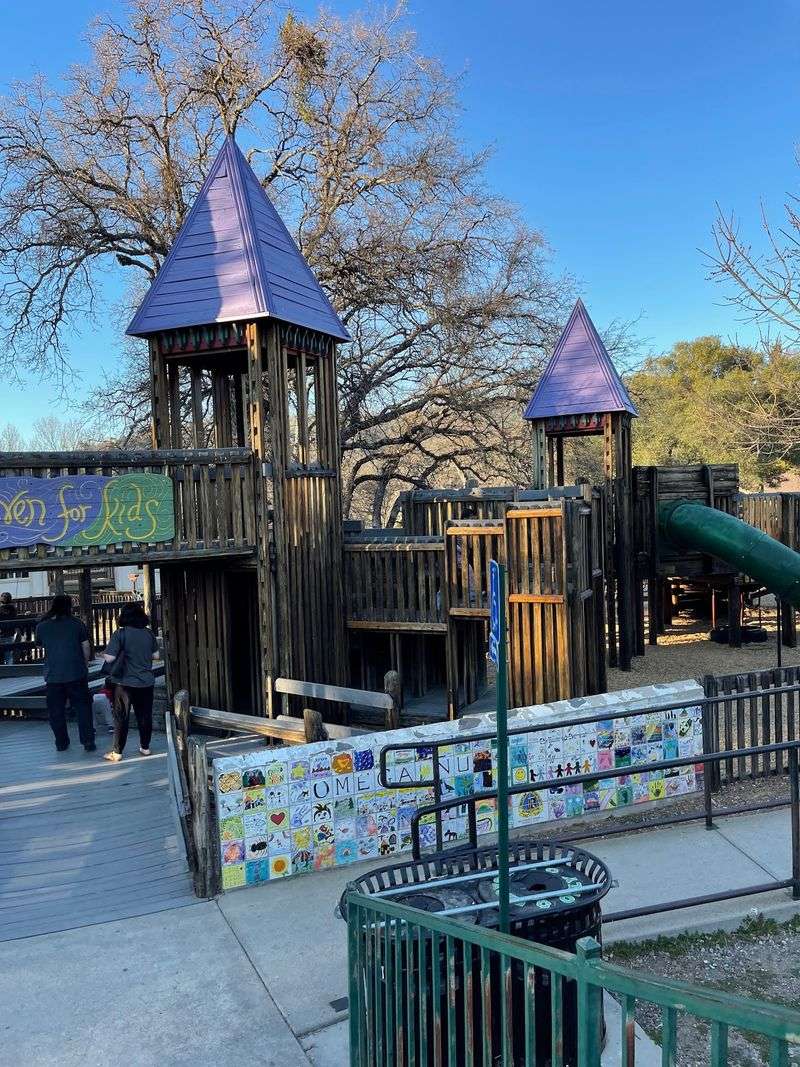
Numbers can be cozy too. Sonora counted 5,003 residents in the 2020 census, up from 4,610 in 2010.
That’s a gentle climb, not a boom. It suggests people still find reasons to settle in this foothill town.
A population around five thousand changes the whole feel of a visit. Streets stay manageable, and the pace leans relaxed rather than rushed.
Compare that to the Gold Rush, when camps across the region swelled almost overnight. Sonora’s modern growth looks far calmer by comparison.
For holiday trips, a smaller town can feel more personal. You’re not fighting big-city traffic just to see some lights.
I can’t imagine a better scale for a winter stroll. Small enough to explore on foot, yet busy enough to feel alive.
Families with young kids may appreciate that easy rhythm. Fewer crowds can mean fewer meltdowns, which counts as holiday magic in my book.
The steady growth also hints that the town keeps evolving. Old foundations, new neighbors, and the same Gold Rush backbone running underneath it all.
Gold Rush Bones Under A Modern Coat
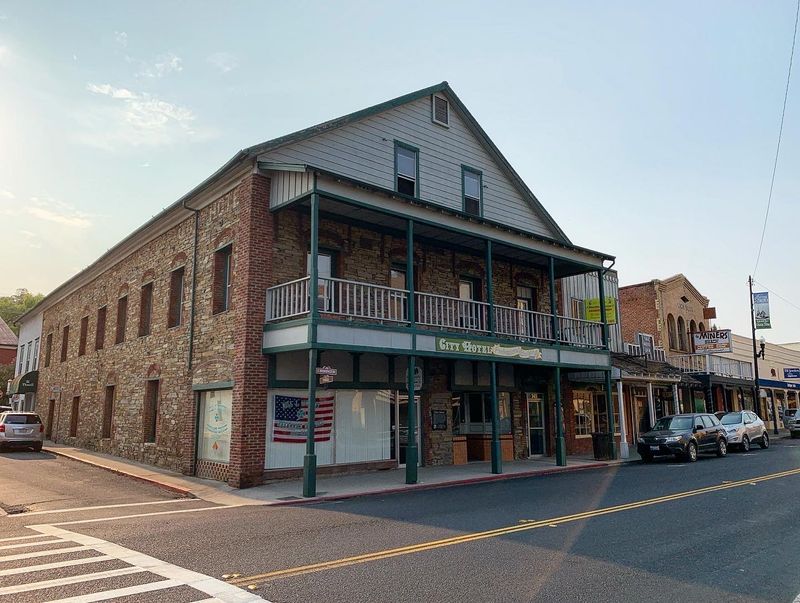
Gold built Sonora, and you can’t really tell the town’s story without it. The founding miners came for the rush, and the city grew from that camp.
Today, that heritage is part of what draws history lovers to the area. Gold Country towns tend to wear their past proudly, and Sonora is part of that family.
For many Californians, these foothill towns feel like a childhood field trip come back to life. Some of us remember school units on 1849 and panning for flecks of gold.
Visiting as an adult adds new layers to those memories. You start noticing how much the Gold Rush shaped where towns landed and why.
Sonora’s story also stands out for who founded it. Mexican miners shaping a lasting California city is a chapter worth remembering.
In a fast-changing state, a town rooted in the 1840s and 1850s feels like a small act of preservation. That steadiness is part of the appeal.
So when the holiday season arrives, it lands on a very old stage. The decorations are new each year, but the setting has been here a long, long time.
When Mining Country Turns Into A Holiday Postcard
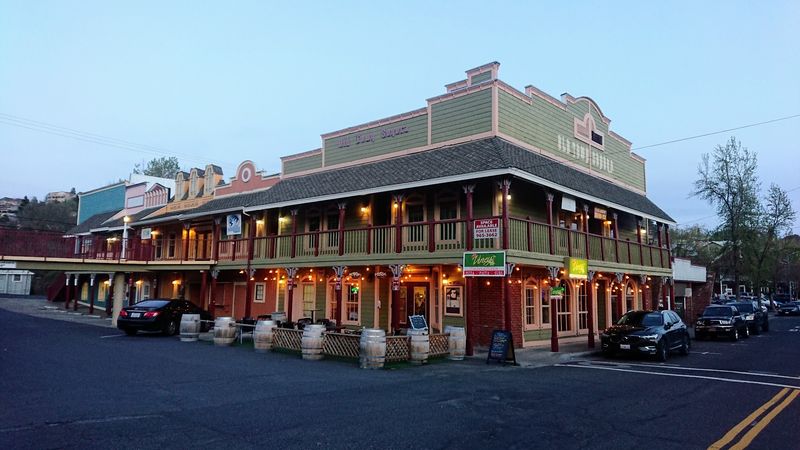
Swap pickaxes for twinkle lights, and a Gold Rush town starts looking like a page from a picture book. That’s the charm of Sonora as the holidays approach.
Historic towns have a head start on storybook vibes. Old streets and foothill scenery already set the scene before a single wreath goes up.
Late fall in the Sierra foothills can bring crisp air and early sunsets. Those darker evenings make any holiday lighting look even brighter.
It’s a big mood shift from the dusty mining camp image most of us picture. The same town that chased gold now trades in warm, glowing nostalgia.
I like how small towns handle the holidays without overdoing it. The scale keeps things feeling personal instead of commercial.
Exact event names and schedules can change from year to year. Checking the city’s current calendar before you go is the smart move.
Even so, the setting does much of the work on its own. A historic foothill town in December is hard to beat for that old-fashioned feeling so many of us chase each year.
Holiday Cheer That Leaves Your Wallet Alone
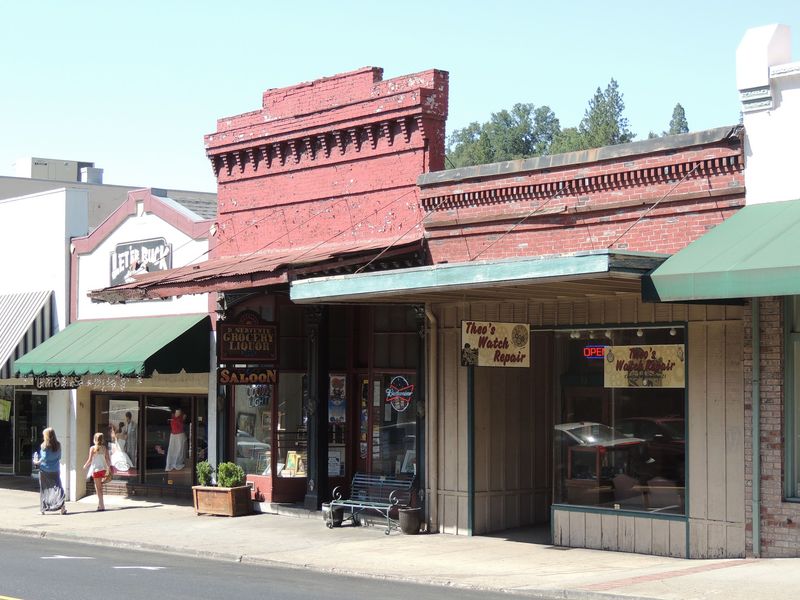
Free fun is the best kind of holiday fun. A walk through a decorated Gold Rush town costs nothing but a little time and some gas.
That’s a big part of the appeal for families watching their budgets. Window displays, lights, and old streets don’t charge admission.
Small-town holiday events in Gold Country are often community-run and welcoming. Details vary, though, so look up Sonora’s current listings before planning around a specific happening.
Even without a set program, a stroll can fill an evening nicely. Bundle up, grab a warm drink from a local spot, and wander.
Kids tend to love spotting lights and decorations along the way. Turn it into a game and see who finds the most festive window.
I believe the simplest traditions often stick the longest. A yearly drive to the foothills could become your family’s own storybook ritual.
Shopping locally adds another layer if you want it. Picking up a gift in a historic town feels more meaningful than another click online.
Either way, the season’s best moments here don’t require a ticket.
Perfect For History Buffs, Families, And Nostalgia Seekers
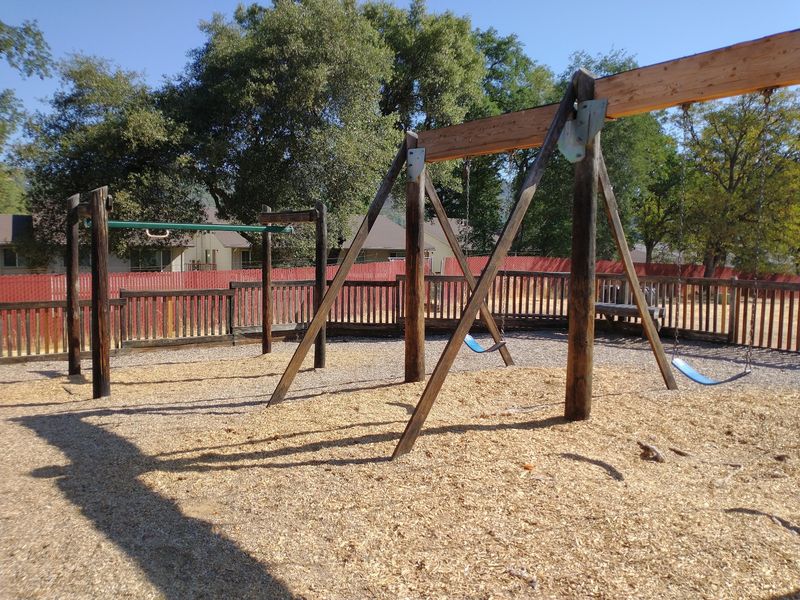
Some trips suit almost everyone, and a Gold Rush town at the holidays lands close. Sonora offers something for several kinds of travelers.
History fans get a city founded by Mexican miners during the Gold Rush. That origin alone makes it a meaningful stop on any Gold Country tour.
Families get a manageable small town with room to roam. A population near five thousand keeps the scale friendly for little legs.
Nostalgia seekers may feel right at home too. Old-fashioned holiday atmosphere fits naturally into a town with roots in the 1800s.
Couples looking for a low-key winter getaway can find plenty to like. Foothill scenery and early evening lights make a sweet backdrop.
Descendants of Mexican immigrant communities may find a personal connection in the town’s name. It’s a living tribute to people who shaped early California.
Road-trippers who prefer quiet over crowds should also take note. Smaller towns often trade spectacle for warmth, and that’s a fair deal.
Honestly, the only folks who might pass are those craving big-city nightlife. Everyone else has a good reason to point the car toward the foothills.
Slow Strolls Are The Main Event Here
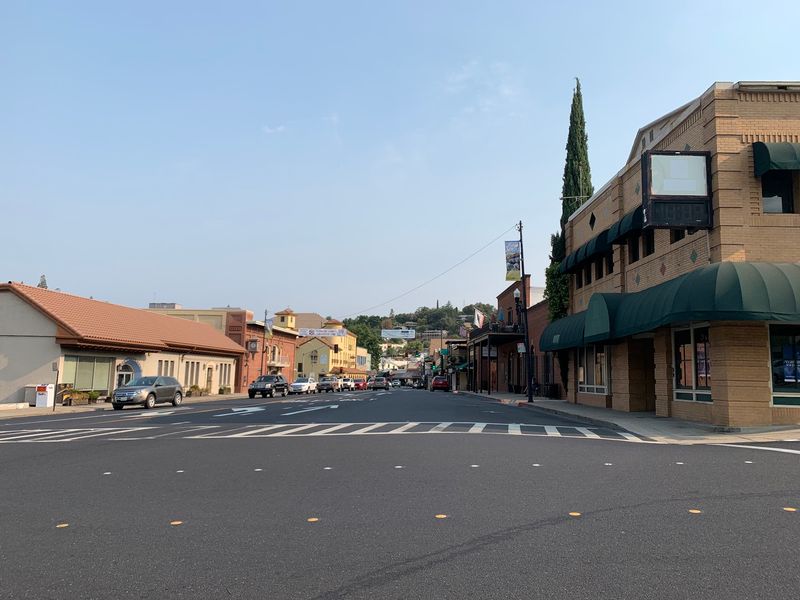
Comfortable shoes might be the most important thing you pack. Exploring Sonora works best at walking speed.
A small city lets you take your time without feeling like you’re missing something. You can wander, pause, and backtrack with zero stress.
Gold Country towns reward that kind of unhurried pace. Details reveal themselves when you’re not rushing to the next stop.
The holiday season adds extra reasons to linger outdoors. Decorations and early sunsets make even a short loop feel special.
Foothill weather in winter can be chilly, especially after dark. Layers are your friend, and a warm hat never hurts.
I like the idea of treating the walk itself as the destination. No checklist, no schedule, just a historic town in its holiday clothes.
Bring a camera or a phone with plenty of storage. Old streets and seasonal lights tend to make easy, pretty photos.
If you have kids along, plan for a few warm-up breaks. A cozy local cafe stop can turn a cold stroll into a cheerful memory.
Timing Your Trip Before The Season Slips Away
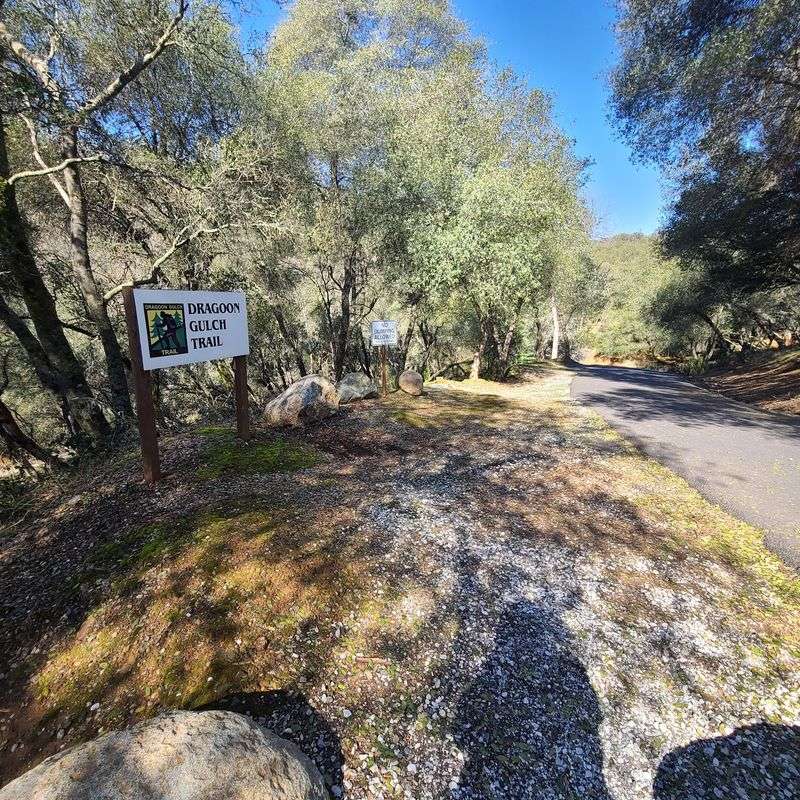
Holiday windows close fast, and foothill weekends fill up. Planning ahead makes a Sonora trip much smoother.
Late November through December is prime time for that storybook mood. Decorations typically appear as the season kicks off and fade after the new year.
Specific event dates can shift from year to year. Always confirm the current schedule with the city or local tourism sources first.
Weekends tend to draw more visitors to small holiday towns. If you prefer quiet, a weekday evening may feel more relaxed.
Winter weather in the Sierra foothills can vary. Rain is possible, and higher elevations nearby may see snow, so check conditions before driving.
Arriving in the afternoon gives you daylight to explore. Then you can stay as the sun sets and the lights come on.
I believe that daylight-to-dusk plan gets you the best of both worlds. You see the historic town clearly, then watch it turn festive.
Booking lodging early helps if you want to stay overnight. Small towns have fewer rooms, and holiday demand can catch late planners off guard.
Getting To Sonora Without A Map Meltdown
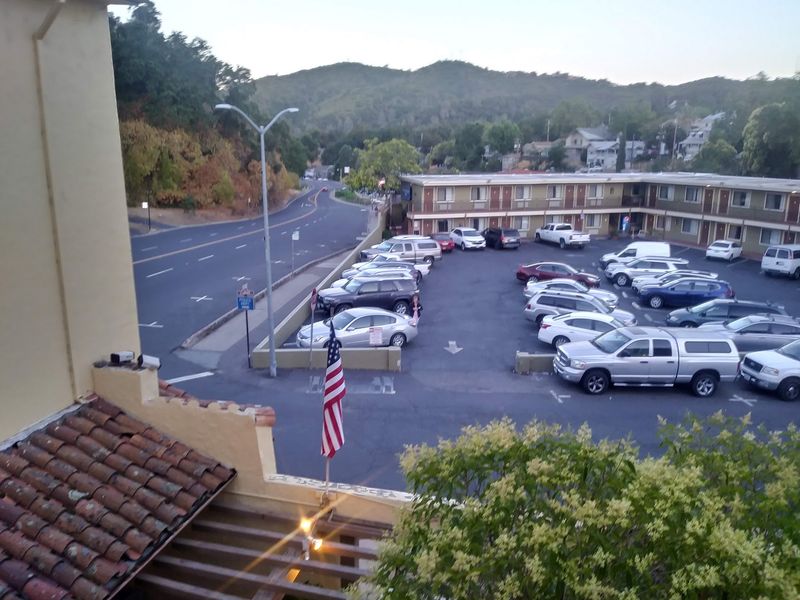
Good news for navigators: Sonora is easy to plug into any GPS. Use Sonora, California 95370, and you’ll land in the right place.
The city sits in Tuolumne County in the Sierra Nevada foothills. Its coordinates are roughly 37.98 north and 120.38 west, if you like being precise.
Most visitors will arrive by car, since this is classic road-trip country. Foothill roads can wind, so give yourself extra time.
Winter driving deserves a little caution. Check road and weather conditions before you leave, especially if storms are in the forecast.
Parking needs can change during busy holiday periods. Arriving earlier in the day often makes finding a spot less stressful.
Plan for fuel and snacks along the way too. Small-town stretches don’t always have services exactly when you want them.
Once you arrive, the town’s compact size helps a lot. Park once, then explore on foot as much as you can.
Families should build in a stretch break or two on longer drives. Happy passengers make for a much merrier holiday arrival.
A California Secret Worth The Winter Drive
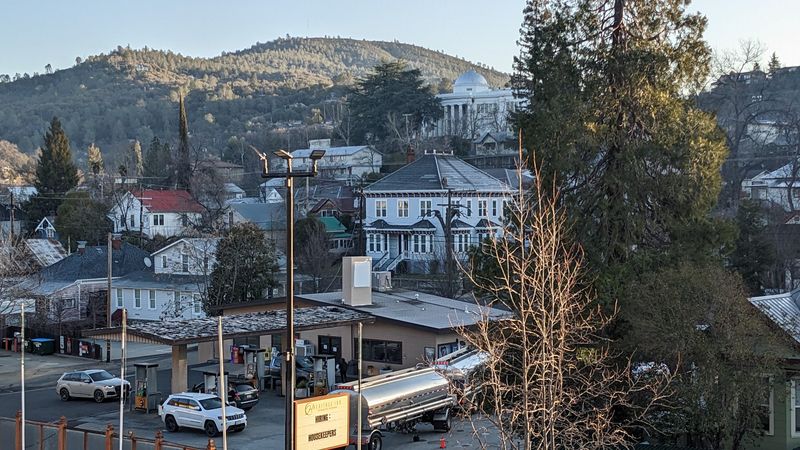
Few towns can claim Mexican founders, a Gold Rush birth, and an entire county on their shoulders. Sonora does all three without breaking a sweat.
Add holiday lights to that history, and you get a winter trip with real heart. It’s the kind of place that feels old-fashioned in the best way.
California changes fast, sometimes faster than we’d like. A city with roots in the Gold Rush offers a steady, comforting contrast.
For history lovers, the origin story alone justifies the drive. For families, the small scale and seasonal charm seal the deal.
Remember to check current event details before you go. Schedules can change, and the best plans are confirmed ones.
Pack layers, comfortable shoes, and a little patience for foothill roads. The reward is a town that wears its past and its holidays well.
I can’t imagine a cozier way to kick off the season. A Gold Rush town in December just feels right.
So circle a weekend and round up your favorite people. Sonora’s storybook season won’t wait forever, and neither should you.