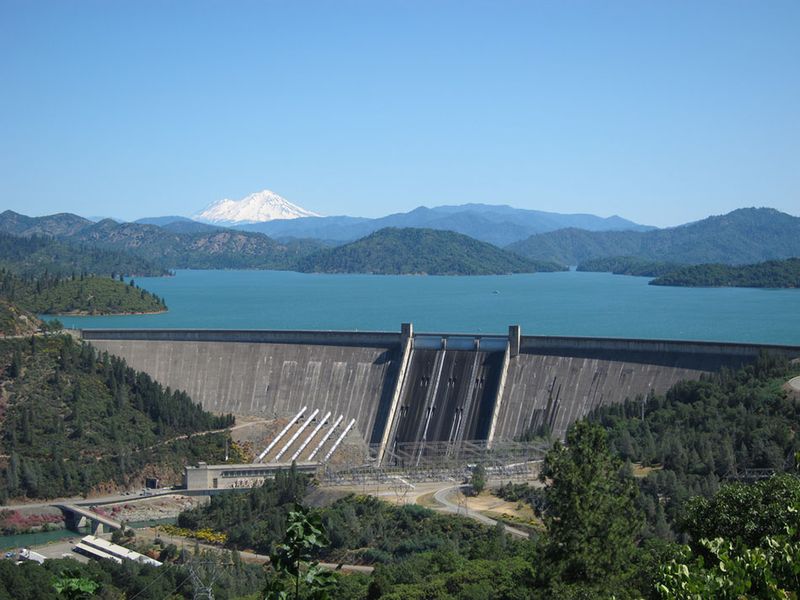
Somewhere deep under a sparkling blue reservoir, an entire mining town still sits in the dark. Its streets once held thousands of people, and now they rest roughly 400 feet down.
The town was not swept away by a storm. It was flooded on purpose when a giant concrete dam rose across the Sacramento River in the 1940s.
I can’t imagine waving at houseboats while knowing a smelter town lies far below the hull. Yet that is exactly the deal at this corner of Northern California.
Swimmers, anglers, and families float right over the old foundations every summer.
I like how one lake can hold a playground on top and a time capsule underneath. So what exactly is down there, and where can you get closest to it?
A Small City Sitting Right Next To A Very Big Secret
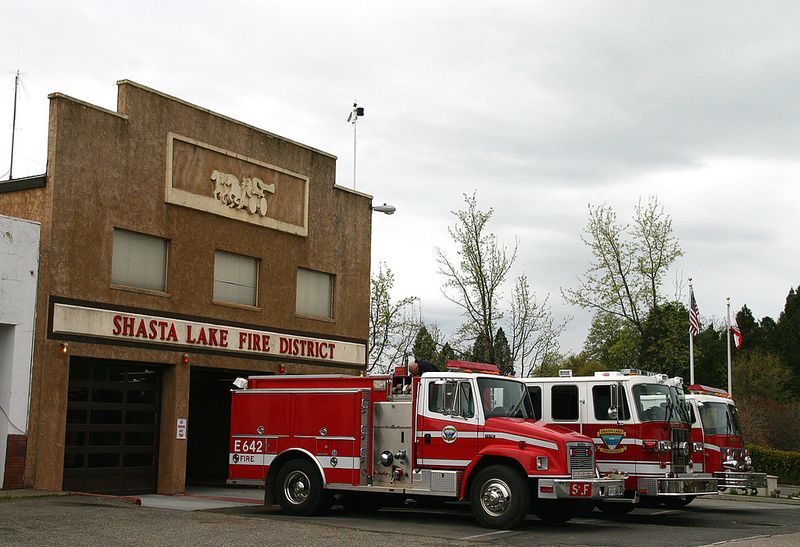
Shasta Lake, CA is the closest settlement to both Shasta Dam and Shasta Lake reservoir. That makes this Shasta County city the natural front porch for one of California’s most famous water playgrounds.
Before it incorporated, the community went by Central Valley, or simply CV. The new name stuck because the city sits so close to the giant lake that shares it.
Here’s the fun twist. The city and the reservoir share a name, but they are two different things.
The city is where you sleep, shop, and fuel up, while the lake stretches into the mountains just to the north.
Redding sits a short drive south, so this area works well for a weekend base. You get small-town calm with easy access to Interstate 5 and the bigger services nearby.
The real headline, though, lies under the water. Somewhere below those blue arms rests a mining town that once bustled with thousands of residents.
Most people boating overhead never give it a thought.
Once you know the story, the lake looks a little different. Every calm cove starts to feel like it’s holding its breath.
The Boomtown Called Kennett That Slipped Beneath The Water
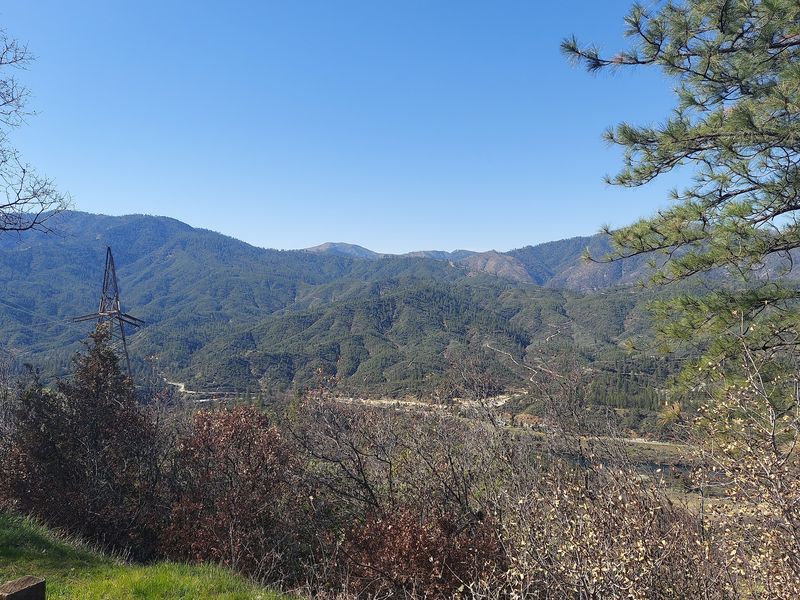
Kennett started as a railroad stop in the 1880s, named for a railroad official. It grew in a region shaped by the hunt for gold, and then copper turned it into a true boomtown.
In the early 1900s, the Mammoth Copper Mining Company built a large smelter there. Historians often say the town’s population reached around 10,000 people at its peak.
That’s a lot of folks for a canyon town in far Northern California. Kennett had businesses, homes, a rail line, and the noisy energy of a place growing fast.
Like many mining towns, its fortunes rose and fell with metal prices. By the 1920s, the smelter had shut down and the crowds moved on.
Then came the bigger plan. Federal officials chose this stretch of the Sacramento River for a massive dam, and the remaining town sat squarely in the way.
Kennett was cleared and the water rose over it. Other small settlements in the area, such as Baird and Morley, met the same watery fate.
Today, Kennett is usually described as resting about 400 feet below the surface.
One Enormous Wall Of Concrete Changed The Whole Map
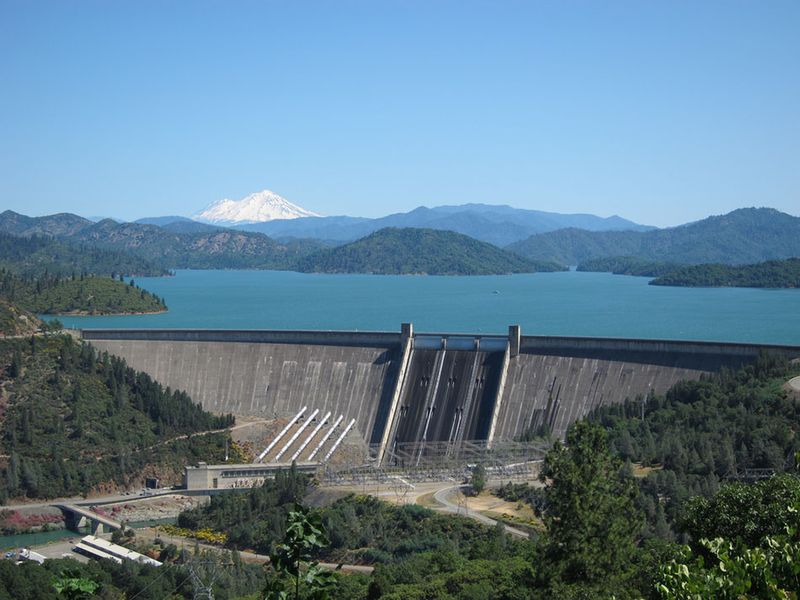
Shasta Dam stands about 602 feet tall, which is taller than many downtown skyscrapers. Construction ran from 1938 to 1945, and the dam remains one of the largest concrete dams in the country.
Its job was huge too. The dam is a key piece of the Central Valley Project, helping with flood control, farm water, and power across California.
Picture the scale for a moment, minus the hard hat. Crews poured millions of cubic yards of concrete into the canyon, and the reservoir slowly filled the valleys behind it.
That rising water is what swallowed Kennett. It also created the largest reservoir in the state, with arms reaching up several river canyons.
The U.S. Bureau of Reclamation runs the dam and offers a visitor center nearby.
Tours of the dam have been offered in the past, so check with the Bureau for current tour options before you go.
Standing on the crest gives you a clear sense of the depth below. Somewhere past that blue water, a whole town waits at the bottom.
Why Drought Years Turn Into History Lessons
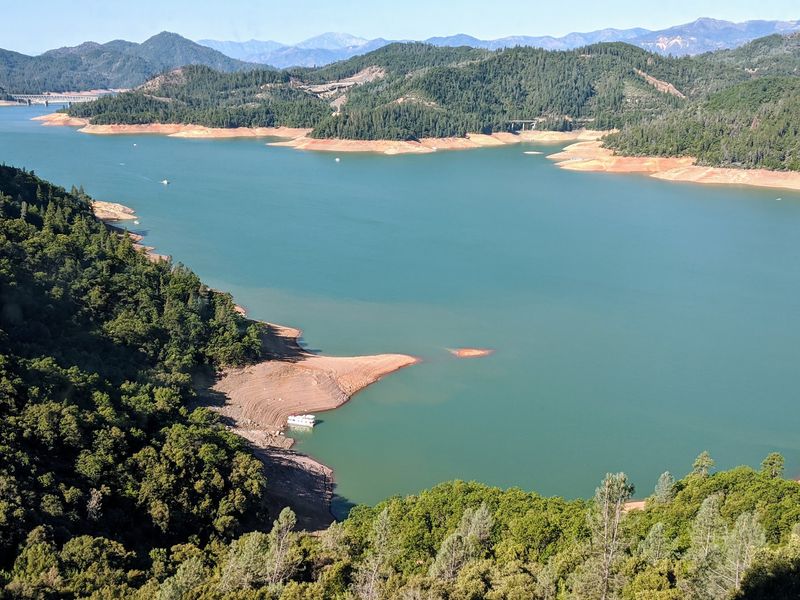
Low water at Shasta Lake can uncover things that usually stay hidden. In dry years, old roads, foundations, and bridge pieces from the pre-dam landscape have peeked out along the shoreline.
Don’t expect a full ghost town to pop up like a surprise. Kennett sits so deep that even severe droughts generally leave the main townsite underwater.
Still, the exposed red banks tell their own story. That famous bathtub ring shows how far the water can drop during tough seasons in California.
Some visitors use those low-water periods to look for traces of the old canyon world. Old road grades and debris can appear in spots that are normally boat territory.
Please treat anything you spot as a piece of history. Leave artifacts where they sit, and follow posted rules from the managing agencies.
Water levels change from month to month, so conditions can shift quickly. Checking current reservoir reports before a trip can help you know what to expect.
Either way, the idea that a town lies down there makes even a quiet drive along the shore feel a little eerie.
Houseboats Floating Over The Old Streets
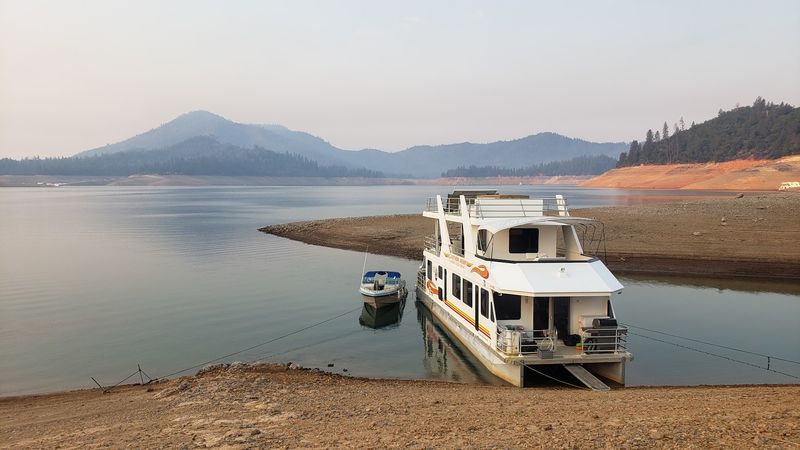
Houseboating is the classic way to enjoy this lake. Marinas around Shasta Lake rent houseboats, and the reservoir has long been known as a top houseboat destination in California.
The lake is shaped like a giant hand with several long arms. Those arms follow the Sacramento, McCloud, and Pit rivers, plus Squaw Creek, giving you plenty of coves to explore.
Some people want a slow floating weekend. Others pack the schedule with swimming, tubing, and waterskiing behind a rented boat.
Smaller rentals like fishing boats, patio boats, and kayaks are often available too. That makes the water open to folks who aren’t ready to captain a floating cabin.
Families tend to love the freedom of anchoring in a quiet spot. You can swim off the back deck and cook dinner as the hills turn gold.
And yes, a few of those coves sit above flooded canyons that once held mining camps and rail lines. It’s a little wild to think about while you’re floating on a pool noodle.
Book early for summer, since peak season brings the biggest demand.
Underground Wonders Just Across The Water
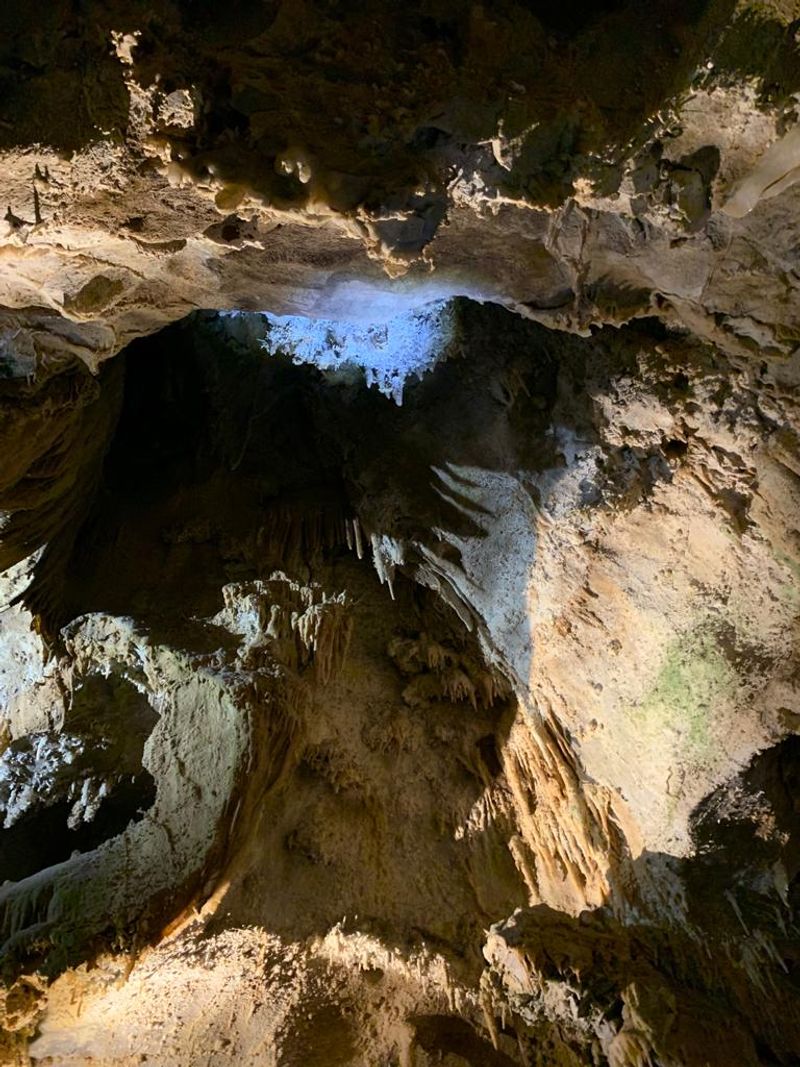
Not every secret here is underwater. Some sit inside the mountains, like the formations at Lake Shasta Caverns near the McCloud Arm.
Getting there is half the fun. Tours have traditionally included a boat crossing of the lake and a bus ride up the mountain before you step inside.
Inside, limestone has spent ages building stalactites, stalagmites, and flowstone. The caverns are recognized as a National Natural Landmark, which adds some serious bragging rights.
Kids usually find caves magical, and adults rarely complain either. It’s a good pick for a hot afternoon when the sun feels relentless on the water.
Tour times, seasons, and access can change, so check with the caverns operator before heading out. Planning ahead also saves you from a long drive to a closed gate.
Pair it with the Kennett story and you get a neat theme for the day. One kind of history sits hidden in stone, while another rests deep under the reservoir.
Shasta Lake, CA makes a fine home base for both, with the drive to the caverns staying pleasantly short.
Trails, Fishing Lines, And A Famous Mountain View
Anglers have plenty of reasons to bring their gear here. The lake is known for bass, trout, and other species, and fishing can happen year-round depending on conditions.
A valid California fishing license is required for adults. Rules and limits can change, so check current state regulations before you cast.
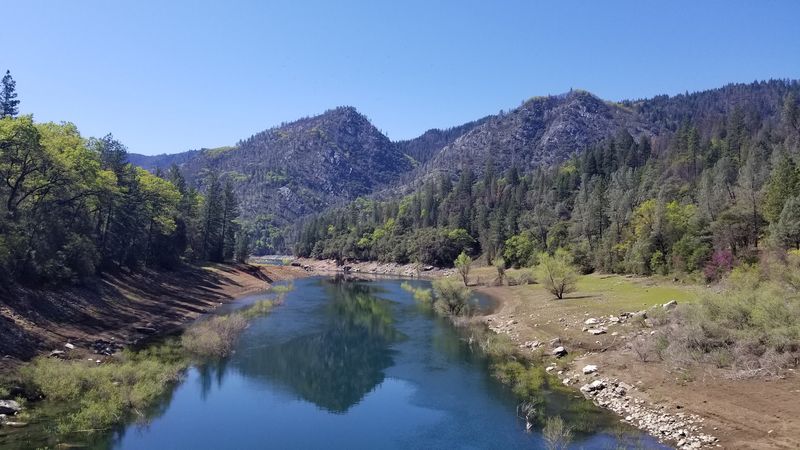
On land, trails wind through the forested shoreline in the Whiskeytown-Shasta-Trinity National Recreation Area. The Shasta unit is managed by the U.S.
Forest Service, which oversees campgrounds, boat ramps, and day-use areas.
Hikers often aim for lakeside routes with views of the water arms. On clear days, snowy Mount Shasta can appear far to the north, which never gets old.
Campgrounds dot the shoreline, from developed sites to quieter spots. Some areas require reservations during busy months, so plan ahead for summer weekends.
Spring and fall can bring milder temperatures for hiking. Summer often runs hot in this part of the state, so early starts and plenty of water make a big difference.
The cooler hours are also when the lake looks its prettiest.
Planning A Trip To The Lake And The City Nearby
Getting here is refreshingly simple. Interstate 5 runs right through the region, and the city of Shasta Lake sits just north of Redding.
Use California 96019 as your general target when mapping the city itself. From there, the dam and several lake access points sit a short drive away.
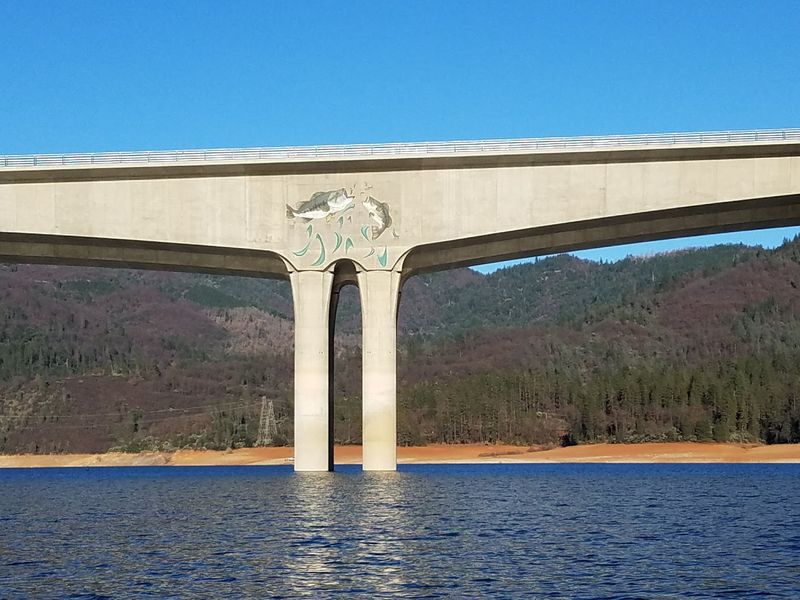
Many visitors cross the Pit River Bridge on Interstate 5, which offers sweeping views of the lake. Just keep your eyes on the road and let passengers handle the gawking.
The lake area is spread out, so a car is close to essential. Marinas, campgrounds, and the dam visitor center sit in different directions around the shoreline.
Some Forest Service day-use areas and boat ramps may charge fees. Hours and seasonal closures vary by site, so check with the managing agency before you arrive.
Summer brings the biggest crowds and the warmest water. Spring and fall can feel calmer, with more breathing room at popular coves.
Shasta Lake, CA also has local shops and services, making it handy for groceries and supplies before a lake day.
A Lake Worth Seeing Twice, Above And Below
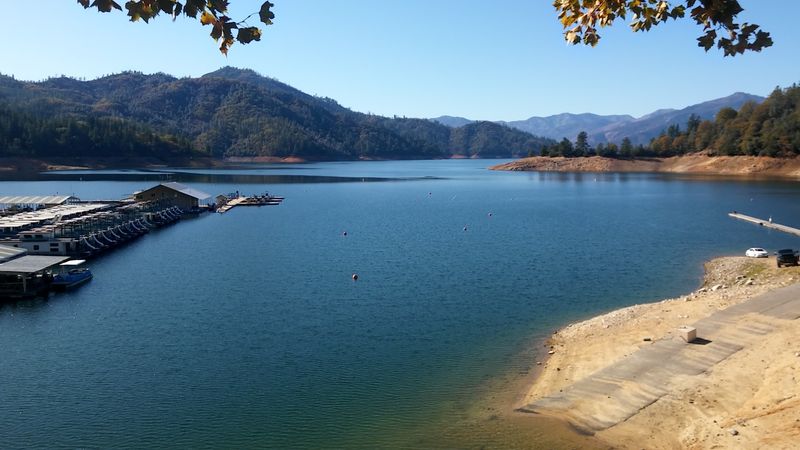
Few places in California mix fun and mystery quite this well. Shasta Lake gives you houseboats, caverns, trails, and a famous dam, all sitting above a lost mining town.
Kennett may never fully resurface. But knowing it’s down there adds a quiet layer to every swim, cast, and sunset cruise.
I believe that’s what makes this spot so memorable. It feels like a vacation and a history lesson wrapped into one lazy afternoon.
History fans can start at the dam visitor center and imagine the canyon before the water came. Families can split the day between cave formations and a cool dip in a cove.
For Californians who love the state’s lesser-told stories, this one belongs on the list. It shows how much the landscape changed in just a few decades.
So pack the sunscreen, check the water levels, and point the car north toward Shasta Lake, CA. Somewhere under all that blue, a whole town is keeping its secrets.
You might not see it, but you’ll definitely feel it.