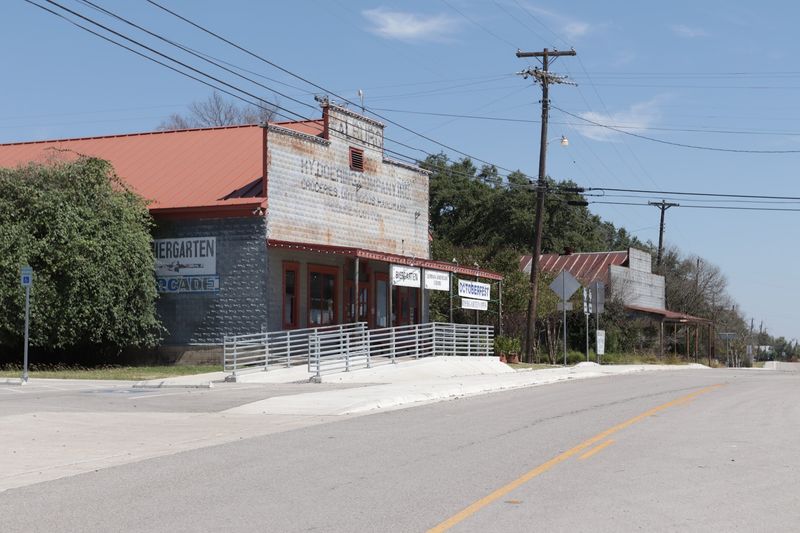
You pull off a quiet Texas highway expecting a gas stop, and suddenly the smell of fresh bread and the sight of old stone buildings make you forget where you are. Some of the best surprises in the Lone Star State hide in small towns that German settlers built more than 150 years ago.
Their bakeries, sausage shops, churches, and festivals still carry that old-world flavor, and nobody there seems in a hurry to change it. Grab your keys and an empty stomach, because these back-road gems are worth every mile.
1. Fredericksburg
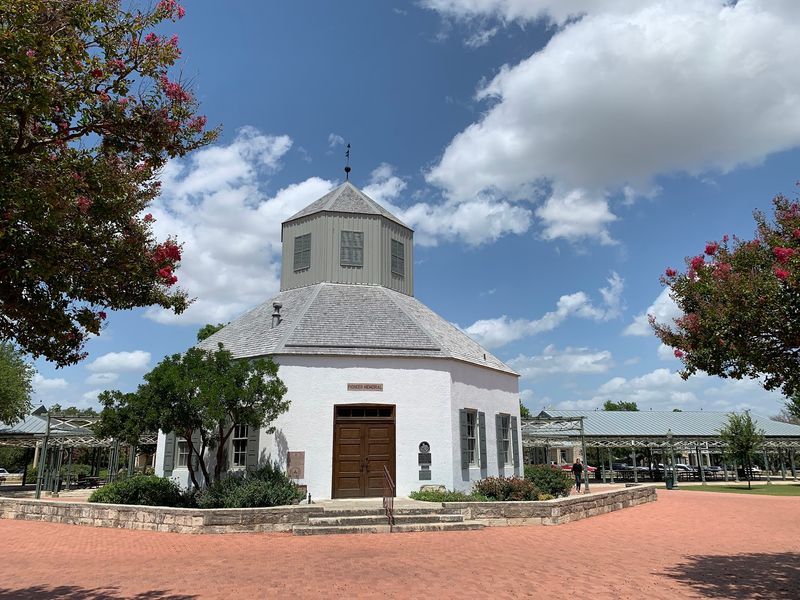
Prince Frederick of Prussia never set foot in the Texas Hill Country, but the town named after him wears his legacy proudly. German immigrants founded Fredericksburg in 1846 under the Adelsverein, a society that helped families make the long trip across the Atlantic.
Walk the historic main street and the old country details jump out fast. Half-timbered fachwerk buildings line the blocks, and the eight-sided Vereins Kirche stands as a reminder of the settlers’ early church and gathering hall.
German bakeries tempt you with warm pastries before you even find parking.
Around 11,000 people call the town home, so it stays friendly and walkable despite its fame. Fall brings Oktoberfest, when music and German food fill the streets.
Spring is another sweet spot, since wildflowers often paint the rural roads leading in, making the drive half the fun.
2. New Braunfels
Royalty started this one. Prince Carl of Solms-Braunfels founded New Braunfels in 1845 and named it after his family’s ancestral home in Germany, and the town has never let that story fade.
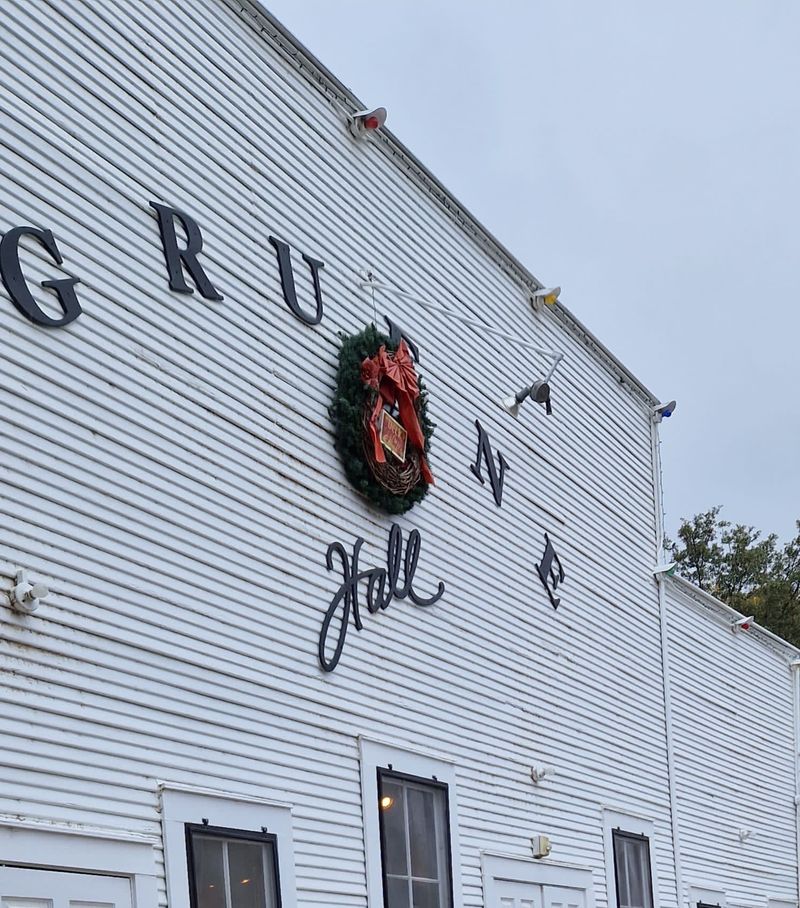
Read the street signs as you drive in and you will spot German names everywhere. The historic Plaza anchors the downtown, while the Gruene district adds a charming old-time feel with its preserved buildings.
Heritage bakeries keep recipes going that many families have treasured for generations.
Then comes November, and Wurstfest takes over. This beloved festival celebrates sausage, polka music, and German pride in a big, happy way, and families make it an annual tradition.
Even on a regular weekend, the town’s German roots feel close enough to taste.
3. Boerne
Freethinkers with big ideas planted this town in 1849. They named it after Ludwig Börne, a German Jewish writer they admired, which gives Boerne one of the most interesting name stories in Texas.
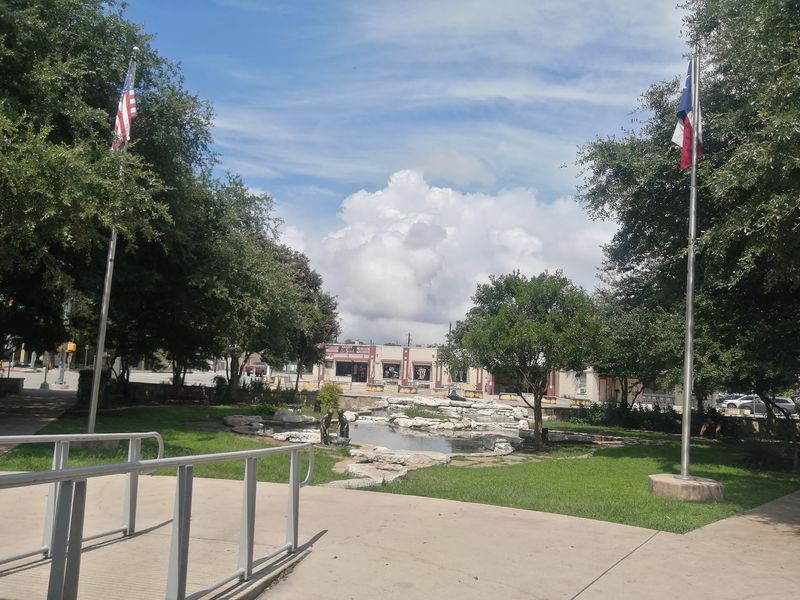
Pronounce it like “Bernie” and locals will smile. The main stretch, known as the Hill Country Mile, is lined with shops tucked inside old buildings, including authentic German fachwerk construction.
Historic German bakeries make an easy excuse to stop and wander.
Music matters here too. The Boerne Gesangverein, a German singing club, ties the town to traditions brought over by its founders.
With about 18,000 residents, Boerne is a bit bigger than some stops on this list, yet its downtown still feels unhurried. Morning visits help you beat summer heat and grab the freshest pastries.
4. Schulenburg
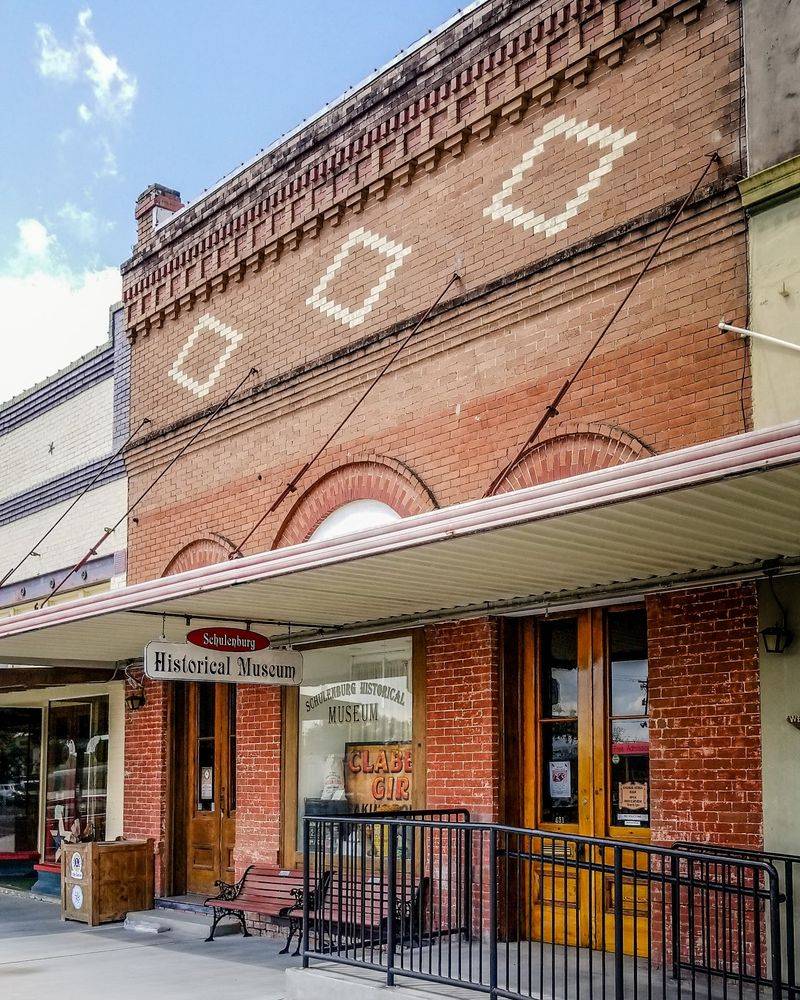
Sausage lovers, take note. Schulenburg may be home to only about 2,600 people, but its German sausage houses and bakeries give travelers a mighty good reason to exit the highway.
Named for German landowner Louis von Schulenburg, this farming and railroad community in Fayette County keeps things simple and humble. Nobody here is chasing trends.
The focus stays on hearty food and traditions passed down by German and Czech families.
Beyond the plate, the town serves as the gateway to the famous Painted Churches. These historic country churches burst with color inside, with painted walls and ceilings that surprise anyone expecting plain wooden pews.
Plan a loop drive, pack snacks for the road, and save room for a stop back in town.
5. Muenster
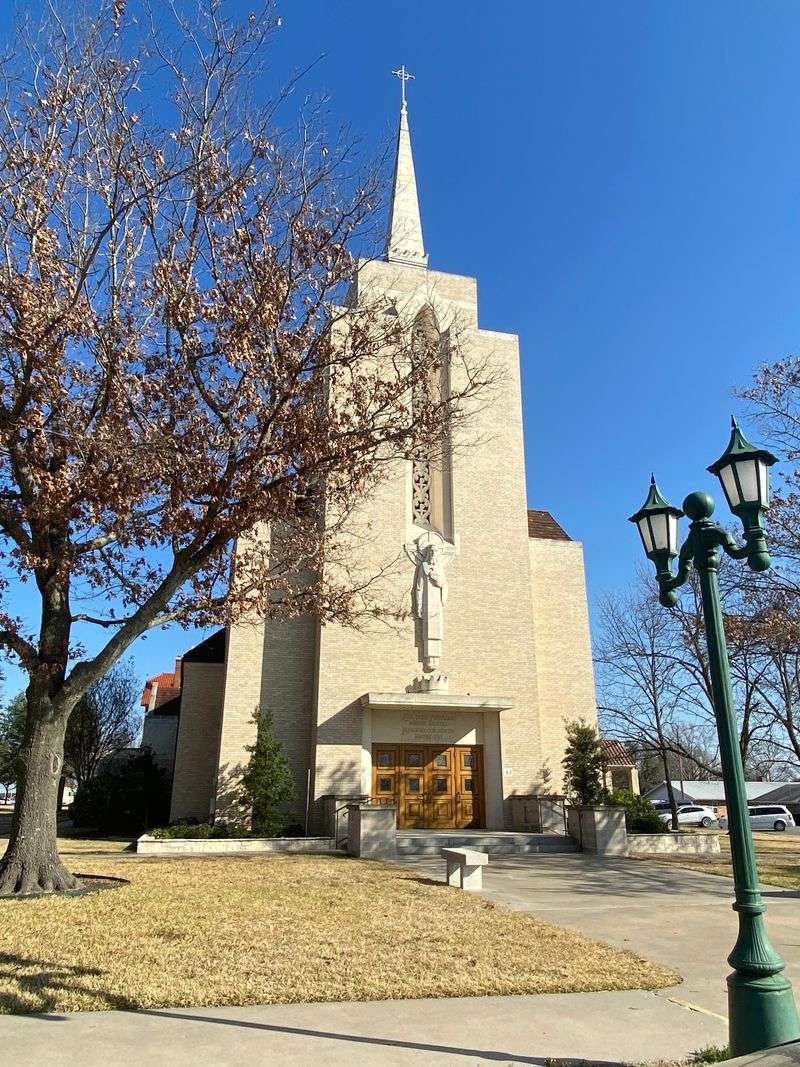
Up in North Texas, far from the Hill Country crowds, sits a town that feels like a Westphalian village dropped onto the prairie. Brothers Carl and Emil Flusche founded Muenster in 1889, bringing German Catholic settlers and naming it after Münster in Germany.
Only about 1,500 people live here, and the close-knit spirit shows. Bavarian-style butcher shops turn out smoked meats the old way, and bakeries keep German treats on the shelves.
It is the kind of place where tradition simply never went out of style.
Every spring, Germanfest draws visitors from across the state for music, food, and family fun. If you visit on a quieter day, you will still find plenty of German flavor to carry home in a cooler.
6. Walburg
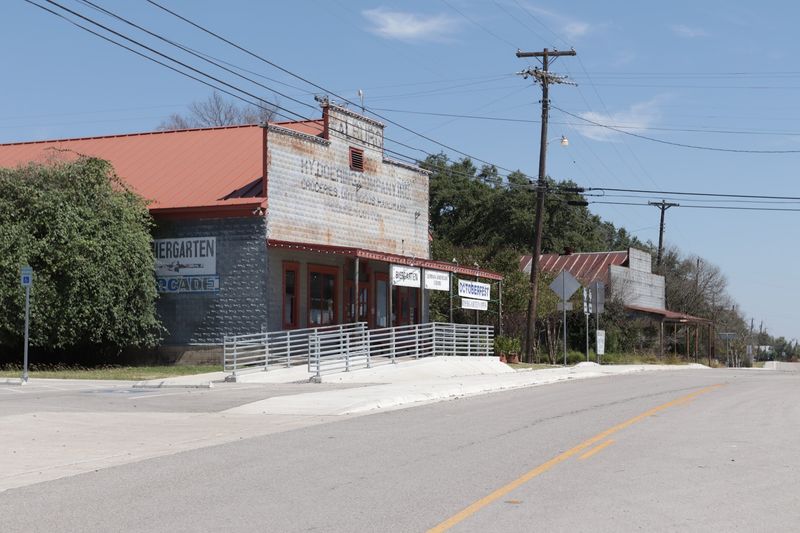
Blink and you might miss it. Walburg is a tiny crossroads in Williamson County with roughly 250 residents, yet it holds onto German culture with surprising strength.
German-Lutheran immigrants settled here in the 1880s and named the community after Walburg in Hesse, Germany. Over the years, the hamlet became known for keeping German folk music alive along with traditional Bavarian-style dining.
Picture oompah tunes drifting across open farmland and plates piled with schnitzel and sausage. That is the charm of Walburg.
It is small, proud, and wonderfully unbothered by the big-city growth creeping up the nearby highways, which makes it a perfect detour on a weekend drive.
7. Comfort
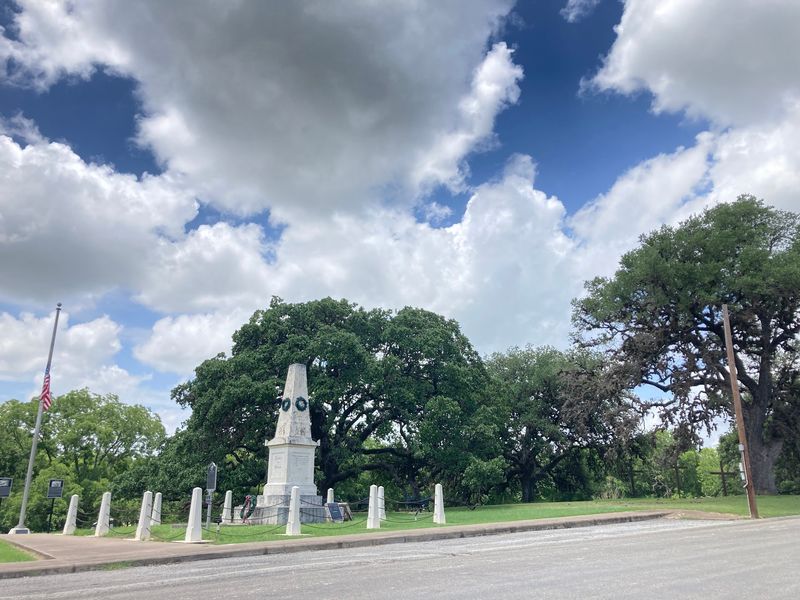
History buffs often call Comfort a time capsule, and the label fits. German freethinkers, known as Freidenker, founded the community in 1854, and its historic district ranks among the most intact 19th-century German districts in Texas.
Stroll the main street and admire buildings made from native limestone. The careful German craftsmanship still shows in every sturdy wall and neat corner.
With about 2,400 residents and no rush to modernize, Comfort feels calm and genuine.
Make time for the Treue der Union monument, a historic landmark tied to the town’s early German settlers. It adds depth to a visit that might start with window shopping.
Bring a camera, wear comfy shoes, and let the old stone streets slow you down.
8. Luckenbach
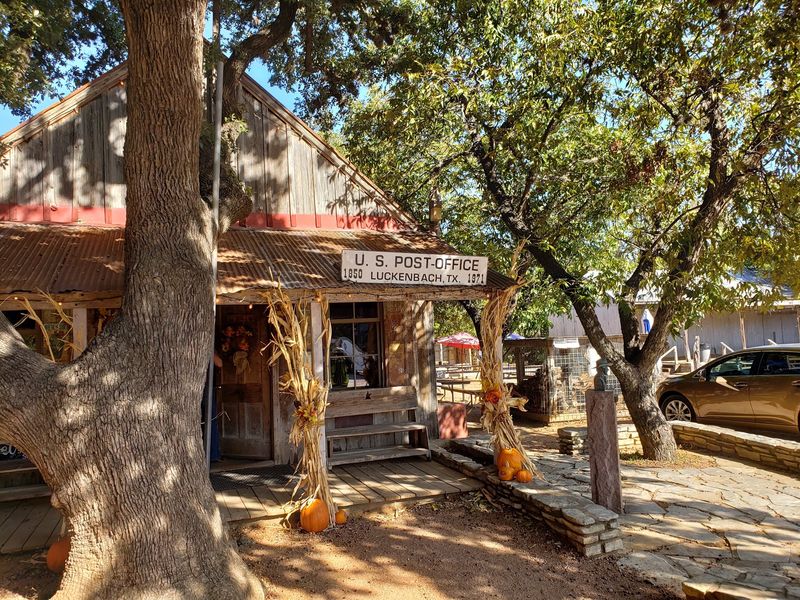
Population: just a handful. Luckenbach might be the smallest stop on this list, but it carries a big place in Texas hearts.
German immigrant brothers August and William Luckenbach set up a trading post here in the 1840s, and the community took its name from Minna Luckenbach. Today the heart of the hamlet is its historic 1800s general store, post office, and dance hall, all sitting under shady oaks.
Nothing fancy happens, and that is the point. You come to soak up the rustic setting, hear some music, and feel the settler roots of German Texas.
Pair it with nearby Fredericksburg for a day that tastes, sounds, and looks like a trip across the ocean without ever leaving the state.