Roughly 367 miles of mine tunnels run beneath one sleepy foothill town. Above all that hollowed-out rock, people stroll to coffee and wave at neighbors.
I love that contrast.
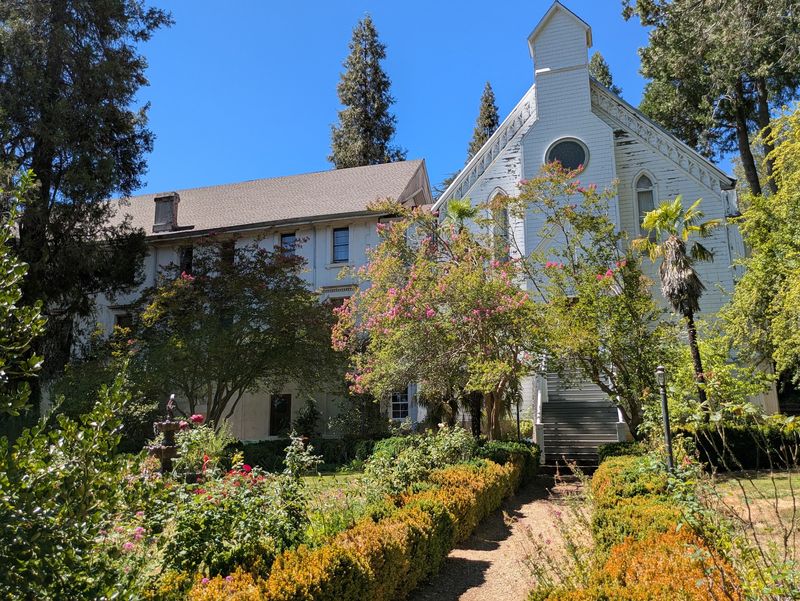
The mine that dug those tunnels pulled gold from the ground for over a century. It closed in 1956, and today it’s a state park with a stately stone cottage and formal gardens.
Not bad for a former workplace.
The town also kept something rarer than gold. Cornish miners arrived generations ago, and their pasties and Christmas carols never really left.
In fast-changing California, that kind of staying power feels like a small act of preservation.
So it makes sense that retirees are paying attention. Slower streets, four real seasons, and history around every corner make a strong case.
Could this be the place where your next chapter begins?
A Foothill City That Still Answers To Its Gold Rush Roots
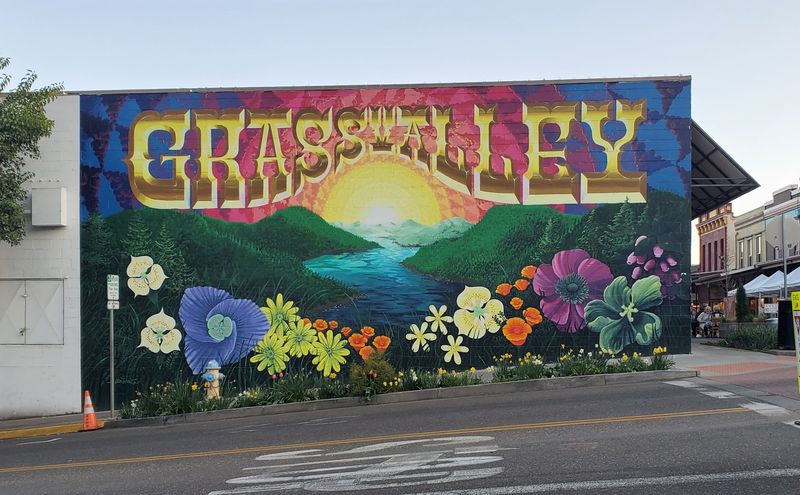
Grass Valley sits in the western Sierra Nevada foothills of Nevada County, California. Its neighbor, Nevada City, is only a few miles up the road.
The 2020 census counted 14,016 residents here. That’s big enough for real grocery stores, yet small enough that downtown never feels like a maze.
Elevation matters in this part of the state. The town sits at roughly 2,400 feet, above the valley fog and below the heavy mountain snow.
That middle ground gives Grass Valley a genuine four-season rhythm. Spring brings green hillsides, while autumn paints the trees in shades the Central Valley rarely sees.
Gold built the place, and nobody here pretends otherwise. Old brick storefronts, mine headframes, and historic markers keep the story front and center.
What surprises many newcomers is how lived-in it all feels. The history isn’t roped off behind velvet ropes, because people still shop, eat, and gather inside it.
For retirees weighing a move, that blend is the whole appeal. You get small-town calm with a past deep enough to keep you curious for years.
The Shiny Rock That Turned A Camp Into A Mining Capital
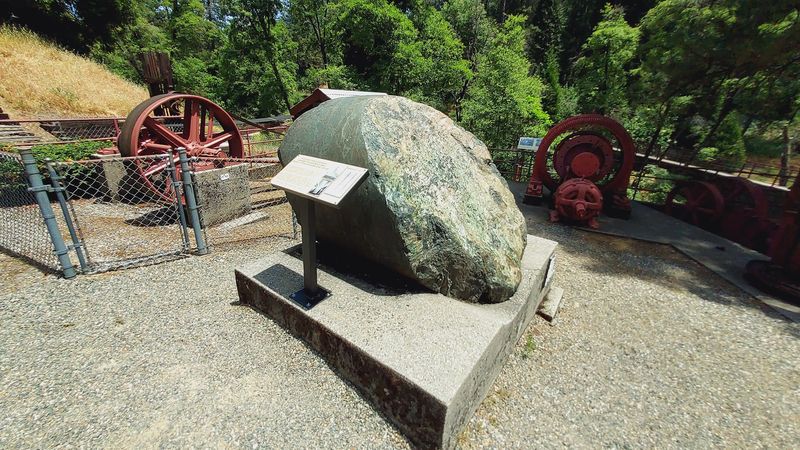
Legend credits a man named George Knight with a lucky stumble in 1850. He reportedly found gold embedded in quartz on Gold Hill, and the town’s future shifted overnight.
Why does quartz matter so much? Placer gold in streams eventually runs out, but gold locked in rock veins can run deep underground.
That discovery pushed Grass Valley toward hard-rock mining instead of quick pan-and-go prospecting. Hard-rock mining required machinery, money, and skilled workers who planned to stay.
So while many California camps faded into ghost towns, Grass Valley put down roots. Mines like the Empire and the North Star kept producing for roughly a century.
Skilled miners arrived from Cornwall, England, bringing deep-mining know-how from home. Their influence still shapes local food, music, and holiday traditions today.
The long mining era left a town built for permanence. Solid buildings, established neighborhoods, and community institutions grew alongside the shafts below.
That staying power is a big reason the town feels settled rather than staged. Retirees who appreciate continuity will find it written into the very hillsides.
A Legendary Mine Where You Can Peer Down The Main Shaft
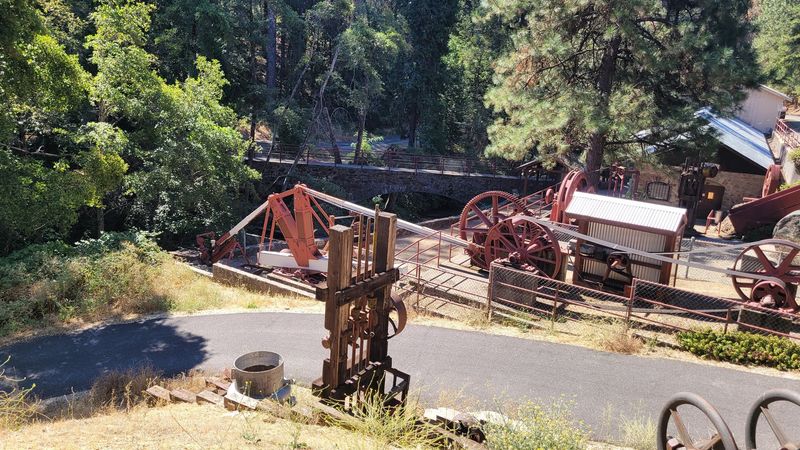
Few mines anywhere can match the numbers behind Empire Mine State Historic Park. It produced about 5.8 million ounces of gold between 1850 and 1956.
Underground, the operation stretched across roughly 367 miles of tunnels. Some shafts plunged thousands of feet below the pine-covered surface.
Today the park sits at 10791 East Empire Street, Grass Valley, CA 95945. California State Parks protects the historic mine yard, buildings, and surrounding acreage.
Visitors can view the mine yard and peer into the main shaft entrance. Historic equipment and buildings help explain how miners worked deep beneath the hills.
Docent-led tours and living history programs often run, especially on weekends. Schedules can shift by season, so checking ahead before a visit is smart.
The park also connects to a network of trails through the forest. That makes it as useful for a morning walk as it is for a history lesson.
For retirees, it’s the kind of local treasure you can return to again and again. Bring the grandkids once, then come back alone for the quiet trails.
Stone Walls, Rose Gardens, And A Mine Owner’s Country Retreat
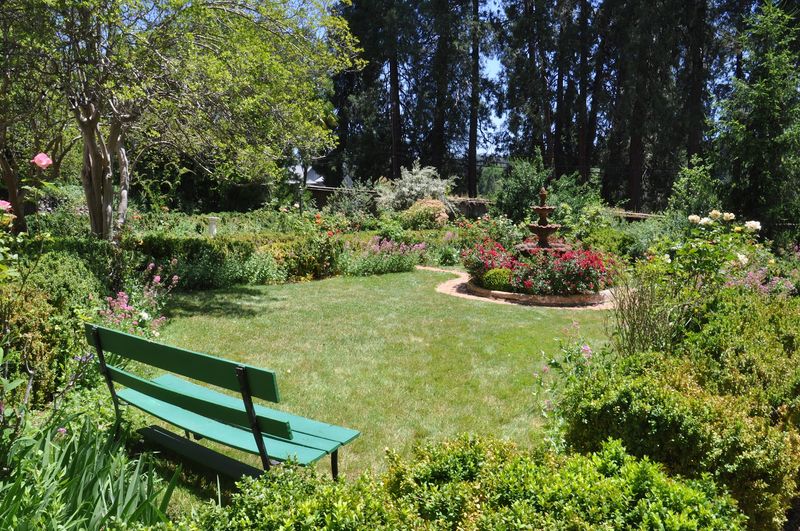
Mine owners rarely lived humbly, and William Bourn Jr. was no exception. His Bourn Cottage at the Empire Mine reads more like an English country manor.
The renowned architect Willis Polk designed the home in the late 1890s. Its walls were built from waste rock pulled from the mine itself.
That’s a clever bit of recycling, wrapped in serious craftsmanship. The leaded glass windows and redwood interiors show off a gentleman’s taste for quality.
Formal gardens surround the cottage, complete with fountains and reflecting pools. Roses are a highlight, with many heirloom varieties planted across the grounds.
Gardeners will likely want to linger here longer than planned. Spring and early summer tend to show the grounds at their most colorful.
Bourn also had ties to Filoli, the famous estate on the San Francisco Peninsula. His Grass Valley retreat offers a smaller, more personal glimpse of that same elegant vision.
A garden stroll followed by a slow lunch downtown makes an easy outing. Some retirement days really do write themselves.
The Giant Water Wheel Hiding In A Stone Powerhouse
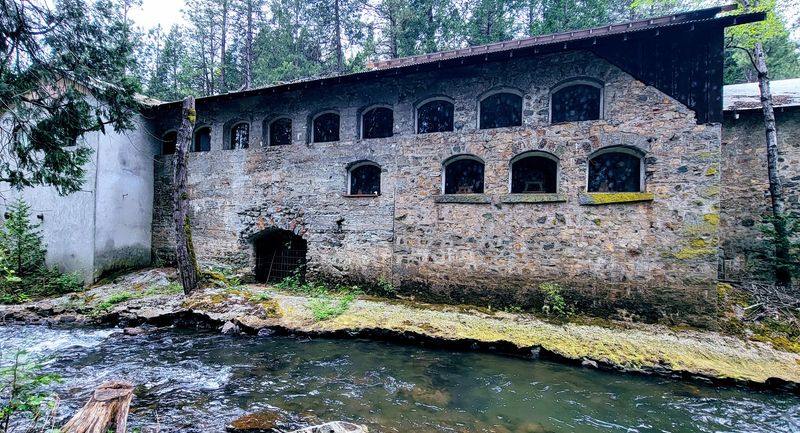
Thirty feet tall. That’s the size of the massive Pelton wheel inside the North Star Mining Museum, and it’s a jaw-dropper.
The museum occupies the historic North Star Powerhouse, a stone building beside Wolf Creek. The Pelton wheel was once used to compress air for the North Star Mine.
Pelton wheels were a California invention, refined in the Gold Country. They turned rushing mountain water into power that drove mining equipment far underground.
Inside, displays of mining machinery and tools fill out the story. Engineering fans and retired tinkerers will probably feel right at home.
The Nevada County Historical Society operates the museum. It typically opens seasonally, generally from late spring into fall, so confirm hours before heading out.
Outside, a picnic area and creekside setting add a relaxed feel. It’s an easy spot to slow down after soaking up all that mechanical history.
Model railroaders and hobby machinists tend to love places like this. The craftsmanship on display is a reminder of what local hands once built.
Cornish Pasties Are Practically A Local Love Language
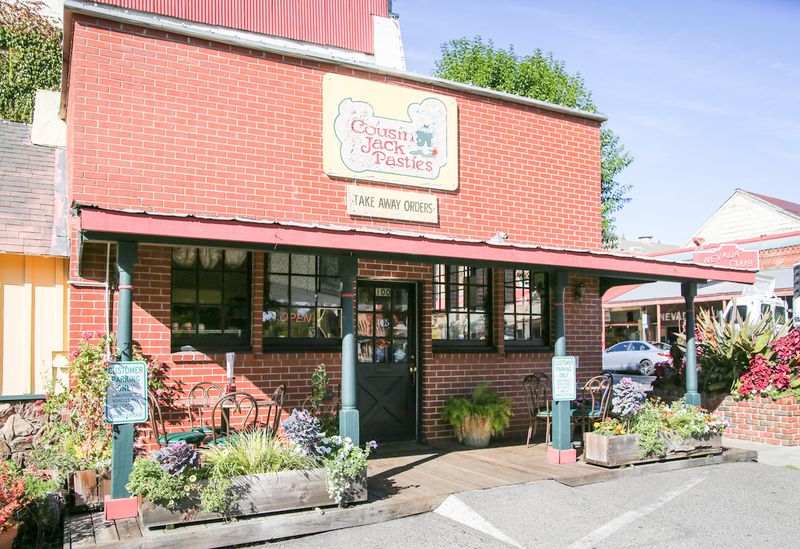
Hungry miners needed lunch that could survive a long shift underground. Cornish families answered with the pasty, a sturdy hand pie filled with meat and vegetables.
Cornish immigrants poured into Grass Valley during the hard-rock mining boom. They brought deep-mining skills, Methodist hymns, and their beloved pasties.
Generations later, pasties remain part of the town’s identity. Several local spots have long served them, keeping the tradition alive for new residents.
Grass Valley also maintains a sister-city relationship with Bodmin in Cornwall. That connection adds a nice transatlantic twist to everyday small-town life.
Music carried over too. The Grass Valley Cornish Carol Choir has roots stretching back to the mining era and still performs holiday carols.
Descendants of Cornish families will likely find this deeply moving. Few places in California keep an immigrant heritage this visible and this lovingly tended.
For everyone else, it’s simply delicious history. Grabbing a warm pasty on a chilly foothill afternoon might become your new favorite ritual.
A Scandalous Dancer And Her Tiny Protégé Once Lived Here
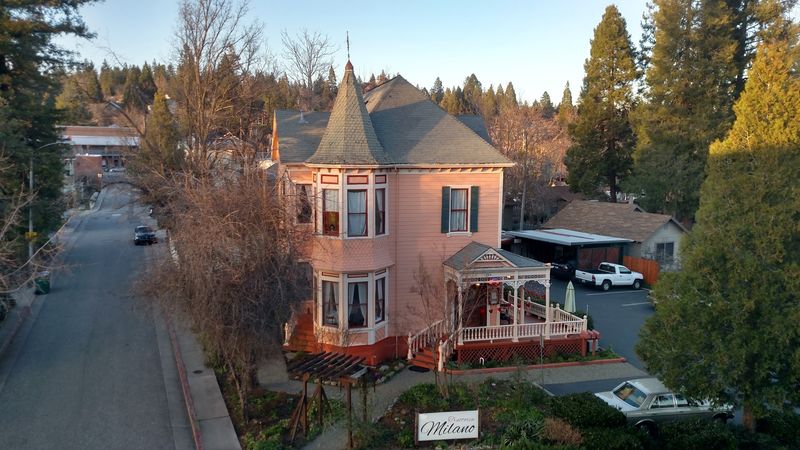
Celebrity gossip in the 1850s often centered on Lola Montez. The famous dancer, known for her dramatic Spider Dance, settled in Grass Valley in 1853.
She had already charmed European high society, including King Ludwig I of Bavaria. Then she chose a muddy California mining town for a quieter chapter.
Sound familiar? She might have been the town’s first high-profile retiree, at least for a while.
A reconstruction of her home stands downtown, marked as a California Historical Landmark. It’s a fun stop for anyone who enjoys a colorful backstory.
Her neighbor Lotta Crabtree was just a young girl at the time. According to local lore, Montez encouraged her dancing, and Lotta later became one of America’s wealthiest entertainers.
The Lotta Crabtree house sits nearby, carrying its own landmark status. Together, these two women add sparkle to Grass Valley’s rough-and-tumble mining past.
Walking between both sites takes only minutes. It’s a pleasant reminder that the Gold Rush drew dreamers of every kind, not just prospectors.
Brick Storefronts Where Errands Feel Like A Pleasant Stroll
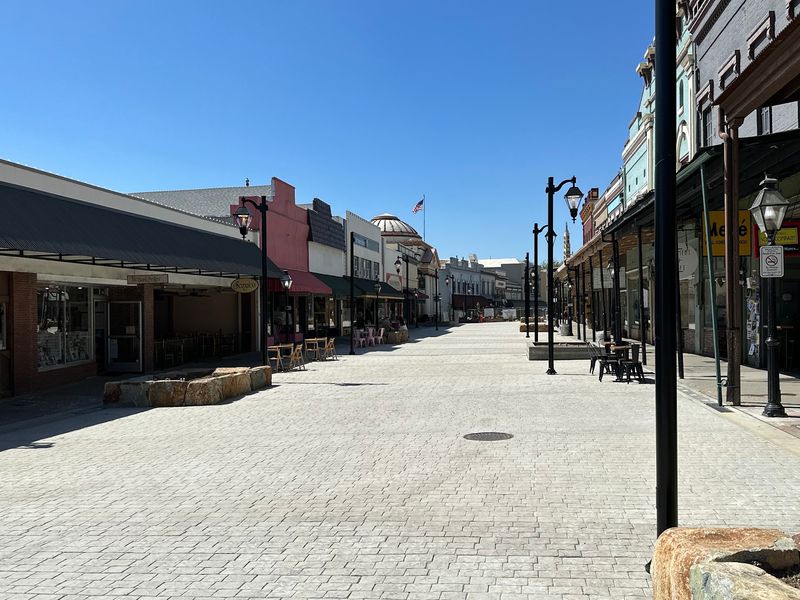
Main Street and Mill Street form the heart of downtown Grass Valley. Historic brick buildings line the blocks, filled with shops, cafes, and local businesses.
The Holbrooke Hotel anchors the scene, dating back to 1862. After a major restoration, it continues to welcome guests in the middle of downtown.
Not many California towns can claim a hotel with that kind of longevity. It’s a living link between the mining era and modern weekend getaways.
Arts lovers get a strong anchor too. The Center for the Arts hosts concerts, theater, and community events inside its downtown venue.
Book browsers, antique hunters, and gift shoppers can easily fill an afternoon. Independent shops give the downtown a personal feel that chain stores rarely match.
Retirees often look for exactly this kind of walkable core. Coffee, a show, and dinner can happen within a few easy blocks.
Parking is generally manageable compared to bigger cities. That alone may earn a sigh of relief from anyone who escaped Bay Area traffic.
Carols In December, Street Markets In Summer
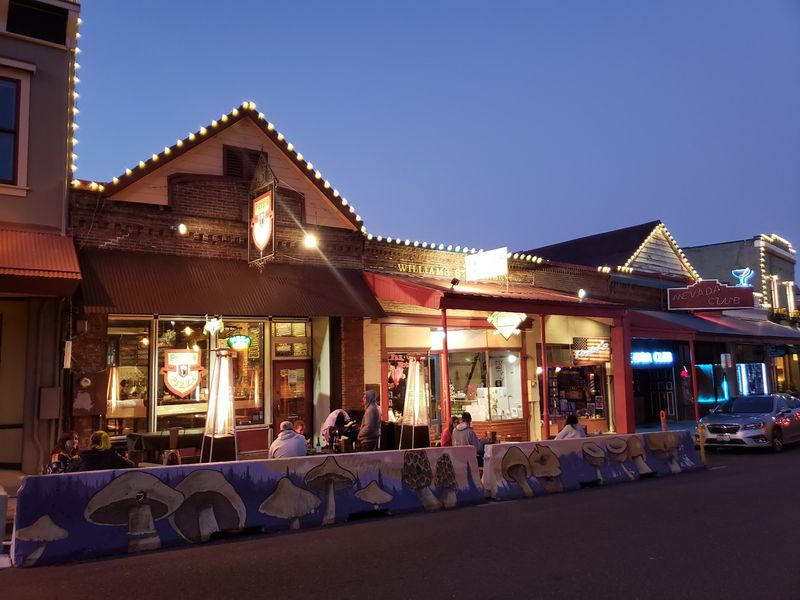
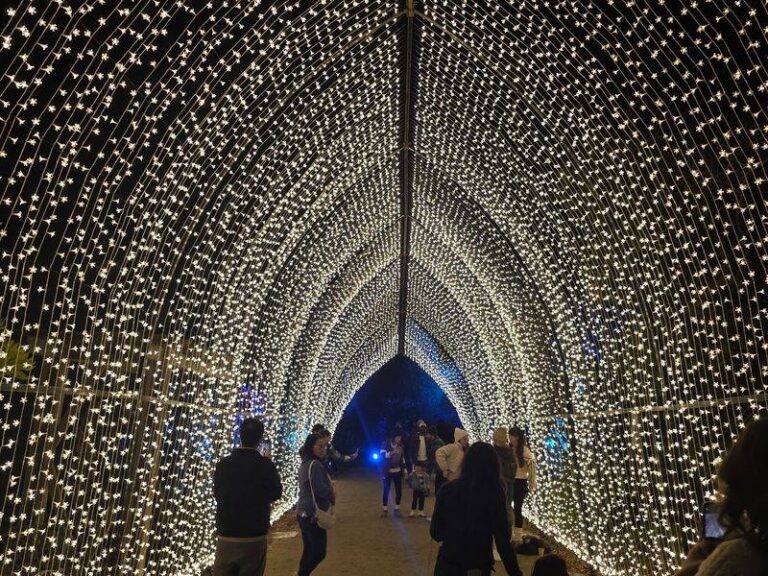
Strings of holiday lights. Carolers on street corners.
Cornish Christmas transforms downtown Grass Valley into a festive pedestrian zone on select evenings in December.
The celebration honors the town’s Cornish heritage with music, vendors, and food. Families and longtime residents tend to make it an annual tradition.
Summer brings a different kind of energy. The Thursday Night Market fills downtown streets with vendors, live music, and plenty of evening strolling.
Warm foothill evenings make those markets especially appealing. Bring a light jacket, though, since temperatures can dip after sunset.
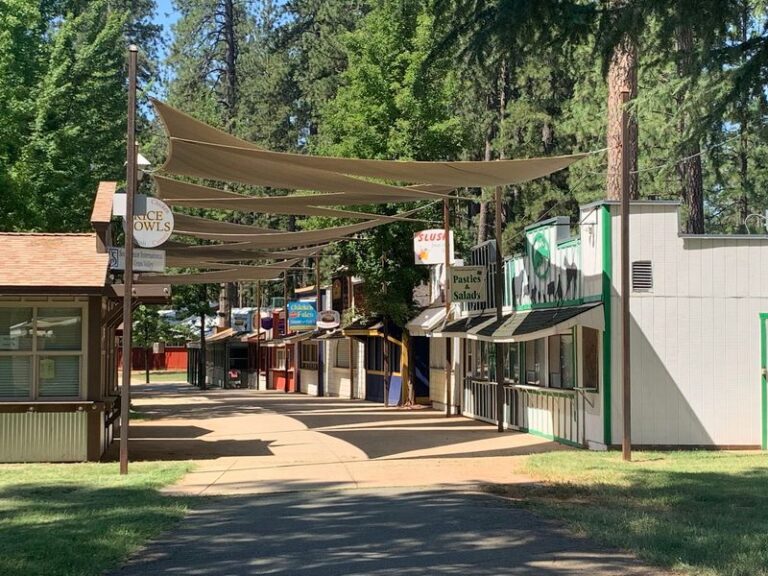
August often belongs to the Nevada County Fair, held at the fairgrounds in Grass Valley. The tree-shaded grounds are frequently praised as some of the prettiest in California.
Fairs, livestock shows, and craft exhibits feel wonderfully old-fashioned. Quilters and crafters will want to look for the exhibit halls.
Event dates can change from year to year. Checking the city or fair calendars before planning a visit is always wise.
Pine Trails And River Pools Just Beyond Town
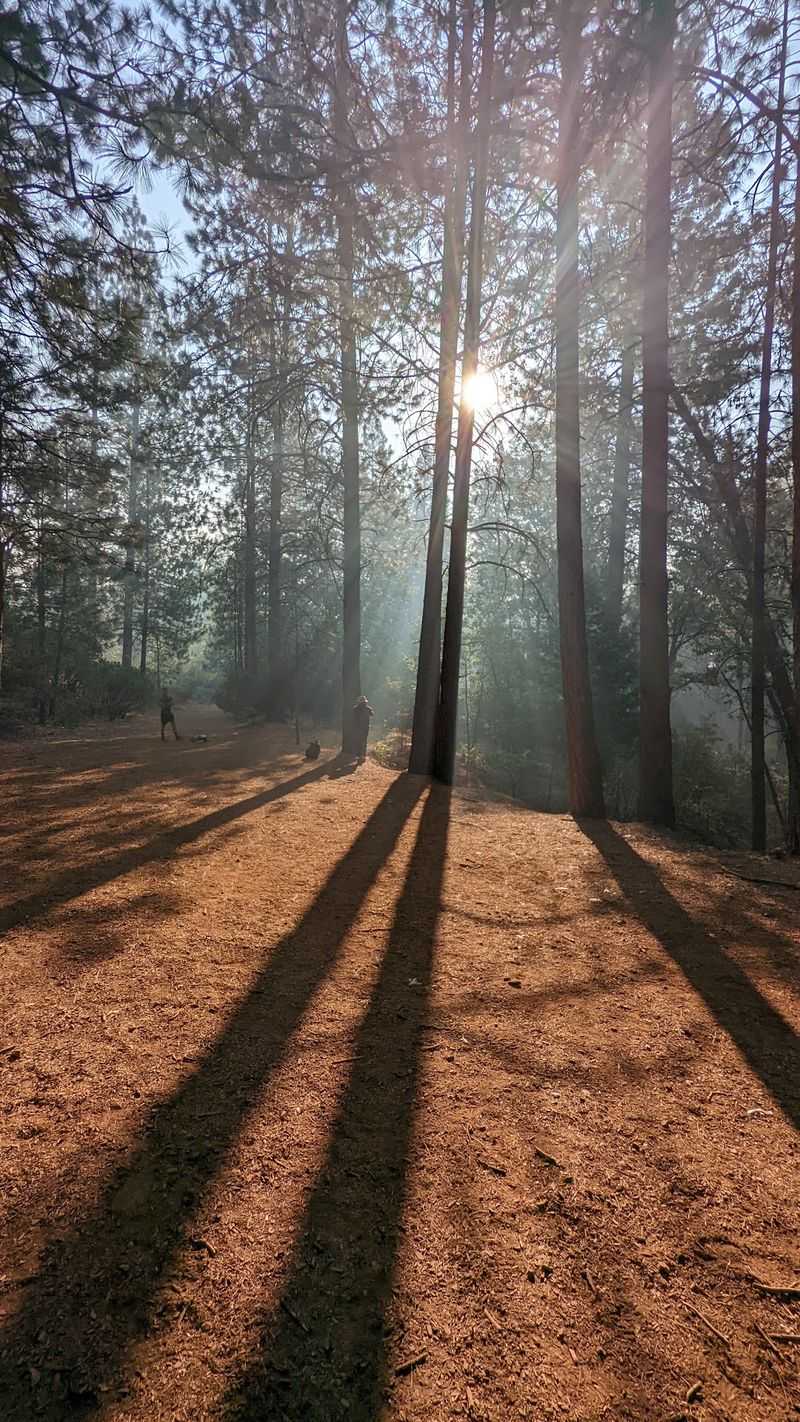
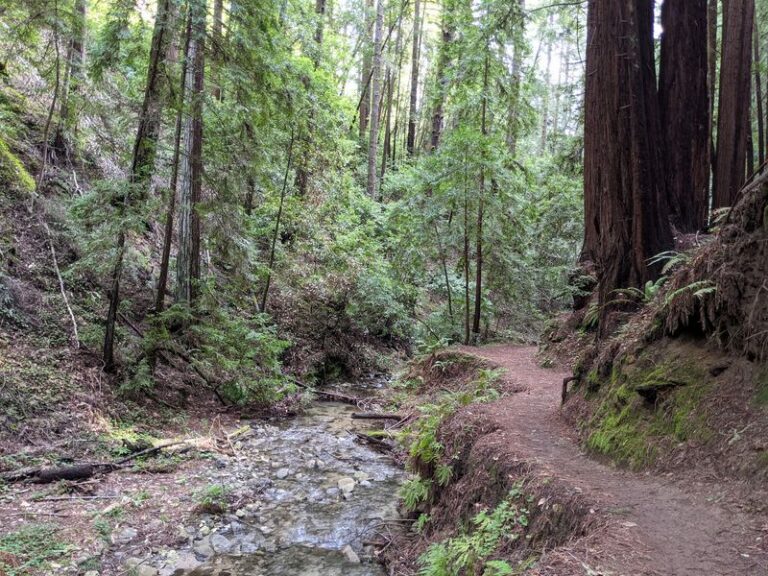
Lace up your walking shoes, because the outdoors starts almost immediately. Empire Mine State Historic Park alone offers miles of forested trails.
Many of those paths follow old mining routes through pine and oak woodland. They’re often gentle enough for a relaxed morning walk.
Condon Park, in town, adds sports fields and wooded trails. It’s a handy spot for a quick loop without driving far.
A scenic drive north leads toward South Yuba River State Park. The river can sparkle with clear green pools framed by granite boulders.
The park is known for its historic Bridgeport covered bridge. River conditions vary with the seasons, so check water levels and safety notices before wading in.
Fall can bring lovely color to the foothills around Grass Valley. Cooler days also make hiking far more comfortable than midsummer.
Retirees who want an active lifestyle will find plenty of options. Even a short stroll among the pines can turn into the best part of the day.
Why Retirees Keep Circling This Foothill Town
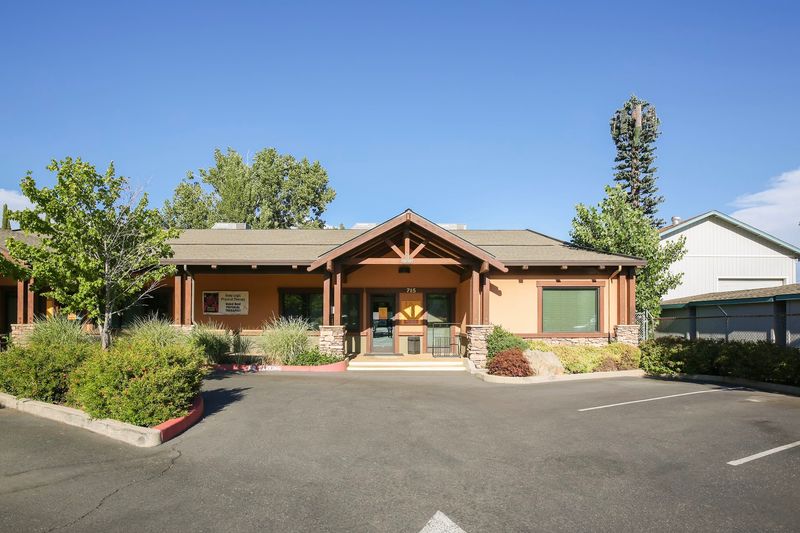
Slower days are the real luxury here. Grass Valley offers small-town rhythm without feeling isolated from the rest of Northern California.
Healthcare access matters for anyone planning ahead. Sierra Nevada Memorial Hospital operates in Grass Valley, a reassuring presence for many households.
Four genuine seasons appeal to people weary of endless heat or fog. Snow may dust the town occasionally, but it usually doesn’t linger long at this elevation.
Community life runs strong through arts groups, historical societies, and local events. Volunteering at museums or festivals can be a natural way to meet neighbors.
Nevada City’s shops and theaters sit just minutes away. Having two historic downtowns this close doubles the options for weekend wandering.
Housing costs and availability shift constantly, so research the current market carefully. Visiting during different seasons can also help you picture daily life.
Still, the overall picture is hard to ignore. Many retirees want history, nature, and friendly streets, and this town checks all three boxes.
Easy Routes Up Into Gold Country
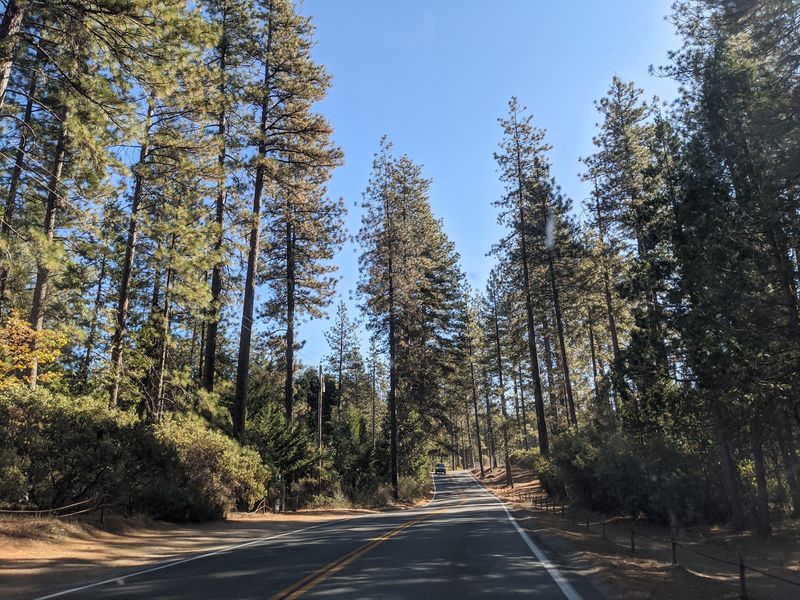
Getting here is refreshingly simple for most Northern Californians. Grass Valley sits where State Route 49 meets State Route 20.
From Sacramento, the drive typically takes around an hour via Interstate 80 and Highway 49. Traffic and weather can stretch that time, especially on busy weekends.
Bay Area residents can reach town in a few hours. That makes Grass Valley a realistic weekend escape or scouting trip before a bigger move.
Highway 49 itself is a famous Gold Country route. It links Grass Valley with other historic foothill towns to the north and south.
Winter storms occasionally bring snow or chain controls to higher elevations. Checking Caltrans road conditions before driving is a smart habit.
Downtown parking includes street spaces and public lots. Once parked, most of the historic core is comfortable to explore on foot.
For airport travel, Sacramento International is the most practical major option. The drive back up the hill feels a little like coming home.
A Golden Chapter Worth Considering
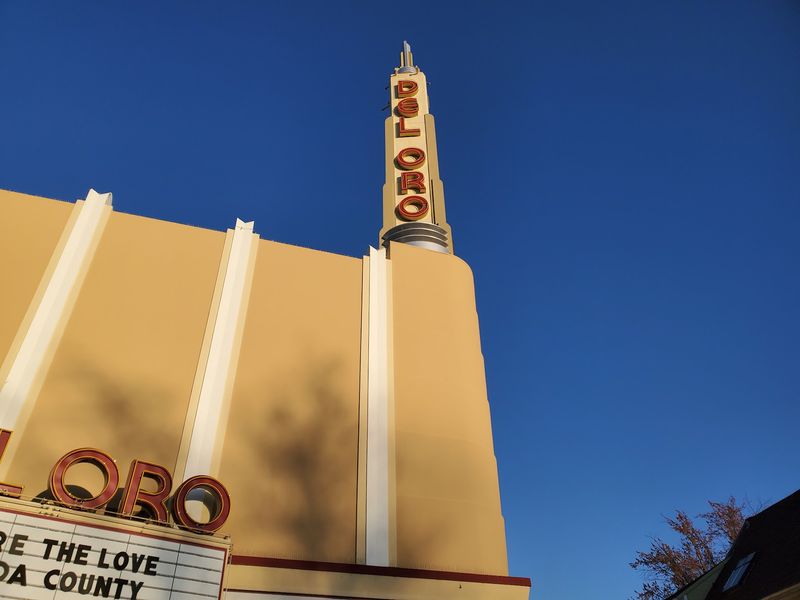
Gold made Grass Valley famous, but its people made it last. That difference shows up everywhere, from old Cornish carols to restored brick storefronts.
Plenty of Gold Rush camps vanished once the ore ran out. This one kept going, adapting without erasing its past.
For retirees, that resilience feels encouraging. It suggests a community that values roots while still welcoming new faces.
The appeal is easy to list but harder to fully explain. Mine history, rose gardens, river trails, and holiday traditions all blend into a gentle, steady way of life.
I believe a single weekend visit can say more than any article. Walk Main Street, tour the Empire Mine, and grab a pasty along the way.
Then pay attention to how the pace feels. If your shoulders drop a little, that might be your answer.
Grass Valley won’t shout for your attention, and that’s part of its charm. It’s a true California secret worth a day trip, and possibly a whole new chapter.