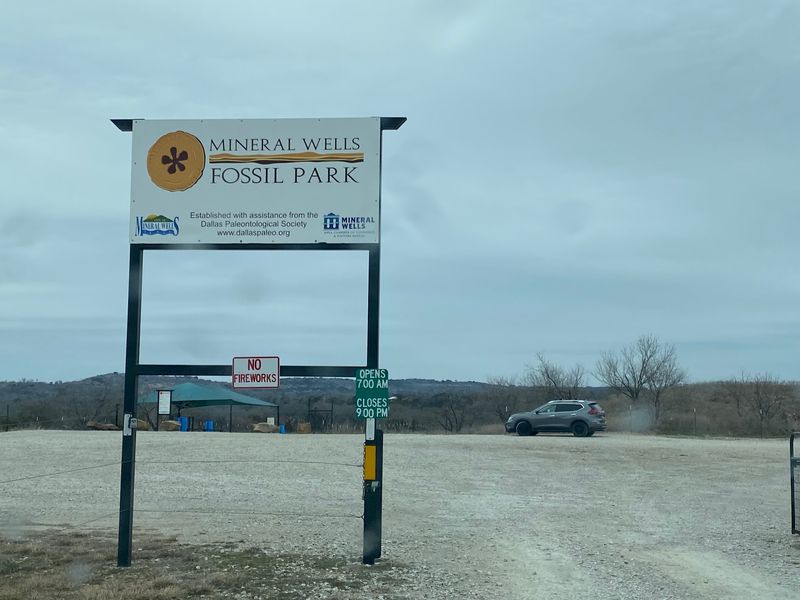
Some of the best Texas road trip stops look like nothing at all from the parking lot, just gravel, scrub, and a covered picnic table baking in the sun. Then you look down and realize the ground is covered in tiny ocean creatures older than the dinosaurs.
There is no ticket booth, no gift shop, and no fancy signage, only a bare hillside that quietly hands kids real treasure. If you have ever wanted a day trip that costs nothing and still sends everyone home with full pockets and big questions, keep reading.
A Free Fossil Field West of Fort Worth
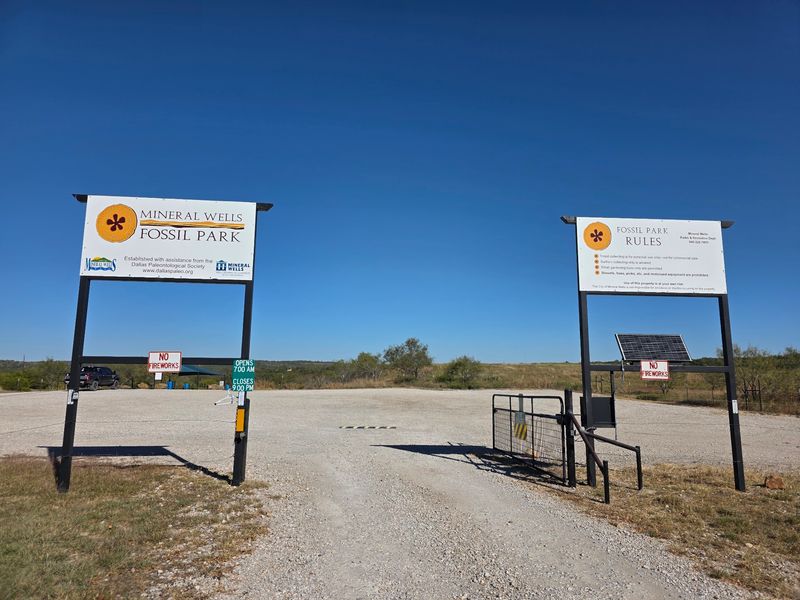
Out in Palo Pinto County, at the end of Indian Creek Road, sits an eight-acre patch of rocky ground called Mineral Wells Fossil Park. The address is 2375 Indian Creek Rd, Mineral Wells, TX 76067, and admission costs exactly zero dollars.
Calling it a park is a little generous, and that is part of the charm. Visitors often point out that it is not a typical park at all, but a public dig site where you are allowed to pick up and keep what you find.
No swings, no splash pad, no snack bar. What you get instead is a gently sloped field of gray earth sprinkled with remains of creatures that lived in a warm, shallow sea roughly 300 million years ago.
The City of Mineral Wells maintains the site in partnership with the Dallas Paleontological Society, so the rules are clear and posted both online and on location. Collecting is for personal use only, which keeps the place feeling like a shared backyard rather than a business.
For Texas families who still believe the best outings come without a price tag, this spot checks every box.
From Landfill Borrow Pit to Prehistoric Time Capsule
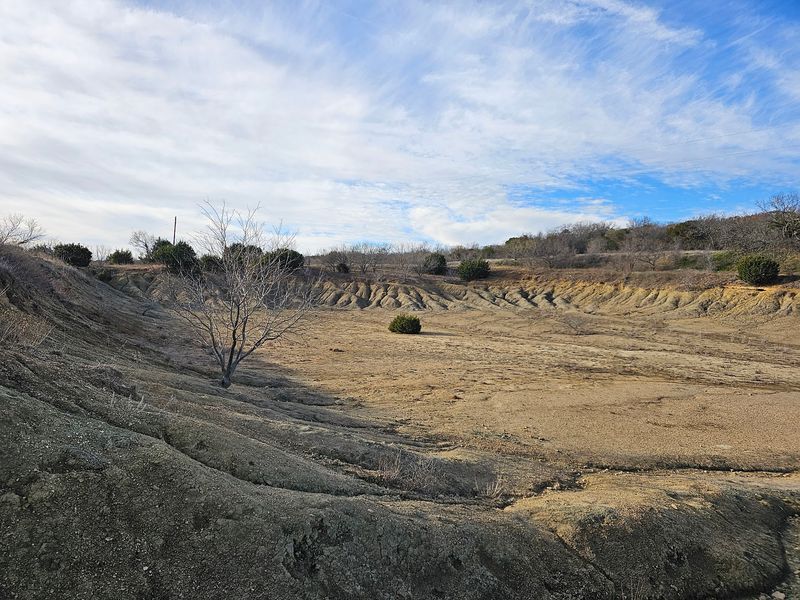
Here is a backstory nobody would put in a brochure: the park started life as a borrow pit for the city landfill. Crews dug dirt out of this ground to cover trash, and when the landfill closed in the early 1990s, the hole was simply left alone.
Nature did the rest. Over roughly two decades, rain and wind wore away the loose soil and uncovered a fossil bed packed with marine life from the Pennsylvanian Period.
That era came tens of millions of years before the first dinosaurs. North Central Texas was underwater back then, covered by a warm, shallow ocean full of sea lilies, clams, and odd little shelled animals.
Someone eventually noticed the ground was glittering with history, and the city turned the old pit into a place where anyone can come look. It is a very Texas kind of story, practical and unpolished, with a surprise ending.
Every new storm still keeps the work going. Each rain can wash fresh fossils to the surface, so the field is never quite the same twice.
Crinoid Buttons Underfoot
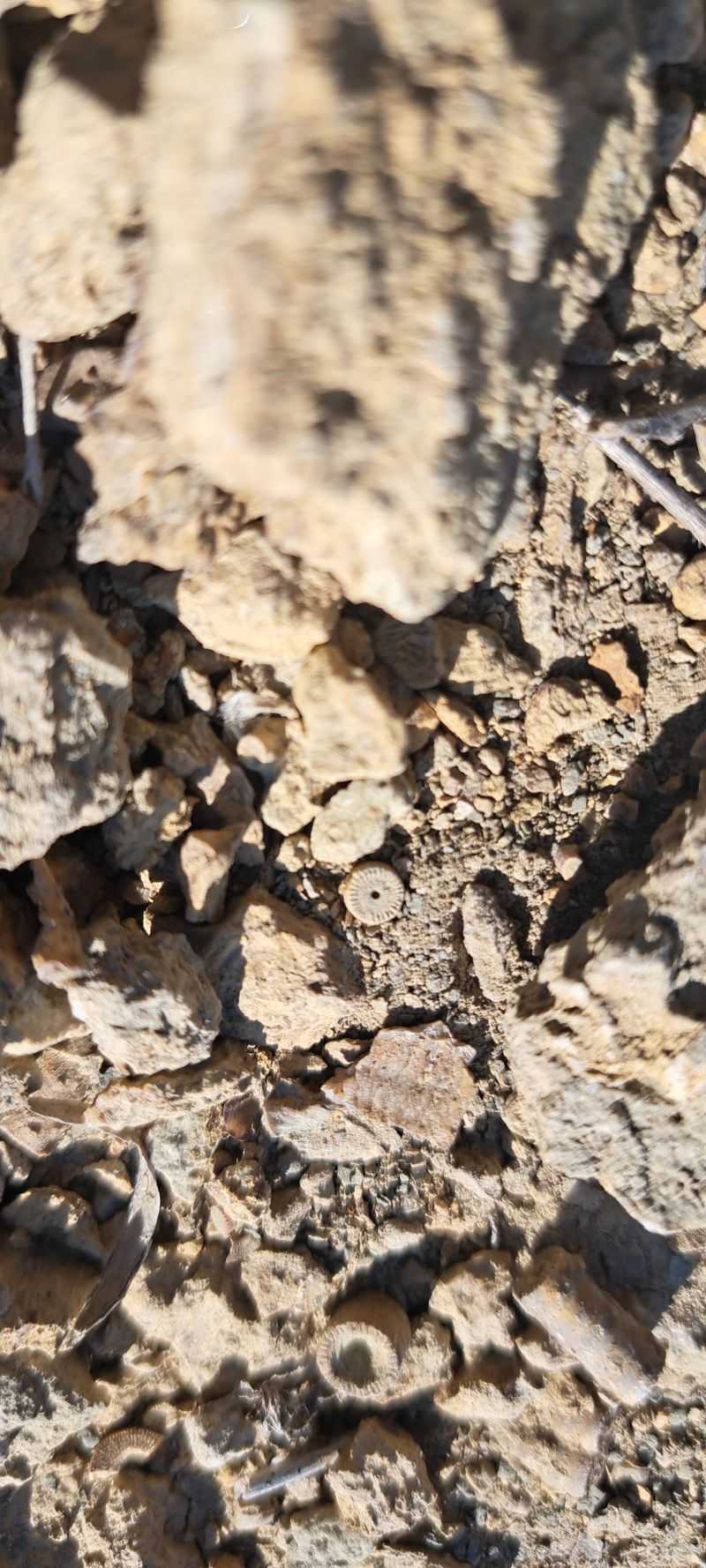
Kneel down anywhere and you will probably spot them within minutes: little round discs with a hole in the middle, like stone buttons or beads. Those are crinoid segments, pieces of the stalks of ancient sea lilies.
Locals sometimes call them Indian beads, and one longtime resident described bringing a baggie for an endless supply of them. Visitors regularly say crinoid stems are the easiest find of the day, even on short visits cut short by heat.
Crinoids look like plants but were actually animals, anchored to the sea floor and waving feathery arms to catch food. Some pieces come out as single buttons, while lucky hunters pull up short stacked stalks still joined together.
Most are pea-sized or smaller. That sounds underwhelming until a seven-year-old has a whole fistful and starts sorting them by size on the picnic table.
Patience pays off here. As one family put it, once you spot one fossil, you suddenly start spotting them everywhere.
Brachiopods, Clams, and a Whole Sea of Shells
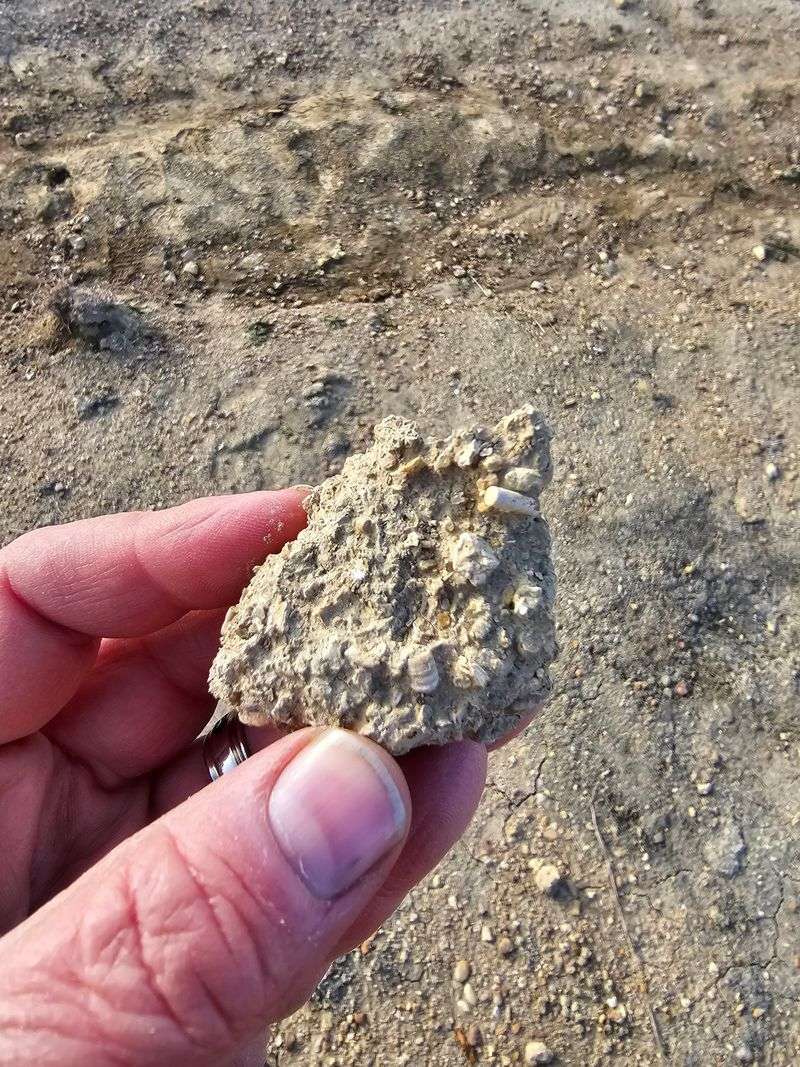
Shells are the headline act, and the variety surprises people. Brachiopods, ancient shelled creatures that look a bit like clams, turn up all over the slopes.
Real bivalves show up too, including old clam and oyster shells. Visitors have also reported coral, bryozoans, gastropods coated in limestone, nautiloids, and plates and spines from echinoids, which are prehistoric sea urchins.
One summer visitor who had the park to herself listed crinoid plates, gastropods, nautiloids, and urchin spines in a single trip. Another came away with a colorful partial trilobite plus some coral, oyster pieces, and clam shells.
Rock lovers get a bonus. Hunters mention finding red and brown chalcedony, jasper, and pink or cloudy quartz mixed in with the fossils.
Bring a few zip-lock bags and plan to sort at home. Washing the dust off later is when many of these little shells finally show their ridges and patterns.
The Rare Finds Worth Bragging About
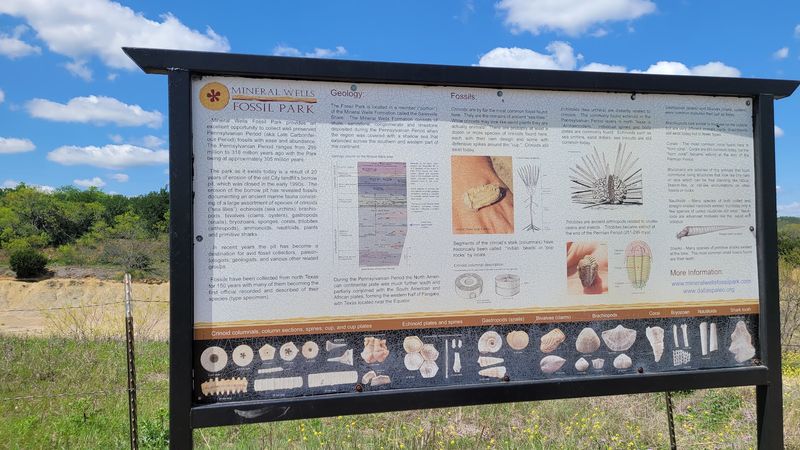
Ask any regular what they really hope to find, and two answers come up: trilobites and shark teeth. Both are possible here, though neither shows up on every visit.
Trilobites were armored, many-legged sea creatures that crawled across the ancient ocean floor. Finding even a fragment counts as a big win, and visitors who land one tend to talk about it for a long time.
The shark teeth are a fun twist. Sharks from this era were plant-eaters with blunt teeth, so do not expect the sharp triangles you see at Gulf Coast beaches.
That bluntness makes them tricky to recognize. More than one hunter has gone home unsure whether a little nub was a tooth or just an odd pebble.
Kids love having a rare target to chase. It turns an easy shell hunt into a real treasure quest, with bragging rights waiting for whoever spots the prize first.
Open Ground Made for Young Explorers
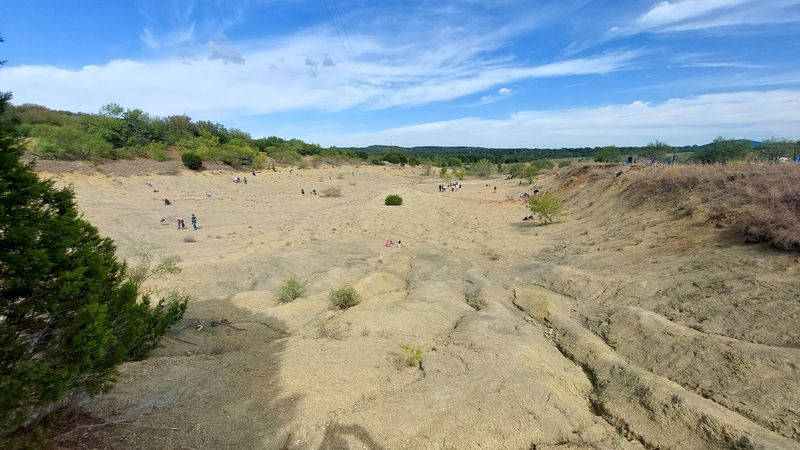
Parents tend to relax the moment they arrive, and there is a good reason. The fossil area is wide and open, so you can watch your kids wherever they wander.
A homeschooling mom from College Station called that visibility her favorite part. Her children roamed up, down, and around the slopes, and she never felt she had to hover.
There is no playground equipment, but nobody seems to miss it. Kids run, climb the side hills, sit right down in the dirt, and fill their bags.
The digging is easy too. Fossils lie right on the surface, and one family said a simple dinner spoon was the only tool they needed.
Adults get pulled in faster than expected. Plenty of grownups who came just to supervise end up hunched over a patch of ground, just as hooked as the little ones.
Wildlife adds extra fun, with rabbits hopping through the brush, so it helps to remind curious kids to stay out of the thickets.
Shade, Picnic Tables, and the Simple Comforts
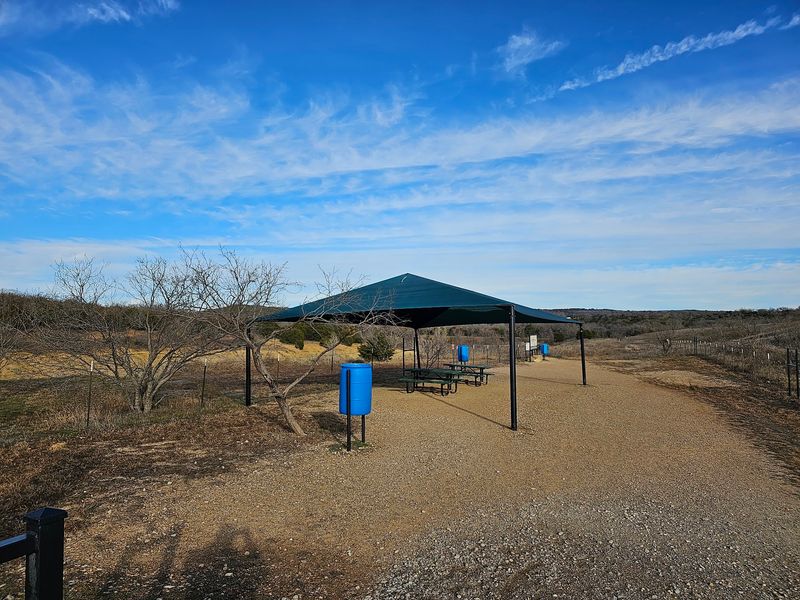
Comforts are basic, and honestly that suits the place. A covered shelter with picnic tables sits near the parking area, giving everyone a shaded spot for lunch and fossil sorting.
Families love having somewhere cool to eat between hunts. Pack sandwiches and snacks, since there is nothing to buy on site.
Porta-potties are available by the parking lot, and visitors have mentioned one is handicap accessible. Opinions on their condition vary from clean to about what you would expect.
Getting around is manageable for many visitors. A gradual incline leads down into the fossil area along a gravel path, and some say it works for a wheelchair with sturdy wheels, though strollers will struggle.
A few rules keep things tidy. Pets are not allowed, smoking is not permitted, and large tools like shovels, picks, and hoes are off-limits.
Small trowels and brushes are welcome.
Hours, Heat, and the Dirt Road In
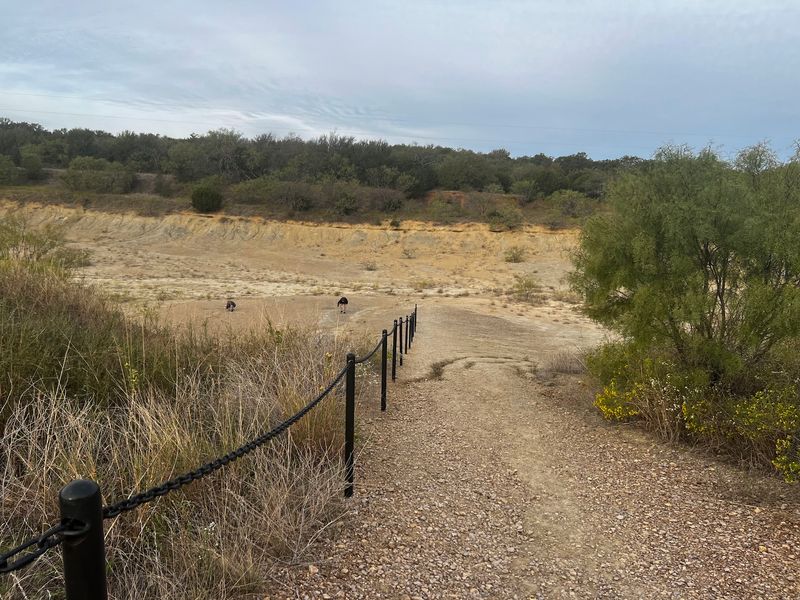
Timing matters more than anything. The park is listed as open daily from 8 AM to 8:30 PM, though some sources mention closing at dusk, so it is smart to check the official site or call 940-328-7803 before heading out.
Summer heat is the real challenge. Shade is scarce in the dig area, and visitors repeatedly warn to come early or risk getting cooked.
Bring water, sunscreen, hats, and bug spray.
Early mornings and the days after a rain may be the best times to hunt, since fresh fossils can wash up. Spring and fall weekends make for a comfortable drive, and a December sunrise visit can mean having the whole field to yourself.
The final stretch is about a mile of gravel road. It is generally well kept and most cars handle it, but expect dust and possibly a truck wash afterward.
Cell service can be spotty, and GPS sometimes stops a little early at a neighboring club. Just keep driving, because the road ends right at the park.
Wear long pants, closed-toe shoes, and maybe knee pads. Loose gravel scrapes easily.
Worth the Drive for Pockets Full of Ancient Seas
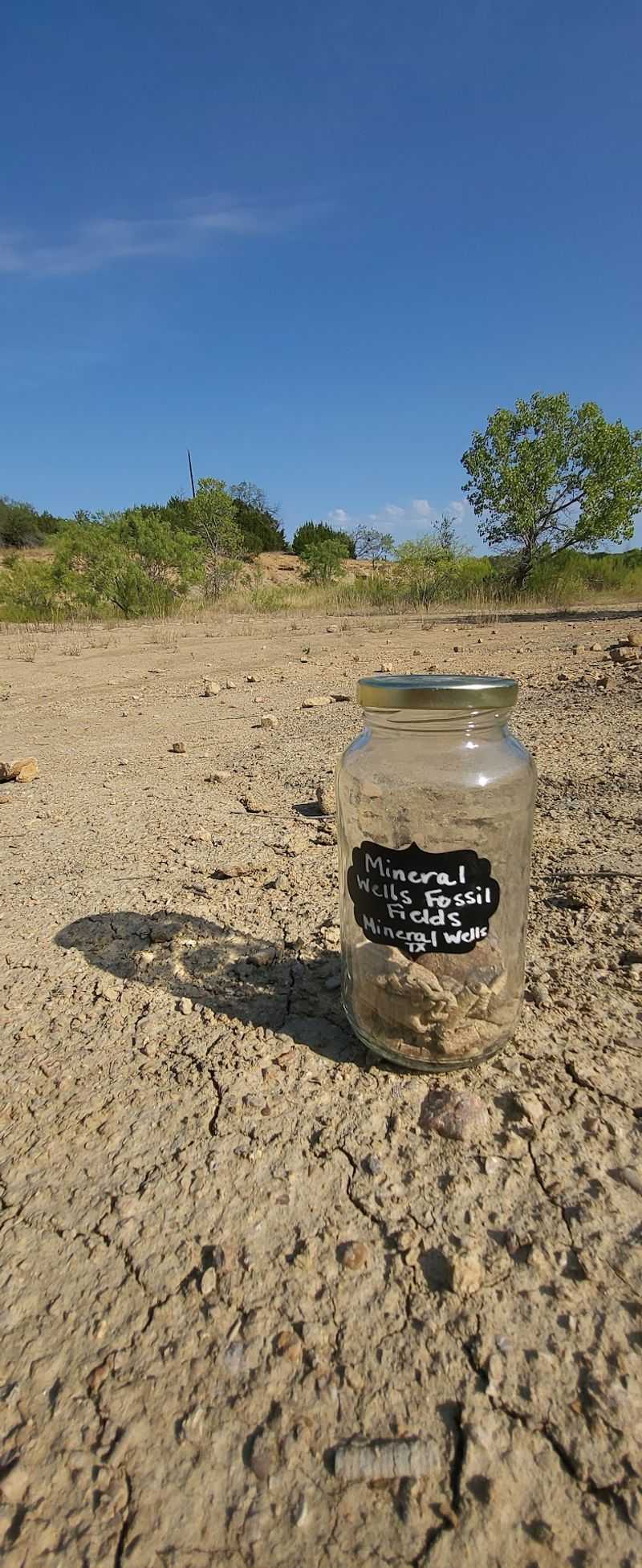
Plenty of Texas attractions charge a small fortune for an afternoon of fun. This one charges nothing and hands you a souvenir older than the dinosaurs.
It is not polished, and nobody is trying to make it fancy. There is a hillside, a shelter, a couple of porta-potties, and millions of years of ocean life scattered at your feet.
That simplicity is the whole point. Kids slow down, notice tiny details, and leave with questions about how a sea ever covered Palo Pinto County.
Plan for two hours or so, pack water and a few bags, and aim for a cooler morning. Pair it with a lunch stop in town and you have an easy, cheap, memorable day trip.
For families who prefer real dirt to screens, this old borrow pit might just become a yearly tradition.