Free admission. Working horses.
Oxen pulling their weight on a farm that still runs on methods from around 1890 to 1910.
That alone got my attention. Then I learned the staff cut ice from a pond in winter, tap trees for maple syrup, and fire up a blacksmith forge.
Kids can gather eggs, fetch water, and meet a resident cat.
I like how this place treats history as something you do, not something you read on a plaque. It sits in a quiet corner of New Jersey that feels far from any highway.
The fields are real, the chores are real, and the crops get grown for a purpose.
I can’t imagine a better way to show kids where food comes from. So what does a century-old farm day actually look like up close?
A Free Working Farm That Doubles As A Museum
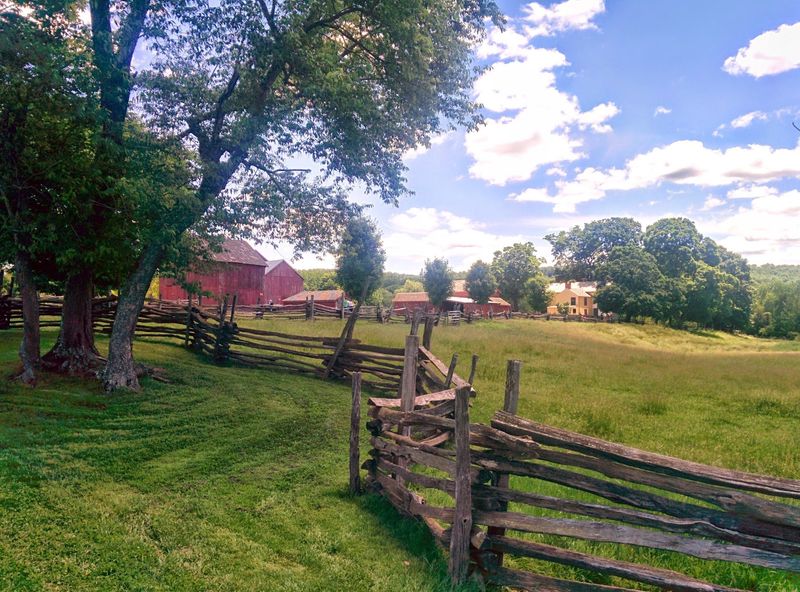
Most museums keep their exhibits behind glass, but Howell Living History Farm keeps its exhibits in pastures and barns. Some of them even need feeding twice a day.
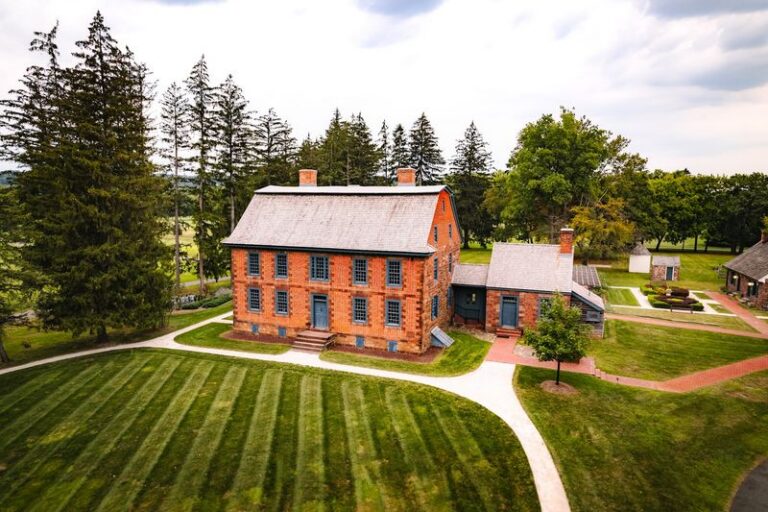
The farm describes itself as a living agriculture museum and an active farm. Its focus covers about 250 years of farm life in the surrounding area.
Costumed staff work the land alongside the animals, so history happens in front of you. Nobody is pretending the plow is decorative.
Here’s the best part for families watching their budgets. Admission is free, and donations are welcome without any pressure attached.
The museum sits in the countryside outside Lambertville, New Jersey, close to the Delaware River region. It earns a 4.8-star rating from more than 500 Google reviews, which is an impressive showing for a place built around chores.
So what about that headline promising antique machines? The farm leans hard into horse power and old-school tools, and tractors roll out mainly during special events like the county 4-H fair.
Think of the whole property as the museum, with every barn holding another chapter.
Farming Like It Is Still Around 1900
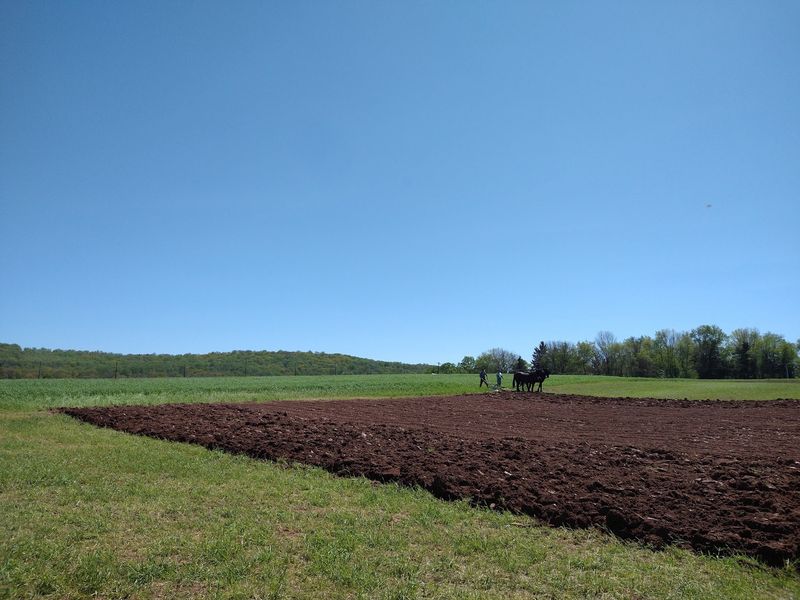
Clocks on this farm seem stuck somewhere near the turn of the last century. Staff grow much of their produce using techniques from roughly 1890 to 1910.
That means horses and hand tools do jobs that modern machines usually handle. It also means a field can look like an old photograph come to life.
Why choose that era? It captures a moment when small family farms still fed most communities, before engines took over completely.
Watching those older methods helps kids understand how much muscle went into every meal. Adults often walk away a little humbled too.
The produce does not just sit around for show. The farm donates a good share of what it grows to organizations that help people in need.
I love that detail. A history lesson that also feeds neighbors is about as wholesome as New Jersey gets.
Staff and volunteers can explain why each technique mattered back then. Ask questions freely, because the people here clearly enjoy sharing what they know.
Barns Full Of Stories And Seasonal Displays
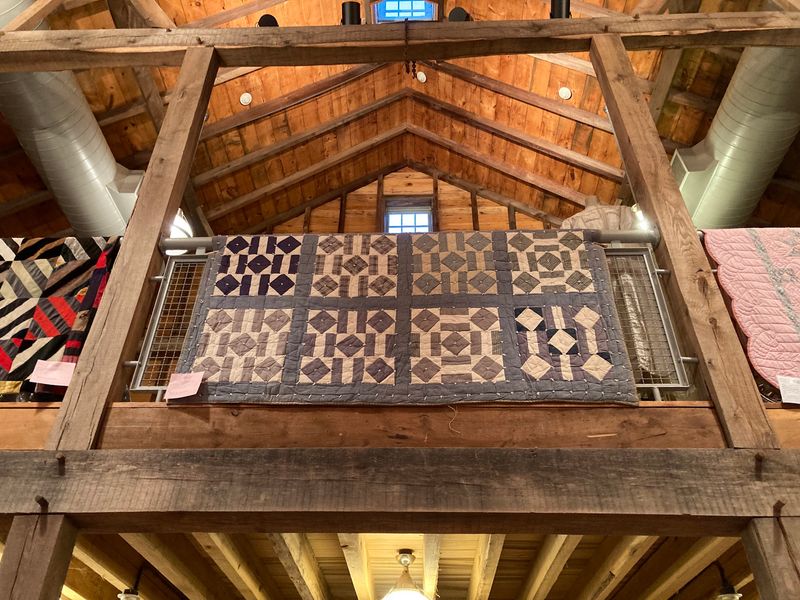
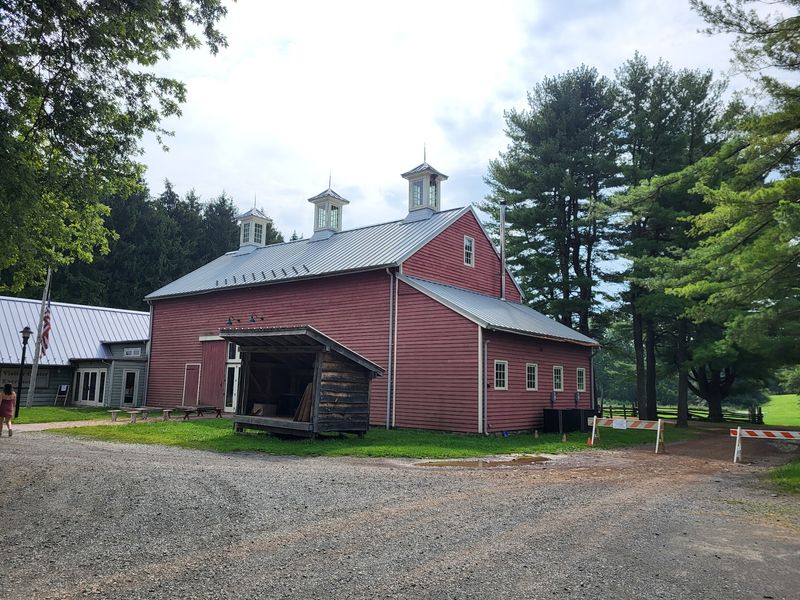
Barns come up constantly when people talk about this place, and that makes sense. They are the beating heart of the whole operation.
The main barn hosts seasonal displays throughout the year. One example is a quilt show, which turns the rafters into a gallery of handmade color.
Other buildings hold the animals, the tools, and the work that keeps the farm running. Each one gives you a different angle on everyday rural life.
On quieter days, staff have opened barn doors so children could pose for photos with the horses. Small moments like that can make a whole trip.
You can also step inside the old farmhouse and see its interior. It offers a peek at how a farm family actually lived, cooked, and stayed warm.
Nothing feels staged or overly polished. Floors creak, tools hang where they get used, and the smell of hay does the rest.
Plan to wander slowly between buildings. The real fun comes from noticing small details tucked between the big exhibits.
Horses, Oxen, Pigs, And One Very Popular Cat
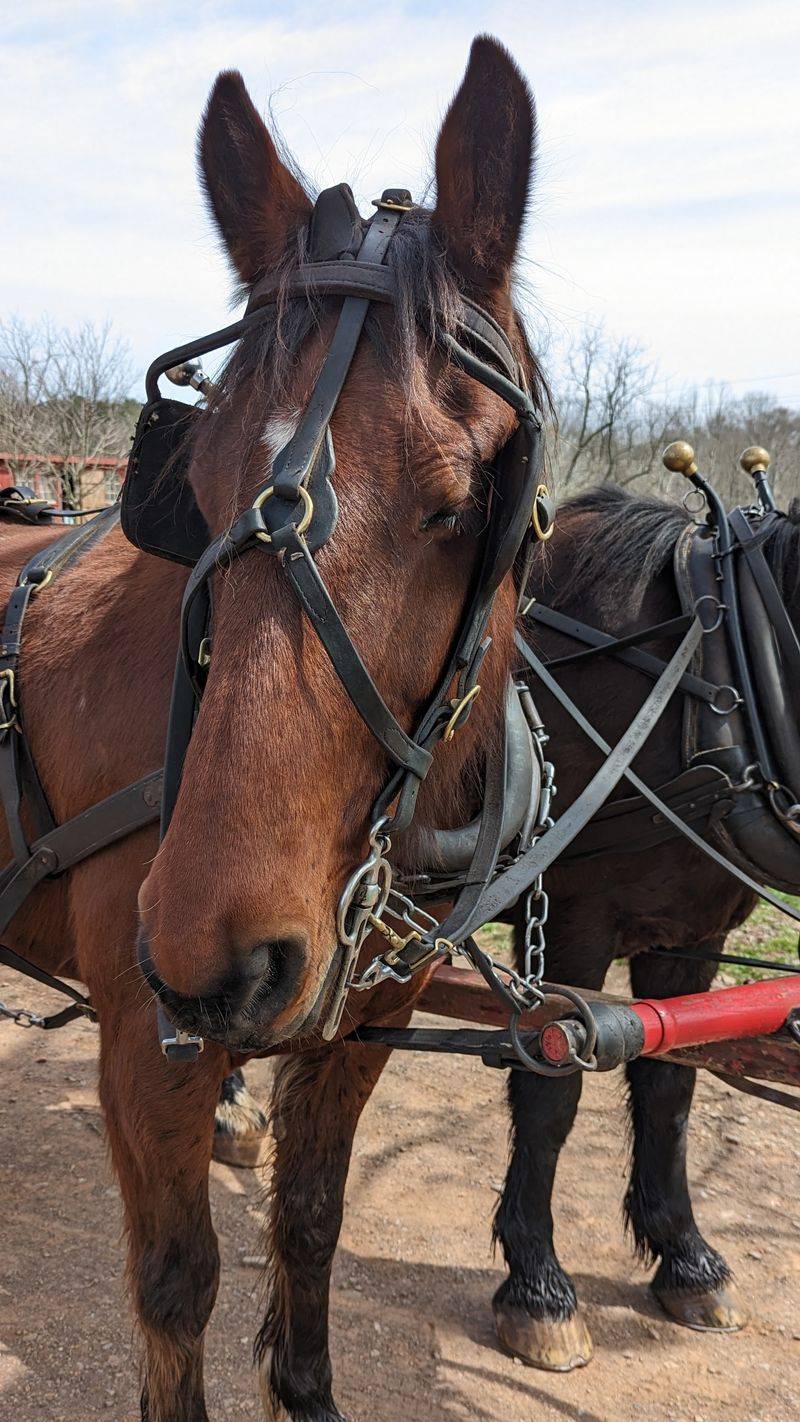
Meet the coworkers. Horses, oxen, pigs, sheep, cows, and chickens all share the grounds, and most of them have real jobs.
The work horses pull equipment across the fields. The oxen bring serious strength to tasks that tractors would handle on a modern farm.
Lambs can steal the show in the right season, especially around their lunchtime. Happening upon that feeding scene is pure luck and pure joy.
Then there’s the resident cat, who has its own small fan club. Past visitors even mention a cat named Bushy and a cart horse named Tom.
The animals appear well cared for and well fed, which matters to animal-loving families. Staff can show kids how to pet the sheep properly.
Riding a horse is a big draw when it’s offered. Availability may vary by day and season, so check ahead if your crew has their hearts set on it.
Bring patience and a camera. Barnyard schedules run on animal time, not human time.
Chores Kids Actually Want To Do
Getting kids to do chores at home can feel impossible. Somehow, fetching water and gathering eggs becomes thrilling once there’s a henhouse involved.
Children have helped retrieve eggs from the hens and carry water on past visits. Some even got to hold freshly gathered eggs right in the coop.
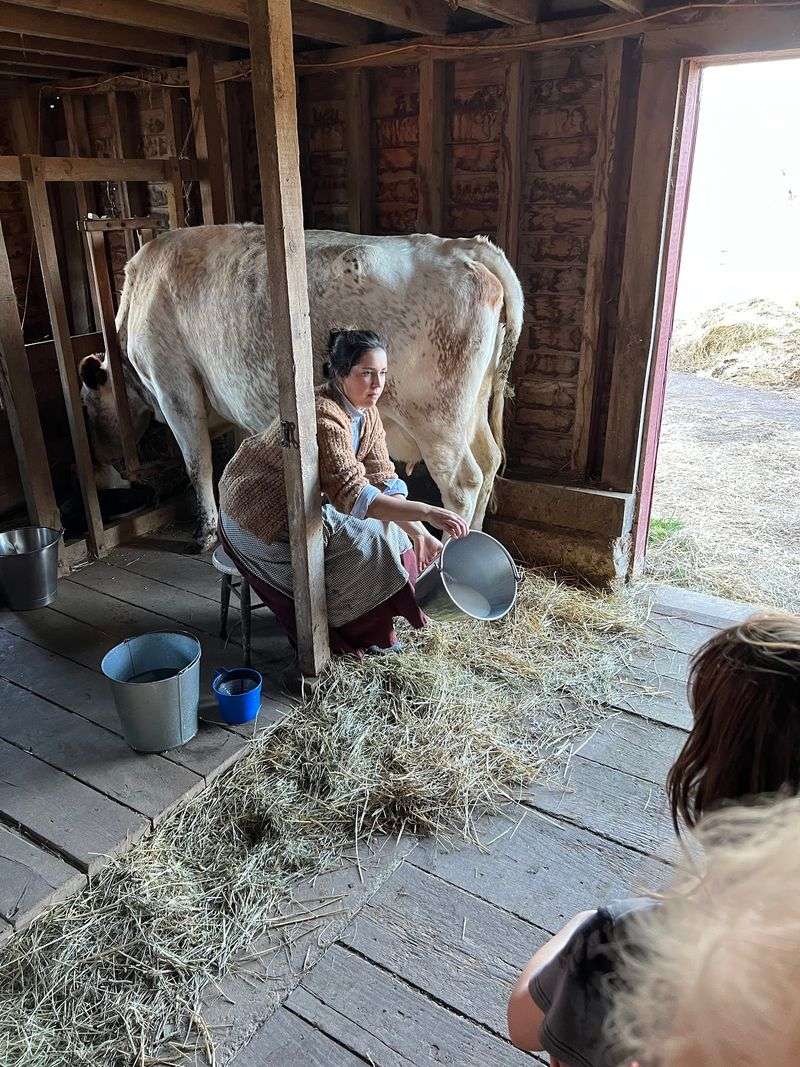
Families have also watched a cow being milked during a regular day. Learning where milk comes from lands differently when the cow is right there.
Staff explain the bee boxes and wheat fields too. Every stop answers a question kids didn’t know they had.
Activities depend on the day and season, so no two visits look quite the same. That unpredictability keeps returning families curious.
One family has brought their daughter repeatedly for years, starting when she was about four. She reportedly learns something new each time, and so do the grown-ups.
Wear shoes that can handle mud. A farm is honest about its dirt, and the best memories rarely happen on clean pavement.
Saturday Is The Day To Circle On Your Calendar
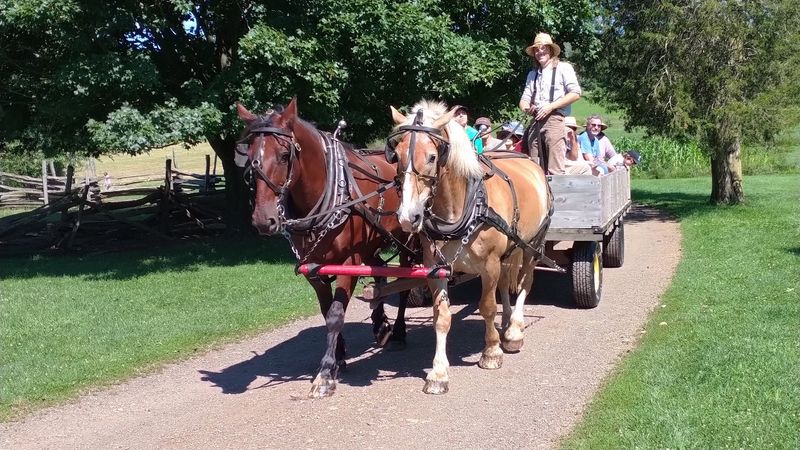
Weekdays here are lovely and peaceful. Saturdays, though, bring the farm’s biggest lineup of free seasonal programs.
On a typical weekday you’ll take a self-guided tour. Come back on Saturday for hands-on activities matched to whatever the calendar says.
Programs have included sheep shearing, cow milking, and gardening. Harvesting corn and making ice cream with local peaches and milk also show up.
That ice cream detail is dangerous information for anyone with a sweet tooth. Good luck convincing the kids to leave afterward.
Each activity reflects the seasonal rhythm of farm life a century ago. Spring planting, summer harvests, and winter tasks all get their turn.
The variety rewards repeat visits throughout the year. A spring Saturday and a fall Saturday can feel like two totally different farms.
Some special programs may carry a fee, so it helps to check the farm’s schedule before heading out. Most regular Saturday activities stay free, which makes planning an easy yes.
Ice Cutting, Sleigh Days, And Maple Syrup Season
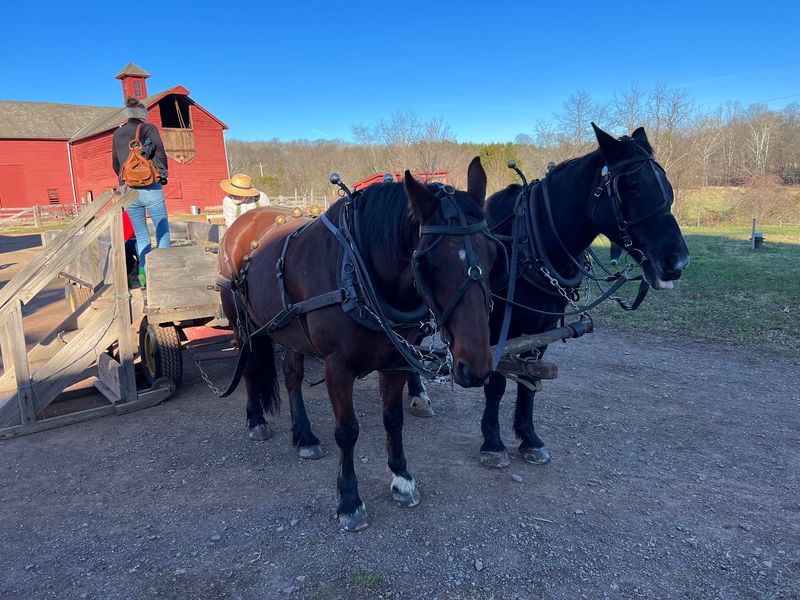
Winter on most farms means slowing down. Here it means grabbing saws and tongs and harvesting ice straight from frozen water.
Ice harvesting is one of the farm’s most talked-about traditions. Before refrigerators, families relied on stored ice to keep food cold through warmer months.
Visitors don’t just watch, either. Using real tongs to grab a block beats staring at old tongs in a display case.
Sleighing has been part of the winter fun as well. Snow plus horses plus history makes a pretty irresistible combination.
Late winter brings maple syrup tapping and demonstrations. The maple program has a per-person fee, and families have praised how friendly and informative it is.
There’s a delicious bonus at the end. Participants have sampled pancakes topped with the syrup.
Cold-weather events depend heavily on weather conditions. A warm spell can change plans for ice, so watch announcements and dress in layers if you go.
Plowed Fields, Threshed Wheat, And A Corn Maze
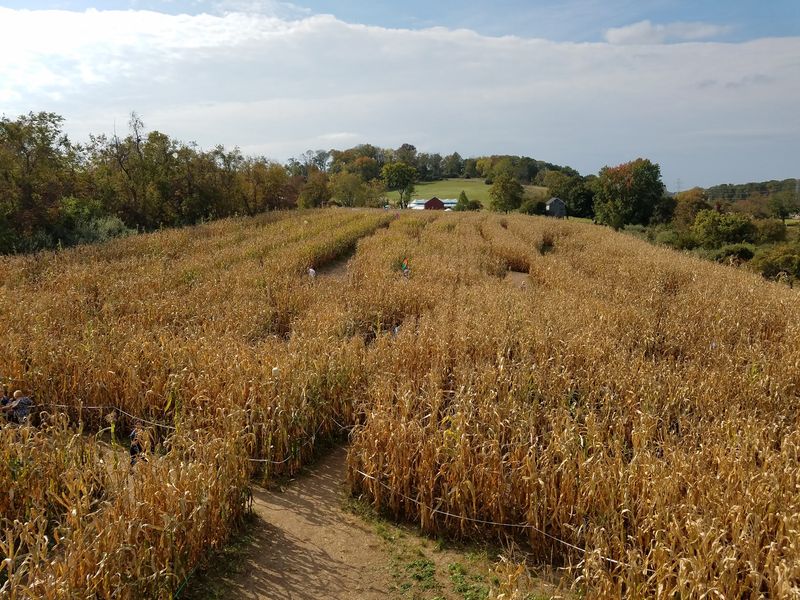
Out in the fields, the farm keeps working whether anyone’s watching or not. You might come across a staff member plowing during an ordinary visit.
Staff often pause to chat and answer questions while they work. That kind of open conversation makes the fields feel like a classroom without walls.
Wheat threshing appears on the calendar in its season. It shows how grain once got separated by hand and simple machines.
Corn plays a starring role too. Kids on field trips have harvested ears straight from the garden plants.
A corn maze has also become a popular draw. Getting a little lost among the stalks is half the fun.
The fields stretch wide, which gives the whole property a calm, open feeling. Everything grows on its own schedule, so the landscape shifts every few weeks.
Bring sun protection in summer. Shade can be limited out among the crops, and those rows look short until you walk them.
Sparks At The Forge And Smells From The Farmhouse Kitchen
Hammer meets hot iron, and suddenly everyone within earshot wanders over. The blacksmith is a crowd favorite for good reason.
Forge work brings old skills to life in a loud, glowing way. Kids tend to remember the sparks long after they forget the dates.
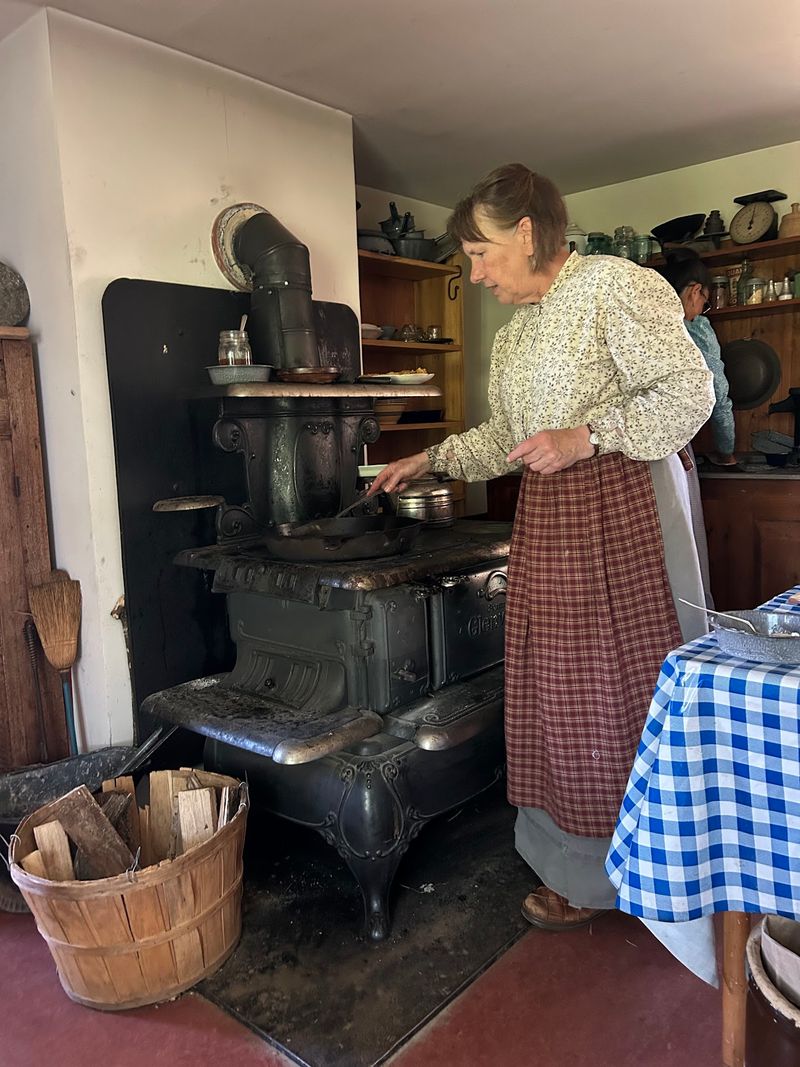
Over in the farmhouse, the kitchen stays just as busy. Staff bake, cook, and show how meals came together before electric stoves.
Samples have included scrapple, cornbread, and popcorn. Tasting history is far more convincing than reading about it.
Scrapple might be new for some visitors from outside the region. It’s a classic mid-Atlantic farm food made to use every bit of the harvest.
Both the forge and the kitchen get special shout-outs from past guests. The people running them seem to enjoy teaching as much as working.
Activities can rotate, so not every station runs every day. Saturdays and special events offer the best odds of catching the action.
Homemade Treats And A Tiny Shop Worth The Stop
Hunger hits fast after a few hours of farm chores. Happily, a small cafe offers simple, affordable meals right on site.
Offerings have included cake slices, quiche, chowder, and bean salad at the entrance. Everything is described as local and made with care.
One baked creation earned special praise: a cranberry and apple cookie crumble. Menus may rotate with the seasons, so treat any favorite as a happy maybe.
A picnic area gives you another option if you pack your own lunch. Plan to carry your trash out, since bins may be limited when groups arrive.
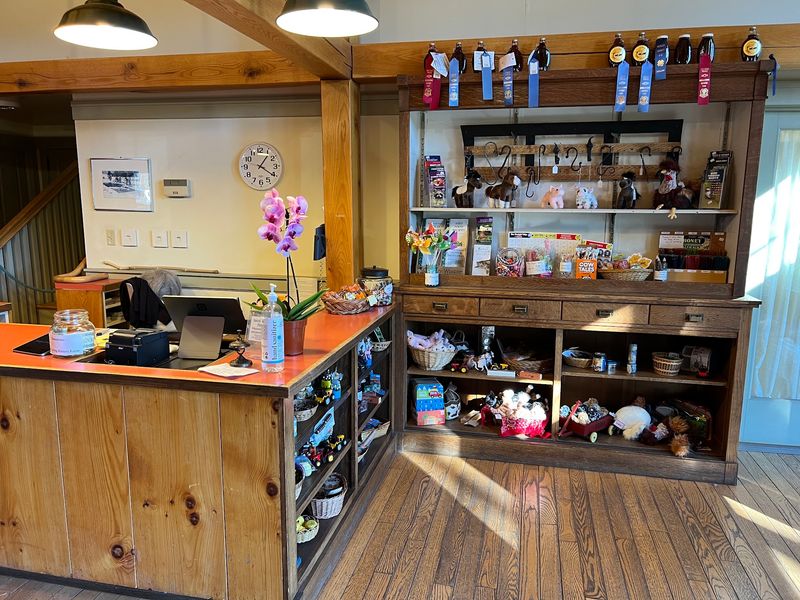
Then there’s the gift shop. It’s small but stocked with farm items, including the farm’s own honey.
Picking up a jar feels like taking a little piece of the fields home. It’s a sweet souvenir that actually gets used.
The shop is also where many guests leave a donation. Admission costs nothing, so a few dollars there helps keep the work going.
Where The Tractors Finally Roll Out
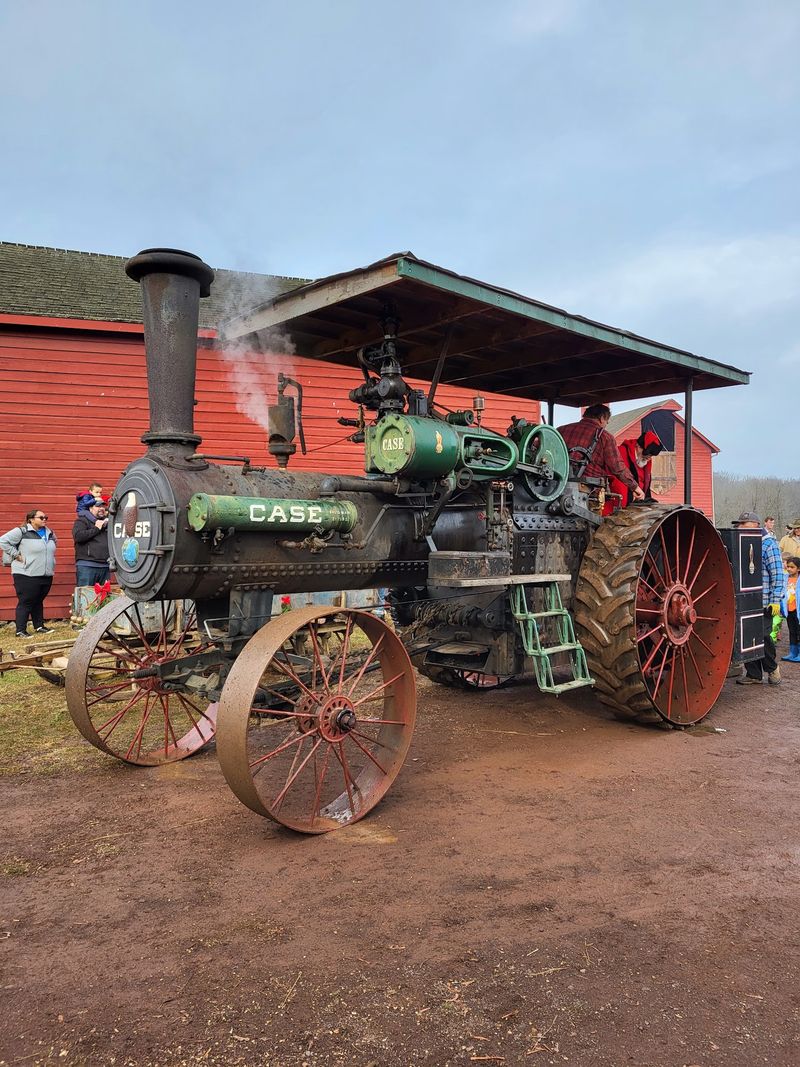
Tractor fans, this is your moment. The Mercer County 4-H Fair at the farm brings out the engines in a big way.
Past fairs featured standard tractor hay rides and a little train pulled by a tractor. Horse-drawn hay rides rolled along too, so both power sources got equal billing.
Kids could pose with three different types of tractors at photo cutouts. A child-sized tractor pull toy added some friendly competition.
One tent was dedicated to demonstrating all types of engines. A water pump that kept cycling the same bucket of water drew plenty of fascinated stares.
Animals filled the fairgrounds as well, from roosters and goats to bunnies and sheep. Live music played in two separate spots.
Large tents offered shade, and homemade ice cream offered rescue from the heat. A wagon collected nonperishable food for people in need.
Fair dates change each year. Check the farm’s calendar before you go so you don’t miss the engine parade.
Trails, Gardens, And Baseball By Old Rules
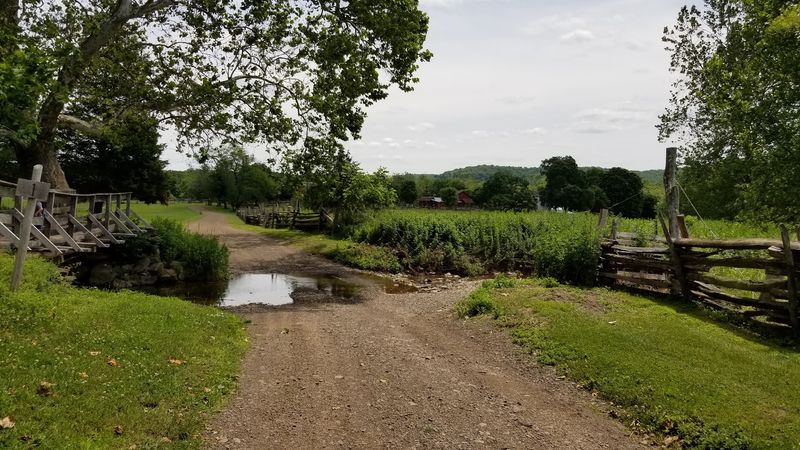
Some of the best moments here happen between activities. A loop trail circles the property for anyone who wants a quiet walk.
The paths are long, with plenty of places to sit along the way. A beautiful garden adds color near the farm buildings.
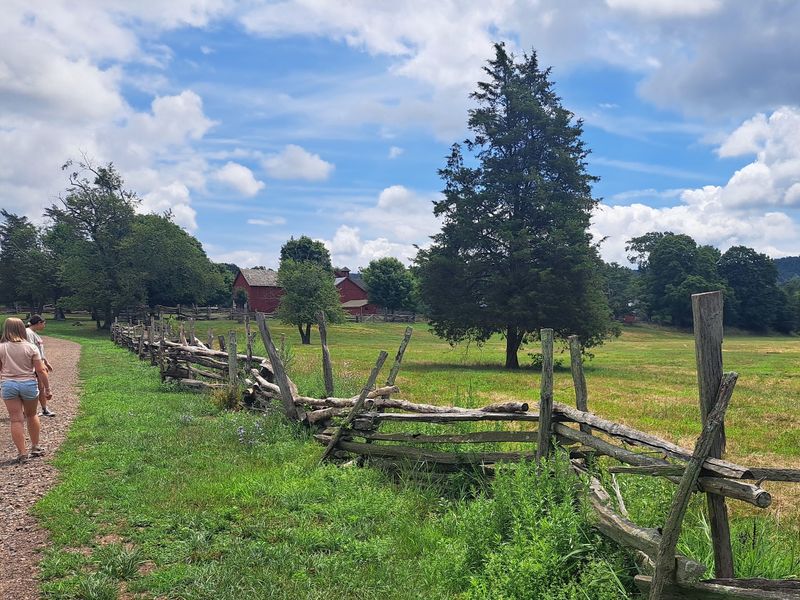
The scenery leans serene, with open fields and gentle countryside views. It’s easy to forget the busy parts of New Jersey exist at all.
Want to stretch your legs further? Baldpate Mountain preserve sits close by, making it easy to add a hike of an hour or two.
Here’s a delightful curveball. The farm has hosted baseball games played by 1900s rules, a perfect match for its time-travel theme.
Watching players follow century-old rules is a fun twist on a summer afternoon. Check the calendar if that sounds like your kind of outing.
Solo visitors can enjoy the calm just as much as families. The grounds suit quiet reflection as well as energetic kids.
Hours, Parking, And What To Wear
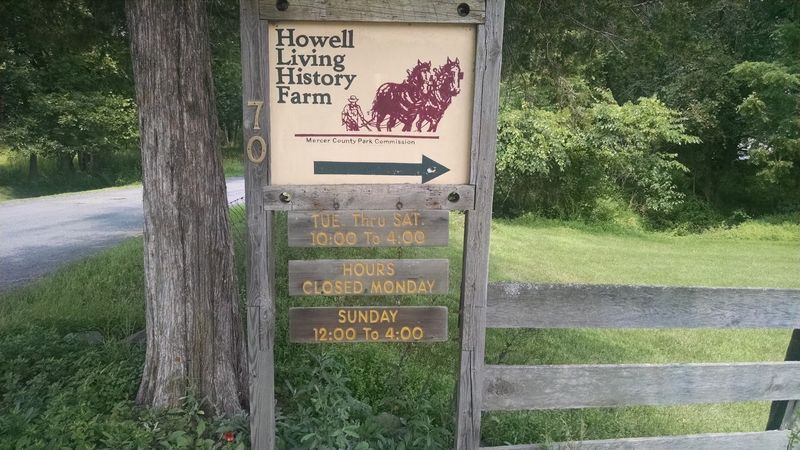
Planning takes about two minutes, which is refreshing. The farm opens Wednesday through Saturday from 10 AM to 4 PM.
It stays closed Sunday, Monday, and Tuesday. Weekday visits mean self-guided exploring, while Saturdays bring the fuller lineup.
You’ll find Howell Living History Farm at 70 Woodens Ln, Lambertville, NJ 08530. The drive takes you through pretty country roads in western Mercer County.
Parking is free and easy. Admission is free as well, so the only cost might be lunch or a jar of honey.
Special programs like maple sugaring may charge a fee. Checking the schedule ahead of time saves surprises.
Dress for the weather and the ground. Boots or sturdy sneakers handle mud, and layers help when the fields get breezy.
School field trips visit often, especially in spring and fall. If you prefer quieter barns, a weekday outside field trip hours may suit you better, though crowds can vary.
Why This Farm Earns A Spot On Your Weekend List
Free, friendly, and genuinely educational is a rare combination. Howell Living History Farm pulls it off without trying to be flashy.
The animals have real jobs, and the crops feed real neighbors. Every chore tells a story about how New Jersey families once lived.
Families with toddlers, grandparents with grandkids, and solo wanderers can all find something here. One family shared that their autistic teenage daughter loves the animals and keeps returning.
The staff and volunteers stand out again and again. They seem truly eager to help people, especially kids, experience farm life up close.
Sure, the headline promised a tractor museum, and those engines mostly appear at special events. What you get every open day is something better: history that breathes, moos, and clucks.
I believe that’s why people keep coming back for years. Each season offers another reason to visit.
So pack a snack, lace up muddy-day shoes, and drop a donation in the shop. The fields, and the resident cat, will be waiting.