A bright purple roll might be the most cheerful thing you can eat before 8 AM. The color comes from ube, a Filipino purple yam, and it turns plain breakfast bread into something you photograph first.
One New Jersey bakery has been shaping these rolls, along with buttery, cheese-topped ensaymada, for more than four decades. Its founder brought family recipes from Manila and built a business around them.
I like how the menu feels rooted in real home cooking. The breads are still made from scratch, and there’s a hot food counter in the back for anyone who wants lunch too.
Honestly, I believe every state needs a spot like this, where a simple bag of warm rolls carries a whole family story. So what keeps neighbors coming back since 1979?
Purple Bread Starts Making Sense in Jersey City
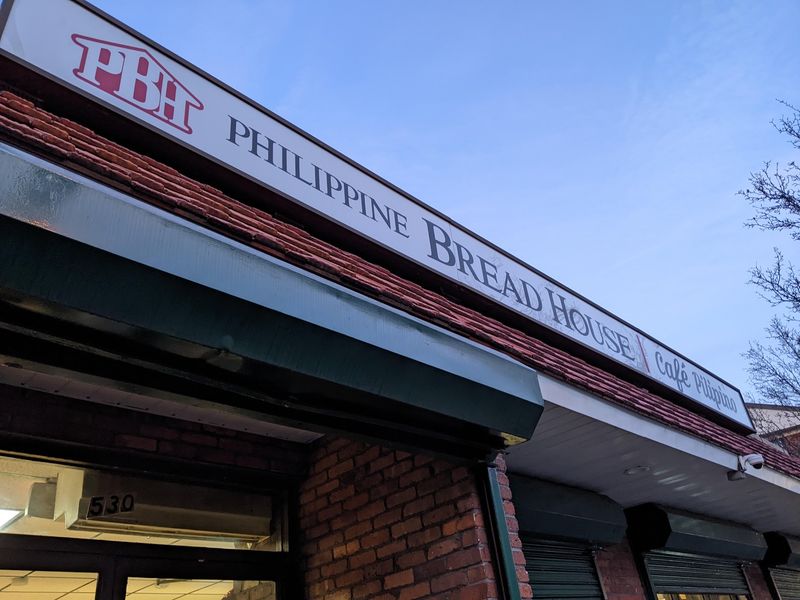
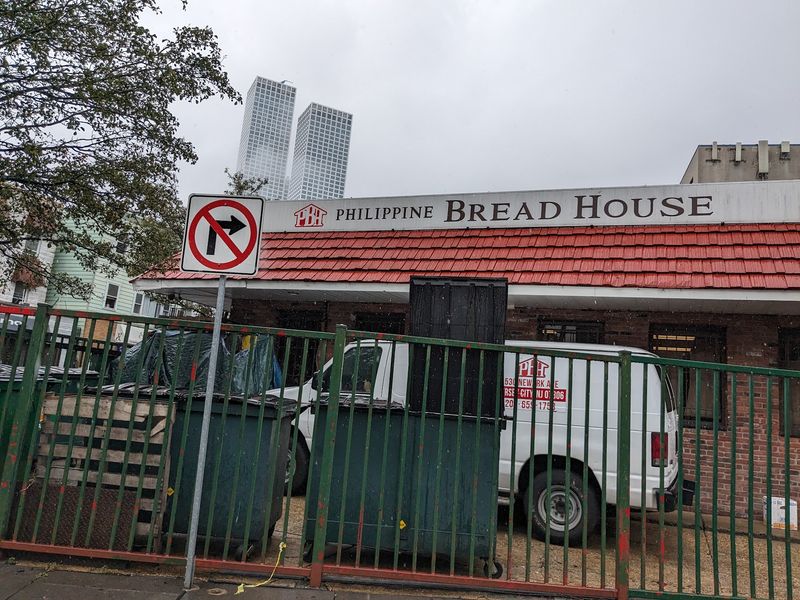
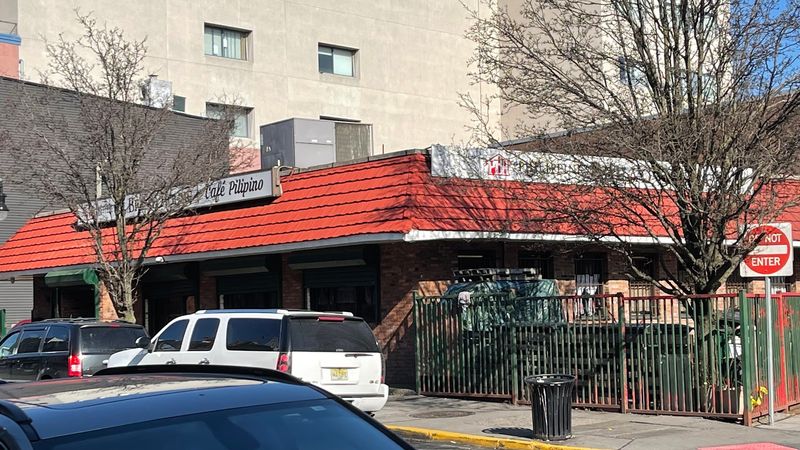
Newark Avenue in Jersey City has plenty of food options, but one storefront has been baking Filipino breads since 1979. Philippine Bread House is a traditional bakery that turns out sweet and savory Filipino fare every single day.
The shop sits inside a small complex with other Filipino businesses nearby. That setup makes the block feel like a mini community hub rather than a lone storefront.
Inside, the bakery side handles breads, rolls, pastries, and cakes. A separate hot lunch counter takes care of anyone craving a full meal.
So you can stop in for a quick bag of rolls or stay for plates of Filipino comfort food. Not many bakeries cover breakfast and lunch this neatly.
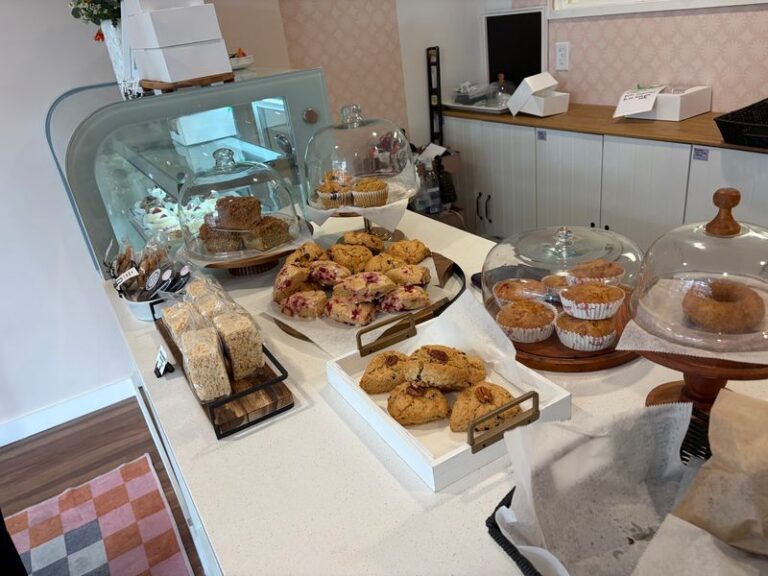
The name promises bread, and the shelves deliver honestly. Pan de sal, ensaymada, cheese rolls, and Spanish rolls fill the lineup, with ube showing up in several forms.
For New Jersey families curious about Filipino baking, this is a friendly place to start. The menu stays traditional, and the flavors may feel new and familiar at the same time.
Consider it a delicious crash course with a very purple syllabus. Class starts at 7 AM.
A Suitcase Full of Manila Recipes Built This Shop
Elma Santander moved to the United States from Manila, and she didn’t arrive empty-handed. She brought cherished family recipes that became the foundation of her new bakery.
In 1979, Philippine Bread House opened its doors in Jersey City. That’s more than four decades of mixing, shaping, and baking for the neighborhood.
The shop’s reputation grew from homemade taste and quality products. Word of mouth did the heavy lifting long before social media existed.
Here’s what I respect most about the story. Breads, cakes, and rolls are still made from scratch with fresh ingredients instead of shortcuts.
The bakery describes its mission as continuing a proud family tradition. It pairs that tradition with fast, efficient, and friendly service.
For decades, the shop has also served as a gathering place for Jersey City’s Filipino community. For many families, a bag of these rolls likely tastes a lot like home.
I can’t imagine the pressure of keeping recipes this personal consistent for so long. Yet the ovens keep going, and the pan de sal keeps coming out warm.
Longevity like that is rare. It deserves a little applause, preferably with a roll in each hand.
The Humble Roll That Owns the Morning
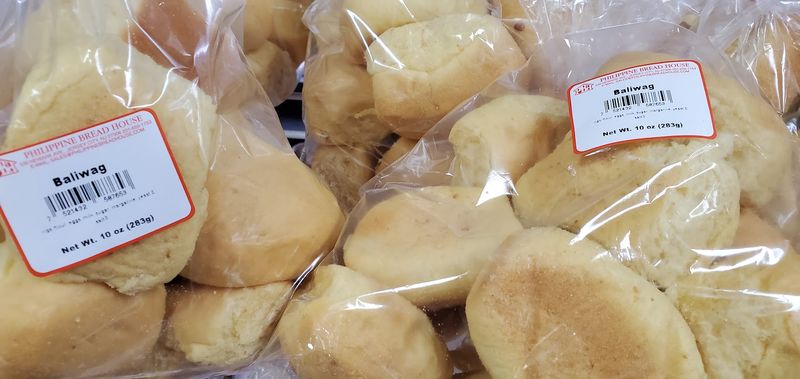
Golden, soft, and lightly sweet, pan de sal is the classic Filipino breakfast roll. At Philippine Bread House, it’s the item that comes up again and again in conversation.
The name roughly translates to salt bread, though the flavor leans gently sweet. It’s airy enough to tear apart with your fingers, which is half the fun.
Freshness matters with this one. Warm rolls are the goal, so arriving earlier in the day can give you the best shot at a hot batch.
Some customers buy them by the bag, and that makes sense. A bag on the kitchen counter tends to disappear faster than anyone admits.
The bakery also offers pan de sal with different fillings. That gives the humble roll a few surprising personalities beyond the plain original.
Families have also ordered dinner rolls here for big gatherings and religious feasts. It’s a quiet sign of how woven into local traditions this bread has become.
Pair one with coffee or hot chocolate for a very Filipino breakfast. Simple food, done right, rarely needs extra decoration.
Toast it, butter it, or eat it straight from the bag in the car. Nobody’s judging, and honestly, the car snack might be the smartest move.
Ube Turns an Ordinary Roll Into a Purple Showstopper
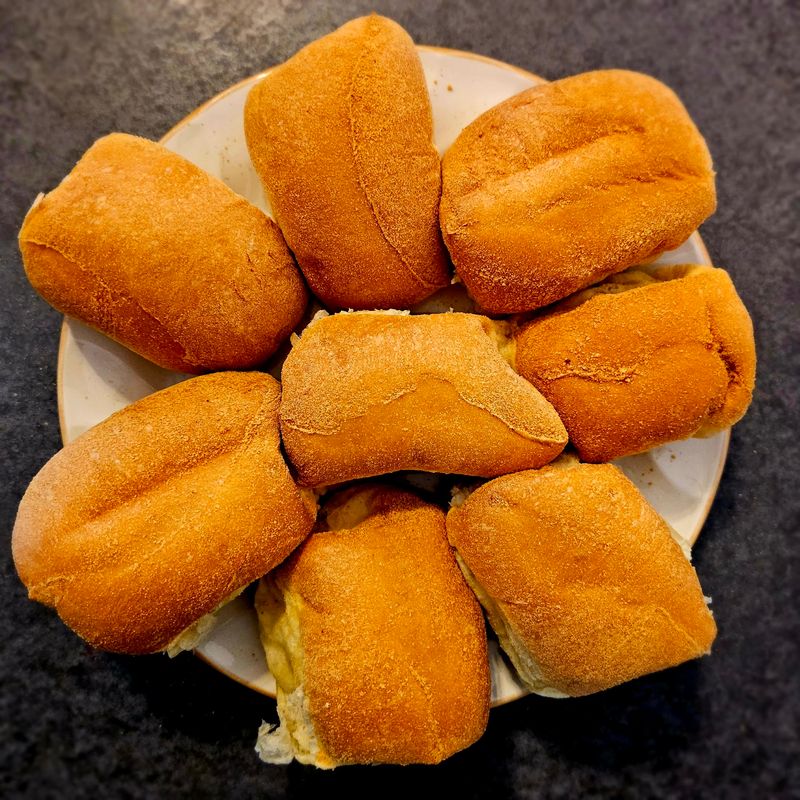
Purple bread tends to stop people mid-step. Ube, the Filipino purple yam, gives the ube pan de sal its striking color and a gentle, earthy sweetness.
Philippine Bread House uses ube across several baked goods. The ube pan de sal shows how well the yam works inside a simple roll.
Start with a soft, airy pan de sal base. Then add that vibrant violet shade, and suddenly breakfast looks like a celebration.
Ube flavor is often described as mellow, with hints that some compare to vanilla or nuts. It’s sweet without being loud, which makes it easy to enjoy any time of day.
Kids may love the color first and the taste second. Adults usually end up just as curious, especially if they’ve never tried ube before.
Ube pops up elsewhere in the shop too. You’ll find it in ensaymada, cakes, and even ube walnut crinkle cookies.
That variety means you can build a whole purple-themed snack haul. I’d call that a very good use of a Saturday morning.
Fair warning, though. Once you start noticing ube, you’ll spot it in every Filipino bakery case from here on out.
Ensaymada Brings Butter, Sugar, and Cheese to the Party
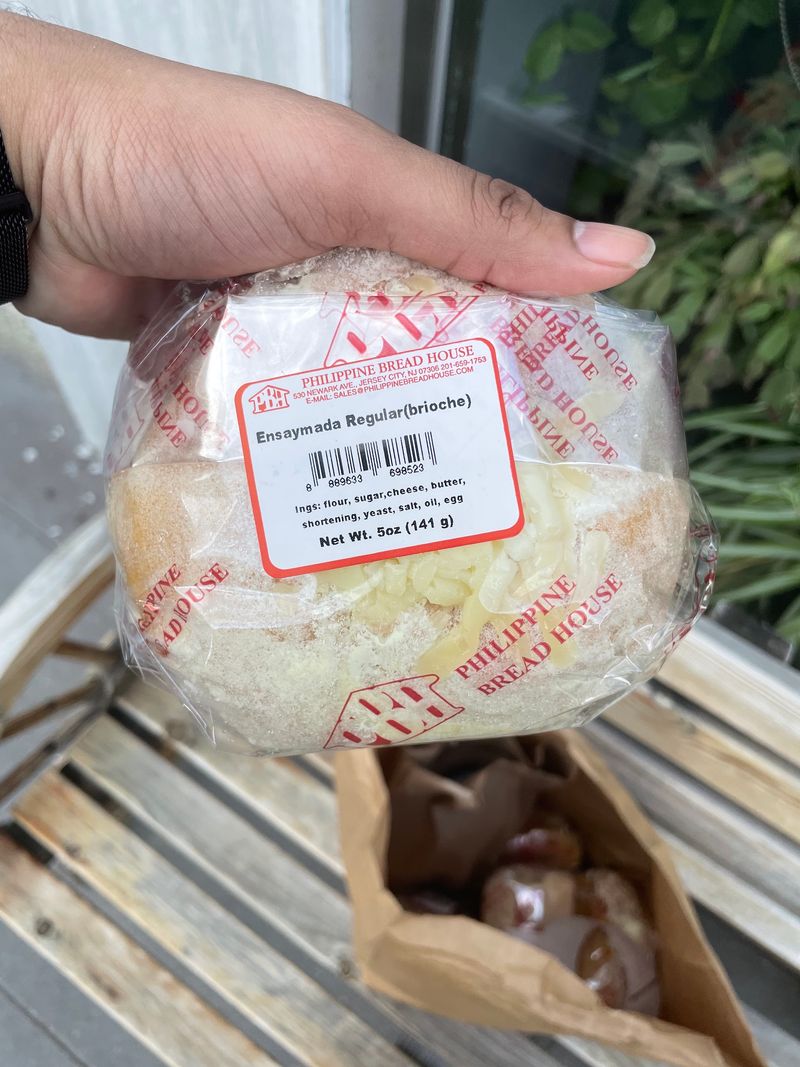
Butter, sugar, and cheese on one pastry sounds like a dare. In the Philippines, it’s simply ensaymada, and it’s a beloved treat.
Philippine Bread House describes its ensaymada as a sweet brioche bread. The fist-sized pastries are generously smeared with butter, sugar, and cheese flakes.
That salty-sweet combo is the magic trick. The cheese balances the sugar, so every bite stays interesting from start to finish.
Fillings add another layer of fun. The bakery offers ensaymada with ube or sweet coconut, depending on what’s available.
The ube ensaymada combines two of the shop’s biggest crowd-pleasers in one swirl. It’s practically the bakery’s greatest-hits album in pastry form.
Ensaymada feels familiar if you love brioche, cinnamon buns, or any soft, coiled sweet bread. Still, the cheese topping makes it clearly its own thing.
It makes a smart pick for anyone new to Filipino baking. The flavors are approachable, and the look is gorgeous enough for a party platter.
Buy one for now and one for later. Later has a funny habit of arriving about ten minutes after you leave the parking lot.
A Bread Shelf Full of Names Worth Learning
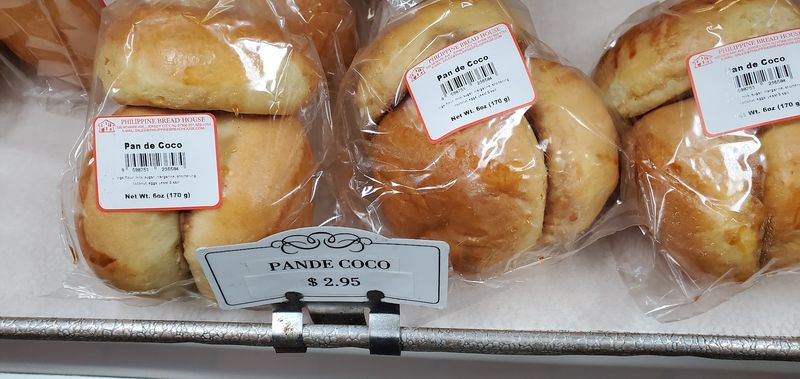
Mamon, pan de coco, pan de munggo. The bakery shelves read like a delicious vocabulary lesson, and every word deserves a taste.
Mamon is a soft Filipino sponge cake. Pan de coco is a sweet bread with coconut filling, while pan de munggo carries sweet mung bean inside.
Cheese rolls and Spanish rolls round out the lineup at Philippine Bread House. Both are popular choices for anyone who likes something soft and sweet.
Empanadas also appear on the menu. They’re a handy savory option when you want a snack that travels well.
Bibingka cassava cake has earned praise as a take-home treat. Hopia and espasol, two classic Filipino sweets, have shown up here over the years too.
Selection can shift depending on the day. Weekends may bring a fuller spread, so plan accordingly if you have a long wish list.
I like how the variety lets you build a sampler without much fuss. Grab a little of everything and hold a family taste test at home.
Just don’t be surprised when everyone claims the same favorite. Arguments over the last cheese roll are a real New Jersey kitchen tradition now.
Celebration Cakes That Go Way Beyond Vanilla
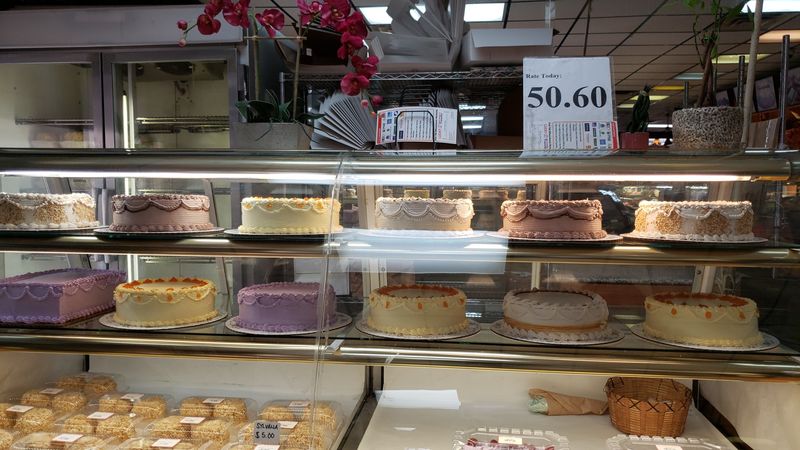
Birthday cake doesn’t have to mean chocolate or vanilla. At Philippine Bread House, flavors like ube, pandan, and mango cream make celebrations feel a lot more exciting.
Black Forest is on the list too, for anyone who prefers a classic. The bakery creates cakes for special occasions with a focus on homemade taste.
Pandan deserves a quick introduction. It’s a fragrant tropical leaf used widely in Southeast Asian desserts, and it often gives cakes a soft green hue.
Ube cake, meanwhile, brings that signature purple to the party table. It’s a showstopper before anyone even picks up a fork.
Custom cake designs are also available. That means each client can request something tailored to their event instead of settling for a standard look.
Families often plan holidays around this bakery’s offerings. Some longtime customers stop by for Easter and Christmas food and desserts year after year.
Planning ahead is wise for custom orders. A quick call to the shop can confirm timing and available flavors.
I believe a good cake should spark conversation. A purple or green one practically guarantees your guests will ask where it came from.
Lunch Hides Behind the Bread
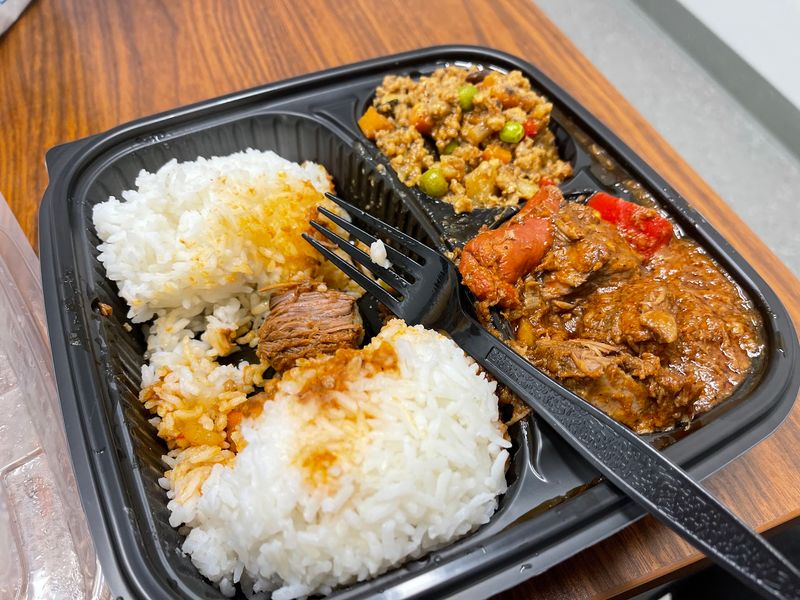
Bread gets top billing, yet a steam table in the back tells a bigger story. The bakery runs a separate hot lunch counter serving hearty Filipino dishes.
Kare-kare, the rich peanut-based stew, can appear on the lineup. Tangy vinegar-based specialties and adobo show up too.
Combo plates let you try several dishes in one go. That’s a great setup for indecisive eaters or anyone curious about Filipino home cooking.
The presentation is simple and practical. Nobody comes here for fancy plating, and that’s perfectly fine.
Pork adobo rolls make a fun crossover between the bakery and the kitchen. They’re a handy grab-and-go pick for busy mornings or road trips.
Takeout is an easy option, which helps on hectic weekdays. The counter may get busy at lunchtime, since a nearby college and local schools keep the area lively.
Pair a hot plate with a bag of pan de sal, and dinner might be handled too. That’s a two-for-one errand any New Jersey parent can appreciate.
Honestly, the hot counter is the shop’s best-kept surprise. Bakery and lunch spot in one trip feels like a small weekday win.
Halo-Halo Makes a Strong Case for Dessert First
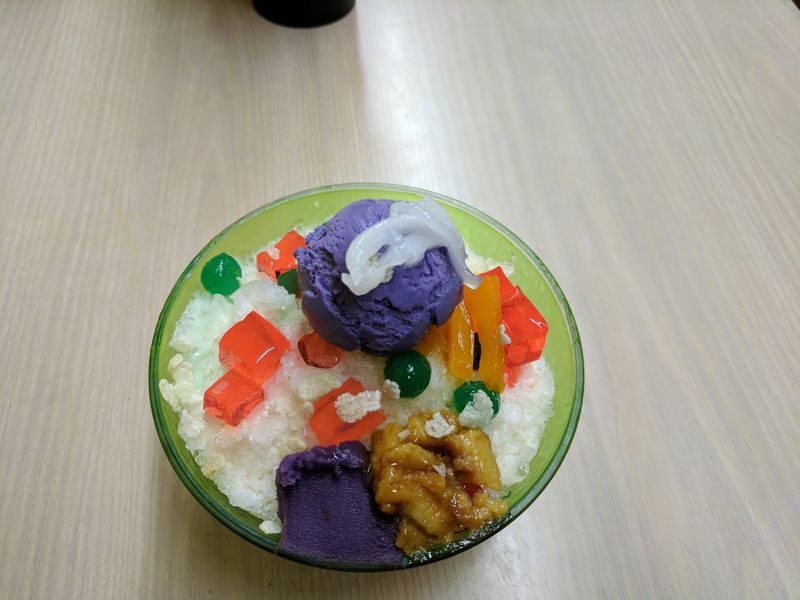
Halo-halo means mix-mix in Tagalog, and that’s exactly the point. This icy Filipino dessert begs you to stir everything together before digging in.
Philippine Bread House serves halo-halo alongside its baked goods. It’s a sweet, refreshing finish after a plate from the hot counter.
First-timers tend to find it surprisingly fun. The layers of textures and sweetness make every spoonful a little different.
Arrive too late for pan de sal? Halo-halo makes a very respectable consolation prize.
Snack lovers have more to explore too. Ube walnut crinkle cookies offer a purple-tinted treat, and garlic-salt peanuts deliver a savory crunch.
Those small extras make great road-trip fuel. Toss a bag in the car, and the drive home suddenly feels shorter.
A cup of halo-halo can be a playful dessert to share with kids. Just grab extra spoons, because sharing gets competitive fast.
The bakery takes pride in original homemade tastes across its sweets. From cakes to icy treats, the goal is care in every batch.
On a hot New Jersey summer day, halo-halo might be the smartest order in the building. In winter, well, brave souls can still go for it.
Plan Your Visit Around the Morning Bake

Early birds get the warm rolls. Philippine Bread House opens at 7 AM and currently lists hours of 7 AM to 5 PM, seven days a week.
Hours can change, so a quick check before you drive is smart. The bakery’s address is 530 Newark Ave, Jersey City, NJ 07306.
Morning visits generally give you the widest selection. Popular items can sell out as the day goes on, especially pan de sal.
Parking gets a bonus point here. The bakery shares a customer lot with other restaurants in the complex, which helps on busy Newark Avenue.
Street parking nearby can be tough, so that lot is worth knowing about. Patience may still be required during peak times.
Prices are generally considered affordable, which suits families on a budget. A bag of rolls for the house makes a low-cost treat.
Holiday seasons around Easter and Christmas can bring extra demand. Shopping a day or two ahead might save you from an empty shelf.
Families from across Hudson County can make this an easy half-day outing. Pair it with a stroll around the neighborhood for a full Jersey City morning.
A Purple Roll Is a Pretty Good Reason to Drive
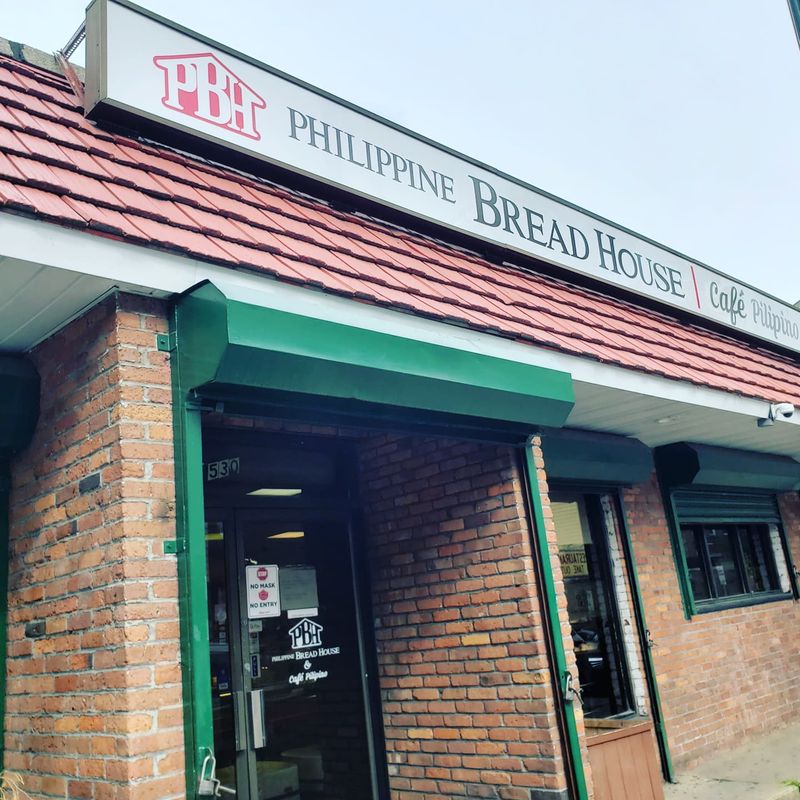
Trends come and go, but warm pan de sal never really goes out of style. Philippine Bread House has stuck with the classics since 1979, and that steadiness is part of its charm.
It isn’t a fancy shop. It’s a straightforward, family-rooted bakery where the bread is made from scratch.
Each visit can be as simple or as full as you like. Grab a bag of rolls, add an ube ensaymada, or linger over a combo plate from the hot counter.
Like any busy bakery, experiences can vary by day. Going early and keeping expectations relaxed tends to work best.
For New Jersey families who love food with a backstory, this stop checks a lot of boxes. It’s affordable, welcoming to curious first-timers, and rich in Filipino tradition.
Try one new item each visit, and the menu becomes a slow, tasty tour. Mamon one week, pan de munggo the next.
I like that a recipe carried from Manila still shapes mornings in Jersey City. That kind of continuity feels rare and worth celebrating.
So go for the purple bread and stay for the story. Your coffee will thank you, and so will whoever finds the leftover rolls.