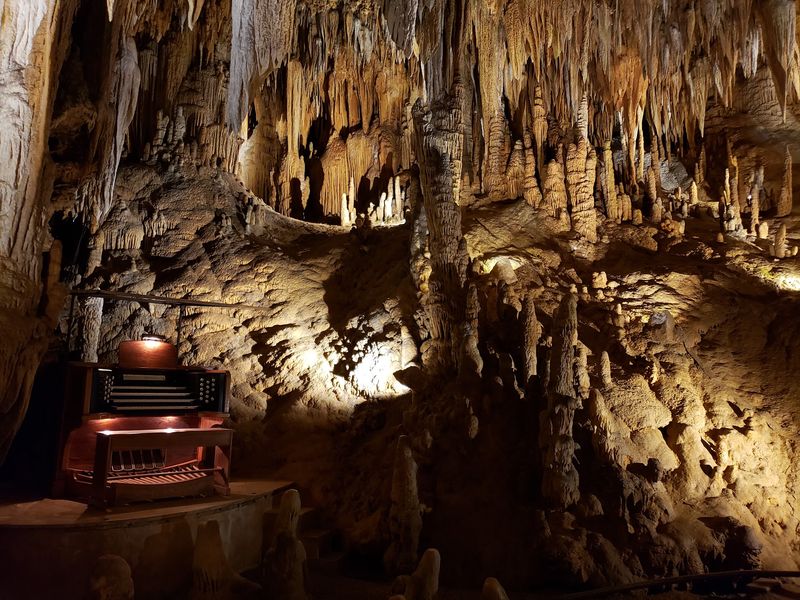
Rubber-tipped mallets tap 37 stalactites deep underground, and the stone answers with music. The notes ring like bells and drift through a cavern that covers 64 acres.
Guinness World Records calls it the largest musical instrument on Earth.
A Pentagon mathematician built it in 1954. He spent three years searching for the right stalactites.
Then he shaved them down to concert pitch using 13 English tuning forks.
I love that someone looked at a dripping cave ceiling and saw a keyboard. That takes a special kind of patience.
It also takes a little bit of wonderful nerve.
The instrument lives beneath a quiet valley in Virginia, inside rock laid down over 400 million years ago. The air stays cool all year.
So how does a cave end up with its own concert hall, and what else is down there?
A Cave So Big It Comes With Its Own Soundtrack
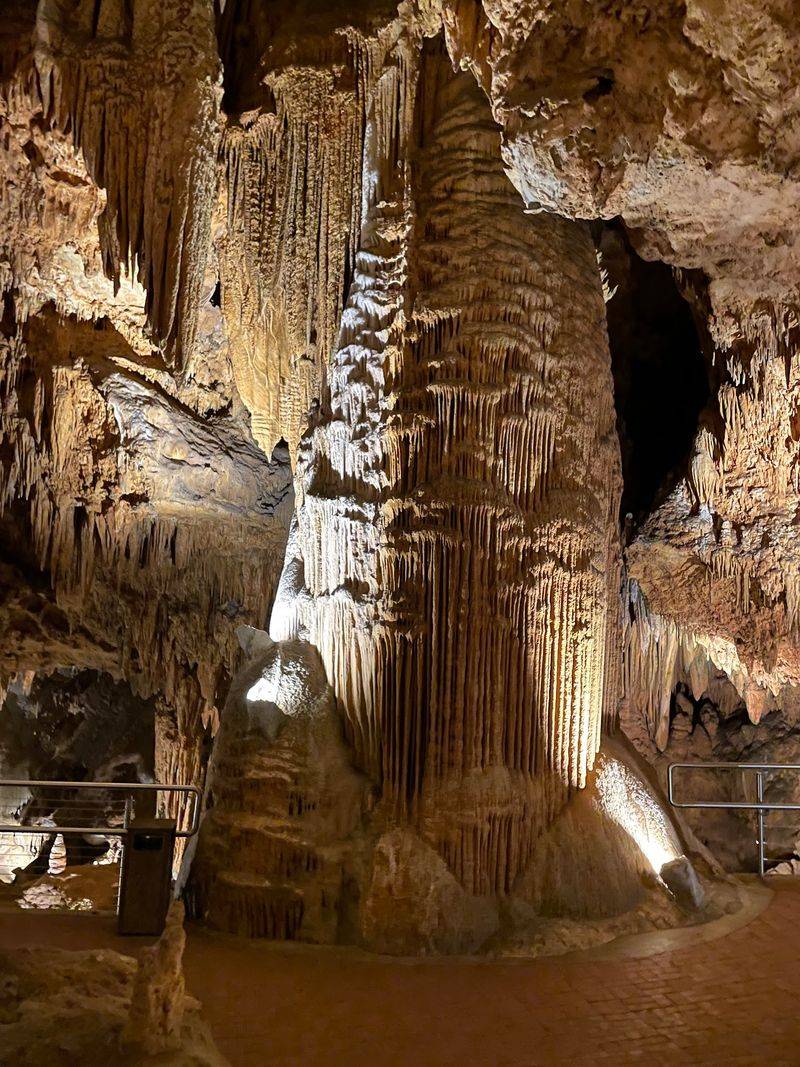
Luray Caverns sits in the Shenandoah Valley of Virginia, and it ranks among the most famous show caves in the country. Rooms here reach cathedral size, with ceilings soaring 10 stories overhead.
The temperature holds at a steady 54 degrees all year. Summer heat, winter snow, none of it matters once you head underground.
Lighting brings out the colors and textures of columns, stalactites, stalagmites, and flowstone. Some natural columns stretch about 140 feet, which makes most living rooms feel a bit modest.
The cave is still active, too. New deposits build up at roughly one cubic inch every 120 years, so nobody is in a rush.
That slow growth gives you a fresh appreciation for every icicle-shaped spike overhead. Each one has been quietly working on itself longer than most of us can picture.
About 500,000 visitors come through each year. The cave earned National Natural Landmark status in 1974, a nice nod from the experts.
And yes, it plays music. More on that soon, because the organ deserves its own spotlight.
Five Curious Locals and One Very Lucky August Day
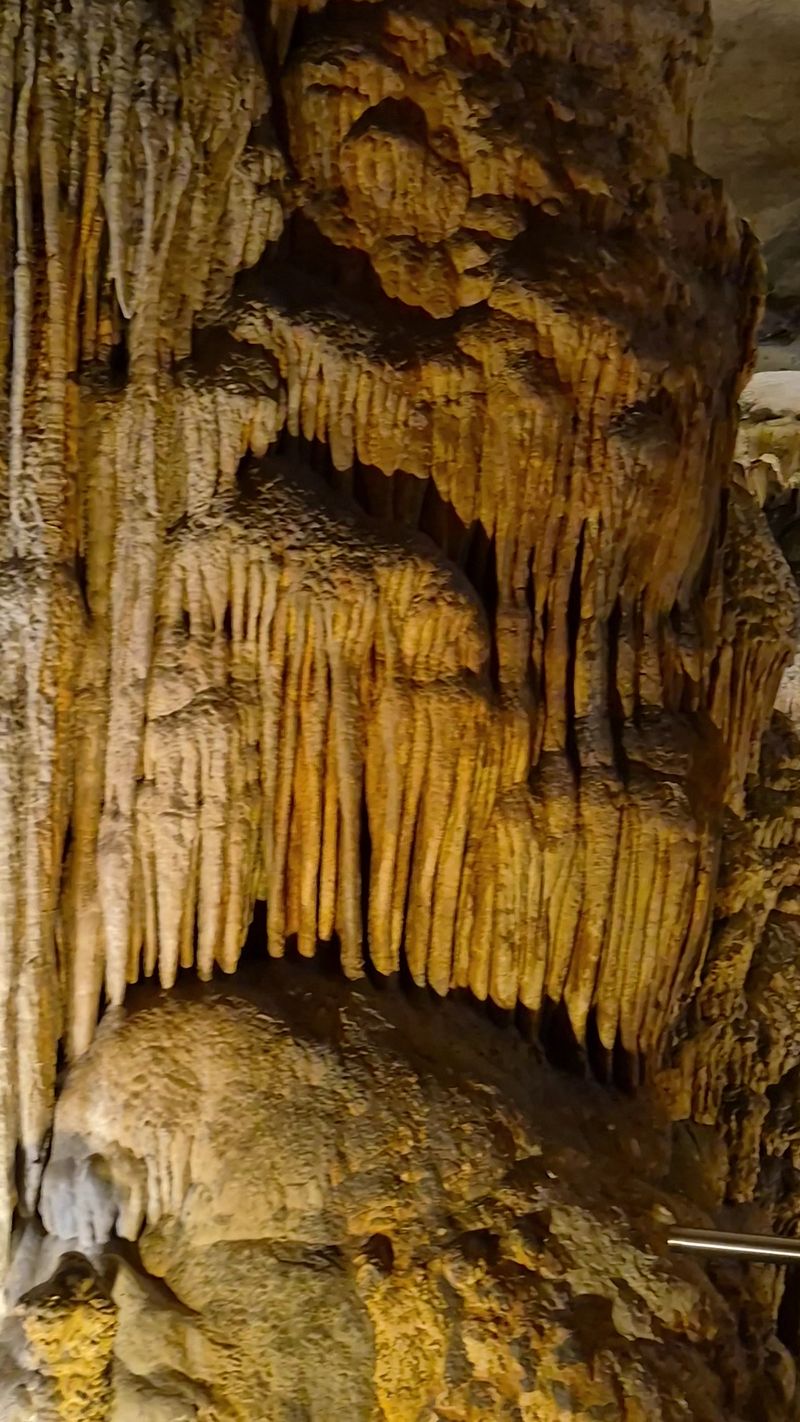
On August 13, 1878, five local men discovered the cavern. Few summer afternoons have turned out this well.
They found a world that had been forming quietly for millions of years. The oldest formations inside are estimated at around 7 million years old.
The rock itself goes back much further. The cave developed in dolomite from the Lower Ordovician period, stone dating back over 400 million years.
That number is where the article title comes from. The organ literally coaxes music from some of the oldest material you can stand inside.
The cavern itself formed later, through slow water action over a long stretch of time. Geologists place its formation within the Tertiary period or more recently.
So you get two timelines at once. Ancient seabed rock gave shape to a younger cave, and that cave then decorated itself drip by drip.
I like how that layering makes the place feel like a library of time. Each wall holds chapters most of us never get to read.
It also makes those five explorers look pretty lucky. They stumbled into a story still being written.
The Organ That Turned Stalactites Into Concert Bells
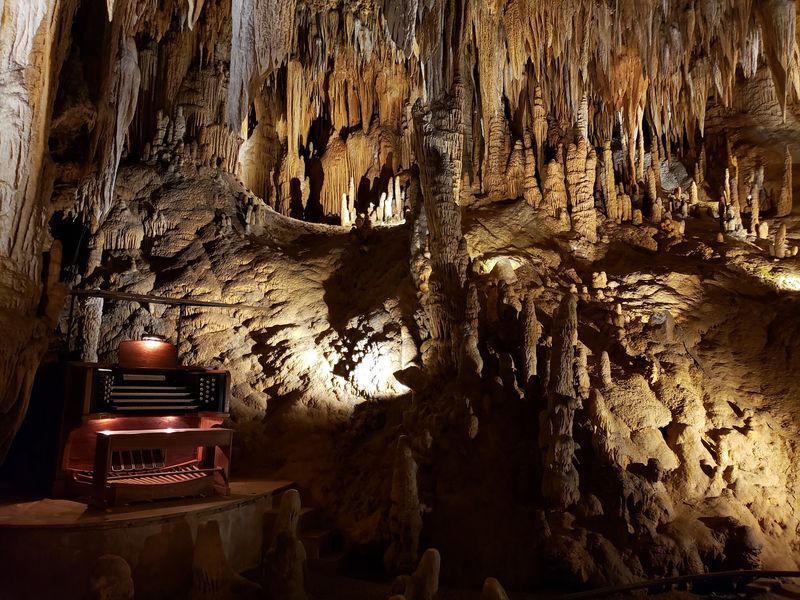
Leland W. Sprinkle had a day job at the Pentagon as a mathematician and electronics scientist.
In 1954, he started a side project that still makes people grin.
He created the Great Stalacpipe Organ, a lithophone that taps stone instead of blowing air. Electronically controlled mallets with rubber tips gently strike 37 chosen stalactites.
Those stalactites spread across 3.5 acres of the cave. The sound carries through the entire 64-acre cavern, which means the whole place becomes the concert hall.
The tones resemble xylophones, tuning forks, or bells. Hearing rock sing like that feels slightly unreal, in the best way.
Getting it right took three years of searching and careful shaping. Sprinkle tuned each stalactite to concert pitch using 13 English tuning forks.
The organ can be played by hand or through an automated system. Guinness World Records lists it as the largest musical instrument in the world.
Good luck hearing a church organ afterward without comparing it. This one has stone pipes that took ages to grow.
Underground Water That Doubles as a Mirror
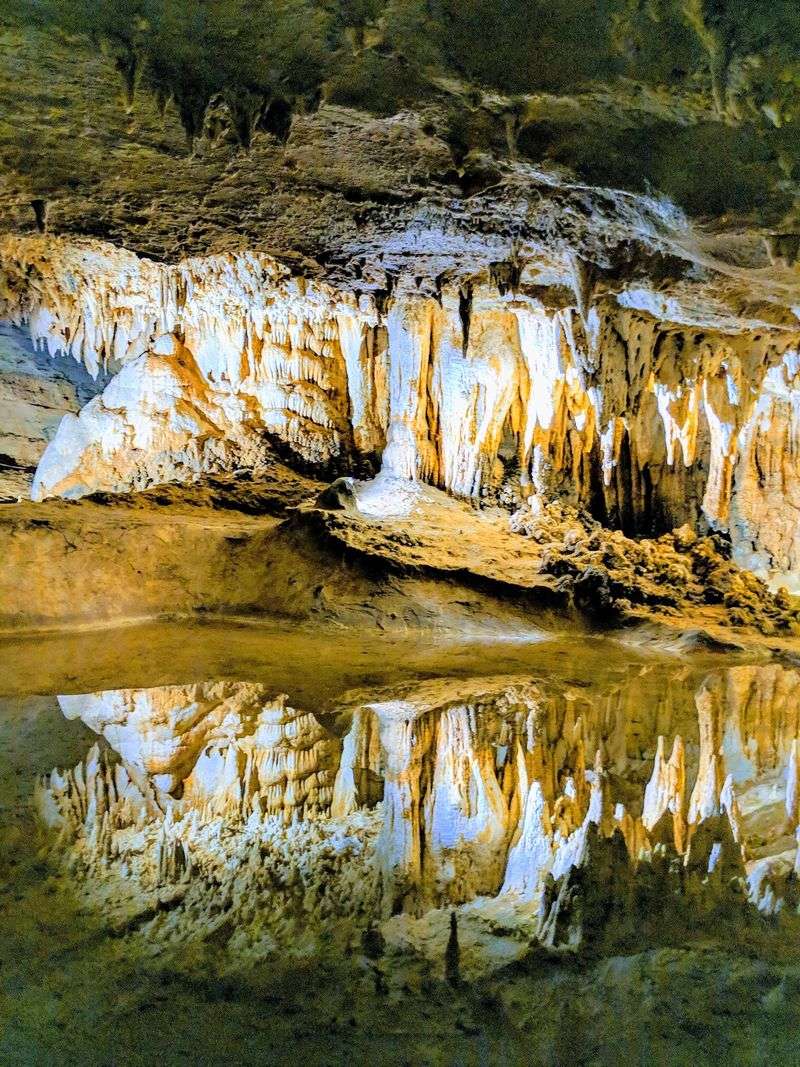
Dream Lake pulls off one of the best tricks in the whole cave. Its still surface reflects the stalactites so perfectly that the ceiling seems to plunge downward.
Your brain will argue with your eyes for a moment. That confusion is half the fun.
The Wishing Well adds another watery stop along the route. Coins tossed in over the years have become part of its look.
These mirrored pools give the cave a calm, hushed feeling. After the drama of giant columns, a flat sheet of reflecting water feels almost peaceful.
Bring your camera, but keep expectations realistic. Photos rarely capture the depth and glow of these scenes as well as your own eyes do.
The careful lighting helps, picking out shapes and colors that would otherwise vanish into darkness. Every reflection seems planned, even though nature did most of the work.
I can’t imagine a better spot to pause and simply look. Slow down here, and the cave rewards you with details you would miss at a quicker pace.
Vintage Cars, Old Toys, and a Valley Village Included
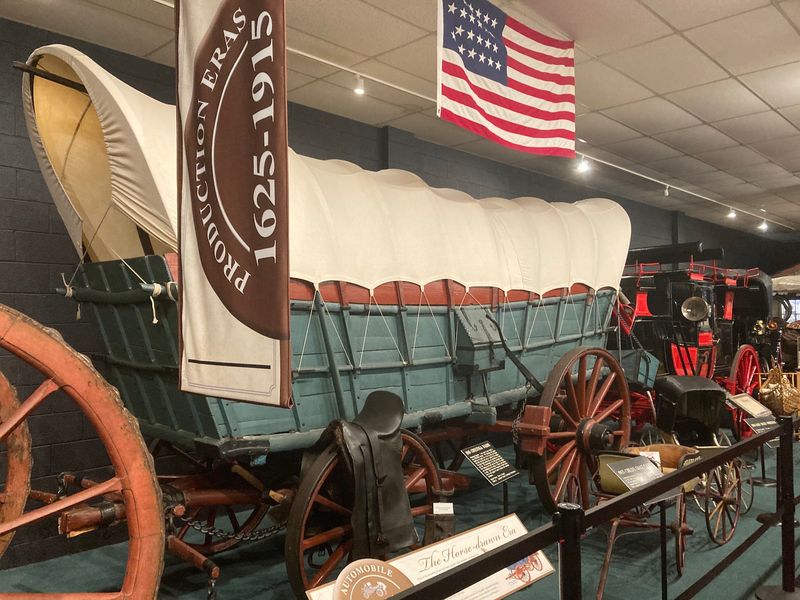
Admission covers more than the cave. That’s a pleasant surprise for anyone counting hours in a day trip.
The Car and Carriage Caravan Museum holds over 140 transportation pieces. Its collection includes vintage automobiles and carriages dating back to 1725.
Car fans tend to linger here longer than planned. Kids also enjoy spotting the oddest wheels in the room.
Toy Town Junction shows off vintage miniature trains, dolls, and collectible toys. It’s a nostalgia trip for grandparents and a puzzle of old-fashioned playthings for younger visitors.
Then there’s the Shenandoah Heritage Village. Restored 19th-century Shenandoah Valley buildings stand alongside a museum filled with regional artifacts.
Together, these stops give the visit a nice rhythm. You can trade cool cave air for sunshine and history above ground.
Plan for two to three hours to enjoy the caverns and these included attractions. Linger longer, and the whole day disappears without much effort.
Gift shops round things out, so leaving empty-handed takes real willpower.
Getting Lost on Purpose Is Part of the Plan

Somewhere on the grounds sits a one-acre hedge maze with 1,500 feet of twisting paths. Families wander in confident and come out with stories.
The Garden Maze needs a separate ticket. So do the Rope Adventure Park and the Gem Sluice.
The ropes courses come in different difficulty levels. Cautious climbers and bold ones can both find a fitting challenge.
The Gem Sluice offers a gem mining experience. It suits kids who like digging for treasure, which is most kids.
Near the cavern entrance stands the Luray Singing Tower. This 117-foot carillon holds 47 bells, so music follows you even above ground.
That gives the property a fun theme. Stone sings below, bells ring above, and the hedges stay silent while plotting against you.
Views of the Blue Ridge Mountains surround the grounds. They make waiting in line far more scenic than usual.
Mix and match add-ons based on energy levels. A tired crew might pick the maze, while restless climbers will head for the ropes.
What to Know Before You Head Underground
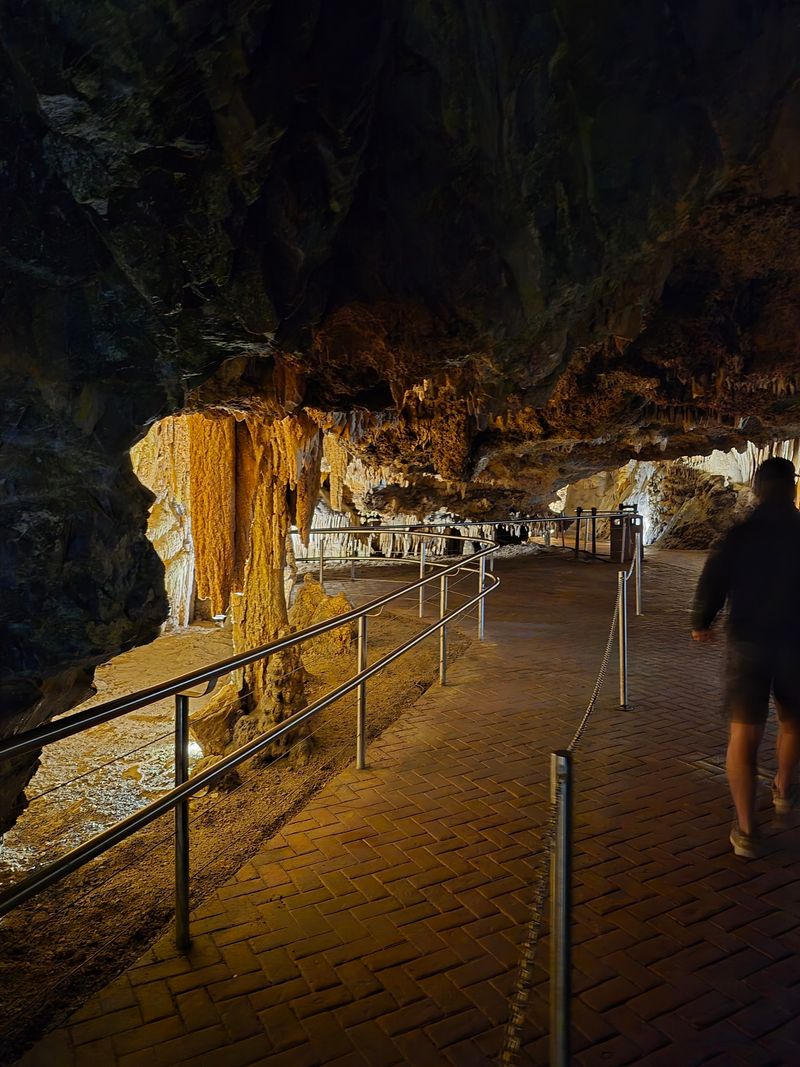
Luray Caverns opens every day of the year, with hours running from 9 AM to 6 PM. You’ll find it at 101 Cave Hill Road, Luray, VA 22835.
The self-guided route covers roughly 1.5 miles. Most people need a little over an hour to complete it.
Walkways are lit, paved, and step-free, which helps with accessibility. Railings line much of the path, though some sections can feel damp.
Shoes with good grip are a smart choice. Moisture on the walkway is simply part of living inside an active cave.
Bring a light layer if you run cold, especially for small children. That steady 54 degrees feels refreshing in summer and mild in winter.
Arriving early makes sense on busy days. Buying tickets ahead can also save time once the morning rush begins.
Parking, restrooms, and gift shops sit near the entrance and exit. Food is sold on site, along with fudge made right there.
Admission isn’t the cheapest outing in Virginia. Still, few tickets include a stone organ and several museums.
Worth the Detour, Maybe Even the Whole Day
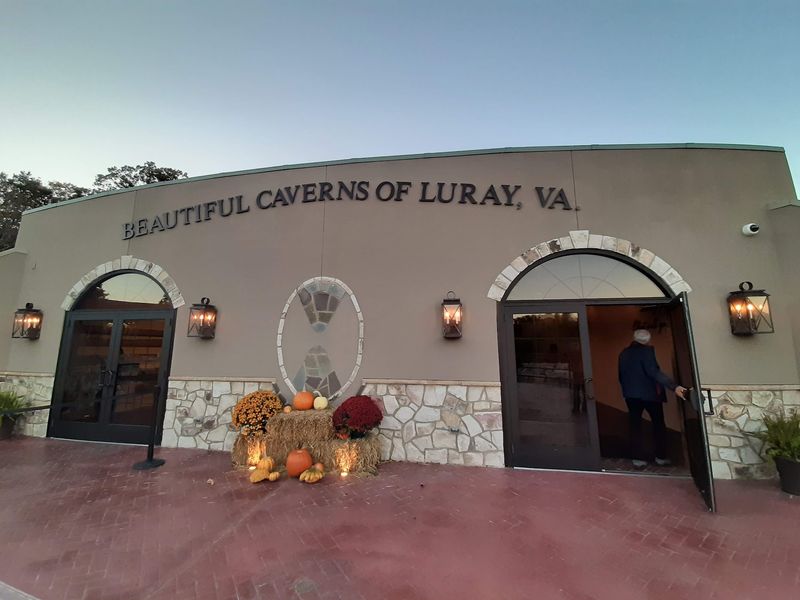
Few places let you hear 400-million-year-old stone hum a tune. That alone earns Luray Caverns a spot on any Virginia road trip.
The cave pairs nicely with Shenandoah National Park and Skyline Drive. You can explore mountains in the morning, then the world beneath them by afternoon.
Families will find plenty to share here. Curious kids get museums and mazes, while grown-ups get geology that feels almost theatrical.
Couples and solo travelers fit right in, too. The self-guided pace lets everyone stop wherever something catches their eye.
I believe the organ is what sticks with people longest. A mathematician’s patience turned a dripping ceiling into an instrument, and that story never gets old.
The 4.7-star rating on Google, across more than 27,000 reviews, suggests plenty of others feel the same spark. That’s a lot of happy cave walkers.
So go slowly and look up often. Listen for the notes drifting through the dark.
The stone has waited millions of years to perform. An hour or two of your attention seems like a fair trade.