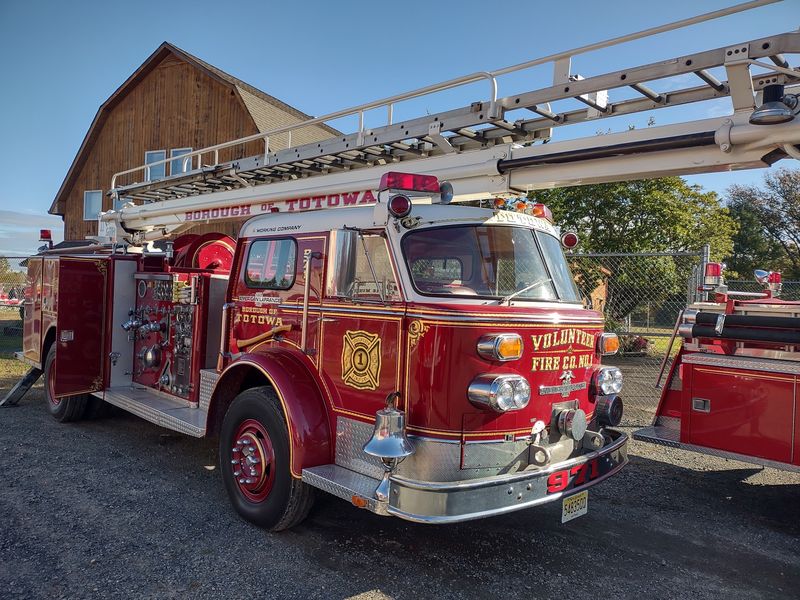
More than 60 fire trucks sit inside one New Jersey museum, and you can walk right up to their shiny bumpers. Hand-pulled carts, horse-drawn wagons, and old steamers share space with motorized engines.
The collection runs from the 1800s to the 1990s. It all started with one fire equipment dealer who loved collecting this stuff so much that the state took notice.
I like how close everything feels here. No velvet ropes keep you at a polite distance from the chrome, the ladders, or the brass.
Staff members might even be working on a truck in the garage area while you look around.
There’s a catch, though. The doors open to the public just one day a week.
So when is the right time to go, and what should you see first?
A Red-Truck Wonderland Hiding In Western Monmouth County
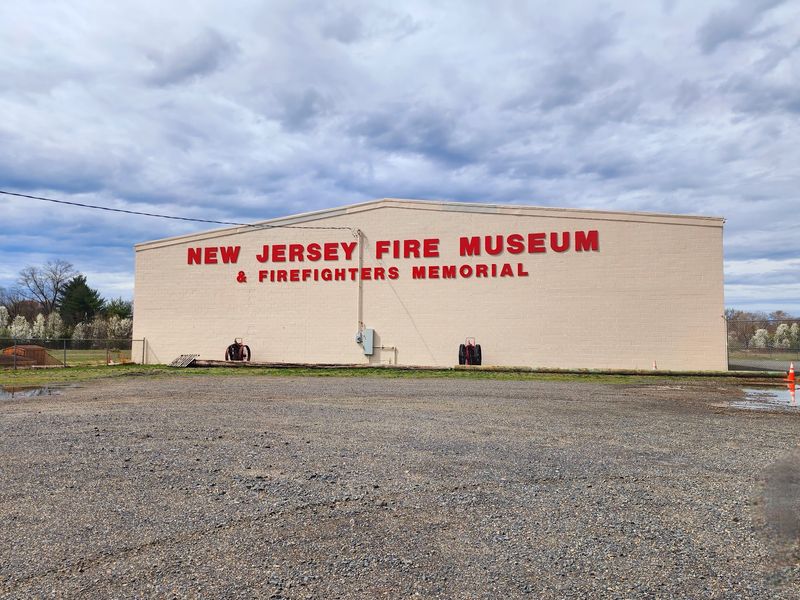
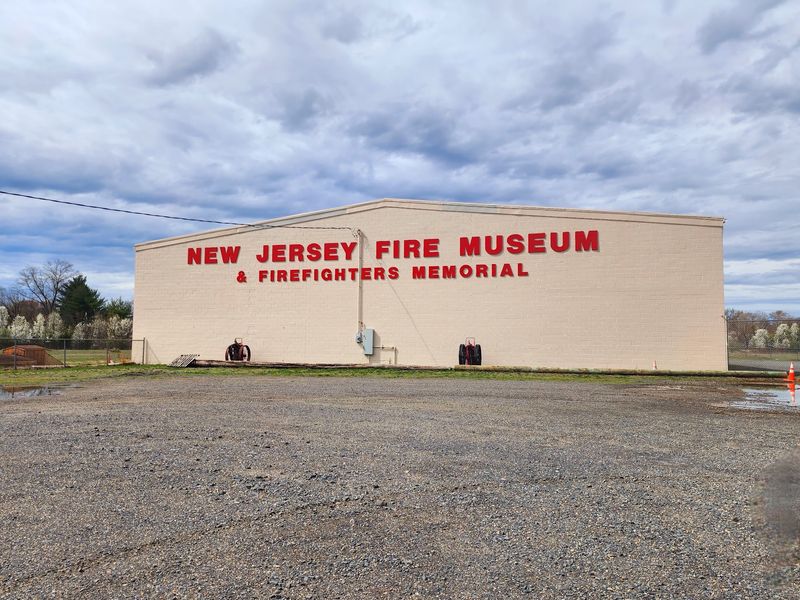
Fire trucks usually rush past you with sirens blaring. At the New Jersey Fire Museum and Fallen Firefighters Memorial, they finally sit still long enough for a proper look.
The museum holds the largest collection of firefighting history in New Jersey. Its home is a 20,000 square foot facility packed with apparatus, gear, and memorabilia.
You’ll find it in western Monmouth County, close to farm fields instead of strip malls. It’s a short hop from both Interstate 195 and the New Jersey Turnpike, yet it feels pleasantly removed from highway life.
The museum has a clear double mission. It preserves the story of the fire service in the state and honors firefighters who gave their service to their communities.
It also works as a teaching space. Exhibits cover how firefighting changed over time, along with lessons in fire prevention and safety.
The whole operation runs as a volunteer-powered nonprofit. That means real people who care about this history keep the doors open and the trucks shining.
For families hunting a low-cost outing with a big wow factor, this place deserves a spot on the list. Few rooms in the state hold this much red paint and polished brass at once.
One Collector’s Passion Became A State Treasure
Every great museum needs an origin story. This one begins with Ernest N.
Day, a fire equipment dealer and dedicated collector.
Back in the 1960s, the state Department of Environmental Protection began accepting donations from him. His extensive collection became the foundation for a future fire museum.
That kind of patience deserves applause. Collecting fire apparatus isn’t exactly like saving baseball cards in a shoebox.
In the 1970s, Governor William Cahill formally authorized the idea of a state fire engine and equipment museum. The vision now had official backing, though it still needed the right home.
That home finally arrived in 2015. The museum secured its current 20,000 square foot facility on former Princeton Nursery property.
Suddenly the collection had room to breathe. Trucks that once needed scattered storage could stand together where the public could actually see them.
I believe that long road adds meaning to every visit. Decades of effort from collectors, officials, and volunteers made this place possible.
When you look at an old pumper here, you’re seeing more than a machine. You’re also seeing generations of people who refused to let firefighting history fade away.
Former Nursery Grounds Make A Surprisingly Peaceful Backdrop
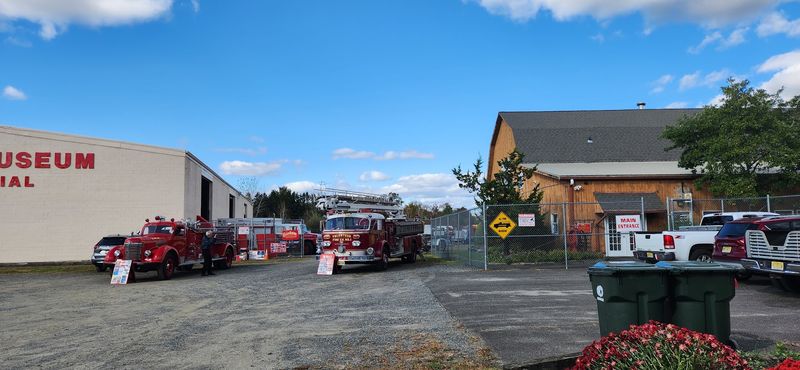
Plant nursery land might be the last place you’d expect to find a fleet of fire engines. Yet the former Princeton Nursery property now shelters one of the biggest collections in the state.
The setting gives the museum a calm, roomy feel. You get open grounds and space to stretch your legs between buildings.
Several visitors have described the location as a beautiful area. That fits the quieter side of Monmouth County, which still holds plenty of farmland and wide skies.
The property includes a large storage-style building filled with trucks. A separate museum building holds smaller artifacts, displays, and the gift shop.
Keep in mind that this is a working, evolving site. Portions of the property are being evaluated and planned for future restoration, so some areas may be closed for safety.
Exhibit layouts can also shift as volunteers balance space and preservation needs. What you see on one Saturday might look a little different on the next.
I don’t mind that at all. A museum that keeps rearranging its treasures gives you a reason to come back, and the country drive there is part of the fun.
More Than Sixty Engines Lined Up Bumper To Bumper
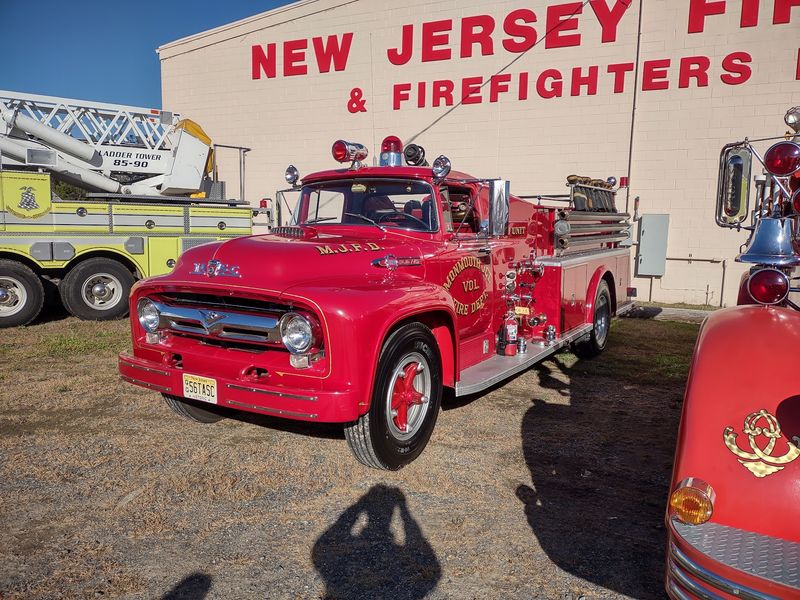
Sixty. That’s the number of fire trucks in this collection, and it’s more than enough to make any kid’s jaw drop.
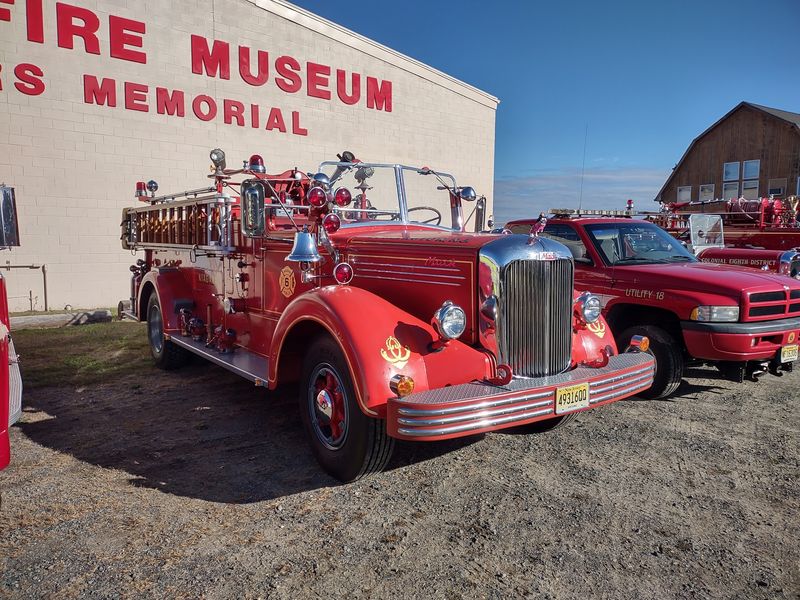
Over 40 of them are motorized trucks from different eras. You can trace the design changes as you stroll down the rows.
Early engines look boxy and rugged. Later models show off bigger cabs, longer ladders, and more modern gear.
The sheer volume tends to catch people off guard. Many folks arrive expecting a few trucks and leave stunned by how many fill the space.
Polished chrome, bright paint, and coiled hoses create a feast for anyone who loves machines. Photographers will want extra battery life for their phones.
Staff may also be working on trucks in the garage area during your visit. Watching restoration happen live adds a behind-the-scenes thrill most museums can’t offer.
Some vehicles might be in storage or under evaluation on a given day. The lineup can change, but the scale always feels impressive.
Good luck choosing a favorite. Most people end up picking three or four, then changing their minds on the way out.
Hand Pumpers And Horse-Drawn Wagons Steal The Show
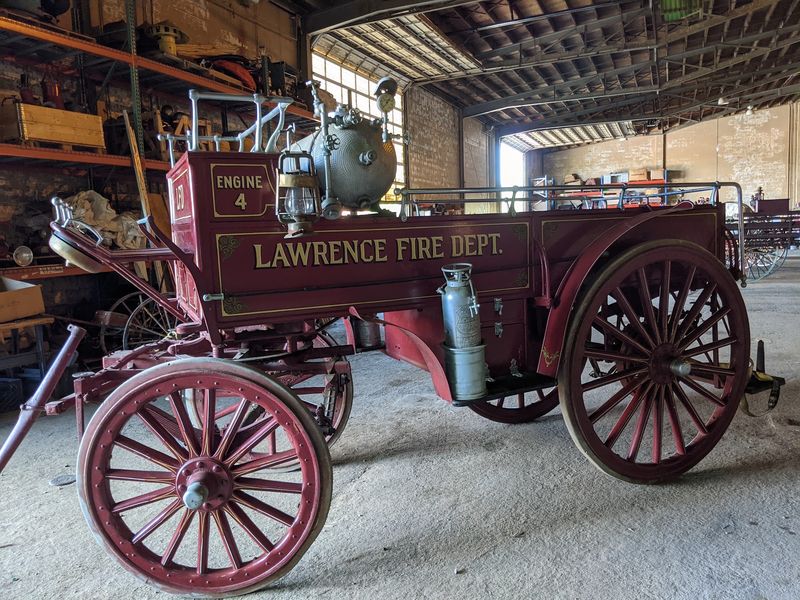
Long before diesel engines, firefighters relied on muscle. Some of the oldest pieces here were literally pulled and pumped by hand.
The collection includes early hand pumpers and man-pulled carts. Seeing them up close makes you appreciate how exhausting firefighting once was.
Horse-drawn apparatus comes next in the timeline. These wagons sit on big spoked wheels that look straight out of an old photograph.
Steamers add another chapter. They marked a major leap in how crews moved water toward a blaze.
Then come the antique motorized engines. Following the line from cart to steamer to engine feels like flipping through a history book made of steel and wood.
I can’t imagine sprinting to a fire while dragging one of these carts. The early volunteers must have had serious stamina.
Kids often find these older pieces just as exciting as the shiny trucks. Big wheels and odd gadgets are easy to love at any age.
Take your time in this part of the museum. The craftsmanship on the oldest apparatus rewards a slow, curious look.
Get Close Enough To Count The Rivets
No glass cases. No long ropes.
That simple freedom is what makes the New Jersey Fire Museum and Fallen Firefighters Memorial feel so special.
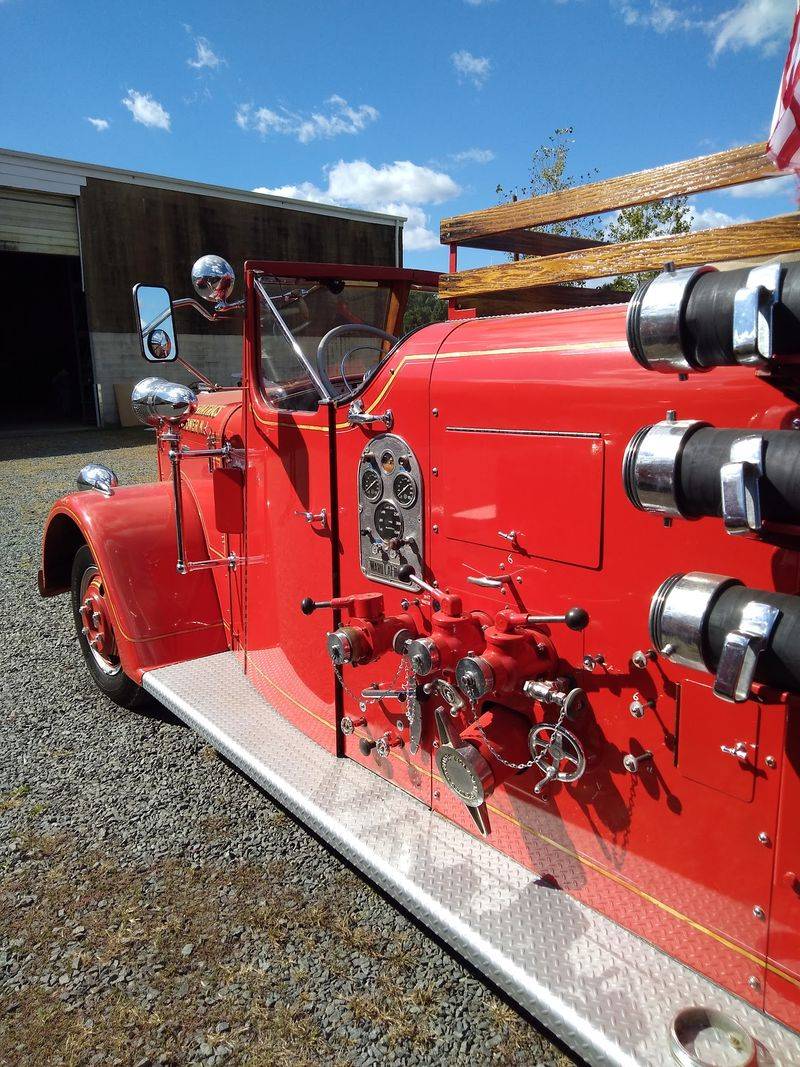
You can walk right up to the apparatus and study the details. Brass fittings, hand-painted lettering, and worn wooden ladders are right there in front of you.
Staff members have been known to welcome guests to touch some of the trucks and equipment. On some visits, people have even been allowed to sit in certain vehicles.
That kind of hands-on access can turn a quick stop into a memorable afternoon. Kids who climb into a driver’s seat tend to talk about it for weeks.
Policies can vary based on the day and the condition of each truck. Always follow staff guidance and ask before you touch or climb.
Every so often, staff cleaning a truck have offered a quick ride around the property. That’s a lucky bonus, not a promise, so treat it as a fun surprise.
Either way, you’ll get closer to these machines than you ever could on the street. That’s a rare treat for a fire truck fan.
Alarm Boxes, Helmets And Shiny Brass Trumpets
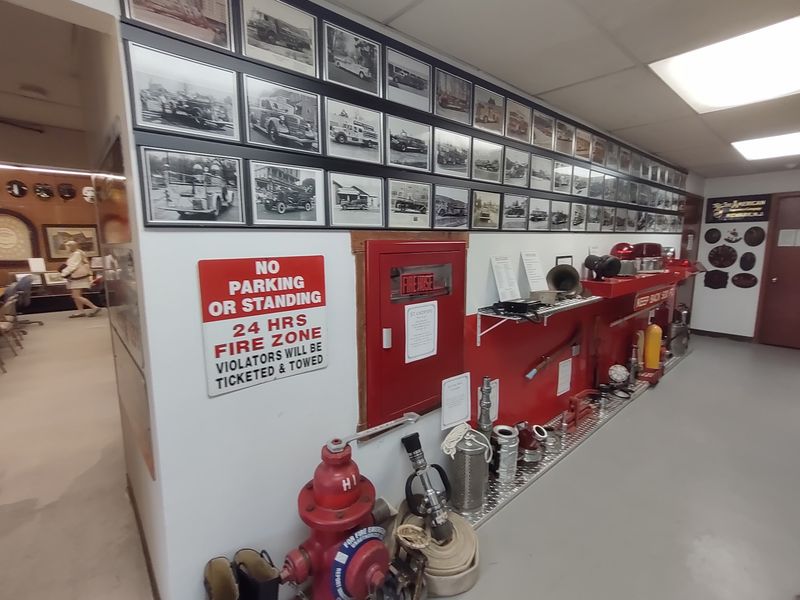
Brass speaking trumpets once helped fire chiefs bark orders over the chaos. A few of them now gleam quietly on display here.
The museum’s artifact collection reaches well beyond the trucks. You’ll find historic alarm boxes, helmets, badges, photographs, and plenty of memorabilia.
These items span from the 1800s to the 1990s. Together, they show how firefighting gear and communication changed across more than a century.
Old alarm boxes are especially fun to study. They remind you how communities called for help long before cell phones.
Additional collectibles and historical items fill the office and gift shop area. Don’t rush past those rooms, since some of the most interesting pieces hide there.
The collection leans heavily into New Jersey fire companies and their stories. Local history fans may spot names from towns they know.
Even the mugs and smaller keepsakes carry personality. Each one hints at a firehouse, a crew, or a moment worth remembering.
Plan to slow down in this section. The details are small, but the stories behind them are huge.
A Tiny Fleet That Thrills The Littlest Visitors
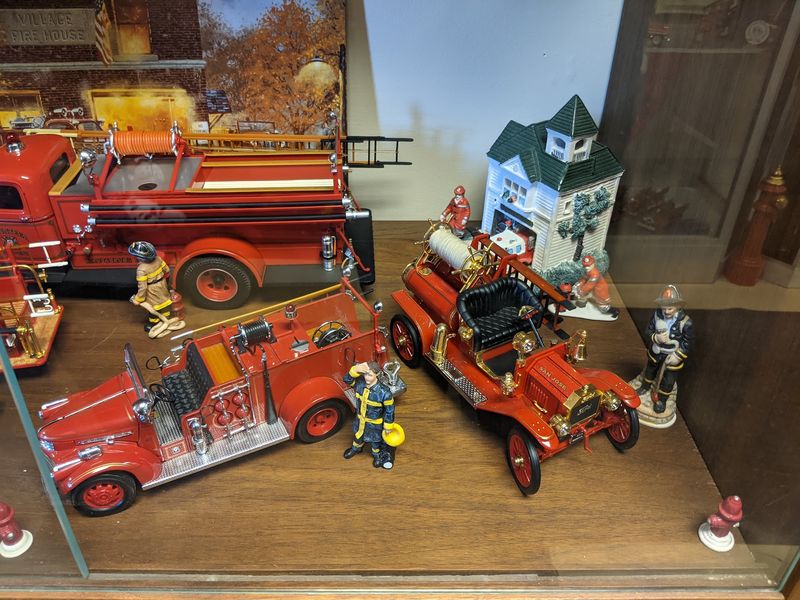
Big trucks get the headlines, but small ones can win over the youngest crowd. The museum has featured a room with a collection of toy fire trucks.
For little kids, that miniature fleet can be the highlight of the trip. Rows of tiny engines are easier to take in than a giant warehouse.
It’s also a sweet reminder of how many of us first met fire trucks. A toy engine on the living room floor started plenty of lifelong obsessions.
Families with preschoolers should know that children under 5 get in free. That makes the visit easy on the budget for younger siblings.
The mix of full-size apparatus and toys creates a nice rhythm. Kids can bounce from awe to play and back again.
Displays may change over time as volunteers update exhibits. If the toy collection is a must for your crew, ask staff where it’s currently shown.
Either way, young visitors leave with plenty to talk about. Don’t be shocked if a new toy request pops up on the ride home.
A Quiet Place To Honor New Jersey’s Fallen
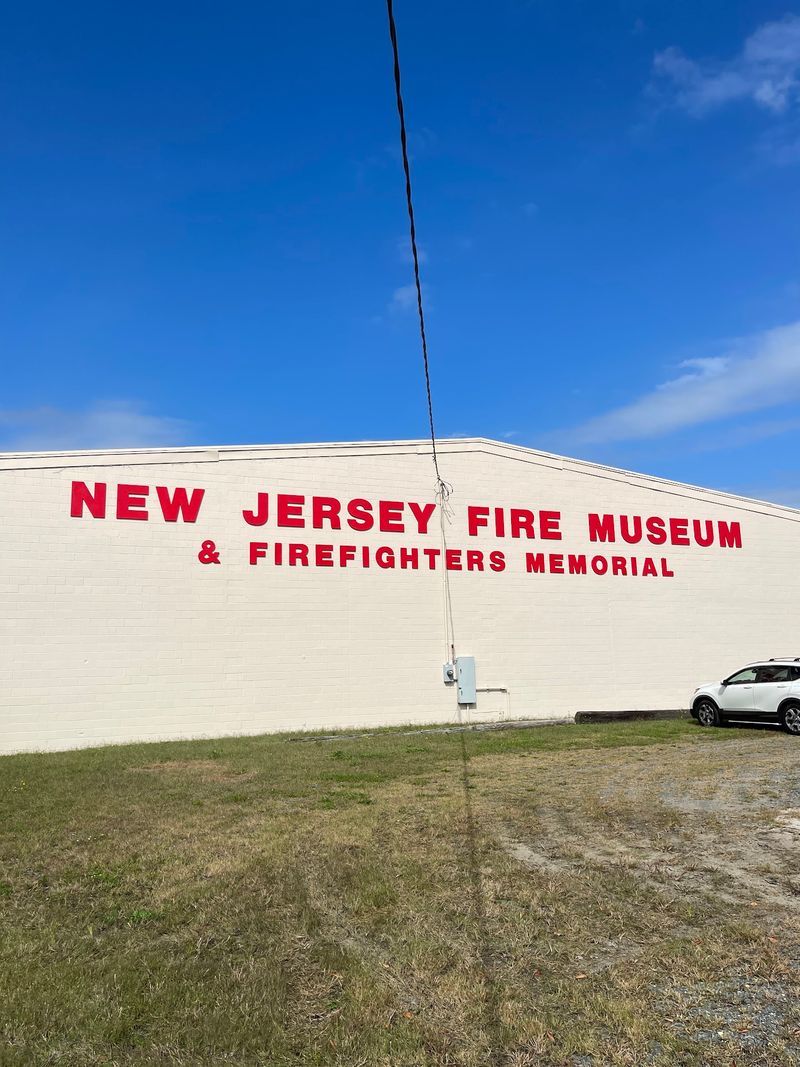
Shiny trucks are exciting, but the memorial on the grounds carries the museum’s deepest meaning. It honors New Jersey firefighters who gave their lives in service to their communities.
The memorial is part of the museum’s full name for a reason. Remembering those firefighters sits right beside preserving the history.
In 2024, plans were set to expand the memorial. It’s set to move to its own designated parcel on the property.
That growth shows how seriously the museum takes this responsibility. A dedicated space can give families and visitors more room for reflection.
For many guests, this is a gentle way to talk with kids about bravery. It connects the cool trucks to the real people who rode them.
Former firefighters often feel especially at home here. Some have said a visit feels like stepping back into the firehouse.
Take a few minutes at the memorial before you leave. It adds a thoughtful, grateful note to a day full of chrome and ladders.
A Research Library For Serious Fire History Buffs
Over 1,800 volumes. That’s the size of the library tucked inside this firefighting museum, and it’s a dream for history detectives.
The research facility covers fire service history and technical materials. Writers, hobbyists, and firefighters can all find something useful on those shelves.
Access works a little differently than the main museum. You’ll need to contact staff to arrange a visit to the library.
It’s typically open on the first Saturday of each month. It’s also available on most other Saturdays when staff are present.
Planning ahead is the smart move here. Volunteers run the museum, so availability can shift.
The archive also helps explain why the trucks matter. Manuals and records give context to the machines parked out in the warehouse.
I like that the museum serves both casual visitors and deep divers. You can stroll through for an hour or spend a day researching an old engine company.
If your family includes a fire history buff, mention the library in advance. It might become their favorite room on the property.
Open House Day And The Antique Truck Muster
Mark the calendar for September 27, 2026. That’s the date set for the museum’s next annual Open House.
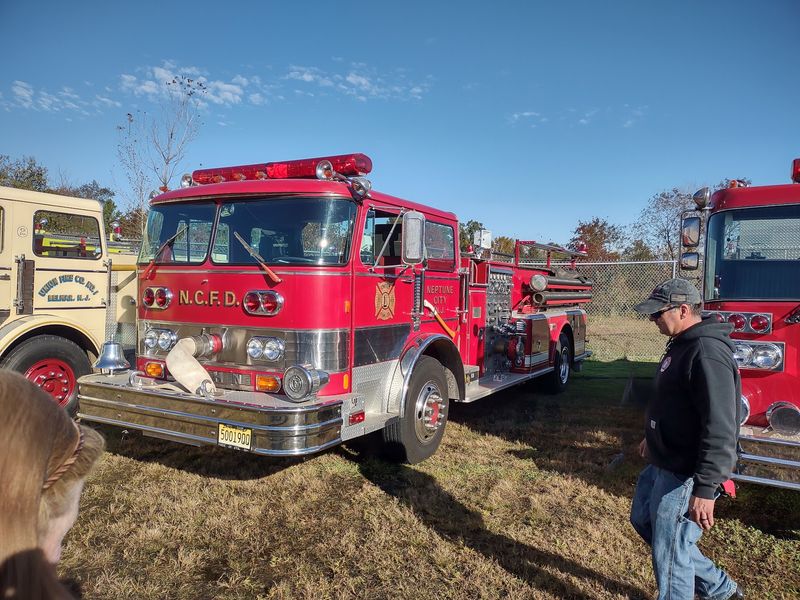
Special events bring extra energy to the grounds. The museum hosts both an annual Open House and an Antique Fire Truck Muster.
A muster gathers vintage apparatus in one place for fans to admire. It’s like a car show, only louder in spirit and far more red.
The Open House has traditionally landed near Fire Prevention Week. That timing fits the museum’s educational focus nicely.
Past Open House days have been free to attend. Donations are always welcome, since they help keep the trucks in shape.
Event days can also change regular schedules. Hours may shift during outdoor events or major holiday weekends.
Families who love these events often return again and again. The festive mood and friendly volunteers make them easy to enjoy.
Check the museum’s official channels before heading out. Event details can update, and you won’t want to miss the fun.
The Volunteers Who Keep The Chrome Shining
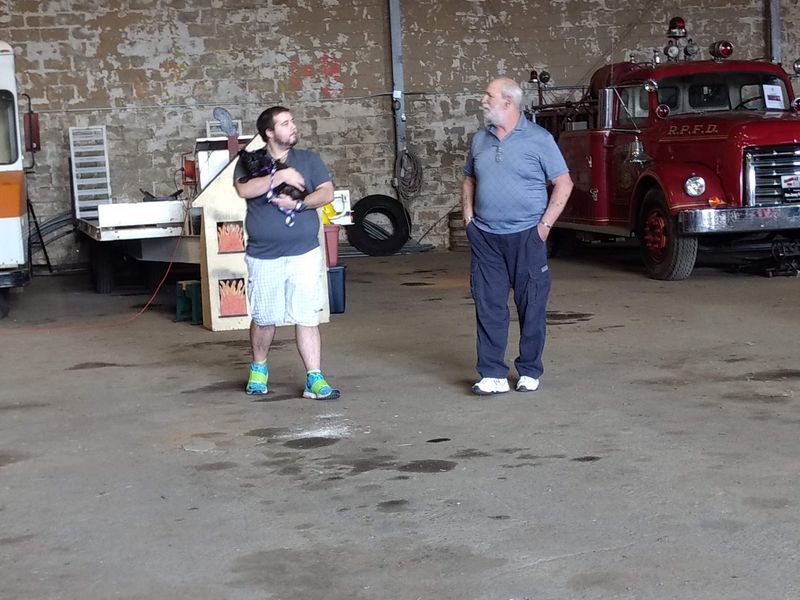
Passion powers this place. The museum runs as a volunteer-driven nonprofit, and that care shows in every polished bumper.
Staff members get frequent praise for being knowledgeable and kind. Many are eager to walk guests through the collection and share stories.
Their love for the fire service is contagious. A simple question about a ladder can turn into a fascinating mini history lesson.
Volunteers also handle restoration and upkeep. That’s why you might catch someone working on a truck in the garage.
The limited hours come from that volunteer model. Keeping a huge collection running takes time, money, and plenty of helping hands.
Admission money goes straight back into the museum. It supports the historic apparatus, the archives, and the memorial grounds.
If you leave inspired, consider a membership or donation. Members get in free, and every bit helps future restorations.
I believe that support matters more than ever. Some buildings need evaluation and repair, and community backing will shape what comes next for the collection.
Plan Around Saturday Mornings Before You Hop In The Car
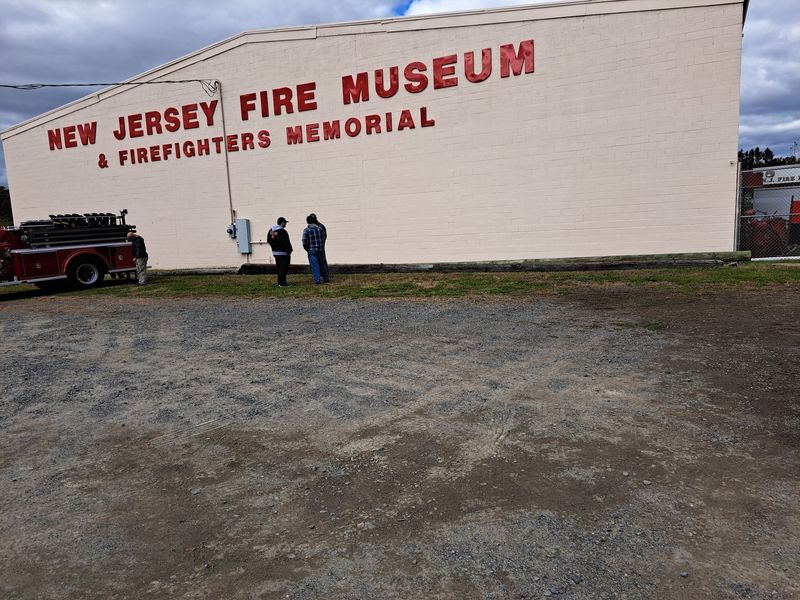
Saturdays are the magic word here. The museum opens to the general public on Saturday mornings at 10 AM.
Closing time has been listed as either 2 PM or 3 PM, depending on the source. Your best bet is to arrive early and check the official schedule first.
The museum is closed to walk-ins Sunday through Friday. Scheduled group tours and special events can still happen year-round.
You’ll find it at 4 Polhemustown Road, Allentown, NJ 08501. It sits minutes off Interstate 195 and the New Jersey Turnpike.
Parking is free and spacious, with room for tour buses. Accessible spaces sit right beside the main building entrance.
Admission comes with a small fee for adults. Children under 5 and museum members get in free.
The tour is self-guided, so you can move at your own pace. Plan on spending one to two hours exploring.
Holiday weekends and outdoor events may change the hours. A quick check online before you leave can save a wasted trip.
Why Every Fire Truck Fan Should Make The Trip
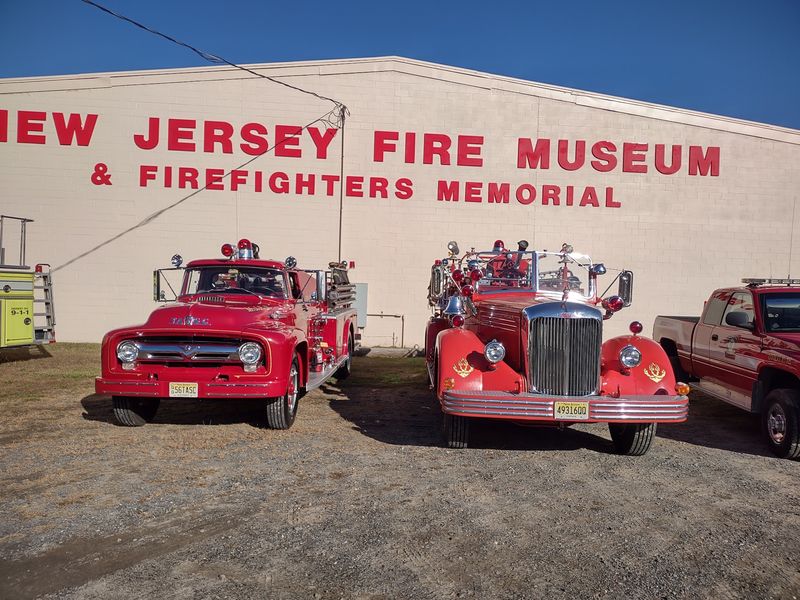
Small admission, giant payoff. That’s the simplest way to sum up a Saturday at the New Jersey Fire Museum and Fallen Firefighters Memorial.
The museum holds a 4.8-star rating on Google. That’s an impressive mark for a volunteer-run spot with limited hours.
Families will love the hands-on feel and the toy collection. Former firefighters may find it feels a lot like coming home.
History fans get artifacts from the 1800s through the 1990s. Researchers get a library with more than 1,800 volumes.
Yes, the hours are tight, and some areas may be closed for evaluation. Exhibits keep evolving as the volunteers work toward future improvements.
Still, few places in New Jersey let you get this close to so much firefighting history. The setting feels refreshingly far from the usual highway hustle.
Bring curious kids, a charged phone, and a little extra for a donation or gift shop treat. Your support helps keep these engines gleaming.
Then pick your favorite truck. Odds are good you’ll be back to choose a new one next Saturday.