Some of the walking paths in this New York woodland were first worn into the ground by Lenape feet. Those trails still twist past oaks, tulip trees, and sweetgums that have been growing for centuries.
The forest covers about 50 acres. It’s considered the largest remaining piece of the original forest that once blanketed New York City.
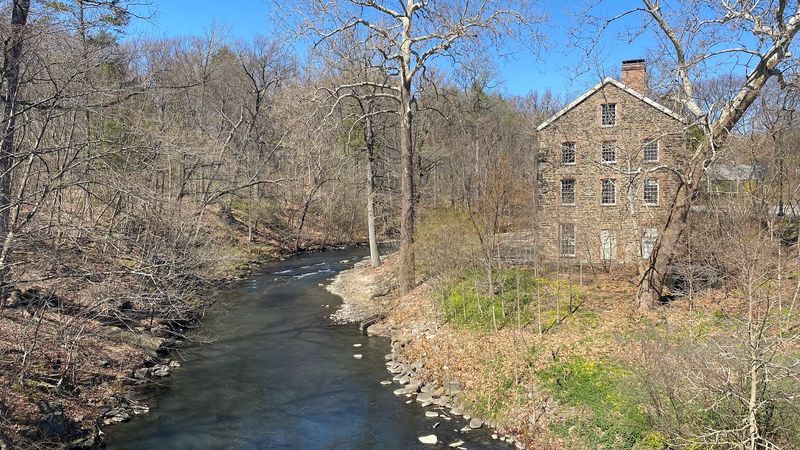
A river runs straight through it, complete with a waterfall you can hear before you see it.
I like how the whole place asks almost nothing of you. You just walk, look up, and let the city noise fade into birdsong and rustling leaves.
Fallen trunks sprout fungi, and chipmunks dart across the trail like they own it.
I can’t imagine a better reset for a busy brain. So where exactly is this ancient forest hiding in plain sight?
An Ancient Forest Sitting Inside One Of America’s Great Gardens
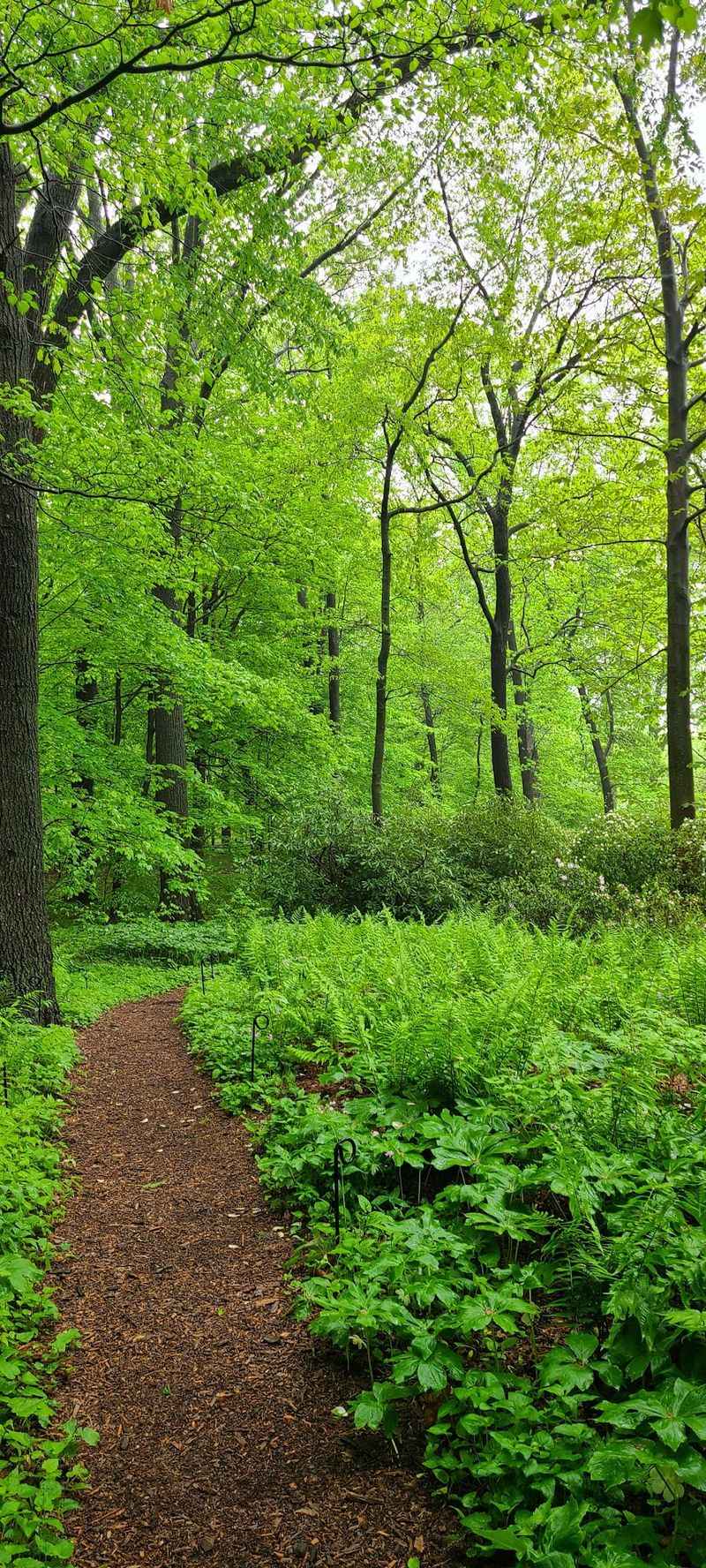
Here’s the surprise: the forest lives inside the New York Botanical Garden in the Bronx. The Thain Family Forest stretches across roughly 50 acres right in the middle of the garden grounds.
That makes it the largest surviving remnant of the woodland that once covered New York City. Before skyscrapers and subway lines, much of the area looked a lot like this.
Most garden visitors come for roses, conservatories, and seasonal displays. Then they wander onto a forest path and suddenly feel miles from the nearest sidewalk.
The forest isn’t a separate park with its own gate. You reach it with general admission to the botanical garden, so it pairs easily with everything else on the grounds.
I love that layout. You can spend the morning admiring carefully planned flower beds, then switch to a landscape shaped mostly by time, weather, and water.
It feels like two very different trips folded into one ticket. For New York day-trippers who appreciate places that preserve something rare, that combination is hard to beat.
The forest also carries a deep sense of continuity. These trees were here long before the garden, and long before the borough around it.
Footpaths With A Lenape Backstory
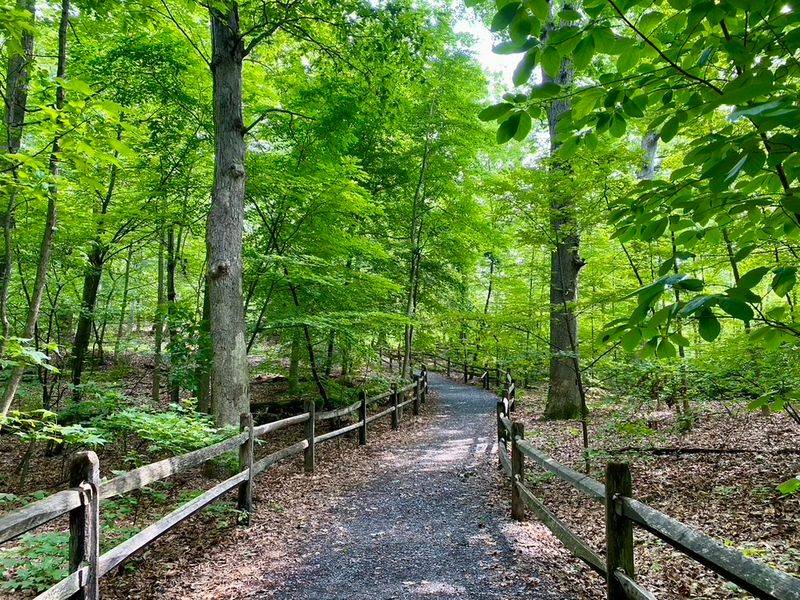
Long before anyone drew a garden map, people were already walking these routes. Many trails in the Thain Family Forest follow paths used by the Lenape, who lived here before European arrival.
That detail changes how a simple stroll feels. You’re tracing the same curves and ridgelines that guided hunters and travelers centuries ago.
The landscape helps explain why those routes made sense. Rocky ridges rise in some spots, while other trails drop toward the Bronx River floodplain.
Look closely and you can also spot marks left by glaciers. Ice scraped and shaped this ground long before any human footsteps arrived.
Descriptive placards appear along the way, offering history about certain areas. They give you just enough context without turning the walk into a lecture.
I believe that balance is the sweet spot. You get the story, then the forest takes over and lets you think about it.
For history lovers, these trails are a rare chance to connect with New York’s earliest chapters. No museum glass, no velvet ropes, just dirt paths and old trees keeping the record.
Giants Overhead That Make Your Neck Work Overtime
Oaks, tulip trees, and sweetgums form the backbone of this canopy. Many of them have been growing for centuries, which is a wild thought inside a city of eight million people.
Tulip trees in particular grow tall and straight. Standing at their base and staring up is the fastest way to feel pleasantly small.
The forest isn’t frozen in time, either. Huge trees occasionally fall across the paths, and crews cut away just the section blocking the trail.
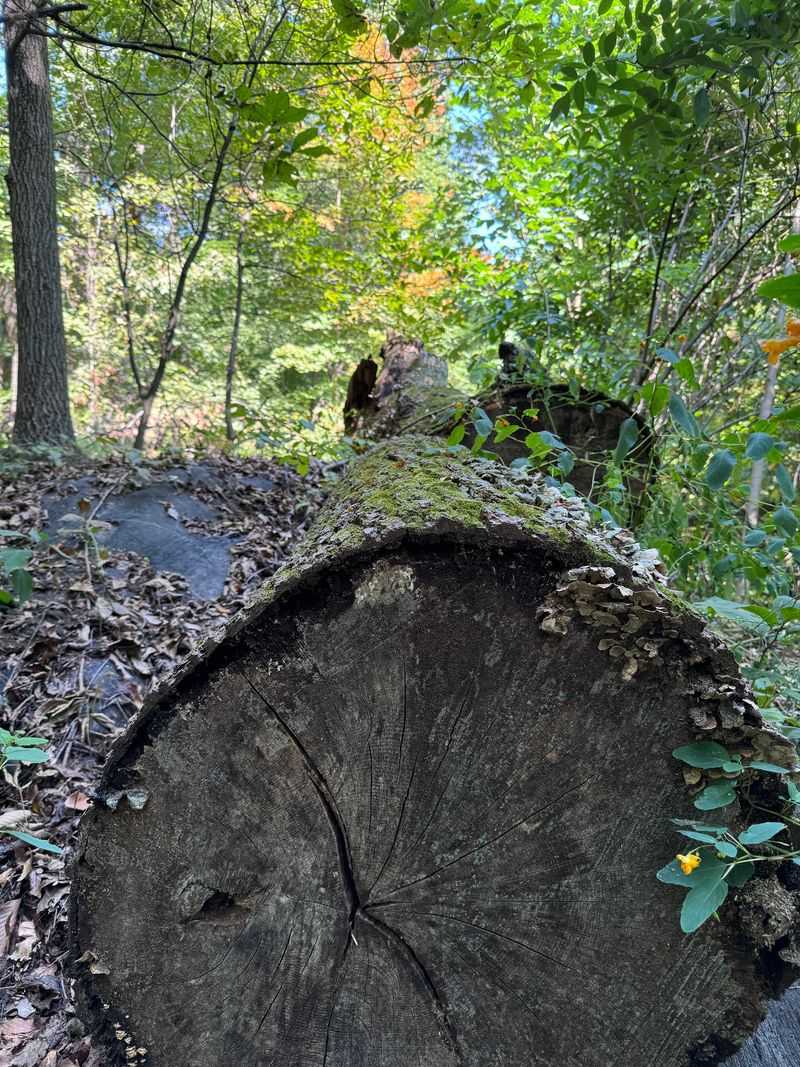
Passing those trimmed trunks is oddly fascinating. You can see the sheer bulk of wood that took generations to build.
Fallen logs stay part of the story too. Fungi break down the trunks, recycling old trees into fresh soil for the next round of growth.
That cycle is exactly what makes an old-growth forest special. Young saplings, mature giants, and decaying logs all share the same patch of ground.
If you enjoy sketching or photographing bark, branches, and textures, bring your gear. The variety of trunks alone could fill a notebook, and nobody will rush you along.
The Bronx River And Its Surprisingly Charming Waterfall
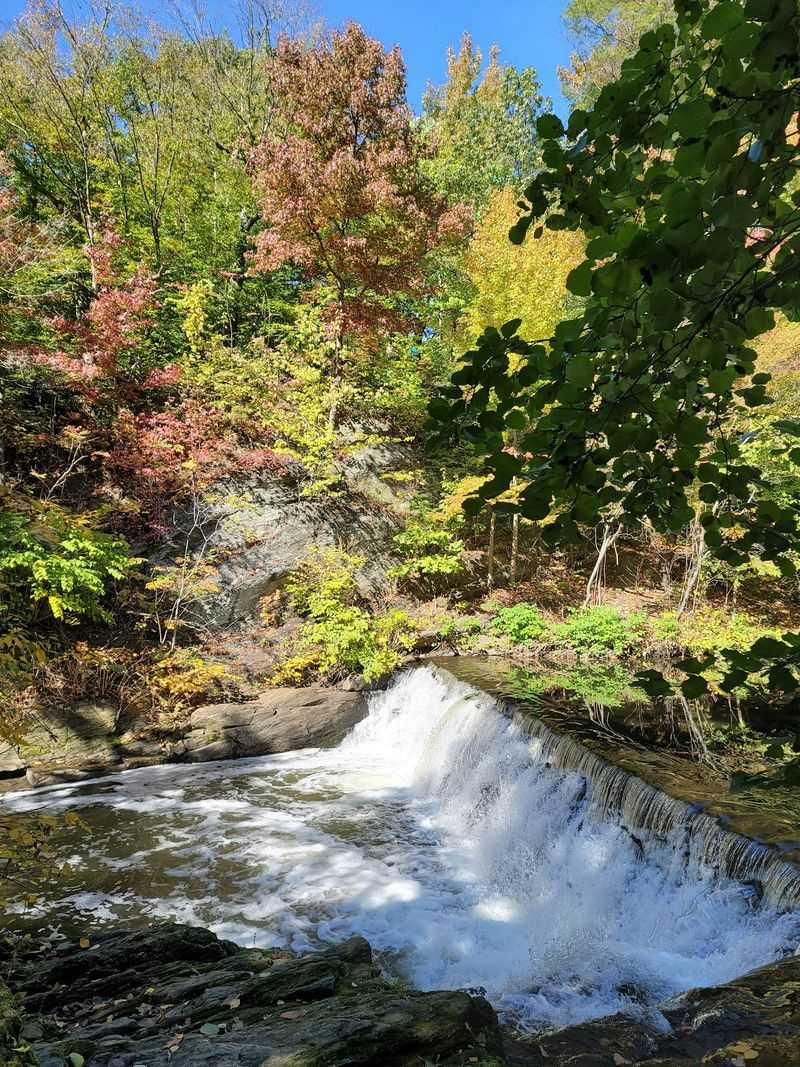
Yes, the Bronx River really runs through a forest. It cuts right across the Thain Family Forest, and it brings a small waterfall along for the ride.
The sound of moving water changes the whole mood of the woods. It drowns out traffic and makes the trail feel farther from civilization than it actually is.
A bridge carries walkers over the river and offers some lovely views. Look upstream from there and you can catch a glimpse of the falls.
Down by the floodplain, the terrain flattens and softens. It’s a nice contrast to the rocky ridges found elsewhere in the forest.
Water also helps on hot days. The shaded forest near the stream tends to feel a bit cooler than the open lawns and flower beds.
That makes this section a smart summer stop. When the sun gets bossy, the river trail offers a break without leaving the garden.
Photographers will want to linger here. Moving water, mossy rocks, and filtered light make it one of the most picture-ready corners of the whole place.
Chipmunks, Songbirds, And Fungi Stealing The Show
Birdwatchers, pack the binoculars. The forest supports many species of birds, and their calls follow you along the trails.
An old woodland in the city is a magnet for wildlife. Big trees, a river, and plenty of shelter create habitat that’s hard to find elsewhere nearby.
Chipmunks are frequent scene-stealers. They zip across paths and vanish under logs before you can get the camera ready.
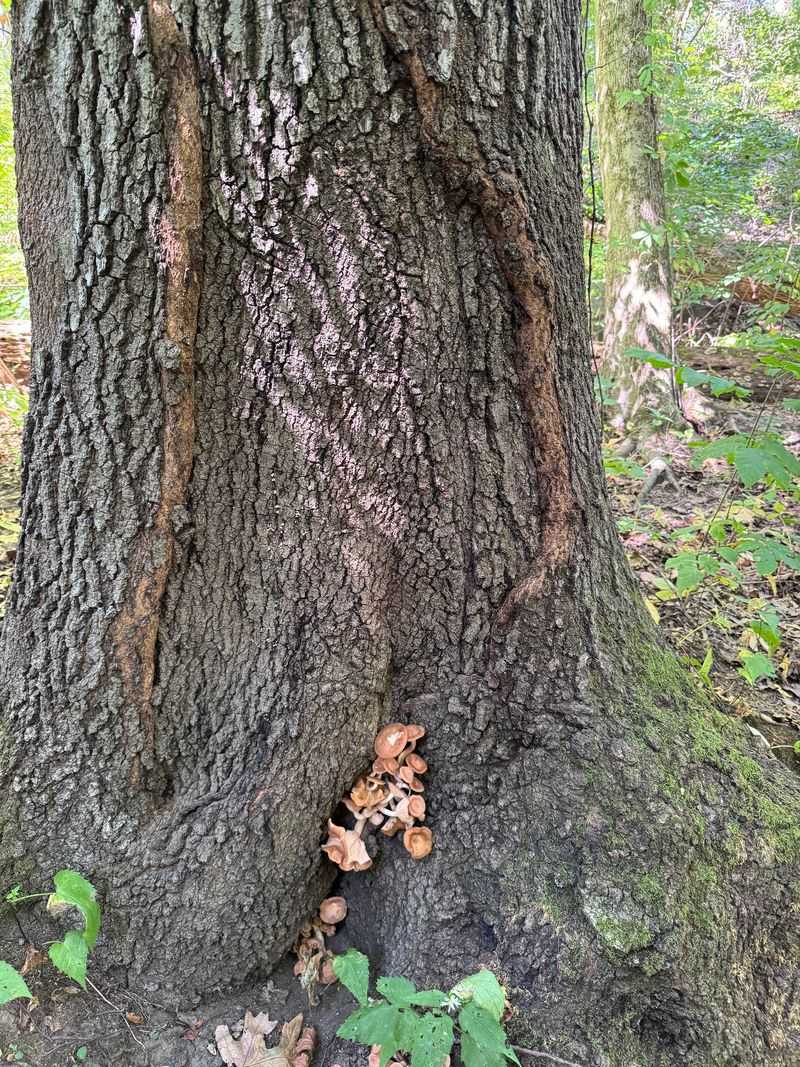
Then there’s the fungi. Mushrooms and shelf fungi grow on fallen trunks, slowly devouring wood that once towered overhead.
I like how the small details reward patience here. Slow down, scan the forest floor, and new textures and colors keep appearing.
Hobbyists who keep nature journals or birding lists will find plenty to record. A quiet morning loop could easily fill a page with notes and sketches.
Kids enjoy this part too. Spotting a chipmunk or a strange mushroom turns a simple walk into a treasure hunt, no screen required.
Just remember to keep your distance and stay on the trails. The whole point is letting this habitat stay wild and healthy.
A Name Tied To A Modern Restoration
Every old forest needs a little help these days. In 2011, John and Carmen Thain supported a restoration effort, and the forest now carries their family name.
That support matters because urban woodlands face real pressure. Invasive plants, heavy foot traffic, and changing conditions can all wear down an ecosystem.
Restoration work helps keep native trees and plants thriving. It also keeps trails clear, safe, and pleasant for the people who walk them.
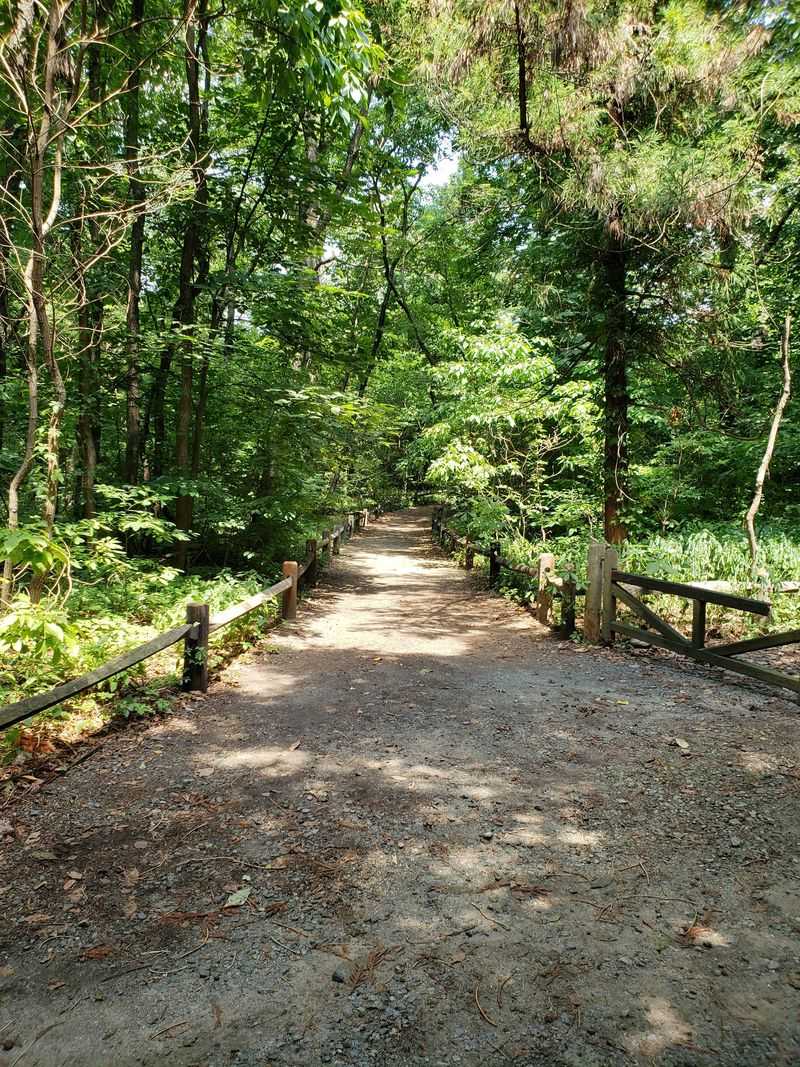
The trails here are well maintained and clearly marked. That makes it easy to explore without worrying about getting turned around.
I believe that care is what keeps the forest feeling wild rather than neglected. Thoughtful stewardship lets nature do the heavy lifting.
The forest also serves as an ecological and educational resource. Placards along the paths share history and context, turning a walk into a gentle lesson.
For anyone who values preserving traditions, this is the natural version of that idea. Someone decided an irreplaceable piece of New York’s past deserved protection, and the results show on every trail.
Quiet Enough For Tai Chi, Easy Enough For Families
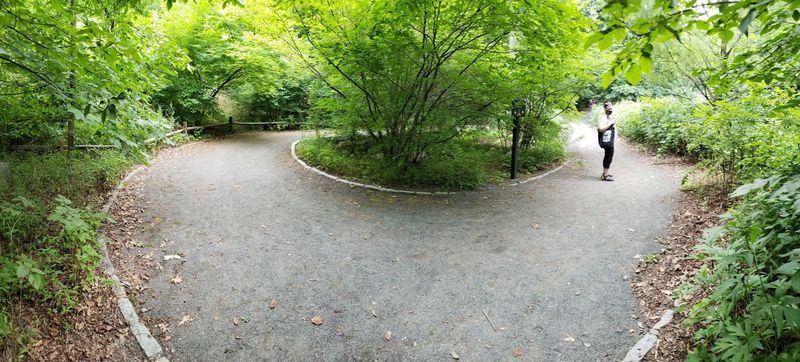
Peace and quiet are the forest’s real specialty. The atmosphere is serene, and it’s easy to forget you’re surrounded by one of the busiest cities on Earth.
Some visitors even come here to practice tai chi and qigong. The calm setting and filtered light make the forest a natural fit for slow, mindful movement.
Families will feel welcome too. The trails suit all ages, and some are wheelchair accessible.
The paths are also shorter than they look on the map. That’s good news for little legs and anyone not planning a marathon.
Still, give yourself time. Allowing a couple of hours for the forest alone lets you explore without watching the clock.
The forest even works as a scenic shortcut. It sits near the middle of the garden, so cutting through can get you toward the rose garden area faster.
Picnickers, nature lovers, and anyone needing a mental reset will all find a spot. It’s the rare place where a toddler and a meditator can share the same trail happily.
Hours, Tickets, And How To Get There
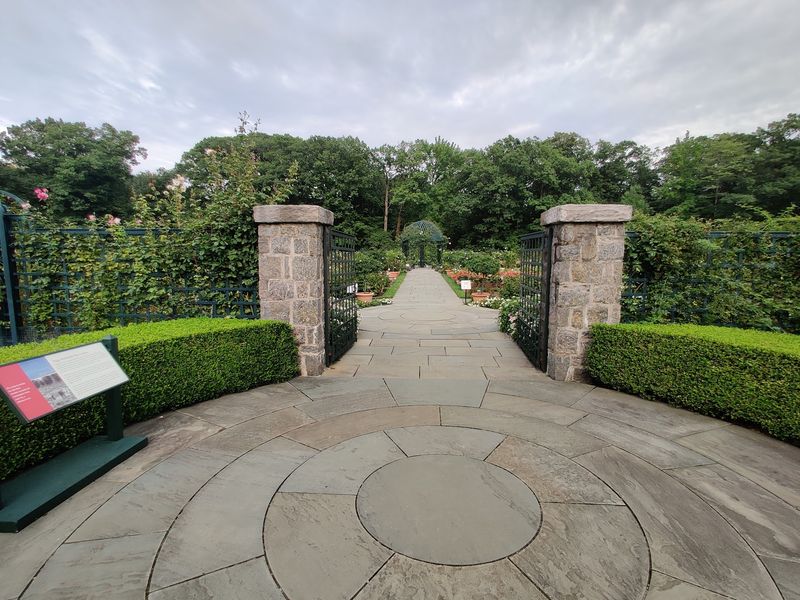
Planning is simple once you know the basics. The Thain Family Forest is located on Bronx Park Rd, Bronx, NY 10458, within the New York Botanical Garden.
Forest hours currently run from 11 AM to 4 PM, seven days a week. Garden hours can differ by season, so check before you head out.
Access comes with entry to the botanical garden. The garden has offered free admission periods for New York City residents, so look into current options when planning.
Garden membership is another route for frequent visitors. It can make repeat trips easy, and there’s often something happening on the grounds.
Driving is an option, with parking available at the garden. A wheelchair-accessible entrance helps make arrivals smoother for everyone.
The garden also offers restrooms, shops, and a concession stand. Those amenities make a full day trip comfortable, especially with kids along.
Wear sturdy shoes, since the terrain includes ridges and floodplain trails. Bring water, binoculars, and maybe a sketchbook, and you’re ready for a few relaxed hours in New York’s oldest woods.
Why These Old Woods Deserve A Spot On Your Calendar
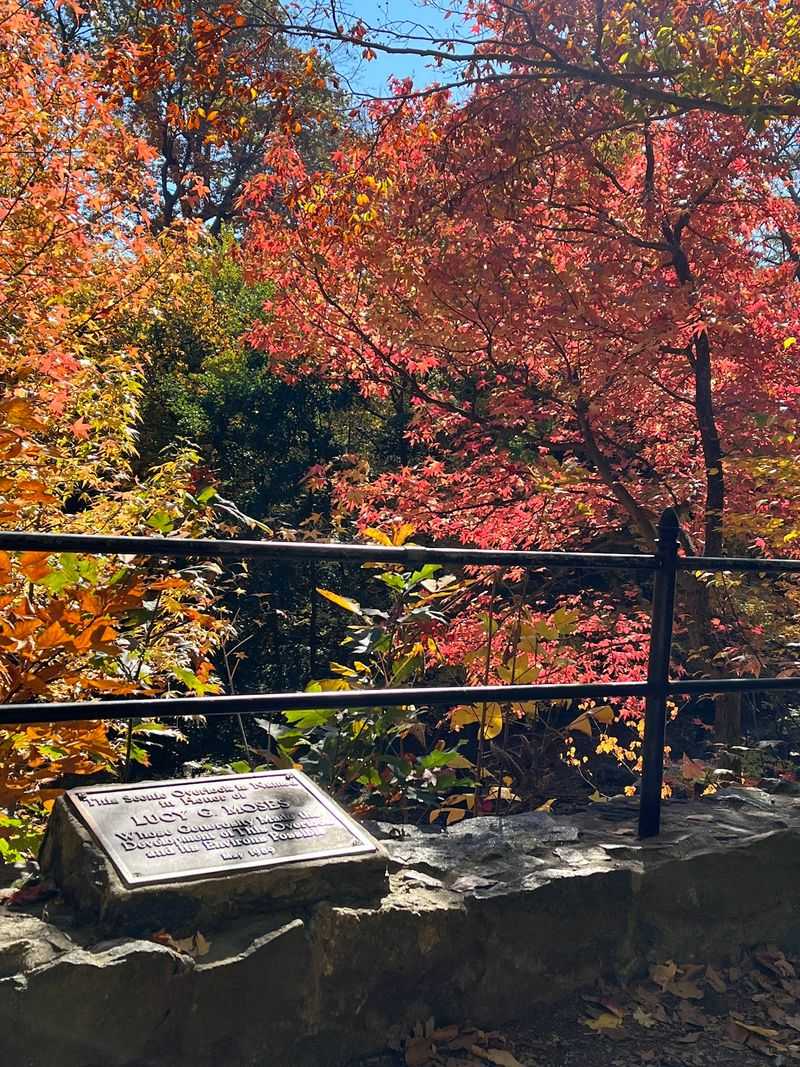
Few cities can claim a real old-growth forest. New York can, and the Thain Family Forest makes that bragging right easy to enjoy.
The forest holds a 4.7-star rating across hundreds of Google reviews. That’s a strong showing for a place whose main attraction is simply trees, trails, and water.
What it offers is perspective. Walking beneath centuries-old oaks and tulip trees puts a busy week into a much bigger timeline.
I can’t think of many better places in New York to slow down. The river, the birds, and the quiet do the work without any effort from you.
Hobbyists will find their own angle too. Birders, photographers, sketchers, and nature journalers all get plenty of material in a single loop.
Then you can wander back into the garden for flowers and glasshouses. It’s an easy way to turn one ticket into a well-rounded day.
So pick a weekday, pack a snack, and head to the Bronx. These trees have been waiting a few centuries already, and they’re remarkably patient hosts.