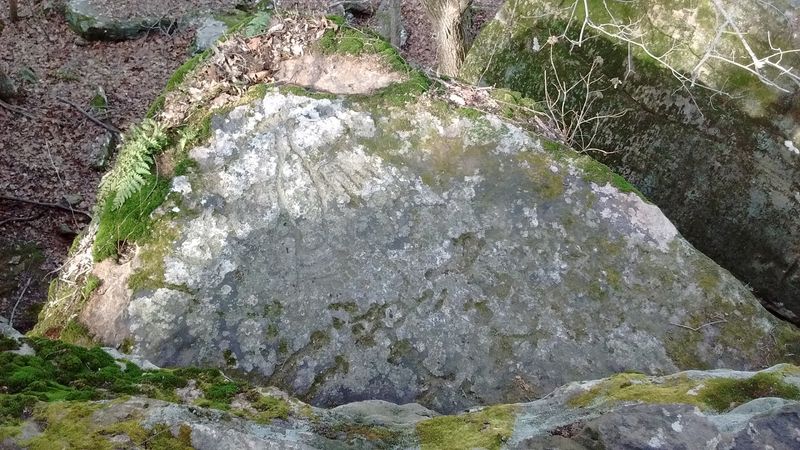
I almost drove right past a plain little parking lot in the woods of Southern Illinois, and I am so glad I didn’t. A short, steep path climbs a quiet bluff to the remains of a village where people lived long before anyone wrote down the history of this land.
Faint carvings in the rock still wait up top for anyone patient enough to find them. It costs nothing to visit, and it might just be the most curious hour you spend on an Illinois road trip.
A Bluff Hidden in the Shawnee National Forest
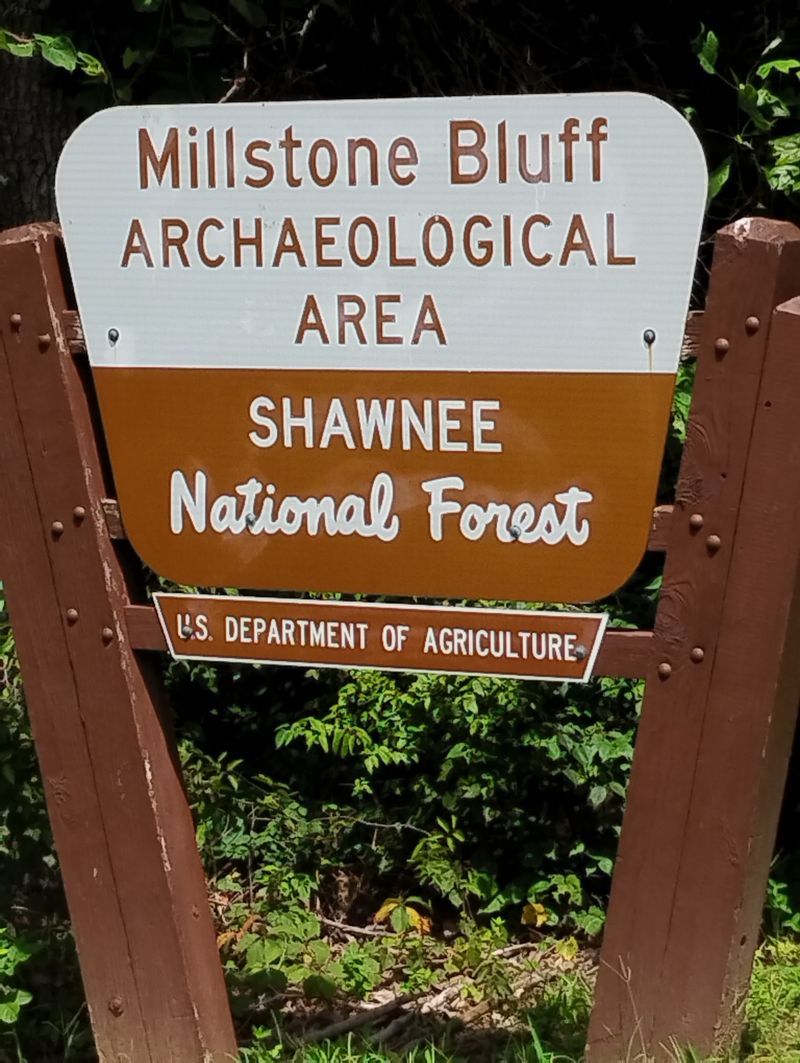
Tucked off the highway near the tiny community of Simpson, Millstone Bluff sits inside the Shawnee National Forest in Southern Illinois. The U.S.
Forest Service manages it as an archaeological area, and from the road it looks like just another wooded hill.
Looks fool people here. Climb to the top and you reach the remains of a village once home to Native peoples, plus a rock covered in carvings that many believe are around 1,000 years old.
Visitors often call it a hidden gem, and plenty admit they only found it after driving by and looking it up. One traveler even said a road survey worker recommended it out of the blue, which is about as local a tip as you can get.
The whole visit typically takes less than an hour, making it an easy add-on to a larger Southern Illinois day trip.
Layers of History on One Hilltop
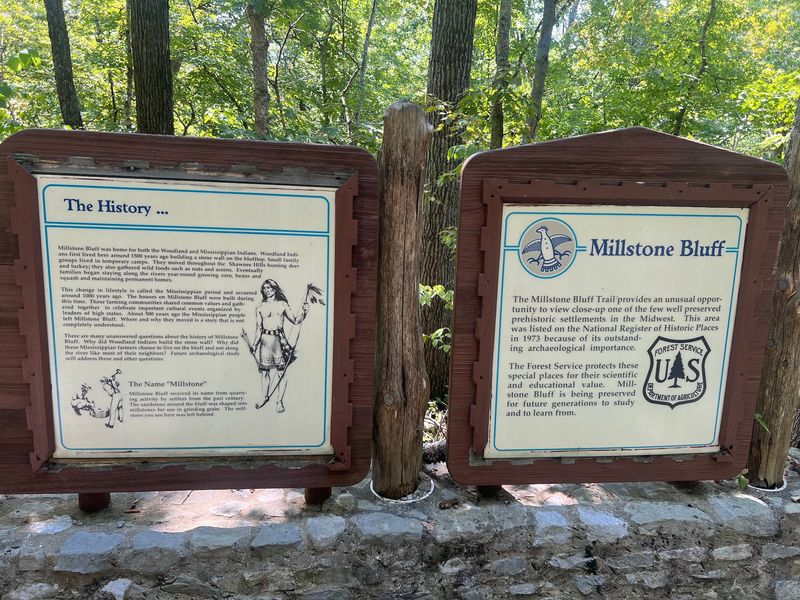
Picture a hilltop community humming with daily life centuries before Illinois had a name. According to visitors who studied the signs, people lived in this area roughly between 500 and 1,500 years ago.
Two cultures are tied to the site: the Woodland peoples and, later, the Mississippian peoples. One hiker described the amazing feeling of walking where these Native communities once slept, ate, hunted, and went about their days.
That sense of connection is the real draw. You won’t find towering buildings or museum cases, but you will find the ground itself, still shaped by the people who called this bluff home.
Fun fact for the car ride: the Mississippian culture is the same one linked to the famous mounds near Collinsville, so this quiet bluff is part of a much bigger Illinois story.
The Climb Up From the Parking Lot
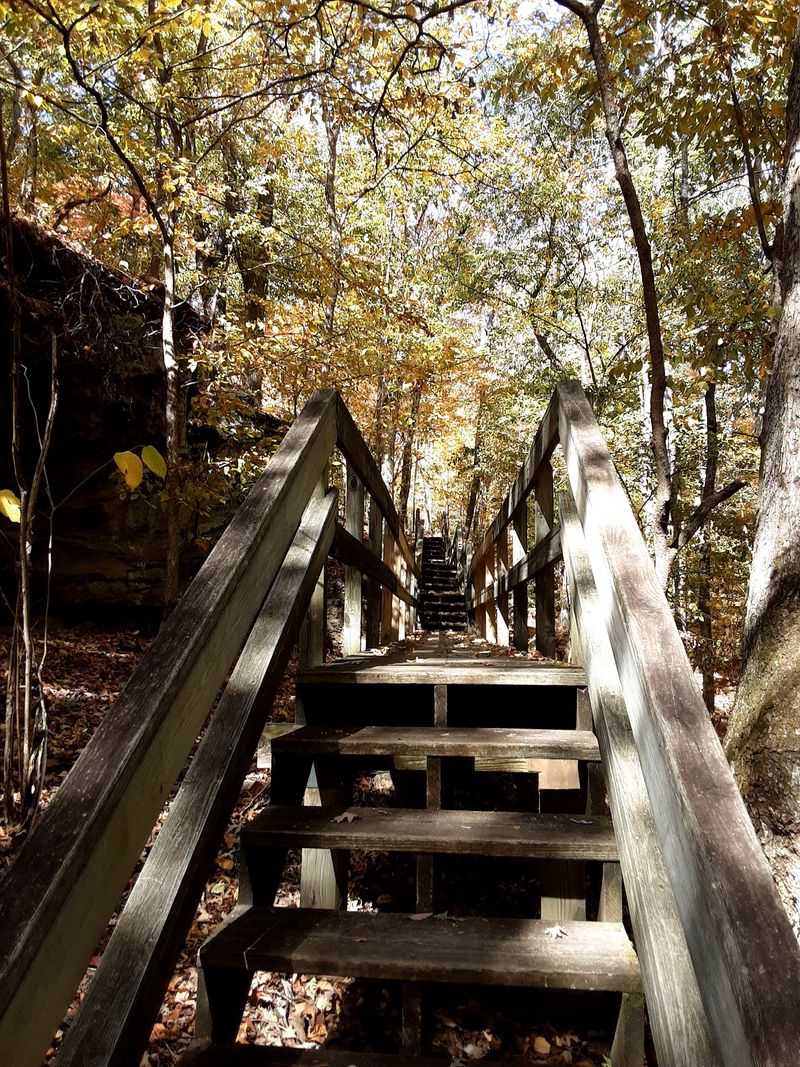
Short does not mean flat. The trail runs mostly uphill on the way out, with a flight of steps and some steep stretches before you reach the top of the bluff.
Opinions on the effort vary in a fun way. Some hikers call it an easy walk they did in regular tennis shoes, while others describe it as not dangerous but definitely rigorous.
The honest middle ground is that it is brief but gets your heart pumping.
Good news comes on the return trip, since the path is mostly downhill heading back. Visitors often mention the well-maintained path and platforms, which make the climb feel more like a nice workout than a struggle.
Take your time, pause on the steps, and let the kids race ahead to the next sign.
Petroglyphs That Play Hide and Seek
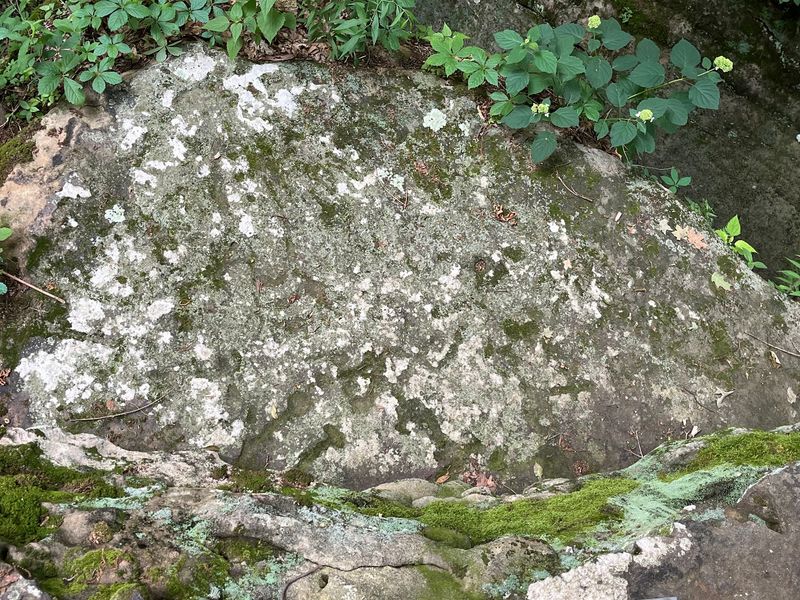
Here is the treasure everyone comes for, and also the one that tests your patience. The petroglyphs at Millstone Bluff are carved into a stone roughly three feet across, and time has not been gentle with them.
Erosion and lichen have softened the lines, so many visitors say the carvings are hard to make out. One hiker shared a great tip: look at the rock for a long time, and the shapes slowly start to appear.
Some people spot them right away, while others leave without seeing a thing. That mix is part of the adventure, almost like a puzzle carved centuries ago.
Treat the stone with care and keep your hands off it. These marks have lasted around a thousand years, and they deserve to last a thousand more.
Where to Actually Look for the Carvings
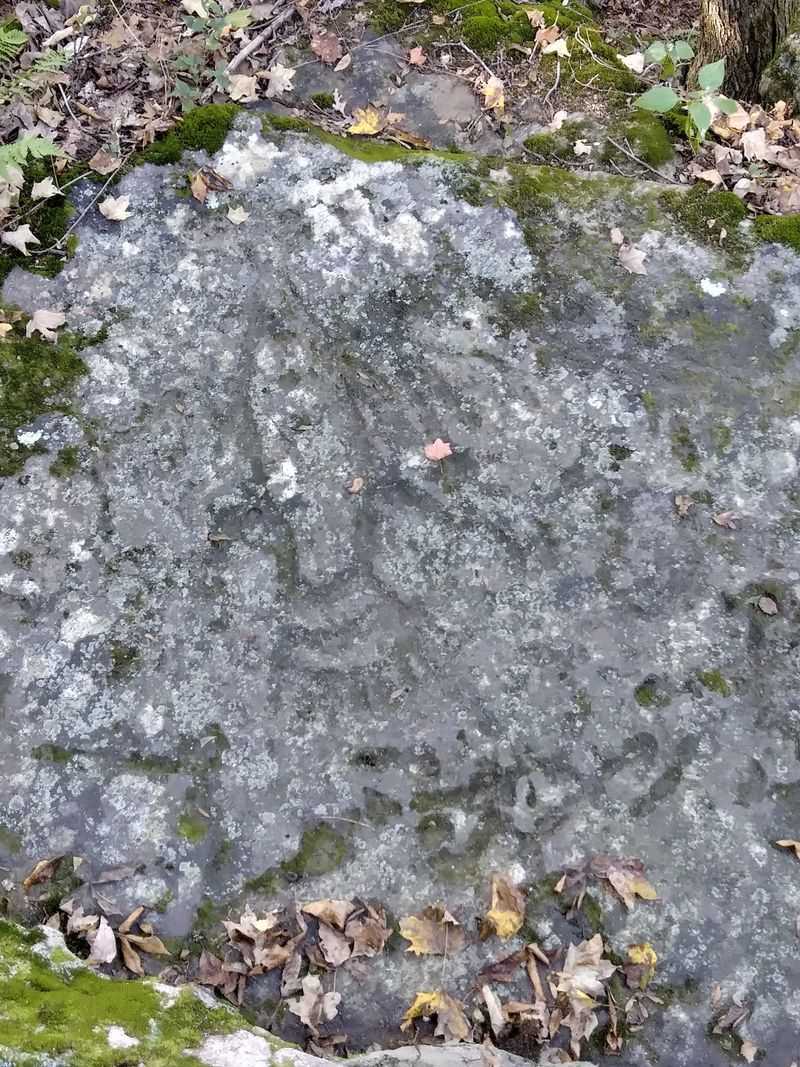
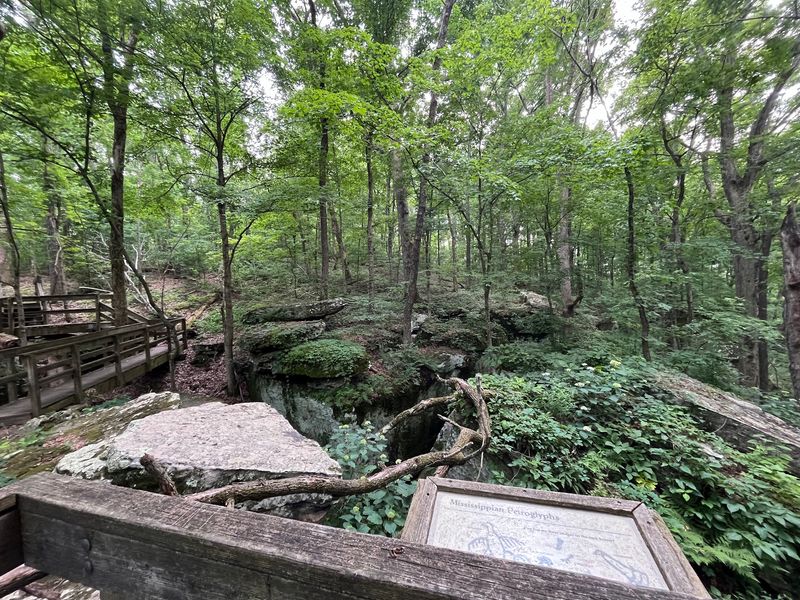
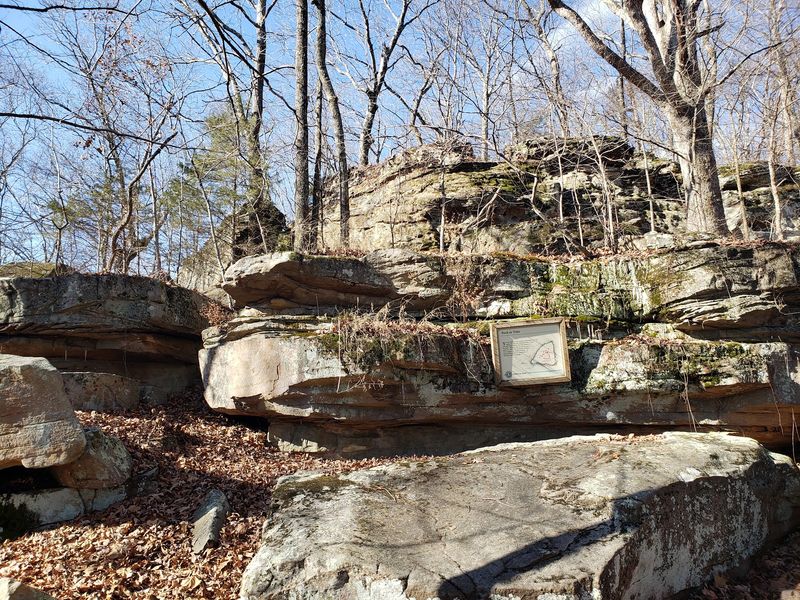
Plenty of first-timers stand in front of the petroglyph sign, stare straight ahead, and walk away confused. A helpful visitor cleared this up: the carved rock sits to the right and below the sign, not directly in front of it.
Season matters too. One hiker who saw nothing in summer guessed that lush greenery was the problem and planned a return in late fall or early spring, before everything blooms.
Light helps as well. Angled sunlight can bring out shallow grooves that disappear at midday, so a morning or late afternoon visit may give you better odds.
Bring a little patience and lower your expectations about crisp, clear pictures. The joy comes from that moment when a shape suddenly clicks into view.
Traces of a Hilltop Village
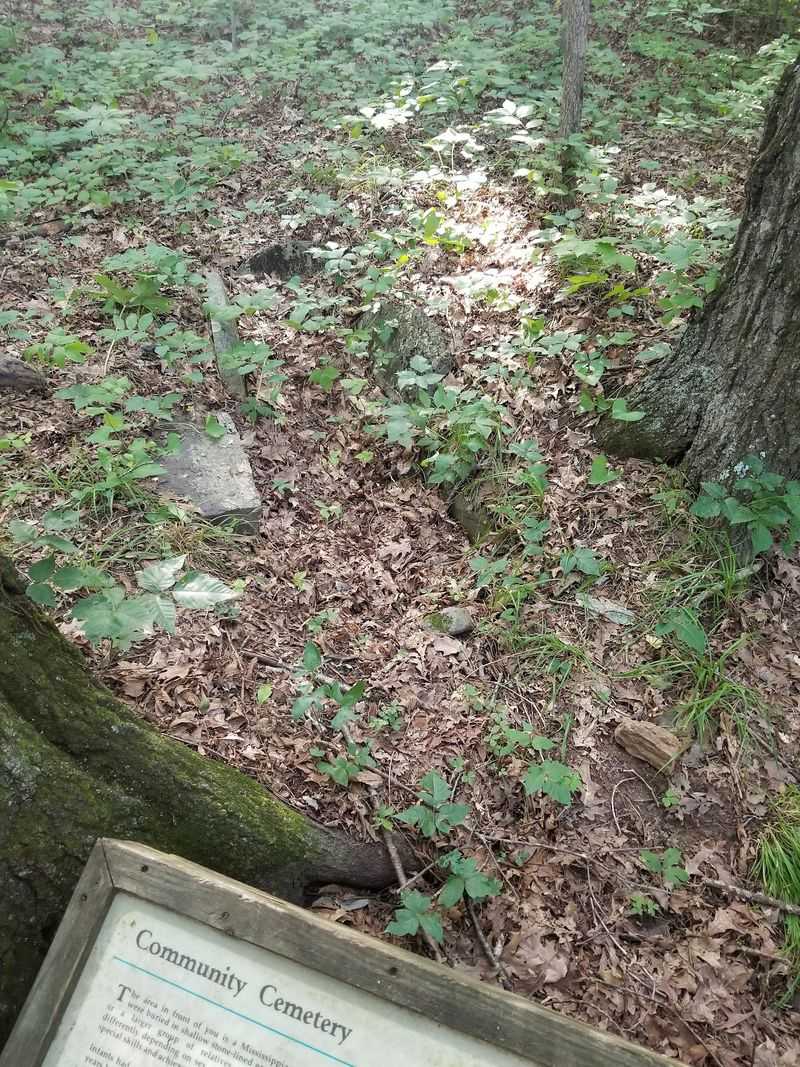
Close your eyes and imagine rows of homes, a community lodge, and a public gathering space. That is what once stood on this bluff, and visitors say the signs describe a complete village with multiple dwellings, a large community building, a plaza, and a burial area.
Today, what remains is subtle. Former house sites show up as shallow indents in the ground, easy to see with your own eyes but tricky to catch in photos.
Some hikers find the remains too faint, while others say it really helps them picture life as it once was. Your imagination does a lot of the work here, and that can be wonderful for curious kids.
Walk slowly, read each marker, and try counting the house outlines as you go.
Interpretive Signs Along the Way
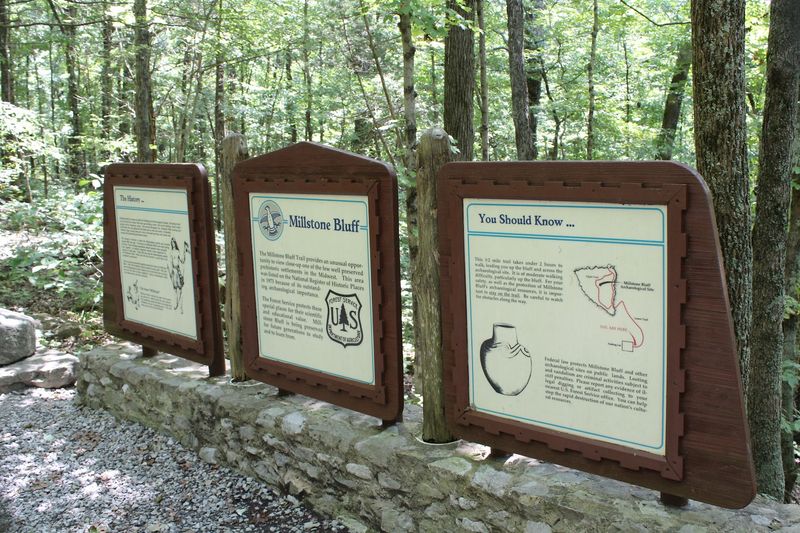
Think of the trail as an outdoor classroom with no homework. Informational signs are placed throughout, explaining what you are looking at and how people lived here.
Visitors often praise the signage as engaging and well done. One traveler said they learned a lot about the history of Native Americans in Southern Illinois in under an hour.
The signs also include drawings of the petroglyphs, which can help you know what shapes to search for on the rock. Comparing the drawing to the real stone becomes a fun game.
For families, these stops make natural rest breaks on the climb. Let a kid read each one out loud, and suddenly the hike turns into a history lesson nobody complains about.
Views Worth the Uphill Effort
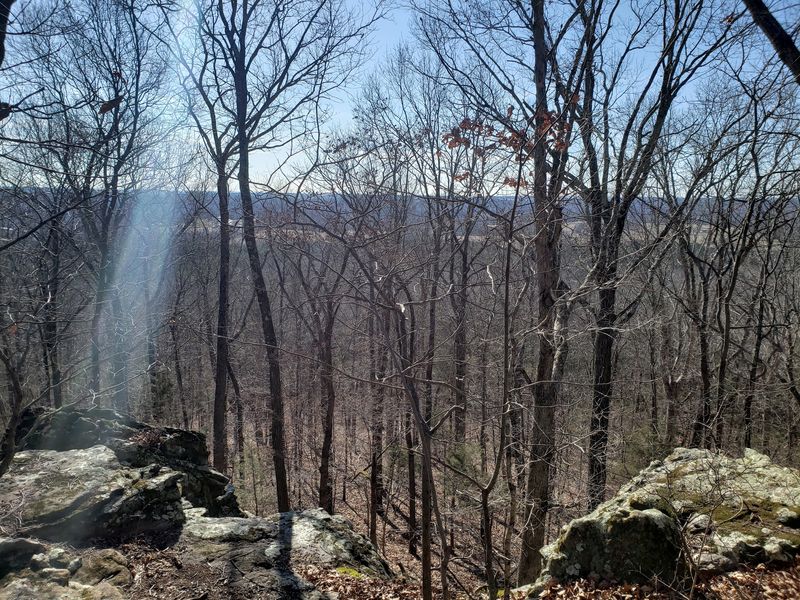
Reaching the top feels like a small reward all its own. Several visitors describe the views from the bluff as beautiful, even spectacular.
Timing changes the scene. One hiker noted that summer is lovely, but in fall and winter the bare trees open up the landscape so you can see far more of the surroundings.
Beautiful cliffs and rugged geography frame the site, adding drama to an otherwise gentle wooded hill. It is easy to understand why people chose to live up here long ago.
Pack a snack, find a spot to rest, and soak it in for a few minutes before heading back down.
Forest Life on the Trail
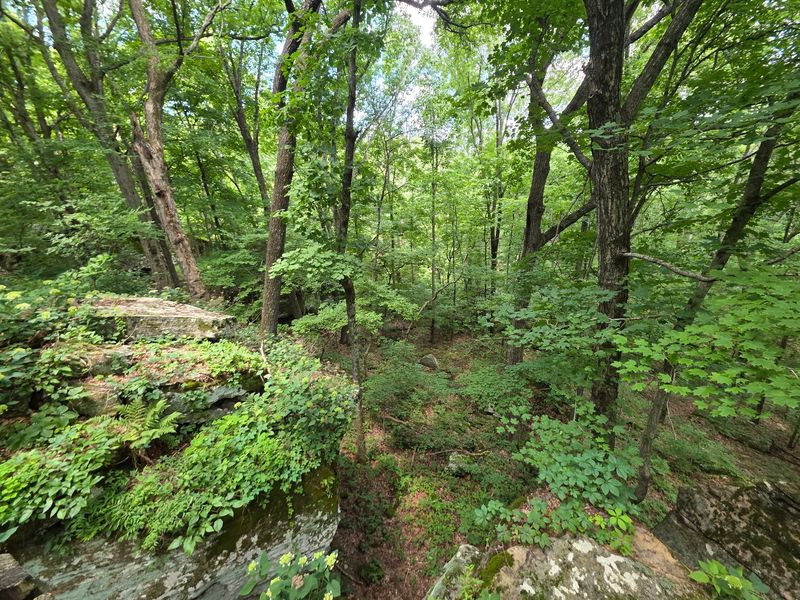
Even folks who never spot a single carving tend to leave smiling, thanks to the woods. Visitors mention flowers, mushrooms, tall trees, and birds along the way.
One hiker summed it up nicely, saying the forest is always a pleasure to see. Another called the walk itself basically a lovely stroll through the woods.
Nature lovers may find a bonus surprise too. A visitor once had a student show them a rock filled with fossil shells, a reminder that this land holds stories much older than any village.
Bring a phone for photos of fungi and blooms, and keep an ear out for birdsong drifting through the branches.
Quiet Trails and Empty Weekends
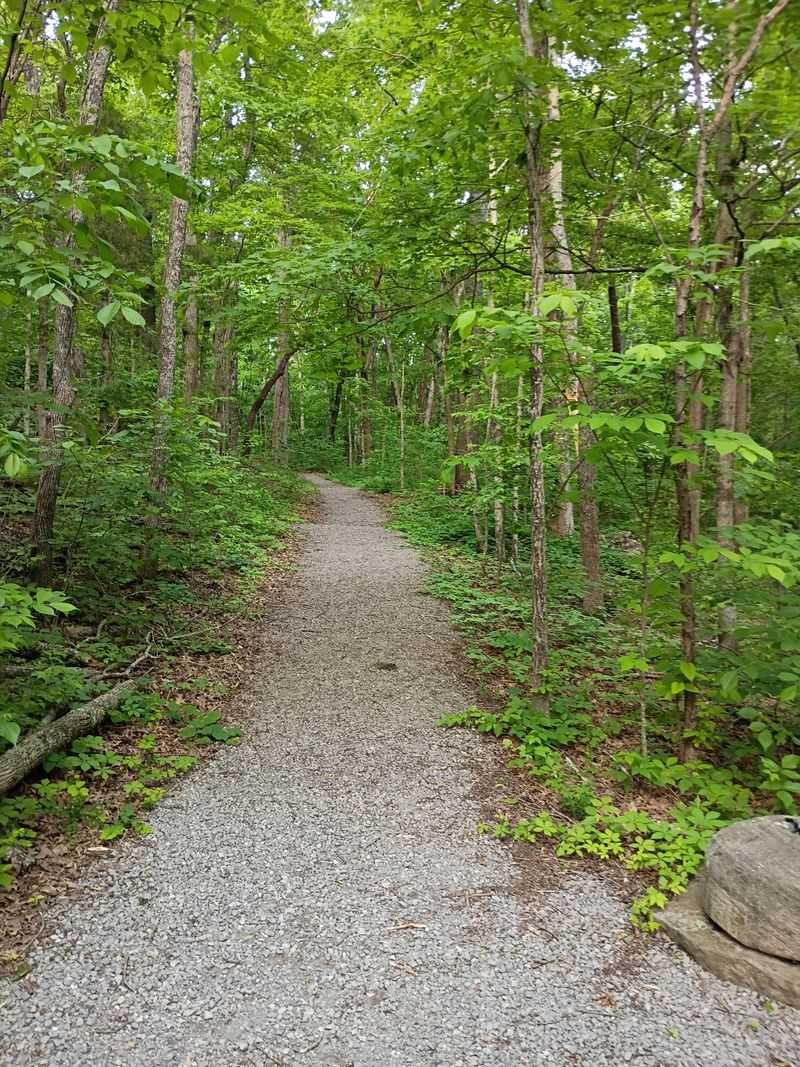
Ever wanted a historic site practically to yourself? Visitors regularly report being the only ones there, whether on a weekday afternoon or even a Sunday.
The bluff sits just far enough from the highway that the climb feels peaceful. One hiker said the quiet lets your mind settle and enjoy the scenery.
No lines, no waiting, and no crowds make it a calm escape. Some regulars feel such a pull to the place that they keep coming back again and again.
One longtime fan even joked that readers should skip it and leave it for them. Consider that the highest compliment a hidden local spot can get.
Who Will Love This Hike
History buffs are the obvious fans. Anyone who enjoys archaeology and Native American history will find plenty to think about at each sign.
Families can enjoy it too, with a little planning. One parent loved the visit but wasn’t sure the kids felt the same, so turning the petroglyph search into a scavenger hunt may help younger hikers stay interested.
Nature walkers get a pleasant workout through pretty woods. Even a visitor who found the artifacts underwhelming still called it a nice nature walk.
It may not suit anyone expecting dramatic ruins. Come curious, bring imagination, and the bluff gives back far more than it first seems.
Bugs, Shoes, and Other Packing Tips
Summer brings company you didn’t invite. One visitor warned that mosquitoes and horse flies can be relentless in late July, so pack bug spray.
Footwear can be simple. A hiker managed fine in regular tennis shoes, though sturdy soles help on the steep sections and steps.
Bring water, especially on warm days, since the climb works up a sweat. Also be ready for the top of the bluff to feel a bit less cleared than the lower trail.
Above all, follow the pack it in, pack it out rule. Leaving no trace keeps this special spot beautiful for the next family.
Parking, Restrooms, and the Price Tag
Budget travelers, rejoice: admission is free. That makes this one of the most affordable history lessons in Illinois.
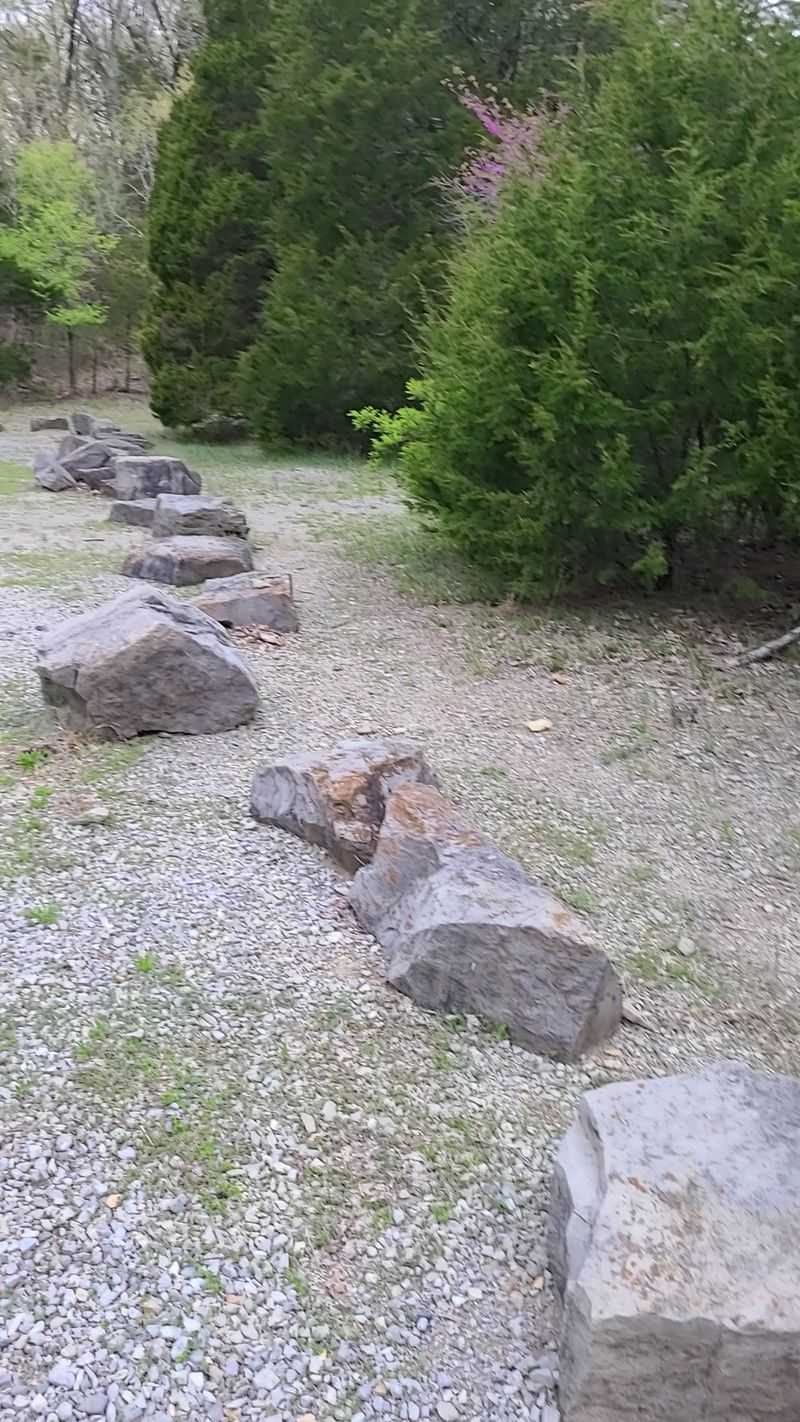
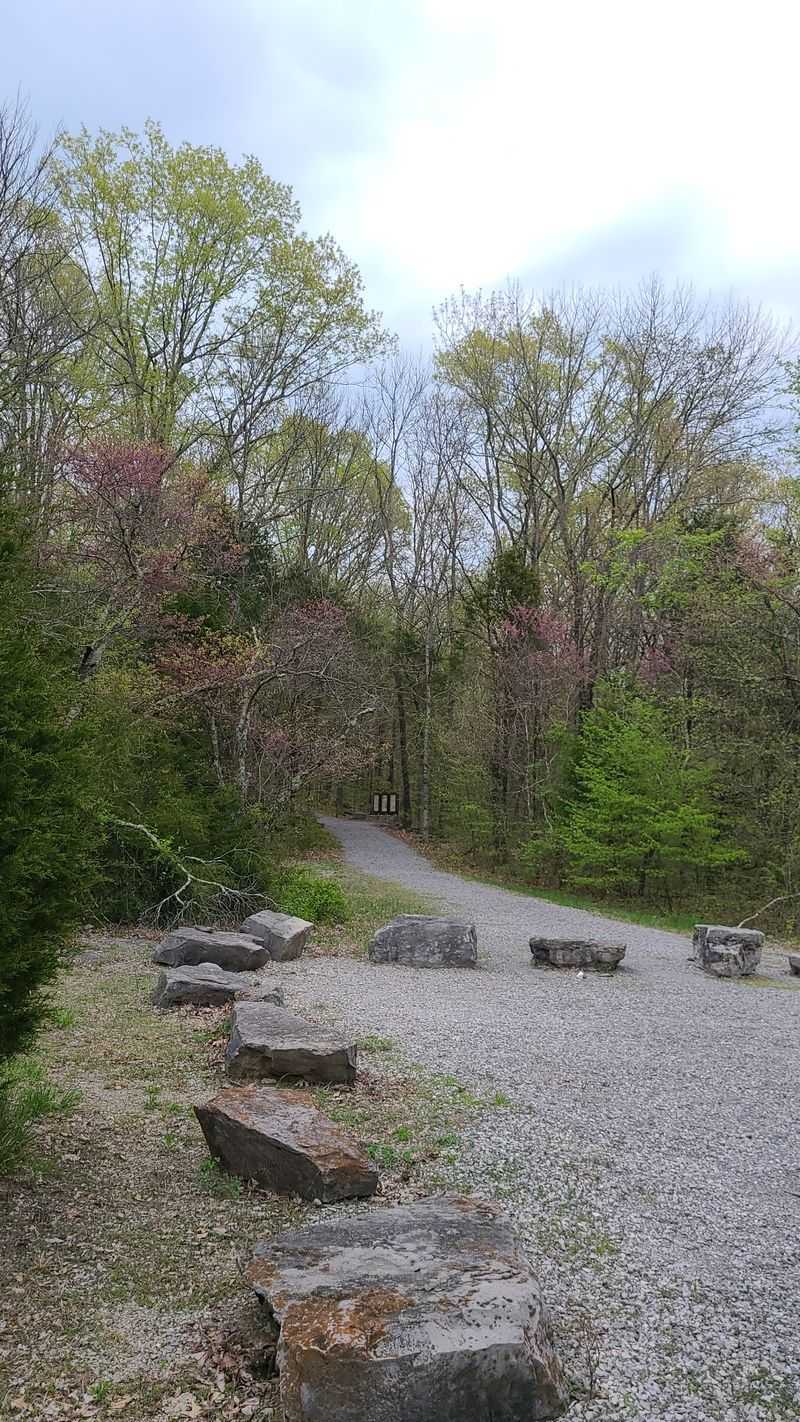
The site sits near Simpson, IL 62985, at coordinates 37.468613, -88.6875. Visitors mention a large parking area right below the bluff, so finding a spot is usually easy.
A vault toilet sits in the parking area, which is handy before the climb. There are no fancy facilities beyond that, so plan snacks and water ahead.
Hours are not listed in the available details, so check the Shawnee National Forest page on the Forest Service website before heading out.
Worth the Detour?
Some places shout for attention, but Millstone Bluff barely whispers. That quiet is exactly why it sticks with people.
Faint carvings, gentle house outlines, and a short but steep climb won’t impress everyone. Yet many visitors leave feeling they touched a real piece of Illinois history, free of charge and without a crowd in sight.
Pair it with other Shawnee National Forest stops for a full day out. Go in fall or early spring for clearer views, bring patience for the petroglyphs, and let your imagination fill in the rest.
Odds are good you will be telling the family about it on the drive home.