Workers once pulled 65 to 75 tons of debris out of the belly of one old stone tower. That cleanup happened in our century, more than 250 years after the first stones went up.
The tower started rising in 1741. It made iron until 1884, longer than any other colonial iron furnace in New Jersey.
It also hosted America’s first successful hot blast, a breakthrough that sped up iron production.
I like how something this important sits right in a small town, with no velvet ropes or giant gift shop. You just walk up and look at a stone giant that built a community from scratch.
I can’t imagine the noise, heat, and hustle that once surrounded it. So how did one furnace end up shaping an entire town’s story?
A Stone Giant Still Watching Over A Warren County Town
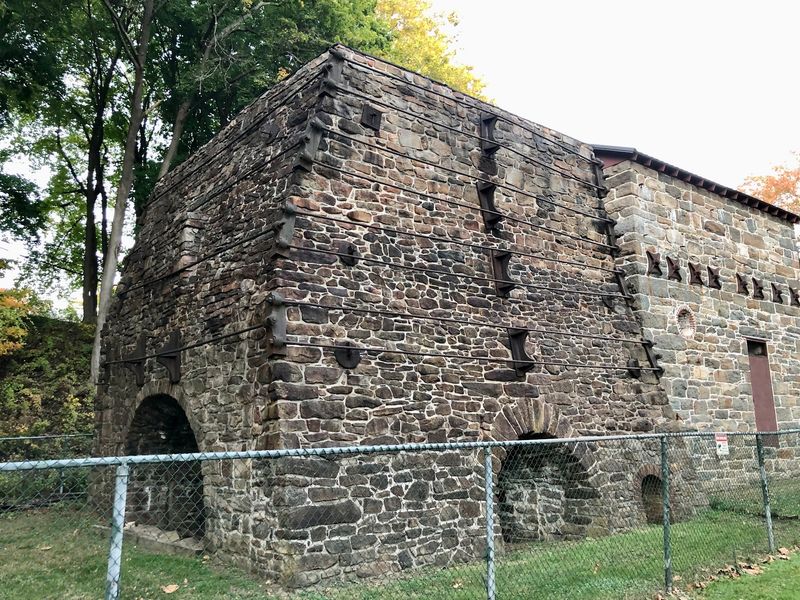
Oxford Furnace is the kind of landmark that makes you stop the car. It’s a massive stone iron furnace in Oxford, a small town in Warren County, New Jersey.
Construction began in 1741, back when New Jersey was still a British colony. That makes this tower older than the United States by more than three decades.
Today the furnace is a preserved historical landmark, quiet and cold. Back in its prime, though, it sat at the center of everything happening in town.
Iron mines fed it raw material. Rolling mills and other works connected to it, and the whole community grew up around its constant output.
So what are you actually looking at? A thick-walled stone structure with arched openings, sheltered by a wooden roof and surrounded by an old factory town.
I love that it doesn’t pretend to be anything fancy. It’s a working machine from the 1700s, frozen in place and still standing on the spot where it started.
Stick around, because the story behind those stones is packed with firsts. A few of them changed how iron got made across the whole country.
The 1741 Land Deal That Lit The Whole Story
Every great origin story needs a land purchase, and this one has a good one. In 1741, Joseph Shippen, Jr. acquired a stretch of property known as the Furnace Tract.
The name tells you the plan was never subtle. Somebody saw this valley and pictured fire, ore, and molten iron from day one.
Jonathan Robeson took on the job of building the furnace itself. He started construction that same year, stacking stone into the tower that still stands today.
Picture the work involved without modern cranes or power tools. Every block had to be hauled, shaped, and set by hand and muscle.
The Shippen name stayed tied to the operation for a long time. The family played a major role in the furnace’s early history and ownership.
It’s a little wild to think a property transaction from 1741 still shapes the look of a New Jersey town. Yet that’s exactly what happened here.
Without that purchase, there’s no furnace, no company town, and no reason for this article. One signature started a chain reaction that lasted well over a century.
March 9, 1743 Was A Very Big Day For Iron
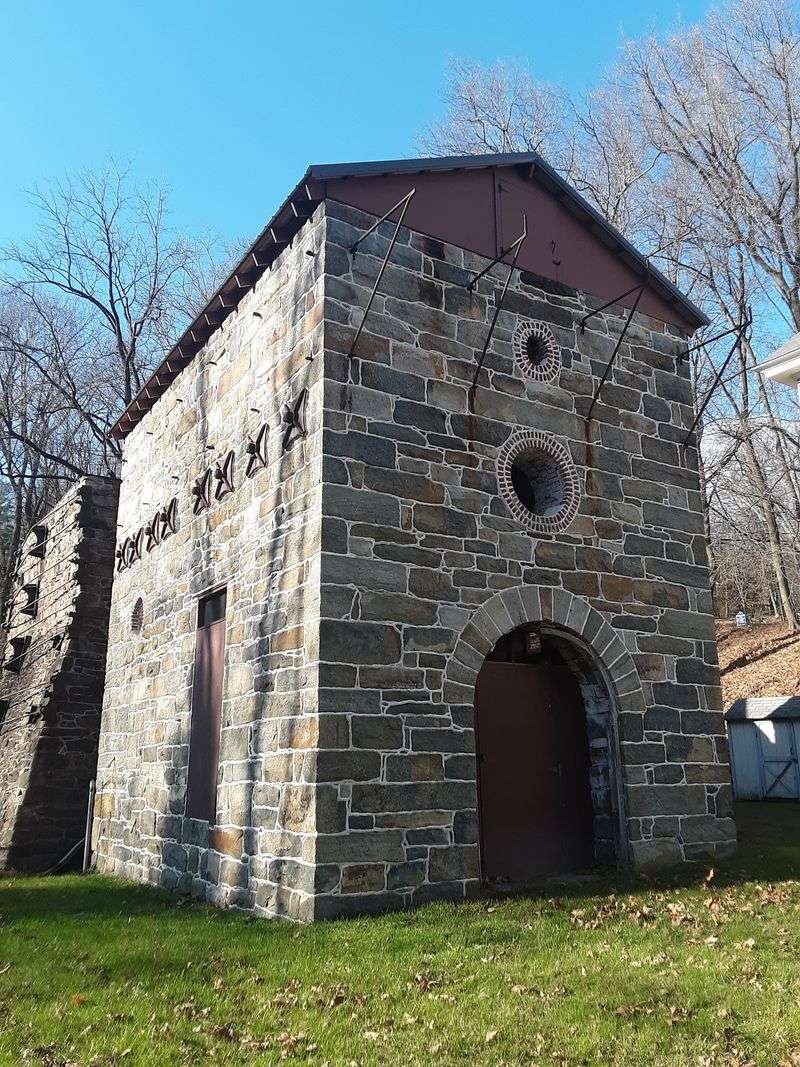
Two years of building came down to one moment. On March 9, 1743, the furnace was blown in and produced its very first pig iron.
Blown in is the old ironmaking term for firing up a furnace for production. Think of it as the ribbon cutting, only with a lot more heat and smoke.
Pig iron was the raw product that came out of a furnace like this. Workers could later turn it into all sorts of useful goods.
That first pour mattered in a big way. It turned an ambitious stone project into a real business that could support jobs and trade.
Oxford Furnace was the third iron furnace built in colonial New Jersey. Being third might not sound flashy, but the next detail is where it really stands out.
I find it fun that we know the exact date. Plenty of colonial events are fuzzy, but this one landed firmly on the calendar.
From that March day forward, the furnace became the heartbeat of a growing community. Its fires would keep going, on and off, for more than 140 years.
Iron Ore Dug Straight From The Earth Instead Of The Bog
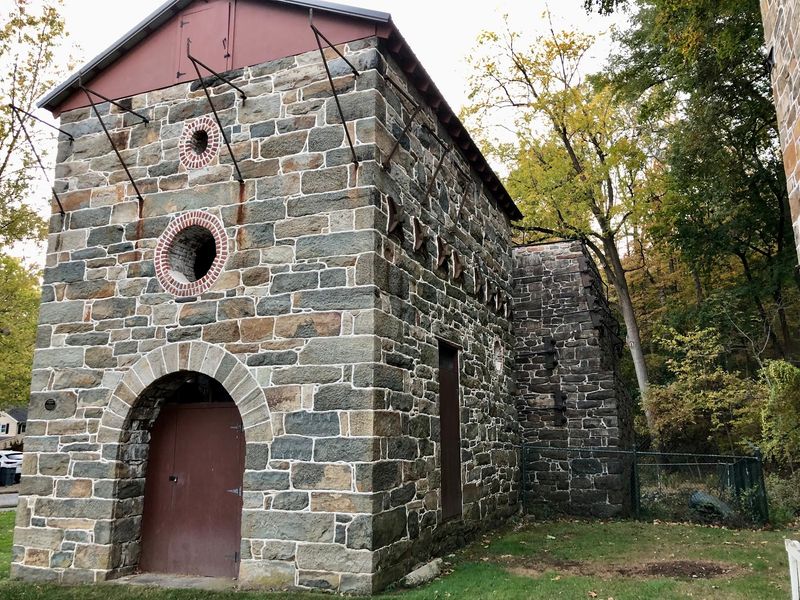
Here’s a detail that makes history fans sit up straight. Oxford Furnace was the first in colonial New Jersey to use iron ore mined directly from the ground.
Earlier furnaces in the colony relied on bog ore. That ore was scooped from swampy, wet areas where iron deposits collected near the surface.
Mining rock ore was a different game entirely. It meant digging into the earth and hauling heavier material to the furnace.
That shift helped set Oxford apart from its neighbors. It linked the furnace to nearby iron mines, which became part of the town’s working web.
Honestly, it’s a great trivia answer to keep in your back pocket. Ask a friend where colonial New Jersey first used mined ore, and watch the blank stare.
The decision also hints at how serious the operation was. Mines, a furnace, and later mills all worked together like gears in one big machine.
So when you stand near those stone walls, remember the ground beneath your feet. The hills around this valley literally supplied the raw ingredients for an entire industry.
Firebacks, Nails, Stoves, And Pots Rolled Out Of These Walls
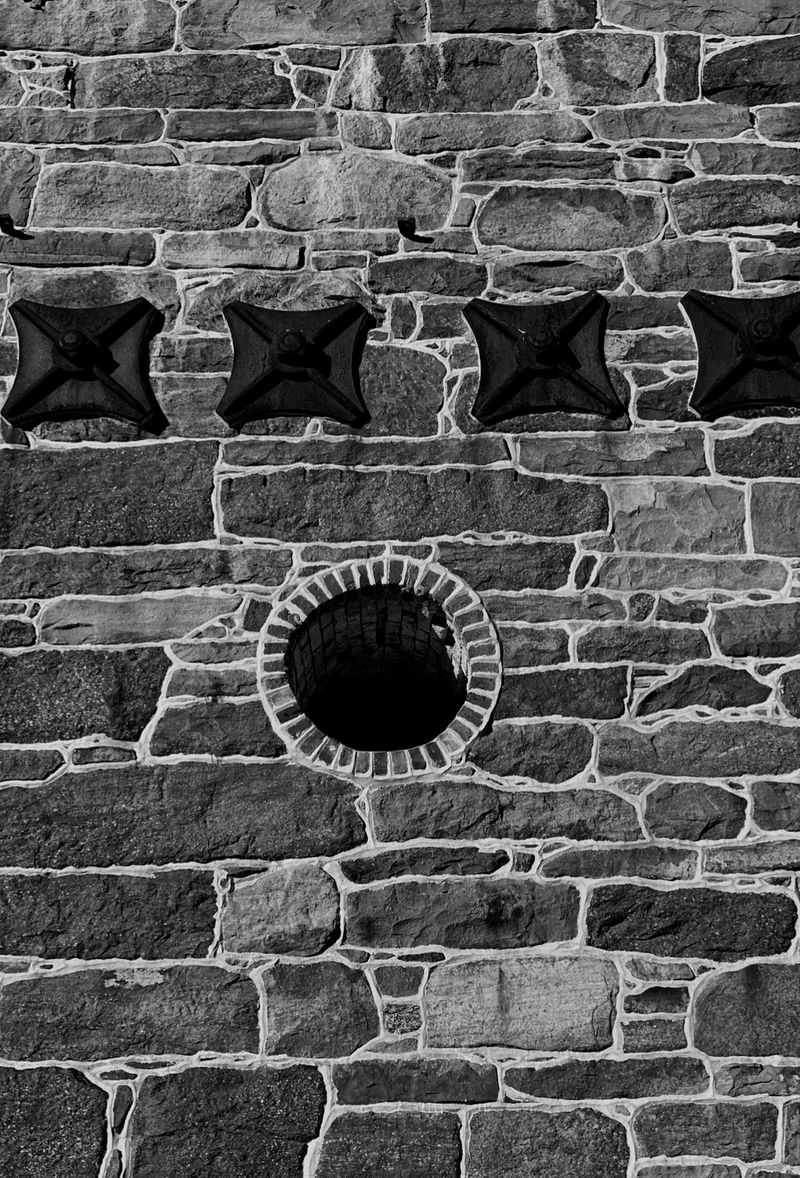
Your great-great-great-grandparents might have cooked with something made here. The ironworks of Oxford turned out a wide range of everyday products.
Firebacks were a big one. These cast iron plates sat at the back of fireplaces, protecting the masonry and reflecting heat into the room.
Nails came out of the operation too. In a growing region full of new barns, homes, and shops, nails were basically gold.
Stoves and iron pots rounded out the lineup. That covers heating the house and cooking dinner, which is a pretty complete household package.
I like how practical the whole list feels. Nothing here was a luxury item, just tough goods that people used every single day.
The ironworks helped fuel New Jersey’s growth as a major industrial center. That run stretched from the mid-1700s into the early twentieth century.
Next time you see an antique cast iron pot at a flea market, give it a second look. It’s a cousin of the kind of work this furnace made possible for generations.
A Whole Company Town Grew Up Around One Furnace
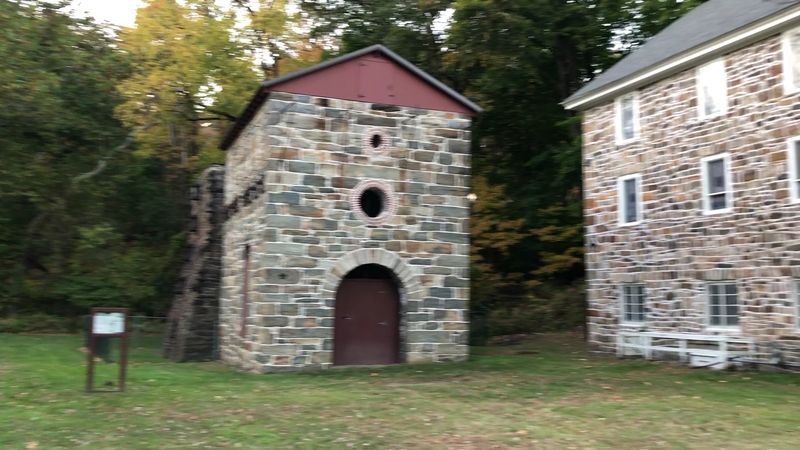
Some towns grow around a river crossing or a train stop. Oxford grew around a furnace, and you can still see the evidence.
As the ironworks thrived, a complete company town formed to support it. Housing went up for workers, and services followed to keep daily life running.
Everything in town connected back to the furnace in some way. Mines supplied it, mills processed iron, and families built their lives nearby.
The area is now known as the Oxford Industrial Historic District. It still contains 385 buildings from the former factory town.
That number blows my mind a little. It means the furnace isn’t an isolated relic but the anchor of a whole surviving neighborhood.
A walk around town can feel like reading the story in 3D. The furnace sits at the heart, and the old buildings spread out like chapters.
It’s a clear example of how a single industry could build a community from the ground up. That’s the fortune in this article’s title, and it’s still visible in brick, stone, and street layout.
America’s First Successful Hot Blast Happened Right Here
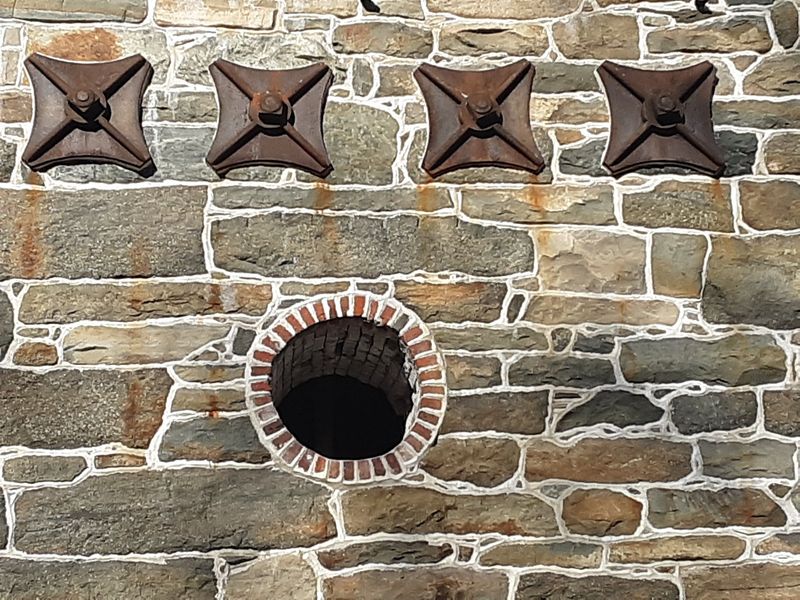
In 1835, a man named William Henry pulled off something big. He achieved America’s first successful hot blast at Oxford Furnace.
So what’s a hot blast? Instead of blowing cold air into the furnace, the process sent in preheated air.
That small change made a huge difference. It dramatically cut down production time, which meant more iron with less waiting.
For a small New Jersey town, that’s a serious bragging right. A breakthrough in American industry happened inside these very stone walls.
I believe this is the part that turns a quick stop into a real conversation starter. Kids especially may love knowing that a hot air trick changed how a whole country made iron.
It also says a lot about the furnace’s attitude. More than ninety years after its first blast, it was still trying new things.
That willingness to experiment helped keep Oxford Furnace near the front of iron manufacturing. Old doesn’t have to mean stuck, and this tower proved it long before anyone thought to say so.
Swapping Charcoal For Coal Kept The Fires Burning Until 1884
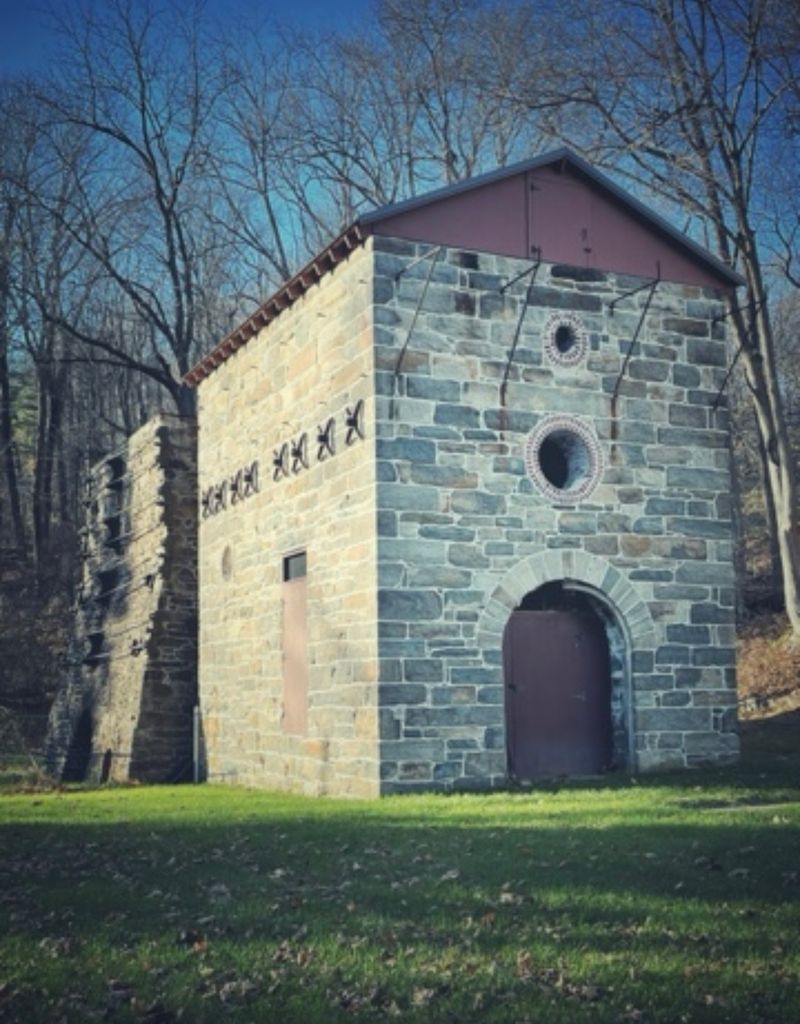
Plenty of colonial furnaces burned out early. Oxford Furnace outlasted them all and earned a title worth bragging about.
It operated longer than any other colonial iron furnace in New Jersey. That’s a remarkable run for a stone tower first fired in 1743.
One big reason was a smart fuel change. The furnace converted from burning charcoal to using anthracite coal.
Charcoal meant constantly cutting and burning wood. Switching to coal helped the operation stay productive long after many competitors had shut down.
The fires were finally blown out in 1884. The inner wall suffered serious damage, ending an astonishing era of production.
Do the math, and that’s more than 140 years since the first pig iron. Generations of workers spent their days alongside this hard-working stone machine.
I can’t help admiring that kind of staying power. It adapted, it innovated, and it kept going until the structure itself simply couldn’t anymore.
That longevity is a big part of why the furnace feels so special today. It isn’t just old, it’s the champion of its class in the state.
Those Arches Are Hiding Nine Feet Of Secrets
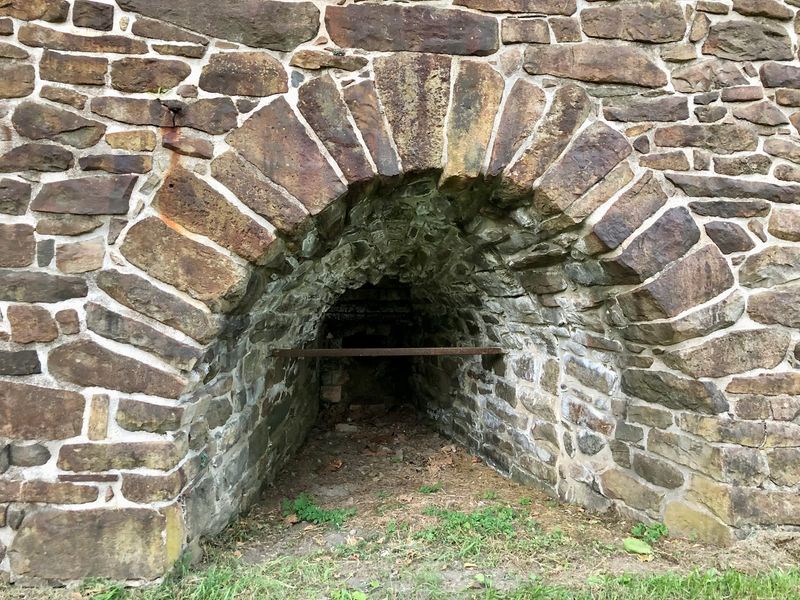
The furnace you see today is actually shorter than it really is. Over the years, about nine feet of fill was added around its base.
Originally, the structure stood 31 feet high. With the fill in place, roughly 22 feet now rises above the ground.
Even at that height, it’s an impressive sight. The stone walls feel solid and stubborn, like they’ve got no plans to go anywhere.
Look for the arches near the bottom. These openings were tied to the tuyeres, which blew air into the furnace during operation.
Because of the fill, only part of those arches remains visible. It’s a bit like a giant standing knee-deep in the ground.
I think that makes the visit more interesting, not less. You get to imagine the full height and the workers moving around its original base.
Bring a camera if you enjoy texture. Old stonework, curved openings, and weathered surfaces make this a natural spot for photo ops, and it’s been found by folks hunting for exactly that.
Seventy Tons Of Debris And A Brand New Roof Saved It
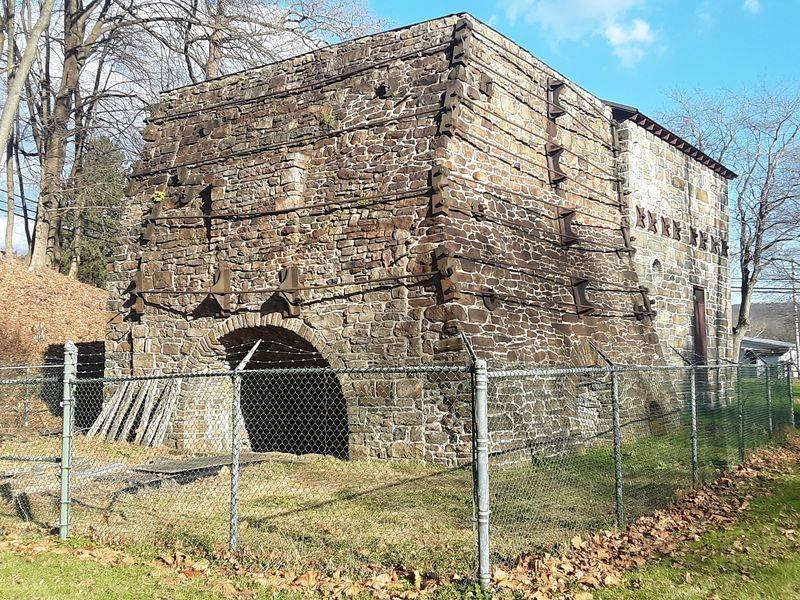
Landmarks don’t survive on charm alone. Oxford Furnace got a serious rescue in the early 2000s.
A four-year stabilization project brought it back from the brink. Funding came from a significant New Jersey Historic Trust grant, plus additional support from Warren County.
The cleanup alone sounds exhausting. Crews removed about 65 to 75 tons of debris from the furnace’s central cavity, called the bosh.
That’s the space where iron once formed during smelting. Clearing it out was a big step in keeping the structure stable.
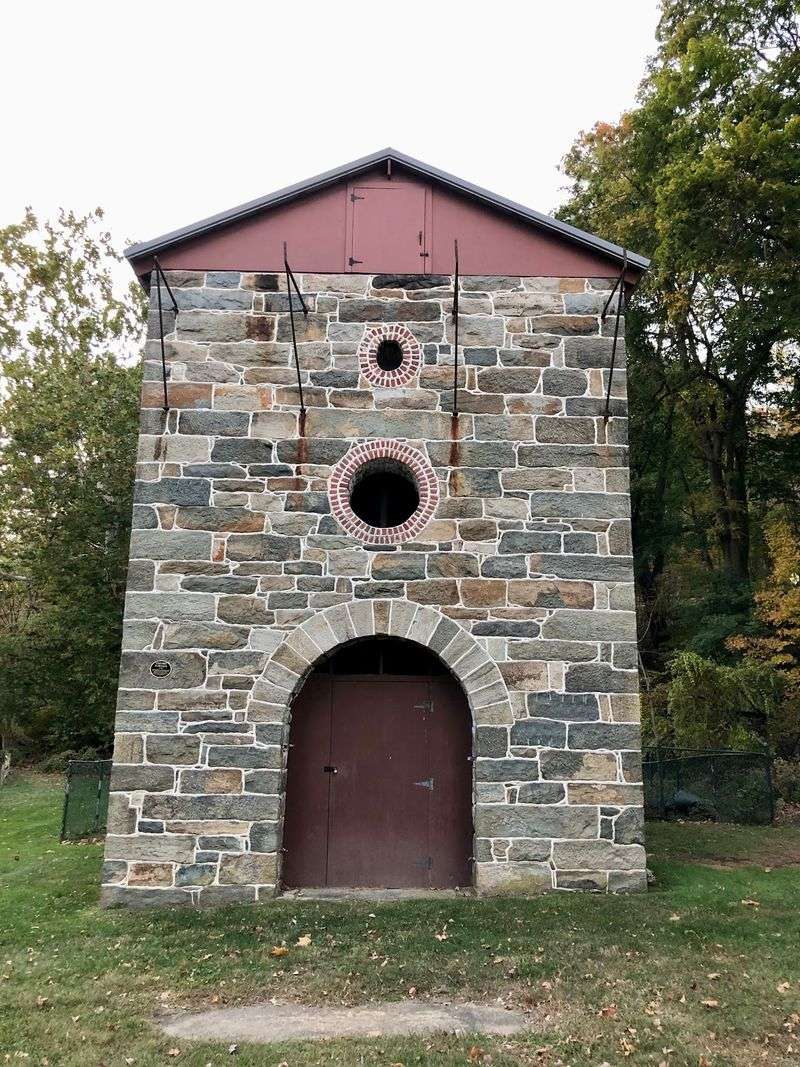
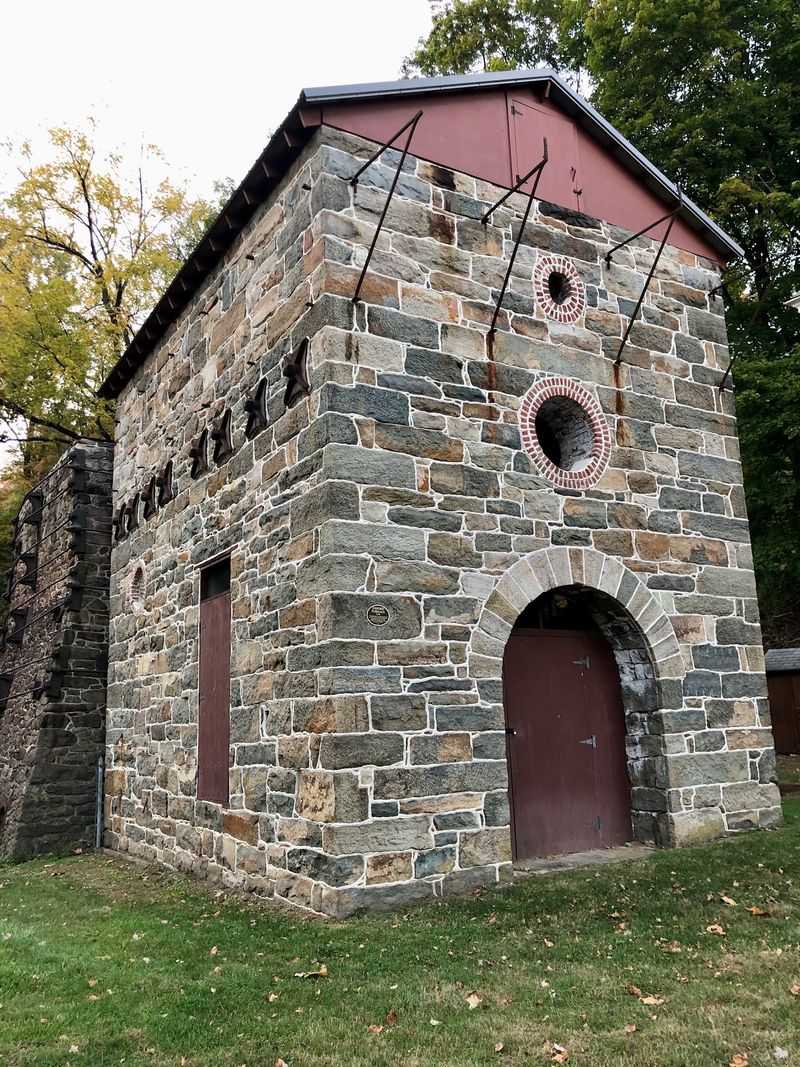
The work didn’t stop there. Crews repointed the stone walls and installed a new wood roof to protect the tower from the weather.
I love a good second-chance story, and this is one made of stone. Without that effort, the furnace could easily have crumbled into a pile of history.
Thanks to all that care, the site is wonderfully preserved. Families today can stand beside a 1741 landmark because people decided it was worth saving, and that feels pretty great.
The Ironmaster’s Stone Mansion Lives Just Up The Road
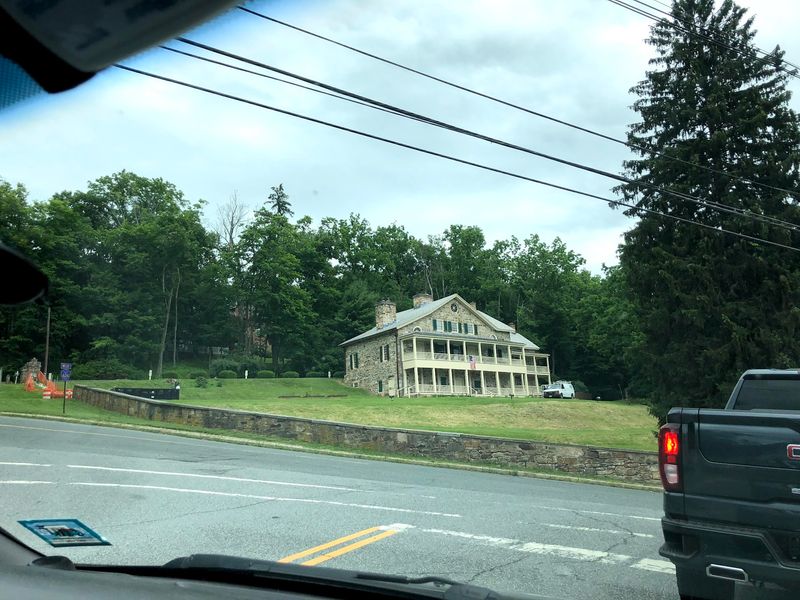
Every furnace needed a boss, and Oxford’s bosses lived in style. Shippen Manor sits nearby at 8 Belvidere Ave in Oxford.
The Georgian-style stone mansion was built in 1753. It served as the home of the ironmasters and owners of Oxford Furnace for over a century.
It’s a rare surviving example of a New Jersey ironmaster’s home built on a grand scale. Most furnace towns didn’t keep their big houses this intact.
Seeing both sites together tells a fuller story. The furnace shows the sweat and fire, while the manor shows the families who ran the business.
The Shippen family’s role ties the two places together neatly. Their name appears in the 1741 land deal and in the mansion’s identity.
I like pairing them because the contrast is so clear. One is a rugged industrial tower, and the other is a polished stone home.
Put them on the same itinerary, and your day trip gets an instant upgrade. You’ll come away understanding both industry and gentry in early New Jersey.
How To Find It And Who Will Enjoy It Most
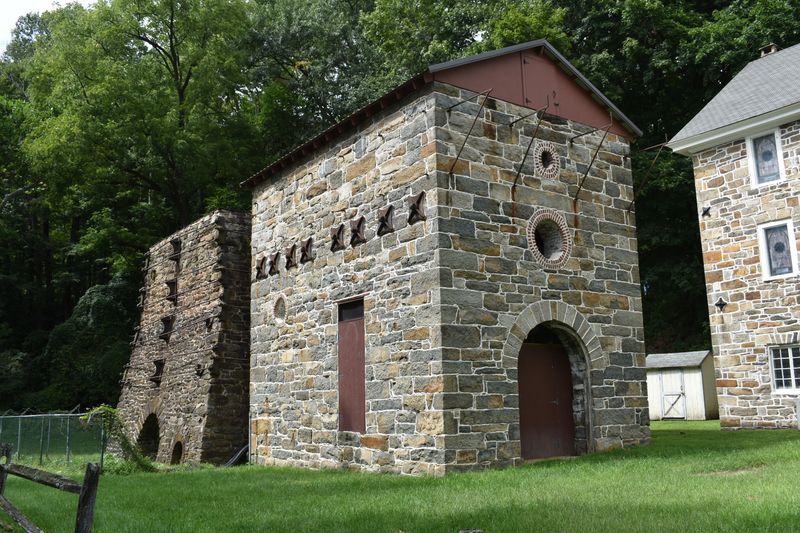
Plug 35 Washington Ave, Oxford, NJ 07863 into your GPS, and you’re set. The furnace sits right in town, not deep in the woods.
Oxford is in Warren County, out in New Jersey’s Skylands region. It’s a pleasant change of pace from the Turnpike and the shore traffic.
Plan on a short stop rather than a full day here. The site is a single preserved structure, so it pairs best with other nearby history.
History buffs will be happiest. Anyone into colonial industry, old stonework, or American firsts will find plenty to chew on.
Photographers have good reason to swing by too. The weathered walls and arches make for moody, textured shots.
Families with curious kids can turn it into a mini lesson. The hot blast story and the buried arches make easy talking points.
Fair warning, though, this isn’t an amusement park. If your crew wants rides and snacks, set expectations first, because the fun here comes from imagination and stories.
Hours and access can change, so check local heritage sources before heading out.
Why This Quiet Tower Deserves A Spot On Your Jersey List
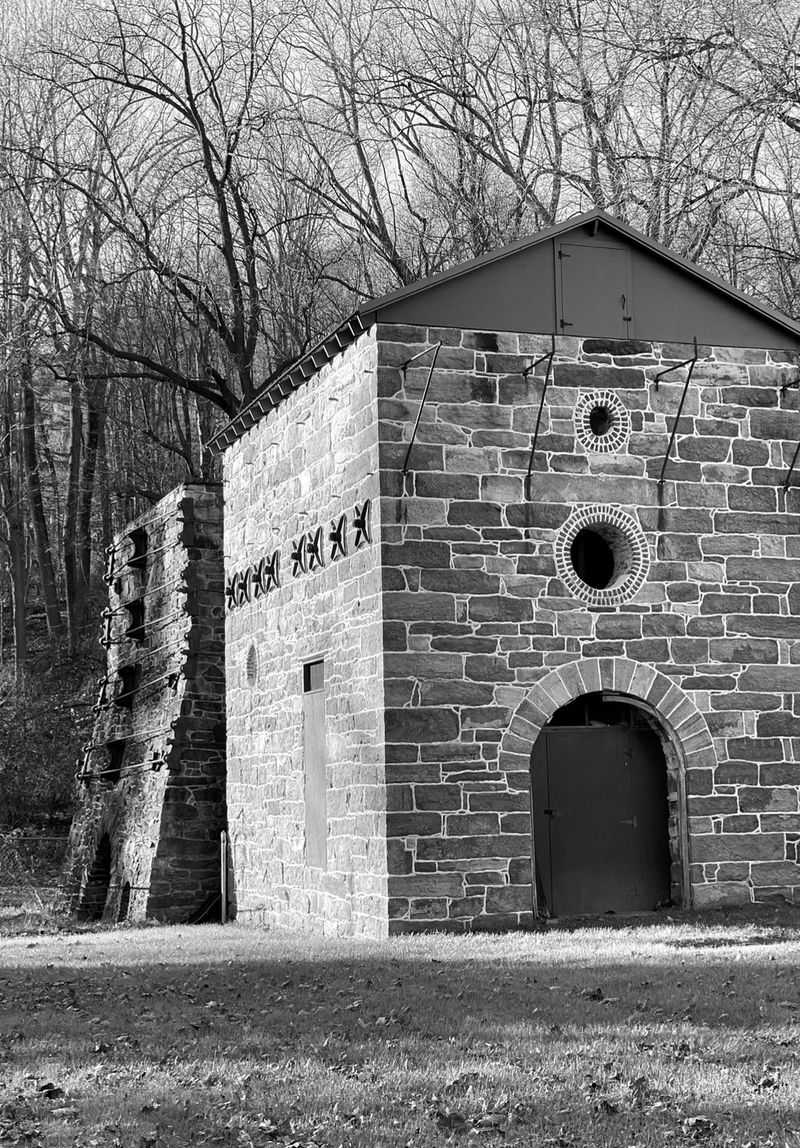
Not every great outing needs a ticket booth. Sometimes the best stops are the ones that quietly tell a big story.
Oxford Furnace packs a lot into one stone tower. It started in 1741, made iron for more than 140 years, and hosted America’s first successful hot blast.
It also built a town. The 385 buildings in the historic district prove the furnace’s fortune spread far beyond its walls.
I believe that’s what makes it worth the drive. You’re not just seeing an old structure, you’re seeing the reason a community exists.
The preservation story adds a warm finish. People cared enough to haul out tons of debris and give the old giant a new roof.
Pair it with Shippen Manor, and you’ve got a satisfying slice of New Jersey history. Toss in a stroll through town, and the afternoon fills itself.
It’s a proud reminder that this state has deep roots worth celebrating. Next time someone jokes that Jersey is all highways, you’ll know exactly where to send them.