Ink froze inside quill pens during the winter these woods are famous for. Soldiers faced 26 snowstorms that season, and six of them were full blizzards.
More than 10,000 Continental troops camped here anyway. They cleared forests and built roughly 1,200 log huts, with about a dozen men squeezed into each one.
The wild part is that the ground still waits for you in New Jersey. The trails wind past replica huts, an old farmhouse, and the open field where troops once drilled.
Admission to the grounds is free, which feels almost unfair for this much history.
I can’t imagine sleeping through a blizzard in a drafty log cabin with eleven roommates. I do like the idea of walking those same hills with a warm coat and a snack.
So how cold was it, really?
A Free National Park Where The Army Outlasted A Frozen Season
Jockey Hollow is part of Morristown National Historical Park, and that park carries a neat title. It became the nation’s very first National Historical Park in 1933.
The Jockey Hollow unit is the big, wooded piece of that story. It sits in the hills of Morris County, New Jersey, a few miles from downtown Morristown.
Here’s the headline fact. During the winter of 1779-1780, more than 10,000 Continental soldiers camped on this land under George Washington’s command.
That season became known as the Hard Winter. Historians often call it the coldest on record for New Jersey, and possibly for the entire century.
Today the place feels calm and green for much of the year. You get forest trails, historic markers, a visitor center, replica soldier huts, and a restored farmhouse.
The best part might be the price tag. The park grounds are free to explore, so a whole family can spend an afternoon here for nothing.
It also has a solid reputation, holding a 4.8-star average on Google. Hiking trails come up again and again as the favorite feature.
Not bad for a patch of woods with frostbitten roots, right?
Twenty-Six Snowstorms And Not One Snow Day
Four feet of snow piled up that winter. Some drifts climbed higher than six feet, which is taller than most grown adults.
Soldiers weathered 26 snowstorms during the encampment. Six of those storms were full-blown blizzards, the kind that shut down highways today.
Temperatures rarely rose above freezing for long stretches. Ink froze in quill pens, so even writing a letter home became a struggle.
Many people know about Valley Forge in Pennsylvania. The Jockey Hollow winter came two years later, and in many ways it was the tougher test.
Food and supplies ran short through much of the season. Clothing was thin, and shoes were often worn out completely.
Yet the army held together through it all. By spring, the Continental Army came out more disciplined and more unified than before.
That turnaround is the real reason this New Jersey ground matters. It shows how much grit the early nation needed just to keep going.
Next time your driveway gets buried, think of these troops. Suddenly one shoveling session doesn’t sound so terrible, does it?
Their patience under pressure still feels impressive more than two centuries later.
Twelve Men, One Tiny Cabin, Zero Privacy
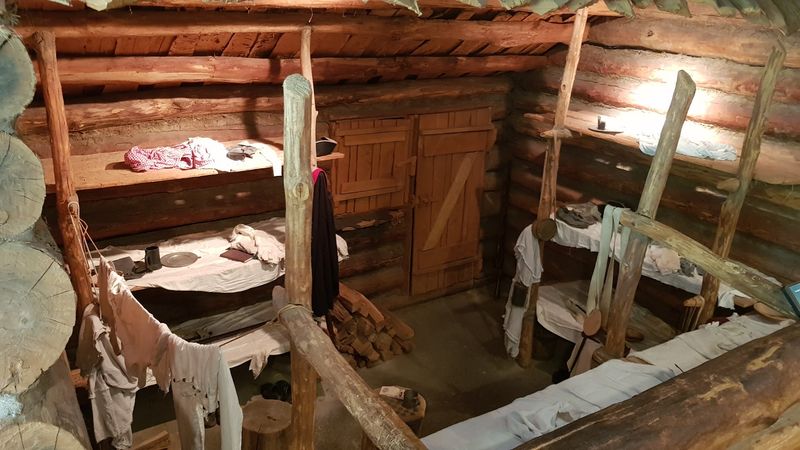
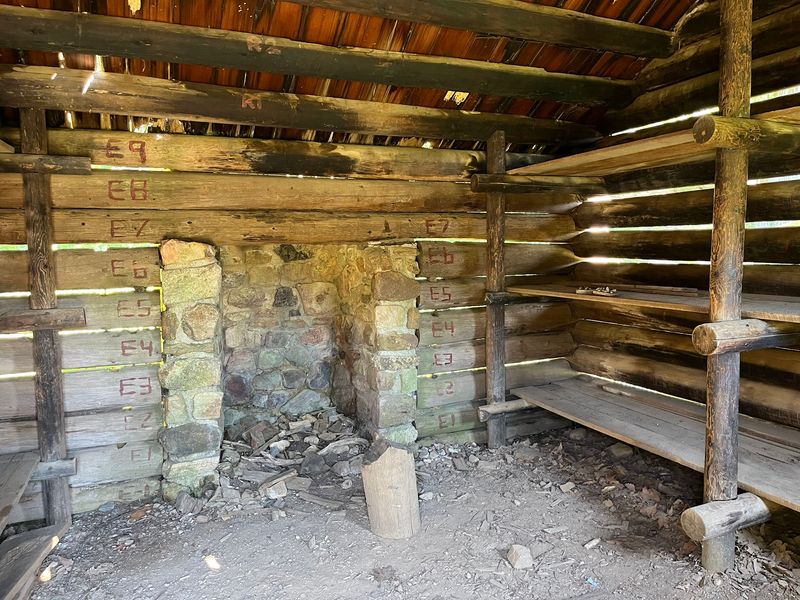
Fourteen by sixteen feet. That was the size of a typical soldier hut here, with walls about six and a half feet high.
Now cram about a dozen men inside one. Suddenly a family road trip in a minivan sounds roomy.
With a foot of snow already on the ground in November 1779, the troops got to work. They cleared thousands of trees and built around 1,200 log huts.
The result became a kind of log house city spread across the hills. Officers had their own cabins, which were a little more comfortable.
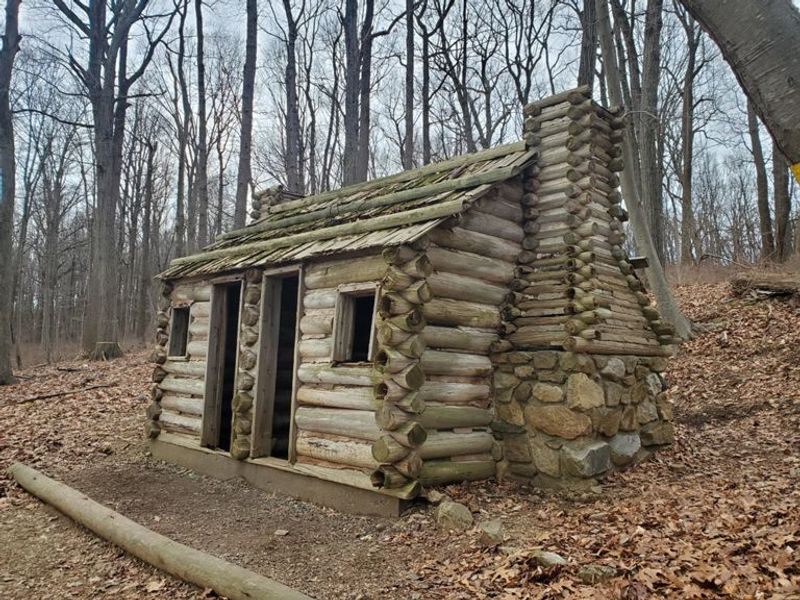
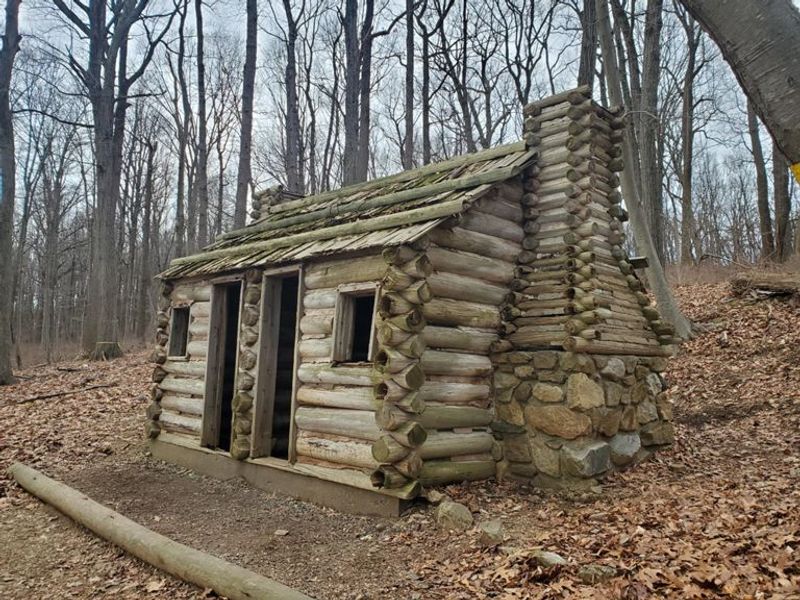
Today, full-scale replica huts stand on the old Pennsylvania Brigade site. They show how cramped and rough daily life really was.
Purists may point out the huts aren’t original. That’s fair, yet seeing the actual scale still helps the story land in a way a textbook can’t.
Signs nearby explain who lived here and how the camp worked. Kids often get a kick out of guessing where twelve people slept.
Stand inside the doorway for a moment. You’ll quickly understand why those soldiers counted the days until spring.
The Farmhouse That Watched The Whole Camp
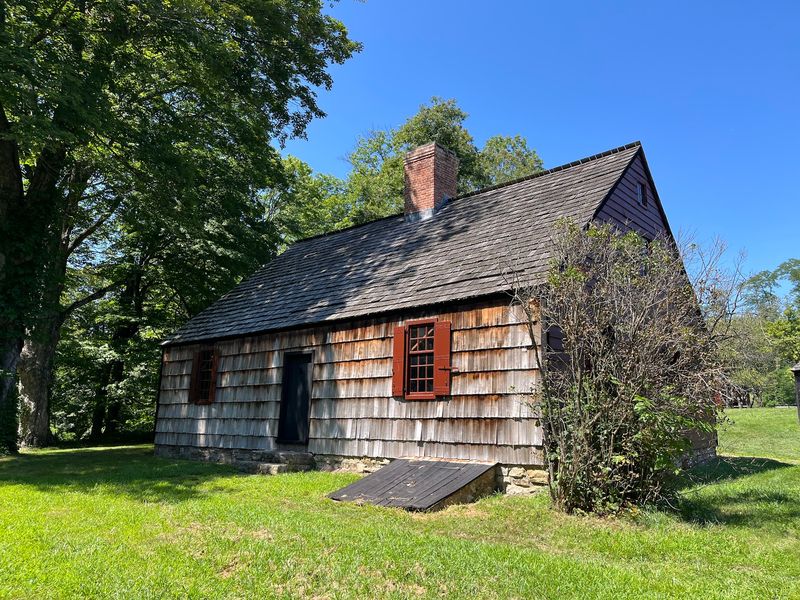
Henry Wick owned a farm of about 1,400 acres here, and most of it was forest. Then an entire army showed up needing wood.
The troops used his trees for huts and firewood. By the end, the Wick family had lost more than 600 acres of timber.
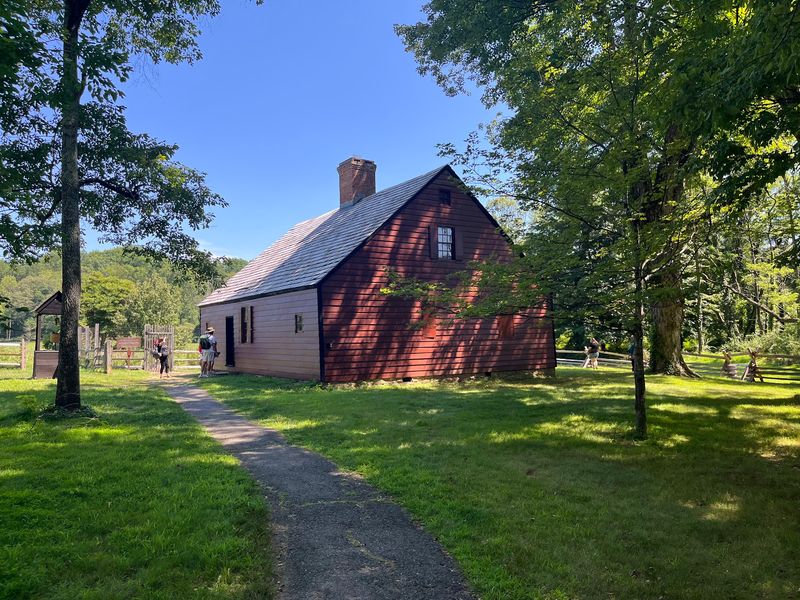
The Wick House still stands inside Jockey Hollow today. During that brutal winter it served as headquarters for Major General Arthur St. Clair.
Out front, an herb garden adds a homey touch. Orchards sit nearby, giving the grounds a farmstead feel that contrasts with the rough huts.
Ranger-led tours of the Wick House have been offered for free. Schedules can change by season, so checking ahead is smart before you plan around it.
The house gives the story a civilian angle. Families lived here too, and they shared their land with thousands of hungry, freezing soldiers.
I like how this one stop shows both sides of the encampment. The army needed help, and ordinary farmers gave up a lot to provide it.
It’s a gentle, thoughtful spot to slow down between hikes.
Twenty-Seven Miles Of Trail For Every Kind Of Walker
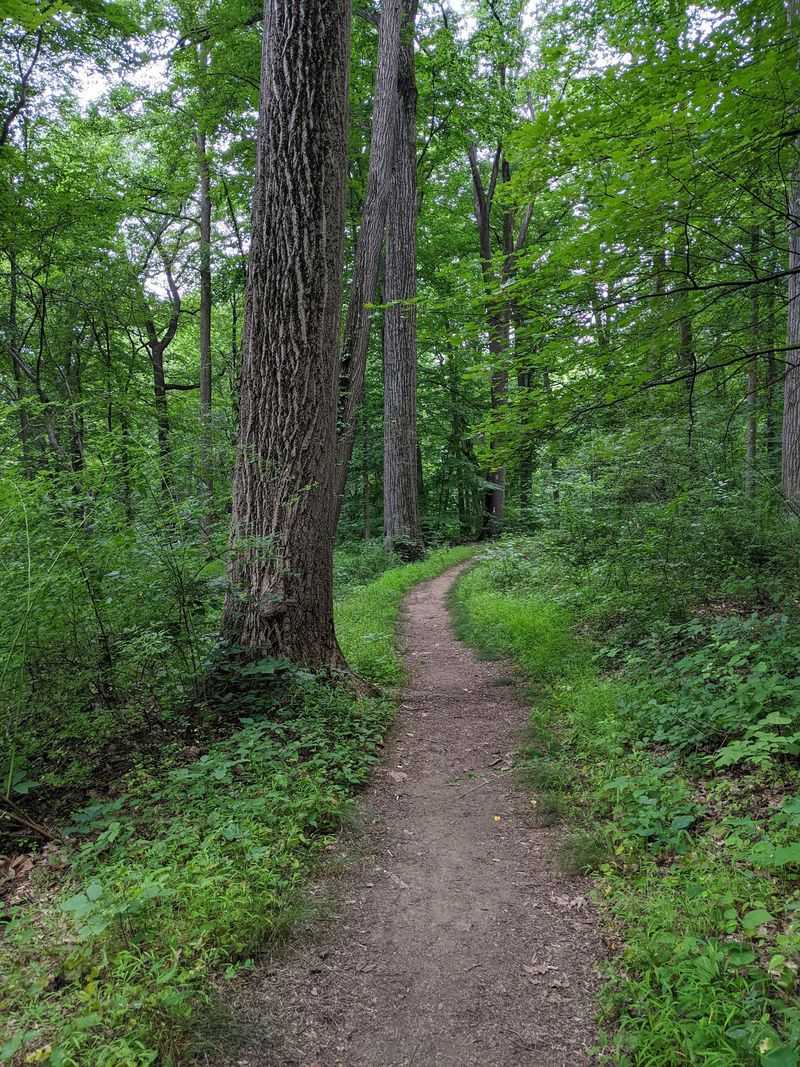
Hikers, this is your section. Jockey Hollow offers more than 27 miles of marked trails through rolling woods.
The Yellow Trail runs about 2.25 miles and links key spots. It passes the soldier huts and the Grand Parade, where troops once drilled.
Want a longer outing? The White Trail, called the Grand Loop Trail, stretches about 6.5 miles and is the longest in the park.
The Blue Trail covers roughly three miles. It climbs toward Mt.
Kemble and earns a reputation for nice views along the way.
Most paths are easy to moderate, with a few rolling slopes. Blazes are generally clear, which helps first-timers stay on track.
In spring, trails can turn muddy, with loose rocks underfoot. Light hiking boots tend to work better than sneakers.
Leashed dogs are welcome, which isn’t true at every nearby park. Keep leashes six feet or shorter and stay on marked trails.
Trail closures can happen for maintenance or weather. A quick check with the park before you go saves a wasted drive and a cranky car ride home.
Pedals, Hooves, And A Slow Scenic Drive
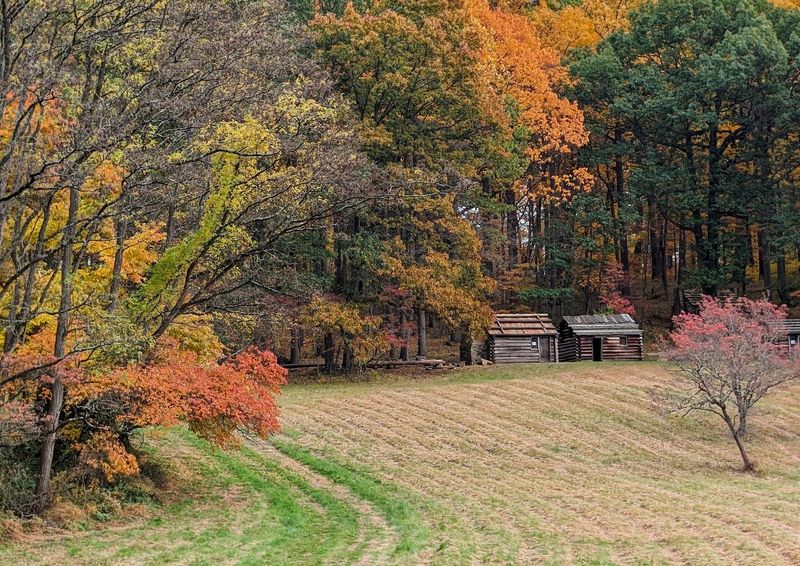
Not every visitor wants to hike. Luckily, Jockey Hollow has a Tour Road that winds through the park on pavement.
The road loops past the soldier huts and other encampment sites. You can drive it slowly, pull into small lots, and read the signs at each stop.
Bikes are allowed on the Tour Road and other paved park roads. The three-mile Tour Road makes a pleasant spin for confident riders.
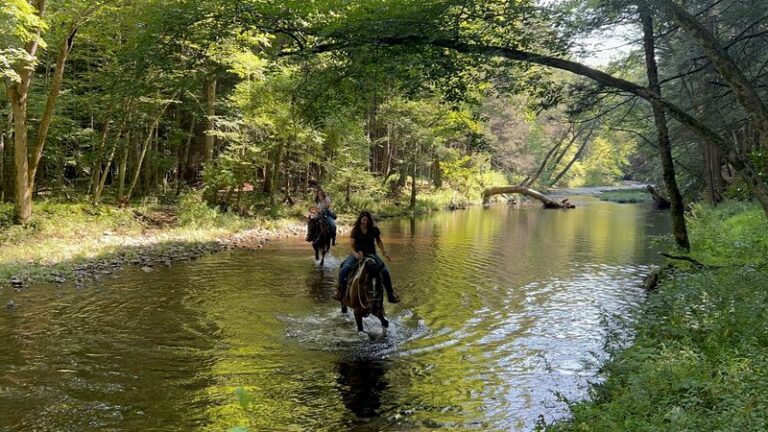
Horse owners get their own perks. The park has about 10.5 miles of designated horse trails, though rentals aren’t available.
That means you’ll need to bring your own steed. Sadly, the visitor center doesn’t keep a stable of spare ponies.
The drive-through option is handy for grandparents or anyone with limited mobility. Everyone still gets a taste of the history without a long walk.
Paved roads have closed at times for repaving or repairs. That can block access to some areas, so plan a little flexibility.
On a crisp day, the slow cruise feels a long way from the Turnpike. Windows down, history rolling by, no toll booth in sight.
Your Smartest First Stop Has A Mural And A Movie
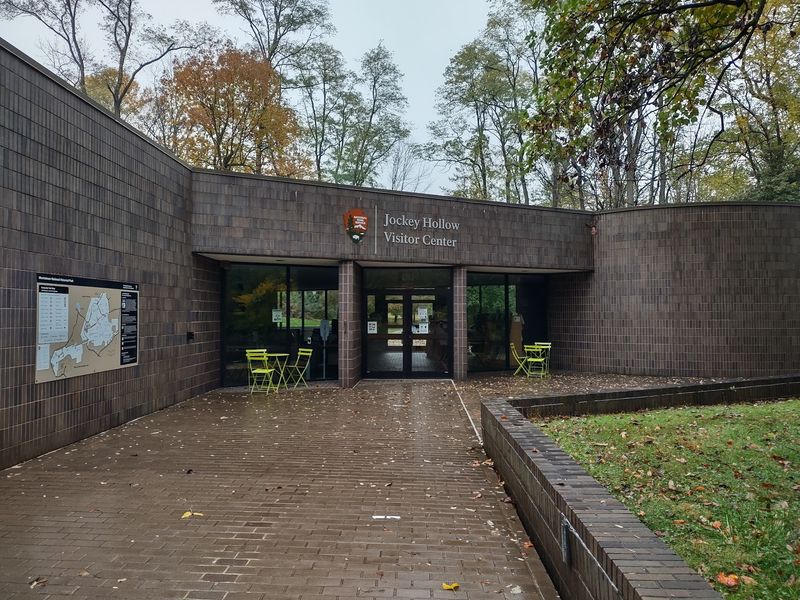
Start at the Jockey Hollow Visitor Center. It sets the scene before you hit the trails.
Inside, a painted mural shows the 1779 encampment. There’s also an information desk and a bookstore with history titles.
A 15-minute film explains the Continental Army’s winter here. It’s short enough for restless kids and detailed enough for history fans.
The exhibit includes a full-scale soldier hut model. Families can see how the men lived, ate, and slept through the season.
Some displays are hands-on, letting kids touch and feel items. That makes the stop more fun than a quiet museum stroll.
Restrooms sit here too, and the exterior doors can stay open after the building closes. That detail matters more than you’d think after a long hike.
Grab a trail map before heading out. The printed version has a small fee, or you can download a free PDF ahead of time.
Building hours are limited to certain days. So if the film and exhibits are must-sees, time your visit carefully and confirm the schedule first.
Fort Nonsense Has A Name That Begs Questions
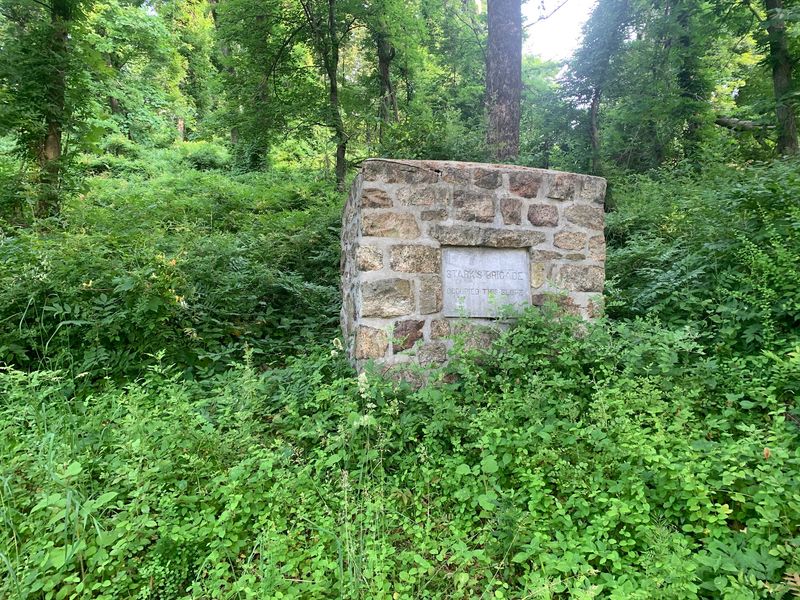
Fort Nonsense might be the best name in New Jersey history. It’s also part of Morristown National Historical Park, a short drive from Jockey Hollow.
The site sits on the highest hill in Morristown. It was built during the earlier 1777 encampment, not the Hard Winter.
Lookouts used the spot to watch the countryside. A beacon alarm system could warn the area if trouble approached.
No original structures remain today. What you get instead is a wide, open hilltop with markers explaining the history.
The views are the main draw. On a clear day, you may spot the distant Manhattan skyline across the horizon.
Pairing this stop with Jockey Hollow makes a fuller day. You’ll see the army’s lookout point and its winter home in one trip.
It’s a quick visit, so don’t plan hours here. Twenty minutes and a camera usually do the trick.
Kids may enjoy debating how it got that silly name. Honestly, the debate is half the fun.
Where Washington Spent The Same Winter Indoors
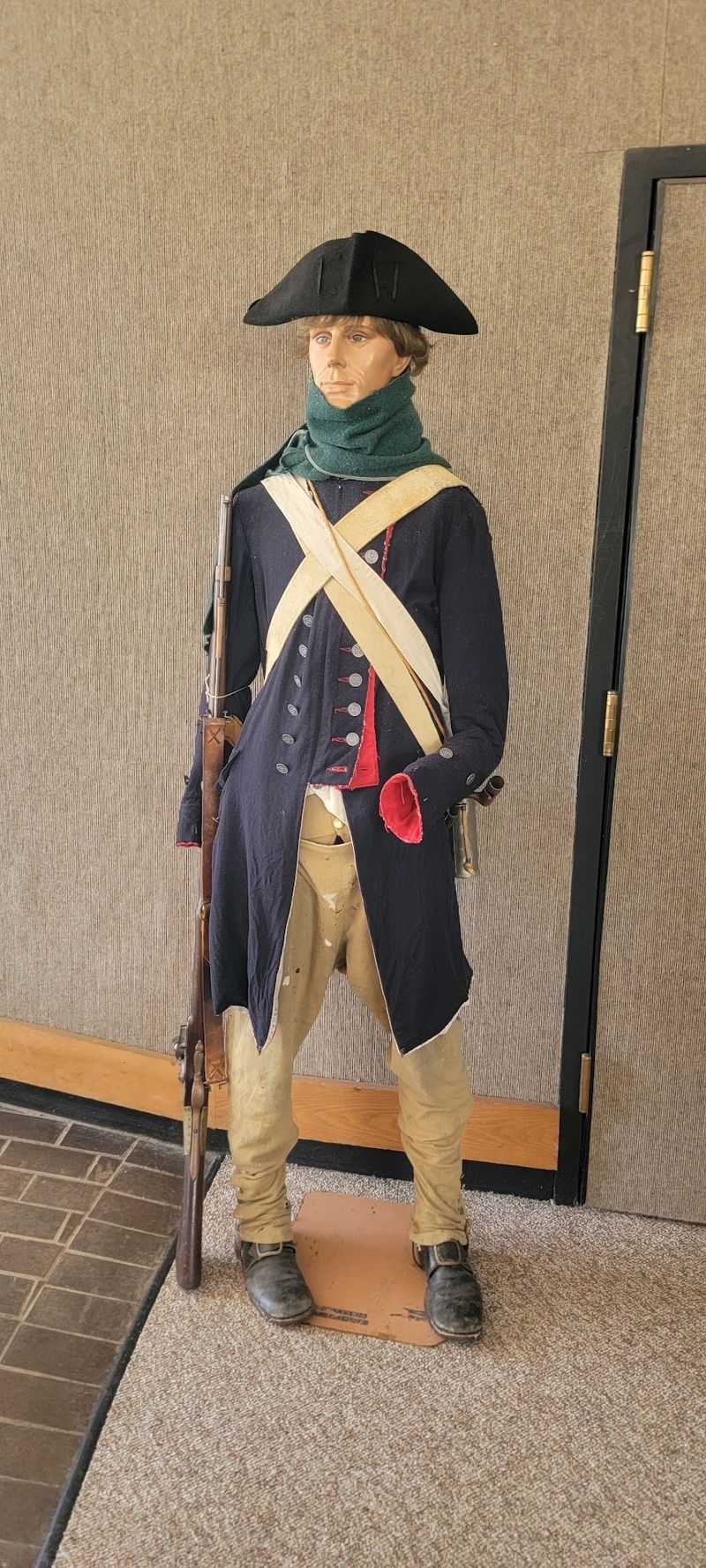
While troops shivered in huts, George Washington stayed about six miles away. He used the Ford Mansion in Morristown as his headquarters.
Washington lived there from December 1779 to June 1780. Big strategic decisions were made inside those walls.
Guided tours of the Ford Mansion start at the Washington’s Headquarters Museum. Both are part of Morristown National Historical Park.
The museum adds context to everything you see at Jockey Hollow. It connects the general’s plans to the soldiers’ daily struggles.
Visiting both sites in one day works well. Start with the mansion, then head to the woods for fresh air and the huts.
Tour availability depends on staffing and the season. Checking times ahead keeps you from arriving at a locked door.
I believe the contrast is the real lesson here. One house held the planning, and the frozen hills held the people carrying it out.
Seeing both helps the whole winter make sense. It’s a fuller picture than either stop could give alone.
Autumn Leaves, Muddy Boots, And A Crowded New Year
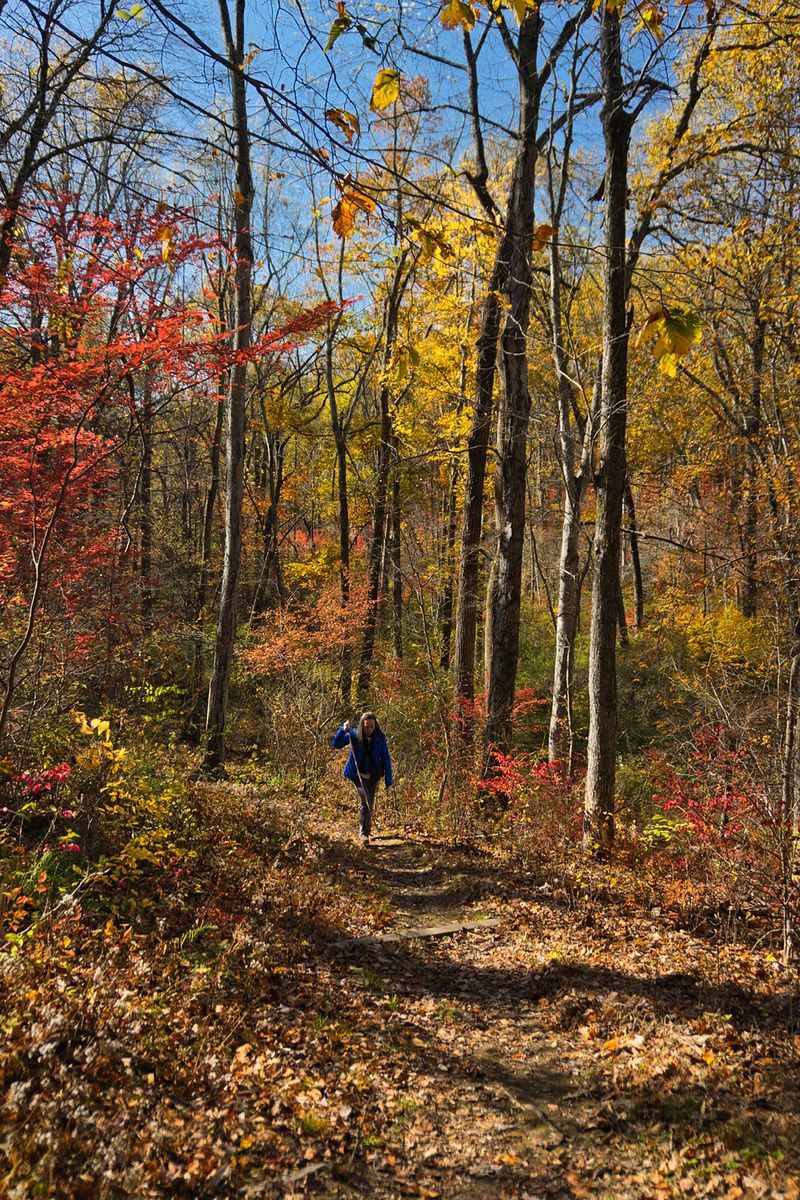
Fall is when Jockey Hollow really shows off. Orange and gold leaves fill the woods, and the trails feel extra cozy.
Timing matters, though. By the first week of November, many leaves may already be on the ground.
Spring brings wildflowers and early greens. It can also bring mud and some partial flooding on lower trails.
Summer offers full shade and a leafy canopy. Winter looks bare, yet it gives you a small taste of what the army faced.
New Year’s Day hikes can draw plenty of people. The main lot may fill up, so arriving early helps.
History lovers will enjoy the markers and exhibits. Casual walkers get easy paths and a pleasant dose of fresh air.
Families with kids, dog owners, and runners all fit right in. The mix of exercise and learning gives everyone something.
Snakes have been spotted on some trails in warmer months. Watching your step is a good habit, especially along leafy edges.
Any season works, really. Just dress for the weather the soldiers never could.
Getting There, Parking, And A Free Day Out
GPS can get a little creative out here. The main entrance sits at 586 Tempe Wick Road, Morristown, NJ 07960.
Coming from Route 287 North, take exit 30B for Bernardsville. Turn right onto Route 202 North, then left onto Tempe Wick Road.
Brown and white park signs guide you the rest of the way. A large parking lot sits near the visitor center, with smaller lots along the Tour Road.
The grounds are open daily from sunrise to sunset. Admission is free, which makes this one of the best deals in New Jersey.
Park buildings keep shorter hours. They’ve typically opened Thursday through Monday, 9:30 a.m. to 4:30 p.m., though schedules can shift.
Bring water and snacks, since there’s no restaurant on site. Layers help too, because the woods can feel cooler than town.
Restrooms are available at the visitor center, and portable toilets sit in some lots. Plan a few hours, or a full day if you love hiking.
My verdict? Free history, real trails, and a winter story worth remembering.
That’s a pretty great trade for one tank of gas.