A wigmaker, a blacksmith, and an apothecary all show up for work every single day of the year in one Virginia city. Their workplace is an 18th-century town, and they dress the part from buckle to bonnet.
That same city just landed the number one spot among small towns in the entire South. Plenty of charming places competed for that crown.
This one won with fife music, horse-drawn carriages, and gardens trimmed like they expect a royal visitor.
I like how the past here feels active instead of dusty. You can chat with costumed interpreters, play colonial games over supper, and watch a court trial straight out of the 1700s.
I can’t imagine a better place to make history feel personal.
So what makes it worth beating out the whole region? The answer starts on one very famous street.
The Small City Wearing the South’s Newest Crown
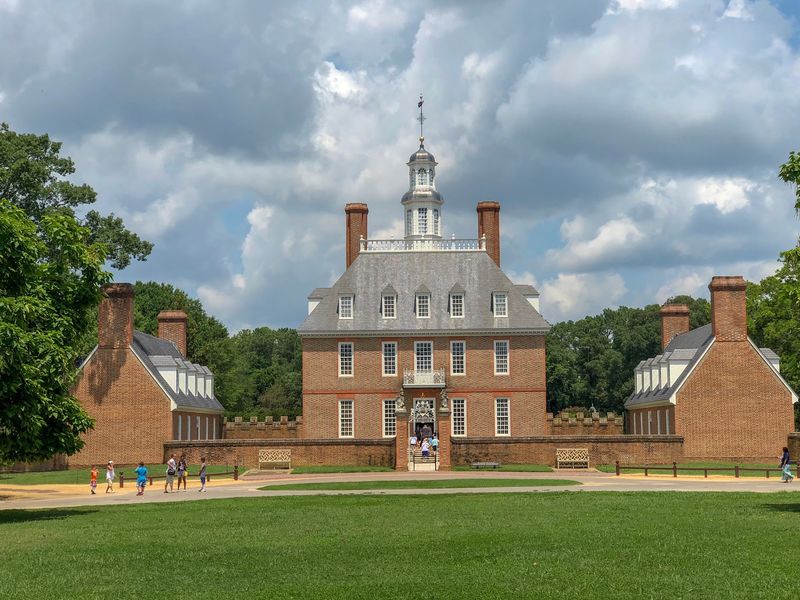
Big news traveled fast from the Virginia Peninsula this year. Williamsburg, Virginia, was crowned the number one small town in the South, and the announcement had people talking right away.
Plenty of Southern towns have charm, porches, and good biscuits. Williamsburg brings something rarer to the contest: an entire 18th-century capital you can explore on foot.
The city sits in southeastern Virginia, roughly midway between Richmond and Virginia Beach. It also forms one corner of the famous Historic Triangle, alongside Jamestown and Yorktown.
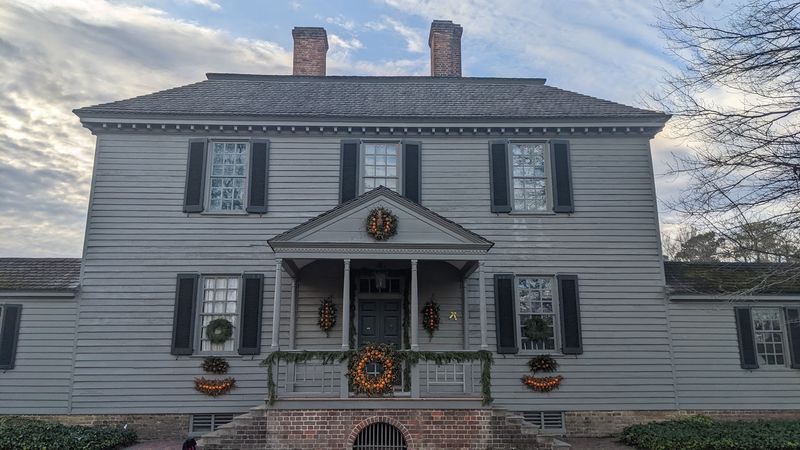
Its heart is Colonial Williamsburg, a historic district and living-history museum. Costumed interpreters depict daily colonial life in the streets, stores, and workshops, so the past never feels like a glass case.
That combination explains the win better than any trophy could. You get real history, lovely green spaces, family activities, and comfortable places to stay, all within a walkable area.
Small towns usually win hearts with one great thing. Williamsburg stacks several great things on top of each other, then adds a fife and drum soundtrack for good measure.
Eighty-One Years as the Colony’s Capital
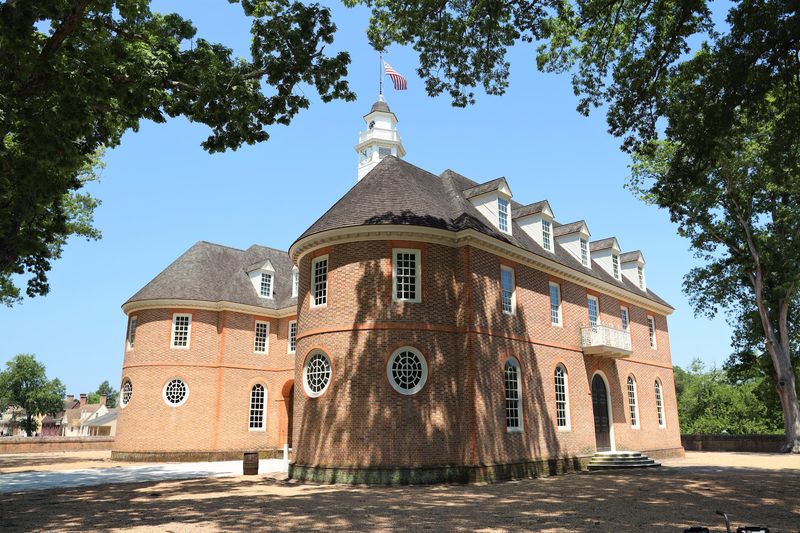
Long before the tour buses, Williamsburg ran the show. The city served as the capital of the Virginia Colony from 1699 to 1780.
Those decades were busy ones. Williamsburg became a center of political, cultural, and educational influence for the entire colony.
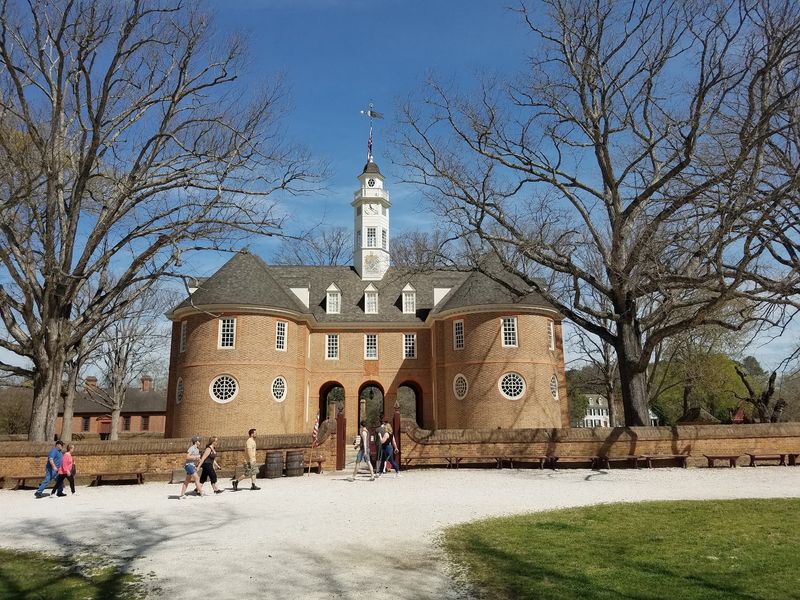
George Washington and Thomas Jefferson debated pivotal issues here. When you stroll past the Capitol today, you’re standing where some very big ideas got argued out loud.
The city also played a significant role in the American Revolution. Civilian trades here helped outfit and equip the army, which is a detail that makes the workshops feel even more meaningful.
Then came 1780, and the capital moved to Richmond. Williamsburg slipped into a long, quiet decline after losing its starring role.
I find that twist oddly charming. The town’s quiet years helped set up its comeback, which turned out to be one of the most ambitious restoration projects in the country.
Knowing this backstory changes how the streets feel. Every brick building suddenly looks less like scenery and more like evidence.
A Century-Old Rescue Mission Still Going Strong
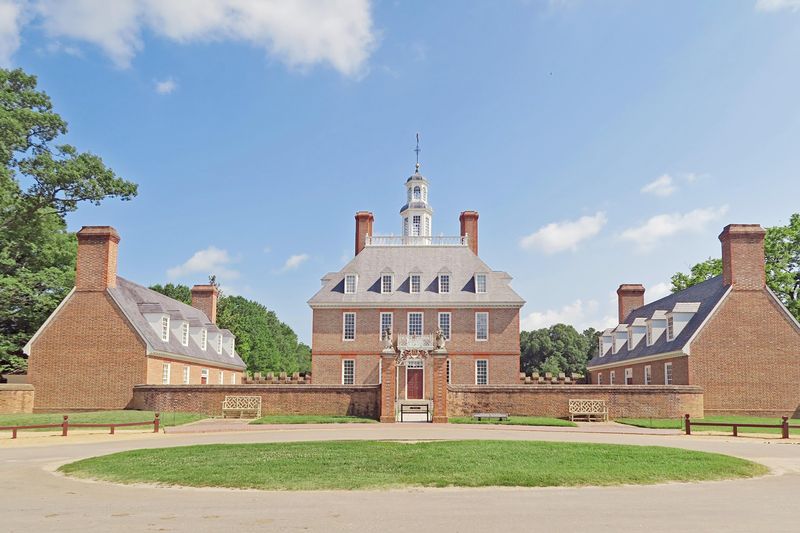
One pastor had a very big dream in 1926. The Reverend Dr. W.A.R.
Goodwin wanted to bring the old colonial capital back to life.
He found a powerful partner in John D. Rockefeller Jr. Rockefeller funded the restoration, and the work began in earnest that year.
The mission had a simple, memorable motto. It aimed to restore the city “that the future may learn from the past.”
Here’s a fun bit of timing for 2026. The restoration celebrates its 100th anniversary in the same year the nation marks its 250th birthday.
That double celebration gives Williamsburg extra sparkle right now. Few places can say their own milestone lines up so neatly with the country’s.
The effort never really stopped, either. Preservation continues today, keeping 18th-century experiences and stories alive for new generations of visitors.
I believe that ongoing care is what separates Williamsburg from a theme park. People have been protecting this place for a hundred years, and it shows in the details.
Three Hundred Acres Where the 1700s Never Clocked Out
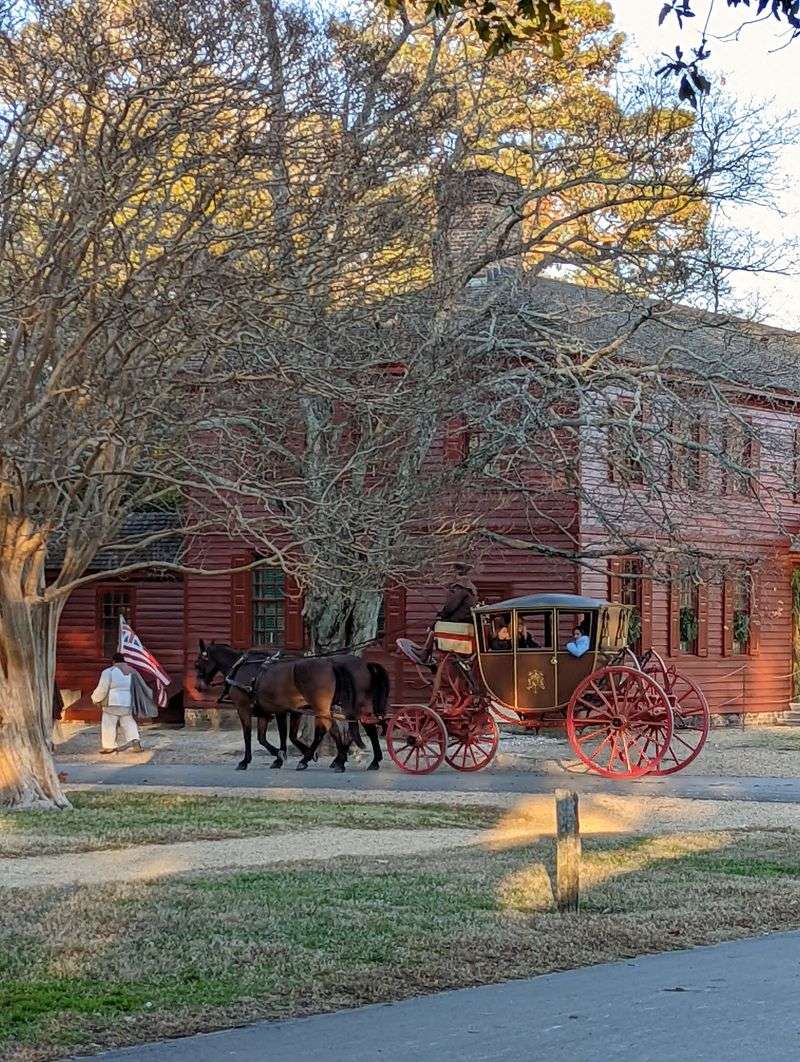
Museums usually ask you to keep your voice down. Colonial Williamsburg would rather you strike up a conversation with someone in a tricorn hat.
Colonial Williamsburg is the world’s largest American history museum, spread across 301 acres. It operates 365 days a year, so there’s no bad day on the calendar to show up.
Costumed interpreters bring the 18th century to life on historic streets. They also work inside meticulously restored buildings, sharing stories as you explore.
You might meet a figure like Thomas Jefferson. You could also hear from interpreters portraying enslaved Black pastors, whose stories help illuminate a fuller shared past.
That range matters. The experience presents many voices, not just the famous names from textbooks.
Kids especially love that the past talks back. Adults tend to appreciate it too, mostly because asking questions is far more fun than reading plaques.
Give yourself plenty of time here. With that much ground to cover in Virginia’s old capital, rushing would be a waste of a perfectly good century.
Blacksmiths, Wigmakers, and Other Very Busy Neighbors
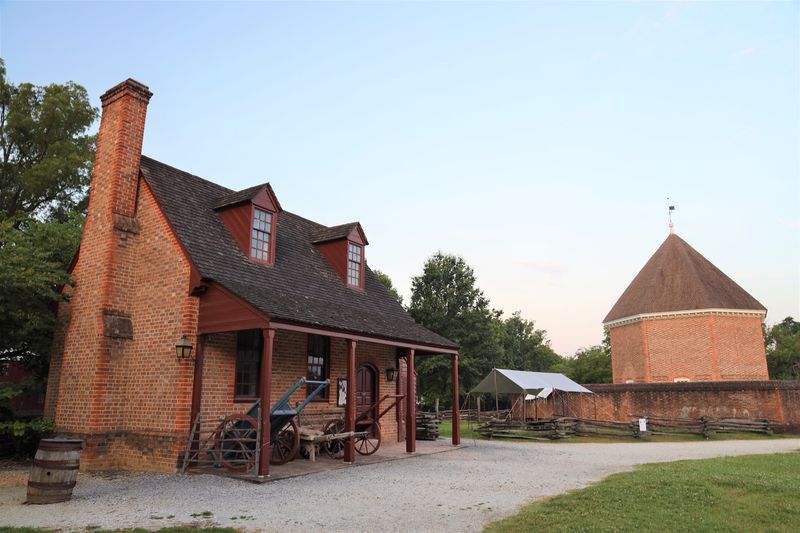
Ever wondered how anyone made a nail, a wig, or medicine without a factory? More than 20 historic trade shops across Colonial Williamsburg answer that question.
Skilled artisans demonstrate their crafts right in front of you. The lineup includes blacksmiths, wigmakers, and apothecaries, among others.
These tradespeople do more than show off technique. They share insights into daily life during the colonial era, which makes each shop feel like a small classroom.
There’s also a bigger story behind the hammering. Civilian trades were vital to outfitting and equipping the army during the American Revolution.
Hands-on learning shows up too. The Powell House offers activities like colonial games and cooking, giving younger visitors something to do besides watch.
I like how the shops slow everyone down. It’s hard to scroll your phone while someone is shaping hot iron three feet away.
Plan to wander from shop to shop without a strict schedule. Each doorway reveals a different skill, and curiosity tends to set the pace better than any itinerary.
Supper Where George Washington Once Pulled Up a Chair
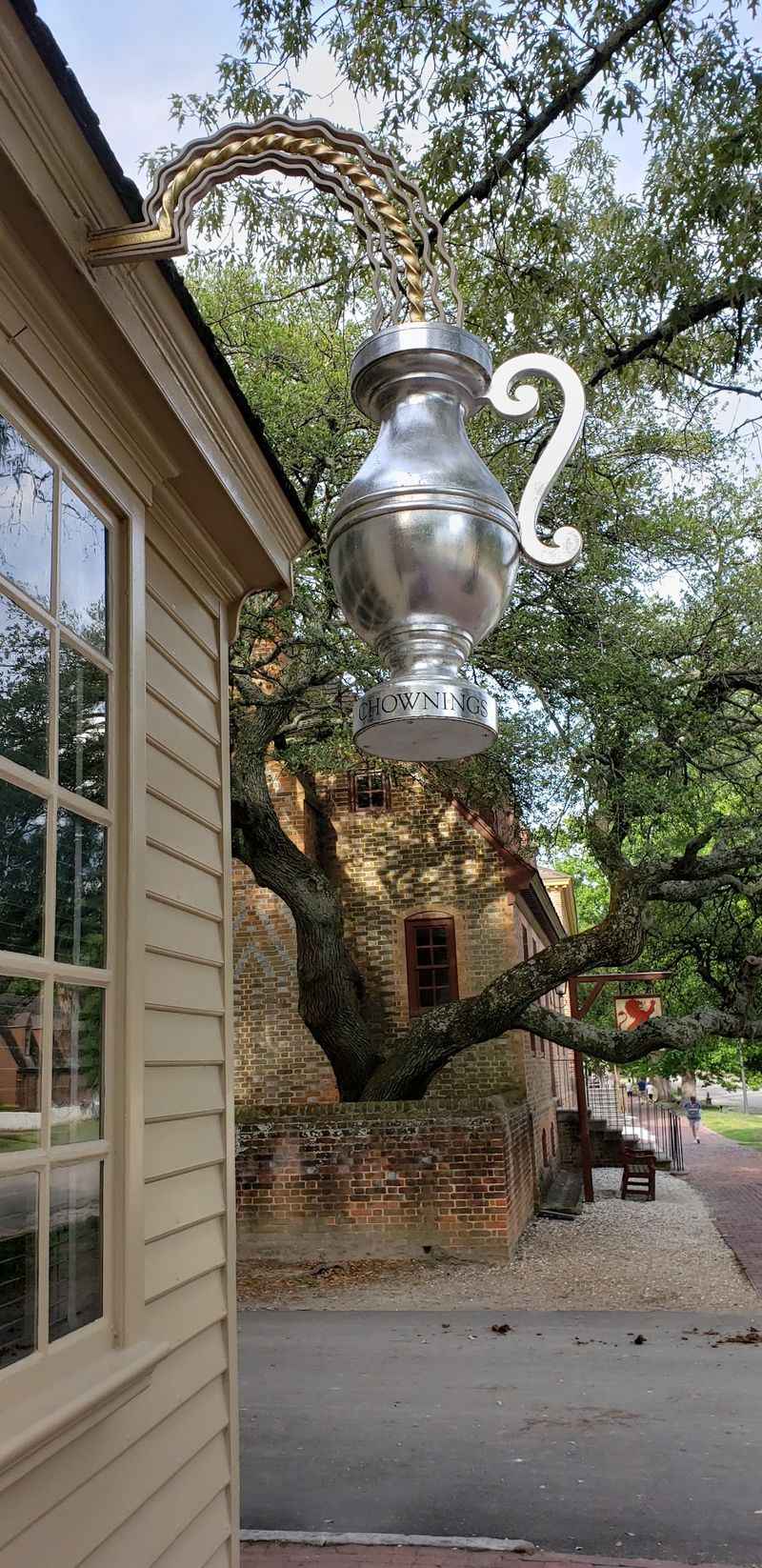
Crab cakes with a presidential pedigree sound pretty convincing. Christiana Campbell’s Tavern, famously frequented by George Washington, serves colonial-era seafood dishes, including its well-known crab cakes.
The setting matches the menu. An 18th-century atmosphere comes complete with live music and colonial games.
Chowning’s Tavern offers a heartier, family-friendly option. Expect traditional pub fare like meat pies and barbecue.
Chowning’s also hosts “Gambols,” which are colonial games and sing-alongs. Good luck keeping the kids quiet once the singing starts.
Not every meal needs candlelight and history lessons. The Cheese Shop on Duke of Gloucester Street serves gourmet sandwiches and cheese platters.
It also has outdoor seating, which works nicely for a casual break between trade shops. Watching carriages roll past while you eat is a fine way to rest your feet.
Between the taverns and contemporary cafes, Williamsburg covers a wide range of appetites. You can eat like an 18th-century traveler at dinner and keep lunch refreshingly simple.
Hedges, Tulips, and a Garden That Charges Nothing
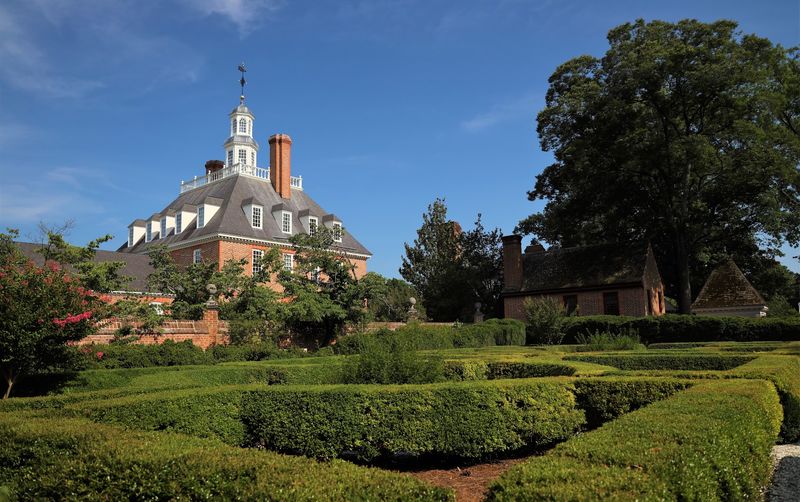
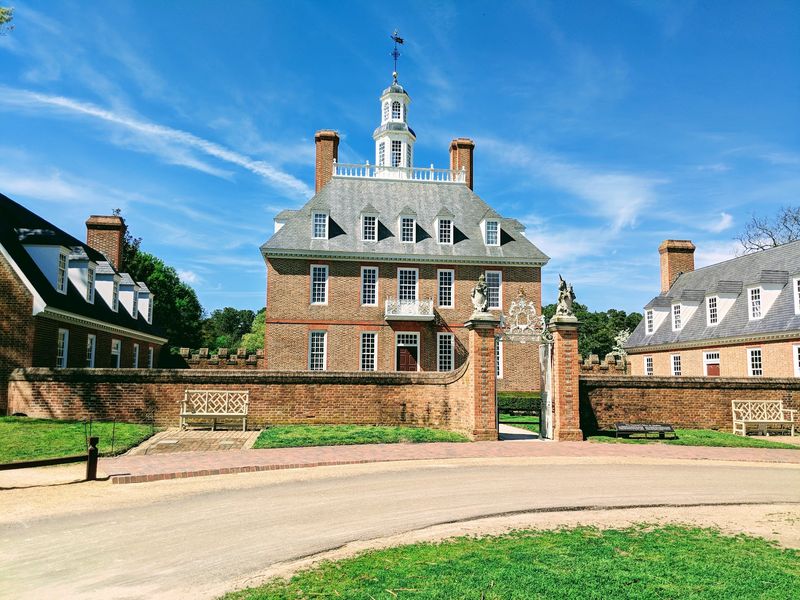
Evergreen hedges trimmed into crisp lines set the tone at the Governor’s Palace Gardens. Their 18th-century formal landscape design looks almost architectural.
Spring adds bursts of color. Vibrant tulip displays brighten the gardens and make the hedges look even sharper.
Over at the historic Bryan House, a pleasure garden offers a softer mood. Trumpet honeysuckle and American wisteria decorate the space.
Then there’s the Williamsburg Botanical Garden, a welcome surprise for budget-minded travelers. Admission is free, which feels almost suspicious in the best way.
The botanical garden covers two acres designed to support wildlife and pollinators. Highlights include a Butterfly Garden, an Herb Garden, and a Native Garden.
I believe these green spaces deserve more credit for the city’s charm. History can be a lot to absorb, and a quiet bench among flowers resets the brain beautifully.
Bring a camera and maybe some patience for butterflies. They rarely pose on command, but the gardens give you plenty of chances to try.
Kids Get Their Own Drill Sergeant Here
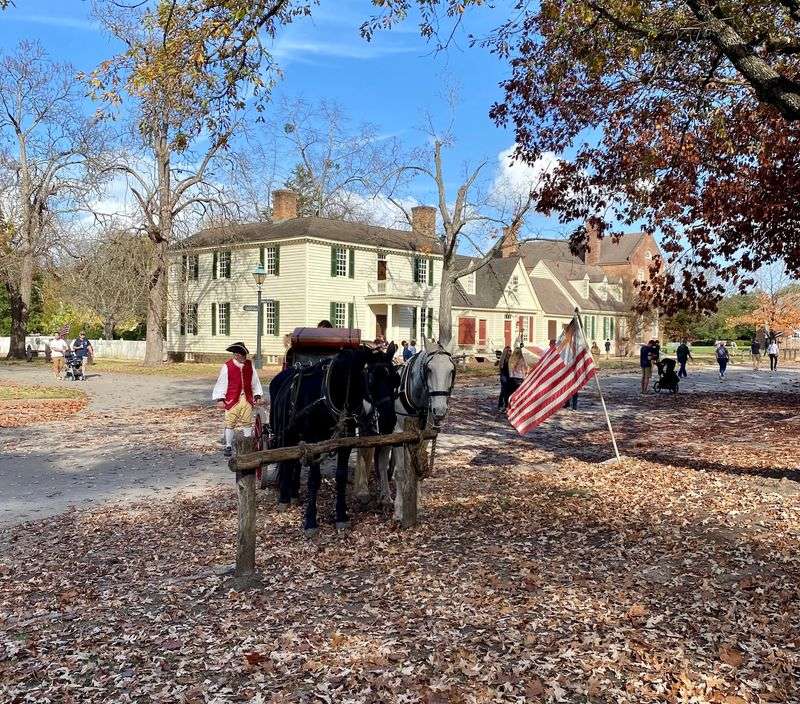
Small recruits, take your places. Kids can join a Children’s Military Drill, which tends to turn even shy children into enthusiastic marchers.
Horse-drawn carriage rides offer a calmer adventure. Rolling through the historic streets gives tired legs a break and adds a storybook feel.
The Art Museums of Colonial Williamsburg keep young minds busy too. They offer scavenger hunts and hands-on exhibits.
Look for the “History Mystery” tours as well. These programs help kids connect with artifacts instead of just walking past them.
Families planning summer travel should note a great perk. During select Family Weekends in July and August 2026, children 12 and under receive free single-day admission.
That makes Williamsburg an even easier choice for parents juggling budgets. Free admission plus built-in activities is a strong combination.
I can’t imagine a better way to sneak learning into a vacation. Kids think they’re playing games, and somehow they leave knowing what an apothecary does.
After Dark, the Courtroom Gets Dramatic
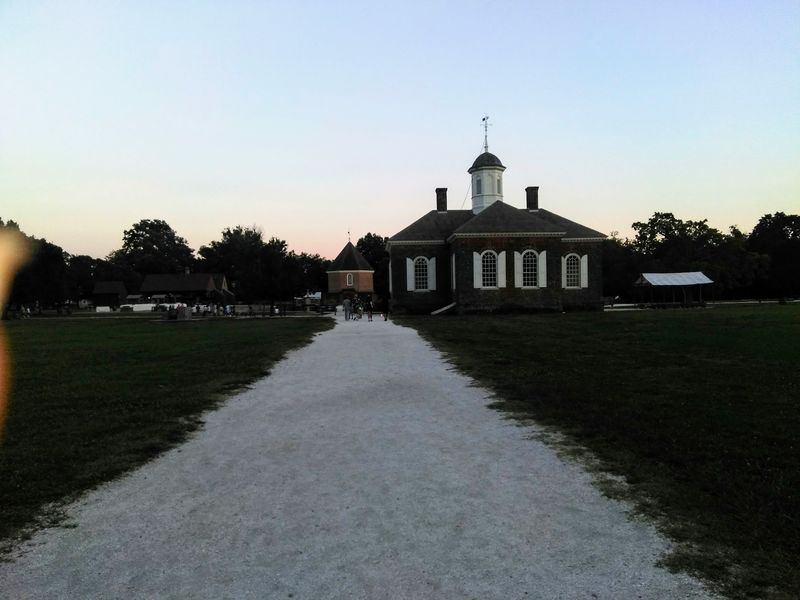
Sunset doesn’t close the curtain in Williamsburg. Evening programs bring a whole new mood to the old capital.
Haunted Williamsburg tours start at the Market House. They blend historical education with spine-tingling storytelling about colonial life and supernatural beliefs.
That mix keeps things interesting for skeptics and believers alike. You learn what colonists feared, which tells you a lot about how they lived.
Courtroom fans have options too. Pirate Trials and Witch Trials take place at the Capitol, recreating historical court proceedings in careful detail.
These programs are interactive, so you’re not just watching from the back row. The legal drama of the 1700s becomes surprisingly gripping when you’re part of it.
Honestly, a pirate trial beats most evening television. The stakes feel real, the costumes are excellent, and nobody asks you to subscribe to anything.
Pack a light jacket for nighttime strolls between programs. The streets look different by lantern light, and that change alone makes the evening worthwhile.
Fireworks, Market Days, and a Very Festive Calendar
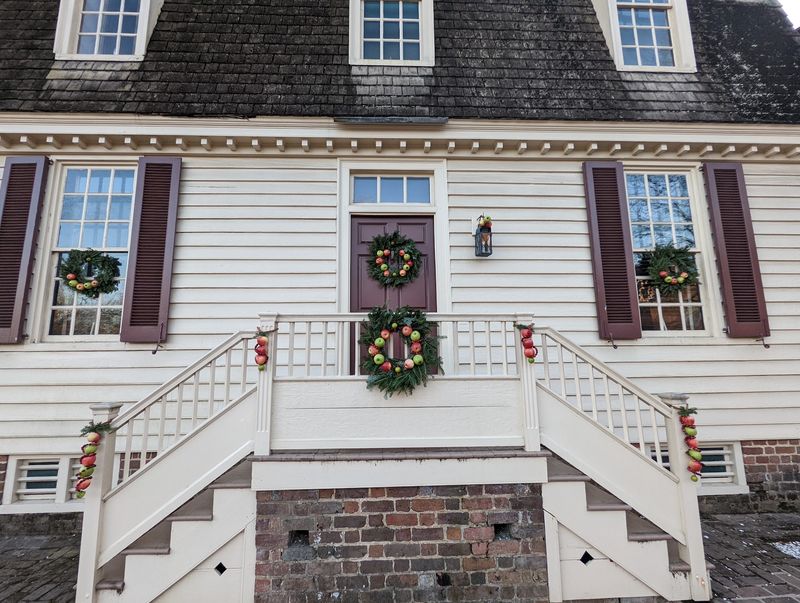
December brings the showstopper. The Grand Illumination lights up Williamsburg with fireworks, and it has become one of the city’s signature annual events.
Spring and fall offer a different kind of celebration. Market Days fill the scene with colonial crafts and music.
These seasonal gatherings draw crowds throughout the year. That popularity makes sense once you see the historic setting dressed up for a party.
Special dining events add even more reasons to plan around the calendar. Options include a Halloween Afternoon Tea and a Thanksgiving Day Buffet.
An afternoon tea in October feels like a delightfully civilized way to celebrate. You get spooky season without any of the jump scares.
The Thanksgiving buffet suits travelers who’d rather skip the dishes this year. Letting someone else handle the feast in a colonial capital sounds like a smart trade.
Check the schedule before booking your Virginia getaway. Timing your trip around one of these events can turn a nice visit into a memorable one.
Bedtime Options From Royal Suites to Colonial Houses
Queen Elizabeth slept here, twice. The Williamsburg Inn, a Forbes Four-Star hotel, hosted her on two occasions.
That’s a tough guest list to top. Still, the city offers plenty of choices for travelers who aren’t arriving with a royal entourage.
Families should look at the Williamsburg Woodlands Hotel and Suites. It sits next to the Colonial Williamsburg Visitor Center, which makes mornings far less hectic.
The Woodlands includes comfortable rooms and a continental breakfast. Kids will spot the mini-golf and the seasonal pool with a splash park almost instantly.
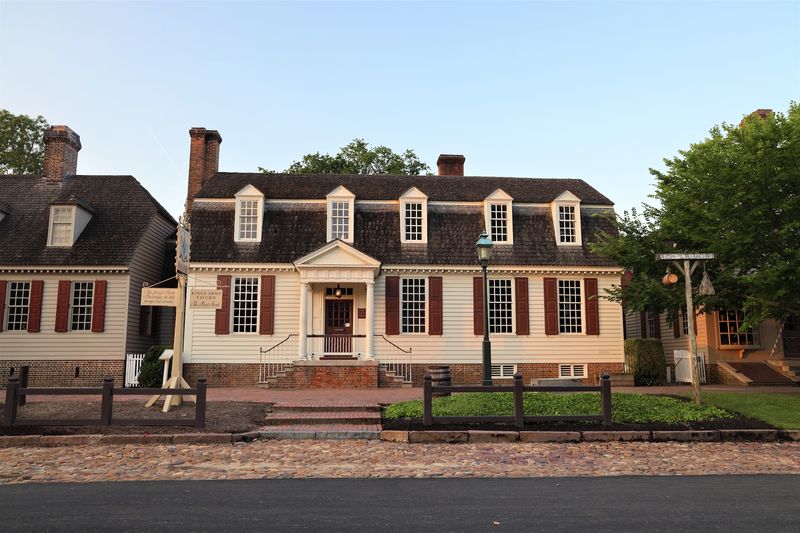
For something truly unusual, book one of the Colonial Houses or Tavern Rooms. Sleeping inside history beats reading about it.
The Griffin Hotel leans calm and spacious. Quiet ponds and pickleball courts give it a relaxed, resort-like feel.
I like that each option suits a different travel style. Romantic weekend, family road trip, or history-buff pilgrimage, Williamsburg has a pillow waiting.
Getting There and Roaming the Historic Triangle
Location is one of Williamsburg’s quiet superpowers. The city sits roughly midway between Richmond and Virginia Beach, which makes it an easy drive from either.
Once you arrive, more history waits nearby. Williamsburg anchors Virginia’s Historic Triangle with Jamestown Settlement and the American Revolution Museum at Yorktown.
Jamestown explores America’s first permanent English colony. Yorktown tells the story of the decisive victory of the American Revolution.
Visiting all three tells a story from beginning to end. It’s like reading a great book in the right order.
Thrill seekers have their own corner of the map. Busch Gardens Williamsburg and Water Country USA are close by, with rides, shows, and water attractions.
Planning is simple on the history side. Colonial Williamsburg operates 365 days a year, so holidays and off-season dates are fair game.
Start at the Colonial Williamsburg Visitor Center to get your bearings. From there, the Historic Area, the gardens, and the wider Triangle all fall into place.
Why the Crown Fits This Colonial Capital
Winning top small town in the South is no small feat. Williamsburg earned it by offering something few places can match, an entire historic capital that still feels lively.
The appeal stretches across ages and interests. History lovers get trade shops and courtroom dramas, while families get carriage rides and drills.
Food lovers get tavern suppers with live music. Garden fans get formal hedges, tulips, and a free botanical garden buzzing with pollinators.
Timing makes 2026 especially appealing. The restoration’s 100th anniversary lines up with the nation’s 250th, giving Williamsburg a celebratory spirit.
Is it the right trip for everyone? Travelers who enjoy curiosity, conversation, and a little old-fashioned fun will probably feel right at home.
I believe the city works because it invites participation. You don’t simply look at the past here, you get pulled into it.
So grab comfortable shoes and plan a few days. Virginia’s former capital has a fresh title to defend, and it seems more than ready for company.