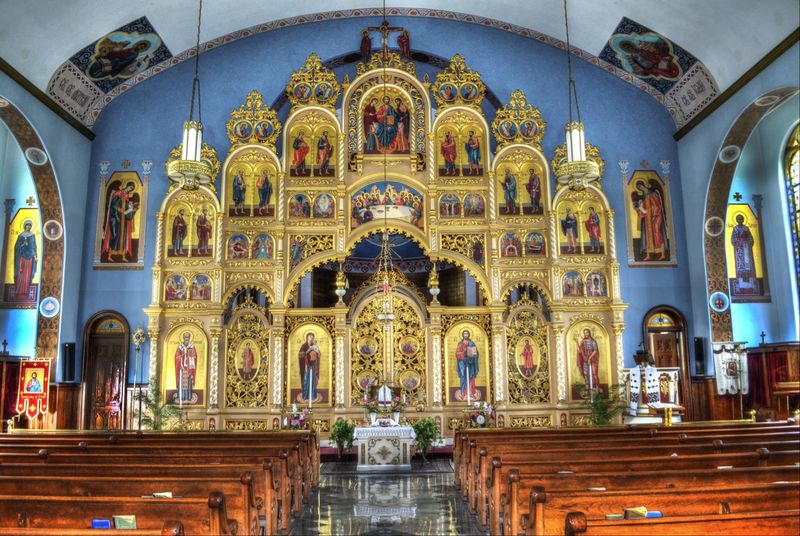
A red brick church built in 1913 hides a golden-style wall of icons that dates back more than a century. The parish behind it formed in 1900, and it became the first Eastern Catholic church in its city.
That alone got my attention. Then I learned the interior recently got an update that gave it a brighter look, and I was hooked.
Out front, a monument to a beloved Ukrainian poet greets everyone who passes. Inside, Byzantine traditions shape the whole space.
I like how a single corner in upstate New York can hold this much history without shouting about it.
Craft lovers and tradition keepers, this one is for you. Every summer, the grounds fill with dancers, music, and craftspeople.
So what exactly makes this quiet neighborhood church worth a detour?
A Byzantine Treasure Sitting On A Neighborhood Corner
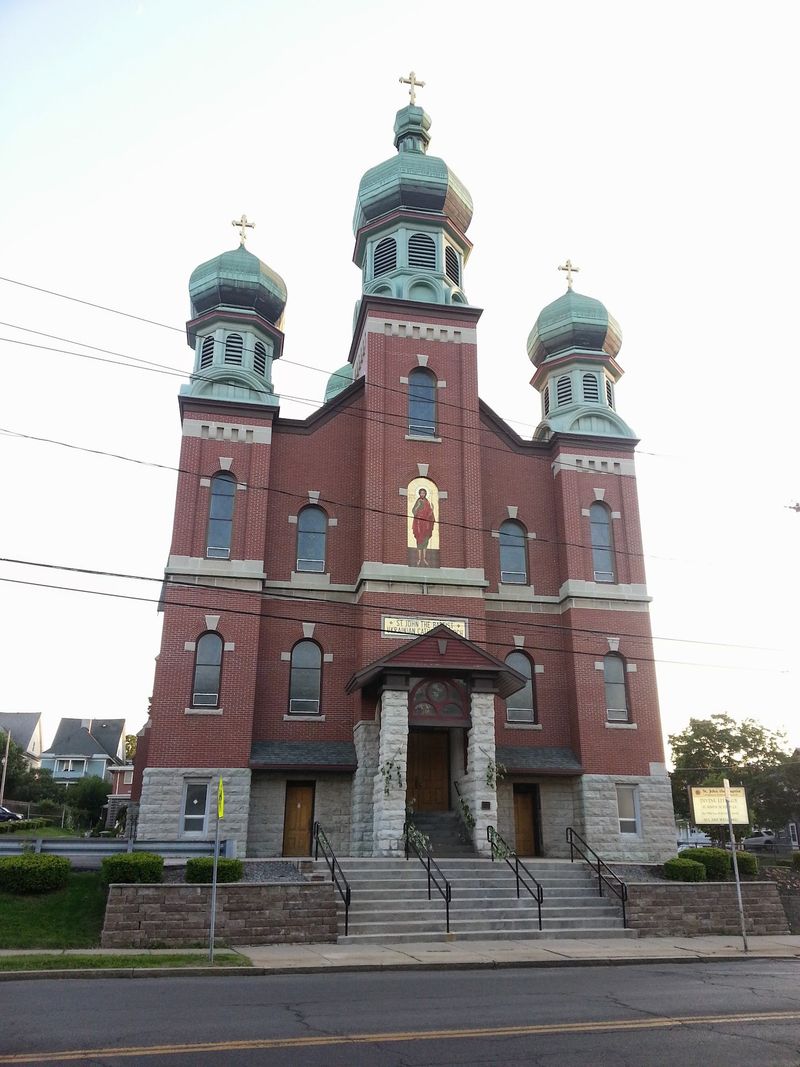
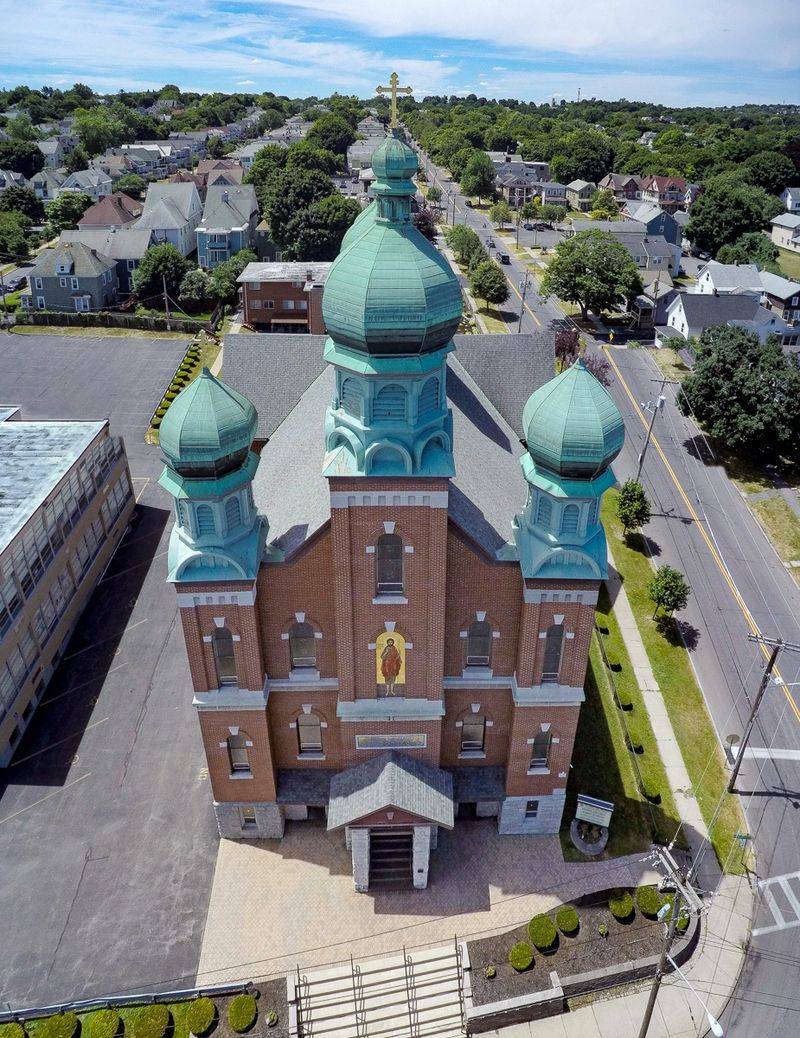
Brick, arches, and a whole lot of heritage greet you at St. John the Baptist Ukrainian Catholic Church in Syracuse. It’s an active Ukrainian Catholic parish, not a museum, and that matters.
The church sits at the corner of Tompkins Street and Wilbur Avenue. One Google reviewer placed it in the heart of Syracuse’s Tipperary Hill neighborhood.
Tipperary Hill is famous for its Irish roots. So finding a Ukrainian church with Byzantine flair here feels like a delightful plot twist.
The parish follows the Byzantine Rite while staying in union with the Catholic Church. That blend shapes everything from the worship to the artwork inside.
For New York residents who love traditions handed down through generations, this place delivers. It’s a working community church that has kept its cultural identity for well over a century.
The building doesn’t sprawl or tower over the block. It holds its corner with quiet confidence, letting the details reward anyone who slows down.
That’s exactly why it’s worth knowing about. Some of the best cultural finds in New York aren’t in big cities or glossy guidebooks.
They’re right down the street, waiting for someone curious enough to notice. This church is one of them.
The Parish Story Started Back In 1900
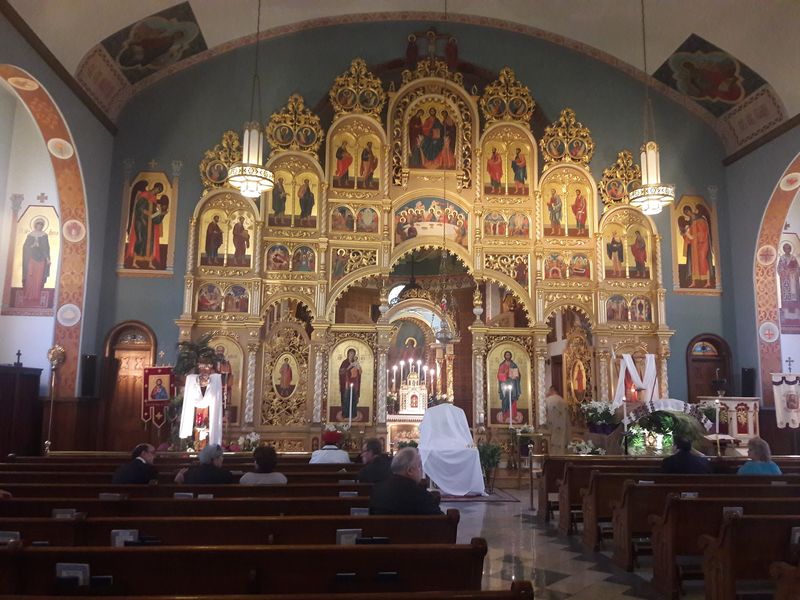
Long before the current building rose, a community was already gathering. The parish formally organized in 1900, giving Ukrainian Catholics in Syracuse a spiritual home of their own.
That date carries real weight. St. John the Baptist Ukrainian Catholic Church holds the distinction of being the first Eastern Catholic church in Syracuse.
Think about what that meant for families far from home. A place to worship in familiar traditions would have been a powerful anchor.
The parish didn’t just survive the decades. It kept its customs alive while adapting to life in central New York.
Today, weekend services are offered in both English and Ukrainian. That bilingual approach welcomes younger generations without losing the old language.
Religious education classes continue, too. It’s a living example of tradition being taught, not just remembered.
For tradition-minded readers, this is the heart of the appeal. The church represents more than 125 years of people choosing to keep something meaningful going.
That kind of commitment is rare. It’s also the reason the building still feels so connected to the people who first built this parish.
History here isn’t a plaque on a wall. It’s an ongoing habit.
Red Brick Walls With Romanesque And Byzantine Bones
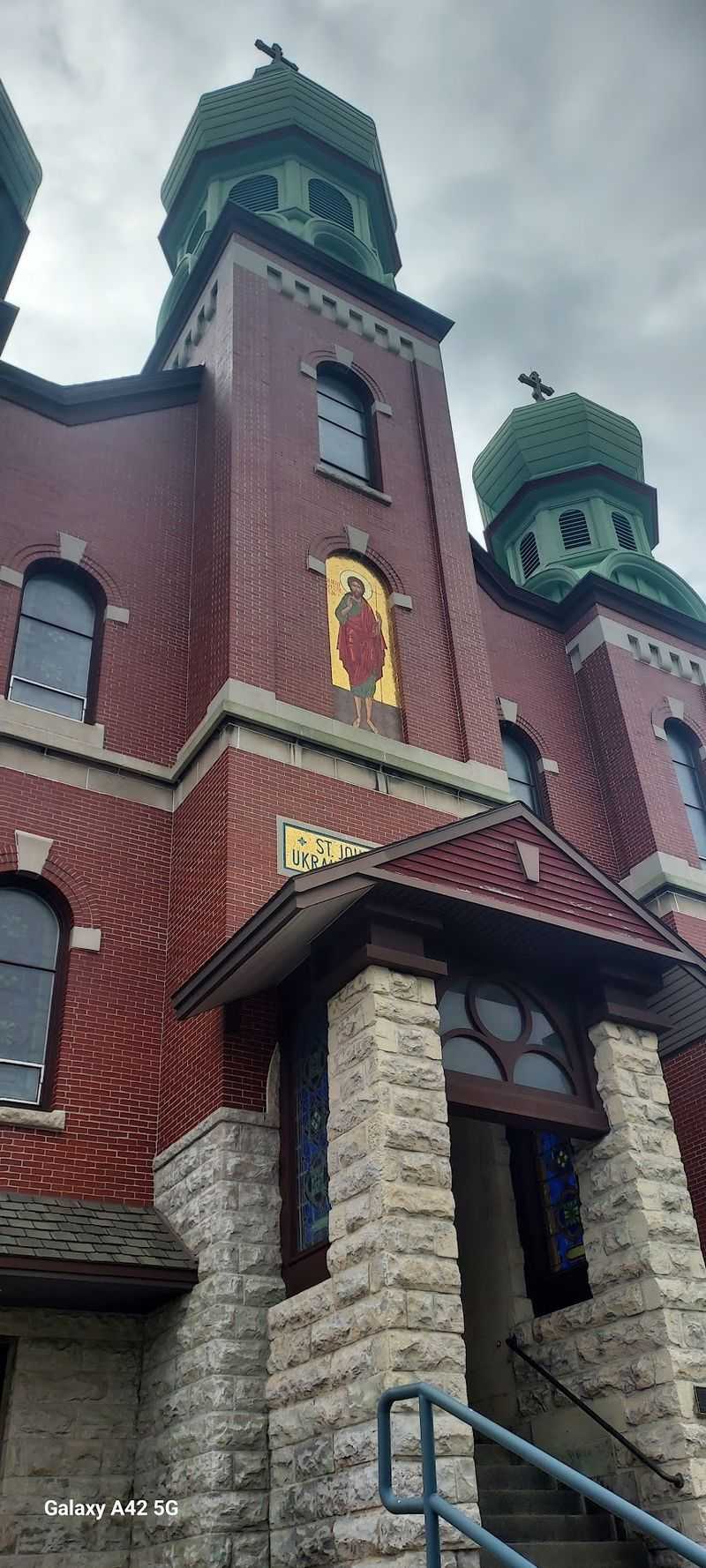
Frank H. Armstrong designed the current church, and construction happened in 1913.
The result is a red brick building with real architectural personality.
Its style blends Romanesque Revival with prominent Byzantine influences. Romanesque Revival usually brings rounded arches and a sturdy, grounded look.
The Byzantine side nods to Eastern Christian traditions. Mixing the two gives the building a look you won’t find on every corner in New York.
The church was dedicated in 1916. That three-year stretch between construction and dedication hints at how much care went into the project.
Craft-minded visitors will appreciate the masonry itself. Brickwork like this was built by hand, one course at a time.
It’s easy to rush past older buildings without really looking. This one rewards a slower glance at its lines and proportions.
I believe architecture tells you what a community valued. Here, the message seems clear: faith, permanence, and heritage mattered enough to build in brick.
More than a hundred years later, the walls still stand. They frame a story that started with immigrants and continues with their descendants and neighbors.
Not bad for a neighborhood church on a corner lot.
The Icon Wall Is The Showstopper Inside
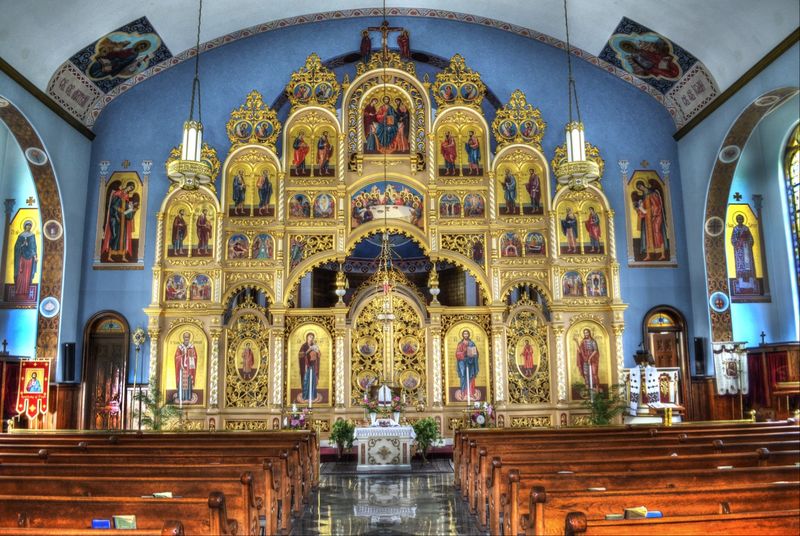
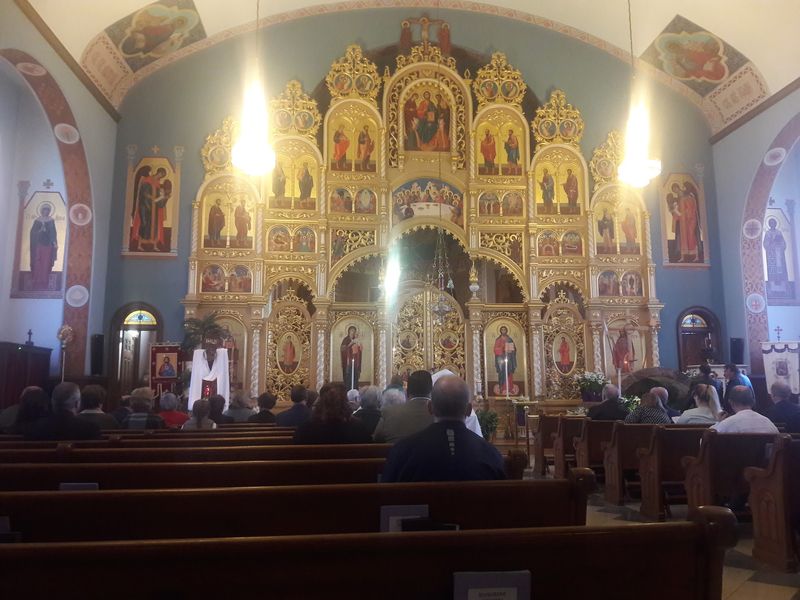
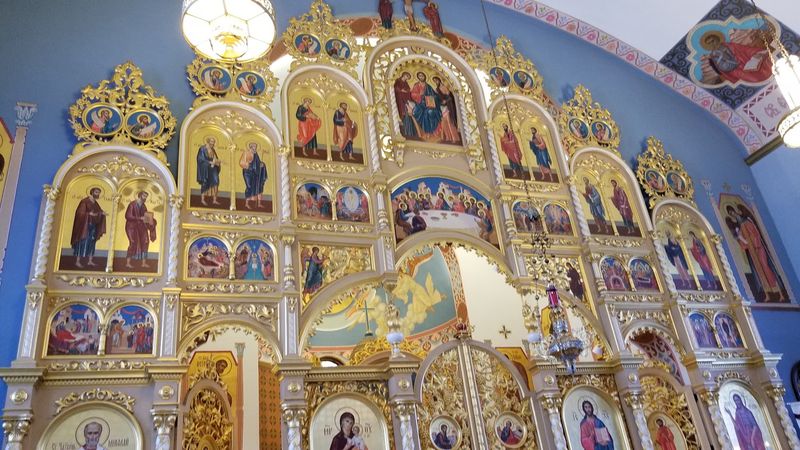
Golden saints, painted faces, and a screen that stretches across the sanctuary. That’s the magic of an iconostasis, and this church has one.
The iconostasis at St. John the Baptist Ukrainian Catholic Church was completed shortly after the 1916 dedication. So it has been part of the space for over a century.
In Byzantine Rite churches, the iconostasis separates the sanctuary from the nave. It’s covered with icons arranged with deep symbolic meaning.
Traditionally, these screens act as a focal point. They’re meant to inspire awe and suggest a gateway to the divine.
For anyone who loves handwork, icons are fascinating. Iconography follows long-established traditions, passed from one generation of artists to the next.
It’s the kind of craft that values patience over shortcuts. Every image carries purpose, not just decoration.
If you’ve only seen Western-style church interiors, this will feel different. The icons face you directly, creating an intimate, layered experience.
I can’t imagine seeing it for the first time and not pausing. It’s the moment the brick exterior suddenly makes sense.
Behind those walls sits a tradition stretching back centuries. Good luck forgetting it.
A Fresh Update Brought The Interior Into The Light
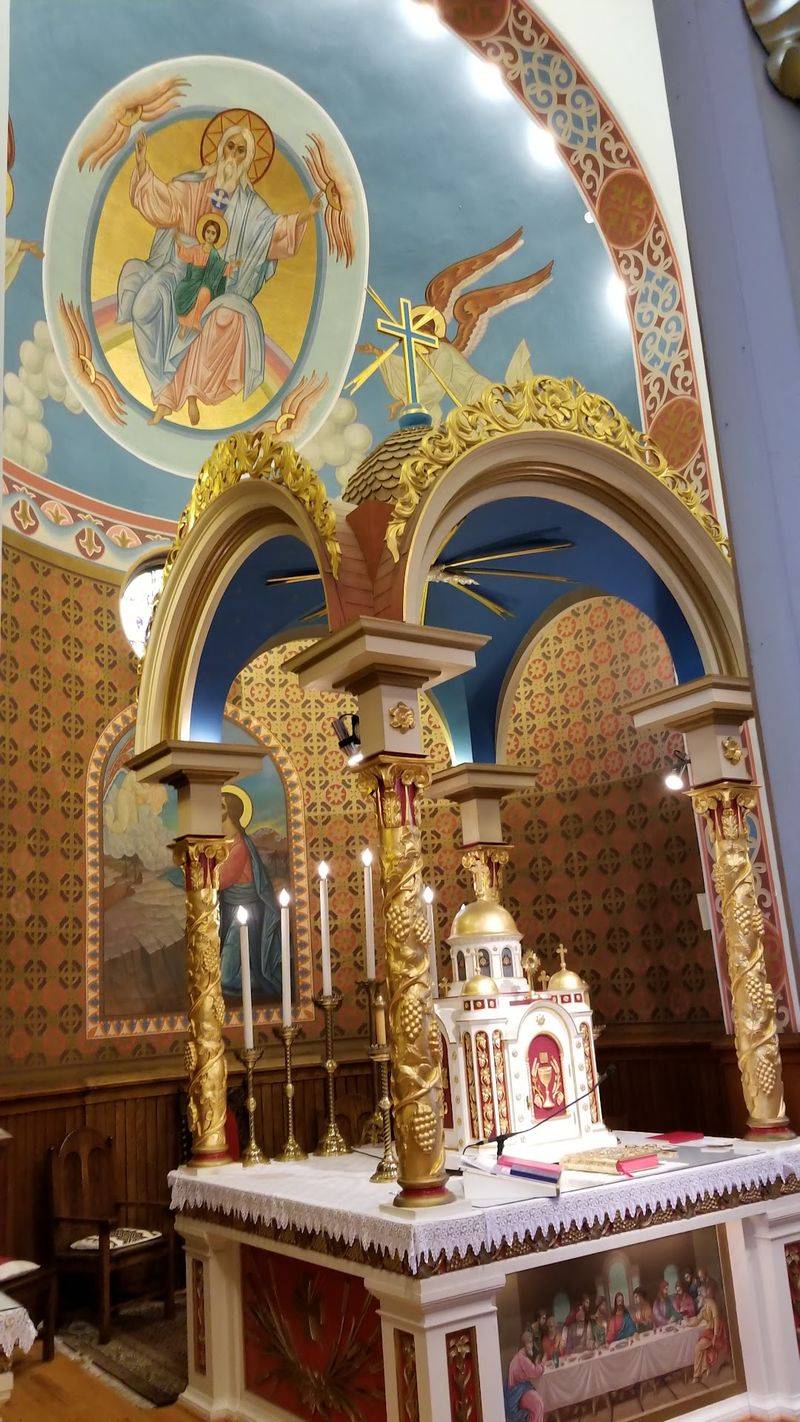
Old churches don’t stay beautiful by accident. Someone has to care for them, and this parish recently did just that.
The church completed an interior update that gave the space a brighter look. For a building from 1913, that kind of refresh is a big deal.
Restoration work keeps historic spaces welcoming for today’s worshippers. It also protects the artistry that earlier generations left behind.
A brighter interior can change how details read. Icons, painted surfaces, and architectural lines often stand out more clearly with improved light.
Hobbyists who restore quilts or furniture will understand the instinct. You don’t erase the past, you help it shine again.
That balance is tricky. Update too much and you lose character, too little and things fade away.
The parish chose to invest in its home rather than let it dim. I like how that reflects the same care that built the church in the first place.
It’s also a reminder that this is a living space. People still gather here weekly, and they clearly want it to look its best.
Fresh light on old traditions is a pretty good combination.
A Poet Keeps Watch Out Front
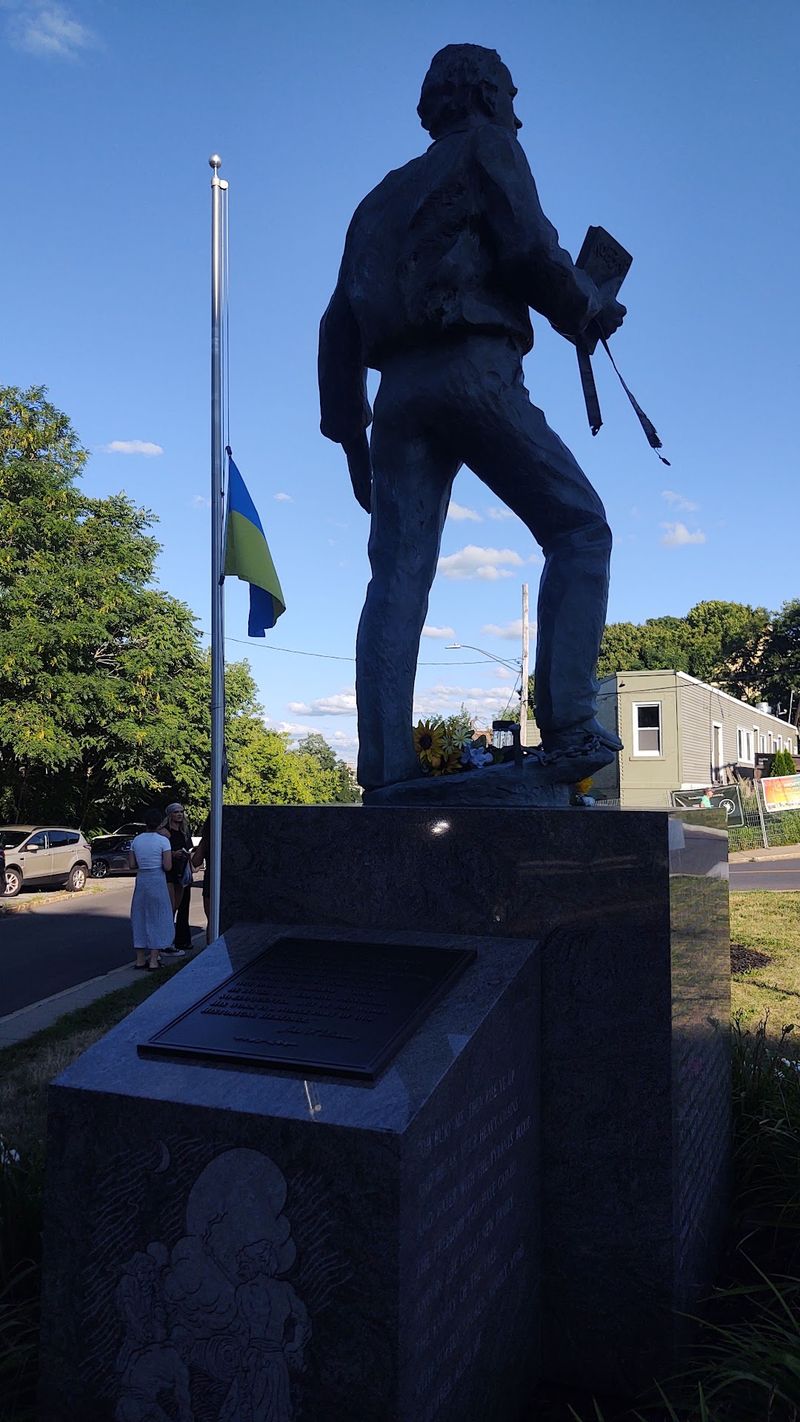
Not every church has a famous poet standing guard. This one does, and he’s hard to miss.
A monument to Taras Shevchenko was dedicated in front of the church in the autumn of 2005. Shevchenko is celebrated as the Ukrainian bard, a towering figure in Ukrainian literature and culture.
His presence here says a lot. The parish isn’t only about worship, it’s also about honoring Ukrainian identity.
One Google reviewer called the cultural statue perfect. It’s easy to see why it draws attention from people passing by.
For readers who value tradition, Shevchenko represents language, art, and storytelling. He’s a symbol of keeping heritage alive through creative work.
That message fits the whole property. The building, the icons, and the monument all point toward the same idea.
The statue also makes a great first stop. Take a moment with it before turning your attention to the church itself.
Located at 207 Tompkins St, Syracuse, NY 13204, the monument and church share one corner. It’s a compact spot packed with cultural meaning.
Poetry, faith, and brick, all in one glance. That’s a pretty memorable combination for a city street.
Summer Festival Days Bring Dancers, Music, And Craftspeople
Pierogies, polkas, and plenty of embroidery. The Syracuse Ukrainian Festival is when this corner truly comes alive.
The annual festival is hosted by the parish. The 2026 event is scheduled for July 24 and 25.
Past festivalgoers on Google have described traditional dancers and live music. One mentioned great craftspeople, which should perk up every hobbyist reading this.
Food gets plenty of love, too. Reviewers listed pierogies, sauerkraut, kielbasa, and pigs in the blanket among the traditional dishes.
For craft lovers, festivals like this offer a chance to see cultural handwork up close. Ukrainian traditions are rich in folk art, and celebrations often showcase them.
It also happens just once a year. Mark your calendar early so you don’t hear about it after the fact.
The festival makes the church approachable for newcomers. It’s an easy way to experience the community before visiting for a service.
Bring friends who appreciate good food and handmade things. You’ll have plenty to talk about on the drive home.
A summer weekend in New York rarely gets more flavorful than this. Plan ahead and enjoy every bite.
Plan Your Visit Around Weekend Services
Timing is everything with a working parish. The easiest way to see the interior is to attend a weekend service.
St. John the Baptist Ukrainian Catholic Church offers weekend liturgies in both English and Ukrainian. Check the parish’s own schedule before heading out, since times can change.
Remember that this is an active place of worship. Dress respectfully and keep conversations quiet once inside.
The church sits at the corner of Tompkins Street and Wilbur Avenue on Syracuse’s west side. It’s an easy drive for anyone in central New York.
Day-trippers can pair a visit with time exploring the surrounding Tipperary Hill area. It makes for a relaxed half-day outing.
Calling the parish office ahead is smart if you hope to visit outside service times. Staff can let you know what’s possible.
The church also supports humanitarian aid for Ukraine through monetary donations. Visitors who feel moved can ask how to help.
Google ratings currently sit at 4.7 stars. That’s a strong showing for a neighborhood parish.
A little planning goes a long way here. Show up prepared and the experience will feel far more meaningful.
Why Tradition Lovers Should Make The Detour
Some detours stick with you for years. I believe this little Syracuse church could easily become one of them.
St. John the Baptist Ukrainian Catholic Church packs a lot into one corner. There’s a 1913 brick building, a century-old iconostasis, and a poet’s monument out front.
Add a freshly brightened interior and a summer festival full of craftspeople. Suddenly, a quick stop turns into a full cultural experience.
For New York hobbyists, the appeal runs deep. This is a place where handwork, art, and tradition have been carefully preserved.
It’s not flashy or crowded with gift shops. The beauty comes from authenticity and generations of care.
One Google reviewer called it a Byzantine gem in Syracuse. Hard to argue with that description once you learn the details.
Visit respectfully, whether for a liturgy or the festival. Either way, you’ll leave knowing more about Ukrainian heritage in upstate New York.
And honestly, isn’t that the best kind of road trip find? It connects you to something people have protected for over a century.
Slow down when you pass that corner. The view behind those brick walls is worth it.