Some of the bravest places in Illinois look like a plain farmhouse, a small-town home, or an old mill by a creek. You could drive past them on a weekend trip and never guess what happened inside.
Long ago, regular families opened their doors to people escaping slavery, risking everything to help them reach freedom. These five spots are still standing, and walking through them today feels like stepping into a secret the whole state should know.
1. Owen Lovejoy House, Princeton, IL
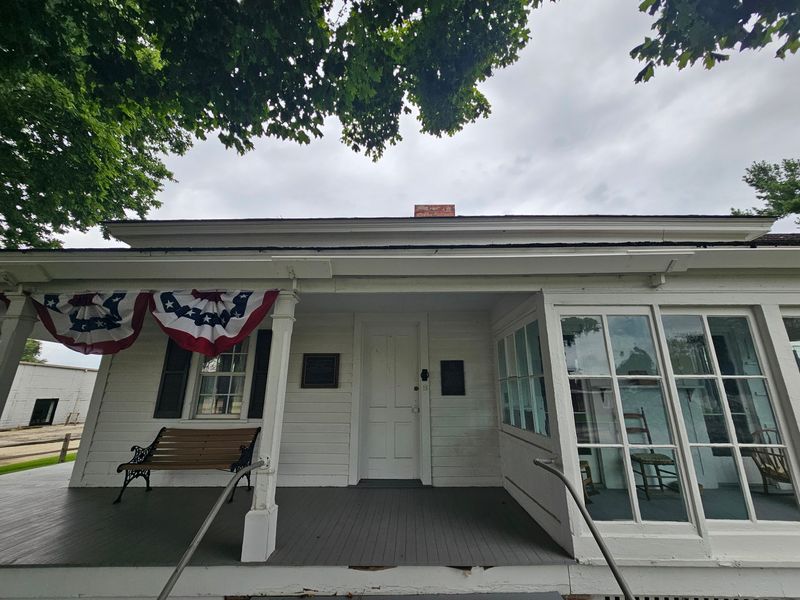
Picture a cozy white house on the edge of a quiet north-central Illinois town, and then imagine it as one of the final stops before freedom. For many people fleeing slavery, the Owen Lovejoy House was exactly that.
The journey north was long, and this home offered shelter near the end of it.
Owen Lovejoy was an abolitionist minister, and he and his family hid freedom seekers inside their home, often in secret spaces tucked away from view. Their bravery came from conviction, not fame.
They were a household doing what they believed was right.
The house still stands today, along with a historic schoolhouse on the grounds. Together they make a stop that is almost a must if you are anywhere near Princeton.
Kids tend to enjoy seeing how families lived and learned back then.
Tours typically run Friday through Sunday from 1 to 4 PM, so plan a weekend drive around it. Bring the whole family and let the house tell its story.
2. Lombard Historical Society – Sheldon Peck Homestead, Lombard, IL
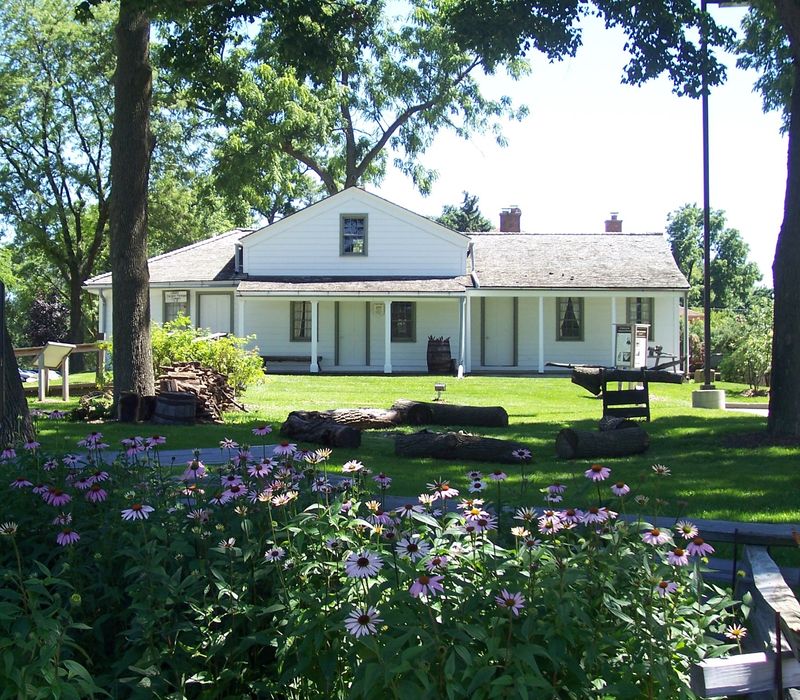
Folk art and freedom share the same address in Lombard. Sheldon Peck was a painter known for his portraits, but he was also a radical abolitionist.
His 1839 home, still standing in the western Chicago suburbs, is a verified stop on the National Park Service Network to Freedom.
Inside, the house tells two stories at once. You learn about Peck’s artwork and also how his family sheltered freedom seekers heading north.
It is a reminder that heroes sometimes had ordinary day jobs.
Families with young kids will find a lot to like here. There is a play area for little ones, a Junior Ranger program, a gift shop, and on-site parking.
Hours are usually Tuesday, Thursday, and Saturday from 12 to 4 PM. Checking the Lombard Historical Society website before you go is a smart move.
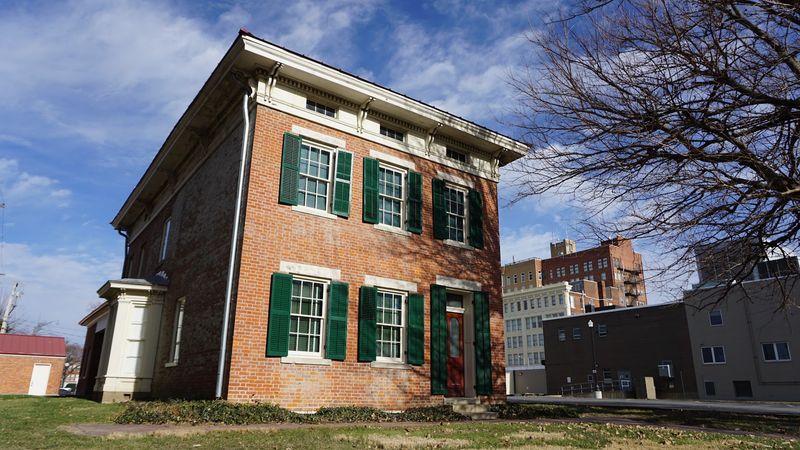
3. Quincy Underground Railroad Museum: Dr Richard Eells House, Quincy, IL
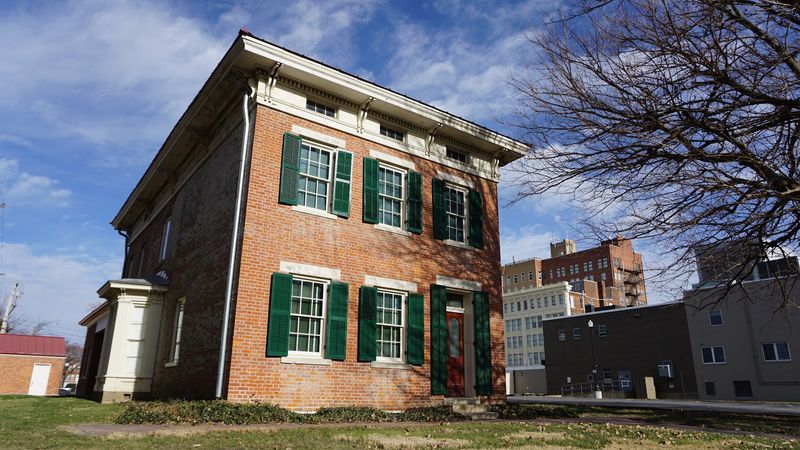
Only a river separated slavery from freedom here. Quincy sits on the Mississippi, right across from Missouri, which made it a key crossing point.
Dr. Richard Eells, a local physician, and his wife helped people who made that daring trip across the water.
Their home was built in 1835 and has been carefully restored. Today it serves as the Quincy Underground Railroad Museum, honoring important moments in American history.
Walking through the rooms gives you a real sense of how risky helping could be in a town so close to a slave state. The story feels personal because it happened in a family home, not a government building.
Visiting hours are usually Saturdays from 1 to 4 PM. It pairs nicely with a summer road trip along the river in western Illinois.
4. Graue Mill & Museum, Oak Brook, IL
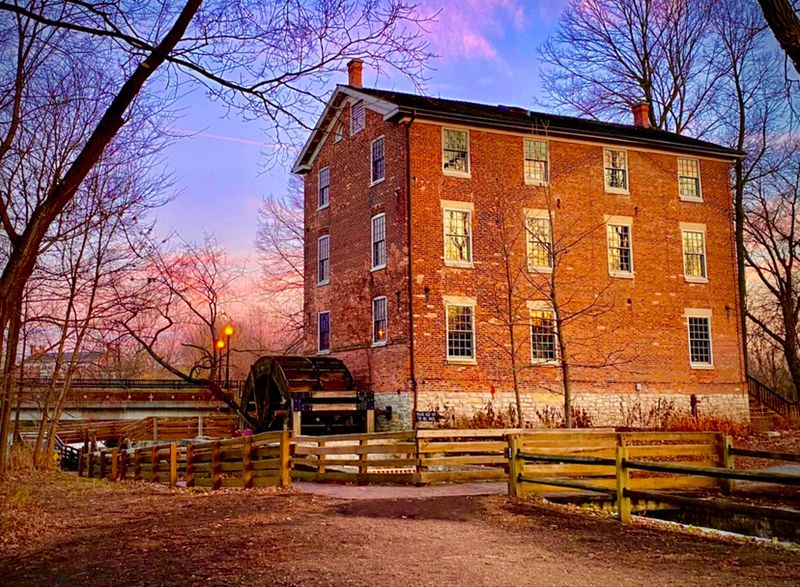
Splash, creak, turn. The sound of a waterwheel still greets visitors at Graue Mill, built in 1849 along Salt Creek.
It is known as the only operating gristmill in Illinois, and it is also a certified Underground Railroad site.
Miller Fred Graue and his family sheltered freedom seekers right on the mill property. Grinding grain by day and quietly helping travelers by night took real courage.
The mill has three floors, each one filled with exhibits. Rooms are not huge, but they pack in a lot, from living quarters and old cooking tools to stories about the owner.
You may even learn about Abraham Lincoln’s connection to the mill.
Outside, trails and a small waterfall make it easy to turn a visit into a full afternoon. The mill is typically open Wednesday through Sunday, 10 AM to 4 PM, with parking nearby and military discounts available.
5. Woodlawn Farm, Jacksonville, IL
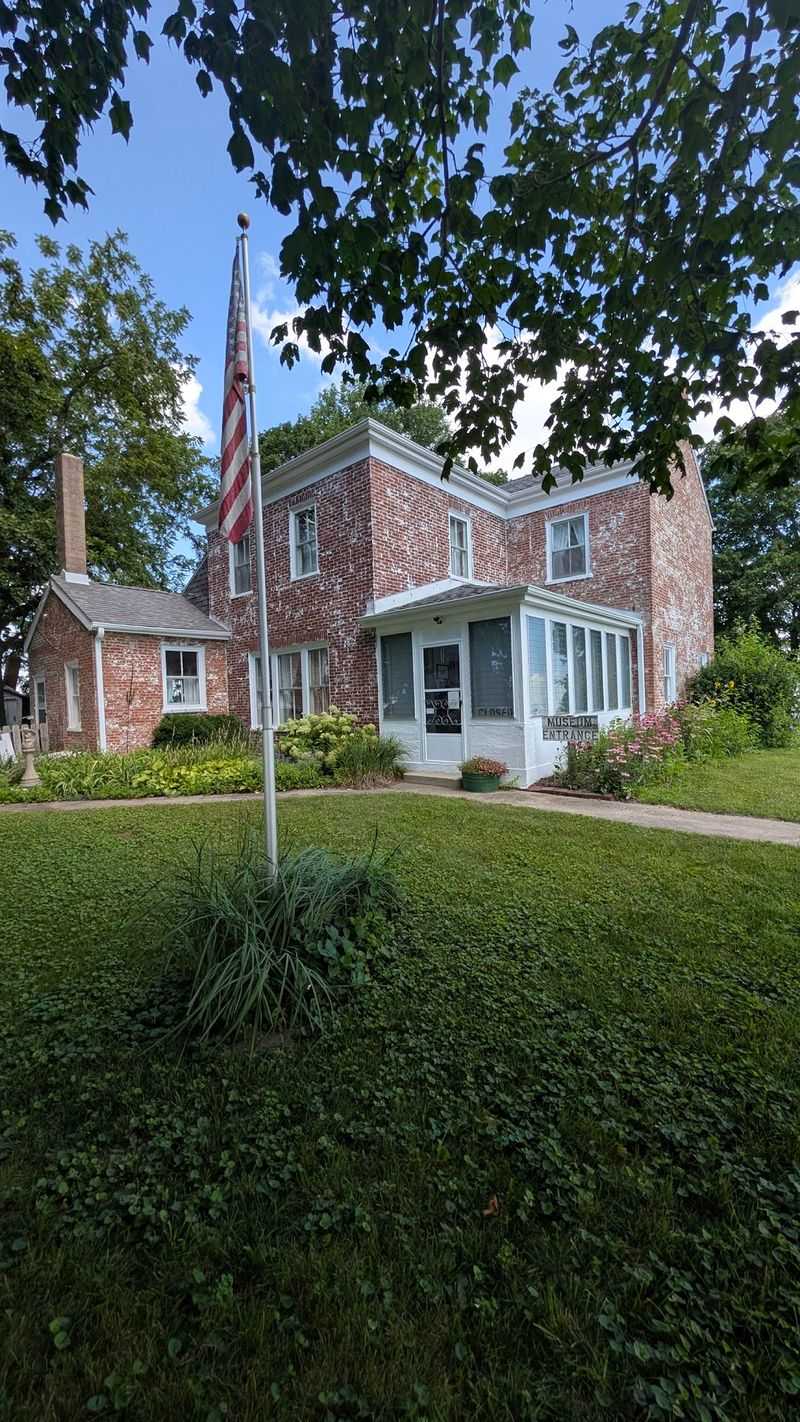
Out in the farm country of Morgan County, history hides in plain sight. Woodlawn Farm looks like a peaceful rural homestead, yet it served as an important station for freedom seekers moving north toward Chicago and the Great Lakes.
The farm belonged to Michael Huffaker and his family. Like many central Illinois farmers, they had fields to tend and chores to finish, but they still made room to shelter and help travelers on their path.
The 1840s brick farmhouse remains standing and is kept up for heritage tours. Even when the house is not open, the grounds are a nice place to stretch your legs and soak in the quiet countryside.
Tour days can vary, so checking the farm’s website before heading out is wise. There is on-site parking and restrooms, making it an easy family stop on a central Illinois drive.