I expected a quick stop and a few cows, but I ended up staying all afternoon with a cup of ice cream and a whole new view of the suburbs. Tucked between busy roads in Illinois, there is a real working farm where cows still get milked every day.
It costs nothing to walk in, and families drive over just to let kids see where milk, eggs, and pumpkins actually come from. If you think you know every hidden spot near Chicago, this one might surprise you.
A Working Farm Inside Cook County
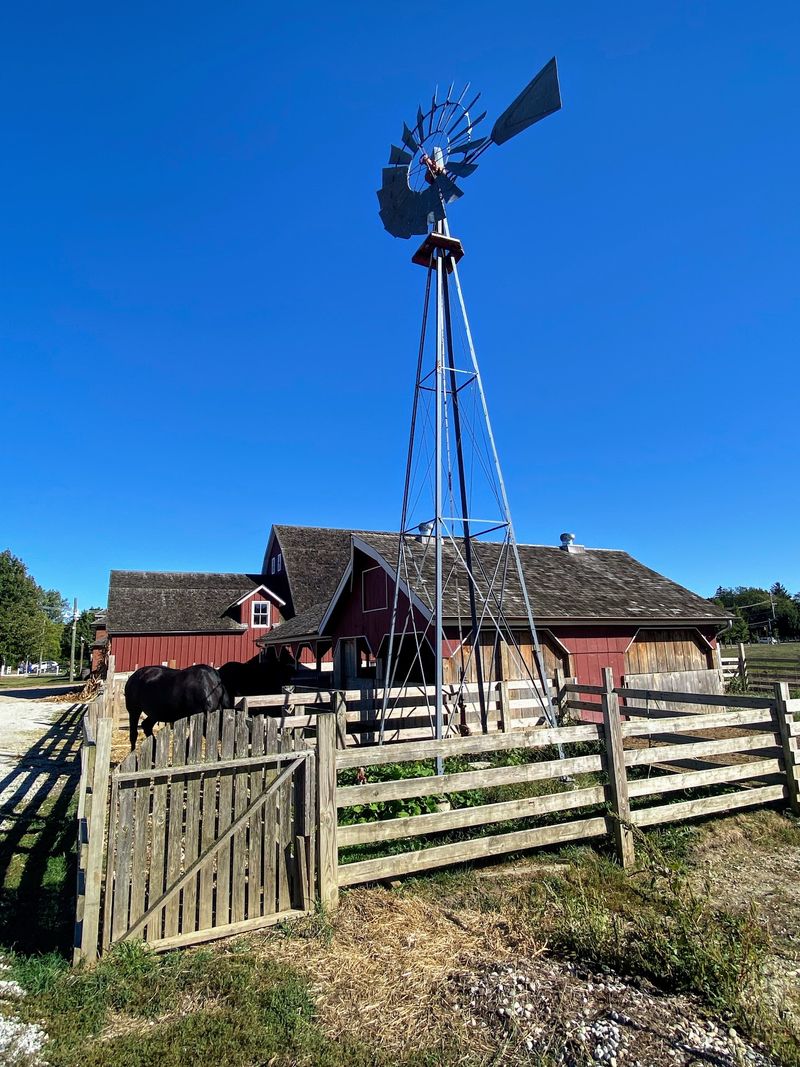
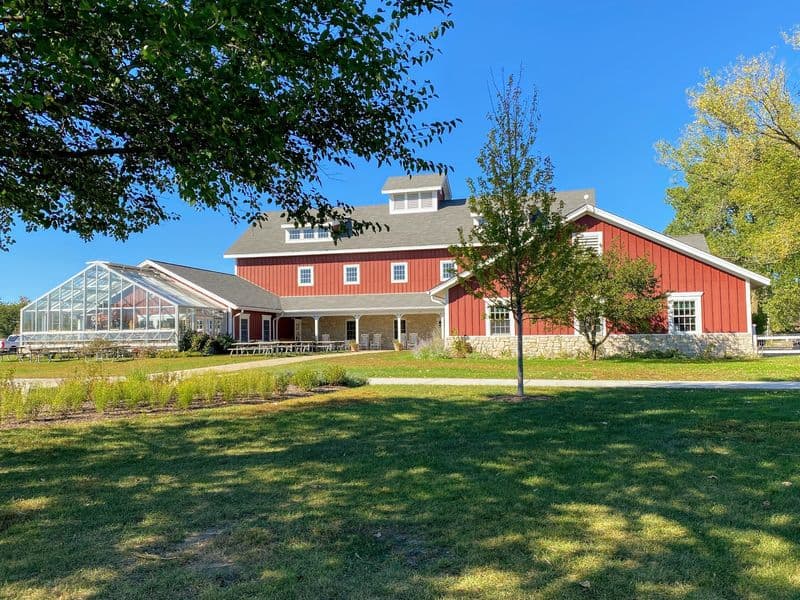
Five miles from northwest Chicago sits something most people assume vanished from the county long ago: an actual working farm. Historic Wagner Farm, at 1510 Wagner Rd in Glenview, is often described by visitors as the last working farm in Cook County.
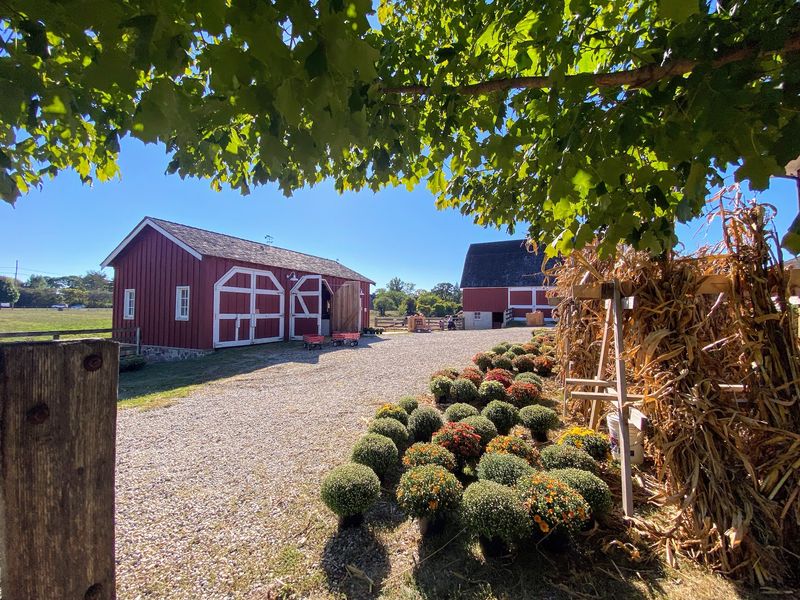
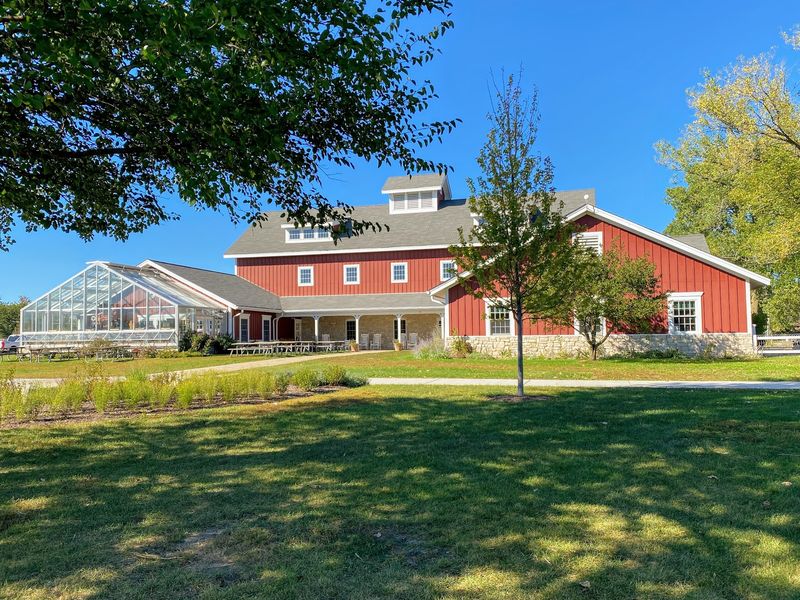
Run by the Glenview Park District, the property keeps cows, pigs, sheep, horses, and chickens on site. Fields, barns, and gardens fill the grounds, while ordinary suburban neighborhoods carry on just beyond the fence line.
Here’s the part that makes locals grin. Entry is free, and so is parking, which means a spontaneous family outing doesn’t need a budget meeting first.
Families visiting from out of town have mentioned stopping by while staying in Chicago, and kids reportedly have a blast.
The vibe is less theme park and more neighborhood treasure. You walk the paths, peek into barns, and watch animals go about their day.
For anyone who grew up thinking milk came from a carton and nowhere else, the place quietly rewrites the story.
Roots Reaching Back to the 1850s
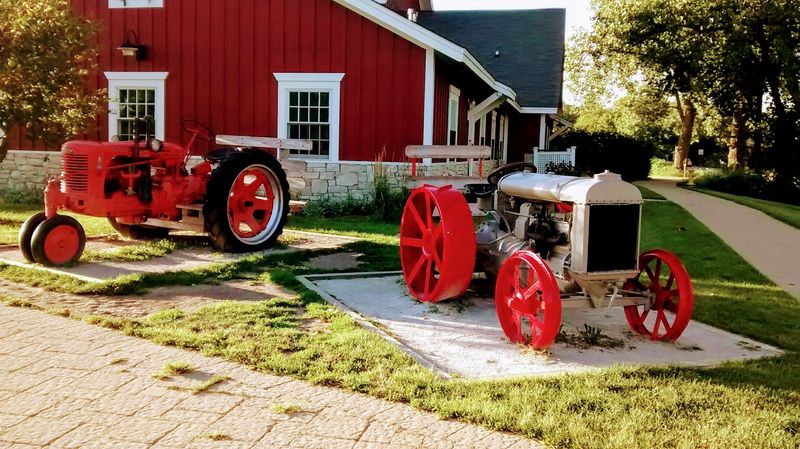
Long before strip malls and expressways, families in this corner of Illinois worked the land by hand. Visitors note that the farm dates to the 1850s, giving it well over a century and a half of continuous farm life.
Inside the buildings, displays share the Wagner family story and offer a peek at what daily life looked like a hundred years ago or more. Old machinery for crops and tools once used for washing towels and linens help bring that era into focus.
The historic Wagner house is a highlight in summer. Guests describe seeing bread kneaded and baked on an old-fashioned stove, a slow and fragrant reminder of how much work went into a single loaf.
Some visitors even call one of the houses a little spooky, joking that it feels haunted around Halloween. Whether you believe that or not, the age of the place is something you can feel in the creaky floors and weathered wood.
History here isn’t behind glass. It’s lived in.
Milking Time at the Parlor
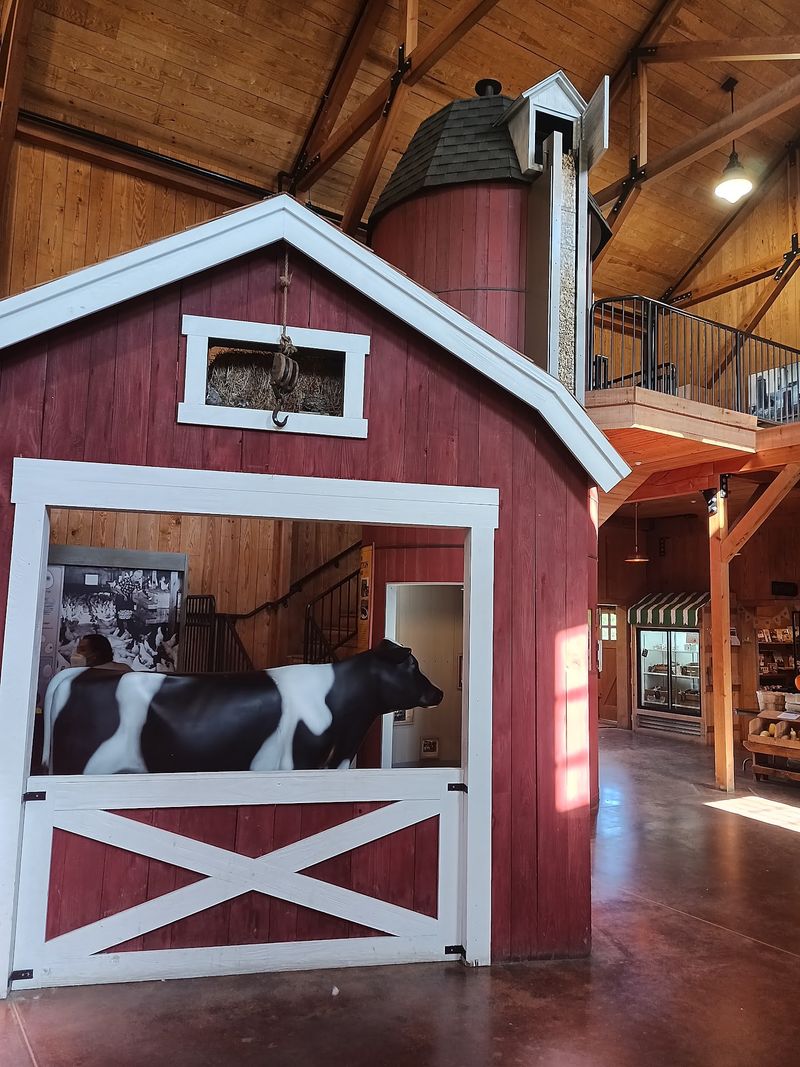
Picture a group of kids pressed close to the viewing area, eyes wide as a cow steps into the milking parlor. Moments like that are why so many people come back.
Visitors report that cows are milked at set times, typically in the morning and again around 4 pm. Those scheduled sessions turn a simple farm visit into a live lesson in where dairy really starts.
Cows are easily the most talked-about animals on the property. When they’re not in the parlor, you may spot them resting in the barn or grazing out in the field.
Planning tip: if milking is the main reason for your trip, aim for that late afternoon window and check with the farm ahead of time, since schedules can shift. Arriving a little early gives kids a chance to find a good spot.
For suburban families, seeing a real dairy operation this close to home feels almost unbelievable. It’s the kind of thing you usually need a long downstate drive to find.
Barnyard Neighbors Beyond the Cows
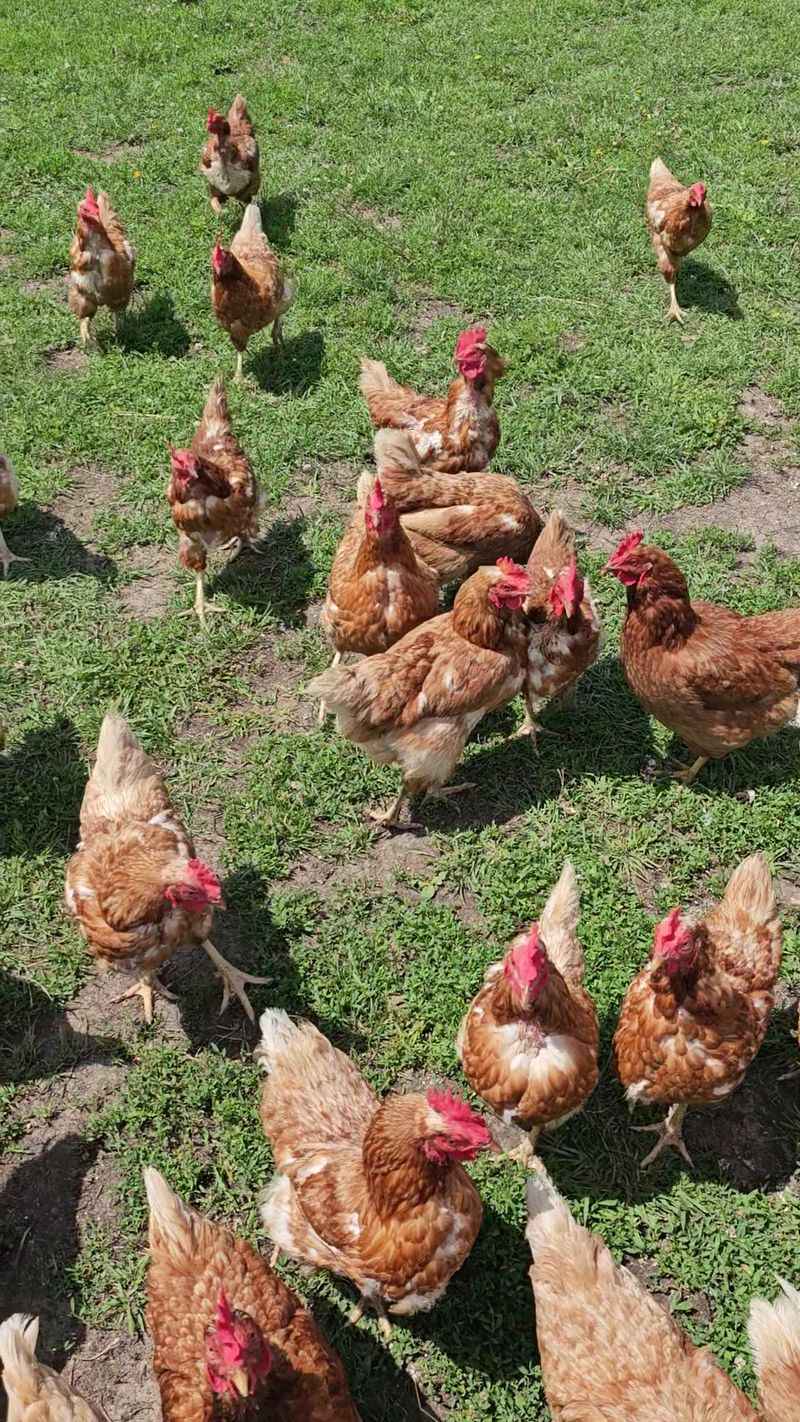
Oink, cluck, baa. Walk the grounds for ten minutes and you’ll hear the whole cast.
Beyond the dairy herd, the farm is home to pigs, sheep, horses, and chickens, and visitors have also mentioned a calf. One guest who came near Halloween remembered feeding baby chicks and noticing several different breeds mixed together.
Rules can vary by area, so pay attention to posted signs. Some visitors say animals that wander close are friendly enough to greet, while others advise against feeding or touching them, so following staff guidance is the safest bet.
A working beehive adds another layer of discovery. Kids who think farms are only about big animals often get curious about the buzzing boxes and the bees busy among nearby flowers.
Families mention the animals look well cared for, which makes the experience feel calm rather than chaotic. Even toddlers seem to settle into a happy rhythm moving from pen to pen.
Hayrides and Vintage Tractors
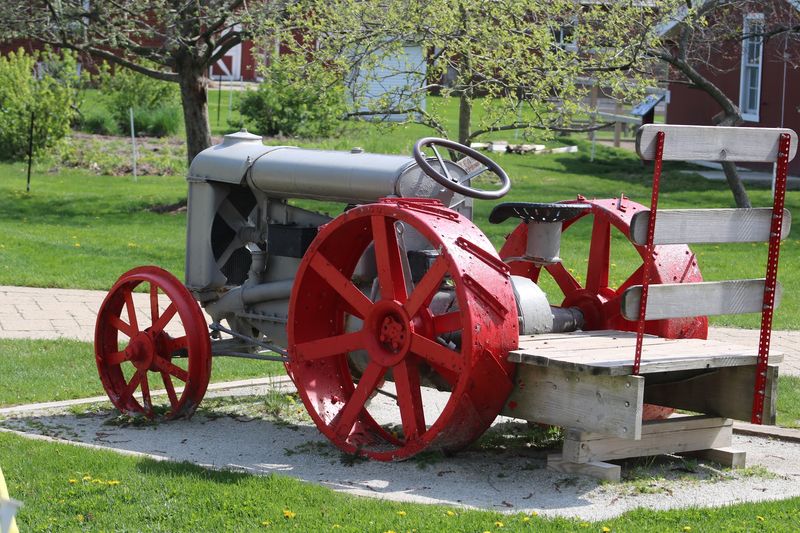
Some photos practically take themselves. Old tractors parked around the farm make a fun backdrop, and visitors say they’re perfect for a quick family snapshot.
On select weekdays, weather permitting, the farm has offered horse-pulled or tractor-pulled rides for around $4 per person. That’s a small price for a bumpy, breezy loop that kids tend to remember for weeks.
Vintage equipment also shows up inside the barns, where preserved machinery explains how crops were handled before modern technology took over. It’s surprisingly fascinating, even for adults who never planned to care about farm tools.
Because rides typically depend on the day and the weather, call ahead before promising anything to eager little passengers. A quick check saves a lot of disappointed faces.
Playground With a Farm-Themed Twist
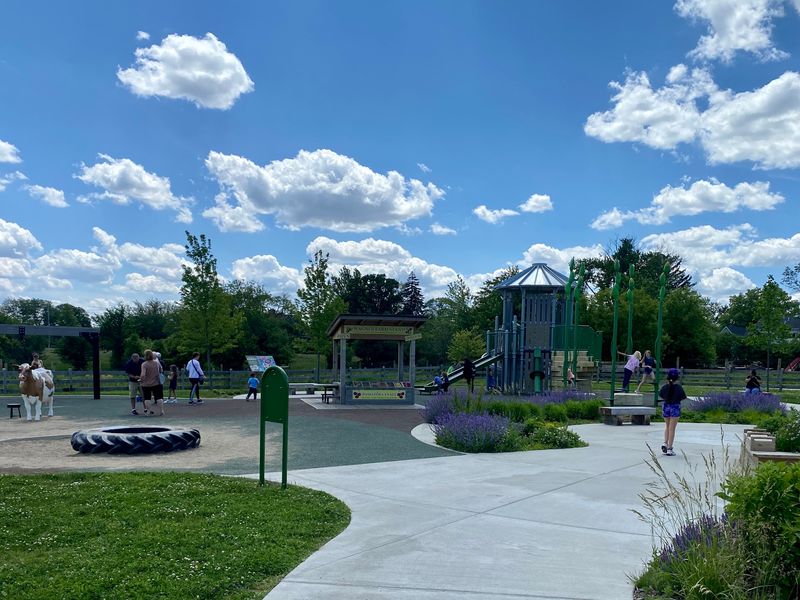
Parents of toddlers, rejoice. The farm-themed playground comes up again and again as a favorite part of the visit.
Families describe slides, corn-shaped steps, a sand pit, and a pretend farmer’s market setup where little ones can play shopkeeper. It’s built for burning off energy between animal visits.
Even after the indoor shop closes at 5 pm, guests say the playground area is still a nice place to linger. On a warm evening, that can be the perfect wind-down before the ride home.
There’s also a spot for cornhole, though visitors recommend bringing your own bags. Plenty of picnic benches nearby make it easy to set up lunch while kids play within sight.
Honestly, some children may care more about the slides than the sheep. That’s fine.
The playground keeps everyone happy, which means parents get to enjoy the fresh air a little longer.
Indoor Exhibits and Hands-On Learning
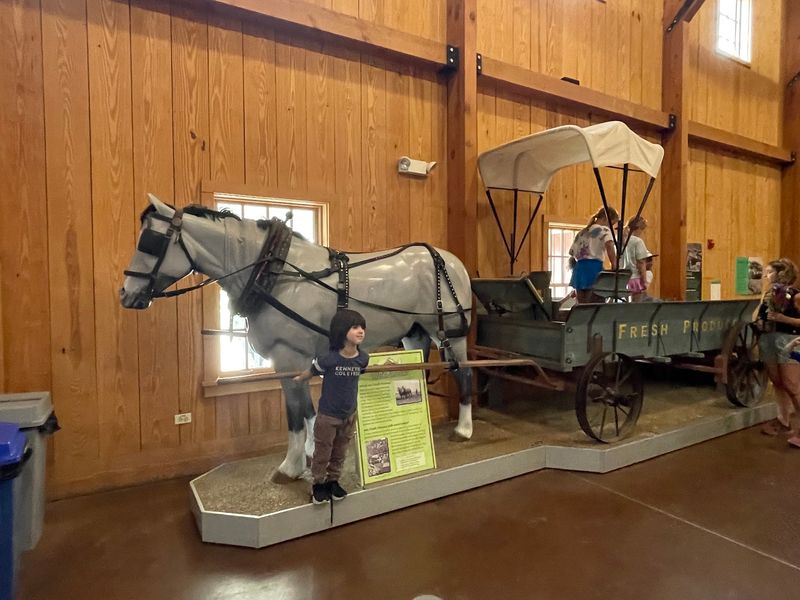
Rainy day? No problem.
Inside, the farm has an interactive area designed to keep curious minds busy.
Visitors mention exhibits about eggs and dry grass, a vintage telephone, an old letterbox, and an indoor scavenger hunt that sends kids searching around the room. Public restrooms are also inside, a detail every parent appreciates.
Educational programs run in partnership with the park district. One guest recalled a group of five-year-olds arriving on a field trip, which shows how much schools value the setting.
For a fuller experience, private tours have let families help with daily chores. Past visitors describe collecting eggs, milking a cow, and feeding cows and pigs alongside staff.
Staff are often described as knowledgeable and passionate, and volunteers say they keep learning something new about farming. That enthusiasm rubs off on kids fast.
Saturday Mornings at the Farmers Market
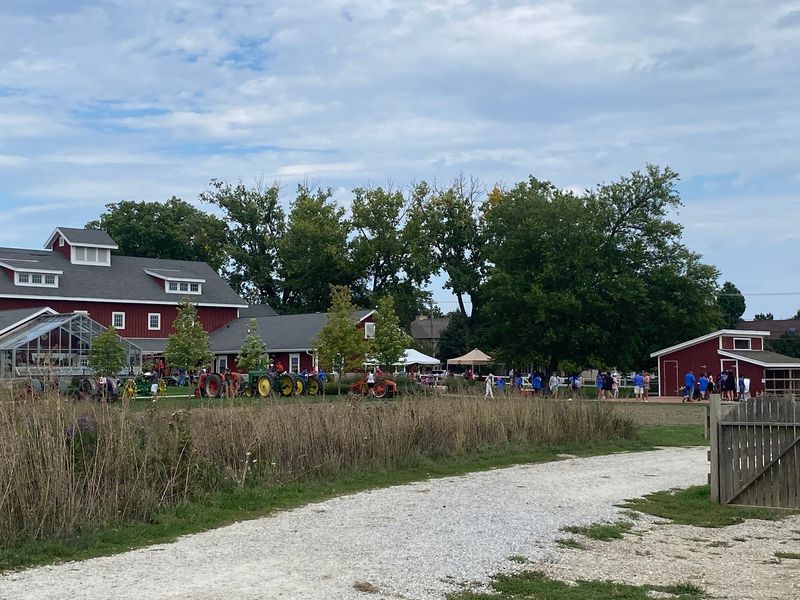
Early birds get the freshest pick. During the season, the farm hosts a farmers market on Saturdays, typically from 8 am to noon.
It’s a smaller market, so don’t expect rows and rows of vendors. Regulars still enjoy the relaxed pace and the chance to shop while animals graze nearby.
Around the grounds, vegetable gardens and wildflowers add color, and the gardens have become a bigger part of the farm over the years. Strolling past them is a pleasant bonus after filling your bag.
Pair a market morning with milking time or a picnic, and you’ve built an easy Saturday that barely touches the wallet. That kind of value is hard to beat this close to the city.
Fresh Eggs, Pumpkins, and Ice Cream
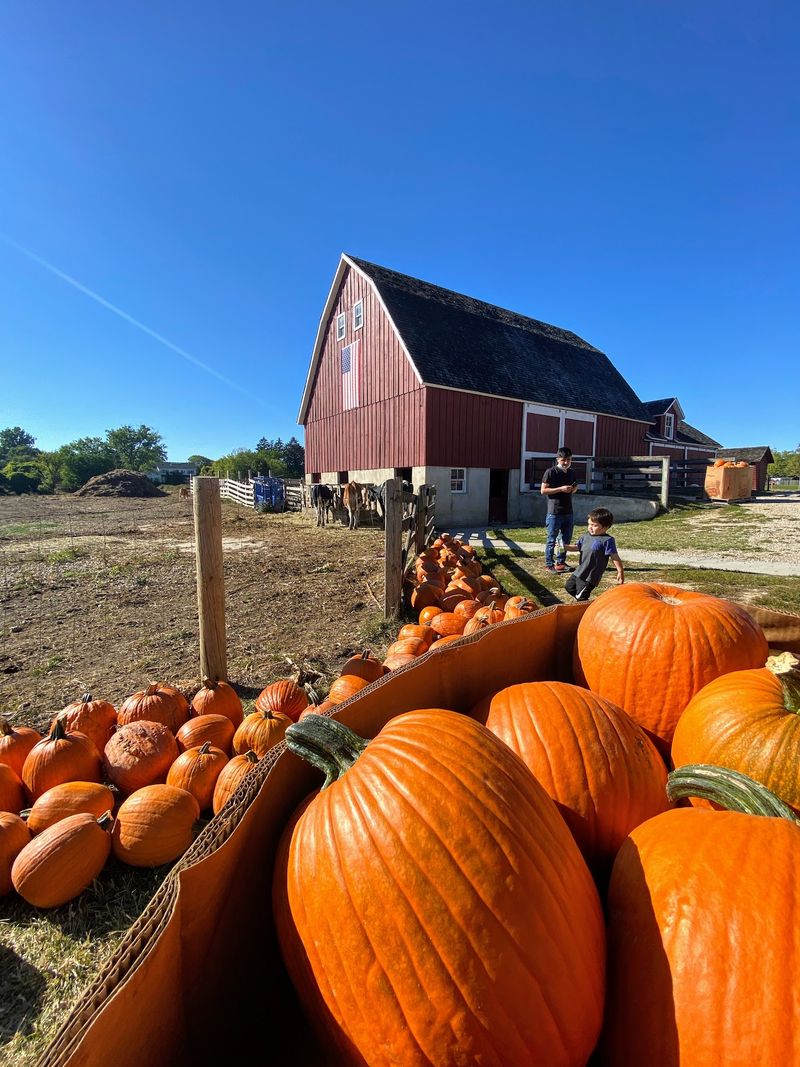
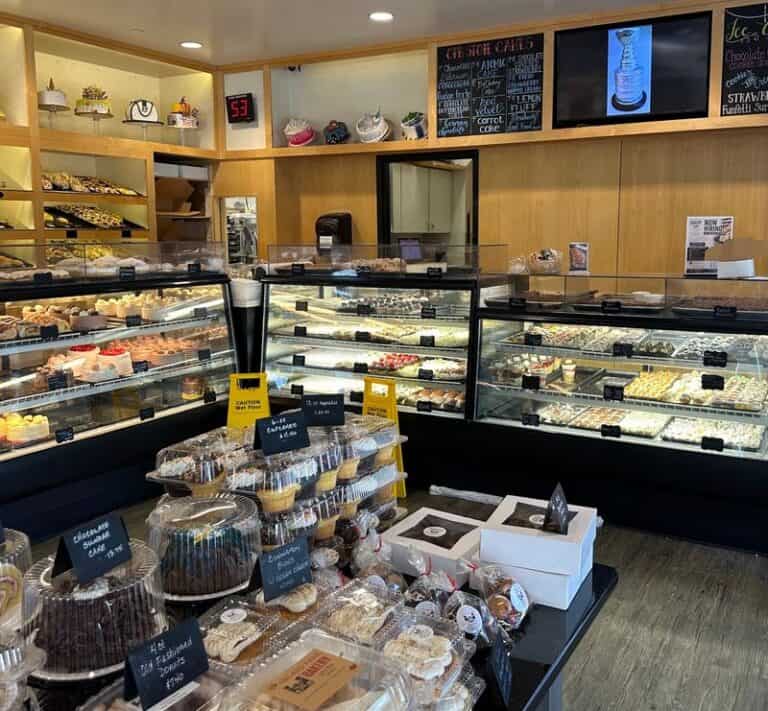
Save room. Visitors say ice cream is a must, especially on weekends, and the shop inside sells farm-fresh goods too.
Fresh eggs have been sold for roughly $7 to $8 a dozen, though they aren’t always in stock. Baked treats made with the farm’s own eggs have also shown up on the shelves.
Late September brings pumpkins, often priced around 55 to 65 cents a pound, plus local apples near $1.50 a pound. Little flower bouquets have run about $5 to $10, and the pumpkin displays make a sweet photo background.
Around the holidays, one visitor picked up evergreen roping and wreaths. It’s a small, homey way to support a local place all year long.
Prices can change by season, so treat these as a general feel rather than a promise. Either way, the costs stay friendly for families.
Hours, Parking, and Getting There
Good news for planners: the farm is open every day of the week from 9 am to 5 pm. That makes it an easy weekday escape or a weekend tradition.
Free parking sits in a large lot right across the road from the farm. You’ll need to cross the street, so hold little hands tight.
The address is 1510 Wagner Rd, Glenview, IL 60025. For questions about milking times, rides, or programs, call 847-657-1506 or check the Glenview Park District website.
Weather matters here. Sunny days are ideal for walking the grounds, and the shop typically closes at 5 pm, so arrive with enough time for ice cream.
Bring a picnic, pack sunscreen, and plan to pick up after yourself. Keeping the grounds tidy helps the experience stay great for everyone.
Why the Drive Pays Off
Some places stick with you because they feel like a secret hiding in plain sight. Historic Wagner Farm is one of them.
Free admission, free parking, real cows being milked, and a playground that keeps toddlers busy add up to a rare deal. Families who first came when their kids were small often return years later, and the farm keeps evolving along the way.
It isn’t a giant attraction, and that’s the charm. Visitors describe beautiful scenery, rich history, and a relaxing pace that makes them want to come back again and again.
Whether you live a few blocks away or drive in from another corner of Illinois, it’s worth a slow afternoon. Grab an ice cream, catch the milking, and let the kids discover where breakfast begins.