Some of the best finds in Illinois are hiding in plain sight, behind a plain road sign you could easily drive past. Picture a quiet patch of lakes and grassland where kids crouch along the shore and come up holding rocks with ancient plants and creatures locked inside.
You pack a snack, grab a bucket, and wonder if you will actually find anything. By the end of the day, you might drive home with a piece of the deep past riding in the back seat.
A Quiet Preserve Off Route 53
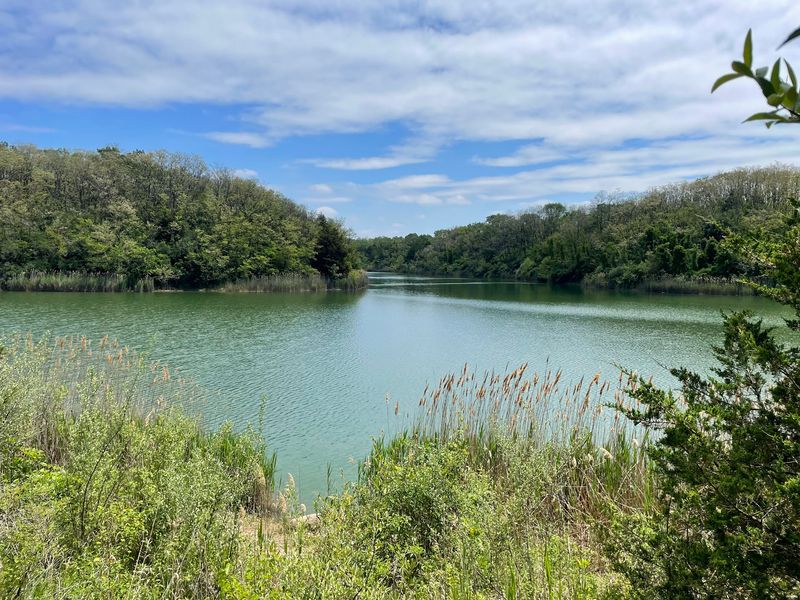
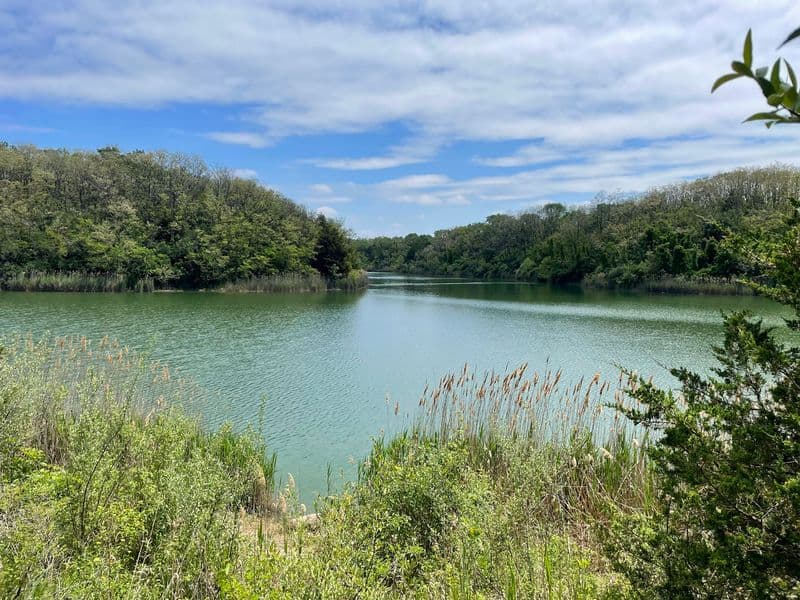
Tucked near the corner of IL-53 and E Huston Road in Braceville, Mazonia-Braidwood State Fish and Wildlife Area covers about 1,017 acres. It mixes lakes, ponds, and open grassland into one sprawling outdoor playground.
Officially, the Illinois Department of Natural Resources lists it for hunting, fishing, and boating. Visitors, however, keep talking about something else entirely: fossils.
Plenty of folks describe it as a place they almost never heard of. One visitor admitted information about it was hard to dig up, and guessed that might be exactly why the grounds felt so calm.
That hidden-gem quality is a big part of the appeal.
Many people call it a great quick day trip for anyone in the region, and at least one regular counts it among their favorite spots in the whole Chicagoland area. That is high praise for a site many drivers zip right past on the highway.
Expect wide skies, scattered water, and lots of room to roam. Pack curiosity along with your sunscreen, because this preserve rewards people who are willing to wander a bit.
From Coal Country to Lake Country
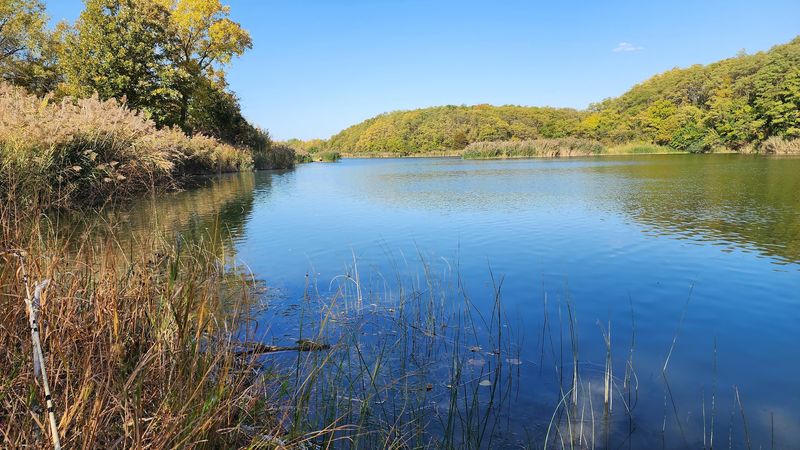
Long before kayaks and fishing poles showed up, this corner of Illinois was coal country. Strip mining peeled back the land, leaving ridges of rock and deep pits behind.
Over time, those pits filled with water and the slopes grew over with grass and trees. What remains today is a patchwork of lakes and mounds that gives the area its unusual, rolling shape.
That mining past matters for fossil fans. The digging exposed layers of rock that formed roughly 300 million years ago, when this region was swampy and warm, and the stones carrying ancient plant and sea life ended up scattered near the surface.
Fun fact for the car ride: the area shares its name with Mazon Creek, a region world-famous among scientists for remarkably detailed fossils preserved inside ironstone nodules. Kids tend to love hearing that rocks under their sneakers once sat in a prehistoric swamp.
So when you look across the calm water here, you are really looking at a healed landscape. Nature took a scarred spot and turned it into something peaceful.
Concretions Worth Carrying Home
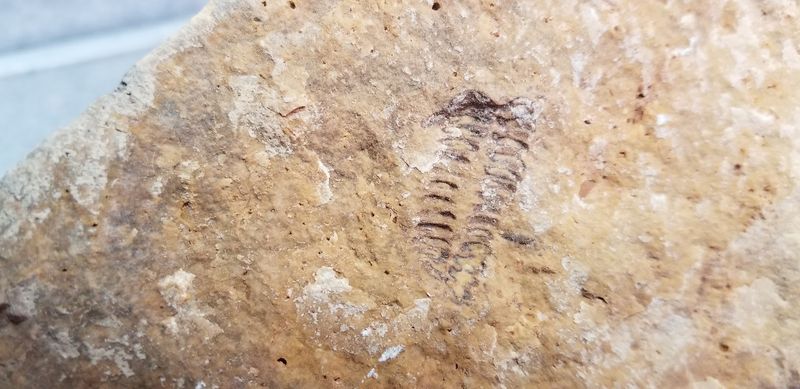
Picture a lumpy, rounded rock about the size of a small potato. Crack it open the right way, and you might see a fern leaf or tiny creature pressed inside like a stamp.
Those rocks are called concretions, and they are the star of the show here. Fossil hunting is one of the most talked-about activities at the preserve, and several visitors say they found specimens to take home.
One family visiting over spring break found several, though they admitted the fossils were tricky to spot. Another group searched near the water and gathered a handful of promising concretions to open later.
Plant fossils are a common goal for many hunters. Lucky kayakers once spotted a trilobite fossil along the shoreline, plus a few shells, which proves surprises can turn up even when you are not really looking.
The best part? Taking your finds home is the whole point.
Visitors typically pick up a permit first, so make that your very first stop.
Permits, Maps, and a Mailbox
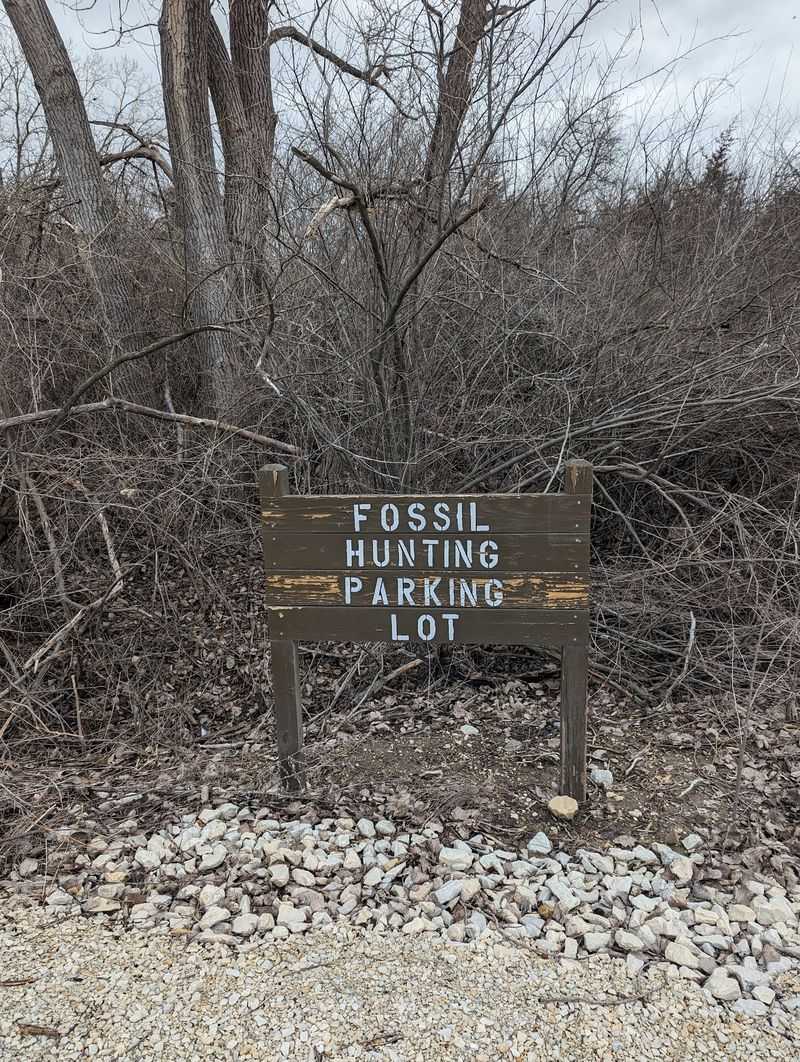
Here is a small but handy tip: your fossil adventure starts at the park office. Visitors report finding fossil permits waiting in a mailbox there.
Maps and permit forms are typically available at the main office as well. One fossil hunter found their first specimen at a recommended location shown on those park maps, which is a nice confidence boost for beginners.
Still, keep expectations flexible. Several people mention that the information printed on the permit seems outdated, and a few could not locate the spots it described, possibly due to construction in some areas.
Signage gets mixed feedback too. Some visitors wish the fossil hunting signs were bigger or labeled better.
The workaround is simple. Many hunters say there are books and online resources describing where to search, so a little homework before the drive can save a lot of guessing once you arrive.
The Freeze-Thaw Trick
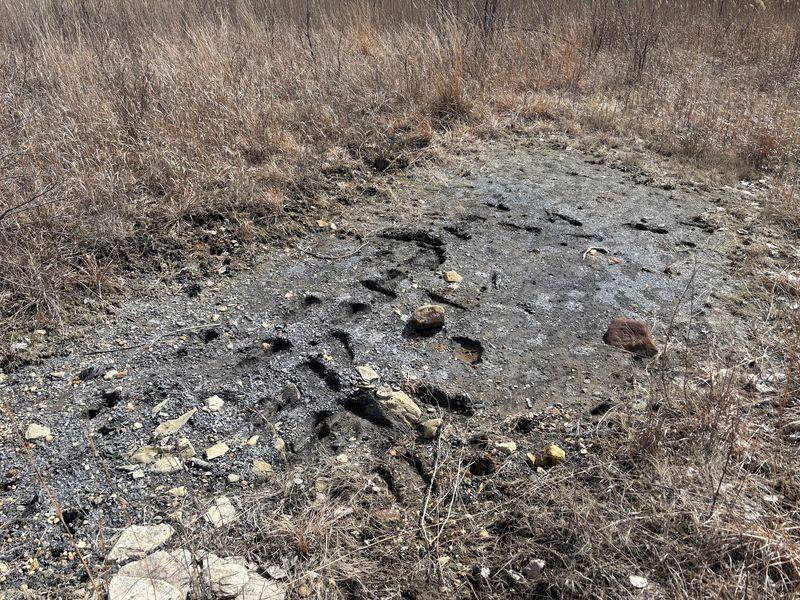
Resist the urge to smash rocks on the spot. One experienced parent strongly suggests leaving your concretions whole until you get home.
The method they recommend is called freeze-thaw. You freeze the rocks, let them thaw, and repeat until small cracks start to appear, then gently tap them open.
Why bother with the patience? Concretions can split along the hidden fossil inside, and forcing them open early may ruin the very thing you hoped to find.
This also turns one day trip into a longer family project. Kids get to check the freezer, watch for cracks, and celebrate when a leaf print finally shows up weeks later.
Bringing buckets is a common tip from visitors, and it makes sense. A sturdy bucket keeps your finds together for the ride home and the slow reveal afterward.
Lakes Built for Anglers
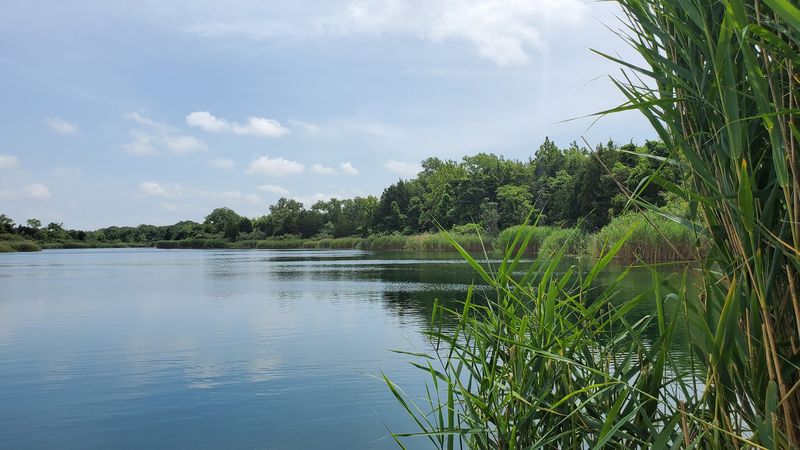
Fishing ties fossils as the most mentioned activity here, and it is easy to see why. Ponds and lakes seem to pop up around every bend.
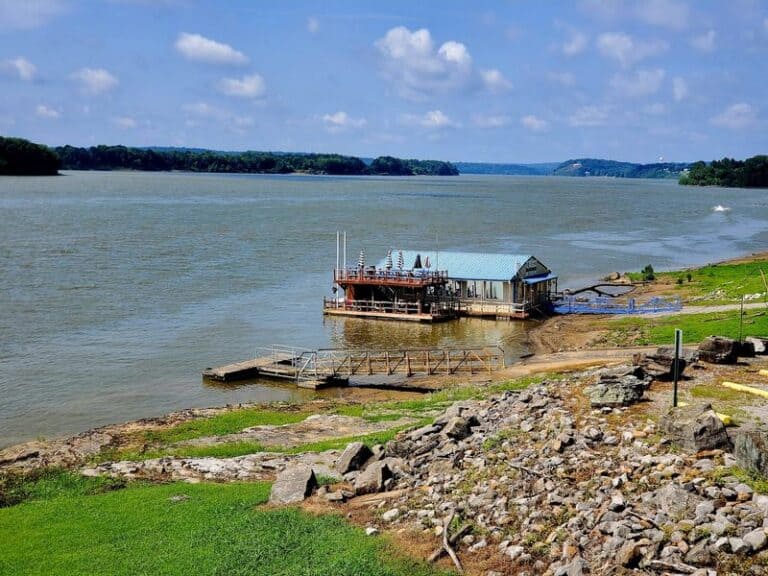
Visitors describe a variety of well-stocked lakes with plenty of shoreline access. Whether you are a seasoned angler or just want a slow afternoon with a line in the water, you can usually find your own spot.
One group walking back to their car watched a man reel in a huge catfish. They stood there cheering him on, which sounds like the kind of moment kids remember for years.
Not every outing ends with a trophy, of course. A kayak angler shared that nothing bit on their trip, but with so many water options, they planned to come right back.
Families who split interests do well here. One person can cast while another searches the shoreline for rocks, and everyone still ends the day together.
Paddling Calm Water
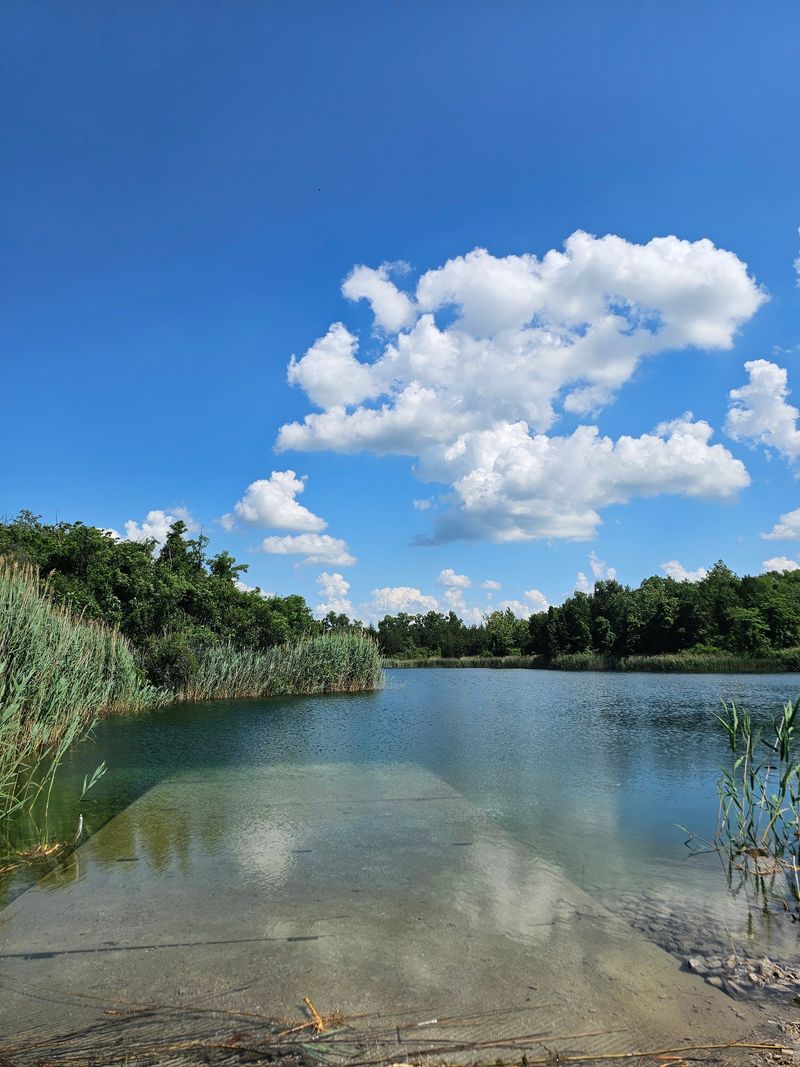
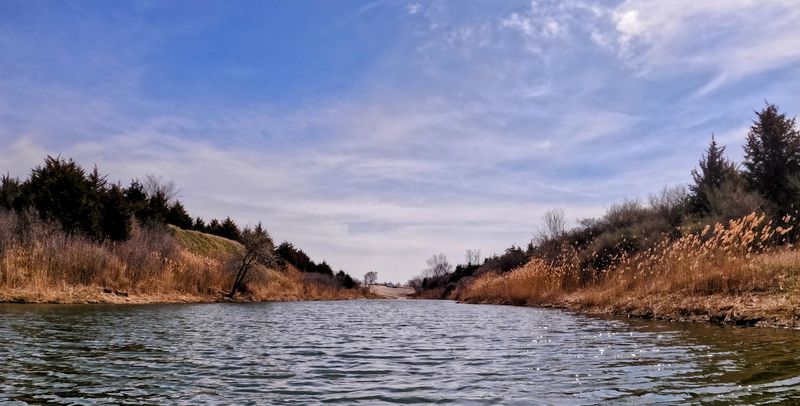
Smooth water and no crowds make kayakers very happy. Several visitors call this a perfect, peaceful place to paddle.
Boat ramps are spread around the area, and one paddler praised a great launch. Others mention many spots where kayaks and boats can slip into the water for fishing or exploring.
A married couple came out to fish and kayak together and loved the open spaces and lack of people. Their verdict was simple: nature as it should be.
Paddling also opens up shoreline that is hard to reach on foot. Remember the trilobite found along the water?
That came from a kayaking trip.
Bring your own boat, since nothing in the available details suggests rentals. Then pick a lake, float awhile, and keep an eye on the banks.
Trails, Bushwhacking, and Getting Your Bearings
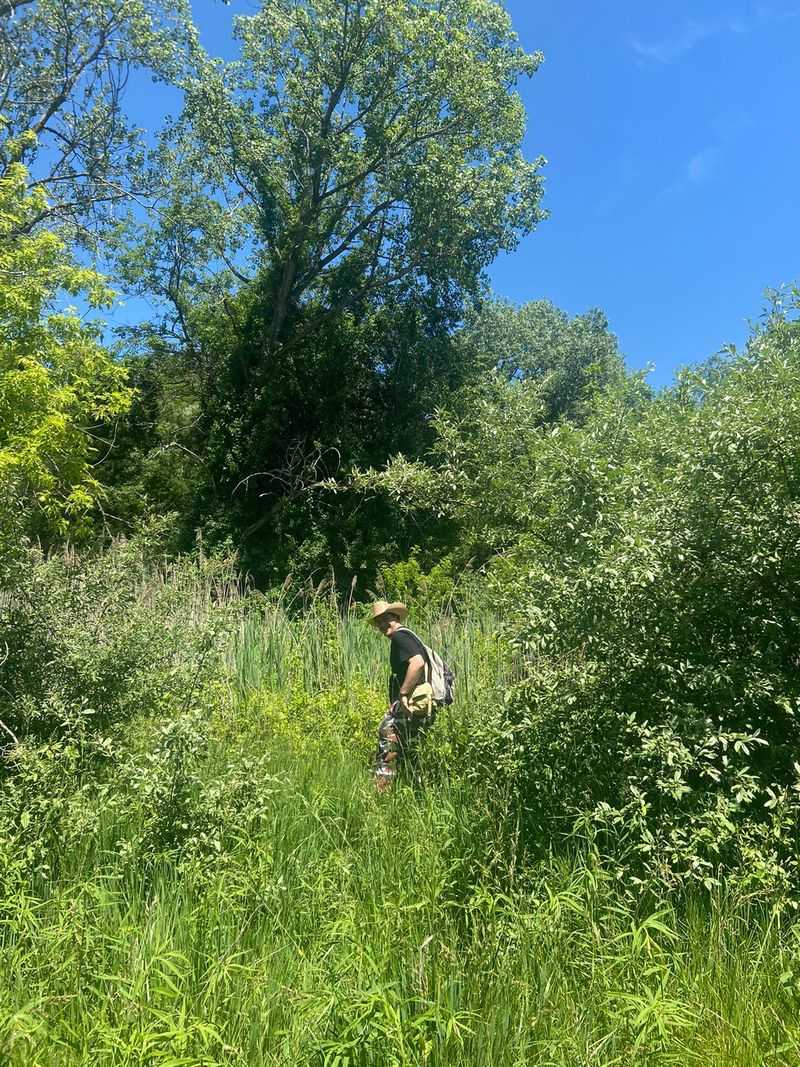
Hiking ranks high among visitor favorites, and the experience varies a lot depending on where you go. One person loved a paved path that was easy on the feet.
Off the main routes, things get wilder. Visitors describe overgrown trails, poor markings, and stretches where deer paths look just like people paths.
One group spent 30 minutes bushwhacking to reach their target. Another hiker near fossil site 3 got turned around for hours and later wished for clearer paths and more signs, so take that seriously, especially with kids.
Smart prep goes a long way. Regulars suggest carrying plenty of water, a first aid kit, and a fully charged phone, and some fossil hunters simply stick to searching near the water.
Telling someone your plan and turning back before dusk are easy habits. With them, the wild feel becomes part of the fun instead of a worry.
Yellowstone Vibes in Will and Grundy Country
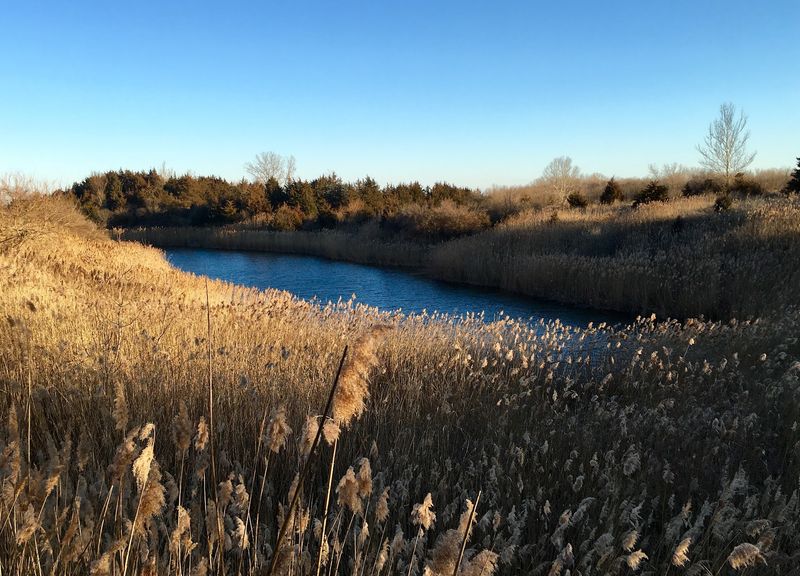
Nobody expects to think of a national park while driving through Braceville. Yet a couple of visitors say certain areas gave off real Yellowstone vibes.
Steaming geysers are not part of the deal, but the mix of open grass, odd ridges, and scattered water can feel surprisingly western. One visitor called it a truly unique place for Illinois.
Sunrise and sunset get special praise. People describe beautiful views all year long, with open skies that make the evening light glow across the ponds.
Stargazing pops up in conversations too. With hours stretching to 10 PM, there is time to linger after sunset and watch the sky darken.
Birdwatchers also find plenty to enjoy. Some folks even just cruise through with the windows down and soak it all in.
Who Feels Right at Home Here
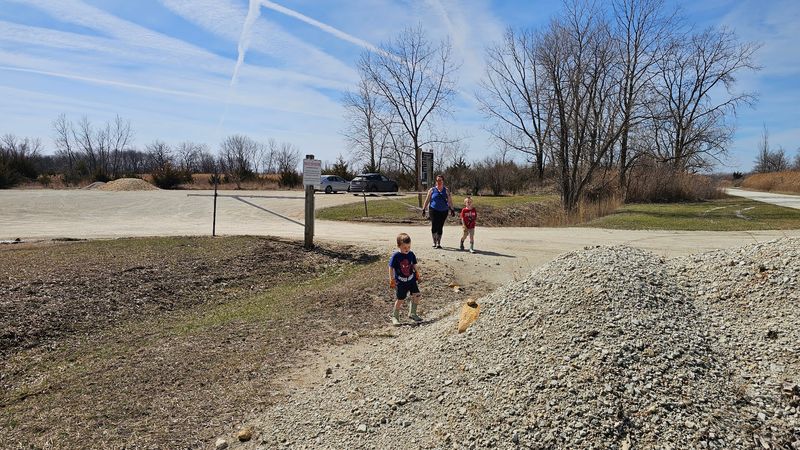
Curious kids top the list. A rock that might hold a 300-million-year-old leaf is basically a treasure hunt with a science lesson attached.
Anglers, kayakers, and quiet walkers fit right in as well. Many visitors rave about the calm, the clean grounds, and how empty the place often feels.
Solo explorers like the many parking areas where you can pull over and head off on your own. One person even marveled that such a slice of heaven could sit nearly empty.
On the other hand, anyone wanting playgrounds, snack stands, or perfectly groomed trails may want a different stop. One visitor noted off-trail exploring gets dirty, with prickly thorns and rocks to pull from the ground.
The happiest guests come ready for a little grit. Old clothes, sturdy shoes, and a sense of adventure suit this spot best.
Bugs, Seasons, and Timing Your Trip
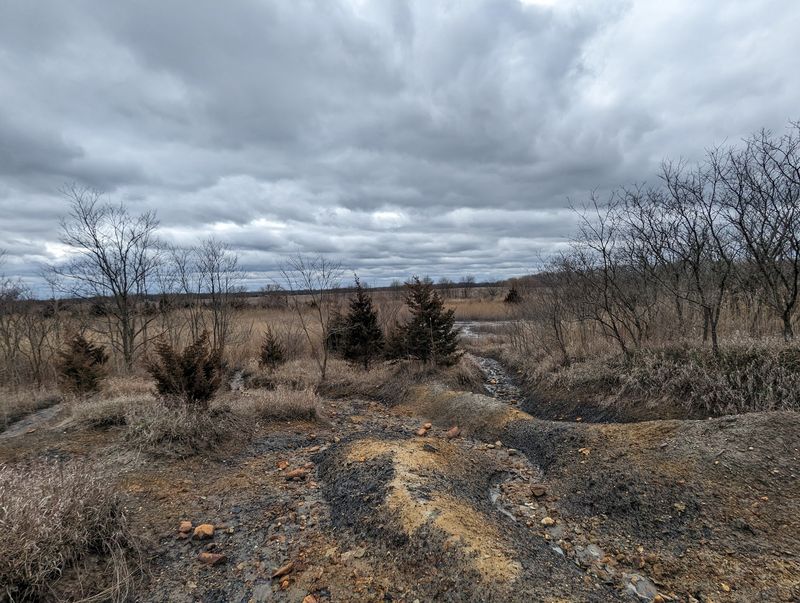
Spring wins the timing debate for fossil hunters. One parent suggests going when trees have no leaves, since bare ground makes rocks much easier to spot.
Warmer months bring a different challenge. Visitors repeatedly mention bugs, and one couple who hoped to fish and grill found the insects too much to enjoy their day.
The fix is easy enough. Bring bug spray, long sleeves, and maybe plan your heavy searching for cooler months.
Fishing and paddling stay popular through the warmer season, though. Many people simply adjust, spending more time on open water where breezes help.
Spring break makes an especially good window for families. Kids are free, the brush is thin, and the freezer at home is ready for some cracking projects.
Hours, Contacts, and a Gentle Verdict
Practical details first. The area is listed as open daily from 6 AM to 10 PM, and you can reach the office at 815-237-0063.
Find it near IL-53 and E Huston Road in Braceville. The Illinois DNR website offers more information, and it is smart to check it for updates before you head out, since permit details may change.
No pricing appears in the listing, so confirm any fees ahead of time. Pack water, snacks, bug spray, buckets, and a first aid kit, and start at the park office for your permit and map.
So is it worth the drive? For families who love a quiet adventure, it often is, especially with the chance of carrying home a real fossil.
Bring patience and a little research, and this former mining land may hand you a story to tell for years. Some treasures just take a freezer and a few weeks to reveal themselves.