Its earliest mission statement promised the best free care possible to those who were the most needy. That promise held firm even as the Great Depression squeezed families who could not afford a doctor.
Now that same institution sits on the U.S. News and World Report Honor Roll for the eleventh year in a row.
It is tied for the top spot in California. I love that the story starts with charity and ends up at the very top of national rankings.
The roots stretch back to 1902. Two separate hospitals carried the mission for decades before joining forces.
Today the place is famous for celebrity patients and serious science alike.
I believe the most interesting part is how that generous beginning still shapes things now. So how does a small free-care home become a national heavyweight?
A Medical Giant Sitting Right in the Middle of LA
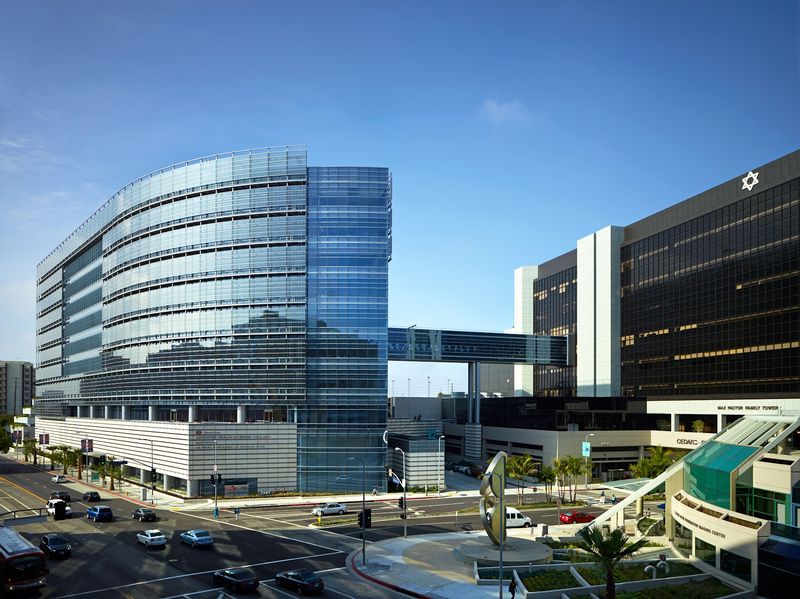
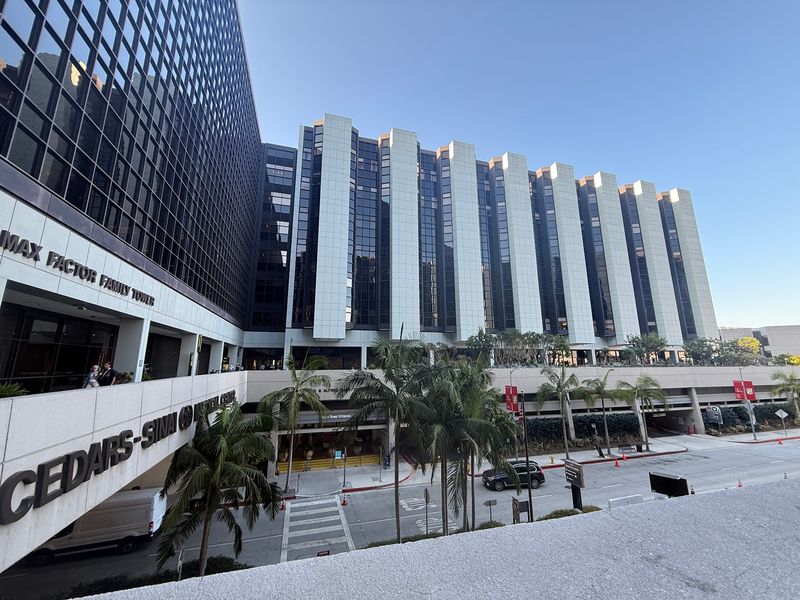
Cedars-Sinai Medical Center sits in the heart of Los Angeles, and it never closes. The doors stay open 24 hours a day, every single day of the week.
It’s a nonprofit academic medical center, which means it does three big jobs at once. Doctors treat patients, scientists run biomedical research, and the next generation of physicians trains on site.
That mix gives the place a busy, purposeful energy. Patients arrive from across Southern California, and some travel from other states entirely.
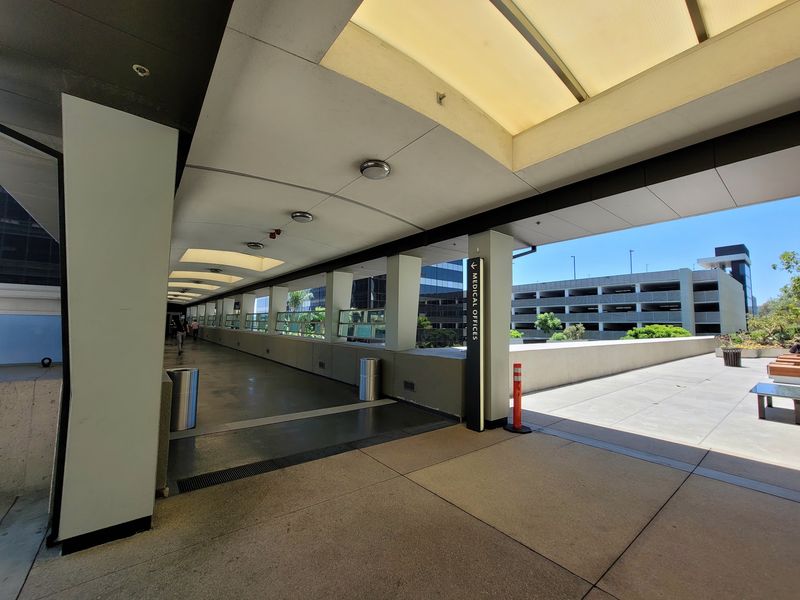
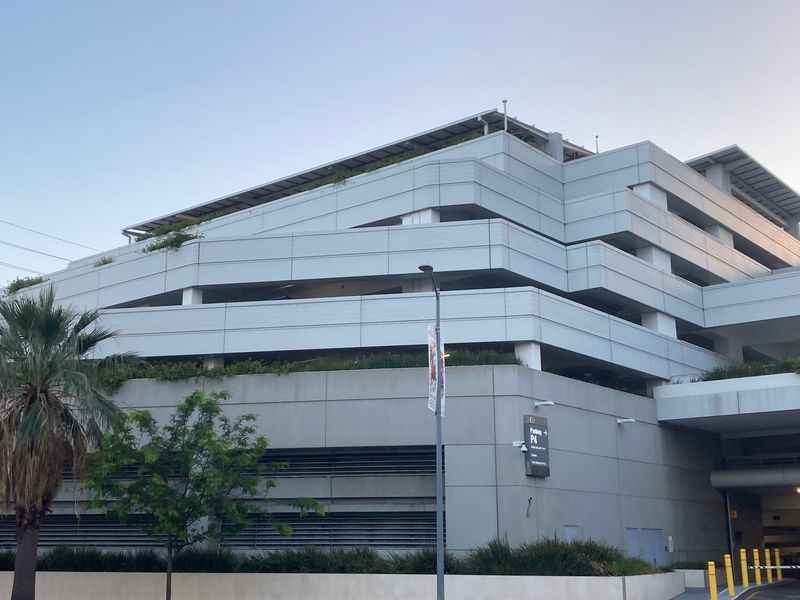
The campus is huge, too. Families heading there for the first time should expect plenty of buildings, hallways, and parking structures to sort through.
Size isn’t the headline, though. The real story is how a hospital built on free care turned into one of the most respected names in American medicine.
California has many excellent hospitals, but very few carry this kind of national reputation. Even fewer can trace their roots back to a promise to help people who had nothing to pay with.
Hold that thought about the promise. It explains almost everything about where this institution came from and why it still matters today.
The 1902 Promise That Started Everything
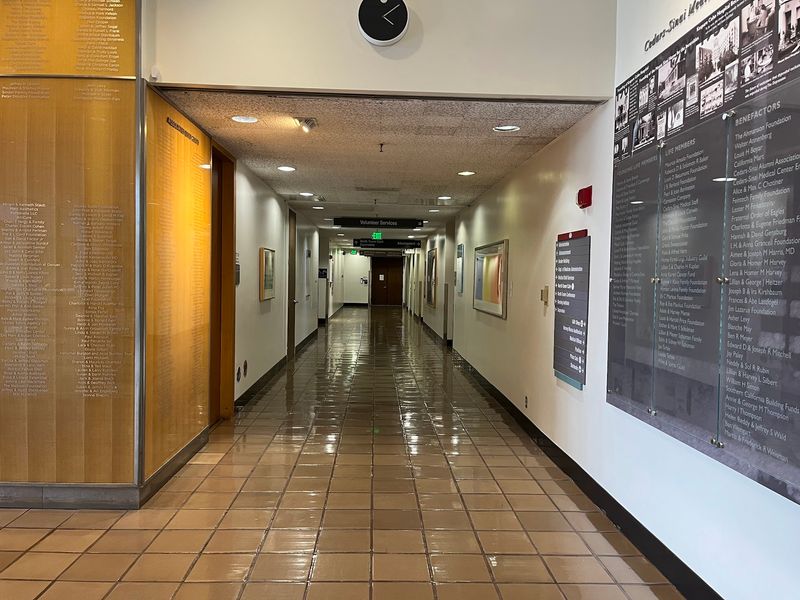
Back in 1902, the earliest chapter of this story began quietly. Nobody back then was talking about national rankings or celebrity patients.
The goal was much simpler and much kinder. Early leaders wanted to care for sick people who had nowhere else to turn.
One of the founding antecedents was the Mount Sinai Home for the Chronic Invalids. Its name sounds old-fashioned now, but its purpose was crystal clear.
That home focused on people with long-term illnesses. These were patients who often needed months or years of help, not a quick fix.
Caring for them took patience and money. It also took a stubborn belief that every person deserved good care, regardless of their bank account.
I like how unglamorous this beginning feels. There were no fancy suites or famous names, just a commitment to showing up for people.
That commitment became the foundation for everything that followed. Later growth, research breakthroughs, and awards all sit on top of this original act of generosity.
It’s a reminder that big institutions usually start small. This one started with compassion, and that choice shaped its personality for well over a century.
Free Care Even When the Great Depression Hit
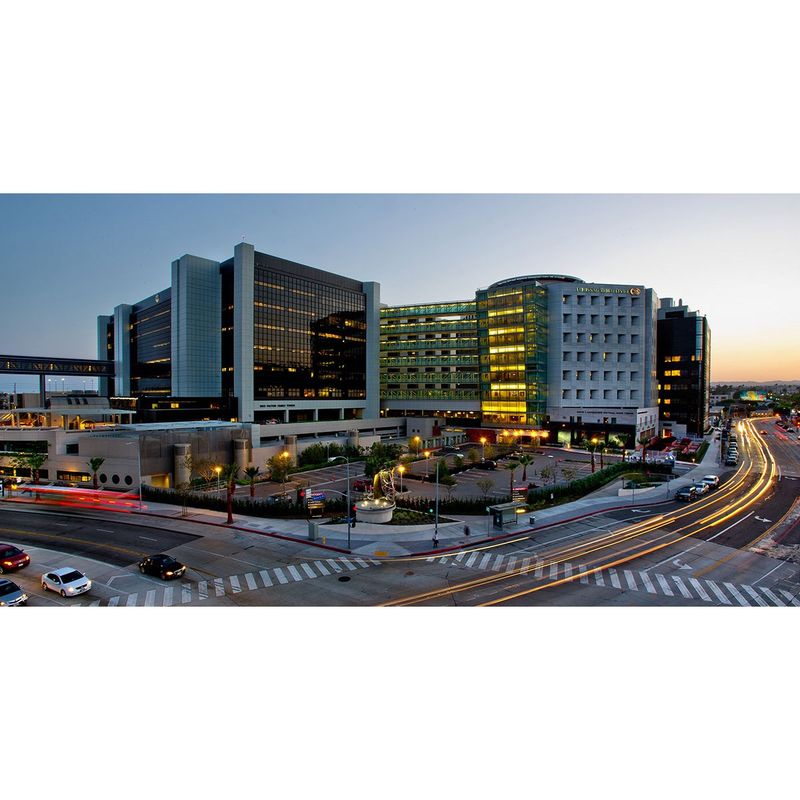
Expanding during the Great Depression sounds almost reckless. Yet in 1930, the Mount Sinai home grew into a 50-bed facility anyway.
Families across the country were losing jobs and savings. Paying a doctor was simply out of reach for many of them.
Through all of that, the mission stayed the same. Leaders wanted to give the best free care possible to those who were the most needy.
That’s a bold promise in good times. In one of the hardest economic stretches in American history, it was close to heroic.
Meanwhile, Cedars of Lebanon Hospital was carrying the torch in its own way. By 1933, it was upholding high standards of patient care while so many households struggled.
Two hospitals, one shared spirit. Both refused to let money decide who received help.
Good luck finding a better origin story for a hospital. It explains why the institution still talks about community service as part of its identity.
Those lean years tested the mission hard. The mission held, and that durability became part of the hospital’s DNA.
When Two Hospitals Became One Name in 1961
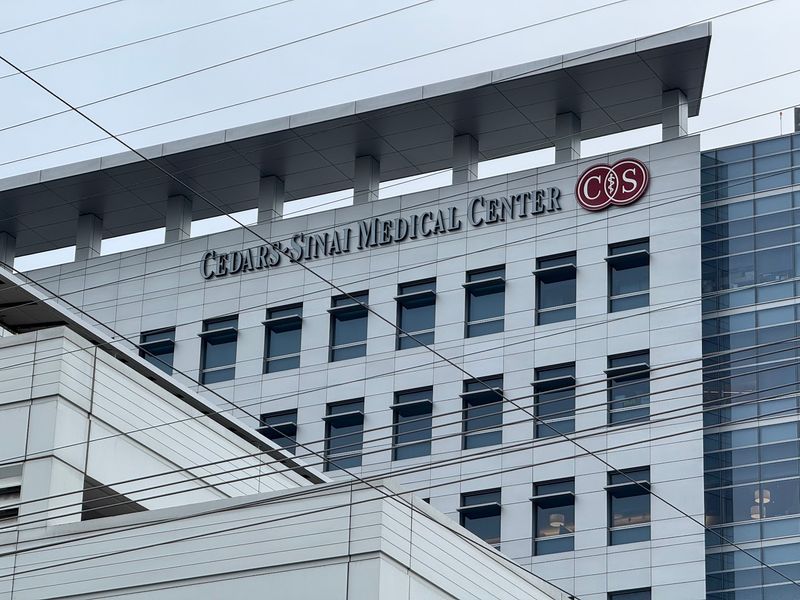
Here’s a fun bit of trivia: the hyphen in the name tells the whole history. Cedars stands for Cedars of Lebanon, and Sinai stands for Mount Sinai.
In 1961, those two institutions officially merged. The result was Cedars-Sinai Medical Center, the name Los Angeles knows today.
Merging made a lot of sense. Both hospitals shared the same values, so joining forces simply multiplied what they could do together.
More resources meant more specialists. It also opened the door to bigger research programs and stronger medical training.
Still, the merger didn’t erase the past. The name itself keeps both founding hospitals alive every time someone says it out loud.
That feels thoughtful to me. Plenty of organizations rebrand and forget where they came from, but this one literally wears its history.
From that moment, growth came steadily. The combined hospital built a reputation that stretched far beyond its California neighborhood.
So the next time you see the name on a building or a news story, you’ll know. Two hospitals with one generous mission are hiding in plain sight inside that hyphen.
The Biggest Nonprofit Hospital in the Western US
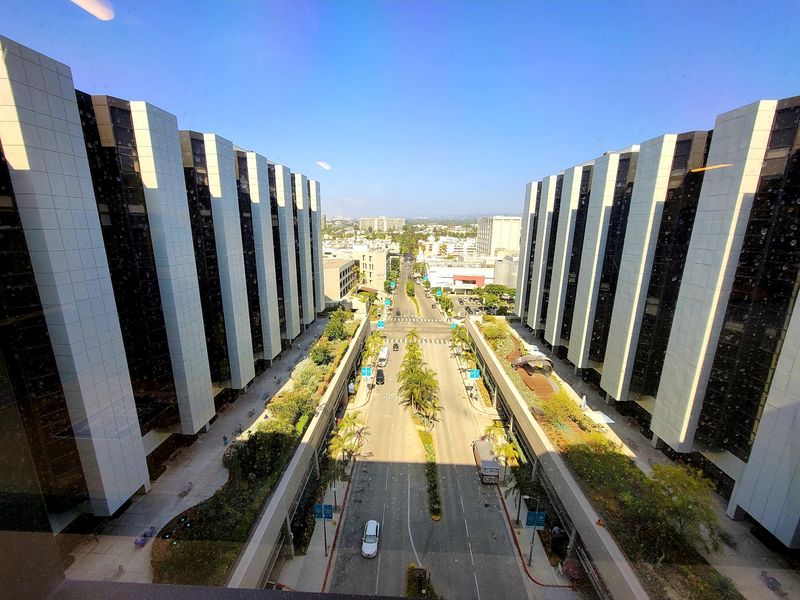
Few hospitals can claim a title this big. Cedars-Sinai Medical Center is the largest nonprofit hospital in the western United States.
That’s a long way from a 50-bed home. The scale is honestly a little hard to picture.
Being nonprofit matters here. It connects directly back to the hospital’s roots in charity care.
The academic side matters just as much. Cedars-Sinai supports both graduate and undergraduate medical education, shaping future doctors and health professionals.
Research runs alongside patient care, too. Biomedical scientists work under the same umbrella as the clinicians treating people every day.
That combination has earned the hospital international recognition for outstanding patient care. People recognize the name well outside California.
Size also brings practical realities. The campus spreads out, and first-time visitors can find it tricky to get around.
A little planning goes a long way. Knowing your building and entrance ahead of time can save a lot of wandering around a very large place.
Big doesn’t have to mean impersonal, though. The hospital frames its mission around community health, which keeps that original spirit in the picture.
Eleven Straight Years on the Honor Roll Is No Fluke
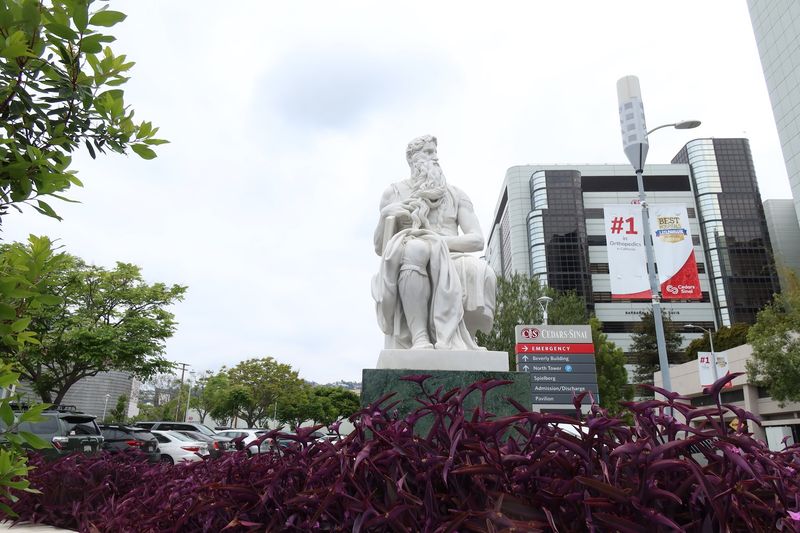
Eleven years in a row. That’s how long Cedars-Sinai has landed on the U.S.
News and World Report Honor Roll.
The latest nod came in the Best Hospitals 2026-27 rankings. It places the medical center among the 20 best hospitals in the entire nation.
One great year can happen with luck. Eleven consecutive years points to something much more consistent.
The local picture looks just as strong. In those same rankings, Cedars-Sinai is tied for number one in both California and Los Angeles.
That’s a crowded field, too. Southern California has some famous medical names, so topping that list says a lot.
I can’t imagine the pressure of keeping a streak like this going. Every year brings new data, new competition, and new expectations.
Rankings reflect patient care, research strength, and medical education working together. It’s the same three-part mission the hospital has built for decades.
For a place that started with free beds for people in need, the leap is remarkable. The values stayed the same while the results kept climbing higher and higher.
Ten Specialties Where This Hospital Shines Brightest
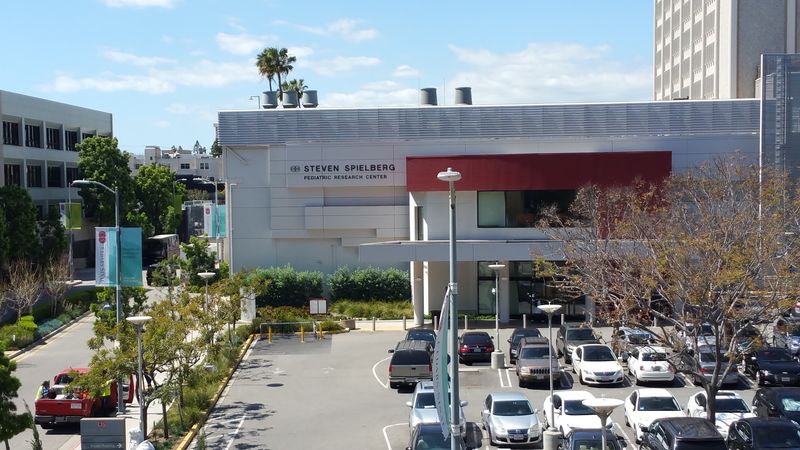
Hearts are a big deal here. Cardiology and Heart and Vascular Surgery rank among the hospital’s nationally recognized specialties.
The list doesn’t stop there. Cedars-Sinai is nationally ranked among the very best in 10 specialties overall.
Gastroenterology and GI Surgery makes the cut. So do Orthopedics, Pulmonology and Lung Surgery, and Neurology and Neurosurgery.
Urology earns high marks as well. Diabetes and Endocrinology, Obstetrics and Gynecology, Geriatrics, and Cancer care round out the strong showings.
That’s an impressive spread. It covers newborns and expectant mothers all the way up through older adults.
Specialized care like this draws patients from far away. Some families travel across state lines just to see these teams.
Breadth matters when health problems overlap. A patient with heart trouble and diabetes, for example, benefits from strong departments working side by side.
It’s easy to treat rankings like abstract numbers. Behind each one, though, are surgeons, nurses, and researchers doing very hard work every single day in Los Angeles.
Five Stars for Heart Failure, Thirteen Years Running
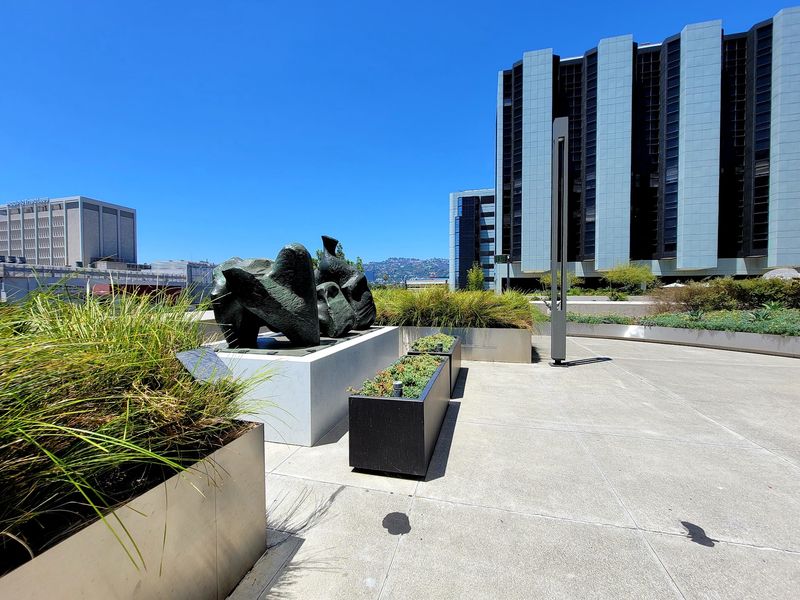
Rankings are one thing, but outcomes tell the real story. Healthgrades has rated Cedars-Sinai five stars for heart failure treatment for 13 consecutive years.
Those five-star ratings aren’t decorative. They indicate statistically significantly better clinical outcomes compared with other hospitals.
Sepsis care earns the same top rating. The hospital has collected five stars in that area for six years in a row.
Diabetic emergencies get similar recognition too. These are urgent situations where speed and skill really count.
Patient loyalty shows up in the data as well. Cedars-Sinai received the 2024 NRC Health Consumer Loyalty Award.
That award goes to hospitals that inspire lasting loyalty among the people they serve. In other words, patients tend to come back.
Not every experience is perfect, of course. Large, busy hospitals face real challenges with emergency room crowding and administrative hurdles.
Still, long streaks like these are hard to argue with. Thirteen years of top heart failure outcomes reflects steady, careful work rather than a lucky season.
The Famous Nickname and the Art on the Walls
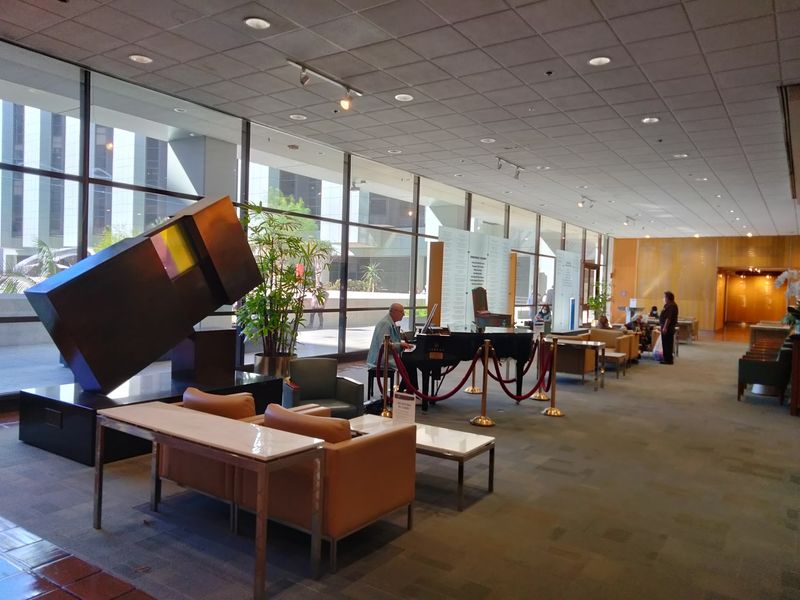
Hollywood loves a nickname. Cedars-Sinai is often called the hospital to the stars.
The label comes partly from its deluxe suites and its world-class art collection. Being near so many entertainment industry neighborhoods certainly doesn’t hurt the reputation either.
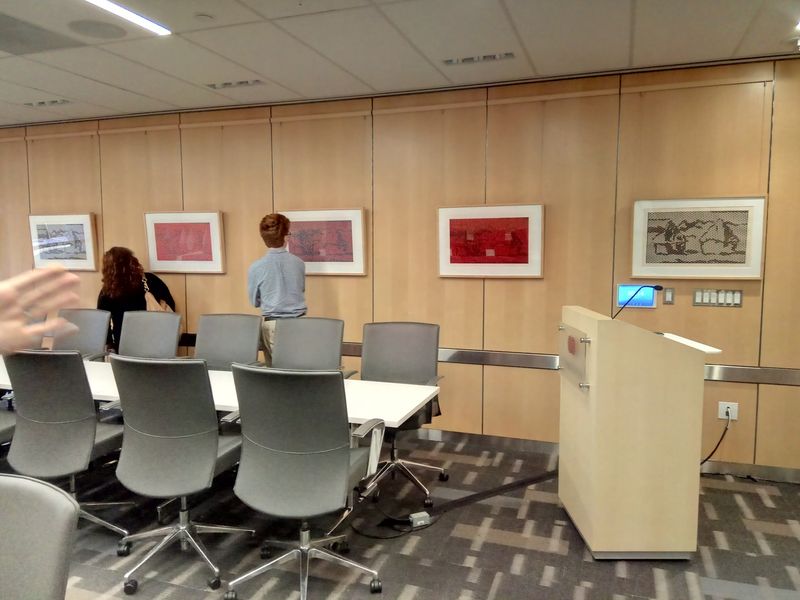
An art collection inside a hospital might sound surprising. It does make sense, though, since a calmer setting can help stressed patients and families.
Here’s the twist that makes the nickname interesting. Under all that glamour, the core mission of caring for everyone has stayed in place.
The hospital remains a crucial resource for the wider Los Angeles community. It isn’t just a place for famous faces with private rooms.
I like how those two sides live together. Celebrity buzz grabs headlines, while charity care quietly keeps the founding promise alive.
That contrast fits Southern California pretty well. Glitz and grit often share the same zip code here.
So the nickname is fun, but it’s only part of the picture. The bigger story is a hospital serving neighbors from every walk of life.
Charity Care Still Lives at the Heart of the Mission
Remember that promise of free care for the most needy? It still exists today, in a modern form.
Cedars-Sinai offers financial assistance through clear income-based guidelines. Patients with household incomes at or below 400 percent of the Federal Poverty Level qualify for fully free charity care.
There’s help beyond that line, too. Households between 401 and 600 percent of the poverty level can receive discounted payments on a sliding scale.
A newer California law adds another layer. As of January 2025, monetary assets are not considered when determining eligibility for this support.
That change matters for families with modest savings. It keeps a rainy-day fund from blocking access to care.
Billing can still feel confusing at big hospitals. Patients who need help should ask about the financial assistance program early in the process.
Asking questions isn’t embarrassing. These programs exist precisely so people can get treatment without fear of impossible bills.
It’s genuinely moving to see a 1902 mission carried into the present. The details have changed, but the heart behind them sounds very familiar.
An AI Helper That Has Already Seen 42,000 Patients
Forty-two thousand patients. That’s how many people an AI tool called CS Connect has already helped with around-the-clock care.
The idea is pretty clever. A chat feature asks patients about their symptoms, then compares those answers with existing medical records.
Next, the system recommends a treatment. Real doctors then review and validate that recommendation before anything moves forward.
So the robot isn’t running the show. Physicians stay firmly in charge, which keeps the standard of care high.
The real payoff is time. Doctors spend less of their day on paperwork and more of it actually treating people.
Anyone who has waited on a callback knows why that matters. Faster routes to answers can make a stressful health moment feel a bit more manageable.
Innovation here isn’t only about lab breakthroughs. It also covers smarter ways to deliver everyday care to busy Californians.
I find it fitting that a hospital with such old roots is leaning into new tools. Respecting history and chasing the future clearly aren’t opposites in this building.
Smart Moves Before You Head to Beverly Boulevard
Plan for a big campus. Cedars-Sinai Medical Center sits at 8700 Beverly Blvd, Los Angeles, CA 90048, and it covers a lot of ground.
Getting lost is easy for first-timers. Snapping a photo of your parking spot is a simple trick that pays off later.
Paid parking is available, including overnight. You can leave a car for as many days as you need during a longer stay.
Staying with a loved one overnight? Staff can bring out a cot, and packing a phone charger is a very smart idea.
Medication rules deserve attention. Bags may be checked, so leave personal meds at home if you’re staying overnight unless told otherwise.
The emergency department is a trauma center. That means life-threatening cases go first, and waits for stable patients can stretch for hours.
Bring patience, a snack, and something to read. Those small comforts make a long day feel shorter.
The hospital is open 24 hours, seven days a week. Scheduling appointments by phone can take persistence, so start the process early when possible.
Why This Story Is Worth Knowing, Even If You Never Need It
Most of us hope to avoid hospitals altogether. Still, some stories are worth knowing simply because they’re inspiring.
This one starts with a home for people who had nowhere else to go. It ends with a top-20 national ranking and a tie for first in California.
Along the way came a Depression-era expansion and a 1961 merger. A famous nickname and a world-class art collection showed up too.
None of it erased the original promise. Charity care, community service, and medical education remain central to Cedars-Sinai Medical Center today.
Is it perfect? No big hospital is, and busy emergency rooms and billing headaches are real frustrations.
But the overall arc is hard to ignore. Generosity laid the groundwork, and excellence grew right on top of it.
I believe that’s the lesson worth carrying home. Kindness at the start of something can shape it for over a century.
So next time you drive past Beverly Boulevard, give the place a nod. Behind those walls sits a very Los Angeles story with a surprisingly humble beginning.